• Skip to primary navigation
  • Skip to main content

Just Start Investing

We Make Investing Easy

  • Investing
    • Learn About Investing:
    • Investment Accounts
    • Online Brokerage Accounts
    • Investment Vehicles
    • Start Investing:
    • How to Invest in Index Funds
    • Start Investing with Betterment
    • Start Investing with Charles Schwab
  • Banking
    • Best Bank Accounts
    • Types of Bank Accounts:
    • Checking Accounts
    • Savings Accounts
    • CDs and Money Market Accounts
    • Online Banks vs Brick-and-Mortar
  • Credit Cards
    • Best Credit Cards:
    • Best Cash Back Credit Cards
    • Best No Annual Fee Credit Cards of 2021
    • Best Premium Credit Cards of 2021
    • Credit Card Tool: Find the Best Credit Card for Me
    • Learn About Credit Cards:
    • Types of Credit Cards
  • Blog
    • Investing
      • What is Crypto?
        • Crypto
      • What are stocks?
        • Stocks
      • What is a Real Estate Investment?
        • Real Estate Investments
      • What is an IPO?
        • IPO
    • Banking
    • Credit Cards
    • Budget
    • Finances
  • Earn with Crypto
  • Budget
    • How to Build a Budget
    • 24 Tips to Save More Money
  • Resources
  • About
    • Contact
    • Press
    • Learn More
    • Disclaimers
  • Show Search
Hide Search

General Personal Finance Blog

How To Beat Cavalry SPV I LLC in a Debt Lawsuit?

February 29, 2024 By Kevin Keenan

Dealing with a debt lawsuit from Cavalry SPV I LLC can be a daunting experience, but with the right knowledge and strategies, you can navigate the process effectively.

In this article, we will explore who Cavalry SPV I LLC is, what a debt lawsuit entails, and what steps you should take when served with a lawsuit.We will also discuss your options for handling the situation, the consequences of losing a lawsuit, and how to avoid being sued in the future.

Stay tuned for valuable insights on navigating the legal challenges posed by Cavalry SPV I LLC.

Key Takeaways:

  • Do not ignore a debt lawsuit from Cavalry SPV I LLC as it can have serious consequences.
  • Review the lawsuit carefully and respond in a timely manner.
  • You have options when dealing with Cavalry SPV I LLC, such as negotiating a settlement, disputing the debt, or seeking legal representation.
Beat Cavalry SPV I LLC in a Debt Lawsuit

Who is Cavalry SPV I LLC?

Cavalry SPV I LLC is a prominent debt collection agency that specializes in purchasing debts in bulk from various credit card and loan companies at discounted rates.

The company plays a crucial role in the debt collection industry, offering services that cater to acquiring debts related to consumer loans. Their expertise lies in efficiently managing and resolving these debts, providing relief to both creditors and debtors.

Cavalry SPV I LLC stands out for its strategic approach in negotiating buyouts, ensuring fair deals for all parties involved.

With a focus on consumer loans, they work towards maintaining ethical practices while pursuing debt collection, fostering trust and compliance in the industry.

What is a Debt Lawsuit?
lawsuit

A debt lawsuit, such as those filed by Cavalry SPV I LLC, is a legal action taken against an individual for failure to repay a debt, often resulting in court proceedings and potential financial consequences.

The process of a debt lawsuit typically starts with a creditor, like Cavalry SPV I LLC, filing a complaint in court outlining the details of the debt owed.

Once the lawsuit is served to the defendant, they have a limited time frame to respond, usually around 20-30 days, with their defense.

Defense attorneys play a crucial role in representing the defendant, analyzing the case, and building a strong defense strategy to protect the individual’s rights and interests.

What Should You Do When Served with a Debt Lawsuit from Cavalry SPV I LLC?
What Should You Do When Served with a Debt Lawsuit

When served with a debt lawsuit from Cavalry SPV I LLC, it is crucial to respond promptly and consider sending a debt validation letter to verify the debt’s accuracy.

Failure to respond to a lawsuit can result in a default judgment against you, potentially leading to wage garnishment or bank account levies. By promptly replying to the lawsuit, you maintain your legal rights and have the opportunity to challenge the debt’s validity.

Sending a debt validation letter to Cavalry SPV I LLC can help confirm your obligations and prevent any errors or fraudulent claims. This letter requests detailed information regarding the debt, including the original creditor, amount owed, and proof of ownership.

Do Not Ignore the Lawsuit

Ignoring a debt lawsuit from Cavalry SPV I LLC can have serious consequences, potentially leading to default judgments or wage garnishment.

When faced with a lawsuit from a debt collector like Cavalry SPV I LLC, it is crucial to address the situation promptly and responsibly.

Failure to respond can result in the court ruling in favor of the creditor, leading to a default judgment against you. This could then pave the way for wage garnishment, wherein a portion of your paycheck is seized to settle the debt.

Ignoring legal notices or court summons in such matters can further exacerbate the situation, potentially putting your assets and financial stability at risk.

Review the Lawsuit Carefully

Carefully reviewing the details of the debt lawsuit filed by Cavalry SPV I LLC is essential to understand the claims made and the necessary steps for defense.

When looking into the intricacies of the lawsuit, one should start by examining the documentation provided by the plaintiff, including the debt validation, any correspondence, and contract agreements.

Thorough evaluation of these materials can help identify any discrepancies or lack of evidence supporting the lawsuit.

Understanding the statute of limitations applicable to the debt and assessing the accuracy of the debt amount claimed is crucial. It is advisable to consider seeking legal advice or exploring the option of arbitration to potentially resolve the dispute amicably.

Here’s our guide on How To Beat Wakefield and Associates which could be useful to you if you have an ongoing debt related issues with them.

Respond to the Lawsuit

Responding promptly and appropriately to a debt lawsuit from Cavalry SPV I LLC is crucial to protect your rights and present a valid defense.

When Cavalry SPV I LLC files a lawsuit against you for debt repayment, it is essential to acknowledge the legal documents you receive. Being proactive in your response signals that you are taking the matter seriously and are willing to engage in resolving the issue.

Remember that under the Fair Debt Collection Practices Act, you have rights that safeguard you from abusive debt collection practices.

Ignoring the lawsuit or delaying a response can result in a default judgment against you, leading to potential garnishment of wages or seizure of assets.

Therefore, it is imperative to adhere to the timelines set by the court and provide a timely and well-crafted response that addresses the claims made by Cavalry SPV I LLC.

What Are Your Options When Dealing with Cavalry SPV I LLC in a Debt Lawsuit?

When facing a debt lawsuit from Cavalry SPV I LLC, individuals have various options, including negotiating a settlement or disputing the debt through validation.

One approach for handling a lawsuit from Cavalry SPV I LLC involves entering into negotiations to reach a settlement. This method allows the individual to potentially reduce the overall debt amount and establish a structured repayment plan.

On the other hand, disputing the debt through validation requires the creditor to provide proof of the debt’s validity. This can be a strategic move to ensure that the individual is not held accountable for an inaccurate or unjust debt.

Negotiate a Settlement

Negotiating a settlement with Cavalry SPV I LLC can be a viable option to resolve the debt lawsuit amicably and potentially reach a mutually beneficial agreement.

When engaging in negotiations with Cavalry SPV I LLC, it is crucial to approach the process with clear communication and a willingness to find common ground.

Understanding your financial situation and setting realistic goals can enhance your bargaining position.

Trust plays a significant role in these discussions, so maintaining transparency about your circumstances is key. By showcasing a genuine effort to resolve the debt, you may increase the chances of securing a favorable settlement.

Keeping track of all correspondence and agreements in writing can provide a layer of protection for both parties.

Dispute the Debt

Disputing the debt claimed by Cavalry SPV I LLC involves challenging the accuracy and validity of the debt through formal dispute processes or seeking assistance from debt relief agencies.

When disputing a debt with Cavalry SPV I LLC, individuals may send a formal dispute letter outlining the reasons for questioning the debt’s legitimacy. This letter should include specific details such as account numbers, payment history, and any discrepancies noticed.

By requesting debt validation from Cavalry SPV I LLC, the burden shifts to them to provide proof of the debt’s ownership and accuracy.

Alternatively, engaging debt relief agencies can offer professional support in navigating debt disputes, negotiating settlements, or exploring legal options.

These agencies may analyze the debt’s validity, negotiate with creditors on behalf of individuals, and potentially provide legal representation in court proceedings if the dispute escalates.

Seek Legal Representation

Seeking legal representation when facing a debt lawsuit from Cavalry SPV I LLC can provide valuable guidance, defense strategies, and representation in legal proceedings.

Dealing with a debt lawsuit can be overwhelming and complex, especially when navigating the legal system.

A skilled defense attorney can assess your case, offer expert advice, and formulate a strong defense to protect your rights. They understand the intricacies of debt collection laws and court procedures, which can be crucial in building a solid defense.

Having a professional attorney by your side can help negotiate with creditors, potentially reducing the amount you owe or even settling the case out of court. This can save you time, money, and stress in the long run.

What Are the Consequences of Losing a Debt Lawsuit to Cavalry SPV I LLC?

Losing a debt lawsuit to Cavalry SPV I LLC can result in severe consequences such as wage garnishment, bankruptcy filings, and adverse impacts on credit scores.

If the lawsuit goes in favor of Cavalry SPV I LLC, they may seek to garnish your wages to recover the owed debt. This means a portion of your income can be legally withheld to satisfy the judgment.

Losing the case might push you towards considering bankruptcy as a possible solution to manage the debt burden. Filing for bankruptcy comes with its own set of challenges and long-term financial repercussions such as a significant negative impact on your credit report and credit score.

Wage Garnishment

Wage garnishment is a legal action that allows creditors like Cavalry SPV I LLC to collect owed debts directly from an individual’s wages, following the necessary legal procedures.

When a creditor such as Cavalry SPV I LLC initiates wage garnishment, they typically obtain a court order mandating the employer to withhold a specified amount from the individual’s paycheck to repay the debt.

This process is governed by specific laws and regulations that dictate the maximum percentage of an employee’s wages that can be garnished, ensuring a fair balance between debt repayment and the individual’s financial stability.

Wage garnishment is often a last resort for creditors after other attempts to collect the debt have been unsuccessful. It serves as a powerful tool for enforcing debt repayment, as it directly impacts the individual’s income, prompting them to address the outstanding financial obligations.

Bank Account Levy

Bank account levy is a debt collection method that enables creditors like Cavalry SPV I LLC to seize funds directly from an individual’s bank account following a court-issued judgment.

This process typically starts with a creditor filing a lawsuit against the debtor for non-payment of debts. If the court rules in favor of the creditor, a default judgment may be entered, allowing the creditor to take further legal actions such as bank account levies.

Once the judgment is obtained, the creditor can request the court to issue a writ of execution to authorize the seizure of funds from the debtor’s bank account.

Individuals facing a bank account levy should be aware of the legal procedures involved and seek advice from a legal professional to understand their rights and potential options for resolution.

Property Lien

A property lien imposed by entities like Cavalry SPV I LLC restricts the sale or transfer of property owned by an individual until the debt is resolved, following legal procedures and arbitration if necessary.

Property liens serve as a legal claim against a property to secure the repayment of a debt. When Cavalry SPV I LLC or similar entities file a lawsuit for unpaid debts, they can seek a judgment lien on the debtor’s property.

This lien notifies any potential buyers or creditors that there is an existing debt obligation tied to the property. It essentially prevents the property owner from selling or transferring the property without satisfying the debt first.

Resolving a property lien typically involves repaying the debt or reaching a settlement agreement with the creditor. If the debtor fails to address the debt, the creditor may initiate a foreclosure process to recover the owed amount through the sale of the property.

In cases where disputes arise regarding the validity of the debt or the lien, arbitration can be utilized to resolve the matter outside of court.

Arbitration offers a more cost-effective and efficient alternative to lengthy litigation processes, allowing both parties to present their arguments before a neutral arbitrator who then issues a binding decision on the dispute.

This mechanism helps streamline the resolution of property lien issues and provides a quicker path to resolving debt-related conflicts.

How Can You Avoid Being Sued by Cavalry SPV I LLC in the Future?

To avoid being sued by Cavalry SPV I LLC in the future, maintaining accurate records of debts, communicating effectively with creditors, and seeking assistance from credit counseling services are recommended.

Establishing a comprehensive record-keeping system can prove invaluable in preventing misunderstandings and disputes regarding outstanding balances.

Keep all documentation, including payment receipts, communication logs, and loan agreements, organized and easily accessible. Regularly review these records to ensure accuracy and address any discrepancies promptly.

Open lines of communication with your creditors can often lead to mutually beneficial solutions. Promptly notify them of any financial difficulties you may face and be transparent about your situation.

Collaborate on creating feasible repayment plans or negotiating settlements to avoid escalation to legal actions.

Enrolling in credit counseling services can provide you with valuable financial education and guidance. A credit counselor can help you develop a budget, understand your financial obligations, and explore options for managing debts effectively.

By proactively seeking support, you can enable yourself to make informed decisions and take control of your financial well-being.

Keep Records of Your Debts

Maintaining detailed records of debts, credit reports, and FICO scores can help individuals track their financial obligations and address discrepancies proactively to avoid potential legal issues with entities like Cavalry SPV I LLC.

By keeping accurate records of loans, credit card statements, and credit scores, individuals can easily monitor their overall financial health.

Regularly reviewing these records enables them to detect any errors or discrepancies that may negatively impact their credit standing.

Staying informed about their FICO score and credit utilization ratio is crucial in preventing debt-related challenges.

Effective credit monitoring allows individuals to identify potential issues early and take necessary steps to rectify them.

Responsible management of these financial aspects not only aids in preventing legal disputes but also contributes to long-term financial stability.

Communicate with Creditors

Maintaining open communication with creditors, responding to requests promptly, and utilizing debt validation letters when necessary can foster positive relationships and resolve potential disputes before escalating to lawsuits like those initiated by Cavalry SPV I LLC.

When dealing with creditors, it is crucial to establish transparency and trust through open communication.

Timely responses showcase your commitment to resolving issues and can prevent misunderstandings from escalating.

Debt validation letters serve as a formal method to challenge the legitimacy of a debt, prompting creditors to provide proof of the amount owed. These letters are powerful tools in disputing inaccurate information and protecting your rights as a consumer.

By proactively engaging with creditors and utilizing debt validation letters judiciously, individuals can navigate debt collection processes more effectively.

Seek Help from Credit Counseling Services

Engaging with credit counseling services or debt relief agencies can provide individuals with valuable financial management guidance, debt restructuring options, and potential alternatives to bankruptcy in collaboration with entities like Cavalry SPV I LLC.

By seeking assistance from these services, individuals can gain a clearer understanding of their financial situation and receive personalized advice on how to effectively manage their debts.

These agencies often have established relationships with creditors, allowing them to negotiate lower interest rates or more favorable repayment terms on behalf of their clients.

They can help individuals create realistic budget plans and develop strategies to improve their credit scores over time.

Choosing these proactive measures can significantly reduce the risk of facing debt lawsuits and offer a pathway towards long-term financial stability.

Frequently Asked Questions

1. How can I beat Cavalry SPV I LLC in a debt lawsuit?

To beat Cavalry SPV I LLC in a debt lawsuit, you will need to gather evidence and prepare a strong defense. This may include requesting proof of ownership of the debt, checking for any violations of the Fair Debt Collection Practices Act, and ensuring the statute of limitations has not expired on the debt.

2. What is the best way to respond to a lawsuit from Cavalry SPV I LLC?

It is important to respond to a lawsuit from Cavalry SPV I LLC in a timely manner. You can either file an answer or a motion to dismiss. It is recommended to consult with a lawyer to determine the best course of action for your specific case.

3. Can I negotiate a settlement with Cavalry SPV I LLC?

Yes, it is possible to negotiate a settlement with Cavalry SPV I LLC. However, it is important to approach this carefully and with the help of a lawyer. You should also be aware of any potential tax implications of settling the debt.

4. What should I do if I receive a summons from Cavalry SPV I LLC?

If you receive a summons from Cavalry SPV I LLC, do not ignore it. You may have a limited amount of time to respond, so it is important to take action as soon as possible. Seek legal advice and gather evidence to prepare a strong defense.

5. Is it worth hiring a lawyer to defend against Cavalry SPV I LLC?

It is highly recommended to hire a lawyer to defend against Cavalry SPV I LLC in a debt lawsuit. A lawyer can provide legal expertise and help you navigate the complicated legal process. They can also increase your chances of successfully beating the lawsuit.

6. Can I countersue Cavalry SPV I LLC in a debt lawsuit?

Yes, it is possible to countersue Cavalry SPV I LLC in a debt lawsuit. However, this should be done with the guidance of a lawyer and only if you have legitimate grounds for a countersuit. Your lawyer can help you determine the best course of action for your particular case.
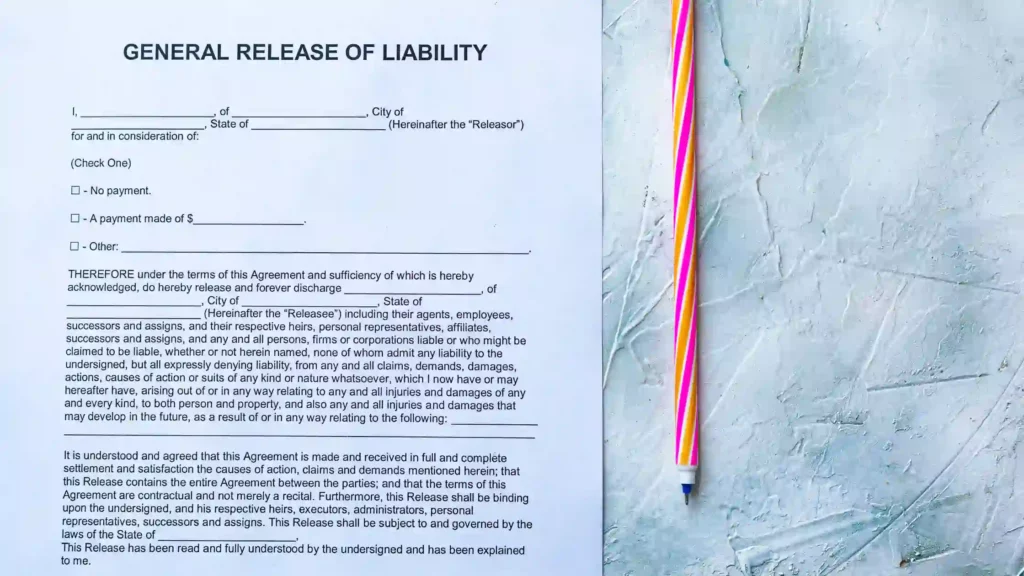
How To Resolve a Debt With Harris and Harris?

February 29, 2024 By Kevin Keenan

Are you familiar with Harris and Harris Debt Collection Agency and their practices? This article covers everything you need to know, from who they collect for to common complaints against them.

Learn how to confirm the legitimacy of a debt claim, dispute a debt, and settle with Harris and Harris. Discover the consequences of not resolving a debt with them and how to avoid dealing with debt collection agencies like Harris and Harris in the future.

Let’s dive in!

Key Takeaways:

  • Confirm the legitimacy of a debt claim with Harris and Harris before taking any action.
  • Dispute the debt if you believe it is inaccurate or if you do not owe the debt.
  • Be prepared to negotiate a settlement with Harris and Harris to resolve the debt.
how to resolve debt with Harris and Harris

What is Harris and Harris Debt Collection Agency?

Harris & Harris is a debt collection agency that specializes in collecting delinquent debts on behalf of creditors and other entities.

The firm provides a range of services to assist in the recovery of outstanding debts, including skip tracing, negotiation with debtors, and legal proceedings when necessary.

Harris & Harris strive to ensure compliance with all relevant laws and regulations, following ethical practices in debt collection.

Their approach focuses on open communication with debtors, offering flexible repayment options while advocating for fair treatment of both creditors and consumers.

In the financial industry, Harris & Harris plays a crucial role in maintaining the balance between recovering debts owed and respecting consumer rights.

Who Does Harris and Harris Collect For?

Harris & Harris collects debts for various sectors, including healthcare providers, government agencies, and utility companies.

With a diverse client base spanning across industries such as technology, finance, and education, Harris & Harris employs tailored collection practices to meet the unique needs of each sector.

Their approach involves engaging with debtors professionally and ethically, ensuring compliance with industry regulations and guidelines.

For healthcare providers, prompt debt collection is imperative to maintain the financial health of the institution, while government agencies rely on Harris & Harris to recover funds owed to the public purse.

Utility companies benefit from efficient debt recovery processes to sustain uninterrupted services for consumers.

What Are the Common Complaints Against Harris and Harris?

Harris & Harris has been the subject of numerous customer complaints, with issues ranging from alleged scams to improper debt removal practices.

Consumers have expressed frustration over Harris & Harris’s aggressive debt collection tactics, which some have deemed as bordering on harassment. The lack of transparency in their communication and the frequent reports of inaccurate billing have only intensified the discontent among those dealing with the company.

Concerns have been raised regarding Harris & Harris’s compliance with the Fair Debt Collection Practices Act (FDCPA) and other regulations put in place to protect consumers from abusive debt collection practices. Reports of unauthorized charges, misleading information, and difficulties in disputing debts have fueled skepticism about the company’s commitment to ethical debt collection standards.

How to Confirm the Legitimacy of a Debt Claim with Harris and Harris?

To verify the legitimacy of a debt claim with Harris & Harris, debtors can request a validation of debt letter as per the guidelines of the Fair Debt Collections Practices Act.

When a consumer receives a debt collection notice from Harris & Harris or any other agency, it’s crucial to understand that they have rights protected by the FDCPA. By sending a validation of debt letter, the debtor can officially challenge the accuracy and validity of the claimed debt. This letter prompts the debt collector to provide documentation and proof that the debt is legitimate and that they have the legal right to collect it.

How to Dispute a Debt Claim with Harris and Harris?

How to Dispute a Debt Claim with Harris and Harris

Debtors can dispute a debt claim with Harris & Harris by contacting credit bureaus to rectify any errors in their credit reports related to the debt in question.

Once the debtor has identified any discrepancies in their credit report, they should request a copy of the report from the credit bureaus.

  • Review the report carefully, comparing it with your records to pinpoint inaccuracies.
  • Prepare a detailed dispute letter highlighting the errors and providing supporting documentation.
  • Submit the dispute letter to the credit bureaus, ensuring it reaches Harris & Harris for investigation.

Engaging in this process diligently is crucial to rectifying incorrect debt claims and maintaining a healthy credit history.

How to Settle a Debt with Harris and Harris?

To settle a debt with Harris & Harris, debtors can engage in negotiations to reach a mutually agreeable settlement amount and terms.

Throughout the negotiation process, debtors should adopt strategic approaches such as presenting a clear picture of their financial situation and proposing realistic repayment options. It is crucial to stay persistent yet courteous in communication with Harris & Harris representatives to convey willingness to cooperate while advocating for fair terms.

Once both parties agree on a settlement amount, a detailed written agreement outlining the terms, payment schedule, and any potential consequences in case of default should be carefully reviewed and signed.

It’s important to note that debt settlement can have varying impacts on credit scores depending on individual circumstances.

While settling a debt may result in a lower credit score initially due to the negotiation process, it can also provide a quicker path to financial recovery compared to ongoing debt burdens.

Debtors should weigh the potential credit score implications against the benefits of resolving their debt and achieving financial stability.

Gather Information and Evidence

Gather Information and Evidence

Before initiating discussions with Harris & Harris regarding a debt, gather relevant information and evidence, including communication records and financial documentation.

Having a detailed record of your interactions can be crucial when dealing with debt collectors like Harris & Harris. Keeping thorough logs of calls, emails, and letters exchanged can help you track the progression of your conversations and ensure accuracy in communication.

Having your financial statements in order gives you a clear overview of your financial situation, making it easier to present information accurately and negotiate effectively. It also helps you understand your payment capabilities and strategize on the best repayment plan.

Also, you can read our article on How To Beat Cavalry SPV I LLC in a Debt Lawsuit?

Contact Harris and Harris to Discuss the Debt

Initiate contact with Harris & Harris to discuss the debt, inquire about the details, and explore potential negotiation options to resolve the outstanding balance.

When contacting Harris & Harris regarding your debt, it is crucial to approach the conversation with a clear understanding of your financial situation and the reasons behind the unpaid balance. Express your willingness to find a mutually beneficial solution that addresses both your concerns and the creditor’s expectations.

Familiarize yourself with debt negotiation tactics to enhance your bargaining position. Remember, negotiating debt repayment is a common practice in the financial industry and can lead to favorable outcomes.

Be aware of the implications of debt negotiations under the Fair Credit Reporting Act (FCRA), which protects consumer rights during credit reporting processes.

Negotiate a Settlement Agreement

negotiation with UCB

Engage in negotiations with Harris & Harris to reach a settlement agreement that outlines the payment terms, potential reductions, and any provisions regarding wage garnishment.

During these negotiations, it is crucial to consider the potential risks associated with wage garnishment if the debt is not resolved promptly. One key aspect to keep in mind is the statute of limitations on debt, as exceeding this limit can impact the legal enforceability of the debt.

Formal settlement agreements play a vital role in protecting both parties involved in the negotiation process. These agreements specify the terms of the settlement, ensuring clarity and preventing any future disputes.

By understanding these essential factors and working with Harris & Harris, you can navigate the debt settlement process effectively and secure a favorable outcome.

Request a Written Confirmation of the Settlement

After finalizing a debt settlement agreement with Harris & Harris, request a written confirmation detailing the terms, payment schedule, and any agreements on debt validation or removal.

Securing a written confirmation post-settlement is crucial for clarity and protection.

Verification of the terms ensures both parties are in agreement, preventing any misunderstandings down the line.

Having a documented payment schedule aids in avoiding any discrepancies or payment disputes.

Agreements on debt validation or removal should be clearly outlined to avoid any future issues.

What Are the Consequences of Not Resolving a Debt with Harris and Harris?

Failure to resolve a debt with Harris & Harris can lead to potential legal actions, negative impacts on credit scores, and the risk of wage garnishment.

When a debt goes unresolved with a reputable firm like Harris & Harris, it is imperative to understand the gravity of the situation. Ignoring these financial obligations can spiral into a cascade of consequences that extend beyond mere financial burdens.

Legal repercussions can loom large on the horizon, with the possibility of lawsuits and court orders becoming a stark reality. Credit scores can plummet, affecting one’s financial standing and future borrowing capabilities.

The specter of wage garnishment further intensifies the gravity of the situation. This means that a portion of your earnings can be legally withheld to repay the debt, impacting your monthly income and financial stability.

How to Avoid Dealing with Debt Collection Agencies Like Harris and Harris in the Future?

To prevent future encounters with debt collection agencies like Harris & Harris, consumers can proactively manage their finances, seek financial counseling, and assert their consumer rights.

Financial literacy plays a crucial role in equipping individuals with the knowledge to make informed financial decisions and manage their money effectively.

By understanding concepts like budgeting, saving, and avoiding unnecessary debt, consumers can proactively stay ahead of potential financial troubles that may lead to debt collection issues.

Being aware of consumer rights give the power tos individuals to challenge unfair practices by debt collectors, such as harassment and fraudulent claims.

Frequently Asked Questions

1. What is Harris and Harris debt collection agency?

Harris and Harris is a debt collection agency that specializes in collecting unpaid debts from individuals and businesses. They work on behalf of creditors to recover outstanding balances.

2. Who does Harris and Harris collect for?

Harris and Harris collects debts for a variety of creditors, including credit card companies, medical providers, and utility companies. If you have an outstanding debt with any of these types of companies, it is possible that Harris and Harris may be attempting to collect on their behalf.

3. Harris and Harris has received many complaints. What should I do if I am contacted by them?

If you are contacted by Harris and Harris, it is important to take the call or letter seriously. Review the details of the debt they are claiming you owe and gather any relevant documentation. You may also want to consider seeking the advice of a financial advisor or lawyer to help you navigate the situation.

4. How can I confirm the debt claim is legitimate with Harris and Harris Ltd?

If you are unsure about the legitimacy of the debt claim from Harris and Harris, you can request a written validation notice from them. This notice should include details about the debt, including the amount owed and the original creditor. You can also request copies of any documentation they have to support the claim.

5. Can I dispute the debt being collected by Harris and Harris?

Yes, you have the right to dispute the debt being collected by Harris and Harris. You can do so by sending a written dispute letter to the agency, outlining the reasons why you do not believe you owe the debt. They are required to investigate your dispute and provide you with a response.

6. How can I settle my debt with Harris and Harris?

If you are able to pay off the debt, you can reach out to Harris and Harris to discuss settling the debt. They may be willing to negotiate a payment plan or a reduced lump sum payment. It’s important to get any settlement agreement in writing and to keep a record of your payments.

How To Beat Accredited Collection Services?

February 29, 2024 By Kevin Keenan

To beat accredited collection services, know your rights as a bebtor, keep records of all communication, negotiate a settlement, file a complaint with the CFPB or you can go for legal help.

Are you being hounded by Accredited Collection Services and unsure of how to handle the situation?

We will explore what Accredited Collection Services are, their common tactics, and how you can beat them at their own game.

Practical tips include knowing your rights as a debtor, keeping records of all communication, negotiating a settlement, requesting debt validation, filing a complaint with the CFPB, and seeking legal help.

We discuss the consequences of not paying a debt, such as damage to your credit score, legal action from creditors, wage garnishment, property liens, and even bankruptcy.

To avoid dealing with Accredited Collection Services altogether, we offer advice on making timely payments, communicating with creditors, creating a budget, and seeking debt counseling.

Learn how to protect yourself from the tactics of Accredited Collection Services and take control of your financial situation.

Key Takeaways:

  • Know your rights as a debtor and utilize them to protect yourself from aggressive tactics used by collection services.
  • Keep thorough records of all communication with collection services to have evidence in case of any disputes.
  • Negotiate a settlement or request debt validation to potentially decrease the amount owed or verify the validity of the debt.

What Are Accredited Collection Services?

Accredited Collection Services refer to professional agencies hired by creditors to recover overdue debts from consumers. These services operate within the guidelines set by the Fair Debt Collection Practices Act.

They play a crucial role in facilitating the resolution of unpaid debts while ensuring compliance with legal frameworks that protect consumers.

Accredited Collection Services help streamline the debt recovery process by employing trained professionals who understand both the rights of creditors and the protections afforded to debtors under relevant laws.

By adhering to regulations such as the Fair Debt Collection Practices Act, these agencies strive to maintain ethical practices and treat consumers fairly and respectfully during the debt collection process.

What Are Their Main Functions?

The main functions of Accredited Collection Services include sending validation notices, handling debt dispute letters, and verifying debts through the validation process.

When a consumer receives a validation notice from Accredited Collection Services, it serves as a formal communication regarding a debt’s existence and provides an opportunity for the recipient to request further information or dispute the debt’s accuracy.

In response to debt dispute letters, the Accredited Collection Services is responsible for investigating the disputed debts to ensure their accuracy and update the consumer accordingly.

Through the verification process, Accredited Collection Services diligently examines all relevant documentation and information to confirm the legitimacy of the debts being collected.

What Are Their Common Tactics?

Accredited Collection Services often utilize tactics such as reporting to credit bureaus, affecting credit scores, handling consumer complaints, negotiating settlements, and prioritizing financial protection.

One of the key strategies employed by these services involves credit reporting, which is vital in ensuring that consumers are aware of the impact on their credit scores.

Effective negotiation techniques play a crucial role in reaching settlements that are fair to both parties.

Addressing consumer complaints promptly and professionally is another significant aspect of their approach to maintaining positive relationships and reputation.

Ensuring the safeguarding of financial interests is paramount in this industry, where trust and transparency are essential for successful outcomes.

How to Beat Accredited Collection Services?

Beating Accredited Collection Services involves understanding your rights as a debtor, keeping records of all communications, negotiating settlements, requesting debt validations, filing complaints with the Consumer Financial Protection Bureau, and seeking legal assistance if needed.

How to Beat Accredited Collection Services

It is crucial to familiarize yourself with the Fair Debt Collection Practices Act (FDCPA) to ensure that the collection agency is following legal guidelines during the debt collection process.

Maintaining detailed documentation of all interactions with the collection agency can serve as invaluable evidence in case of disputes or legal actions.

Honing your negotiation skills can lead to favorable debt settlement agreements, potentially avoiding prolonged legal battles.

Knowing how to request debt validation is another powerful tool in your arsenal, which can prompt collection agencies to provide proof of the debt’s validity.

Know Your Rights as a Debtor

Understanding your rights as a debtor is crucial when dealing with Accredited Collection Services, as it helps protect consumers from unfair debt collection practices and ensures compliance with statutes of limitations.

Debtor rights serve as a shield for individuals facing debt collection, safeguarding them from harassment, threats, or deceptive tactics often employed by some debt collectors.

By knowing these rights, individuals can assert themselves against overbearing practices and demand fair treatment during the debt collection process.

Being aware of statutory limitations on debt collection activities is vital as it prevents collectors from pursuing debts that are past the legal timeframe.

Keep Records of All Communication

Maintaining thorough records of all communications with Accredited Collection Services is essential to track interactions, address credit bureau reporting issues, lodge complaints, and monitor the debt validation process.

Having a comprehensive documentation system helps in keeping track of all conversations and correspondence with the collection agency, ensuring clarity and transparency in dealings.

By recording these interactions meticulously, individuals have a clear roadmap to dispute any inaccurate credit bureau reports that may arise as a result of the debt collection process.

Communication tracking enables individuals to pinpoint any discrepancies and discrepancies and take appropriate action.

Keeping detailed records aids in submitting formal complaints when necessary, providing a paper trail for any grievances or irregularities.

Overseeing the validation process ensures that all requested debt verification is conducted accurately and promptly, safeguarding individuals’ rights in the collections process.

Negotiate a Settlement

Negotiate a Settlement

Negotiating a settlement with Accredited Collection Services can be a viable option for resolving debts amicably. It involves presenting a debt dispute letter, engaging in negotiations, and seeking assistance from the Financial Protection Bureau if needed.

When initiating the negotiation process, it’s crucial to begin by drafting a well-crafted debt dispute letter, outlining the discrepancies or inaccuracies in the debt. This letter serves as a formal acknowledgment of your intent to resolve the outstanding amount. Once the collection agency receives this correspondence, they typically pause collection activities to investigate the claims.

With the initial groundwork laid, you can then proceed to negotiate the settlement terms. Using effective communication and negotiation tactics, you can work towards reaching a mutually beneficial agreement that suits your financial capabilities. It’s essential to remain calm and composed during these discussions, focusing on finding a solution that works for both parties.

In cases where negotiations reach an impasse or if you encounter any unfair practices, don’t hesitate to involve the relevant consumer protection agencies such as the Financial Protection Bureau. These agencies are designed to safeguard consumer rights and can mediate disputes to ensure fair treatment.

Are debt collection agents from Harris and Harris are calling you constanty, here How To Resolve a Debt With Harris and Harris?

Request Debt Validation

Request Debt Validation

Requesting debt validation from Accredited Collection Services involves sending a formal letter requesting verification of the debt, ensuring compliance with regulations and protecting consumers’ rights.

When requesting debt validation, it is crucial to include specific details such as your name, account number, and the amount in question. This formal request triggers a process where Accredited Collection Services must provide evidence that the debt is valid and legally owed.

Following receipt of your letter, they are legally obligated to cease collection activities until they validate the debt.

Credit bureaus play a key role in this process by updating your credit report once the debt is verified, ensuring accurate financial information.

File a Complaint with the CFPB

Filing a complaint with the Consumer Financial Protection Bureau (CFPB) against Accredited Collection Services can help address issues related to debt collection practices, ensuring consumer rights protection and regulatory enforcement.

In the process of lodging a complaint with the CFPB, individuals are provided a platform to voice their concerns regarding debt collection activities overseen by entities like Accredited Collection Services.

The bureau plays a vital role in investigating these concerns, resolving consumer grievances, and upholding industry standards.

The CFPB works towards ensuring that debt collectors comply with regulations and treat consumers fairly, fostering a transparent and accountable environment within the industry.

Seek Legal Help

Seek Legal Help

Seeking legal assistance from organizations like the National Association of Consumer Advocates or legal services provided by the Department of Education can offer additional support when dealing with Accredited Collection Services.

By reaching out to such entities, individuals can access valuable resources and guidance to navigate the complexities of debt collection practices.

Legal aid from these reputable organizations can help consumers understand their rights, negotiate with creditors, and even challenge unfair or illegal collection tactics.

What Are the Consequences of Not Paying a Debt?

Failing to pay a debt can result in severe consequences, such as damage to credit scores, legal actions like wage garnishment, property liens, and potentially bankruptcy. “

When individuals fail to meet their debt obligations, it casts a shadow on their financial credibility. A missed payment can have a domino effect on their credit scores, making it challenging to secure future loans or lines of credit.

Legal repercussions can quickly follow, with creditors resorting to measures like wage garnishment and placing property liens.

These actions not only tarnish one’s financial standing but can also lead to a downward spiral towards bankruptcy, requiring significant legal and financial interventions to rectify the situation.

Damage to Credit Score

Failure to pay debts can lead to a negative impact on credit scores, affecting credit reports issued by agencies like Equifax, TransUnion, and Experian.

These major credit bureaus play a pivotal role in the financial landscape, regularly collecting and updating data on individuals’ credit histories.

They use this information to calculate credit scores, which are crucial for determining a person’s creditworthiness when applying for loans, mortgages, or credit cards.

Any missed or late payments can lower your credit score significantly, making it harder to access favorable lending terms and financial opportunities.

Legal Action from Creditors

Creditors may resort to legal actions under the Debt Collection Practices Act, involving steps like complaints to the Better Business Bureau, Federal Trade Commission, and pursuing legal remedies against debtors.

These actions fall within the scope of regulatory frameworks designed to protect consumers from unfair debt collection practices. When a creditor initiates legal proceedings, the debtor may receive formal notifications of the complaint, triggering a series of legal steps. Under the Fair Debt Collection Practices Act, consumers have the right to dispute debts or request validation before further legal actions proceed.

Wage Garnishment

Wage garnishment may be imposed as a consequence of unpaid debts, following legal procedures overseen by entities like the Financial Protection Bureau and resources provided by Debt.org for negotiation assistance.

When an individual fails to repay debts, creditors may legally seek wage garnishment as a means to recover the owed funds. This process involves obtaining a court order that allows a portion of the debtor’s paycheck to be withheld by their employer.

The Financial Protection Bureau monitors such practices to ensure they align with established regulations, safeguarding consumer rights.

In cases of wage garnishment, Debt.org offers valuable support services to assist debtors in negotiating with creditors and exploring alternative repayment plans.

Property Liens

Property liens can be placed against assets following legal actions by debt collectors, potentially leading to restrictions on property ownership, as seen in cases involving institutions like Florida State University.

When a property lien is imposed, it essentially serves as a legal claim against the property in question. This means that the debt owed must be settled before the property can be sold or transferred to another party.

Property liens significantly impact a person’s ability to utilize their property for financial purposes, such as obtaining loans or selling the property without clearing the debt.

Notable cases have highlighted the importance of understanding the legal procedures surrounding lien enforcement to protect property rights and navigate debt collection challenges effectively.

Bankruptcy

In extreme cases, debt non-payment can lead to bankruptcy filings under the Fair Credit Reporting Act, with potential involvement of Credit Collection Services and interventions for financial protection.

Bankruptcy laws play a crucial role in governing how individuals or businesses can resolve their debts when facing insolvency. These laws are designed to provide a legal framework that outlines the process and conditions under which a debtor can seek relief from overwhelming financial obligations.

Credit reporting agencies monitor and report individuals’ payment behavior and credit utilization, which can impact their credit scores and financial standing.

A bankruptcy filing can significantly affect one’s credit report and score, potentially making it challenging to access loans or credit in the future.

How to Avoid Dealing with Accredited Collection Services?

Preventing interactions with Accredited Collection Services involves making timely payments, seeking debt counseling, maintaining open communication with creditors, and leveraging credit bureaus to manage debts effectively.

By ensuring that payments are made on time, individuals can avoid accruing unnecessary debt, which can lead to interactions with collection agencies.

Seeking debt counseling can provide valuable insights and strategies for effective debt management, helping individuals navigate their financial challenges proactively.

Open communication with creditors is essential to address any financial difficulties promptly and explore possible repayment options to prevent escalation to collection services.

Using credit bureaus to monitor and control debts allows individuals to track their credit standing and take necessary actions to maintain a healthy financial profile.

Make Timely Payments

Timely payments are essential in preventing interactions with Accredited Collection Services, as they demonstrate financial responsibility, avoid the need for negotiations, and help maintain a positive credit score.

By adhering to regular payment schedules, individuals can establish a reputation for reliability in honoring their financial commitments. This not only fosters trust with creditors but also significantly reduces disputes and hassles that may arise from missed or delayed payments.

A consistent record of timely payments plays a crucial role in managing one’s credit score, ensuring stability and enhancing opportunities for future financial endeavors.

Communicate with Creditors

Maintaining open communication with creditors can prevent escalations to Accredited Collection Services, fostering transparency, resolving issues before they escalate, and ensuring compliance with debt validation processes.

Regular communication with creditors plays a crucial role in staying proactive and ahead of any potential debt collection involvement.

By engaging in open dialogue with creditors, individuals can address financial difficulties early on, thus avoiding the need for third-party agencies like Accredited Collection Services to step in.

This approach not only builds trust and transparency but also allows for the swift resolution of any disputes or misunderstandings that may arise.

Adhering to the validation requirements set forth by creditors demonstrates a commitment to responsible debt management and can lead to more favorable outcomes in the long run.

Create a Budget and Stick to It

Developing a budget and adhering to it is crucial in avoiding interactions with Accredited Collection Services, as it promotes financial discipline, minimizes the need for negotiations, and safeguards credit scores.

Effective budget planning serves as a shield against accumulating debt that may lead to unpleasant encounters with creditors. By setting clear financial boundaries, one can avoid the labyrinth of debt collection agencies altogether. This financial discipline not only helps in managing current expenses but also lays a strong foundation for future financial stability.

One of the added benefits of budgeting is the reduction in the necessity for negotiation with creditors. When expenses are carefully tracked and controlled, there is less chance of falling behind on payments or facing unexpected fees, reducing the need for lengthy negotiations that can impact credit standing.

Maintaining a well-managed budget can act as a buffer against fluctuations in income or unexpected expenses, ensuring that credit scores remain intact. By proactively managing finances according to a structured plan, individuals can protect their creditworthiness and avoid harmful impacts on their financial future.

Seek Debt Counseling

Engaging with debt counseling services like Debt.org can provide valuable insights, negotiation support, assistance in validation procedures, and overall financial protection against debt escalation.

When individuals seek debt counseling, they tap into a plethora of resources designed to alleviate their financial burdens. These services are not just about managing existing debts but also about educating individuals on budgeting, saving habits, and long-term financial planning.

Professional debt counselors at organizations like Debt.org offer personalized guidance to navigate through negotiations with creditors, create manageable repayment plans, and even advocate on behalf of clients to validate disputed debts.

Frequently Asked Questions

How to Beat Accredited Collection Services?

What are some accredited collection services in the United States? Some accredited collection services in the United States include Allied Collection Services, DCM Services, and Transworld Systems Inc.

How to Beat Accredited Collection Services?

How can I avoid being contacted by accredited collection services? You can avoid being contacted by accredited collection services by staying current on your bills and avoiding delinquency.

How to Beat Accredited Collection Services?

Can I negotiate with accredited collection services to lower my debt? Yes, you can negotiate with accredited collection services to lower your debt through payment plans or settlements.

How to Beat Accredited Collection Services?

What legal rights do I have when dealing with accredited collection services? You have the right to dispute any inaccurate or incomplete information on your credit report and you can request that accredited collection services stop contacting you.

How to Beat Accredited Collection Services?

Are there any consequences for ignoring communication from accredited collection services? Yes, ignoring communication from accredited collection services can result in legal action being taken against you, further damaging your credit score.

How to Beat Accredited Collection Services?

How can I beat accredited collection services if I am unable to pay my debt? You can seek assistance from a credit counselor or consider filing for bankruptcy as a last resort to handle your debt with accredited collection services.

How To Beat Unifin?

February 28, 2024 By Kevin Keenan

Are you dealing with debt collectors from Unifin and wondering if they are legitimate? You must stay informed and empowered when dealing with debt collection agencies like Unifin to prevent yourself from scammers.

This article will guide you on what types of debt Unifin collects, how to verify their legitimacy, and how to contact them.

You will also learn about your rights as a consumer when dealing with debt collectors, and how to handle Unifin’s collection tactics.

how to beat unifin

Key Takeaways:

  • Be cautious of scam debt collectors and verify Unifin’s legitimacy by checking their license, requesting written validation of the debt, and verifying it with the original creditor.
  • Contact Unifin Inc. through their phone number, email address, or physical address. Keep records of all communication and consult with an attorney for consumer rights assistance.
  • As a consumer, you have the right to request verification, dispute the debt, and request a cease and desist of communication. You can also file a complaint with the Consumer Financial Protection Bureau if needed.

What is Unifin?

Unifin is a reputable debt collection agency that specializes in collecting various types of debts, including student loan debt, medical debt, and other consumer debts.

For student loan debt, Unifin understands the complexity and sensitivity involved and with a team of experts well-versed in student loan regulations, they work diligently to recover outstanding balances while maintaining respect and understanding towards borrowers.

Their specialization in medical debt collection showcases their ability to handle delicate situations with care and compliance.

Unifin’s approach towards consumer debts is comprehensive, ensuring that each case is handled uniquely and strategically to optimize recovery rates while upholding ethical practices.

What Types of Debt Does Unifin Collect?

Unifin specializes in collecting various types of debt, including student loan debt, medical debt, and consumer debts, catering to a wide range of financial obligations.

Regarding student loan debt, Unifin works to recover outstanding balances from individuals who have availed of student loans for their education.

The complexities of student loan debt often involve deferment, forbearance, or default scenarios, requiring tailored communication strategies by Unifin to assist borrowers in resolving their debts.

Medical debt, on the other hand, presents unique challenges with health-related expenses that can accumulate unexpectedly.

Unifin’s approach to medical debt collection involves understanding the delicate nature of these financial burdens, offering compassionate solutions to individuals facing overwhelming medical bills.

Consumer debts encompass a wide range of financial obligations, such as credit card debts, personal loans, and more.

Unifin handles consumer debts with a focus on compliance and ethical practices, aiming to assist individuals in managing their financial responsibilities effectively.

By employing diverse strategies for different debt types, Unifin strives to provide comprehensive debt collection services that meet the diverse needs of consumers.

Is Unifin a Legitimate Debt Collector?

verify debt

Determining the legitimacy of Unifin as a debt collector is crucial to ensure your financial well-being and legal rights are protected in debt collection processes.

When dealing with debt collection, it’s essential to be cautious and aware of potential scams that can threaten your financial stability.

Scam debt collectors often use intimidating tactics like aggressive phone calls, threats of legal action, or requesting payment through suspicious channels. These are red flags that should prompt you to investigate further before providing any personal or financial information.

It’s important to remember that a legitimate debt collector will provide you with written validation of the debt, including details about the original creditor and the amount owed. Never hesitate to request this information and verify it before taking any further steps in the collection process.

What are the Signs of a Scam Debt Collector?

Recognizing the signs of a scam debt collector is essential to avoid falling victim to fraudulent debt collection practices, safeguarding your financial interests.

One common red flag of a potential scam debt collector is aggressive tactics, such as making repeated harassing phone calls or threats of legal action.

Another warning sign is if they refuse to provide written verification of the debt, as legitimate debt collection agencies are required to do so under the Fair Debt Collection Practices Act.

Consumers should also be wary if the collector demands immediate payment through unconventional methods like gift cards or wire transfers, as this is not standard practice.

How Yo Verify if Unifin is a Legitimate Debt Collector?

Verifying the legitimacy of Unifin as a debt collector involves checking for proper licensing, requesting written validation of debt, and confirming the debt with the original creditor.

In the realm of debt collection practices, ensuring that Unifin is a reputable agency is crucial for safeguarding your financial interests.

A primary step in this process is to verify their operational licenses, which can typically be done through state regulatory authorities or online databases.

Following this, debt validation becomes paramount, as it serves as a protective shield against unjustified collection attempts.

By requesting written proof of the debt’s existence and accurate details, you equip yourself with the necessary information to navigate the situation effectively.

Check the Company’s License and Registration

Check the Company's License and Registration

To verify Unifin’s legitimacy, start by checking the company’s license and registration status to ensure compliance with legal requirements and industry regulations.

Verifying a debt collector’s license and registration is crucial for consumers as it provides a layer of protection against fraudulent activities.

By confirming a debt collector’s legal document and registration with the appropriate governing bodies, individuals can safeguard themselves from falling victim to scams or unlawful debt collection practices.

Ensuring that the company is operating with a valid license not only validates its credibility but also signifies its adherence to established regulations designed to protect consumer rights.

Request for Written Validation of the Debt

Request for Written Validation of the Debt

Requesting written validation of the debt from Unifin is a critical step to verify the accuracy and legitimacy of the debt claim presented by the collection agency.

When you send a written validation request, Unifin is legally obligated to provide documentation that proves you owe the debt and that they have the right to collect it.

This process ensures that you are not being pursued for a debt that you do not owe, protecting your rights as a consumer.

Make sure to include specific details like the account number, amount owed, and the original creditor’s name in your request to help Unifin accurately verify the debt.

By doing so, you can potentially prevent any erroneous collection actions and protect your financial well-being.

Verify the Debt with the Original Creditor

Verifying the debt details with the original creditor can help confirm the validity and accuracy of the debt being collected by Unifin, ensuring transparency in the debt collection process.

When individuals take the time to verify the debt amount directly with the original creditor, they have the opportunity to catch any discrepancies or potential errors that may have occurred in the transfer of information.

This step not only safeguards the consumer from possible fraudulent activities but also establishes a clear line of communication between the debtor, Unifin, and the creditor.

Through debt verification with the original creditor, any misunderstandings regarding the owed amount or payment terms can be rectified promptly, promoting a smoother resolution process.

By ensuring that all parties involved are on the same page regarding the debt details, the chances of escalating tensions or disputes can be significantly reduced.

How To Contact Unifin Inc?

Reaching out to Unifin Inc for debt-related inquiries or discussions can be done through multiple channels, including phone, email, and physical address.

Regarding phone contact, one can dial 1-800-123-4567 during office hours and speak directly to a customer service representative well-versed in debt management solutions.

Alternatively, sending an email to info@unifin.com allows for a detailed written inquiry that can be promptly addressed by the appropriate team member.

For those preferring face-to-face interactions, Unifin Inc’s main office is conveniently located at 123 Main Street, City, State, Zip Code, offering the opportunity to discuss debt-related matters in person with a knowledgeable representative.

Phone Number

Contacting Unifin via phone can provide a direct and immediate way to address your debt-related queries or concerns, ensuring efficient communication with the collection agency.

When dealing with debt issues, having a contact number for Unifin at hand can be incredibly valuable.

By connecting with them directly, you can quickly obtain the information you need to understand your options and potential solutions. Clear communication is key in these situations, as it can help facilitate a smoother resolution process.

Email Address

Using the provided email address to contact Unifin allows for electronic communication, enabling you to communicate efficiently and maintain records of your correspondence.

Electronic communication via email has become a preferred method for many individuals due to its convenience and speed.

By emailing Unifin, you can quickly address any debt-related queries or concerns without the need for lengthy phone conversations or physical mail exchanges.

Having a written record of your correspondence can be extremely beneficial for future reference or in case of any disputes.

It provides a clear trail of communication that both parties can refer back to, ensuring transparency and accuracy in all debt-related discussions.

Physical Address

Visiting Unifin’s physical address can offer a face-to-face interaction option for resolving debt matters or seeking clarifications directly from the collection agency.

Being able to walk into the office at 123 Main Street, City Center, provides a unique opportunity to discuss payment plans, negotiate settlements, or address any concerns in person.

Face-to-face interactions often lead to clearer communication, faster resolutions, and a more personalized approach to handling financial issues.

Visiting the office allows clients to establish a more trusting relationship with the agency, making the debt resolution process smoother and more collaborative.

What Are My Rights as a Consumer?

As a consumer dealing with Unifin, you have specific rights, including the right to request debt verification, dispute inaccuracies, and stop unwanted communication through cease and desist requests.

Regarding consumer rights in debt collection, it’s imperative to understand that you are entitled to accurate information regarding your debt. If there are any doubts or discrepancies about the amount owed, you can challenge these through a formal dispute process.

If the constant calls and letters from Unifin are causing distress, you have the option to put an end to them by sending a cease and desist letter. This communication serves as a request for the collection agency to halt all contact, except for specific legal actions.

In case you are getting calls from Accredited Collection Services, check our guide on how to beat Accredited Collection Services.

Right to Request Verification of the Debt

One of your crucial rights as a consumer is the ability to request and receive verification of the debt from Unifin, ensuring transparency and accuracy in debt collection practices.

Upon receiving a debt validation notice, it is within your rights to question and request proof of the debt’s validity. This process is vital as it safeguards you from potential errors or fraudulent claims. By exercising your consumer rights, you can confirm that the debt belongs to you and that all necessary information is accurate.

Transparency and accuracy in debt collection are paramount, and by seeking verification, you hold collectors accountable for providing clear and verifiable details about the debt in question. This not only protects your interests but also ensures fair treatment in the debt collection process.

Right to Dispute the Debt

Right to Dispute the Debt

Consumers have the right to dispute any inaccuracies or discrepancies in the debt amount claimed by Unifin, give the power toing them to address potential legal matters related to the debt collection process.

This provision ensures that consumers are not unjustly burdened with inaccurate debt claims and have a legal recourse to refute any such assertions made by Unifin.

By disputing the debt, individuals can trigger a thorough investigation into the accuracy and validity of the claimed amount, safeguarding their rights as consumers.

Challenging the debt can lead to negotiations, potential debt reduction, or even complete elimination of the alleged financial obligation. It is essential for individuals to be aware of their rights in such situations and take necessary steps to protect themselves.

Right to Request Cease and Desist Communication

Consumers have the right to request that Unifin cease all communication regarding the debt, providing relief from constant reminders or notices sent by the collection agency.

By issuing a cease and desist request to Unifin, individuals can put an end to any unwanted contact from debt collectors. This action helps in stopping incessant calls, letters, or emails that can cause stress and harassment.

Requesting a cease and desist communication can prevent the collection agency from sending court notices or taking legal action against the consumer, offering a sense of protection and peace of mind for the debtor.

Right to File a Complaint with the Consumer Financial Protection Bureau

In cases of unresolved issues or violations of consumer rights, individuals can file a formal complaint against Unifin with the Consumer Financial Protection Bureau, seeking legal advice and assistance.

When encountering challenges with debt collection, it is crucial to be aware of your rights and options. By filing a complaint with the Consumer Financial Protection Bureau, individuals can hold Unifin accountable and possibly find resolution.

Seeking legal advice in such matters is highly advisable as it can provide guidance on the necessary steps to take and ensure that your rights are protected.

Taking proactive steps in this regard can make a significant difference in resolving issues and upholding consumer protections.

How to Deal with Unifin’s Collection Tactics?

Handling Unifin’s collection tactics requires staying calm, maintaining detailed records of communication, and seeking advice from a consumer rights attorney if needed.

When faced with aggressive debt collection strategies from Unifin, it’s crucial to remember that composure is key.

Keeping a level head can help you navigate the situation more effectively and make informed decisions.

By documenting all interactions, whether through emails, letters, or phone calls, you create a paper trail that can serve as evidence if any disputes arise.

If the situation escalates or becomes overwhelming, don’t hesitate to consult with a legal professional specializing in debt collection and consumer rights. They can provide valuable insights into your rights, legal options, and potential courses of action to protect your interests.

Stay Calm and Do Not Engage in Arguments

Maintaining a calm demeanor and avoiding arguments during interactions with Unifin can help de-escalate potential conflicts and facilitate constructive communication in debt resolution.

When dealing with debt collection agencies like Unifin, it’s crucial to remember that staying composed is key to a successful resolution.

By practicing calm communication and actively listening to the concerns of both parties, you create a space for mutual understanding and cooperation. This approach not only fosters trust but also opens the door for finding amicable solutions to outstanding debts.

Keep Records of All Communication with Unifin

Documenting and preserving all communication with Unifin is essential to have a clear record of interactions and agreements, providing valuable evidence in case of disputes or legal proceedings.

By keeping detailed records of your conversations and transactions with Unifin, you ensure that you have a reliable source of information to refer back to if any discrepancies arise. This practice not only serves as a reference point for your own understanding but also plays a crucial role in protecting your consumer rights.

Having a well-organized system of record-keeping can save you from potential disagreements and misunderstandings down the line. In case of a dispute, being able to produce communication documentation can be the key to reaching a swift and fair resolution.

Consult with a Consumer Rights Attorney

Seeking guidance from a consumer rights attorney can provide valuable insights and legal support when navigating complex debt collection issues with Unifin, ensuring your rights are protected in potential legal matters.

When dealing with debt collection challenges from Unifin, it is crucial to consider the expertise of a experienced consumer rights attorney. These legal professionals possess deep knowledge of the laws governing debt collection practices and can offer invaluable advice tailored to your specific situation.

Consulting with a consumer rights attorney can give the power to you to understand your options, negotiate with Unifin, and, if necessary, seek proper legal recourse in court. Their representation can make a significant difference in safeguarding your rights and achieving a fair resolution.

Frequently Asked Questions

Is Unifin a legitimate debt collector?

Yes, Unifin is a legitimate debt collection agency that collects on various types of debt, including student loan debt and medical debt. They are licensed and regulated by the appropriate authorities and follow legal guidelines in their collection practices.

How can I contact Unifin Inc?

You can contact Unifin Inc by phone, email, or mail. Their phone number is (XXX)-XXX-XXXX and their email address is info@unifin.com. You can also send mail to their headquarters at [address].

What are my rights as a consumer when dealing with Unifin?

As a consumer, you have rights when dealing with debt collectors such as Unifin. These include the right to request proof of the debt, the right to dispute the debt, and the right to be treated with respect and fairness. Familiarize yourself with your rights and exercise them when necessary.

Can I negotiate with Unifin to lower my debt?

Yes, you can negotiate with Unifin to come to a payment plan or settlement agreement. It is important to have a clear understanding of your financial situation and what you can afford before entering into negotiations with Unifin.

What can I do if I believe Unifin is using unfair or illegal tactics in their collection efforts?

You have the right to file a complaint with the appropriate authorities, such as the Consumer Financial Protection Bureau or your state’s Attorney General’s office. You can also seek legal advice from a consumer rights attorney if needed.

How can I protect myself from Unifin’s debt collection efforts?

Know your rights as a consumer and keep detailed records of all communication with Unifin. You can also request to communicate with them in writing only, which can help prevent harassing phone calls. If necessary, seek the assistance of a credit counselor or attorney for guidance on managing your debt and dealing with Unifin.

How To Beat CCS Offices?

February 28, 2024 By Kevin Keenan

Have you ever heard of CCS Offices? If not, you may want to pay attention.

We dive into what CCS Offices is and how they may contact you. We also explore why CCS Offices can be problematic, from harassment tactics to inaccurate credit reporting.

But don’t worry, we provide you with tips on how to remove CCS Offices from your credit report and report any misconduct to the CFPB.

Stay tuned to take charge of your credit and protect your financial well-being.

how to beat ccs offices

Key Takeaways:

  • Be proactive and monitor your credit report regularly to catch any inaccurate information from CCS Offices
  • Respond to CCS Offices’ contacts in writing and keep records of all communication
  • Take charge of your credit by paying bills on time, reducing debt, and seeking professional help when needed

What is CCS Offices?

CCS Offices is a debt collection agency that may contact individuals regarding outstanding debts reported to credit bureaus. They are often associated with consumer complaints and have been subject to scrutiny by the Better Business Bureau.

When individuals receive communication from CCS Offices about unresolved debts, it can cause significant stress and anxiety, especially if they are unfamiliar with debt collection practices.

CCS Offices may use various methods to collect debts, such as phone calls, letters, and sometimes even legal action.

These interactions can sometimes lead to misunderstandings or disputes, which further contribute to the negative reputation of CCS Offices in consumer forums and review websites.

It’s important for individuals to understand their rights under consumer protection laws when dealing with debt collectors like CCS Offices to ensure fair treatment and avoid potential violations.

How Does CCS Offices Contact You?

how ccs contact

CCS Offices contacts individuals through various means, including phone calls, letters, and emails, to communicate about outstanding debts and debt collection activities.

These different communication methods serve as channels through which CCS Offices can engage with individuals to discuss payment options, address inquiries, and provide updates on account statuses.

  1. Phone calls are often used for more immediate interactions, allowing for real-time conversations regarding outstanding debts.
  2. Letters offer a formal written correspondence that details the nature of the debts, payment schedules, and any legal implications.
  3. Emails, on the other hand, are utilized for quick updates, reminders, and digital copies of documents.

Phone Calls

CCS Offices may use phone calls as a primary method to contact individuals regarding debt collection, often seeking debt validation and payment arrangements.

These phone calls from CCS Offices serve the purpose of verifying the existence and accuracy of the debts owed, as well as offering solutions such as setting up payment plans.

The communication is aimed at ensuring that individuals are aware of their financial obligations and facilitating the resolution of outstanding debts.

It is important for individuals to be aware of their rights under the Fair Debt Collection Practices Act to protect themselves from potential harassment or misrepresentation during these conversations.

Letters

CCS Offices may send written letters to individuals as part of their debt collection efforts, providing information on debts, verification requests, and potential legal actions.

These letters typically outline the outstanding amounts owed, the timeline for response, and the steps individuals can take to validate the debt. In many cases, individuals receiving these letters have the right to request verification of the debt within a specific timeframe.

This process involves sending a formal written request to CCS Offices to provide evidence and documentation supporting the validity of the debt.

Written communication plays a crucial role in debt resolution as it serves as a paper trail documenting the interactions between the debtor and the collection agency.

By responding promptly and in writing to CCS Offices’ letters, individuals can protect their rights and ensure that the debt collection process proceeds fairly and transparently.

Emails

CCS Offices may utilize emails to communicate with individuals regarding debt collection matters, including validation requests, negotiation agreements, and payment arrangements.

Electronic communication plays a crucial role in the efficiency and effectiveness of debt resolution processes. Through emails, CCS Offices can promptly reach out to debtors, providing them with necessary information and documents.

This mode of communication allows for a paper trail, which is essential in tracking interactions and agreements made between both parties.

When responding to validation requests received via email, it is imperative to follow established procedures to verify the debt’s legitimacy.

Quick and accurate responses can help resolve any discrepancies and ensure transparent communication throughout the debt collection process.

Why is CCS Offices Problematic?

CCS Offices can be problematic due to reported instances of harassment, aggressive tactics in debt collection, and inaccuracies in credit report information associated with their activities.

While debt collection is a common practice, the approach taken by CCS Offices has raised concerns over compliance with consumer protection laws.

The issue of harassment complaints against CCS Offices highlights the need for regulatory oversight and transparency in their operations.

Inaccuracies in credit report information can have long-lasting effects on individuals’ financial health, making it crucial for consumers to monitor their credit reports regularly. Understanding the impact of these practices is essential to give the power to individuals to protect their rights and financial well-being.

Harassment and Aggressive Tactics

Harassment and Aggressive Tactics

CCS Offices have faced criticism for engaging in harassment and employing aggressive tactics during debt collection, potentially violating the Fair Debt Collection Practices Act (FDCPA).

Instances of relentless phone calls, threatening language, or sharing personal debt information with third parties can all be forms of harassment by debt collection agencies.

Such behavior not only takes a toll on the consumer’s mental well-being but also constitutes a breach of the consumer’s rights.

The implications of these actions are serious, as the FDCPA strictly prohibits such practices to protect consumers from predatory debt collection methods.

Consumers have the right to dispute debts, request validation of owed amounts, and file complaints with regulatory bodies if they believe a debt collector has crossed legal boundaries.

Inaccurate Information on Credit Report

information on credit report

CCS Offices’ activities may result in inaccuracies being reported on individuals’ credit reports, potentially affecting their credit scores and financial status.

These inaccuracies can lead to serious consequences for affected individuals, such as:

  • denied loan applications
  • higher interest rates
  • rejection of credit card applications

It is crucial for individuals to meticulously review their credit reports regularly to identify and dispute any errors found. This process involves notifying the credit bureaus of the inaccuracies and providing supporting documentation to substantiate the claim.

Failure to address these errors promptly can have long-lasting repercussions on one’s credit score and financial well-being.

How To Get CCS Offices Off Your Credit Report?

To remove CCS Offices from your credit report, you can start by requesting a debt validation letter to ensure the accuracy of the reported debt information.

Upon receiving the debt validation letter, carefully review the details to identify any discrepancies or errors. If you find inaccuracies, proceed with the process of disputing these errors directly with the credit bureaus.

Ensure to provide any supporting documentation or evidence to strengthen your case during the dispute. The credit bureaus are obligated to investigate and respond within a specific timeframe.

If the disputed information is found to be inaccurate or unverifiable, you can then request the removal of CCS Offices from your credit report. It’s crucial to monitor your credit report regularly to confirm that the corrections have been made.

Request a Credit Report Dispute

Initiating a credit report dispute with credit bureaus can help in rectifying any errors related to CCS Offices’ reporting on your credit history.

Once you’ve identified inaccuracies caused by CCS Offices, the first step is to gather supporting documentation that disputes the erroneous information.

You can then submit a formal dispute letter to the credit bureaus, such as Equifax, Experian, and TransUnion.

These bureaus have a legal obligation to investigate the claims within 30 days and provide a response back to you regarding the corrections made.

Successful dispute resolutions can lead to an improved credit score and financial standing, as the corrected information will reflect positively on your credit report.

Send a Cease and Desist Letter

cease and desist letter

Issuing a cease and desist letter to CCS Offices can halt unwanted communication and collection activities, offering legal protection under the Fair Debt Collection Practices Act (FDCPA).

By sending a cease and desist letter, individuals have the right to demand that CCS Offices ceases all communication attempts regarding the outstanding debt.

This legal notice informs the debt collector that the consumer does not wish to be contacted further, except for certain specific situations such as acknowledging receipt of the letter or notifying of legal action.

Under the FDCPA, debt collectors are legally bound to honor this request, failing which they may face penalties and lawsuits for violating consumer rights.

Hire a Credit Repair Company

Engaging a credit repair company can assist in managing debt settlement negotiations with CCS Offices and improving your credit score through effective resolution strategies.

An experienced credit repair company understands the complexities of dealing with CCS Offices and can navigate the negotiation process efficiently to reach mutually beneficial agreements that help in reducing debt burdens.

By leveraging their expertise, individuals can have peace of mind knowing that their financial affairs are being professionally managed, allowing them to focus on other aspects of their lives.

Moreover, collaborating with a credit repair company can lead to significant improvements in credit scores by ensuring accurate reporting of settled debts and timely updates to credit bureaus, thereby enhancing overall creditworthiness and opening up new financial opportunities.

How to Report Misconduct by CCS Offices to CFPB?

To report misconduct by CCS Offices, individuals can file complaints with the Consumer Financial Protection Bureau (CFPB) to address any violations or abusive practices.

When submitting a complaint to the CFPB about CCS Offices, it is important to provide as much detail as possible, including dates, communication records, and any supporting documents. The CFPB plays a crucial role in overseeing debt collectors and enforcing consumer protection laws.

By filing a complaint, individuals not only seek justice for themselves but also contribute to the monitoring and regulation of the debt collection industry.

Once a complaint is lodged with the CFPB regarding CCS Offices’ misconduct, the bureau investigates the matter and may take actions such as initiating enforcement actions, imposing fines, or requiring corrective measures to rectify any violations found.

Filing complaints is an effective way for consumers to hold debt collectors accountable and protect their rights under existing consumer protection regulations.

How to Take Charge of Your Credit?

Taking charge of your credit involves actively managing your credit score, setting financial goals, engaging in debt settlement strategies, and monitoring your credit history for accuracy.

You can improve your credit score by making timely payments, reducing outstanding debt, and keeping credit card balances low.

By setting clear financial goals, individuals can work towards achieving major milestones such as buying a home, starting a business, or saving for retirement.

Navigating debt settlement processes requires effective communication with creditors, exploring payment options, and seeking professional guidance when needed.

Safeguarding your credit history involves regularly checking your credit report, reporting inaccuracies promptly, and being cautious with your personal information to prevent identity theft.

Monitor Your Credit Report Regularly

Regularly monitoring your credit report is essential to track credit score changes, detect errors, and identify potential instances of identity theft.

Keeping a close eye on your credit report allows you to stay informed about any fluctuations in your credit score over time, which can give you insights into your financial health and borrowing capabilities.

By promptly identifying and addressing any inaccuracies or discrepancies in your report, you can prevent them from negatively impacting your creditworthiness.

This vigilance is particularly crucial in guarding against fraudulent activity, as spotting unauthorized transactions early can help limit the damage and protect your identity from theft.

Pay Your Bills on Time

Maintaining timely bill payments is crucial for achieving financial goals, ensuring debt payment consistency, and positively impacting credit scores.

By consistently settling bills on time, individuals can effectively manage their finances and avoid unnecessary additional charges or penalties.

Timely bill payments play a vital role in establishing a strong financial foundation and cultivating responsible money management habits.

Adhering to payment deadlines showcases a commitment to financial responsibilities, which is crucial in building trust with lenders and creditors.

Reduce Your Debt

Reducing debt levels through effective debt settlement strategies can lead to improved financial habits and positively impact credit status and future financial opportunities.

By implementing debt settlement approaches, individuals can actively reduce their debt burden, which in turn alleviates the stress associated with financial obligations.

This newfound financial freedom allows individuals to focus on building healthier financial habits, like budgeting effectively and practicing mindful spending.

As debt levels decrease, individuals also experience a boost in their credit standing, opening up avenues for better loan terms, increased access to credit, and enhanced financial stability for the long term.

Build a Good Credit History

Establishing a positive credit history is essential for attaining financial goals, securing favorable credit status, and accessing various financial opportunities.

Having a strong credit history is like building a solid foundation for financial success. It showcases your ability to responsibly manage credit, making you a desirable candidate for loans, mortgages, and other financial products.

By maintaining a positive credit standing, you can negotiate lower interest rates, qualify for higher credit limits, and even land better job opportunities that require a clean financial record.

A good credit history opens doors to perks such as rewards credit cards, travel benefits, and ultimately paves the way towards your long-term financial aspirations.

Seek Professional Help (if Needed)

If navigating credit challenges becomes overwhelming, seeking assistance from professionals like attorneys or financial services providers can offer tailored solutions and expert guidance.

These professionals possess in-depth knowledge about debt resolution strategies and can negotiate with creditors on your behalf to reduce the overall amount owed.

Expert advice from seasoned professionals can help you understand your rights, explore options like debt consolidation or settlement, and create a feasible repayment plan.

With their support, you can navigate complexities such as credit score improvement, debt restructuring, and legal implications with more confidence and efficiency.

You should read our guide on how to beat Unifin if you getting debt collection calls from them.

Frequently Asked Questions

Why is CCS Offices causing problems for me?

CCS Offices is known for aggressive and sometimes illegal debt collection tactics. They may use harassment, threats, and other unlawful methods to try and collect on a debt.

Additionally, they may report incorrect information on your credit report, damaging your credit score and making it difficult for you to obtain loans or credit in the future.

Can CCS Offices contact me without my permission?

No, CCS Offices must first obtain your consent before contacting you. Under the Fair Debt Collection Practices Act, collection agencies like CCS Offices are required to send a written notice within 5 days of their first communication, stating the amount you owe and the creditor you owe it to. If you did not receive this notice, you have the right to request it from CCS Offices.

How can I remove CCS Offices from my credit report?

You can request a debt validation from CCS Offices, which requires them to provide proof that the debt is yours. If they are unable to provide this proof, you can dispute the debt with the credit bureaus and have it removed from your credit report.

You can also negotiate with CCS Offices to remove the debt in exchange for payment or pay for delete agreement.

How can I report misconduct by CCS Offices?

You can submit a complaint to the Consumer Financial Protection Bureau (CFPB) if you believe CCS Offices has violated your rights under the Fair Debt Collection Practices Act.

The CFPB will investigate your complaint and take action if necessary. You can also report CCS Offices to your state’s attorney general’s office or the Federal Trade Commission (FTC).

How can I take charge of my credit?

One way to take control of your credit is by monitoring your credit report regularly and disputing any errors or incorrect information.

You can also work on improving your credit score by paying bills on time, keeping credit card balances low, and avoiding new credit applications.

Creating a budget and sticking to it can also help you manage your finances and avoid getting into debt in the future.

Is there anything I can do to prevent CCS Offices from contacting me?

You can send a written request to CCS Offices asking them to stop contacting you. This is known as a cease and desist letter and once they receive it, they must comply with your request. However, this does not erase the debt and CCS Offices may still pursue legal action to collect it.

If you want to completely avoid contact from CCS Offices, you can also hire an attorney to communicate with them on your behalf.

  • « Go to Previous Page
  • Go to page 1
  • Interim pages omitted …
  • Go to page 42
  • Go to page 43
  • Go to page 44
  • Go to page 45
  • Go to page 46
  • Interim pages omitted …
  • Go to page 73
  • Go to Next Page »

The Latest Blog Posts:

  • 14 Profitable Things To Sell On eBay June 20, 2026
  • Mason Jar Crafts To Make And Sell June 19, 2026
  • 12 Best Jobs for Retired Teachers  June 18, 2026

As Featured In:

Just Start Investing Press Strip 2020 B&W

Follow Us:

  • Facebook
  • Twitter
  • Pinterest

Copyright © 2026 · Just Start Investing LLC

  • Contact Us
  • Blog
  • Privacy Policy / Disclaimers