
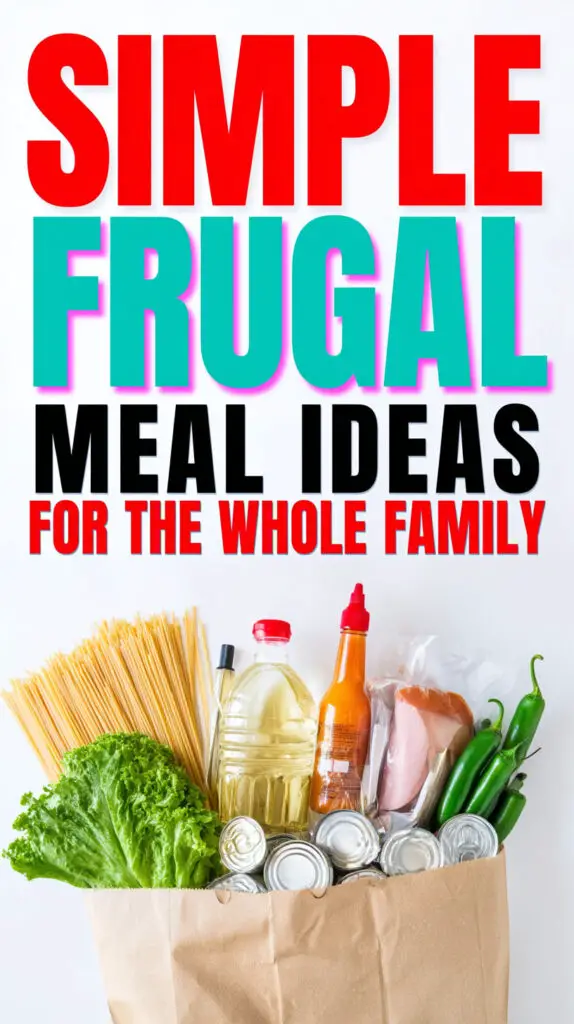
Frugal meal planning is not about eating less or cutting out all the foods you enjoy, but it is more about learning how to use what you have in a smarter way so that your money lasts longer while your meals still feel filling and satisfying. When you plan your meals ahead of time, you stop making rushed decisions at the last minute, and this alone can help reduce unnecessary spending on takeout or random grocery items that often go to waste. It may feel like extra effort in the beginning, but once you get used to it, meal planning can actually make your daily routine easier, calmer, and more organized while helping you stay within your budget.
1. Planning Meals Around What You Already Have

One of the easiest ways to save money is by starting your meal plan with the ingredients you already have at home, because this helps you avoid buying things you do not need while making sure nothing goes to waste. Instead of thinking about new recipes first, you can check your pantry, fridge, and freezer and then build your meals around those items in a simple and practical way.
This approach not only saves money but also reduces stress when deciding what to cook, because you are working with what is already available rather than starting from zero every time you plan your meals.
2. Creating a Weekly Meal Plan
Creating a weekly meal plan can help you stay organized and avoid daily confusion about what to cook, because when your meals are already decided, you spend less time thinking and more time simply following your plan.
You can choose simple meals that do not require too many ingredients, and you can repeat certain meals during the week to make things easier. This does not mean eating boring food, but it means being practical with your choices so that you can manage both your time and your budget in a way that feels manageable.
3. Making a Smart Grocery List
A grocery list can make a big difference when you are trying to stick to a budget, because it helps you stay focused and avoid buying things that you do not really need. Once your meals are planned, you can write down only the ingredients required for those meals, and this helps prevent overspending.
It also saves time at the store, because you are not walking around trying to decide what to buy. Over time, this simple habit can help you feel more in control of your spending while making your shopping trips quicker and more efficient.
4. Buying in Bulk When It Makes Sense

Buying in bulk can help you save money, but only when you choose items that you know you will actually use, because buying large quantities of something that goes to waste can end up costing more instead of less.
Staple items like rice, lentils, pasta, or flour are usually good options for bulk buying, especially if they are part of your regular meals. When you store these items properly, they can last for a long time, which means fewer trips to the store and more savings over time without much extra effort.
5. Choosing Simple and Affordable Ingredients
Frugal meal planning becomes much easier when you focus on simple and affordable ingredients that can be used in different ways, because this gives you more flexibility while keeping your grocery bill low. Foods like beans, eggs, potatoes, and seasonal vegetables can be turned into many different meals without needing expensive additions.
When you learn how to mix and match these ingredients, you can create meals that feel different even when they are made from similar items, which helps you avoid boredom while still staying within your budget.
6. Cooking at Home More Often
Cooking at home is one of the most effective ways to save money, because meals prepared at home usually cost much less than food bought from restaurants or delivery services. Even simple home-cooked meals can be filling and satisfying when made with care, and you also have better control over portion sizes and ingredients.
While it may take some time to get used to cooking regularly, it can become a comfortable routine that not only saves money but also gives you a sense of control over your daily meals.
7. Using Leftovers in Creative Ways
Leftovers do not have to feel boring or repetitive if you learn how to use them in different ways, because one meal can often be turned into something new with just a few small changes. For example, leftover chicken can be used in sandwiches, wraps, or rice dishes, which helps stretch your food further without extra cost.
This approach reduces waste and makes your meals feel more varied, even when you are working with the same ingredients, which is helpful when you are trying to stick to a tight budget.
8. Freezing Meals for Later
Freezing meals can be a helpful way to save both time and money, because it allows you to store extra portions and use them when you do not feel like cooking. Instead of letting food go bad, you can freeze it in portions and reheat it later, which reduces waste and saves effort.
This is especially useful on busy days when cooking feels difficult, because you already have something ready to eat. Over time, having a freezer stocked with meals can make your routine feel easier and more flexible.
9. Shopping Seasonal Produce
Buying fruits and vegetables that are in season can help you save money while also getting better quality food, because seasonal items are usually more available and less expensive. These foods often taste better and last longer, which means less waste and more value for your money.
When you plan your meals around what is in season, you can adjust your recipes in a simple way without needing expensive ingredients, and this can make a noticeable difference in your overall grocery spending.
10. Avoiding Impulse Purchases
Impulse buying can quickly increase your grocery bill without you even realizing it, because small extra items can add up by the time you reach the checkout. Sticking to your list and having a clear plan before you shop can help you avoid these unnecessary purchases.
It may take some discipline in the beginning, but over time, it becomes easier to ignore items that are not part of your plan, and this helps you stay focused on what you actually need.
11. Repeating Meals to Save Time and Money
Repeating meals during the week can make meal planning much easier, because you do not have to come up with new ideas every day, and you can buy ingredients in a more efficient way. This does not mean eating the exact same thing every day, but you can prepare similar meals with small changes so that they still feel different.
This approach reduces both effort and cost while helping you stay organized, which is especially useful when you have a busy schedule.
12. Cooking in Batches
Cooking in batches allows you to prepare larger quantities of food at once, which can save both time and money throughout the week. Instead of cooking every day, you can cook once and divide the food into portions for later use, which reduces effort and helps you avoid spending on takeout.
This method also makes it easier to control your portions and keep track of what you are eating, while making your daily routine feel more structured and less stressful.
13. Learning Basic Cooking Skills
Learning basic cooking skills can make a big difference in how much you spend on food, because when you know how to cook simple meals, you rely less on expensive options. You do not need advanced skills to cook well, but understanding a few basic techniques can help you prepare meals that are both affordable and enjoyable.
As you gain more confidence, you can try new recipes and improve your meals without increasing your budget, which makes cooking feel more rewarding.
14. Tracking Your Food Spending
Tracking your food spending can help you understand where your money is going, which makes it easier to adjust your habits and stay within your budget. You can keep a simple record of your grocery expenses and notice patterns over time, which helps you see what you can reduce or change.
This awareness can lead to better decisions when shopping and planning meals, and it gives you a clearer picture of how your efforts are helping you save money.
Conclusion
Frugal meal planning is something that becomes easier with practice, and it does not require perfection to be effective, because even small changes in how you plan, shop, and cook can lead to noticeable savings over time. The goal is not to make things complicated, but to find simple habits that work for your routine and help you feel more in control of your food and your spending. As you continue to plan your meals and improve your approach, you may find that saving money becomes a natural part of your daily life rather than something that feels difficult or restrictive.

Leave a Reply