Saving $10,000 may sound like an intimidating goal at first, especially when you’re struggling with bills, inflation, and unexpected expenses that throw your entire budget off track. But what most people don’t realize is that you don’t need to have a six figure salary to save a big amount, you just need a clear and realistic plan, consistency, and a sense of discipline to achieve your goal. This strategy focuses on small and doable steps, making it easy for you to achieve your goals, not just aiming for financial perfection. This article will help you explore some helpful saving strategies, allowing you to build a safety net that gives you peace of mind and control over your money, rather than letting the money control you.

Define Your “Why” Before You Start
Before beginning any journey, it is crucial to associate a ‘why’ and a purpose with your goals. Without a clear target, the whole process may feel like a restriction or punishment, putting your progress at stake.
Whether it’s to build an emergency fund, pay off a debt, or fund a dream trip, having a clear and realistic goal can help you achieve your target without having the whole process feel like a burden. Your reason gives emotional meaning to your effort. You can write it down, visualize it, and remind yourself of it when the temptation to spend kicks in.
Break the $10,000 Goal Into Smaller Targets
An easier way to look at the goal of saving $10,000 is to break the target into smaller, more manageable chunks so that the big picture seems less overwhelming and intimidating. You can think in terms of small milestones, for example, $833 a month, $192 a week, or about $27 a day.
This way, the goals feel achievable and what makes this approach considerable is that it gives you quick wins, making it easier for you to stick with the challenge and stay motivated along the process.
Create a Dedicated Savings Account
Keeping your savings in the same account as your regular spending can be a big obstacle between you and financial freedom. The smart approach is to create a separate savings account dedicated solely to your savings, goals, and aims.
This way, your savings can grow in peace without any drama or distraction, instead of being mixed up with your daily expenses. You can even open a high-yield savings account to earn extra interest while your money grows quietly in the background. Separating your accounts builds discipline, reduces temptation, and makes it easier to track your progress toward your $10,000 goal.
Track Every Dollar You Spend
Sometimes you can’t fix what you don’t track and monitor, which is exactly why it is essential to know your spending habits and where the money is actually going. Spend one month writing down every expense, no matter big or small. Whether it’s your daily coffee run, a shopping spree, a big purchase, or something as small as a light snack, keep track of where your hard-earned money is going.
By the end of the month, you may come to realize that these small and seemingly harmless expenses eat away a big chunk of your income. By identifying your unhealthy spending patterns, you can alter your habits and redirect your money towards something more meaningful that can serve you in the long run.
Apply the 50/30/20 Rule
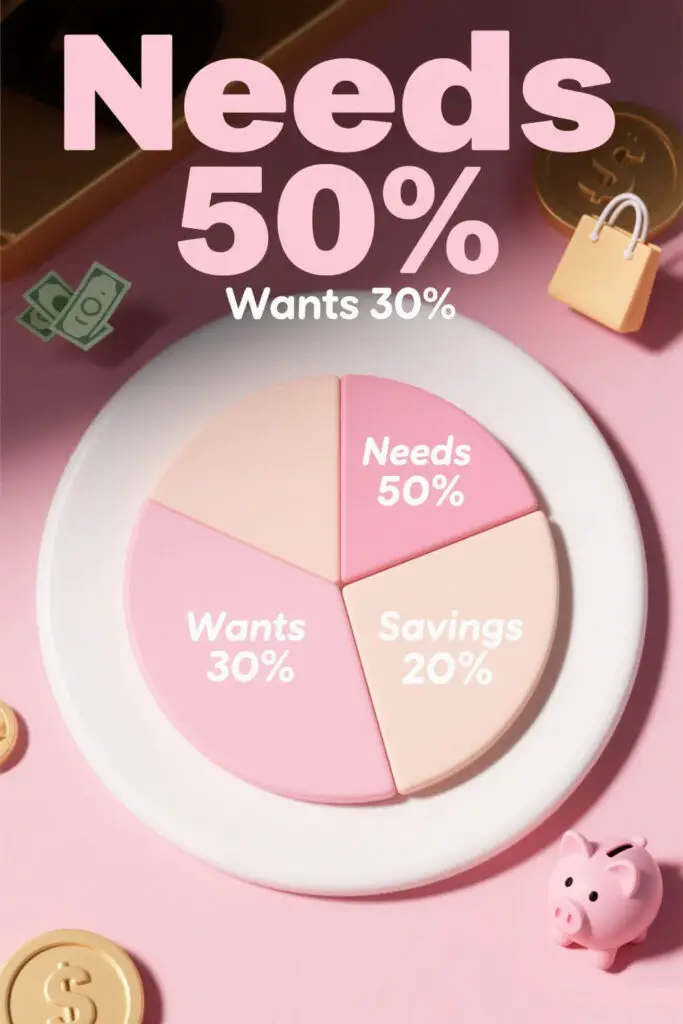
Budgeting techniques can give structure and more discipline to your money, finances, and more importantly, your aim and target. You can apply the 50/30/20 rule in which 50% of the income is spent on needs and those essential expenses such as rent, bills, groceries, or transportation, 30% of your paycheck is assigned to your wants or those nice-to-have-items including clothes, takeouts, or those daily coffee runs, and lastly, 20% of your monthly income goes to savings, investment, or paying off debt, if there is any.
However, if you want to modify the rules to make saving more easier and effective, try changing the percentages of the spending categories, for example, you can spend 20% of your income on wants and save 30% for your savings.
Embrace a “No-Spend” Challenge
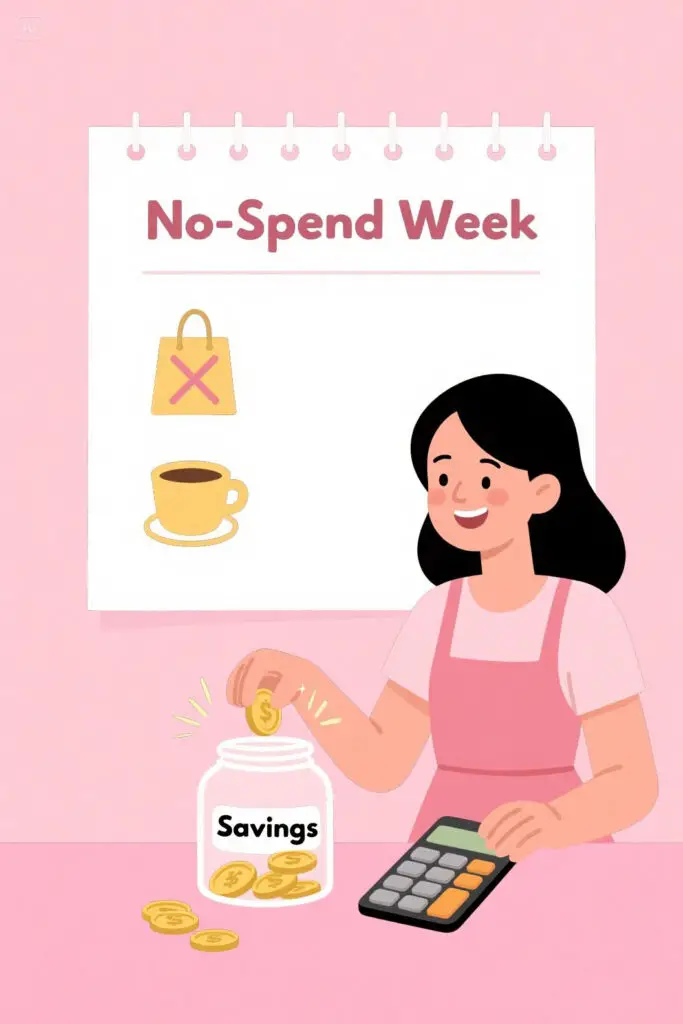
The no spend challenge is one of the most simple yet powerful saving strategies that helps you control your impulse to spend and save more mindfully. Choose a week or weekend each month where you aim to spend only on those basic and essential expenses, including rent, food, groceries, transportation, or utilities.
Aim to stop spending money on those non-essential spending categories including shopping, subscribing to unnecessary services, or takeouts. This challenge might feel tough at first but what makes it motivating to stick to the challenge is knowing that you’ll enjoy the freedom that along with not feeling pressurized to swipe the card every time you’re tempted to purchase something.
Cut Recurring Costs Without Feeling the Pain
One of the most effortless ways to increase your savings without making life harder is to review your recurring expenses, the ones that quietly drain your money each month. These could include subscription services you rarely use, premium app memberships, expensive phone plans, or even small automatic payments that you may have forgotten about.
Go through your bank statement and identify what’s truly necessary and what can be cut or replaced with a cheaper option. You can easily save $50–$200 a month just by trimming these unnoticed costs.
Boost Income Through Side Hustles
When you feel like there’s nothing left to cut from your budget, the next best move is to look for ways to increase your income. Side hustles are no longer just a trend, they’re a powerful tool for building financial freedom. Even a small extra income stream can help you reach your $10,000 goal faster without having to sacrifice your essentials or comfort.
You can start by exploring your skills and hobbies, for example, if you’re good at writing, designing, or social media, consider freelancing online, if you enjoy baking, crafting, or tutoring, turn it into a weekend side gig.
Automate and Forget
One of the smartest ways to save money is to remove the temptation to spend it. Automating your savings ensures that you save first and spend later, not the other way around. Set up an automatic transfer from your main account to your dedicated savings account as soon as your paycheck arrives. Even a fixed amount like $200–$300 each payday can quietly accumulate while you focus on other things.
When savings happen automatically, it becomes a habit instead of a chore, and you no longer have to rely on motivation or willpower because the process runs on its own.
Make Saving Fun and Visual
Saving doesn’t always have to feel like a restriction, it can actually be enjoyable if you turn it into a game. Create a visual savings tracker where you color in boxes or fill jars as you hit milestones, like $1,000, $2,500, or $5,000. This visual progress keeps you excited and motivated, reminding you how far you’ve come instead of how far you still have to go.
You can also try fun savings challenges like the envelope method, where you set aside a small amount each week, or the “round-up” method, where every time you spend, the change is rounded up and added to savings.
Avoid Lifestyle Inflation
As you start saving and possibly earning more, it’s tempting to upgrade your lifestyle, whether it’s a nicer phone, more frequent dining out, or expensive shopping “rewards.” This is what’s known as lifestyle inflation, and it’s one of the biggest threats to long-term savings.
The trick is to resist the urge to increase your expenses every time your income grows. Instead, maintain your current lifestyle and channel that extra income directly into your savings or investments. For example, if you get a raise at work, pretend it never happened, and immediately set up an automatic transfer for that amount.
Reinvest and Keep the Momentum
Reaching your $10,000 goal is a major achievement, but it’s not the finish line, it’s the foundation. Once you’ve built that savings cushion, use it wisely to create more growth. You can put part of it into a high-yield savings account, a fixed deposit, or even explore low-risk investments like index funds or mutual funds, depending on your comfort level.
Saving isn’t just about hitting a number, it’s about developing habits that protect your financial future. Continue saving even after reaching your goal, whether it’s for your next big milestone or simply to strengthen your emergency fund.
Conclusion
Saving $10,000 is more than just setting money aside, it’s a personal journey that builds patience, control, and confidence in how you manage your finances. Along the way, you realize that financial freedom isn’t about how much you earn, but how consistently you save and how wisely you spend. Each small decision to hold back from unnecessary purchases and stay focused on your goal adds up, slowly creating a sense of stability and peace of mind. When you finally reach your $10,000 goal, it won’t just feel like a financial win, but a reminder of your discipline, your growth, and your ability to take control of your future one mindful choice at a time.
