• Skip to primary navigation
  • Skip to main content

Just Start Investing

We Make Investing Easy

  • Investing
    • Learn About Investing:
    • Investment Accounts
    • Online Brokerage Accounts
    • Investment Vehicles
    • Start Investing:
    • How to Invest in Index Funds
    • Start Investing with Betterment
    • Start Investing with Charles Schwab
  • Banking
    • Best Bank Accounts
    • Types of Bank Accounts:
    • Checking Accounts
    • Savings Accounts
    • CDs and Money Market Accounts
    • Online Banks vs Brick-and-Mortar
  • Credit Cards
    • Best Credit Cards:
    • Best Cash Back Credit Cards
    • Best No Annual Fee Credit Cards of 2021
    • Best Premium Credit Cards of 2021
    • Credit Card Tool: Find the Best Credit Card for Me
    • Learn About Credit Cards:
    • Types of Credit Cards
  • Blog
    • Investing
      • What is Crypto?
        • Crypto
      • What are stocks?
        • Stocks
      • What is a Real Estate Investment?
        • Real Estate Investments
      • What is an IPO?
        • IPO
    • Banking
    • Credit Cards
    • Budget
    • Finances
  • Earn with Crypto
  • Budget
    • How to Build a Budget
    • 24 Tips to Save More Money
  • Resources
  • About
    • Contact
    • Press
    • Learn More
    • Disclaimers
  • Show Search
Hide Search

Blog

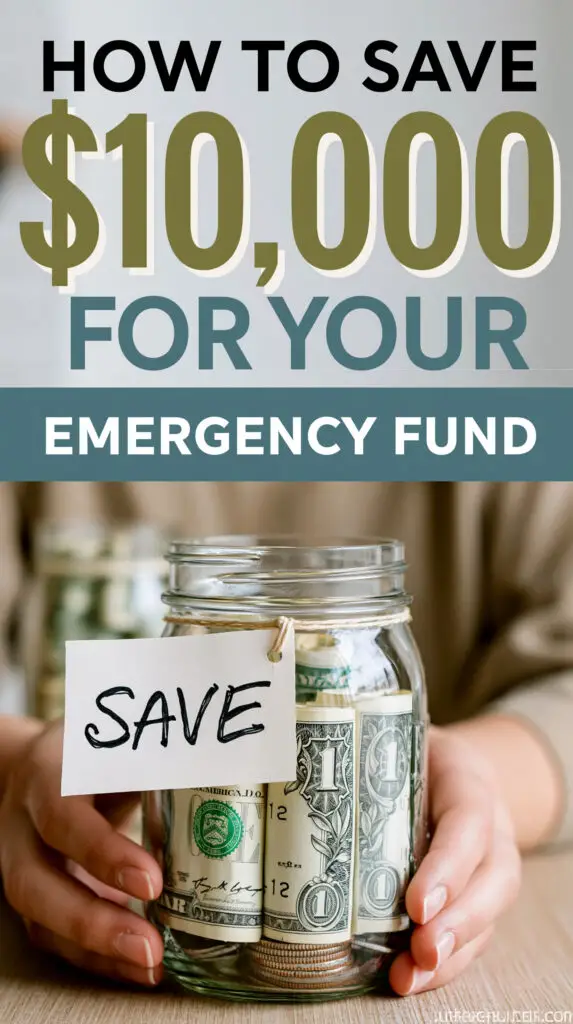
How to Save $10,000 for Your Emergency Fund

May 18, 2026 By Ana Rose

Saving $10,000 for an emergency fund can feel like a very big goal at the start, especially if you are not used to setting aside money regularly or if your income feels limited right now. But this kind of fund is not meant to be built overnight, it is something that grows slowly through small, consistent efforts that add up over time. The purpose is to give you a sense of security when unexpected situations come up, so you do not have to rely on borrowing or stressing out. This article will help you explore ways to save $10,000 for your emergency fund, allowing you to create a little safety fund when financially demanding situations occur, helping you deal with them with confidence and responsibility. 
How to Save $10,000 for Your Emergency Fund

1. Break the Goal Into Smaller Targets

A motivational vector illustration showing a stepped path toward a $10,000 savings goal, representing manageable financial milestones.

Looking at $10,000 as one large number can feel overwhelming, which is why it helps to break it down into smaller, more manageable targets that feel easier to reach. You can think in terms of monthly or weekly savings instead of focusing on the full amount all at once. This shift makes the process feel less stressful and more achievable. 

Each small milestone you hit can give you a sense of progress and purpose, which keeps you motivated to continue. Over time, these smaller amounts add up quietly, and before you realize it, you are much closer to your overall goal.

2. Decide a Fixed Monthly Saving Amount

Once you understand your income and expenses, you can decide on a fixed amount that you will save every month no matter what. It does not have to be a large amount in the beginning, what matters more is that you stay consistent with it. 

Treat this amount like a bill that must be paid, rather than something optional and when saving becomes a fixed habit, it removes the constant decision-making that often leads to skipping it. Even if progress feels slow at first, sticking to this routine helps build discipline and moves you steadily toward your goal.

3. Keep Your Savings in a Separate Account

A clean digital illustration visualizing a separate, protected savings account dedicated exclusively to an emergency fund.

Keeping your emergency fund in a separate account helps you avoid the temptation to spend it on things that are not truly urgent. When all your money is in one place, it becomes easy to mix up savings with spending, which can slow down your progress.

A separate account creates a clear boundary and reminds you that this money has a specific purpose and it also makes it easier to track how much you have saved so far. Watching that balance grow over time can feel motivating and encourage you to stay committed to your plan.

4. Cut Down on Unnecessary Expenses

A big part of saving comes from being honest about where your money is going and identifying expenses that are not really needed. This does not mean you have to remove everything you enjoy, but it does mean making smarter choices about spending. Small habits like frequent takeout, impulse shopping, or unused subscriptions can quietly drain your money. When you start reducing these, even slightly, you create extra space in your budget. That extra money can then be redirected into your emergency fund without making your lifestyle feel too restricted.

5. Use a Simple Budget to Stay on Track

Creating a simple budget helps you see a clear picture of your finances and makes it easier to control where your money goes each month. You do not need anything complicated, just a basic plan that divides your income into categories like needs, personal spending, and savings.

 When you assign a portion to savings from the start, you are less likely to spend it elsewhere. This habit can help you keep your progress steady and prevents you from losing track of your goal. Over time, budgeting becomes a natural part of how you manage your money, making it a considerable option for many.

6. Save Any Extra Money You Receive

Whenever you receive extra money, such as bonuses, gifts, or refunds, it can be tempting to spend it right away, but this is a great opportunity to boost your savings instead. These unexpected amounts can help you move closer to your $10,000 goal much faster without affecting your regular budget. 

Even though it may feel small at the moment, saving these amounts can make a noticeable difference over time. When you make it a habit to put extra money into your emergency fund, your progress becomes quicker and more rewarding.

7. Build a Small Side Income

If your main income does not leave much room for saving, finding a small side income can help you speed up the process. This does not have to be something big or stressful, even a few extra hours of work each week can make a difference. 

The key is to use that extra income specifically for your emergency fund instead of mixing it with your regular spending. Over time, this additional money can significantly reduce the number of months it takes to reach your goal and make the journey feel more manageable.

8. Track Your Savings Progress Regularly

Keeping track of your savings helps you stay motivated because you can clearly see how far you have come. Without tracking, it is easy to feel like you are not making any progress, even when you actually are, making it important to track your progress through a simple notebook, spreadsheet, or app to record your savings regularly. 

Watching the number grow, even slowly, can encourage you to stay consistent and avoid giving up. This habit keeps your goal visible and reminds you that every small effort is contributing to something meaningful.

9. Set Up Automatic Transfers

Automating your savings can make the process much easier because it removes the need to think about it every time you get paid. When a fixed amount is automatically transferred to your savings account, you are less likely to spend it on unnecessary things. This method works well if you struggle with discipline or tend to forget to save.

Over time, you adjust your spending based on what is left, and saving becomes a natural part of your routine rather than something you have to force yourself to do.

10. Stay Consistent Even With Small Amounts

Many people stop saving because they feel like their contributions are too small to make a difference, but consistency is far more important than size. Even small amounts, when saved regularly, can grow into something meaningful over time. The key is to keep going without skipping, even during months when money feels tight. 

As your income increases or your expenses decrease, you can slowly raise your savings amount. What matters most is building the habit and sticking to it, because that is what leads to long-term results.

11. Try No-Spend Days or Weeks

Setting aside certain days or even a full week where you avoid unnecessary spending can help you reset your habits and become more aware of your choices. During this time, you focus only on essential expenses and avoid things like ordering food, shopping, or entertainment spending. 

It may feel challenging at first, but it helps you understand how much you can actually save when you are more mindful. The money you do not spend during these periods can go directly into your emergency fund, giving your savings a noticeable boost.

12. Pay Yourself First Every Time You Get Paid

Instead of saving whatever is left at the end of the month, you can make it a habit to save first as soon as you receive your income. This approach ensures that saving is always a priority rather than an afterthought. 

When you treat your savings like a fixed expense, it becomes part of your routine and not something you skip when money feels tight. Even if the amount is small, doing this regularly helps you build discipline and keeps your progress steady over time.

13. Use Cash for Daily Spending

Using cash for everyday expenses can help you control your spending better because it makes you more aware of how much you are using. When you pay with cash, you can physically see your money decreasing, which naturally makes you more careful with your choices. 

Digital payments can sometimes make spending feel less real, leading to unnecessary purchases. By switching to cash for daily use, you can stick to your budget more easily and avoid small expenses that add up over time and slow down your savings.

Conclusion

Saving $10,000 for your emergency fund may seem difficult in the beginning, but it becomes much more manageable when you focus on small, consistent steps rather than quick results. By controlling your spending, staying disciplined, and making saving a regular habit, you slowly build a financial cushion that can support you in difficult situations. The process is not about being perfect, it is about staying committed even when progress feels slow. With time and patience, you will not only reach your goal but also develop habits that keep you financially secure in the long run.


Jobs for 20-Year-Olds With No Experience

May 17, 2026 By Ana Rose

Starting your first job as a 20 year old may sound confusing and overwhelming, especially when most job roles seem to ask for experience that you don’t have as of yet, but the truth is that many jobs mainly focus on dedication and a positive attitude rather than your past work. Employers are often looking for people who show up at time, stick to their words, and handle basic tasks with responsibility and care. You don’t need a long detailed resume to begin because everyone starts somewhere and builds their experience and skills step by step. This article will help you explore the right jobs for 20 year olds with no experience, allowing them to begin their financial independence journey and build confidence and skills along the way. 

Jobs for 20-Year-Olds With No Experience

1. Retail Store Assistant

A professional vector illustration of a young retail store assistant organizing merchandise, representing an excellent entry-level job.

Working as a retail store assistant can be a great starting point for a 20 year old with no experience, because it allows you to learn basic work skills in a simple and structured environment while earning at the same time. In this role, you can help customers find items, arrange products on shelves, manage billing, and keep the store clean and organized throughout the day. 

Employers in retail often look for people who are polite, reliable, and willing to learn rather than those with past experience. Over time, you can build confidence in speaking to people, handling small problems, and understanding how a workplace runs on a daily basis.

2. Fast Food or Restaurant Worker

Starting as a fast food or restaurant worker can be another good option for beginners, especially because these roles usually provide basic training and do not expect you to have any prior experience. You can take orders, serve food, clean tables, and assist the kitchen staff during busy hours while learning how to work in a fast moving environment. 

This type of job can help you improve your time management and teamwork skills, as you often have to work closely with others to keep things running smoothly. With time, you can become more confident and responsible when handling pressure in a busy setting.

3. Delivery Rider or Driver

Working as a delivery rider or driver can be a flexible and simple option for a 20 year old with no experience, especially if you already have access to a bike or a car and know your way around your area. In this role, you can deliver food, groceries, or small packages while managing your time and routes throughout the day. 

Employers and apps usually focus more on your reliability and punctuality rather than your past work history. Over time, you can develop a strong sense of responsibility, improve your time management, and learn how to handle tasks independently without constant supervision.

4. Call Center Representative

Starting as a call center representative can be a useful way to enter the workforce without experience, as many companies provide training to help you understand how to handle calls and assist customers properly. In this role, you can answer questions, solve basic problems, and guide customers through different services while following simple instructions.

Employers often look for people who can speak clearly, stay calm, and remain patient during conversations. With time, you can build strong communication skills, learn how to deal with different types of people, and become more confident in handling situations professionally.

5. Data Entry Clerk

A clean digital illustration of a data entry clerk working at a modern desk, perfect for a focused and quiet starter career.

If you’re someone who prefers a quieter kind of work and doesn’t really enjoy constant interaction, this can be a comfortable place to start even without experience. Most of the work is simple and repetitive, like entering information, updating records, or organizing files, so it doesn’t take long to understand what you’re supposed to do. 

What really matters here is that you stay focused and don’t rush through things, because small mistakes can cause problems later. It may feel a bit boring at times, but it helps you build patience and consistency, which actually matter a lot in most jobs.

6. Tutor for Younger Students

If you were decent at studies in school, you can easily turn that into a small earning opportunity without needing any formal experience. You don’t have to be perfect at everything, you just need to explain things in a way that younger students can understand without feeling scared or confused. 

Many parents just want someone reliable who can sit with their child and guide them properly, so your attitude matters more than anything else here. Once a few people trust you, word spreads pretty quickly, and you might find yourself getting more students without even trying too hard.

7. Freelance Writing or Content Work

If writing feels even a little easy for you, this is something you can try without overthinking your lack of experience, because many beginners start exactly the same way. You might begin with simple tasks like short articles or captions, and honestly the first few attempts may not feel perfect, which is completely normal. 

What matters is that you keep improving as you go and learn how to follow what the client is asking for. It can take some time to land your first paid task, but once that happens, it usually gives you enough confidence to keep going and slowly build something of your own.

8. Social Media Assistant

A lot of people already spend hours scrolling through social media without realizing that this can actually turn into a job, especially for small businesses that need help staying active online. You don’t need to know everything from the start, because most of the learning happens while you are doing the work itself. 

You might be posting content, replying to comments, or just helping keep things consistent, which sounds simple but still matters a lot. If you stay regular and pay attention to what people like, you can slowly get better and even turn it into something more serious over time.

9. Office Assistant

This is one of those roles that can quietly teach you a lot without feeling too overwhelming in the beginning, especially if you have never worked in a proper office setting before. The tasks are usually simple, like organizing files, answering calls, or helping someone with small day to day work, but being in that environment helps you understand how things actually run.

At first, you might feel a bit unsure about what to do or how to act, which is completely normal, but you slowly get used to it just by showing up and paying attention. Over time, you start feeling more comfortable and pick up habits that can help you move into better roles later on.

10. Babysitting or Childcare

Babysitting can be a good option if you are comfortable being around children and can handle basic responsibility without needing formal training or experience. Most families are not looking for someone highly qualified, they just want a person who is patient, careful, and able to keep children safe while they are away. 

The work can include simple things like feeding them, helping with homework, or just keeping them engaged so they are not bored. At first it might feel a bit demanding because children need attention all the time, but with time you learn how to manage situations calmly and understand what each child needs.

11. Warehouse Worker

Working in a warehouse can be a straightforward way to start earning without experience, especially because most companies give basic instructions before you begin your tasks. The work usually involves packing items, moving goods, or arranging stock in an organized way, which can feel physical but simple once you understand the routine. 

You don’t need to be highly skilled, but you do need to be consistent and careful so things are not misplaced or damaged. Over time, you get used to the pace of work and start handling tasks more confidently without needing constant guidance.

12. Cleaning Services Worker

Cleaning jobs are often open to beginners, and they can be a practical way to start working without any experience because the tasks are usually explained clearly before you begin. You might be cleaning homes, offices, or shops, and the work mainly depends on following instructions properly and paying attention to small details. 

At first it may feel like simple work, but it actually teaches you discipline because you need to stay consistent and complete everything properly within a given time. With regular work, you can also build trust with clients, and that often leads to opportunities without needing to constantly search for new jobs.

Conclusion

Starting your first job at 20 without experience is not a disadvantage, it is simply the beginning of your working journey where everything is still new and open for learning. Most of these jobs do not demand perfection, they mainly look for consistency, willingness, and a basic level of responsibility that you can build over time. As you try different roles, you slowly understand your strengths, improve your communication, and become more confident in handling real situations. The key is to start somewhere simple, stay patient with yourself, and keep moving forward instead of waiting for the perfect opportunity to appear.

Old-Fashioned Frugal Living Tips

May 15, 2026 By Ana Rose

Old-fashioned frugal living is not about being cheap or missing out on life, but it is about using what you already have in a smarter and more thoughtful way. People in the past did not rely on constant shopping or quick fixes, they learned how to stretch every dollar and penny as far as possible. These habits were simple, practical, and built around everyday life and even today, you can follow the same ideas without feeling restricted, because they are easy to adjust to modern routines. This article will help you explore old-fashioned yet helpful frugal living tips, allowing you to slow down and think before spending so you can save more, waste less, and feel more in control of your money.

Old-Fashioned Frugal Living Tips

1. Cook Meals at Home

Cooking meals at home can save a large amount of money over time, and it also helps you use ingredients more wisely instead of letting food go to waste. Instead of ordering food or eating out often, you can plan simple meals using basic items like rice, lentils, vegetables, and eggs. 

Old-fashioned households often cooked in batches so leftovers could be used the next day, which reduced both effort and cost. When you cook at home, you also learn how to stretch ingredients across multiple meals, and that can make a big difference in your monthly budget without making life harder.

2. Use Everything Fully

A warm and modern vector illustration showcasing zero-waste habits like repurposing food scraps and textiles.

In older times, people made sure to use everything they had until it was completely finished, and that mindset can still help you save money today. Instead of throwing things away quickly, you can find ways to reuse or repurpose them, like using leftover food in new dishes or turning old clothes into cleaning rags. 

Even small habits, like finishing a bottle of shampoo or using the last bit of soap, can add up over time. This approach can help you reduce waste and make you more aware of what you already own, which can stop unnecessary spending before it even begins.

3. Repair Instead of Replacing

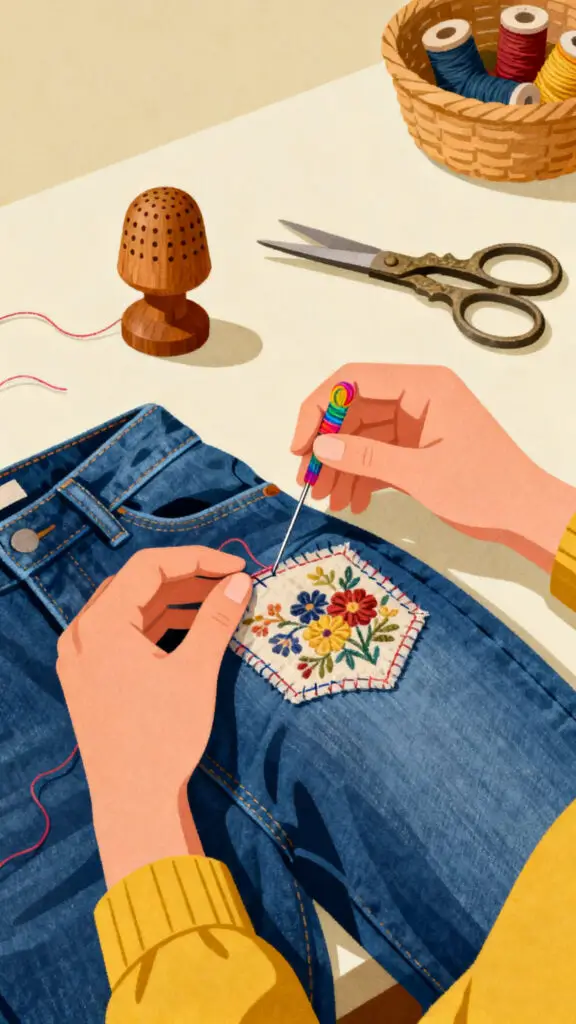
A professional vector illustration of visible mending, celebrating the craft of repairing clothes instead of buying new ones.

Fixing items instead of replacing them was a normal part of life in the past, and it is still one of the easiest ways to save money today. Clothes with small tears can be stitched, shoes can be repaired, and simple household items can often be fixed with basic tools. 

Instead of immediately buying something new, you can take a moment to see if it can be repaired first. This habit not only saves money but also helps you value your belongings more and over time, you will notice that you are spending less because you are not constantly replacing things that could have lasted longer.

4. Grow Your Own Food

Growing your own food may sound difficult at first, but even a small effort can make a difference in your daily expenses. You can start with simple plants like herbs, tomatoes, or green chilies, which do not require much space or effort.

In the past, many families relied on small kitchen gardens to reduce grocery costs and have fresh ingredients available at all times. When you grow your own food, you also learn patience and consistency, which are useful habits in other areas of life as well. 

5. Buy Only What You Need

Old-fashioned frugality was based on careful thinking before spending, and one of the most important habits was buying only what was truly needed. Instead of shopping for fun or buying things just because they are on sale, people would plan their purchases and avoid extras. You can follow the same idea by making a list before shopping and sticking to it as much as possible. 

This can help prevent impulse buying and keep your spending under control. When you focus on needs instead of wants, you will notice that your money lasts longer without feeling like you are missing out on all the fun.

6. Save Small Amounts Regularly

Saving money does not always require big amounts, and in the past, people often saved small amounts regularly over time. Even setting aside a little money each day or week can grow into something useful later. You can use a saving account, an envelope, or something as simple as a savings jar and add those small amounts that will grow into something meaningful later on. 

When you make saving a regular part of your routine, it becomes easier to manage those unexpected expenses that appear out of nowhere. This method may seem slow, but it works well because it builds discipline and helps you stay prepared without putting pressure on your budget.

7. Use Natural Cleaning Methods

Before expensive cleaning products became common, people used to rely on simple household items like vinegar, baking soda, and lemon for cleaning. These items are affordable and can be used in many ways around the house, from cleaning surfaces to removing stains. 

You do not need a different product for every task, which can save both money and space. By using these natural methods, you also reduce the number of items you need to buy regularly. This approach can help keep things simple and effective, while also helping you avoid spending extra on products that are not always necessary.

8. Wear Clothes Longer

Clothing was once treated as something valuable that needed to last for years, and that mindset can still help you save money today. Instead of buying new clothes often, you can take better care of what you already have by washing them properly and storing them neatly.

Simple repairs like sewing a loose button or fixing a small tear can extend the life of your clothes. You can also mix and match outfits to create different looks without buying more items. This habit reduces unnecessary spending and helps you appreciate your wardrobe instead of constantly replacing it.

9. Plan Your Spending

Planning your spending was a common practice in older households, and it helped people manage their money without stress. You can follow the same idea by setting a budget for different categories like food, bills, and personal expenses. When you know where your money is going, it can become easier to control your spending and avoid surprises. 

Writing things down or using a simple app can make this process easier. This habit may take some time to get used to, but it can help you stay organized and make better decisions with your money over time.

10. Avoid Waste in the Kitchen

Food waste was rare in the past because people made sure to use every part of what they had. Leftover food was turned into new meals, and nothing was thrown away without a reason. You can follow this habit by planning meals in advance and storing food properly so it lasts longer, for example, leftover vegetables can be used in soups or stir-fries, and extra bread can be turned into snacks. 

This can not only help you save money but it also reduces the need to buy more groceries frequently and over time, you will begin to notice how much you can save just by being careful in the kitchen.

11. Share and Borrow When Possible

Instead of buying everything themselves, people in the past often shared or borrowed items within their community. You can do the same by borrowing things you only need occasionally, like tools, books, or special equipment. 

This reduces the need to spend money on items that will not be used often, making it a smart and logical option. Another factor that makes this option a considerable one is that sharing with friends or family can also build stronger relationships while saving money at the same time. This approach helps you focus on what you truly need to own, while still having access to other items when required.

12. Use Simple Entertainment

Entertainment does not always have to cost money, and in the past, people found joy in simple activities like storytelling, playing games, or spending time outdoors. You can follow this idea by choosing low-cost or free ways to relax, such as reading, walking, or spending time with loved ones. 

This reduces the need to spend on expensive outings or subscriptions and when you focus on simple enjoyment, you may find that you feel more satisfied without spending as much. This habit can help you balance your lifestyle while keeping your expenses under control, making it a considerable option for many. 

13. Make Things Yourself

Making things at home was a common way to save money in the past, and it can still be useful today. You can prepare snacks, gifts, or even simple household items instead of buying them, for example, homemade food can be cheaper and healthier than store-bought options. 

You can also try small DIY projects to create useful items from things you already have. Not only does this help you save money but also gives you a sense of creativity and accomplishment, and over time, you may find that you rely less on buying and more on making what you need.

Conclusion

Old-fashioned frugal living is built on simple habits that anyone can follow without making life complicated or stressful. It is about being mindful, using what you have, and making thoughtful choices with your money. These habits may seem small, but together they can create a strong and steady way of managing your finances. By slowly adding these ideas into your daily routine, you can reduce waste, save more, and feel more in control. The goal is not to limit yourself, but to live in a way that feels balanced, practical, and comfortable over time.

How To Budget And Save Money

May 10, 2026 By Ana Rose

Learning how to budget and save money can feel confusing in the beginning, especially when you are trying to balance your needs with things you enjoy while also thinking about the future. Many people assume budgeting is about strict rules, but it can actually be a flexible way to understand your money and make better decisions without feeling controlled. When you start paying attention to how your money moves, you can slowly build habits that help you feel more stable and less stressed about spending. The process does not have to be perfect, and small steps can still make a big difference over time, allowing you to create a system that works for your real life instead of forcing something unrealistic.

How To Budget And Save Money

1. Understand Your Spending Before Changing Anything

Before making any changes, it can help to take a close look at where your money is already going, because many people spend without fully noticing the details of their daily habits. When you track your spending for a few days or even a full month, you can start to see patterns that were not obvious before, such as how small purchases can quietly build up over time. 

This step is not about judging yourself, but about becoming aware of your habits so you can make better decisions later. Once you understand your current situation, you can move forward with more confidence, allowing you to make changes that actually fit your lifestyle instead of guessing.

2. Set a Goal That Actually Matters to You

A professional vector illustration of a person focusing on meaningful financial goals like home ownership or education.

Saving money can feel difficult when there is no clear reason behind it, because it is easier to spend when your goals feel distant or unimportant. Instead of saving just because you think you should, you can choose something that feels meaningful to you, whether it is buying something you want, preparing for an emergency, or simply having more control over your finances. 

When your goal feels real, it becomes easier to stay focused and avoid unnecessary spending. This sense of purpose can keep you motivated during moments when saving feels slow, allowing you to stay consistent even when results are not immediate.

3. Break Your Money Into Simple Categories

Keeping all your money together without any structure can make it harder to manage, because you may not always know how much you can safely spend without affecting your savings. Dividing your money into simple categories like needs, wants, and savings can make things easier to understand without making the process feel complicated. 

You do not need to follow exact percentages, but having a rough idea of where your money should go can guide your decisions. This simple structure can help you feel more in control of your spending, allowing you to enjoy your money while still making progress toward your savings goals.

4. Start Saving Even If the Amount Feels Small

A symbolic digital illustration of a small plant growing from coins, representing how small savings grow over time.

Many people delay saving because they feel like they do not have enough money to make it meaningful, but starting small can actually be one of the most important steps. Even a small amount saved regularly can grow over time, especially when it becomes a habit rather than a one time effort. 

Waiting for the perfect moment can slow you down, while starting now can help you build consistency. This approach can remove pressure from the process, allowing you to focus on building the habit first instead of worrying about how much you are saving in the beginning.

5. Pay Attention to Daily Spending Habits

Daily spending may seem harmless in the moment, but small purchases can quickly add up if they happen often without much thought. Things like snacks, quick online orders, or unnecessary extras can slowly reduce the amount you could have saved. This does not mean you have to stop enjoying yourself, but being more aware of these habits can help you make better choices. 

When you start noticing these patterns, you can adjust them slightly without feeling restricted, allowing you to keep more of your money while still enjoying your routine.

6. Take a Pause Before Buying Anything Extra

Impulse spending can be one of the biggest reasons people struggle with saving, because decisions made in the moment are often based on feelings rather than actual needs. Taking a short pause before making a purchase can help you think more clearly about whether it is worth it or not. 

Even waiting a few hours or a day can change how you feel about buying something. This small habit can reduce unnecessary spending without requiring strict rules, allowing you to stay in control while still making choices that feel right for you.

7. Set Limits That Feel Realistic for You

Trying to follow very strict limits can sometimes make budgeting harder, because unrealistic rules can be difficult to maintain over time. Instead of forcing yourself into a system that feels uncomfortable, you can set limits that match your lifestyle and your income. These limits can guide your spending without making you feel restricted or stressed.

When your plan feels manageable, you are more likely to stick with it consistently, allowing you to build better habits without feeling like you are constantly giving something up.

8. Save First Instead of Waiting for Leftovers

Saving whatever is left at the end of the month can be difficult, because there is often very little remaining after all expenses are covered. A better approach can be to set aside a small amount as soon as you receive your money, so saving becomes a priority instead of an afterthought. 

This habit can make a big difference over time, even if the amount is not very large. By doing this regularly, you can slowly build your savings without needing to rely on leftover money, allowing you to stay consistent without extra effort.

9. Adjust Your Budget When Things Change

Life does not stay the same, and your financial situation can change depending on your income, responsibilities, or unexpected expenses. A budget that worked before may not always fit your current needs, which is why it is important to stay flexible. 

Instead of forcing yourself to follow the same plan, you can adjust it whenever needed so it continues to support your situation. This flexibility can make budgeting feel more realistic and less stressful, allowing you to stay on track even when things are different from before.

10. Look for Ways to Earn a Little Extra

Sometimes saving alone may not feel enough, especially if your income is limited and your expenses are already high. In such cases, finding small ways to earn extra money can make a noticeable difference in your budget. You do not need to take on something big, because even small efforts can help when done consistently. 

This extra income can give you more freedom in your spending and saving, allowing you to reach your goals faster without putting too much pressure on your existing budget.

11. Keep Your Savings Separate From Spending Money

When your savings and spending money are kept in the same place, it becomes easier to accidentally use what you planned to save. Keeping your savings separate can create a small barrier that helps you stay more disciplined without needing constant reminders. This simple change can make it easier to protect your savings from unnecessary spending. 

Over time, this habit can help your savings grow more steadily, allowing you to build a sense of security without feeling like you are constantly watching every small expense.

12. Accept That Mistakes Will Happen

No budget works perfectly all the time, and there will be moments when you spend more than planned or forget to follow your system. Instead of feeling discouraged, it can help to treat these moments as part of the learning process. Being too strict with yourself can make budgeting feel stressful, while a more flexible mindset can keep you moving forward. 

When you accept that mistakes are normal, it becomes easier to stay consistent, allowing you to improve your habits over time without losing motivation.

13. Notice and Appreciate Your Progress

Saving money can feel slow, especially when the changes are small and not immediately visible. Taking time to notice your progress can help you stay motivated and remind you that your efforts are working. Even small improvements can be meaningful when they are consistent. This positive mindset can make the process feel more rewarding, allowing you to stay focused on your goals without feeling discouraged by slow results.

14. Stay Consistent Even When It Feels Boring

There will be times when budgeting and saving feel repetitive or unexciting, especially when you are not seeing quick results. During these moments, consistency becomes more important than motivation. Continuing your habits even when they feel boring can lead to steady progress over time. This long term approach can make a bigger difference than short bursts of effort, allowing you to build strong financial habits that support you in the future.

Conclusion

Budgeting and saving money is not about being perfect or following strict rules, but about building habits that help you feel more in control of your finances. When you take the time to understand your money and make small adjustments, you can create a system that works for your life without adding extra stress. Progress may feel slow at times, but consistency can lead to meaningful results. By staying flexible and focused, you can build a healthier relationship with money, allowing you to feel more confident and secure over time.

How To Make Money Fast As A 12 Year Old

May 9, 2026 By Ana Rose

At the age of 12, making money can feel like a big step because you are starting to see that you can earn on your own instead of depending fully on others, and that feeling alone can make you more motivated to try new things. You may not have access to regular jobs, but that does not mean you have no options because there are many small and simple ways you can earn if you are willing to put in time and effort. Some ideas can feel easier than others and some can take a bit more energy, but all of them can help you move toward your goal slowly. This article will help you explore ways to make money as a 12 year old, allowing you to build your earnings step by step.

How To Make Money Fast As A 12 Year Old

1. Helping Neighbors in Small but Useful Ways

Sometimes the easiest way to start earning is by looking close to home instead of searching far away, because people around you can already know you and may feel more comfortable trusting you with small tasks that they need help with. You might notice someone struggling with carrying groceries, cleaning a small outdoor space, or even organizing things in their home, and that can be your chance to offer help in a polite way without forcing anything.

Not every person will say yes, but the ones who do can give you your first earning experience, allowing you to understand how effort turns into money in a real and simple way.

 2. Washing Cars on Your Street Can Add Up Faster Than You Expect

A bright vector illustration of a motivated 12-year-old washing a car to earn money in their neighborhood.

Car washing may sound like a very basic idea at first, but when you actually think about how many cars are parked in your street or nearby areas, you can start to see how this simple task can turn into a potential way of earning if you stay consistent with it. Some people may not have the time or energy to wash their cars regularly, which means they can be open to paying someone else to do it for them.

If you approach them nicely and offer a fair price, even a few cars in one day can make a difference, allowing you to slowly build up your money without needing anything complicated.

3. Selling Things You No Longer Use Instead of Letting Them Sit

When you take a proper look at your room, you may realize that there are many things you once enjoyed but no longer use, and instead of letting those items stay untouched, you can turn them into money by selling them to someone who may actually want them. Toys, books, games, or even small accessories can still have value if they are in decent condition, and people around you may be willing to buy them at a reasonable price. 

This can feel like an easy starting point because you are not doing extra work, allowing you to make money by simply using what you already have.

4. Taking Care of Pets When Others Are Busy

Not everyone has the time to constantly look after their pets, especially during busy days or short trips, and that is where you can step in if you are comfortable around animals and know how to handle them gently. You do not need to do anything complicated, because simple tasks like feeding, giving water, or keeping the pet company can already be helpful for the owner. 

When you show that you are careful and responsible, people can start trusting you more, and that trust can lead to more chances in the future, allowing you to earn while doing something that can actually feel enjoyable.

5. Gardening Work Can Be Simple but Still Valuable

Many people like having plants or small gardens, but they do not always have the time to take care of them properly, which means small tasks like watering, cleaning, or removing weeds can get delayed again and again. These are not difficult jobs, but they can still be tiring for someone who is already busy, so your help can be useful in ways you may not expect at first. 

If you offer your time and do the work properly, even these small efforts can turn into regular earning chances, allowing you to make money while spending time outdoors and staying active.

6. Cleaning Small Areas That Others Keep Delaying

There are always small spaces that people plan to clean but keep postponing, such as storage corners, garages, or even simple room organization tasks, and this is where you can offer help in a way that feels practical and needed. You do not have to take on anything too heavy, because even basic cleaning can be helpful if done properly and with care. 

Starting with people you already know can make things easier, and once they see your effort, they may recommend you to others as well, allowing you to slowly build more opportunities without having to search too much each time.

7. Selling Simple Homemade Snacks in Your Area

If you enjoy making small food items and your parents are okay with it, you can try selling simple snacks or drinks to people around you, especially during times when others may want something quick and easy. Items like lemonade, small baked goods, or even packaged snacks can be appealing if you keep them clean and presentable. 

You do not need to make a lot at once, because starting small can still work if people like what you offer. Over time, regular sales can build up, allowing you to earn little by little in a way that feels fun and creative.

8. Helping Younger Kids With Schoolwork

If there is a subject you understand well, you can use that knowledge to help younger kids who may be finding it difficult, because explaining things in a simple way can make a big difference for them. You do not need to be perfect or know everything, you just need patience and the ability to guide them step by step. 

Parents often appreciate this kind of support, especially when it is affordable and nearby. Even short sessions can add up over time, allowing you to earn money while also building your confidence in something you already know.

9. Running Small Errands That Save Others Time

People often have small tasks that they do not feel like doing, such as picking up something nearby or delivering an item to someone close, and while these may seem minor, they can still be important enough for someone to pay for help. If your parents allow it and the tasks are safe, you can offer to handle these errands in a responsible way. 

Being on time and doing exactly what is asked can make people trust you more, and that trust can lead to more opportunities later, allowing you to turn simple tasks into a steady way of earning.

10. Helping During Moving or Rearranging Days

Whenever someone is moving or even just rearranging their home, there can be many small things that need to be handled, and even though you may not be able to lift heavy items, you can still help with lighter tasks like organizing, carrying smaller objects, or setting things in place. 

These kinds of days can be busy, so extra help is often appreciated more than usual. If you show effort and stay careful, people can remember your help and call you again in the future, allowing you to earn from situations that do not happen every day but can still pay well.

11. Making Crafts That People Actually Want to Buy

If you like creating things with your hands, you can turn that into a small way of earning by making simple crafts that others may find interesting or useful, such as bracelets, cards, or decorations. The key is not to make something complicated, but to make something neat and appealing so people feel happy buying it. 

You can show your items to friends, neighbors, or even family gatherings where people may be interested. As you improve your designs over time, more people can notice your work, allowing you to slowly grow your small idea into something more rewarding.

12. Helping People With Basic Phone or App Use

A professional digital illustration of a tech-savvy kid helping a neighbor with their smartphone, symbolizing a helpful and modern side hustle.

There are many people who find simple technology confusing, even when the task itself is not very difficult, and if you already understand how to use phones, apps, or basic settings, you can offer help in a way that feels simple but useful. You might show someone how to install an app, organize their phone, or fix small issues that they do not understand.

Being patient is very important here, because not everyone learns quickly and when you explain things calmly, people can feel comfortable asking you again, allowing you to turn your basic knowledge into a helpful way of earning.

Conclusion

Making money at 12 is not about doing something big or complicated, but about starting with small actions and staying consistent even when the results feel slow at first. You can try different ideas, see what works best for you, and improve as you go without putting too much pressure on yourself. Some days may bring more money than others, but that is completely normal and part of the process. What matters is that you keep showing up and putting in effort, because over time those small steps can turn into real progress, allowing you to feel more confident and independent.

  • « Go to Previous Page
  • Go to page 1
  • Interim pages omitted …
  • Go to page 5
  • Go to page 6
  • Go to page 7
  • Go to page 8
  • Go to page 9
  • Interim pages omitted …
  • Go to page 170
  • Go to Next Page »

The Latest Blog Posts:

  • 14 Profitable Things To Sell On eBay June 20, 2026
  • Mason Jar Crafts To Make And Sell June 19, 2026
  • 12 Best Jobs for Retired Teachers  June 18, 2026

As Featured In:

Just Start Investing Press Strip 2020 B&W

Follow Us:

  • Facebook
  • Twitter
  • Pinterest

Copyright © 2026 · Just Start Investing LLC

  • Contact Us
  • Blog
  • Privacy Policy / Disclaimers