• Skip to primary navigation
  • Skip to main content

Just Start Investing

We Make Investing Easy

  • Investing
    • Learn About Investing:
    • Investment Accounts
    • Online Brokerage Accounts
    • Investment Vehicles
    • Start Investing:
    • How to Invest in Index Funds
    • Start Investing with Betterment
    • Start Investing with Charles Schwab
  • Banking
    • Best Bank Accounts
    • Types of Bank Accounts:
    • Checking Accounts
    • Savings Accounts
    • CDs and Money Market Accounts
    • Online Banks vs Brick-and-Mortar
  • Credit Cards
    • Best Credit Cards:
    • Best Cash Back Credit Cards
    • Best No Annual Fee Credit Cards of 2021
    • Best Premium Credit Cards of 2021
    • Credit Card Tool: Find the Best Credit Card for Me
    • Learn About Credit Cards:
    • Types of Credit Cards
  • Blog
    • Investing
      • What is Crypto?
        • Crypto
      • What are stocks?
        • Stocks
      • What is a Real Estate Investment?
        • Real Estate Investments
      • What is an IPO?
        • IPO
    • Banking
    • Credit Cards
    • Budget
    • Finances
  • Earn with Crypto
  • Budget
    • How to Build a Budget
    • 24 Tips to Save More Money
  • Resources
  • About
    • Contact
    • Press
    • Learn More
    • Disclaimers
  • Show Search
Hide Search

Budget Blog

The 50/30/20 Budget Rule: Budgeting 101

February 4, 2026 By Ana Rose Leave a Comment

Budgeting does not have to feel confusing, overwhelming, or restrictive, especially when you follow a simple structure that actually works in real life. The 50/30/20 budget rule is one of the easiest and most beginner friendly budgeting methods that can help you manage your money without feeling deprived or stressed. Instead of tracking every single dollar in a complicated way, this simple rule divides your income into clear categories that make sense and are easy to follow. The goal of the 50/30/20 rule is to help you cover your needs, enjoy your wants, and still save for your future in a balanced way. This article will walk you through budgeting 101 by breaking down the 50/30/20 rule into simple steps so you can build better money habits with confidence.

The 50/30/20 Budget Rule: Budgeting 101

1. What Is the 50/30/20 Budget Rule

The 50/30/20 budget rule is a simple budgeting method that divides your income after tax income into three main categories, which makes managing money easier and more organized. According to this rule, fifty percent of your income goes toward your needs, thirty percent goes toward your wants, and twenty percent is set aside for savings.

Needs include essential expenses that you must pay to live comfortably, while wants include things that improve your lifestyle but are not necessary, lastly, savings focus on your future financial security and goals. This rule is popular because it provides structure while still allowing flexibility, which makes it easier to stick to long term. It helps people balance responsibility with enjoyment without feeling guilty about spending or saving.

2. Understanding the “50 Percent for Needs” Category

Illustration showing essential living expenses categorized as needs under the 50 percent budget rule on a pastel pink background.

The fifty percent portion of the 50/30/20 budget rule is meant to cover your essential living expenses that you cannot easily avoid. These needs usually include rent or mortgage payments, groceries, utilities, transportation, insurance, and basic healthcare costs. This category focuses on what you must pay in order to live safely and function day to day.

Keeping your needs within fifty percent of your income helps prevent financial strain and leaves room for other important priorities. If your needs take up more than half of your income, it can be a sign that adjustments are needed, such as reducing housing costs or finding ways to lower monthly bills. 

3. What Counts as “30 Percent for Wants”

The thirty percent portion of the budget is reserved for wants, which are non essential expenses that make life more enjoyable and comfortable. These expenses may include eating out, entertainment, shopping, hobbies, subscriptions, travel, and upgrades that are not strictly necessary. 

This category allows you to enjoy your money without guilt, as long as you stay within the limit. The wants category is important because budgeting should not feel like punishment or constant restriction. By setting a clear boundary for fun spending, you can enjoy treats and experiences while still staying financially responsible. This balance helps prevent burnout and emotional spending, making it easier to stick to your budget over time.

4. The Importance of “20 Percent for Savings”

Illustration showing essential living expenses categorized as needs under the 50 percent budget rule on a pastel pink background.

The twenty percent savings category is one of the most important parts of the 50/30/20 budget rule because it focuses on your future financial security. This portion of your income can go toward building an emergency fund, saving for big goals, investing, or paying off debt faster. 

Even if twenty percent feels small at first, consistency matters more than the amount. Saving regularly can help you prepare for unexpected expenses and reduce financial stress over time. When savings are treated as a priority instead of an afterthought, you are more likely to reach your financial goals and feel secure knowing you are planning ahead.

5. Why the 50/30/20 Rule Works So Well

The reason the 50/30/20 budget rule works so well is because it is simple, flexible, and realistic for most people. Instead of tracking every dollar in detail, this method focuses on big picture spending habits that are easier to manage. It allows room for enjoyment while still encouraging responsibility and savings. 

Many people fail at budgeting because they create rules that are too strict to follow which is exactly why the 50/30/20 rule avoids that problem by giving clear guidance without removing freedom. It works well for beginners and experienced budgeters alike because it adapts easily to different incomes and lifestyles.

6. How to Calculate Your 50/30/20 Budget

Calculating your 50/30/20 budget starts with knowing your monthly income after taxes and once you have that number, you simply divide it into percentages based on the rule. Fifty percent of your income goes to needs, thirty percent goes to wants, and twenty percent goes to savings. 

For example, if your monthly income is two thousand dollars, one thousand dollars would be for needs, six hundred dollars for wants, and four hundred dollars for savings. This simple calculation gives you a clear spending limit for each category. Knowing these numbers helps you make better decisions and avoid overspending and it also gives you a clear picture of where your money should go each month.

7. Adjusting the Rule to Fit Your Lifestyle

While the 50/30/20 rule is a great starting point, it is important to remember that it can be adjusted to fit your personal situation. Some people may need to spend more on needs due to higher living costs, while others may choose to save more if their expenses are lower. 

What matters the most is that you are intentionally managing your money and prioritizing savings. Making small adjustments allows the budget to work for you instead of feeling forced, which helps you stay consistent and committed.

8. Common Mistakes to Avoid When Using This Rule

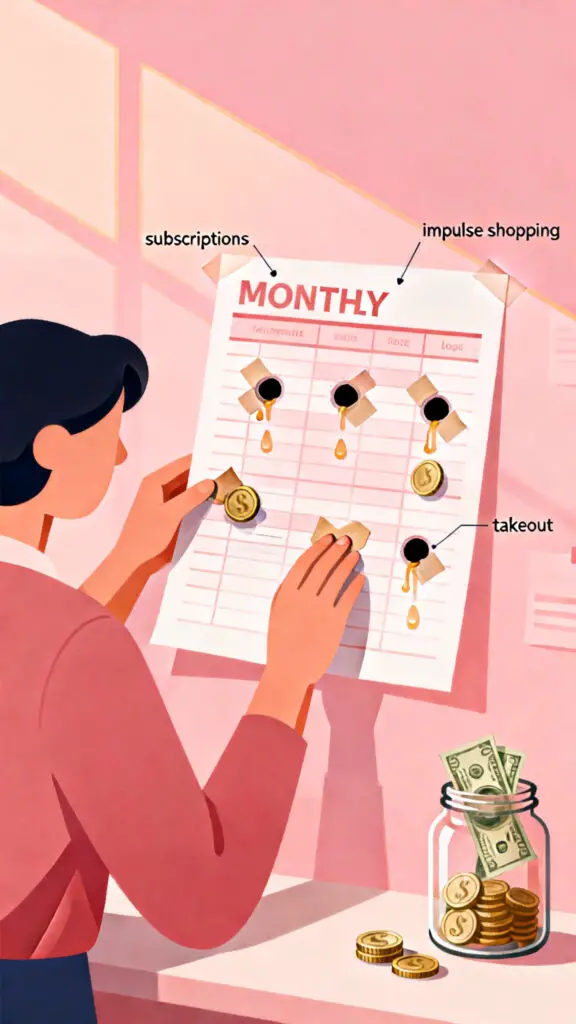
One common mistake people make with the 50/30/20 budget rule is mislabeling wants as needs, which can throw off the entire budget, for example, expensive subscriptions or frequent takeout are often wants, not needs. Another mistake is ignoring savings when money feels tight, which defeats the purpose of the rule. 

Some people also give up too quickly if the budget does not work perfectly in the first month. Budgeting takes time and it is essential to learn from mistakes instead of quitting in the early phases of the journey. Avoiding these common errors helps you use the rule correctly and get better results over time while building stronger financial habits.

9. How This Budget Helps Reduce Financial Stress

The 50/30/20 budget rule helps reduce financial stress by giving your money a clear plan and purpose. When you know exactly where your money is going, you feel more in control and less anxious about unexpected expenses. This structure eliminates constant guessing and worry at the end of the month. 

Having savings set aside also provides peace of mind, knowing you are prepared for emergencies or any unexpected scenarios life throws your way. Over time, this clarity builds confidence and reduces money related stress, making finances feel more manageable and less overwhelming on a daily basis.

10. Using the Rule to Build Better Money Habits

Following the 50/30/20 rule helps you build strong money habits that last beyond short term budgeting goals. Over time, you become more mindful about what you spend on and why. This habit also helps reduce impulse purchases and emotional spending and you also begin to prioritize savings naturally without feeling forced. 

These habits grow stronger with practice and make managing money feel easier and more natural. Building good money habits early creates a solid financial foundation that supports long term stability and smarter decision making throughout different stages of life.

11. Who Should Use the 50/30/20 Budget Rule

The 50/30/20 budget rule is ideal for beginners who are new to budgeting and want a simple system that is easy to understand. It also works well for people who feel overwhelmed by complex budgeting methods. Students, young professionals, families, and even individuals rebuilding their finances can benefit from this approach. 

While it may not be perfect for every situation, it provides a strong starting point for both beginners and financial experts. Anyone looking to gain control over their finances, save more money, and reduce stress can benefit from using this budgeting method.

Conclusion

The 50/30/20 budget rule is a simple and effective way to manage your money without feeling restricted or overwhelmed. By dividing your income into needs, wants, and savings, you create balance and structure that support both your present lifestyle and future goals. This budgeting method encourages mindful spending, consistent saving, and healthier financial habits over time. While it may require adjustments based on your personal situation, the core idea remains powerful and practical. With consistency and patience, the 50/30/20 rule can help you feel more confident and in control of your finances, making budgeting a helpful tool rather than a stressful chore.

Budgeting For Beginners, All You Need To Know

January 23, 2026 By Ana Rose Leave a Comment

Budgeting is simply a way to decide where your money will go instead of wondering where it all went at the end of every month. For beginners, budgeting is not only about following strict rules, removing all the fun from your life, or following complex spreadsheets that are too hard to understand, it is about understanding your spending and feeling more in control. A budget can help you manage daily expenses, handle unexpected costs, and slowly work toward your goals without feeling stressed all the time. When you start noticing how much you earn and how you spend, budgeting feels more of a guide and less of a burden. This article will help you explore a step by step budgeting guide for beginners, allowing you to manage your finances with effectiveness, even if you’re new to it.

Budgeting For Beginners, All You Need To Know

1. Understand How Much Money You Have

The first step in budgeting is knowing exactly how much money you bring in each month, because without this necessary step, it becomes very easy to overspend without realizing it. This can include your salary, side income, freelance work, or any regular money you receive.

It’s important to calculate your take home pay after all the taxes and deductions because that is the figure you’re going to work with. When you clearly understand your income, it becomes much easier to plan your spending, set limits, and avoid the stress that comes from guessing whether you can afford something or not.

2. Track Where Your Money Goes

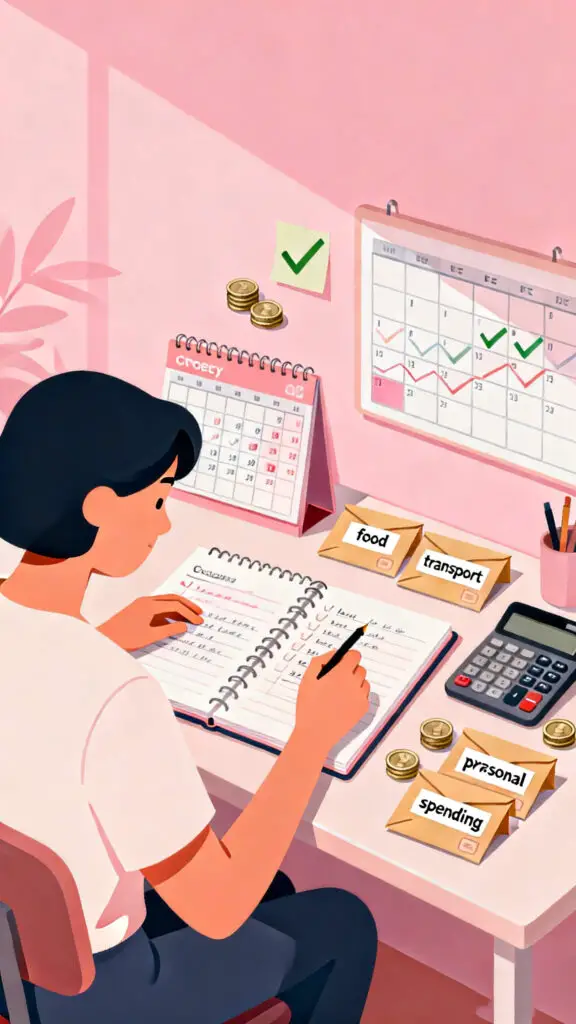
Illustration showing expense tracking and money awareness for beginners on a pastel pink background.

Tracking your spending can help you see what is really happening with your money instead of relying on assumptions and guesswork. Write down every expense, even small ones like snacks or transport, because these small costs often add up faster than expected and may affect your budget more than you may realize. 

After tracking for a few weeks, you may notice patterns that surprise you, such as spending more on food or shopping than you realized. This awareness is not meant to make you feel guilty, but to help you make better decisions moving forward without feeling restricted and limited, making this step a necessary one.

3. Know the Difference Between Needs and Wants

Learning the difference between needs and wants is an important part of budgeting, especially for beginners. Needs or essential expenses include those things that are necessary for survival such as rent, housing, transportation, or grocery, and on the other hand, wants are those nice-to-have and non-essential expenses that bring along temporary satisfaction including takeouts, shopping for clothes you don’t really need, or subscriptions you barely use. 

This step does not mean you should completely cut out wants, it is more about being mindful and intentional when you spend your hard-earned money. The main catch of this step is to realize that when needs are covered first, you can enjoy wants without guilt and still stay in control of your finances.

4. Set Simple and Clear Money Goals

Setting simple and clear financial goals gives your budget a purpose and makes it easier to stay motivated. These goals do not need to be big or overwhelming, and they can start small, such as saving a little each month or avoiding unnecessary spending. 

When you know what you are working toward, it becomes easier to say no to things that do not truly matter. Goals can help turn budgeting into a positive habit rather than something that feels like punishment or pressure. Moreover, goals give your journey a purpose and meaning, making it easy for you to stay motivated and consistent to work towards your target, rather than dropping out midway the journey. 

5. Choose an Easy Budgeting Method

There are many budgeting methods available, but the best one is the one that feels simple and easy for you to follow. Some people like dividing money into categories, while others prefer using percentages or basic lists, however, you do not need complicated spreadsheets or apps to start budgeting properly. 

For some people, the 50/30/20 rule works the best, which is all about categorizing your expenses into needs, wants, and savings, and perfectly dividing them all with balance. Some may prefer the envelope method which includes creating different spending categories such as grocery, transportation, snacks, rent, and many more. The next step is to write the names of the categories on envelopes and assign cash to each category. Once you run out of cash for one spending category, that’s your hint to stop spending on it, helping you avoid emotional spending and overspending, allowing you to become more mindful of what you spend on. 

6. Divide Your Money into Categories

Dividing your money into categories can help you clearly see where your income is being used and prevents overspending without realizing it. Common categories can include rent, groceries, transportation, savings, personal spending, and entertainment, depending on your lifestyle. When you assign a specific amount to each category, you naturally become more mindful of your spending decisions. 

This step makes budgeting feel organized rather than confusing, because instead of guessing, you know exactly how much money is available for each purpose. Categories can also help you identify problem areas and adjust your spending without completely cutting things out.

7. Save a Little Before Spending

Saving before spending is one of the most helpful habits beginners can build, because it ensures that saving does not depend on leftover money at the end of the month. Even a small amount saved regularly can slowly grow into something meaningful over time, making this step a considerable option for beginners. 

This step teaches you to treat savings like an important expense rather than something that is more of an option. When you prioritize saving first, you feel more secure and confident about your finances and over time, this habit reduces stress and helps you work toward future goals without feeling overwhelmed or pressured.

8. Plan for Unexpected Expenses

Unexpected expenses are a normal part of life, and planning for them can help you avoid panic when they show up. Sudden expenses like medical bills, phone repairs, or emergency travel can easily disrupt your budget if you are unprepared. Setting aside even a small amount each month for emergencies can create a safety net that protects you from financial stress and allows you to stay confident even when the situation seems to be against you. 

This does not require a large amount at the beginning, but consistency matters more than size. Knowing you have money saved for emergencies gives peace of mind and prevents you from relying on loans or borrowing.

9. Use Simple Tools to Manage Your Budget

Using simple tools to manage your budget can make the entire process feel less stressful and more doable, especially if you are just starting out. Some people prefer using a notebook where they write down their income and expenses daily, while others feel more comfortable using a basic budgeting app or spreadsheet. 

The key is to choose a tool that feels easy to use and does not overwhelm you. When budgeting feels simple, you are more likely to stay consistent, helping you remain aware of your spending habits and make better financial decisions over time.

10. Check Your Budget Regularly

Checking your budget regularly can help you stay aware of how well your plan is working and allows you to make changes when needed. Life is unpredictable, and your expenses may change from time to time, which is why reviewing your budget weekly or monthly is important. 

This habit helps you catch small issues before they turn into bigger problems and instead of feeling discouraged, regular reviews help you feel in control and confident, making budgeting feel like a helpful routine rather than a strict obligation.

11. Leave Room for Fun Spending

Illustration representing balanced budgeting with savings and fun spending on a pastel pink background.

Leaving room for fun spending is an important part of maintaining a healthy and realistic budget. When you completely remove enjoyment from your spending, it becomes harder to stick to your plan long term. Allowing yourself a small amount for entertainment, treats, or personal enjoyment helps you avoid feeling restricted. 

This balance prevents emotional spending and burnout, making budgeting feel more flexible and supportive. When fun is planned, you can enjoy it without guilt while still staying on track with your financial goals.

12. Learn and Improve from Mistakes

Mistakes are a natural part of learning how to budget, especially for beginners. Overspending one month or missing a savings goal does not mean you have failed, but rather shows you where adjustments are needed. Instead of feeling discouraged, take time to understand what went wrong and learn from it. 

Conclusion

Budgeting for beginners is not about strict rules, complicated systems, or removing happiness from your life, but about understanding your money and using it with intention. By tracking your income, managing expenses, planning for savings, and staying flexible, you can create a budget that fits your lifestyle. With time, budgeting becomes a habit that brings confidence and peace of mind. Small steps taken consistently can lead to better control, reduced stress, and a stronger financial future.

11 Small-Budget Savings Challenges

November 30, 2025 By Ana Rose

Saving might sound like something that’s only reserved for financial experts and those with six figure salaries, but in reality, saving is more about habits and less about how much you earn. Even when your budget feels tight, there are still some small habits that can help you make room for savings. Small budget savings challenges are perfect for anyone who wants to build consistency and discipline when it comes to financial life. These challenges are fun and allow you to explore your creative side, making them a motivating way to save even if it is just a few dollars you can save a week. This article will help you explore 11 fun and exciting small budget savings challenges, helping you move towards a secure and stable financial future without having to deprive yourself completely. 

11 Small-Budget Savings Challenges

1. The $1 Daily Challenge

Illustration of a jar labeled $1 Daily Challenge filling with dollar bills on a pastel pink background.

For something meaningful yet low effort, you can consider the $1 challenge that shows you how small but intentional efforts can serve you in the long run. This challenge is all about saving $1 every day for 365 days and at the end of the challenge you’ll have $365 saved without any extra effort. 

The beauty of this challenge is that it’s simple and low maintenance, proving that saving doesn’t always have to be complex or complicated. You can use a glass jar, a small box, or even a digital savings account to track your progress, helping you become more motivated and consistent to continue with the challenge. Over time this habit can train your mind to prioritize consistency over big figures, a small mindset shift that can serve you in the years to come. 

2. The 52-Week Challenge

Another considerable option is the 52 week challenge which is all about starting small and gradually increasing the amount as you move on with the challenge. In the 52 week challenge, you save $1 in week 1, $2 in week 2, $3 in week 3, and so on to $52 in week 52. By the end of the year when you finish the challenge, you’ll have $1378 saved in a low effort yet highly effective way. 

You can also reverse the challenge if you feel like starting big and gradually moving to the easier and doable part of the challenge. The reverse 52 week challenge involves saving $52 in week 1, $51 in week 2, $50 in week 3, and so on to $1 in week 52. 

3. The Spare Change Challenge

Illustration of a hand adding coins to a spare change jar on a pastel pink background.

If you often find spare changes or small coins lying around the house, that’s your cue to start the spare change challenge. This challenge is all about saving spare change either in a jar or in a box. This challenge may sound simple and small but over a few months you’ll realize how quickly those small changes add up. 

It’s a stress free challenge as it doesn’t require you to follow strict rules or save a fixed amount, it is a flexible challenge that just involves collecting and saving any spare change. What makes this challenge a considerable option is that at the end, you can see how sometimes the most effortless of habits can result in meaningful rewards, serving as a reminder that consistency and intention matter far more than  big amounts.

4. The No-Spend Weekend Challenge

For a challenge that helps you hold back on non-essential spendings, consider the no-spend weekend challenge which involves picking one weekend a month where you commit to spend nothing on those wants or nice-to-have items. 

Instead of spending money, you can look for low cost and pocket-friendly alternatives that are just as much fun whether it’s cooking at home, going for a walk, or spending time with your loved ones doing free activities. 

Not only does this challenge help you save instantly, it also helps you realize that those seemingly necessary expenses only bring temporary satisfaction, urging you to rethink your spending choices and making necessary modifications to it. 

5. The 5-Dollar Bill Challenge

The 5 dollar bill challenge is a simple and straightforward challenge which is all about putting aside your $5 bill, whenever you get one, no questions asked. Since $5 feels small enough not to make a big difference in your day-to-day spending, it becomes an easy habit to stick with. 

Over time, you’ll start noticing that your savings are growing faster than you expected. This challenge works especially well if you handle cash regularly, and it gives you that satisfying feeling of saving without any pressure or complicated planning.

6. The Pantry Challenge

For a creative and practical challenge that puts your problem-solving and decision-making skills to work, go for the pantry challenge. The pantry challenge is all about cooking meals using only the ingredients available in your pantry. 

Not only does this challenge help you save money by reducing takeout, dining out, or getting food delivered, it reduces grocery costs, reduce food waste, helps you explore your kitchen skills, and most importantly allows you to eat nutritious and hygienic food made at home. 

Whether it’s a fun new kitchen experiment, mixing up leftovers, or using items you’ve forgotten about, the pantry challenge can be the perfect option for anyone who wants to save money while learning to make the most out of what they already have. 

7. The 30-Day Round-Up Challenge

For a simple challenge, consider the 30-day round-up challenge which is all about rounding up your purchase to the nearest dollar, $5, or $10, and saving the difference. For example, if you spent $7 on coffee, set aside $3 and save them. Similarly, if you spent $7.40, you can round it up to $8 and save 60 cents. 

While these small amounts may not seem much to help your savings grow, over time, they can add up and you won’t even feel the difference in your daily spending. What makes this challenge a considerable option is that by the end of it, you can see a surprisingly good figure saved without putting in extra effort, simply by building a habit that’s simple but highly beneficial. 

8. The Envelope Challenge

The envelope challenge is one of the most practical and eye-opening ways to get hands-on with your savings. It’s all about dividing your money into physical envelopes that represent different spending categories, such as groceries, transportation, eating out, or entertainment. You can set a spending limit for each category at the start of the month and place that specific amount of cash inside its envelope. The key is simple, once the money in an envelope runs out, you can’t spend any more in that category until the next month begins. This challenge helps you stay aware of your spending habits, prevents overspending, and teaches you how to make thoughtful financial choices. 

9. The Subscription-Free Month

In today’s world, it’s so easy to forget how many subscriptions quietly take small portions of your income every month, from streaming services to apps, magazines, and even fitness memberships. The subscription-free month challenge encourages you to cancel or pause all non-essential subscriptions for 30 days and live without them. 

At first, it may feel a bit unusual, but it can be surprisingly refreshing to realize how many of those subscriptions you barely use or even miss. At the end of the challenge, you might find that some of those paid subscriptions weren’t adding real value to your life at all, and keeping them canceled could help you save even more in the future. 

10. The 100 Envelope Challenge (Mini Version)

If you’re looking for something slightly more structured but still manageable, the 100 envelope challenge (mini version) is a great pick. The traditional version involves labeling 100 envelopes with numbers 1 through 100 and saving the amount written on the envelope you pick each day, but the mini version simplifies it for smaller budgets. 

You can use 50 envelopes or even 30, depending on your comfort level. Each time you pick an envelope, you save the number written on it, and by the end of the challenge, those small amounts will turn into a surprisingly large sum. 

11. The “Save Your Bonuses” Challenge 

The “save your bonuses” challenge is a simple yet powerful habit that focuses on putting away any extra money you earn rather than spending it right away. Whether it’s a work bonus, a cash gift, tax refund, or even a small reward from selling something you no longer need, this challenge encourages you to save it all. The best part about this challenge is that it doesn’t affect your day-to-day budget since the money isn’t part of your regular income, making it easier to save without feeling deprived.

Conclusion

Saving money doesn’t always require drastic lifestyle changes or large sums to begin with, sometimes it’s the small, consistent habits that create the biggest difference over time. These 11 small-budget savings challenges are designed to fit easily into everyday life, helping you build discipline, creativity, and mindfulness around your spending. Whether you’re collecting spare change, cooking from your pantry, or pausing your subscriptions, each challenge adds a little strength to your financial mindset. The key is to focus on progress, not perfection because every dollar saved is a step closer to financial freedom. With patience and consistency, these small efforts can turn into meaningful long-term results, giving you more control and peace of mind over your financial future.

How to Use Budgeting for Better Personal Finance Management

November 25, 2025 By Ana Rose

Budgeting may sound like an overwhelming and intimidating task, but with the right strategy and approach, it can become easier in so many ways. Whether you want to get out of debt, build savings, or simply want to manage money in a better way so your financial life gets healthier, understanding how to budget effectively can completely transform your financial life. A common misconception about budgeting is that it is restrictive and involves holding back on things you enjoy, however, in reality, budgeting is about being mindful where your money goes, spend confidently, and save intentionally for the future you. This article will help you explore some helpful ways to manage personal finance in an effective way, leading you towards a secure and stable financial future. 

How to Use Budgeting for Better Personal Finance Management

Understand Why Budgeting Matters

Illustration of a woman reviewing her budget with floating charts and money icons on a pastel pink background.

Before you get to budgeting, you need to know why budgeting matters in the first place. Whether it’s giving you clarity, helping you make confident financial decisions, or simply aligning your income with your expenses, budgeting gives a roadmap to your hard-earned money. 

Instead of wondering where all the money went at the end of each month, budgeting gives you control and freedom at the same time, allowing you to see where your money goes and helping you plan for the future instead of going with the flow. 

Track Your Spending Habits

Illustration of a woman tracking her spending with various expense icons surrounding her on a pastel pink background.

Before you create a realistic budget, you need to know your spending habits. Track every expense for at least one month, either big or small, whether it’s rent, groceries, utilities, snack, coffee runs, or subscriptions you barely use. 

You can use budgeting apps to keep track, create spreadsheets, or use something as simple as a notebook and write down what you spend on. This step might feel boring but it can be eye-opening, allowing you to track your spendings and identify those little leaks that quietly eat away your budget. 

Identify Your Financial Goals

Once you track your spendings, the next step is to identify your financial goals, whether it’s building an emergency fund, paying off a debt, or something as simple as stop living paycheck to paycheck. 

You can write both short-term goals, for example, saving $1,000 in three months, and long term goals, for example, buying a house or investing. When your budget is associated with your goals, it makes the process feel a bit more personal, urging you to achieve the goal, adding motivation and willingness to it as well. 

Choose a Budgeting Method That Fits You

There is no one-size-fits-all when it comes to budgeting and that’s why it is important to consider different budgeting methods and choose the one that suits you, your income, and lifestyle the best. 

You can choose the 50-30-20 rule which is all about spending 50% of your income on needs such as rent, groceries, utilities, or transportation, 30% on wants or those nice-to-have items like takeouts, shopping for clothes, or subscriptions you barely use, and lastly 20% for savings. This method perfectly divides your income in three parts, allowing you to prioritize your wants with needs and savings as well. 

Another considerable option is the envelope method which is all about creating spending categories like groceries, takeouts, transportation, and coffee runs. Once you’ve created categories, the next step is to assign a specific amount to each category. The main catch of this method is to stop spending on a category once you run out of cash for that category, helping you avoid overspending and emotional purchasing. 

Separate Needs from Wants

One of the biggest lessons budgeting teaches you is how to differentiate between needs and wants. Needs are those essential and basic expenses that are necessary for survival including housing, utilities, food, rent, or healthcare. On the other hand, wants are those non-essential expenses that are fun to spend on, such as takeouts, entertainment, or clothes. 

The main catch of the differentiation between the two is not to cut off wants completely, it’s to find a balance between the two and become more mindful with where your hard-earned money goes. 

Create a Dedicated Savings Account

The next step is to create a dedicated savings account for your savings to grow in peace without any drama and distraction. Keeping your savings in the same account as your regular money can make it easy for you to dip into your savings whenever the urge to spend arises which is exactly why it is important to have a separate savings account. 

You can treat this account as untouchable unless it’s an emergency or for something you’ve intentionally saved for. Seeing your savings grow in a separate place is deeply motivating and helps you stick to your plan.

Automate Your Finances

Once you’ve set up your savings account, the next step is to make your money management process easier by automating it. Setting up automatic transfers from your checking account to your savings account right after payday helps you stay consistent without relying on willpower alone. It removes the stress of remembering to move the money yourself and prevents you from spending it impulsively. 

You can also automate your bill payments so that your essentials like rent, utilities, or loan payments are handled on time without any last-minute panic. Over time, these small, consistent automated actions can make a big difference and help you build lasting financial stability.

Plan for Unexpected Expenses

No matter how carefully you plan your budget, life often throws surprises your way like a sudden car repair, a medical bill, or even an urgent home expense. That’s why planning for unexpected expenses is such an important part of personal finance management. You can do this by creating an emergency fund such, a small financial cushion that protects you during unpredictable moments. 

Start with a goal of saving at least three to six months’ worth of essential expenses and gradually build from there. Having this safety net gives you emotional peace because you know that no matter what happens, you’re financially prepared to handle it without falling into debt or derailing your entire budget.

Track and Review Regularly

Budgeting isn’t something you do once and forget about, it’s an ongoing habit that requires a little attention and adjustment from time to time. Make it a habit to review your budget at the end of each month and see how you did. Reviewing your progress regularly helps you understand your financial patterns and make adjustments where needed. 

This practice also keeps you accountable and gives you a sense of progress when you see even small improvements in your saving and spending habits. Remember, awareness is the first step toward lasting change, and when you’re aware of how your money moves, you can control it instead of letting it control you.

Be Flexible and Realistic

One of the biggest mistakes people make with budgeting is trying to stick to an unrealistic plan that doesn’t align with their real life. Your budget should be flexible enough to adapt to life’s changes, maybe a new expense has come up, or your income has shifted a little. Being too rigid can lead to frustration and cause you to give up altogether. 

Instead, give yourself grace and adjust your budget whenever necessary. If one month doesn’t go perfectly, that’s okay, what matters the most is consistency, not perfection. 

Involve Family or Partner

If you share financial responsibilities with your family or partner, it’s important to involve them in your budgeting process. Talking openly about money, what you earn, what you owe, and what you’re saving for as it  helps everyone stay on the same page and reduces misunderstandings. 

You can sit together once a month to go over your expenses, savings goals, and upcoming plans. When everyone feels included and responsible, managing money becomes a team effort rather than a burden on one person. 

Celebrate Small Wins 

Saving money and staying on budget takes patience, discipline, and consistency, so it’s important to celebrate your progress along the way. Whether you manage to pay off a credit card, stick to your budget for a full month, or reach your first savings milestone, take a moment to acknowledge it. 

You don’t need to spend a lot to celebrate, it can be as simple as treating yourself to a quiet night out, a nice meal, or just appreciating how far you’ve come. Recognizing these small wins keeps you motivated, makes the process more enjoyable, and reminds you that every step, no matter how small, brings you closer to your financial goals.

Conclusion 

Budgeting isn’t about restriction or perfection, it’s about clarity, confidence, and control over your finances. By tracking where your money goes, setting realistic goals, automating your savings, and reviewing your progress regularly, you can slowly build a healthy financial routine that works for you. It doesn’t happen overnight, but with consistency and patience, budgeting can bring you peace of mind, financial stability, and the freedom to make choices that truly align with your values and future dreams. Over time, you’ll find that budgeting isn’t about limiting your life, it’s about creating space for the things that matter most.

How to Use The 60-20-20 Budget Hack

November 24, 2025 By Ana Rose

Budgeting doesn’t have to feel like a math problem or a constant struggle between what you need and what you want, it can be simple and straightforward, designed to meet your comfort and balance. The 60-20-20 rule is a simple budgeting method that helps you manage your money without feeling restricted or punished. This method focuses on assigning 60% of your income on your needs and basic expenses, 20% for savings or debt repayments, and lastly, 20% for personal spending or the non-essential expenses. This article will help you explore the dynamics of the 60-20-20 rule in detail, allowing you to manage your finances in a way that brings peace to your financial life. 

dreamina 2025 11 24 3641 vertical blog graphic design bold and p...

Understanding the 60-20-20 Rule

The 60-20–20 rule divides your income into three simple categories, needs, savings or debt repayment, and personal spending. What makes this method a considerable option is that it is simple and flexible, demanding consistency and balance instead of perfection. 

You can start by making sure your essentials or those basic expenses are covered, then move on to setting aside an amount for saving or paying off debt, if there is any, lastly, spend your income on things you enjoy such as coffee runs, snacks, or something you’ve been eyeing. This method makes it easy to stick with the expenses that are essential, makes room for your future, all while addressing your wants as well, offering a framework that perfectly balances all three. 

Illustration of a woman explaining the 60 20 20 budget rule using three large budget circles on a pastel pink background.

Why This Budget Hack Works for Most People

The reason this method works the best for many people is that it prioritizes balance instead of perfection. Many people fail at budgeting or give in midway only because they view budgeting as something that involves cutting back on things they enjoy. 

The 60-20-20 rule focuses on proportion, giving your savings and wants a portion of the income you work so hard for. Whether you’re trying to build an emergency fund, want to save up for a big future purchase, or simply want to manage money in an effective way, this method gives structure and discipline to your finances like none other, making it a considerable option. 

Start by Calculating Your Total Monthly Income

Before you apply the 60-20-20 rule, you need to begin by calculating your exact monthly take-home income, the amount after all the taxes and deductions. Once you have an exact figure, you can divide it into proportions provided by the method, helping you plan your expenses surrounding that number. For example, if you earn $3,000 per month, according to the 60-20-20 rule, 60% of your income goes towards needs, $600 to savings or debt repayments, and lastly $600 to wants. 

Seeing the exact spending amount for each category can help you plan your expenses and avoid emotional spending or overspending in a specific category.

The First 60%: Covering Your Needs and Essentials

Once you know the exact number for your first spending category, those basic and essential expenses that are necessary for survival, you can start planning for them. This category can include rent, housing, mortgage, utilities, food, or transportation. 

If you find that essentials are taking up more than 60% of your income, that’s your hint to reassess your lifestyle choices such as moving to a more affordable place or cutting back on subscriptions you no longer use. You just need to find more intentional and mindful ways to bring your needs to fit the 60% spending limit, ensuring that you don’t constantly have to worry about your finances. 

The First 20%: Prioritizing Savings and Debt Repayment

The next step is to assign 20% of your income to savings or debt repayment. This category is all about paying the future you,, whether it’s building an emergency fund, contributing to investments, or paying off student loans or credit cards. 

If you want, you can even divide this section into two, 10% for savings and 10% for debt repayment. Even if you begin with setting aside a small amount, that is absolutely okay, because what matters the most is your consistency and your willingness to put something aside, contributing to the betterment of your future. 

Illustration of a woman putting money into savings and debt jars with floating coins on a pastel pink background.

The Second 20%: Spending on Wants and Lifestyle

Once you’ve assigned a purpose to 80% of your income, the next step is to focus on the next 20% that goes to your wants and things that bring you pleasure and fun. Whether it’s a nice outing, a fun hangout with friends, or a fun trip you’ve been planning, the key is to balance wants with needs and savings. 

This 20% is not about spending responsibly but about enjoying your money in a guilt-free manner, as long as it’s within limits and doesn’t put your entire progress off track. Giving yourself the space to spend on things you like can help you stick to the process no matter the ups and down, allowing you to follow the rule without feeling restricted or deprived. 

Adjusting the Rule to Match Your Financial Reality

Once you’ve covered all your income, the next step is to consider the possibility of adjusting the rule to match your financial reality. Everyone’s financial situation is unique and that’s completely okay. If you feel like your needs cost more than 60%, you can modify the percentages accordingly by following a 70-15-15 version. Similarly, if you feel like you’re in a high-debt phase, you can consider the 50-30-20 version of the rule. 

This method is all about giving you flexibility and room to make comfortable financial choices that bring you peace and a sense of calm. 

How to Automate the 60-20-20 System

One of the easiest ways to stick to the 60-20-20 rule is by automating your finances. You can set up an automatic transfer from your checking account to your savings account right after your payday. What makes this a considerable hack is that it takes away the stress of remembering to transfer the amount while also taking away the effort of moving it manually. 

Automation helps you rely less on willpower and more on consistency, helping you save in a  low effort and low maintenance manner. Over time those small transfers can add up to something big and meaningful, making every deposit worth it. 

Tracking Your Progress Without Stress

Tracking doesn’t always have to mean logging every penny or creating complex spreadsheets, it’s simply about staying aware of where your money is going every month. You can track your expenses using apps, notes, or something as simple as a journal that helps you see how closely you’re following the 60-20-20 framework. 

This awareness can help you see patterns or identify those leaks where you’re more likely to spend your hard-earned money on, allowing you to make modifications to your spending habits and urging you to spend mindfully and intentionally. 

Common Mistakes to Avoid

While the 60-20-20 rule is simple, there are a few common mistakes that can make it less effective if you’re not careful. One of the biggest ones is not being realistic about your expenses. Many people underestimate how much they actually spend on needs like groceries or transportation, which later leads to overspending in the essentials category.

Another common mistake is not treating savings as a priority. Often, people save only what’s left after spending, but the 60-20-20 rule encourages the opposite, to treat savings as a fixed expense that comes before wants. 

Similarly, some people completely skip the “wants” section in the name of being productive, but that can backfire too. Giving yourself the freedom to spend on things you love, within reason, makes the process more joyful in the long run.

When to Reassess and Rebalance Your Budget

You should reassess your 60-20-20 budget every few months or whenever a major financial change occurs. For instance, if you get a raise, change jobs, move to a new city, or start paying off a big loan, those are signs that it’s time to rebalance your percentages.

Reassessing helps you make sure your budget still reflects your current lifestyle and goals. Maybe your rent increased and your “needs” category needs more room, or maybe you’ve paid off a big debt and can now save more. 

Who Should Try the 60-20-20 Budget

The 60-20-20 budgeting method works best for people who want simplicity and structure without feeling restricted. If you’re someone who struggles to keep up with complicated budgeting spreadsheets or detailed tracking systems, this rule can bring calm and clarity to your financial life. It’s especially helpful for beginners who want a starting point that’s easy to follow and doesn’t require too many calculations.

This method is also great for people with a steady income who want to balance their responsibilities with their personal enjoyment. 

Conclusion

The 60-20-20 rule is more than just a budgeting formula, it’s a lifestyle framework that teaches you how to live with balance and intention. It takes away the guilt of spending while giving structure to your saving habits, allowing you to enjoy your money without losing control of it. What makes this method truly effective is its simplicity, you don’t need to be a financial expert to follow it, just stay consistent and mindful about how you handle your income. Over time, these small intentional steps can turn into lasting habits that build a secure and joyful financial life.

  • Go to page 1
  • Go to page 2
  • Go to page 3
  • Interim pages omitted …
  • Go to page 17
  • Go to Next Page »

The Latest Blog Posts:

  • The 50/30/20 Budget Rule: Budgeting 101 February 4, 2026
  • 12 Personal Finance Rules to Save More Money February 3, 2026
  • 19 Financial Life Hacks Tips February 2, 2026

As Featured In:

Just Start Investing Press Strip 2020 B&W

Follow Us:

  • Facebook
  • Twitter
  • Pinterest

Copyright © 2026 · Just Start Investing LLC

  • Contact Us
  • Blog
  • Privacy Policy / Disclaimers