• Skip to primary navigation
  • Skip to main content

Just Start Investing

We Make Investing Easy

  • Investing
    • Learn About Investing:
    • Investment Accounts
    • Online Brokerage Accounts
    • Investment Vehicles
    • Start Investing:
    • How to Invest in Index Funds
    • Start Investing with Betterment
    • Start Investing with Charles Schwab
  • Banking
    • Best Bank Accounts
    • Types of Bank Accounts:
    • Checking Accounts
    • Savings Accounts
    • CDs and Money Market Accounts
    • Online Banks vs Brick-and-Mortar
  • Credit Cards
    • Best Credit Cards:
    • Best Cash Back Credit Cards
    • Best No Annual Fee Credit Cards of 2021
    • Best Premium Credit Cards of 2021
    • Credit Card Tool: Find the Best Credit Card for Me
    • Learn About Credit Cards:
    • Types of Credit Cards
  • Blog
    • Investing
      • What is Crypto?
        • Crypto
      • What are stocks?
        • Stocks
      • What is a Real Estate Investment?
        • Real Estate Investments
      • What is an IPO?
        • IPO
    • Banking
    • Credit Cards
    • Budget
    • Finances
  • Earn with Crypto
  • Budget
    • How to Build a Budget
    • 24 Tips to Save More Money
  • Resources
  • About
    • Contact
    • Press
    • Learn More
    • Disclaimers
  • Show Search
Hide Search

Budget Blog

Budgeting 101: A Beginner’s Guide to Managing Your Money

November 2, 2025 By Ana Rose Leave a Comment

Budgeting is less about restriction or holding back on things you enjoy, it’s more about being mindful and intentional where your hard-earned money goes, making it work for you and controlling it rather than letting it control you. Whether you’re trying to pay off a debt, build an emergency fund, or simply want to stop living paycheck to paycheck, budgeting can help you create a plan that gives your money purpose and direction. This article will help you explore the basics of budgeting, allowing you to understand where your money goes and how to make every dollar you earn work for you, not against you. 

Budgeting 101: A Beginner’s Guide to Managing Your Money Graphic

Why Budgeting Matters

Many people tend to avoid budgeting because it may sound restrictive, intimidating, or overwhelming, but the truth is that budgeting is a tool that makes your financial life easier to deal with. When you know where exactly your money goes every month, budgeting helps you stop living in uncertainty, prevents overspending, helps you avoid impulse purchasing , and eventually allows you to make mindful decisions when it comes to the money you work so hard for. 

Budgeting makes all the difference between controlling your money and letting it control you, and this shift is all that brings both confidence and peace of mind in the long run. 

Understanding Your Income

Your budget starts with understanding your income and calculating how much money is coming in every month. Whether it’s your salary, freelance gigs, side hustles, or other sources of income, it is important to give yourself a figure instead of relying on guess work. 

Once you have a total, calculate your net income, which is after all the taxes and deductions and is your take home pay. Having a clear number can help you plan your spending and expenses accordingly instead of relying on credit cards to fill the gaps. While this step may seem simple, it is crucial to give your finances a solid foundation to begin with. 

Tracking Your Expenses

Illustration of a woman tracking her expenses in a notebook with floating icons of groceries, coffee, and bills on a pastel pink background, symbolizing mindful money tracking.

The next step is to track your expenses and stay aware of your spending habits. Track your expenses for at least one month and explore your spending pattern. Whether it’s those midnight snacks, coffee runs, groceries, or gas, tracking your expenses can help you see those underlying unhealthy spending habits that put your entire budget off track. 

Being in the clear with your spending habits can help you take action, getting an honest picture of your habits so you can make smarter financial choices in the future. You can track your expenses through budgeting apps, by creating a spreadsheet, or by using something as simple as a notebook. 

Categorizing Your Spending

Once you’ve tracked your expenses, organize them into categories like housing, utilities, groceries, transportations, or entertainment. Categorizing your spending can help you see the bigger picture, helping you identify areas where adjustments are needed. For example, you may come to realize that those streaming subscriptions or those random online shopping sprees cost you way more than you thought. 

Categorizing helps you simplify your budget, making it easier to find the right balance between needs and wants. 

Setting Realistic Financial Goals

A budget becomes more meaningful and easier to follow when there’s a goal associated with it. Whether you’re planning for a big future goal, trying to save up for an emergency fund, or simply want to manage money more effectively, having a specific, clear, and realistic goal can add a personalized touch to the whole process, making it easy for you to stay consistent and committed with the process. 

These goals can keep you motivated and help you stay focused when temptations to spend or the impulse to purchase something hits you out of nowhere. It is essential to remember that specific goals are easier to achieve and more satisfying to reach rather than undefined and unclear goals. 

Choosing a Budgeting Method

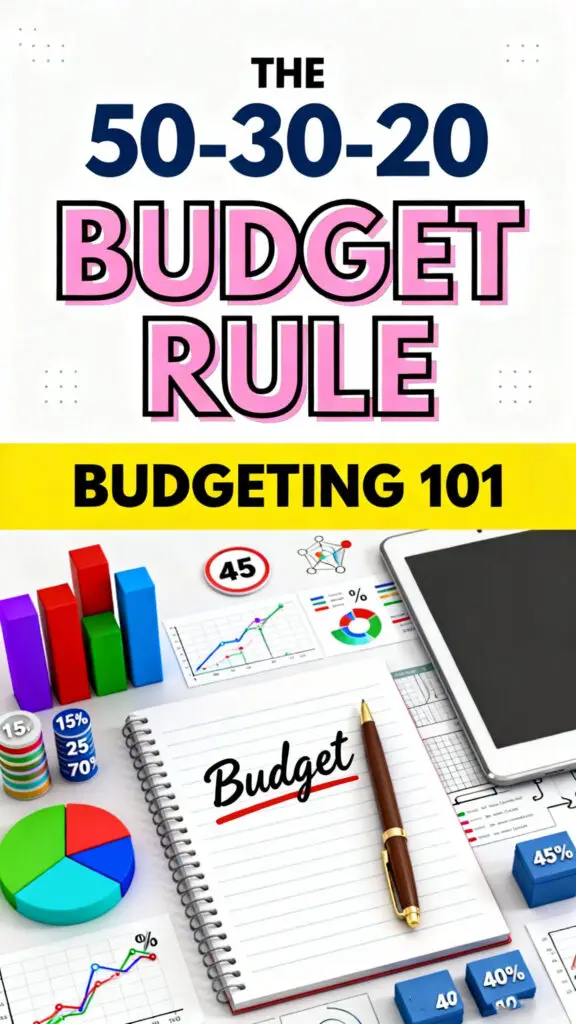
The next step is to choose a budgeting method that fits you, your income, and lifestyle the best. You can consider the 50/30/20 rule where 50% of your income goes to your needs, 30% to your wants, and 20% to savings or debt repayments, if there are any. 

You consider the envelope method as well which includes creating different spending categories and assigning cash to each category. The catch of this method is to stay within the spending limit and once you run out of cash placed inside those envelopes, that’s your cue to stop spending on that specific category. Lastly, you can also go with zero-based budgeting method which is all about assigning a purpose to every dollar until there’s nothing left behind. 

Prioritizing Needs vs. Wants

One of the most important parts of budgeting is learning the difference between your needs and your wants, because this simple step can completely change how you manage your money. Needs are the things you can’t live without like rent, groceries, electricity, and transport, while wants are the extras that make life more fun, such as going out for dinner, shopping for new clothes, or buying the latest gadgets. 

The goal isn’t to cut out every little thing you enjoy, but to spend wisely so that your wants don’t get in the way of your real priorities. When you learn to give your needs the first place in your budget and allow space for your wants only after covering your essentials, you start to feel more in control of your money without feeling restricted. 

Building an Emergency Fund

Illustration of a woman saving money in a glass jar labeled “Emergency Fund” with icons of safety and planning on a pastel pink background, representing financial security and preparedness.

Life doesn’t always go according to plan, and that’s why an emergency fund is one of the most important parts of any strong budget. Whether it’s a sudden car problem, a health emergency, or an unexpected job change, having some money saved can help you stay calm and avoid going into debt. It’s okay to start small, even saving a little bit from each paycheck can make a difference over time because the goal is to build a safety net that grows slowly and steadily. Try to work your way toward saving at least three to six months’ worth of living expenses so you can handle anything unexpected without worrying about how you’ll pay for it. 

Managing Debt Wisely

Debt can easily feel stressful and heavy, but a good budget can help you take back control and manage it one step at a time. The first thing to do is write down all your debts, like credit cards, personal loans, or anything else you owe  and note down their interest rates and payment dates. 

This helps you see the full picture instead of feeling lost or overwhelmed. Try to pay off the debts with the highest interest first while still making the minimum payments on the rest, or follow the snowball method, where you clear the smallest debts first to build confidence and motivation. 

Saving and Investing

Saving money gives you stability, but investing it helps you grow your wealth over time. Once you’ve built your emergency fund and handled your basic expenses, try setting aside a small amount every month just for savings or future goals. Automating your savings, where money moves directly to your savings account, can make it easier to stay consistent without overthinking. 

When you’re ready, learn about simple investment options like mutual funds or retirement accounts that let your money work for you. You don’t need a lot to start, even small investments made regularly can grow with time because of compounding. 

Using Budgeting Tools and Apps

Budgeting doesn’t have to be complicated, especially when there are so many easy tools and apps that can help you stay on track. You can use free apps like Mint, YNAB (You Need A Budget), or Goodbudget to automatically track your income and expenses, set spending limits, and get reminders. 

If you prefer something simple, a spreadsheet or a notebook works just as well. The goal is to choose a method that feels comfortable for you, something you can actually stick to every day. 

Reviewing and Adjusting Your Budget

Your budget isn’t something you make once and forget, it’s something that should grow and change with your life. Your expenses, goals, or income might change over time, and your budget should adjust with them. Reviewing your budget every month or every few weeks helps you see what’s working and what isn’t, allowing you to fix small problems before they turn into big ones. Maybe your grocery costs went up, or you started a new job, small adjustments keep your plan realistic and flexible. 

Conclusion

Budgeting might seem like a lot of work in the beginning, but once you start, you may come to realize that it gives you freedom instead of limits. It helps you understand where your money goes, make smarter choices, and stay focused on your goals without feeling lost or anxious about your finances. Whether it’s tracking your expenses, categorizing them, or managing debt wisely, what matters the most is your consistency and willingness to keep moving forward. Over time, these small habits can help you build something meaningful in the long run, finally helping you make money for you, not against you. 

A Beginner’s Guide to Budgeting Finances with the 40-30-20-20 Rule

November 1, 2025 By Ana Rose Leave a Comment

If you’ve ever wondered where your paycheck disappears every month or why saving feels so hard, you’re not alone. Managing money is not as simple as it may sound but with a budget that is simple, practical, and realistic, managing money can become easier to deal with. One of the easiest and most balanced ways to budget your income is the 40-30-20-20 rule which is all about dividing your spending into 4 categories, needs, wants, savings, and paying off debt or investing. If you’re new to the 40-30-20-20 budgeting method, this article will help you explore the dynamics of the rule that is structured enough to maintain discipline and flexible enough to make it feel less overwhelming and more like something you can work with. 

A Beginner’s Guide to Budgeting Finances with the 40-30-20-20 Rule

Understanding the 40-30-20-20 Rule

Illustration of a woman studying a pastel pie chart labeled needs, wants, savings, and investments, representing the breakdown of the 40-30-20-20 budgeting rule.

The 40-30-20-20 is a modern and more flexible approach that makes room for needs, wants, savings, and debt repayment or investments as well. The rule suggests that 40% of your income goes to your needs, 30% to wants, 20% to savings, and lastly 20% to investments or debt repayments. 

This balanced system of distribution can help you prioritize your expenses, preferring needs over all other spending categories. It makes sure you cover your day-to-day necessities , save for savings, while still making room for things and activities you enjoy, debt payments if there are any, or pay your future self by investing. 

Why This Rule Works for Beginners

The reason the 40-30-20-20 rule works so well for beginners is that it takes away the confusion and complexity that often comes with traditional budgeting. Instead of dealing with dozens of categories and endless sub-lists, it keeps things simple and focused by grouping all your spending into four easy-to-understand sections. 

You instantly get a clear view of where your money is going, what’s necessary, what’s enjoyable, what’s being saved, and what’s helping you grow. It also helps you stay balanced between living comfortably today and preparing for tomorrow, which is something most people struggle to find. It’s less about strict restrictions and more about giving your money direction and purpose.

Breaking Down the 40%: Covering Your Essential Needs

The first 40% of your income goes toward your needs, which are the foundation of your financial life. These are the unavoidable, must-pay expenses that keep your household running such as things like rent or mortgage payments, groceries, utilities, healthcare, insurance, transportation, and basic personal care. 

The idea is to make sure your essential expenses are comfortably covered without spilling over into the money you’ve allocated for wants or savings. This also helps you identify when you might be overspending on something that should be considered a want rather than a need, giving you a clearer picture of your true living costs and where adjustments may be necessary.

The 30% for Wants: Enjoying Life Without Guilt

Illustration of a smiling woman enjoying coffee and shopping with icons of leisure and treats around her on a pastel pink background, symbolizing mindful spending on wants.

The next 30% is reserved for your wants, which are the things that add comfort and happiness to your life, making your daily routine feel more enjoyable and less mechanical, even though they’re not necessary for survival. This portion of your budget is where you allow yourself room to breathe and enjoy the small luxuries that bring you joy, whether that’s going out for dinner with friends, taking a weekend getaway, or treating yourself to that morning coffee that starts your day on a comforting note. 

What makes this budgeting rule truly practical is that it doesn’t force you to completely give up the things you love, it simply helps you manage them with balance and mindfulness, so you can indulge in them without feeling the guilt that often comes with overspending.

The 20% for Savings: Building Your Financial Cushion

The next 20% of your income should go directly into savings, which acts as your personal safety net for the future, giving you a sense of stability and reassurance no matter what life brings your way. This portion of your budget can be divided into different purposes such as an emergency fund for unexpected situations, short-term goals like buying a new car or renovating your home, and long-term goals like retirement or future investments that help you build wealth over time. 

Every dollar you set aside is a step toward independence and confidence, reminding you that you’re not just earning for today but also protecting tomorrow. 

The Other 20%: Paying Off Debt or Investing for Growth

The final 20% of your income is dedicated to debt repayment or investments, depending on where you are in your financial journey, and this is the part that truly helps you move forward and grow beyond simply managing expenses. If you’re dealing with debts such as credit cards, personal loans, or student loans, this portion should go toward paying them down consistently, reducing your financial burden and freeing up future income for other goals.

Once your debts are under control or completely paid off, you can then channel this same amount into investments such as mutual funds, index funds, or retirement accounts that allow your money to grow passively and steadily over time.

How to Calculate Your Income and Apply the Percentages

To make the 40-30-20-20 rule truly work in your favor, the first step is to calculate your net income, which is the actual amount you take home after taxes and deductions, giving you a realistic figure to base your budget on. Once you have that clear number, you can begin dividing it according to the rule, 40% for needs, 30% for wants, 20% for savings, and 20% for debt repayment or investments. For instance, if your take-home pay is $3,000 per month, this would mean $1,200 goes toward your needs such as rent, groceries, and bills, $900 can be comfortably spent on your wants, $600 is directed into savings, and another $600 is used to pay off debt or invest. 

Adjusting the Rule to Fit Your Lifestyle

Everyone’s lifestyle, income, and priorities are different, which is why the 40-30-20-20 rule isn’t meant to be a strict plan that fits everyone the same way. It’s more like a flexible guide that you can adjust to your own life. For example, if your rent, groceries, or bills take up a bigger part of your income, you can shift the rule a little, maybe spend 45% on needs and reduce your wants to 25%, and if you don’t have any debt, you can move that extra 20% toward savings or investing to grow your money faster. 

The goal is to make this rule work for you, not to feel restricted or stressed by it, but to find a balance that feels natural, realistic, and easy to maintain over time.

Common Mistakes People Make with the 40-30-20-20 Rule

A common mistake people make when following this rule is mixing up needs and wants like calling eating out a “need” or thinking that upgrading to the latest phone every year is necessary. Another mistake is forgetting to count small, regular expenses such as subscriptions, parking, or food delivery, which can quietly eat away at your budget without you noticing. 

The best way to avoid these slip-ups is to stay aware and honest about your spending habits. Take a few minutes each week to review your expenses and see where your money is going. This helps you notice unhealthy patterns early and make small adjustments before they turn into bigger problems.

Tips to Stay Consistent with Your Budget

The toughest part about budgeting isn’t actually making the plan, it’s following it consistently. To make it easier, try automating your savings and debt payments so that the money is transferred automatically every month before you even get a chance to spend it. 

You can also keep a simple tracker, whether it’s on paper or an app, to watch your progress and celebrate small wins along the way. Remember, consistency doesn’t mean being perfect, it means showing up and making mindful choices most of the time. Even small, steady steps add up and keep you moving closer to financial control and peace of mind.

When and How to Review or Rebalance Your Budget

Your budget isn’t something you create once and then leave untouched forever, it’s meant to grow and evolve as your life does. Over time, your income might increase, new bills might appear, or your priorities may shift, which means your budget should adjust to reflect those changes. 

A smart habit is to review your budget every few months and check whether it still fits your lifestyle and goals. If you notice that you’re overspending in one area or saving less than you’d like, don’t panic or make big, overwhelming changes all at once. Instead, make small, realistic changes that you can actually stick to. 

How This Rule Leads to Financial Freedom 

The real beauty of the 40-30-20-20 rule lies in its balance, it gives you both structure and flexibility at the same time. It helps you cover your essential needs, enjoy the things that make life fun, and still save or invest for the future without feeling deprived. 

This rule teaches you that financial control doesn’t mean giving up on happiness or comfort, it means being intentional about how you use your money. Over time, you start to feel more confident about your finances, more mindful about your spending, and more peaceful knowing that you’re not just surviving, but slowly building stability and freedom. 

Conclusion

At the end of the day, the 40-30-20-20 rule is one of the easiest and most practical budgeting systems you can follow. It’s simple enough for beginners to understand, yet powerful enough to bring long-term balance to your finances. By giving every dollar a purpose and dividing your income in a thoughtful way, you’re building a foundation that brings both your present comfort and your future security. Whether you’re just starting your money journey or trying to organize your current finances, this rule helps you find clarity, balance, and calm, reminding you that good money management isn’t about strict limits, but about making your finances work for you, one intentional step at a time.

The 30-Day Budget Plan That Actually Works (Step-by-Step Challenge)

October 31, 2025 By Ana Rose Leave a Comment

Budgeting doesn’t have to be intimidating, overwhelming, or filled with complicated spreadsheets that are too hard to read, that ultimately make you want to give up before you even start the journey. Sometimes, all it needs is a focused 30-days plan to help you reset your financial habits and modify them into something that serves the future you. The 30-day budget plan is a practical, realistic, and hands-on challenge that is designed to help you achieve financial discipline, gain clarity and insight regarding your spending habits, and create a budget that truly fits you, your lifestyle, and income the best. This article will explore the dynamics of the 30-day challenge, helping you take on a journey that will get you back on track, step by step. 

The 30-Day Budget Plan That Actually Works (Step-by-Step Challenge)

Day 1–2: Define Your “Why” Behind Budgeting

Illustration of a woman writing her financial goals at a pastel pink desk with floating icons of savings and dreams, symbolizing finding her “why” behind budgeting.

During the first two days of your 30 day challenge, sit down with yourself and figure out the ‘why’ behind budgeting. Ask yourself questions like, “Am I saving for something important?”, “Am I budgeting only because I want to stop living paycheck to paycheck?”, or “Do I want to feel more organized and disciplined by managing money?”

Having a reason behind budgeting can add a personalized touch to the whole process, making it easy for you to stick with it. You can write down your reason somewhere you can see it often as this simple exercise can help you remind you of your goal, motivating you to stick to it even when the journey feels tough. 

Day 3–4: Calculate Your Total Income

Once you’ve figured out the ‘why’ behind your journey, the next step is to calculate your total income. This can include your salary, freelance gigs, side hustles, or other sources of income. The next step is to calculate your net income, which is your take home pay, after all the taxes and deductions, giving you a specific figure to deal with all the expenses. 

The goal is to have a clear picture of your total monthly income so you work with the figure and deal with all the expenses, staying within your monthly income. When you know how much money is coming in every month, you can budget with efficiency, making it less of a guesswork and more of an organized and structured process. 

Day 5–6: Track Every Expense

Illustration of a woman tracking her daily expenses using a laptop and phone with floating receipts and charts on a pastel pink background, representing mindful spending.

Once you know how much money is coming in each month, the next step is to track every expense for these two days. Whether it’s those coffee runs, online orders, or a ride you booked, track it all and note every expense, either big or small. 

If you prefer a digital approach, you can consider creating a spreadsheet, budgeting apps that help you track every expense, or even something as simple as a notebook can be used. The point of this step is not to judge what you spend at but to promote mindful and intentional spending when it comes to your hard-earned money. When you see your expenses written down with unhealthy patterns showing, it’s easy to modify them in a way that it serves the future you.

Day 7–8: Review the Past Month’s Spending

The next step is to review your past months’ spending by reviewing your bank statement or receipts from the past months. This step can give you a bigger picture of your past spending habits, for instance, you might notice that you’re more prone to spending on coffees, takeouts, or dining out. 

It’s important to remember that this step is not about guilt or shame, it’s more about being honest with yourself and knowing your spending habits more deeply, allowing you to make smarter and sane decisions regarding your hard-earned money. 

Day 9–10: Categorize Your Expenses

Once you’ve reviewed your spendings, the next step is to categorize your expenses. The simplest approach is the 3-category budgeting with needs, wants, and savings. Needs are those basic and essential expenses, necessary for survival, including housing, utilities, food, or transportations. Wants are those nice-to-have non-essential expenses that are fun and it feels good spending on them, including subscriptions, takeouts, or shopping for clothes. Lastly, savings can include emergency funds, investments, or goals. 

By categorizing, you can give each of your expenses a place, making it easy for you to spend based on their priority, with needs coming first, then wants, and then savings. 

Day 11–13: Set Realistic Spending Limits

The next step is to create realistic spending limits, making it easy for you to stick with the budget and make sure that it works for you by not setting unrealistic standards. If you set your limits too tight, there’s a high possibility you may feel like the process is overwhelming and frustrating, making it crucial to find a balance. 

For example, if you currently spend $400 on eating out, aim to reduce it to $300 instead of cutting it off completely. This way you can still enjoy the things you like while paying attention to the limits you’ve set for yourself. 

Day 14–16: Create a Cash Envelope or Digital Tracker System

By this point, you already have a clear idea of where your money goes and how much you want to spend in each category, so now it’s time to find a system that helps you actually stay on track with your plan. 

Some people prefer using the old-school cash envelope system, where they divide their money into labeled envelopes, one for groceries, one for entertainment, one for dining out, and so on, and once an envelope runs out, they stop spending from that category. 

Others feel more comfortable with a digital approach, using budgeting apps or spreadsheets to record every transaction. 

Day 17–19: Identify Spending Triggers

Everyone has certain emotional or situational triggers that push them toward unnecessary spending, and identifying those triggers can make a huge difference in how you manage your money. Maybe you tend to shop online when you’re stressed or bored, or you order food when you feel too tired to cook, or you spend impulsively when hanging out with certain friends. 

These small, unnoticed habits can quietly drain your budget without you even realizing it. Once you recognize your triggers, you can start creating healthier alternatives like going for a walk instead of scrolling through shopping apps or prepping simple meals for busy evenings. 

Day 20–22: Find Areas to Cut or Replace

After identifying your triggers, the next step is to find areas where you can gently cut back or make smart replacements without feeling deprived. Cutting back doesn’t mean completely eliminating the things you enjoy, it’s about creating small, intentional changes that help your budget breathe a little better. For example, if you notice you’re spending too much on coffee, you can brew it at home a few days a week and save the coffee shop visits for weekends. 

Even the smallest adjustments can make a noticeable difference over time, and what might feel like tiny savings at first can eventually become a substantial amount that supports your financial goals.

Day 23–25: Start Building Your Emergency Fund

Now that you’ve started freeing up a little extra money by cutting down unnecessary expenses, it’s time to put that saved money to good use by building an emergency fund. An emergency fund is one of the most comforting and empowering financial tools you can have as it acts as your safety net for unexpected situations like car repairs, medical bills, or sudden job changes. 

You don’t need to save a huge amount right away, the idea is simply to start. Even if you put aside a small amount like $20, $50, or $100 every month, what matters most is consistency. Over time, these small contributions grow and give you a sense of peace, knowing that you’re financially protected against life’s little surprises.

Day 26–28: Review and Adjust Your Budget

At this stage, you’ve been practicing budgeting for almost a full month, which means you now have enough data to see what’s working well and what’s not. This step is about reviewing your progress and making gentle adjustments where necessary.

Budgeting is not about getting everything perfect from day one, it’s about learning, evolving, and adapting as your circumstances change. Sit down with your notes or tracker, reflect on your financial choices over the past few weeks, and make updates that reflect your current lifestyle. 

Day 29–30: Reflect and Set Next Month’s Goals

As your 30-day challenge comes to an end, take these last two days to slow down and reflect on everything you’ve accomplished so far. Think about what you learned from the process, what surprised you, what made you feel proud, and what you’d like to improve in the next month. 

This reflection can help you recognize your progress and celebrate it, no matter how small it might seem. You’ve already taken control of your finances in a way that many people struggle to even start, and that deserves recognition. Now, use this to set new, realistic goals for the next month, whether that means saving a little more, reducing one expense category further, or starting to invest. 

Conclusion

By the end of this 30-day budgeting challenge, you’ll realize that managing money doesn’t have to be stressful, restrictive, or filled with confusion, it can actually be a deeply empowering experience that brings calm into your life. You’ll know where your money goes, how to control it instead of letting it control you, and how to make mindful choices that support your goals instead of sabotaging them. Once you’ve taken this journey, you’ll find that budgeting isn’t about giving up the things you love, it’s about creating a life where you can enjoy them more freely, because your finances are finally working for you, not against you.

The 3 Budget Categories Are All You Really Need

October 30, 2025 By Ana Rose Leave a Comment

When it comes to managing money, budgeting can feel like an overwhelming task with unlimited spending categories, defining their importance, and endless numbers to track. But what if there was a way to make budgeting less complicated and more manageable? The truth is you don’t have to overcomplicate budgeting by creating 50 different spending categories to take control of your finances, you just need 3 simple categories, needs, wants, and savings, to give every dollar a meaning and purpose to serve. This article will help you explore these three simple budget categories in detail, allowing you to a build a simple yet powerful financial plan that works the best for you. 

The 3 Budget Categories Are All You Really Need

The Simplicity of the 3-Category Budget

Illustration of a woman organizing three budget jars labeled needs, wants, and savings on a pastel pink background, symbolizing simple budgeting and money organization.

Budgeting doesn’t have to feel like an overcomplicated or complex task with multiple spreadsheets to handle or confusing unlimited categories to figure out, it can be a simple yet highly effective way to manage money just by focusing on three main categories, needs, wants, and savings. This approach can help you understand where exactly your money is going without overwhelming you with unnecessary details. 

Whether you’re exploring new effective ways to manage money, working on a debt, or trying to save for the future, the simple and straightforward nature of the 3-category budget can help you keep things straight and organized while still working on money management.  

Category 1: Needs, The Essentials That Keep You Going

Needs are the necessities and the foundation of your financial life. These are the expenses you can’t avoid because they technically run the course of your life. Whether it’s food, housing, utilities, transportation, or other basic expenses, they fall under the needs category. 

The key is to cover and prioritize your needs over both wants and savings, ensuring that you spend on your basic and those essential expenses before you get to your wants and savings. When your needs are taken care of when the paycheck arrives, it provides you with a sense of peace and calm that the essential and most important of expenses are taken care of. 

Understanding What Truly Counts as a “Need”

It is easy to make mistakes by considering some of your wants as needs, especially in today’s world where lifestyle upgrades are treated as a necessity. An important step in this method is to truly understand what counts as a need. This can help you stay mindful and more intentional with your spending habits, spending thoughtfully on things that truly count as essential expenses or needs. 

For example, having a phone is a need but having an upgraded phone is more of a want. Similarly, groceries are a need but eating out, takeouts, or those coffee runs are about fun and enjoyment rather than necessity. Once you’re honest about what is truly a need for you, you can start managing money in a more effective manner. 

Category 2: Wants, The Things That Bring Joy

The next category is of wants that are things that make life enjoyable and add an element of fun and happiness to it. While it feels nice to have wants, they’re not a necessity, aren’t necessary for survival, and should not be prioritized over needs. 

However, having your wants addressed can add motivation to the whole budgeting process. Budgeting is not only about restricting yourself or holding back on things you enjoy it’s about finding the right balance between personal spending and mindful spending and when you create a plan that includes your wants as well, you can enjoying spending on your wants without any guilt because you’ve already assigned a category to it, helping you stay motivated and consistent along the process, 

Finding Balance Between Needs and Wants

Illustration of a balanced scale with needs and wants represented by icons like groceries and shopping bags on a pastel pink background, emphasizing balanced spending habits.

One of the most important steps in budgeting is finding the right balance between needs and wants. If you spend too much on your wants or those nice-to-have items, you may struggle to pay for your needs and savings, similarly, if you spend a lot on your needs, you may find the whole journey restrictive or more like a punishment, leaving no room behind for savings as well, making it crucial to find a balance. 

The key is to allow yourself to do the things you enjoy but in limits, for example, instead of cutting coffee off entirely, you can still have it but 3-4 times a week. This way you can still enjoy the things you like without putting your progress or finances at stake. 

Category 3: Savings and Future Goals

The next and last category is savings and this is where you prepare for your financial future and save small amounts over time. Savings can cover anything, whether it’s an emergency fund, retirement contribution, investment, or even a big fun holiday you’ve planned out for your family. 

This category is more about paying your future self rather than focusing on those short-term pleasures that don’t last long. Even small, consistent savings can grow over time and make a big difference in your financial stability. By setting aside money regularly, you create a safety net that gives you peace of mind and opens doors to bigger opportunities in life.

Why Savings Deserve Priority

Many people, at times, use the leftover money for savings, and that mindset surely leads them to never saving at all. Prioritizing savings ensures that your financial goals are important for you and they are a part of the plan. 

Whether it’s building an emergency fund for unexpected events, setting aside money for retirement, or saving up for a long-term dream, every bit adds up and creates a safety net that helps you live with confidence and less stress. Over time, those small and steady amounts can turn into something meaningful, not just financially, but also emotionally, because you know you’re prepared for whatever life may bring.

The Ideal Balance: The 50/30/20 Rule

When it comes to dividing your income among these three categories, the 50/30/20 rule offers one of the simplest and most effective ways to maintain balance. The idea is to allocate 50% of your income to needs, 30% to wants, and 20% to savings. This formula keeps things structured yet flexible enough to fit into different lifestyles and income levels. 

It’s not about sticking to these numbers with perfection but about using them as a guideline to find what balance feels right for you. For example, if you live in an area where housing costs take up more than half your income, you might need to adjust your percentages slightly while still keeping savings and wants within reach. 

How to Apply the 3 Categories in Real Life

Applying these three categories in your everyday life doesn’t have to feel like a strict or complicated process, it’s more about awareness and intention than about rules. Start by writing down your total income, then divide it into your needs, wants, and savings based on the 50/30/20 guideline or any ratio that feels practical for your situation. 

Once you’ve done that, track your expenses for a few weeks to see if you’re staying within those boundaries. You might be surprised to find that some of your “needs” can actually be reduced, or that certain “wants” don’t bring you as much joy as you thought. 

Adjusting as Life Change

Your budget, much like your life, isn’t meant to stay the same forever. As your circumstances evolve, whether it’s a job change, a new family member, or a shift in priorities, your budget should evolve with you. 

The beauty of the 3-category system is that it’s flexible enough to adjust as life changes. You can easily revisit your spending ratios, move things around, and reshape your priorities depending on what phase of life you’re in. For example, during times when expenses rise, you might need to cut back temporarily on wants, and when your income increases, you can put more toward savings or investments. 

The Emotional Side of Budgeting

Many people associate budgeting with sacrifice or restriction, but in reality, it’s about self-care and self-awareness. When you budget mindfully, you’re choosing peace over pressure, confidence over confusion, and purpose over impulse. You start to feel more in control, more grounded, and less anxious about your financial future.

Instead of feeling guilty after spending, you feel assured because you know your choices are intentional and within limits. 

How These 3 Categories Build Financial Freedom 

When you simplify your budgeting process into these three categories, needs, wants, and savings, you create a structure that’s easy to follow yet powerful enough to change your financial life. 

This system builds discipline without rigidity, letting you meet your responsibilities, enjoy your present, and secure your future all at once. Over time, as your savings grow and your spending habits become more mindful, you begin to experience a deeper sense of freedom, not just from debt or financial stress, but from the anxiety that comes with uncertainty. 

Conclusion

At the end of the day, budgeting doesn’t have to be a long list of complicated categories or strict calculations that drain your energy and motivation. The 3-category budget simplifies the entire process, turning something that often feels overwhelming into something empowering. By focusing on needs, wants, and savings, you give your money a clear direction while keeping your life balanced and joyful. It’s not about perfection, it’s about progress and consistency. When you learn to manage your money with simplicity and intention, you build not only a stronger financial foundation but also a calmer and more confident mindset that carries you through every stage of life.

How to Set a Budget (That Actually Works)

October 29, 2025 By Ana Rose Leave a Comment

Creating a budget that works for you is not about restricting yourself or holding back on things or activities you enjoy, it’s more about making your money work for you, controlling it rather than letting it control you, and creating a plan that serves you in the longer run. A good budget gives your money direction and purpose so you don’t have to wonder where all your hard-earned money went at the end of the month. It can help you stay mindful of your spending habits, track your progress, and make confident decisions regarding your money. Whether you’re starting your financial journey, want to modify your current budget, or simply want to learn the basics, this article aims to explore a helpful step-by-step guide on how to set a budget, one you can live with and adjust over time. 

How to Set a Budget (That Actually Works) Graphic

Step 1: Understand Why You’re Budgeting

An illustration of a woman writing her financial goals in a notebook labeled “My Why,” surrounded by icons for savings and travel, symbolizing understanding the purpose behind budgeting.

Before you get to the complex dynamics of budgeting, it is equally crucial to understand why you’re budgeting. Whether it’s to save up an emergency fund, save for a big future trip, or just simply because you want to manage your finances in a better way, having a reason can add a personalized touch to the whole process, making you more motivated and consistent to move forward with the journey. 

Even when things get tough or when you feel like the process isn’t going anywhere, having a direction can help you through tough times, giving your journey a meaning and helping you focus on long-term goals rather than short-term temptations. 

Know Your Income

Once you get to know the ‘why’ behind your budget, the next step is to track your income. Whether it’s your main salary, a side hustle, a freelance gig, or child support, it is important to know how much money is coming in every month. After that calculate your net income, which is the amount you take home after all the taxes and deductions.

Once you have a number, it can become much easier to plan and create a budget that suits you, your lifestyle, and income the best, ensuring there’s nothing that gets between you and a budget that works for you. 

Track Your Spending for a Month

When it comes to budgeting, there’s nothing bigger of an obstacle than those small or seemingly harmless expenses that quietly eat away your income, leaving you behind wondering where all your money went. To deal with this, an effective strategy would be to track your spendings for at least one month, whether big or small. Whether it’s a big purchase, a snack, or those daily coffee runs, track every spending, and at the end of the month sit down with yourself and figure out the areas or those leaks that quietly eat away most of your budget

This can be an eye-opening exercise that can reveal your unhealthy spending patterns that even you didn’t know existed. 

Categorize Your Expenses

Once you’ve tracked your expenses and are familiar with your unhealthy spending patterns, if there are any, the next step is to categorize your expenses. This step is all about listing your expenses and dividing them into categories such as housing, utilities, emergency fund, savings, entertainment, or personal spending. 

This can help you see the bigger picture and identify which areas are taking up the largest of your income. Whether it’s housing, utilities, or even personal spending, this step can help you identify patterns and make changes to what you spend at, promoting mindful and intentional spending. 

Separate Needs from Wants

Once you have your expenses categorized, the next step is to separate needs from wants. Need are those essential or basic expenses, necessary for survival, such as food, housing, or healthcare. Whereas wants are those non-essential expenses or those nice-to-have items that are unnecessary but it feels good to spend on them, such as eating out, shopping for clothes, or upgrading your phone to the latest model. 

When you clearly define the two categories, it’s helpful to distinguish wants from needs, helping you prioritize needs over wants, anytime, anyday. 

Choose a Budgeting Method That Fits You

An illustration of a woman choosing between budgeting methods like the 50/30/20 rule, envelope method, and zero-based budget on a pastel pink background, representing finding a budgeting style that fits.

There’s no one-size-fits-all when it comes to budgeting, which is exactly why it is important to choose a budgeting method that suits you and your habits the best. Whether it’s the 50/30/20 rule where expenses are divided into 3 categories, 50% for needs, 30% for wants, and 20% for savings, the envelope method where you limit your spending by assigning cash for every category, or the zero-based budgeting method where you assign every dollar a purpose to serve until there’s nothing left behind, what truly matters is to pick a method that feels manageable and the right fit for you. 

The goal is not to copy someone else’s budgeting method, but to pick the one that feels like it was made for you. 

Set Realistic Spending Limits

After you’ve chosen a budgeting method that feels right for you, the next step is to set spending limits that are both practical and realistic. The purpose of these limits is not to make you feel restricted or deprived, but to help you stay mindful of your financial choices and keep your spending balanced across all areas of your life. 

It’s important to remember that a budget should reflect your real lifestyle, if it’s too rigid or unrealistic, you’ll quickly find yourself frustrated and giving up altogether. Be honest about how much you actually spend on essentials like groceries, transportation, and personal needs, then gradually find small ways to adjust without completely cutting out things you enjoy.

Build an Emergency Fund

One of the most important steps toward financial stability is building an emergency fund, a small safety net that protects you when life takes an unexpected turn. Emergencies never arrive with a warning, whether it’s a sudden medical bill, a home repair, or a job loss, and having an emergency fund ensures you don’t have to rely on credit cards or loans when things go wrong. 

Start small if you have to, even setting aside a little every month can make a big difference over time. Aim to build enough to cover at least three to six months of essential expenses, but don’t feel pressured to get there right away, it’s about steady progress, not perfection.  

Pay Off Debt Strategically

Debt can feel overwhelming, but with the right approach, you can slowly take back control and work your way toward financial freedom. Start by listing all your debts, from credit cards to personal loans, and noting the balance, interest rate, and minimum payment for each. 

You might use the debt snowball method, which focuses on paying off the smallest debts first for quick wins that build momentum, or the debt avalanche method, where you target the debts with the highest interest rates first to save more money in the long run. 

Automate Your Finances

One of the easiest ways to make your budget work effortlessly is to automate it. Automation removes the mental load of remembering payments, transfers, and savings, and ensures that your money is being handled responsibly, even when life gets busy. 

You can set up automatic bill payments to avoid late fees, schedule regular transfers to your savings account, or automatically contribute to an investment fund. When your savings and bills take care of themselves, you free up mental space and reduce financial stress. Automation also builds consistency, which is one of the most powerful habits in personal finance and it allows you to make progress quietly and steadily, even on autopilot.

Review and Adjust Regularly

A budget isn’t something you create once and then follow forever, it’s a living plan that should evolve with your life. As your income, expenses, or goals change, it’s important to revisit your budget regularly and make necessary adjustments. Maybe your bills have increased, or perhaps you’ve started earning more, your budget should reflect those changes. 

Reviewing your budget at least once a month helps you stay aware of your financial habits and gives you a clear picture of what’s working for you and what isn’t. When you treat your budget as something flexible rather than fixed, it becomes a supportive guide that moves with you through life’s ups and downs. 

Reward Yourself for Staying Consistent 

Budgeting takes patience, effort, and self-control, and those things deserve to be celebrated. When you stick to your plan, pay off debt, or reach a savings goal, take a moment to reward yourself in a way that feels meaningful. It doesn’t have to be something extravagant, it could be a nice meal out, a small treat, or even a quiet day off doing something you love. 

The goal is to create a positive connection with your financial habits so budgeting doesn’t feel like punishment, but rather a lifestyle choice that brings you balance and satisfaction. These small rewards remind you that you’re not just managing numbers, you’re building a better, more stable life for yourself and your loved ones. 

Conclusion

Setting a budget that truly works isn’t about restriction or deprivation, it’s about creating freedom and control over your life. A well-planned budget gives your money direction, ensures your needs are met, and builds a foundation for future goals. It’s a reflection of your priorities, your values, and the kind of life you want to build. By understanding your purpose, tracking your income and spending, separating needs from wants, and adjusting as you go, you create a system that fits you, not the other way around. In the end, a successful budget is not about perfection, but about progress and the confidence of knowing you’re in control of your money, not the other way around.

  • « Go to Previous Page
  • Go to page 1
  • Go to page 2
  • Go to page 3
  • Go to page 4
  • Interim pages omitted …
  • Go to page 16
  • Go to Next Page »

The Latest Blog Posts:

  • Save $10,000 in 12 Months with This Bi-Weekly Challenge! November 15, 2025
  • Save $5,000 in Just 26 Weeks! (Bi-Weekly Savings Challenge) November 14, 2025
  • Stop Buying These 10 Things and Watch Your Savings Grow! November 13, 2025

As Featured In:

Just Start Investing Press Strip 2020 B&W

Follow Us:

  • Facebook
  • Twitter
  • Pinterest

Copyright © 2025 · Just Start Investing LLC

  • Contact Us
  • Blog
  • Privacy Policy / Disclaimers