• Skip to primary navigation
  • Skip to main content

Just Start Investing

We Make Investing Easy

  • Investing
    • Learn About Investing:
    • Investment Accounts
    • Online Brokerage Accounts
    • Investment Vehicles
    • Start Investing:
    • How to Invest in Index Funds
    • Start Investing with Betterment
    • Start Investing with Charles Schwab
  • Banking
    • Best Bank Accounts
    • Types of Bank Accounts:
    • Checking Accounts
    • Savings Accounts
    • CDs and Money Market Accounts
    • Online Banks vs Brick-and-Mortar
  • Credit Cards
    • Best Credit Cards:
    • Best Cash Back Credit Cards
    • Best No Annual Fee Credit Cards of 2021
    • Best Premium Credit Cards of 2021
    • Credit Card Tool: Find the Best Credit Card for Me
    • Learn About Credit Cards:
    • Types of Credit Cards
  • Blog
    • Investing
      • What is Crypto?
        • Crypto
      • What are stocks?
        • Stocks
      • What is a Real Estate Investment?
        • Real Estate Investments
      • What is an IPO?
        • IPO
    • Banking
    • Credit Cards
    • Budget
    • Finances
  • Earn with Crypto
  • Budget
    • How to Build a Budget
    • 24 Tips to Save More Money
  • Resources
  • About
    • Contact
    • Press
    • Learn More
    • Disclaimers
  • Show Search
Hide Search

Budget Blog

Budgeting Made Simple: The Only 3 Categories That Matter

November 8, 2025 By Ana Rose

Budgeting may feel complicated with all the numbers, figures, and unending expenses but the truth is that it doesn’t have to be that complex, in fact the most effective budgets are usually the simplest ones. Instead of tracking dozens of expenses all at once, a much smarter approach would be to create three meaningful categories and track them with ease and convenience, watching where your money goes and modifying your habits. The three categories are needs, wants, and savings, and when you learn to manage and balance all three, half of your financial problems fade away. This article will help you explore the dynamics of these 3 categories, making money management easier and understandable for you. 
Budgeting Made Simple: The Only 3 Categories That Matter

The Power of Three: Why Simplifying Your Budget Works

Illustration of a woman organizing three folders labeled “Needs,” “Wants,” and “Savings” on a pastel pink background, representing the simplicity and clarity of budgeting with only three categories.

Budgeting at first may sound like an overwhelming term, but in reality, it’s simple and straightforward. What makes it even more understandable is simplifying it by creating as few categories as you can. 

This is exactly where the idea of three meaningful budgeting categories comes in. Instead of planning for multiple categories each month and burdening yourself with the endless numbers and figures, a much better option is to create 3 categories, needs, wants, and savings, and manage your money surrounding these three only. This helps you organize your income in a structured way rather than worrying about those unlimited categories that bring chaos and ruin your budget. 

The First Category: Needs

Needs are those basic expenses that you can’t survive without, whether it’s food, rent, utilities, or transportation. All these expenses help you run your life smoothly, ensuring your basic well-being is taken care of. 

In most cases, this category takes up 50-60% of your budget, leaving behind 50-40% for the rest of the expenses. The key here is to make sure that your expenses that count as wants, are not included in the needs category, for example, food is a basic expense and should be included in the needs category, but those random takeouts or dining out is more of a want and shouldn’t be mixed with your essential spendings. 

How to Identify True Needs

It’s surprisingly easy to blur the line between needs and wants which is exactly why it is necessary to differentiate between what you truly need and what just feels nice to have. The best way to deal with this is to ask yourself a simple question before buying anything, “If I don’t buy this, will it interfere with my daily living?” and if the answer comes out to be yes, that’s a need and you can consider buying it.

At times, we’re so tempted to buy something that it almost ends up feeling like a need. The key is to identify your weak areas and start seeing the differences, you’ll most likely make smarter decisions that help you in the long run. 

Managing Your Needs Without Feeling Stressed

Even when you focus mainly on the basic expenses, the needs category can end up costing you a lot, making it essential to look for cheaper or more economical alternatives. For example, you can consider switching to energy efficient bulbs that cost way less than the regular ones, buy groceries in bulk, or find a better internet or phone plan to reduce monthly costs. 

You can also negotiate where it makes sense and save money. These steps may seem small but if you add up the amount you can save, these steps can become much more meaningful, making a real difference in how comfortable your budget feels. 

The Second Category: Wants

Illustration of a person holding a coffee cup and shopping bag next to a balanced scale with “Needs” and “Wants,” symbolizing mindful spending, on a pastel pink background with golden highlights.

The second category is wants, which is all about those non-essential expenses, whether it’s dining out ,shopping for clothes, or subscribing to services you barely use. While it feels nice to spend on things you like, it is essential to consider how much they cost and how they impact your overall budget. 

This category usually takes up around 20-30% of your budget, allowing you to spend on non-essentials without any guilt or shame. This category is more about balance, allowing you to enjoy the money you work so hard for. 

Setting Boundaries for Your Wants

The main catch of having wants is to make sure that you assign a specific amount or percentage from your budget to things you like and when you spend it all, that’s your cue to stop spending on wants for that month. What you can do to prioritize is ask yourself if this particular purchase will genuinely make you happy or just provide you with temporary satisfaction, for example, a weekend trip may make you happy and help you reconnect with nature whereas a random shopping spree can only help you feel happy in the moment.
When you start being intentional and mindful with what you really want, you allow yourself to direct your money towards something that truly brings you happiness and contentment. 

How to Spend on Wants Guilt-Free

Spending on your wants doesn’t have to come with guilt or regret, especially when you’ve already set aside money for them in your budget. The trick is to remind yourself that this portion of money is meant exactly for this purpose, which is to enjoy life, reward yourself, and spend on things that make you happy. 

When you plan your spending ahead of time, you’re not being careless, you’re being mindful, and that’s the real difference. You can grab your favorite coffee, watch a movie, or buy something small for yourself without worrying about bills or savings because you’ve already taken care of those. The idea isn’t to restrict yourself from enjoying life, it’s to enjoy it responsibly so that you can experience both happiness and financial peace at the same time.

The Third Category: Savings (and Debt Repayment)

The third and most powerful category of your budget is savings, and if you have debt, it also includes paying it off. This category is what helps you build a stable future and handle the unexpected moments life throws your way. Saving money isn’t just about putting money aside, it’s about creating security, freedom, and peace of mind. 

Whether you’re saving for emergencies, future goals, or paying off your loans, this part of your budget builds your financial foundation. Usually, around 20% of your income should go into this category, but if that feels too high at first, don’t worry, even starting with a small amount like $50 or $100 every month can make a big difference over time.

Building a Consistent Saving Habit

The key to saving successfully is to make it consistent, almost like a habit that you don’t even have to think about. One of the easiest ways to do this is by “paying yourself first,” which means that as soon as your paycheck comes in, you move a portion of it to your savings account before spending on anything else. 

You can even set up automatic transfers so that saving happens on its own without relying on willpower. Over time, you’ll start to notice your savings growing without feeling like you had to make huge sacrifices. This not only builds confidence but also gives you a sense of stability, knowing that you’re taking care of your future self with every paycheck.

Emergency Funds: Your Financial Safety Net

Life is unpredictable, and no matter how careful you are with money, unexpected expenses always find their way in, whether it’s a medical emergency, job loss, or sudden car repair. That’s exactly why having an emergency fund is so important because it acts as your safety net, saving you from the stress of figuring out where to get money in difficult times. 

Start small if you have to, even saving $10 or $20 a week can help you build a fund that grows over time. Aim to eventually save enough to cover three to six months of living expenses, but remember, it’s perfectly okay to build it slowly. Keep this money in a separate account that’s easy to access when needed but not so easy that you’re tempted to dip into it for unnecessary reasons. 

Balancing the Three Categories

Once you’ve organized your budget into needs, wants, and savings, the next step is finding the right balance between all three. The truth is, there’s no one-size-fits-all ratio, your lifestyle, goals, and responsibilities all play a role in shaping how much you allocate to each category. 

The key is to stay flexible and adapt as your situation changes. Balancing these categories doesn’t mean living with strict limits, it means giving each part of your financial life the attention it deserves so you can live comfortably today while still preparing for tomorrow.

Reviewing and Adjusting Your Budget

A budget is not something you set once and forget about, it’s something that grows and evolves with you. As your income changes, your goals shift, or your expenses increase, your budget should reflect that too. 

Try reviewing your budget every few months to see what’s working and what needs improvement. Maybe you’re spending more than expected on wants, or maybe you can afford to save a little more. The idea isn’t to be perfect, it’s to stay aware. These regular check-ins help you stay in control of your money rather than letting it control you, keeping you confident and prepared for whatever comes next.

Conclusion

At the end of the day, managing money doesn’t have to be complicated or stressful. When you focus on just three categories, needs, wants, and savings, you make budgeting clear, simple, and easy to stick with. This approach helps you cover your essentials, enjoy life, and plan for the future without getting lost in numbers or unnecessary details. The balance you create between these categories gives you both stability and freedom, stability because you’re meeting your responsibilities, and freedom because you’re still allowing yourself to live and enjoy. Remember, budgeting isn’t about restriction, it’s about direction, helping you take charge of your money with confidence and peace of mind.

60-20-20 Rule: The Simple Budget Plan That Actually Works

November 5, 2025 By Ana Rose

Managing money can often feel like a big challenge, especially when you’re struggling with pending bills, rents, groceries, and other expenses. The 60-20-20 rule is a simple rule that directs your money towards specific categories, making it easy for you to plan them rather than relying on guesswork or spending carelessly. This plan can allow you to live in comfort today while also preparing for your future. You don’t need fancy subscriptions or a deep understanding of finance to follow this rule, you just need willingness, a bit of consistency, and honesty with yourself to ensure the effectiveness of the whole process. This article will help you explore the dynamics of the 60-20-20 rule, helping you spend wisely, save intentionally, and still enjoy your life with balance. 

60-20-20 Rule: The Simple Budget Plan That Actually Works Graphic

What Is the 60-20-20 Rule?

Illustration of a woman planning her budget beside a pastel pie chart labeled 60% Needs, 20% Savings, and 20% Personal Spending, symbolizing the 60-20-20 budgeting method on a pink background.

The 60-20-20 rule is all about categorizing your expenses into 3 main categories, needs, savings or investment, and personal spendings. According to this rule, 60% of your monthly income goes towards needs, 20% goes into savings or investments, and lastly, 20% of your paycheck is assigned to everything you find pleasure in. 

This rule can help you manage money in a structured and organized way while still making room for the activities and things you enjoy, striking the right balance between discipline and comfort. What makes this rule a more considerable option is the fact that it is straightforward, simple, and easy to manage, perfect for beginners as well. 

Why the 60-20-20 Rule Works So Well

The reason this rule works the best for many people is the fact that it addresses every aspect of your finances, including that nice-to-have spending category as well. It doesn’t demand you to cut back on things you enjoy or hold back on activities you find pleasure in, it simply defines a spending criteria for it, making it easy for you to stick with the process. 

The beauty of the method is that it naturally creates financial discipline without making you feel restricted or punished, allowing you to stay consistent with the process and spending on things you enjoy without any guilt or shame.

Step 1: Figure Out Your Monthly Income

Before you begin dividing your money into categories, you need to know exactly how much you’re working with each month, because without knowing your true income, any plan will feel confusing and hard to follow. 

Start by calculating your total monthly income, which means the amount you actually take home after taxes, deductions, or contributions, this is called your net income. This could come from your job, side hustle, freelance work, or any other steady source of money you receive. 

When you know the exact number, you can then confidently divide it according to the 60-20-20 rule and create a plan that fits your real situation instead of guessing or relying on estimates. 

Step 2: Spend 60% on Needs

The first and biggest portion of your income, 60% goes toward your needs, which are the basic things that keep your daily life running smoothly and comfortably. This includes expenses like rent or mortgage payments, groceries, utilities, transportation, healthcare, insurance, and other bills that you simply cannot skip. 

These are your must-haves, the things that ensure your comfort and security every single day. The goal here is to make sure that all your essentials are fully covered without eating into the other parts of your budget. If you find that your needs are taking up more than 60%, that’s a sign you might need to make small adjustments, such as cutting unnecessary costs, finding cheaper alternatives, or even trying to increase your income. 

Step 3: Save or Invest 20%

The next 20% of your income should go directly into savings or investments because this is the portion that builds your financial future and keeps you safe when life surprises you. You can start by saving for short-term goals like emergency funds or vacations, and then move on to long-term ones such as buying a house, saving for retirement, or growing your money through investments. 

Even if you can’t start with a full 20% right away, begin with a smaller amount and slowly increase it over time, because the habit of saving consistently is much more important than the number itself.

Step 4: Keep 20% for Personal Spending

Illustration of a smiling woman enjoying small luxuries like shopping, coffee, and movies on a pastel pink background, representing the 20% personal spending part of the 60-20-20 budgeting rule.

The final 20% of your income is where you get to enjoy yourself guilt-free, and this is what makes the 60-20-20 rule so easy to stick to in the long run. This category is for your personal wants and fun spending, things like going out for dinner, watching movies, traveling, buying clothes, or any activity that brings you happiness and helps you relax. 

By setting aside money for enjoyment, you avoid the feeling of being restricted or deprived, which is often the reason people quit budgeting. When you plan fun spending in advance, you get to enjoy it without any guilt because you know it fits within your plan.

Step 5: Track and Adjust as You Go

Once your budget is set, the next important step is to track your spending regularly and make small adjustments when needed. No budget works perfectly from day one, and that’s completely normal, because life often brings unexpected expenses or changes that need quick adjustments. 

Try keeping a simple record, whether it’s through a budgeting app, spreadsheet, or notebook, to see where your money goes every week. When you review your spending, you’ll start noticing small leaks like frequent takeout or forgotten subscriptions that quietly eat away at your budget. By making little changes along the way, you’ll stay in control of your finances without feeling stressed or overwhelmed, and over time, you’ll naturally become more mindful of how you handle your money.

Step 6: Build the Habit Over Time

Like most good things in life, budgeting becomes easier and more effective with practice and patience. At first, sticking to a plan might feel uncomfortable or confusing, but the more you do it, the more natural it becomes. Think of budgeting as a habit, not a short-term fix, because real financial control takes consistency, not perfection. 

You don’t have to get everything right immediately, just keep showing up, keep checking in, and keep making small improvements each month. Over time, you’ll notice that managing money starts to feel less stressful and more empowering, because you’ll know exactly where your money goes and how it supports your goals.

Step 7: Customize It to Fit Your Life

The best thing about the 60-20-20 rule is that it’s flexible, meaning you can adjust it according to your personal situation, income level, or lifestyle. For instance, if you live in an expensive city where rent and bills take up more than 60% of your income, you can slightly shift the rule to maybe 65-15-20, or if you have no debt and want to grow your savings faster, you can dedicate a bit more than 20% toward investments. 

The idea is not to follow the rule strictly but to use it as a guide that helps you make smart, realistic choices. Everyone’s financial situation is unique, and this rule can be molded to fit your own needs, goals, and priorities without making you feel limited or pressured.

How This Rule Can Change Your Money Mindset

The 60-20-20 rule isn’t just about dividing your money, it’s about changing the way you think about it. It teaches you to be intentional with every dollar you earn, balancing between living comfortably today and securing your future. Over time, this mindset shift helps you feel calmer, more confident, and more in control, because you’re no longer reacting to your finances but actively guiding them. 

It removes the stress and guilt that often come with spending and replaces them with clarity and balance, showing you that financial freedom isn’t about having more, it’s about managing what you already have in a smart and meaningful way.

Conclusion

At the end of the day, the 60-20-20 rule is one of the simplest and most practical budgeting methods you can follow, especially if you’re just starting to take control of your finances. It helps you stay organized without feeling restricted, saves you from careless spending, and ensures that every dollar you earn has a purpose. By following this plan, you’ll find it easier to live comfortably in the present, prepare for the future, and still make space for the little joys that make life enjoyable. Budgeting doesn’t have to be complicated, it just needs a plan that’s clear, balanced, and easy to stick to, and the 60-20-20 rule does exactly that.

Zero Based Budget and Financial Planning: A Step-by-Step Guide

November 4, 2025 By Ana Rose

If you’ve ever wondered why your money disappears so quickly even when you’re being careful, the zero-based budgeting method can give you a clear and structured plan that helps you see where every single dollar or penny goes. The zero-based budgeting method is not about being restrictive or holding back on all the fun, it’s about giving your money direction and purpose, knowing exactly where it goes instead of wondering where it all went at the end of the month. This plan can help you spend with intentions, making sure nothing is left unaccounted for and that your money is actually working for you, not against you. This article will help you explore the dynamics of zero based budgeting method, making sure your finances feel simple, doable, and effective. 

Zero Based Budget and Financial Planning: A Step-by-Step Guide

What Is Zero-Based Budgeting

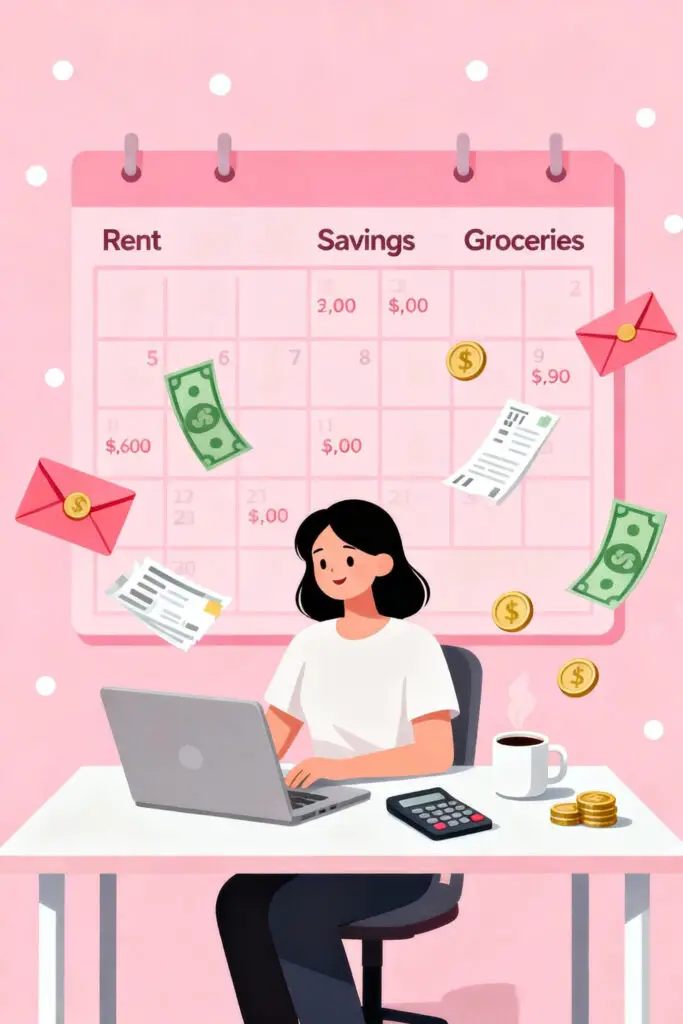
Illustration of a woman planning her monthly budget at a desk with a laptop and floating money icons on a pastel pink background, symbolizing the concept of zero-based budgeting and financial organization.

The zero based budgeting method is all about planning your finances at the start of the month. This method includes starting with your total income and assigning every dollar a meaning and purpose until there;s nothing left behind. 

This doesn’t mean you spend every penny right away, it just means you plan your spendings, whether it’s for groceries, bills, utilities, or even for savings. The main catch of this method is simply being more intentional and planning more responsibly for your finances, instead of spending it without any directions. It can also give you a clearer picture of how much you can really spend, save, or invest, all while helping you feel more in control. 

Why the Zero-Based Method Works So Well

The reason why this method works the best for many of us is that it promotes logical reasoning and problem solving, allowing you to be fully aware of our decisions and their consequences, rather than relying solely on guesswork. 

Every time you earn, you can tell your money where to go, which means there’s no room for impulse purchase or careless spending. Moreover, this method isn’t only limited to organizing your finances, it also gives your sense of calm and peace of mind, knowing there’s no uncertainty when it comes to your hard-earned money. 

Step 1: Calculate Your Real Income

The first and most important step when you step into zero-based budgeting is calculating your real income. You need to have an exact figure, after all the taxes and deductions, called the net income, which is your take home pay. 

This can include your salary, freelance gigs, side hustles, or any other source of income. When you start working with the figure coming in every month, the process can feel a bit more realistic, helping you stick to the budgeting method and making it work for you rather than beginning with an unrealistic figure. 

Step 2: List All Your Monthly Expenses

Once you understand your income, the next step is to list all your monthly expenses, no matter big or small. You can start with those fixed expenses like bills, rent, or loans and then move on to the variable ones like groceries, gas, or entertainment. 

Once you list down these expenses, it is important to include those occasional expenses as well including subscriptions, gifts, or holiday costs, because those small things often add up quickly and eat away most of your income. 

Step 3: Assign Every Dollar a Purpose

Illustration of a woman organizing envelopes labeled with spending categories on a pastel pink background, representing assigning every dollar a purpose in zero-based budgeting.

Once you’re done with income and expenses, the next and the main part of zero based budgeting is assigning every dollar a purpose. You can start by covering your essential expenses such as housing, groceries, utilities, or transportation, and once you’re done with that, plan for savings, debt repayments, investments, or personal spending. 

Keep assigning money to these categories until there’s nothing left behind unplanned, and this way, you can have a structured and organized way to plan your finances.  

Step 4: Track Your Spending Through the Month

The next step is to track your spending throughout the month. This means keeping a check on your expenses, what you spend on, and how much you spend on it. If you prefer a digital approach you can use budgeting apps that help you track your spending, create a spreadsheet, or simply use a notebook and write your spendings down. 

This step is not about judging your spendings, it is more about controlling every little move while staying aware of your spending habits. When you keep checking in, you can notice small leaks or overspending habits before they put your entire budget off track. 

Step 5: Adjust and Rebalance When Needed

Life doesn’t always go as planned which is exactly why it is essential to adjust and rebalance whenever needed. If you notice that you spend a little more on one category, adjust the budget by taking some of the amount from that category to another meaningful one. 

For example, if you notice that you spend more on groceries than you should, a smart way would be to reduce the spending amount for groceries and readjust that amount in another meaningful category such as savings. The main idea of this step is to maintain balance and make small adjustments in order to ensure the effectiveness of the whole budgeting method. 

Step 6: Include Savings and Debt Payments as Expenses

Many people make the mistake of treating savings as something that comes after spending, but in the zero-based budgeting method, savings are treated as an actual expense, something that must be planned for from the very start. When you create your budget, write down savings and debt repayments just like you would list your bills or groceries. 

This helps you make saving and paying off debt a natural part of your financial routine instead of something you try to fit in later. 

Step 7: Create an Emergency Fund

An emergency fund is one of the most important parts of financial stability because life is full of unexpected moments that can throw your plans off track like medical bills, car repairs, or sudden job changes. Having a small emergency fund helps you handle these situations without needing to borrow money or use your credit card. 

Start with a small goal, such as saving enough to cover one month of expenses, and then slowly build it up over time until you have three to six months’ worth saved. 

Step 8: Review Your Progress Every Month

Budgeting isn’t something you set once and forget about, it’s a habit that gets stronger the more you practice it. At the end of each month, take a few minutes to review how you did. Look at where your money went, which areas you stayed on track with, and where you might have overspent. 

This isn’t about being hard on yourself, it’s about learning and improving little by little. Maybe your needs changed, or maybe you realized one category needs more money next month, that’s completely okay. 

Step 9: Use Simple Tools to Stay Organized

You don’t have to be a financial expert or use complicated software to manage your budget. There are many easy tools that can help you stay organized without making the process stressful. You can use budgeting apps, spreadsheets, or even a notebook and pen if that feels more comfortable. 

What matters is that you’re keeping track of your money in a way that makes sense to you. Some people like using cash envelopes for certain categories, others prefer using digital trackers, there’s no single right way. Choose what feels the easiest and most natural because the simpler it is, the more likely you’ll keep doing it.

Step 10: Stay Patient and Keep Going

The truth about budgeting is that it takes time to get used to, and you might not get it perfect in the first few months, and that’s completely normal. You might make small mistakes, forget to record an expense, or spend too much one week, but what matters is that you keep trying and adjusting. 

Over time, budgeting becomes a habit, and you’ll start seeing how much more confident and in control you feel about your money. Being patient with yourself is just as important as being consistent with your budget. 

How Zero-Based Budgeting Helps You Plan for the Future

One of the best parts of using the zero-based budgeting method is how it changes the way you look at your future. When every dollar has a clear purpose, you begin to understand your financial habits and priorities better. 

You’re not just spending randomly anymore, you’re making thoughtful choices that align with your long-term goals. Over time, this method helps you build a stronger foundation, where you can start planning for bigger dreams like buying a home, starting a business, or retiring comfortably. You stop feeling like your money is controlling you and instead start feeling like you’re the one in charge, guiding it exactly where you want it to go.

Conclusion

Zero-based budgeting might sound like a lot of work at first, but once you understand the concept behind it, it starts to feel easy and doable. It’s not about strict limits, it’s about giving your money a clear purpose and making sure it serves your needs and goals. By tracking, planning, and adjusting each month, you build financial habits that make your life easier, calmer, and more organized. The most beautiful part of this method is that it grows with you and as your income changes or your goals evolve, your budget adapts too. Step by step, you’ll find yourself feeling more confident, more mindful, and more in control of your money than ever before.

Budgeting Tips For Beginners: How To Start A Budget That Actually Works

November 3, 2025 By Ana Rose

Budgeting may sound boring to people until they realize how much power it gives to them when it comes to controlling their money. Budgeting can help you understand where your hard-earned money is going, allowing you to take mindful and measured decisions. Budgeting is not about cutting every fun thing out of your life, it is about understanding what you earn, what you spend, and how you can make your money last longer. Once you start looking at your spending closely and planning where your money should go, you begin to feel more calm and in control instead of worried all the time. This article explores some budgeting tips for beginners, helping them choose and create a budget that actually works for them and is realistic. 

Budgeting Tips For Beginners: How To Start A Budget That Actually Works

Think About Why You Want to Budget

Illustration of a woman writing in a notebook labeled “My Budget Goals” with floating icons of travel, savings, and peace of mind on a pastel pink background, representing motivation for budgeting.

Before you even start writing numbers down, it helps to take a moment and think about why you want to make a budget in the first place, because understanding your reason gives meaning to every step you take after that. Maybe you want to stop feeling stressed every time you check your balance, or you’re saving up for something important like a trip, a new phone, or just a little financial peace of mind. 

When you know your “why,” budgeting starts to feel less like a boring task and more like something that’s actually helping you live the life you want. It’s about giving your money a direction, instead of letting it slip away without you realizing where it went.

Know How Much Money You Really Get

The next step is to find out how much money you actually bring home each month, not the total amount before taxes or deductions, but the amount that truly reaches your hands or account and is available for spending. This is called your net income, and it’s the number you’ll use to plan everything else in your budget. 

It’s easy to forget that things like taxes, insurance, or retirement contributions are already taken out, so knowing your real income helps you stay realistic and avoid planning for money you don’t actually have. When you start your budget based on what’s real, you can make better choices that actually work in your everyday life.

Write Down Every Expense You Make

Illustration of a woman writing down her daily expenses in a notebook with receipts and coins around her on a pastel pink background, symbolizing mindful money tracking.

To really understand where your money goes, you need to write down every single expense, even the small ones that seem unimportant at the time, like a snack, a bus ticket, or a quick coffee. These small things add up quietly, and before you know it, they become the reason your money feels like it disappears too soon. You can write them down in a notebook, use your phone’s notes app, or try a simple spreadsheet, whatever feels the easiest for you. 

The goal isn’t to judge yourself but to see the truth of your spending habits, because once you know where your money actually goes, you can start taking control of it instead of wondering where it went.

Group Your Spending Into Simple Categories

Once you’ve tracked your expenses, it helps to group them into a few easy categories that make sense to you, such as needs, wants, savings, and maybe debt payments if you have any. Needs include things like rent, bills, and groceries, while wants are the extras like eating out, entertainment, or buying clothes. 

Savings and debt payments are about your future, making sure you’re ready for emergencies or working to pay off what you owe. Keeping your categories simple makes the whole process less confusing, and it becomes easier to see which areas are taking up most of your money and where you might need to cut back a little.

Set a Few Money Goals That Matter to You

When you start budgeting, it helps to have a few clear goals in mind, because goals give your plan direction and purpose. Maybe you want to save for something fun like a short trip, or something serious like an emergency fund or paying off a loan. 

You don’t need ten different goals all at once, even one or two can make a big difference, especially when they mean something to you personally. Each time you put money aside, you’ll feel like you’re getting closer to something real, not just restricting yourself, and that feeling makes it much easier to stick with your plan for the long run.

Choose a Simple Way to Budget

There are many ways to make a budget, but as a beginner, the best one is always the one that feels easy and natural to follow. Some people like the 50/30/20 rule, where 50% goes to needs, 30% to wants, and 20% to savings, while others prefer using envelopes or digital apps. 

You don’t need anything fancy, even a basic notebook or notes app can do the job perfectly well. The goal is to find a method that fits your lifestyle, not one that makes you feel stressed or confused. Once you find what works for you, sticking to your budget starts to feel like second nature instead of a chore.

Save a Little Before You Spend

A helpful habit to build early is to save a little money as soon as you get paid, instead of waiting to see what’s left after spending. This way, saving becomes automatic and you’re less likely to spend money that was meant for your future self. Even if it’s a small amount, like 5% or 10% of your income, it still counts, because saving is more about consistency than size. 

When you pay yourself first, you’re telling yourself that your goals matter just as much as your bills or daily spending, and that mindset slowly builds long-term security and confidence.

Keep Some Money Aside for Emergencies

Life can be full of surprises, and not all of them are pleasant, which is why having a small emergency fund can save you a lot of worry later. It doesn’t have to be a huge amount at first; even setting aside a small portion each month can make a difference over time. This money is not for regular shopping or treats, it’s for those unexpected moments like a car repair, a sudden medical bill, or a job change. Knowing that you have something to fall back on helps you stay calm and prevents you from turning to credit cards or loans every time something goes wrong.

Learn to Tell the Difference Between Needs and Wants

One of the hardest but most important parts of budgeting is learning to tell what you truly need versus what you just want. Needs are the things you must have to live like food, shelter, and basic bills while wants are the things that make life more fun or comfortable. 

It doesn’t mean you have to give up everything you enjoy, but it helps to be mindful so you don’t spend too much on wants and forget about your essentials or goals. Over time, this small habit teaches you balance, so you can enjoy life without feeling guilty or stressed about your money.

Check Your Budget Often and Make Changes When Needed

A budget isn’t something you set once and never touch again; it’s something you keep checking and adjusting as your life changes. Maybe your income increases, or your expenses shift, or you set a new goal that matters more to you now. 

Reviewing your budget every month or two helps you stay on track and spot small problems before they become big ones. You don’t have to make major changes all at once just small, simple updates that keep your plan working for your real life.

Use Simple Tools That Help You Stay on Track

You don’t need fancy software or complex systems to manage your money, there are many easy ways to stay organized, from using a basic notebook to free budgeting apps that track your spending automatically. 

The idea is to make things easier for yourself, not harder. If writing things down helps you remember, do that and if an app gives you reminders, use it. The simpler and more natural it feels, the more likely you are to stick with it in the long run.

Be Patient With Yourself and Don’t Give Up

Budgeting takes time to get right, and no one gets it perfect from day one, so it’s important to be patient and gentle with yourself. Some months will go smoothly, while others might feel messy, but that’s completely normal. The goal isn’t to be perfect, it’s to keep trying and improving little by little. Every time you make a smart choice with your money, you’re getting stronger and more confident. With time, you’ll realize that budgeting isn’t about limits, it’s about learning to control your money instead of letting it control you.

Conclusion

Starting a budget can feel tricky at first, but once you understand your income, track your spending, and set clear goals, it becomes something that helps you, not something that holds you back. The key is to keep it simple, stay honest with yourself, and make small, steady changes that fit your life. Over time, you’ll notice that budgeting brings peace instead of stress, and freedom instead of pressure, because it helps you see exactly where your money goes and how you can use it in a way that truly supports your future.

Budgeting 101: A Beginner’s Guide to Managing Your Money

November 2, 2025 By Ana Rose

Budgeting is less about restriction or holding back on things you enjoy, it’s more about being mindful and intentional where your hard-earned money goes, making it work for you and controlling it rather than letting it control you. Whether you’re trying to pay off a debt, build an emergency fund, or simply want to stop living paycheck to paycheck, budgeting can help you create a plan that gives your money purpose and direction. This article will help you explore the basics of budgeting, allowing you to understand where your money goes and how to make every dollar you earn work for you, not against you. 

Budgeting 101: A Beginner’s Guide to Managing Your Money Graphic

Why Budgeting Matters

Many people tend to avoid budgeting because it may sound restrictive, intimidating, or overwhelming, but the truth is that budgeting is a tool that makes your financial life easier to deal with. When you know where exactly your money goes every month, budgeting helps you stop living in uncertainty, prevents overspending, helps you avoid impulse purchasing , and eventually allows you to make mindful decisions when it comes to the money you work so hard for. 

Budgeting makes all the difference between controlling your money and letting it control you, and this shift is all that brings both confidence and peace of mind in the long run. 

Understanding Your Income

Your budget starts with understanding your income and calculating how much money is coming in every month. Whether it’s your salary, freelance gigs, side hustles, or other sources of income, it is important to give yourself a figure instead of relying on guess work. 

Once you have a total, calculate your net income, which is after all the taxes and deductions and is your take home pay. Having a clear number can help you plan your spending and expenses accordingly instead of relying on credit cards to fill the gaps. While this step may seem simple, it is crucial to give your finances a solid foundation to begin with. 

Tracking Your Expenses

Illustration of a woman tracking her expenses in a notebook with floating icons of groceries, coffee, and bills on a pastel pink background, symbolizing mindful money tracking.

The next step is to track your expenses and stay aware of your spending habits. Track your expenses for at least one month and explore your spending pattern. Whether it’s those midnight snacks, coffee runs, groceries, or gas, tracking your expenses can help you see those underlying unhealthy spending habits that put your entire budget off track. 

Being in the clear with your spending habits can help you take action, getting an honest picture of your habits so you can make smarter financial choices in the future. You can track your expenses through budgeting apps, by creating a spreadsheet, or by using something as simple as a notebook. 

Categorizing Your Spending

Once you’ve tracked your expenses, organize them into categories like housing, utilities, groceries, transportations, or entertainment. Categorizing your spending can help you see the bigger picture, helping you identify areas where adjustments are needed. For example, you may come to realize that those streaming subscriptions or those random online shopping sprees cost you way more than you thought. 

Categorizing helps you simplify your budget, making it easier to find the right balance between needs and wants. 

Setting Realistic Financial Goals

A budget becomes more meaningful and easier to follow when there’s a goal associated with it. Whether you’re planning for a big future goal, trying to save up for an emergency fund, or simply want to manage money more effectively, having a specific, clear, and realistic goal can add a personalized touch to the whole process, making it easy for you to stay consistent and committed with the process. 

These goals can keep you motivated and help you stay focused when temptations to spend or the impulse to purchase something hits you out of nowhere. It is essential to remember that specific goals are easier to achieve and more satisfying to reach rather than undefined and unclear goals. 

Choosing a Budgeting Method

The next step is to choose a budgeting method that fits you, your income, and lifestyle the best. You can consider the 50/30/20 rule where 50% of your income goes to your needs, 30% to your wants, and 20% to savings or debt repayments, if there are any. 

You consider the envelope method as well which includes creating different spending categories and assigning cash to each category. The catch of this method is to stay within the spending limit and once you run out of cash placed inside those envelopes, that’s your cue to stop spending on that specific category. Lastly, you can also go with zero-based budgeting method which is all about assigning a purpose to every dollar until there’s nothing left behind. 

Prioritizing Needs vs. Wants

One of the most important parts of budgeting is learning the difference between your needs and your wants, because this simple step can completely change how you manage your money. Needs are the things you can’t live without like rent, groceries, electricity, and transport, while wants are the extras that make life more fun, such as going out for dinner, shopping for new clothes, or buying the latest gadgets. 

The goal isn’t to cut out every little thing you enjoy, but to spend wisely so that your wants don’t get in the way of your real priorities. When you learn to give your needs the first place in your budget and allow space for your wants only after covering your essentials, you start to feel more in control of your money without feeling restricted. 

Building an Emergency Fund

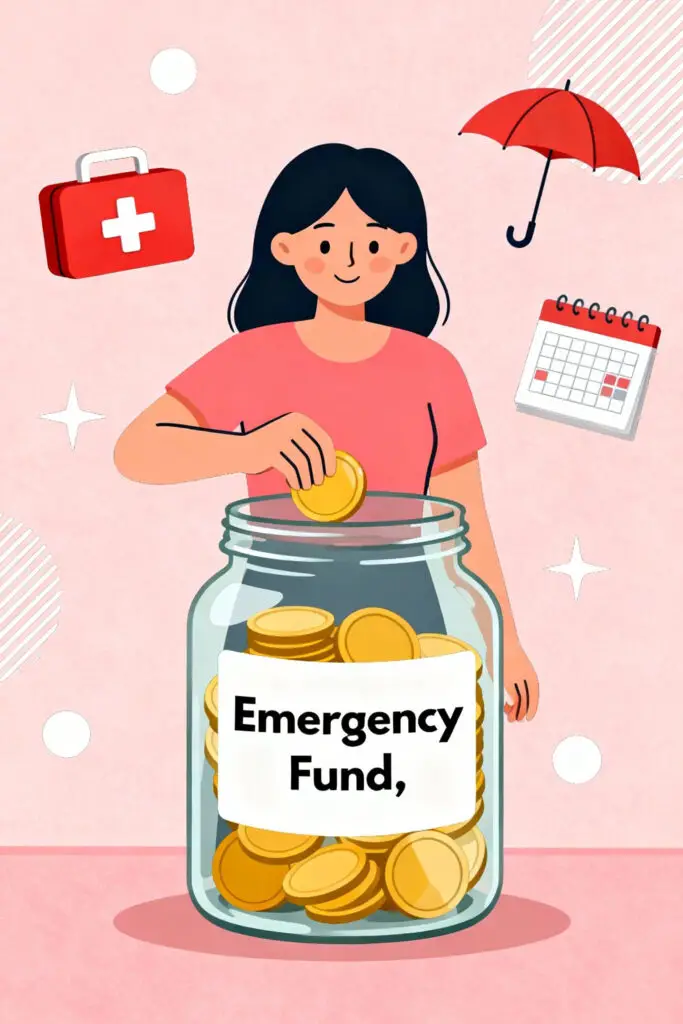
Illustration of a woman saving money in a glass jar labeled “Emergency Fund” with icons of safety and planning on a pastel pink background, representing financial security and preparedness.

Life doesn’t always go according to plan, and that’s why an emergency fund is one of the most important parts of any strong budget. Whether it’s a sudden car problem, a health emergency, or an unexpected job change, having some money saved can help you stay calm and avoid going into debt. It’s okay to start small, even saving a little bit from each paycheck can make a difference over time because the goal is to build a safety net that grows slowly and steadily. Try to work your way toward saving at least three to six months’ worth of living expenses so you can handle anything unexpected without worrying about how you’ll pay for it. 

Managing Debt Wisely

Debt can easily feel stressful and heavy, but a good budget can help you take back control and manage it one step at a time. The first thing to do is write down all your debts, like credit cards, personal loans, or anything else you owe  and note down their interest rates and payment dates. 

This helps you see the full picture instead of feeling lost or overwhelmed. Try to pay off the debts with the highest interest first while still making the minimum payments on the rest, or follow the snowball method, where you clear the smallest debts first to build confidence and motivation. 

Saving and Investing

Saving money gives you stability, but investing it helps you grow your wealth over time. Once you’ve built your emergency fund and handled your basic expenses, try setting aside a small amount every month just for savings or future goals. Automating your savings, where money moves directly to your savings account, can make it easier to stay consistent without overthinking. 

When you’re ready, learn about simple investment options like mutual funds or retirement accounts that let your money work for you. You don’t need a lot to start, even small investments made regularly can grow with time because of compounding. 

Using Budgeting Tools and Apps

Budgeting doesn’t have to be complicated, especially when there are so many easy tools and apps that can help you stay on track. You can use free apps like Mint, YNAB (You Need A Budget), or Goodbudget to automatically track your income and expenses, set spending limits, and get reminders. 

If you prefer something simple, a spreadsheet or a notebook works just as well. The goal is to choose a method that feels comfortable for you, something you can actually stick to every day. 

Reviewing and Adjusting Your Budget

Your budget isn’t something you make once and forget, it’s something that should grow and change with your life. Your expenses, goals, or income might change over time, and your budget should adjust with them. Reviewing your budget every month or every few weeks helps you see what’s working and what isn’t, allowing you to fix small problems before they turn into big ones. Maybe your grocery costs went up, or you started a new job, small adjustments keep your plan realistic and flexible. 

Conclusion

Budgeting might seem like a lot of work in the beginning, but once you start, you may come to realize that it gives you freedom instead of limits. It helps you understand where your money goes, make smarter choices, and stay focused on your goals without feeling lost or anxious about your finances. Whether it’s tracking your expenses, categorizing them, or managing debt wisely, what matters the most is your consistency and willingness to keep moving forward. Over time, these small habits can help you build something meaningful in the long run, finally helping you make money for you, not against you. 

  • « Go to Previous Page
  • Go to page 1
  • Go to page 2
  • Go to page 3
  • Go to page 4
  • Go to page 5
  • Go to page 6
  • Interim pages omitted …
  • Go to page 18
  • Go to Next Page »

The Latest Blog Posts:

  • Top 12 Stay At Home Dad Jobs for Flexible Income June 6, 2026
  • 20 Best Things To Sell On Etsy In 2026 June 5, 2026
  • How To Start A Dog Treat Side Hustle From Home June 3, 2026

As Featured In:

Just Start Investing Press Strip 2020 B&W

Follow Us:

  • Facebook
  • Twitter
  • Pinterest

Copyright © 2026 · Just Start Investing LLC

  • Contact Us
  • Blog
  • Privacy Policy / Disclaimers