
Moving into your first apartment can be an exciting milestone in one’s life, but along with the joy and freedom, comes the burden of managing money for your first apartment. When you plan ahead, spend mindfully, and stay consistent with the process of making money work for you, you can enjoy your new space without the constant stress of making ends meet. It’s essential to remember that budgeting is less about perfection and more about being mindful and aware of your spending choices. This article will help you explore some helpful budgeting tips for your new apartment, ensuring that you balance comfort, fun, and financial security in the best way possible.
Start With a Clear Picture of Your Income
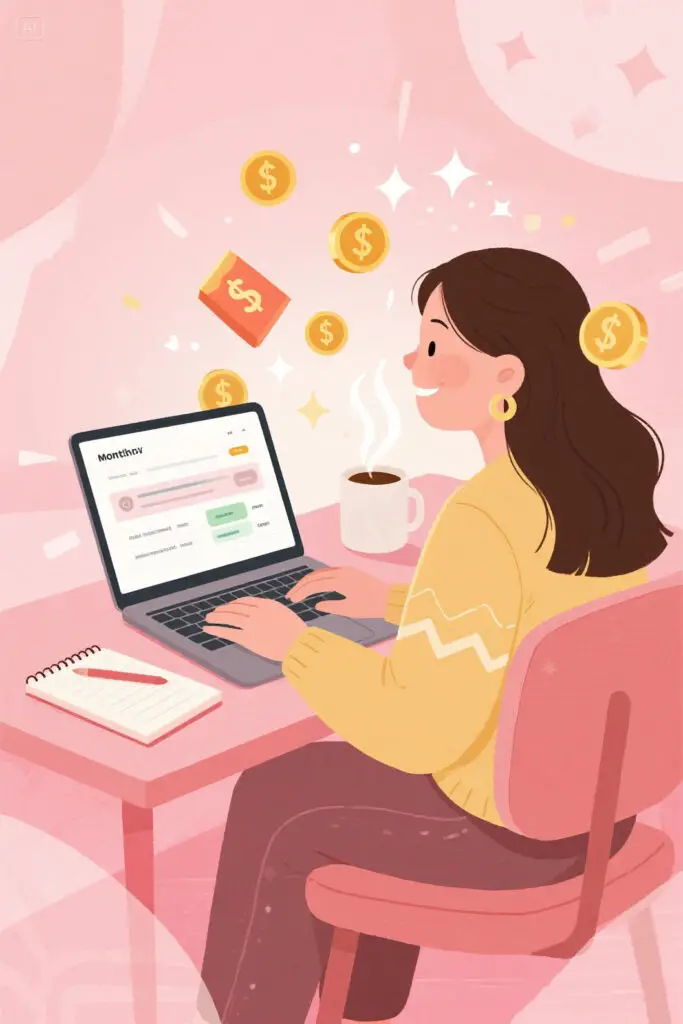
Before you plan any of your expenses, it is important to know where you stand financially. A good way to approach this tip is to list all of your sources of income, whether it’s your salary, a side hustle earning, or any financial help you might be getting.
Once you have your total monthly income, you can get to dividing it wisely. Having a clear picture of your income can help you avoid overspending and helps you stay within the budget and the spending limit.
List All Your Fixed Monthly Expenses
Fixed expenses are the bills that you have to pay every single month, including rent, utilities, internet, transportation, or insurance. This tip can help you see what’s left for groceries, personal spending, and other flexible costs that change from month to month.
Once you know your fixed expenses, you can clearly see how much of your income is already committed and how much you have left to manage the rest of your lifestyle. It also helps you plan ahead for due dates and avoid missing payments or facing late fees. Writing these expenses down or setting reminders makes a huge difference, because once your essentials are covered, you can make smarter and more relaxed decisions about the rest of your money.
Use the 50/30/20 Rule as a Guideline
The 50/30/20 rule is one of the simplest and most effective budgeting strategies, especially when you’re living on your own for the first time. It helps you divide your income into three main parts, 50% for needs, 30% for wants, and 20% for savings or debt payments.
Your needs include essentials like rent, groceries, and utilities, while wants are your personal pleasures like dining out or buying decor for your apartment. The last portion goes toward building savings or paying off loans. This balance helps you spend responsibly while still leaving room for enjoyment, so you don’t feel deprived while staying financially stable.
Be Smart About Rent
Rent is usually the biggest expense when living in an apartment, so it deserves special attention. A smart rule is to keep your rent below 30% of your monthly income. Choosing a place that fits your budget can save you from a lot of stress later on.
It’s easy to get tempted by modern apartments or perfect locations, but always ask yourself whether you can comfortably afford it while still having enough left for other living costs. Remember, the goal isn’t just to pay rent, it’s to live well and still have money for groceries, transportation, and saving for your future.
Plan for One-Time Move-In Costs
Moving into your first apartment comes with several upfront expenses that can easily catch you off guard if you don’t plan ahead. Besides your rent, you’ll likely have to pay a security deposit, utility setup fees, and basic furniture or kitchen supplies.
Sometimes, these one-time costs can add up to a month or two of rent, that’s why it’s smart to save extra before moving in, so you can handle these costs without dipping into your emergency savings. Having a small cushion during your first month helps you start your apartment life comfortably without the stress of running short on cash.
Furnish Gradually, Not All at Once

When you move in, it’s natural to want your new apartment to look complete right away, cozy, aesthetic, and full of personality, but buying everything at once can seriously hurt your budget. Instead, start with the essentials, such as a bed, a table, a few kitchen tools, and some basic seating and then, over time, you can slowly add other things as your finances allow.
You can find great deals on used furniture, online marketplaces, or thrift stores. Taking your time not only saves money but also gives you a chance to find items that truly fit your space and style.
Track Every Expense for the First Three Months
Tracking your expenses shows you where your money really goes. For the first three months in your apartment, write down or use an app to record every expense, no matter how small. You might be surprised to see how much those quick snacks, deliveries, or small purchases add up.
This helps you understand your real spending patterns so you can adjust your budget more accurately. Once you see where your money is flowing, you’ll feel more in control and can make changes that actually make a difference in your financial health.
Save a Little Each Month for Unexpected Costs
No matter how well you plan, life in your first apartment will come with surprises, maybe a broken appliance, a sudden repair, or higher utility bills than expected. Setting aside even a small amount each month for these unexpected moments can save you a lot of stress.
It doesn’t have to be a huge amount, even $30 to $50 per month can build a solid cushion over time. When something does come up, you’ll be thankful that you planned ahead instead of having to use credit cards or skip other payments to cover it.
Be Energy and Utility Smart
Utilities can quietly eat away at your budget if you’re not careful, which is exactly why it is important to learn to be smart about energy use that can make a big difference in your monthly bills.
Simple things like switching off lights when you leave the room, unplugging unused chargers, or using energy-efficient bulbs can help lower electricity costs. Don’t leave water running unnecessarily, and try to run laundry or dishwashing only when there’s a full load. These small daily habits don’t feel like much, but over time, they save money and make your apartment more environmentally friendly, a win-win for both your wallet and the planet.
Learn to Cook Simple Meals at Home
Eating out or ordering food too often can easily drain your budget without you realizing it. Learning to cook even a few simple meals at home can save a surprising amount of money. Start with easy recipes and make cooking fun instead of a chore.
You can plan your meals for the week, buy groceries in bulk, and even prep some ingredients ahead of time. Cooking at home doesn’t just save you money, it’s also healthier and gives you a cozy sense of independence in your new home.
Separate Wants from Needs
It’s easy to get caught up in decorating, social plans, or impulse buys when you first move into your own place, but not everything you want is something you truly need right now. Before buying anything, take a moment to pause and ask yourself if it’s something essential or if it can wait until later. This small act of mindfulness can save you from unnecessary spending and future regret.
When you learn to make this distinction, you keep your budget focused on what really matters, the things that make your home comfortable and your life stable. And when you do choose to spend on your “wants,” you can do it happily and guilt-free, knowing it’s something you’ve planned and can actually afford.
Review and Adjust Your Budget Regularly
A budget isn’t something you set once and forget, it’s something you grow with as life changes, bills fluctuate, and so do priorities. Review your budget every few months to see what’s working and what’s not, maybe your rent went up, or your income increased, either way, it is important to adjust your plan accordingly.
Keeping your budget flexible ensures it always fits your current lifestyle instead of forcing you into one that no longer works. The more you stay involved with your finances, the more confident and secure you’ll feel living on your own.
Conclusion
Moving into your first apartment is a big and exciting step, but it also teaches you the importance of managing your money wisely so you can truly enjoy your independence without the stress of financial pressure. Budgeting isn’t about cutting out all the fun or living on strict rules, it’s about finding a healthy balance between comfort, enjoyment, and responsibility. When you start tracking your expenses, planning for bills, cooking at home, and saving a little each month, you slowly build a sense of control and peace over your finances. These small habits add up, helping you create a stable routine where money works for you instead of against you and over time, you’ll realize that budgeting doesn’t take away your freedom, it gives you more of it.
