• Skip to primary navigation
  • Skip to main content

Just Start Investing

We Make Investing Easy

  • Investing
    • Learn About Investing:
    • Investment Accounts
    • Online Brokerage Accounts
    • Investment Vehicles
    • Start Investing:
    • How to Invest in Index Funds
    • Start Investing with Betterment
    • Start Investing with Charles Schwab
  • Banking
    • Best Bank Accounts
    • Types of Bank Accounts:
    • Checking Accounts
    • Savings Accounts
    • CDs and Money Market Accounts
    • Online Banks vs Brick-and-Mortar
  • Credit Cards
    • Best Credit Cards:
    • Best Cash Back Credit Cards
    • Best No Annual Fee Credit Cards of 2021
    • Best Premium Credit Cards of 2021
    • Credit Card Tool: Find the Best Credit Card for Me
    • Learn About Credit Cards:
    • Types of Credit Cards
  • Blog
    • Investing
      • What is Crypto?
        • Crypto
      • What are stocks?
        • Stocks
      • What is a Real Estate Investment?
        • Real Estate Investments
      • What is an IPO?
        • IPO
    • Banking
    • Credit Cards
    • Budget
    • Finances
  • Earn with Crypto
  • Budget
    • How to Build a Budget
    • 24 Tips to Save More Money
  • Resources
  • About
    • Contact
    • Press
    • Learn More
    • Disclaimers
  • Show Search
Hide Search

General Personal Finance Blog

100+ Uplifting Financial Freedom Quotes

September 13, 2025 By Ana Rose

Financial freedom is less about having great figures in your bank account and more about having the freedom to make financial choices without the constant financial stress weighing you down. The journey towards financial freedom can, at times, feel exhausting and overwhelming, but once you get there, you’ll realize how empowering the destination is. Whether you’re working hard to pay off debts, save for the future, or build strong financial habits that serve you in the long run, powerful statements, quotes, and words can make you more motivated and determined than you may realize. This article offers the 100+ best financial freedom quotes that can serve as reminders to stay motivated, keep moving forward, and believe in the possibility of building the life you dream of.

100+ Uplifting Financial Freedom Quotes Graphic

100+ Uplifting Financial Freedom Quotes

1. “Financial freedom is not about having it all, but about having enough to live life on your own terms.”

2. “True wealth is the ability to fully experience life without money being a constant worry.”

3. “Financial independence is the bridge between surviving and truly living.”

Minimalist flat illustration on a pastel pink background showing a bridge connecting two cliffs — one side labeled “Surviving” with stressed, tired figures and the other side labeled “Living” with relaxed, happy people. A golden path runs across the bridge, symbolizing financial independence.

4. “The richest person is not the one who has the most, but the one who needs the least.”

5. “Money doesn’t buy happiness, but financial freedom buys peace of mind.”

6. “Wealth is not about money, it’s about freedom.”

7. “Financial freedom means waking up and choosing how to spend your day.”

8. “Being rich is having money; being wealthy is having time.” – Margaret Bonnano

9. “The best return on money is the ability to live life the way you want.”

10. “The goal of money is freedom, not accumulation.”

11. “Do not save what is left after spending; instead spend what is left after saving.” – Warren Buffett

12. “An investment in knowledge pays the best interest.” – Benjamin Franklin

13. “Wealth is the result of habit, not chance.”

14. “Saving money is the first step toward earning money.”

15. “Every dollar saved is a soldier in your financial army.”

16. “The earlier you start saving, the sooner freedom will find you.”

17. “Don’t work for money; make your money work for you.” – Robert Kiyosaki

18. “Compound interest is the eighth wonder of the world.” – Albert Einstein

19. “Savings give you options, and options give you freedom.”

20. “Small savings today become big freedoms tomorrow.”

21.“Financial freedom comes from small steps taken consistently.”

22. “Discipline today creates independence tomorrow.”

23. “A budget is telling your money where to go instead of wondering where it went.” – Dave Ramsey

24. “Patience and persistence are the secret ingredients to building wealth.”

25. “Money grows when discipline takes the driver’s seat.”

26. “Wealth is not built overnight but brick by brick.”

27. “Budgeting isn’t about restriction, it’s about direction.”

28. “Self-control with money is the highest form of self-respect.”

29. “Consistency with money beats intensity.”

30. “Slow progress is still progress toward freedom.”

31. “Getting out of debt is not just a financial journey, it’s an emotional one.”

Flat illustration on a pastel pink background showing a person breaking free from chains inside an open jail cell labeled “Debt.” The individual walks toward an open path with bright light, symbolizing freedom and financial independence.

32. “Debt is a prison; freedom is walking away from it for good.”

33. “Every dollar you pay toward debt is a step toward freedom.”

34. “The chains of debt are broken by consistency and courage.”

35. “Living within your means today saves you from slavery tomorrow.”

36. “Debt is like quicksand; the more you ignore it, the deeper you sink.”

37. “Freedom starts with saying no to debt.”

38. “Debt steals tomorrow’s dreams for today’s desires.”

39. “Getting out of debt is the foundation of building wealth.”

40. “The journey to freedom often begins with paying off the past.”

41. “Wealth begins in the mind before it shows in the bank.”

42. “Scarcity is a mindset, and so is abundance.”

43. “Think rich, to grow rich.” – Napoleon Hill

44. “Financial freedom begins the moment you decide you deserve it.”

45. “A wealthy mindset creates a wealthy life.”

46. “Money flows where attention goes.”

47. “Believe you can be financially free, and you’ll act accordingly.”

48. “An abundant life starts with abundant thinking.”

49. “Your mindset is your greatest asset.”

50. “Freedom is first imagined, then achieved.”

51. “Financial independence is about more than money, it’s about control over your time.”

52. “Freedom is not worth having if it comes at the cost of financial dependence.”

53. “The goal is not more money. The goal is living life on your own terms.” – Chris Brogan

54. “Independence comes when money stops making your decisions for you.”

55. “When you achieve financial freedom, you buy back your time.”

56. “True independence is the ability to say no without fear.”

57. “Money is a tool, not a master.”

58. “Financial freedom is the power to choose your own path.”

59. “Wealth gives you the freedom to live, not just survive.”

60. “Financial independence is the greatest gift you can give yourself.”

61. “Simplicity is the ultimate form of wealth.”

62. “Happiness comes from contentment, not consumption.”

63. “The less you need, the freer you are.”

64. “Financial freedom often comes from living simply.”

65. “Minimalism is not about less money, but more meaning.”

66. “Cutting back on wants creates room for freedom.”

67. “Contentment is the true currency of life.”

68. “Wealth is having enough and knowing it.”

69. “Simplicity creates space for freedom.”

70. “Spend less, live more.”

71. “Dreams don’t work unless you do.” – John C. Maxwell

72. “Work hard in silence, let success make the noise.”

73. “The road to financial freedom is paved with persistence.”

74. “Effort and patience create wealth over time.”

75. “Financial freedom is the reward of consistent effort.”

76. “Don’t wish for it, work for it.”

77. “You can’t have freedom without effort.”

78. “Financial peace is earned, not given.”

79. “Small steps every day lead to big freedom tomorrow.”

80. “The hustle today buys freedom tomorrow.”

81. “Financial freedom is a marathon, not a sprint.”

82. “Plan today so you can enjoy tomorrow.”

83. “A goal without a plan is just a wish.” – Antoine de Saint-Exupéry

84. “Think long term, live freely long term.”

85. “Wealth is built by planning, not by accident.”

86. “What you do today with money shapes your future.”

87. “Financial goals are the compass to freedom.”

88. “Time and consistency are the best wealth builders.”

89. “Vision without action won’t pay the bills.”

90. “Think beyond today, live free tomorrow.”

91. “No matter where you are, financial freedom is possible.”

92. “It’s never too late to start building wealth.”

93. “Every step toward financial freedom counts, no matter how small.”

94. “Don’t let yesterday’s mistakes stop tomorrow’s freedom.”

95. “Hope is the first investment in financial independence.”

96. “Even slow progress is still progress.”

97. “You are capable of financial freedom.”

98. “Start where you are, use what you have, do what you can.” – Arthur Ashe

99. “The best time to start was yesterday. The next best time is today.”

100. “Financial freedom is not a dream, it’s a decision.”

101. “Your future self will thank you for the steps you take today.”

Conclusion

Financial freedom is not just about reaching a number, it’s about reaching a place in life where money no longer controls your choices, your peace, or your happiness. The road may be long and sometimes tiring, but every little step you take toward saving, investing, or managing your money better is a step toward independence and security. Let these quotes be your reminders on the days when progress feels slow, because each word carries the encouragement you need to keep going. With patience, consistency, and belief in yourself, you can move closer to a life where money is no longer a source of stress but a tool that supports your dreams, your goals, and the freedom to live life on your own terms.


The Best Financial Planning For Couples Budget

September 10, 2025 By Ana Rose

Talking about money in a relationship can be difficult but it’s one of the most important topics to have a conversation about in order to make sure you both are on the same page. When two people come together, they’re not just combining emotions and feelings, they’re combining their lifestyle, habits, and most importantly, their financial responsibilities that will ultimately shape their future lives. This article will help you explore the complex dynamics of financial planning when it comes to couples and building a budget together that will help you achieve your goals and targets while respecting each other’s choices and maintaining balance in the relationship.

The Best Financial Planning For Couples Budget Graphic

1. Building Trust Through Honest Conversations

Couple sitting at a table with coffee mugs, notebook, and calculator, having an open and calm discussion about finances, symbolizing trust and transparency.

Trust is the foundation of any strong relationship, and when it comes to money, being open and transparent is what makes that trust grow. Having honest conversations about income, debts, and spending habits may not feel romantic, but it is necessary if both partners want to feel secure. 

When you are more clear about your financial reality, there are no hidden surprises later, and both of you can move forward with confidence knowing that you are working as a team instead of keeping secrets. However, in case of no financial clarity, you can find yourselves fighting more often, lying to your partner about finances, which may eventually put the entire relationship at risk. 

2. Setting Shared Financial Goals

Every couple has dreams for their future, whether that’s buying a house, traveling together, starting a family, or preparing for retirement, and it’s necessary to respect each other’s choices and work towards that goal as a team. 

Setting financial goals as a team gives you a clear purpose for your budget and helps you stay motivated. These goals don’t have to be the same for each partner, but finding common ground and agreeing on what matters most ensures that both of you are working toward something meaningful together.

3. Understanding Current Spending Habits

Before you get to building the budget, you need to understand where your money is going right now, because many people spend without realizing how quickly small expenses add up.

The key is to look at your bills, bank statements, and everyday purchases as a couple and offer yourself a clear picture of your spending habits so this awareness makes it easier to identify areas where you can cut back without feeling deprived. This step doesn’t have to feel like a punishment or a restriction, it is more about making intentional choices with your hard earned money and becoming more aware of where it is actually going. 

4. Designing a Fair and Practical Budget

A budget works best when it feels balanced for both partners, not too strict and not too loose, but realistic enough that you can actually stick to it. Designing a fair and practical budget means covering your needs, putting aside money for savings, and still leaving some space for wants and enjoyment. 

The key is to make sure that both of you feel comfortable with the plan so no one feels pressured or ignored.

5. Deciding How to Share Expenses

One of the biggest challenges couples face is figuring out how to split expenses, especially if their incomes are different. Some couples may prefer splitting everything 50/50, while others might divide bills based on how much each person earns, and in some cases, one partner may take responsibility for certain expenses while the other covers different ones. 

The most important thing is that both partners feel the arrangement is fair and that no one is carrying an unfair burden.

6. Creating an Emergency Fund Together

Couple smiling while placing money into a large glass jar labeled “Emergency Fund,” with icons of a home, car, and medical cross in the background, representing financial security.

Life is full of surprises, and not all of them are pleasant, which is why having an emergency fund in place can make such a big difference. Saving three to six months’ worth of expenses can give couples peace of mind, knowing that they are financially prepared for unexpected events like medical bills, car repairs, or job loss.

When both partners contribute to this fund, it becomes a shared safety net that protects the household and strengthens the sense of partnership.

7. Tackling Debt as a Team

Debt can feel heavy and stressful, but when couples approach it as a team, it becomes much easier to handle. Instead of pointing fingers or placing blame, creating a repayment plan together helps reduce stress and builds unity. 

Whether it’s student loans, credit card balances, or car payments, facing debt side by side reminds you that you are in this together and every step you take brings you closer to financial freedom.

8. Keeping Personal Freedom in the Budget

While it’s important to have joint financial goals, it’s equally important for each partner to have a bit of financial independence. Allowing room in the budget for personal spending ensures that both of you can enjoy the things that matter individually without having to justify every purchase. 

This freedom not only prevents frustration but also respects individuality within the relationship.

9. Making Room for Fun and Enjoyment

A budget should not feel like punishment, because if it’s too rigid and strict, you will eventually feel burned out and give up on it and that’s exactly why it is important to make room for fun and entertainment.

Whether it’s going out for dinner, watching a movie together, or saving for vacations, it’s important to make room for activities and things you enjoy instead of sticking to the budget in a restricted way that you eventually feel overwhelmed and frustrated. Life is meant to be enjoyed, and when couples set aside money for enjoyment, they strengthen their bond while still being responsible with their finances.

10. Reviewing and Adjusting Regularly

No budget should remain the same forever, because life is always changing and incomes shift, new expenses come up, and priorities change. That’s why couples need to review their budget regularly, maybe once a month, to see what’s working and what needs adjusting.

These check-ins not only keep the budget realistic but also give couples a chance to reconnect and stay on the same page financially, avoiding stress and building a healthy financial relationship.

11. Avoiding Common Mistakes Couples Make

Many couples run into financial trouble not because they don’t earn enough, but because of common mistakes such as hiding purchases from each other, setting goals that are far too unrealistic to achieve, or leaving the entire responsibility of managing money on just one partner’s shoulders. 

These actions might not seem like a big deal at first, but over time they create feelings of stress, frustration, and imbalance in the relationship, which often leads to arguments that could have been avoided. The good news is that most of these mistakes can be prevented by practicing honesty about spending, setting practical and achievable goals, and approaching financial planning as a team effort where both partners share responsibility. 

12. Celebrating Financial Milestones Together

When couples are working hard to stick to a budget, pay off debt, or save for important goals, it’s easy to get caught up in the seriousness of the process and forget to acknowledge the progress being made along the way. But celebrating financial milestones, no matter how big or small, is an important part of the journey because it reminds both partners that their efforts are paying off. 

Whether it’s finally clearing a credit card balance, saving enough for a vacation, or simply managing to stick to the budget for several months without slipping, these victories deserve to be noticed and appreciated. Taking the time to celebrate can be as simple as treating yourselves to a nice dinner, planning a small outing, or even just pausing to reflect on what you’ve achieved together.

Conclusion

Financial planning for couples is not just about managing numbers on a spreadsheet, it’s about building a strong and balanced life together where both partners feel valued, secure, and heard. A well-designed budget can bring clarity, reduce unnecessary stress, and guide you toward shared dreams, but its true power lies in how it encourages trust, unity, and respect for each other in the relationship. By talking openly, setting realistic goals, giving each other the freedom to enjoy life, and celebrating milestones along the way, couples can transform financial planning from something overwhelming into something empowering. 

99+ Financial Planning Quotes For Financial Freedom

September 9, 2025 By Ana Rose

Money plays a big role in our lives and the way we plan and manage our habits around it shapes our future lives accordingly. Financial planning is less about numbers and figures and more about having a plan that’s realistic, practical, provides you peace of mind, and the freedom to live life on your own terms. For many people, quotes, reminders, and powerful statements can work as an inspiration and motivation to keep going with the financial journey. This article will help you explore 99+ powerful financial planning quotes, helping you discover the complex dynamics surrounding money and inspiring you to save smarter, stay disciplined, and keep moving forward towards financial freedom. 

99+ Financial Planning Quotes For Financial Freedom Graphic

99+ Financial Planning Quotes

1. “A budget is telling your money where to go instead of wondering where it went.” – Dave Ramsey

2. “Do not save what is left after spending; spend what is left after saving.” – Warren Buffett

Digital illustration of a person putting money into a glowing piggy bank first, with a smaller stack of bills left for expenses, symbolizing saving before spending. Pastel pink background with soft highlight accents.

3. “The way you think about money will shape the way you use it.”

4. “Financial freedom is a mental, emotional, and educational process.” – Robert Kiyosaki

5. “Money is a terrible master but an excellent servant.” – P.T. Barnum

6. “Wealth is not about having a lot of money; it’s about having a lot of options.” – Chris Rock

7. “Your money mindset decides whether you control money or money controls you.”

8. “Financial fitness is not a pipe dream; it’s a reality if you’re willing to pursue it and embrace it.” – Will Robinson

9. “True wealth is having control over your time.”

10. “Money is only a tool. It will take you wherever you wish, but it will not replace you as the driver.” – Ayn Rand

11. “A budget is more than numbers on a page; it’s a reflection of your values and priorities.”

12. “Save money, and money will save you.”

13. “A penny saved is a penny earned.” – Benjamin Franklin

14. “Rich people stay rich by living like they’re broke. Broke people stay broke by living like they’re rich.”

15. “Don’t save for the sake of saving. Save for the sake of freedom.”

16. “Small savings today lead to big opportunities tomorrow.”

17. “Don’t underestimate the power of saving just a little each week—it adds up.”

18. “If you buy things you do not need, soon you will have to sell things you need.” – Warren Buffett

19. “Every dollar you save is a seed that grows into future freedom.”

20. “Financial freedom starts with the discipline of saving.”

21. “The best investment you can make is in yourself.” – Warren Buffett

22. “An investment in knowledge pays the best interest.” – Benjamin Franklin

23. “Do not put all your eggs in one basket.” – Andrew Carnegie

24. “The stock market is a device to transfer money from the impatient to the patient.” – Warren Buffett

25. “Investing is not about timing the market, it’s about time in the market.”

26. “Don’t work for money, make money work for you.” – Robert Kiyosaki

27. “Compound interest is the eighth wonder of the world.” – Albert Einstein

28. “Smart investing is about consistency, not luck.”

29. “The earlier you invest, the more time your money has to grow.”

30. “Every investment you make today is a gift to your future self.”

31. “A goal without a plan is just a wish.” – Antoine de Saint-Exupéry

32. “Financial freedom comes to those who plan for it.”

33. “Discipline is the bridge between goals and accomplishment.” – Jim Rohn

34. “If you don’t know where you are going, you’ll end up someplace else.” – Yogi Berra

35. “A budget is the foundation of financial peace.”

36. “Planning is bringing the future into the present so you can do something about it now.” – Alan Lakein

37. “Dreams don’t work unless you do—and the same goes for your financial plan.”

38. “Failing to plan is planning to fail.” – Benjamin Franklin

39. “A sound financial plan is a map that helps you avoid getting lost on the road to freedom.”

40. “Money decisions today shape the life you’ll live tomorrow.”

41. “Debt is the slavery of the free.” – Publilius Syrus

42. “Interest on debt grows without rain.” – Yiddish Proverb

43. “The borrower is servant to the lender.” – Proverbs 22:7

44. “Financial freedom is about controlling your debt, not letting it control you.”

45. “Pay off debt like your future depends on it—because it does.”

46. “Credit buys you things you don’t need with money you don’t have.”

47. “Every dollar of debt you eliminate is a step toward freedom.”

Minimalist illustration of a person cutting a chain made of dollar signs, representing freedom from debt. The broken chain pieces transform into floating coins. Pastel pink background with bright highlight effects.

48. “Being debt-free feels better than any luxury purchase ever will.”

49. “You can’t borrow your way into financial independence.”

50. “Debt drains wealth faster than you can build it.”

51. “Financial freedom is freedom of choice.”

52. “Wealth is the ability to fully experience life.” – Henry David Thoreau

53. “Financial independence means having enough income to cover your needs without worry.”

54. “Money doesn’t buy happiness, but it buys freedom, and freedom makes happiness easier.”

55. “Wealth is not measured in money, but in peace of mind.”

56. “Financial freedom means waking up every day and deciding how to spend your time.”

57. “The ultimate goal of money is freedom, not things.”

58. “Wealth is built slowly, but freedom lasts forever.”

59. “The best return on money is freedom and peace of mind.”

60. “Money is a tool for freedom, not a master for stress.”

61. “We are what we repeatedly do. Excellence, then, is not an act but a habit.” – Aristotle

62. “Wealth is built by habits, not wishes.”

63. “Good financial habits create financial freedom.”

64. “Your daily choices about money matter more than one big decision.”

65. “Discipline today means freedom tomorrow.”

66. “Financial health is built by consistency, not perfection.”

67. “Make saving a habit, not a chore.”

68. “Small steps daily turn into big progress over time.”

69. “Don’t just dream about freedom—practice it in your spending habits.”

70. “Habits build wealth, excuses build debt.”

71. “There is no elevator to wealth—you have to take the stairs.”

72. “Patience is bitter, but its fruit is sweet.” – Aristotle

73. “Rome wasn’t built in a day, and neither is financial freedom.”

74. “Don’t expect overnight success with money—it grows with time and effort.”

75. “Wealth is built with patience, not speed.”

76. “The harder you work on your financial plan, the luckier you get.”

77. “Patience with money today creates abundance tomorrow.”

78. “Good things come to those who wait—and invest wisely.”

79. “Financial success is a marathon, not a sprint.”

80. “Slow progress is still progress.”

81. “A strong financial plan is the best form of security.”

82. “Money is not everything, but without financial security, everything is harder.”

83. “Financial freedom is sleeping peacefully at night without money worries.”

84. “Wealth is peace of mind.”

85. “An emergency fund is not optional; it is your financial safety net.”

86. “Financial security is not about being rich, it’s about being prepared.”

87. “Security comes from preparation, not luck.”

88. “Money saved today is peace bought for tomorrow.”

89. “The best wealth is peace of mind and a sense of security.”

90. “Freedom begins when worry ends.”

91. “A good man leaves an inheritance to his children’s children.” – Proverbs 13:22

92. “Build wealth not just for yourself, but for generations.”

93. “Financial planning is about planting seeds for a future you may never see.”

94. “Money can buy a future for your loved ones.”

95. “Leave a legacy of freedom, not a burden of debt.”

96. “The best gift you can give your family is financial stability.”

97. “Build wealth so that your children’s dreams can grow.”

98. “Financial freedom is not just for you—it creates opportunities for those who come after you.”

99. “A wise person thinks about the next generation, not just the next payday.”

100. “What you do with your money today shapes your family’s tomorrow.”

Conclusion

Financial freedom doesn’t happen overnight, it’s a journey that requires patience, consistency, and courage. The quotes you’ve read are more than just words, they’re lessons, reminders, and sparks of motivation to help you stay focused when times get tough and to celebrate the progress you’ve made along the way. Use them as daily encouragement or keep them close whenever you need a boost of inspiration. Remember, financial planning is not about perfection, it’s about making steady choices that lead you closer to security, independence, and the freedom to live life on your own terms.

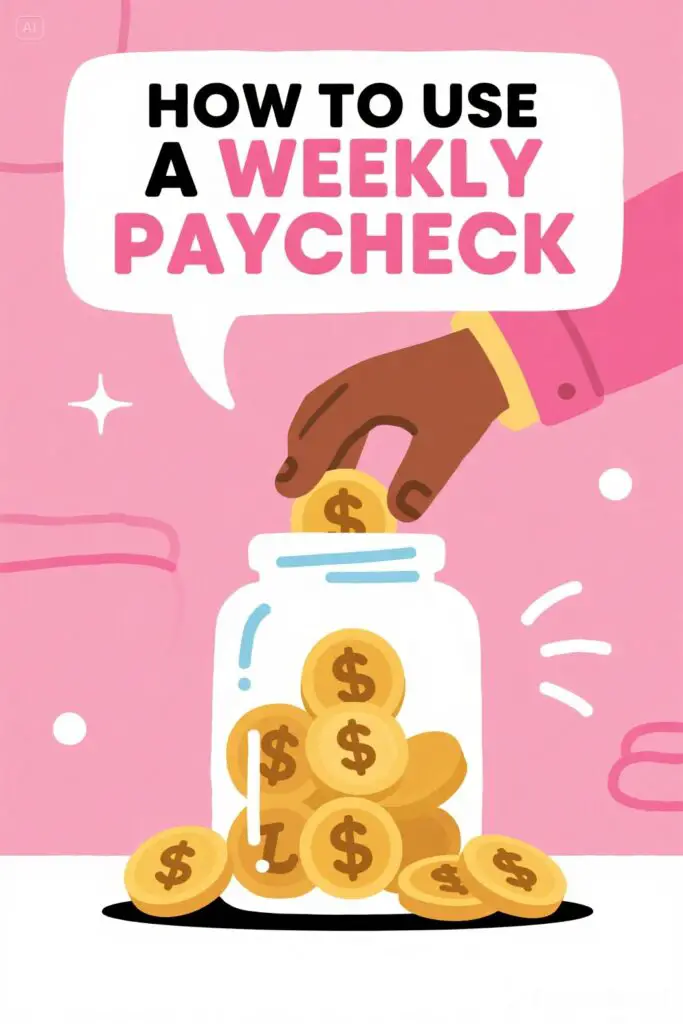
How To Use a Weekly Paycheck

September 8, 2025 By Ana Rose

Getting paid weekly can feel like a blessing because you see money coming in more often, however, it is necessary to plan where your money will go. Instead of using a single paycheck to budget, spend, and save, weekly paychecks give you the opportunity to break down things into smaller and more manageable pieces. The key is to create a system that ensures all your bills are covered, you’re able to save, and still have something left behind to enjoy. This article will help you explore how to use a weekly paycheck wisely, giving you practical strategies for budgeting, saving, and balancing your financial goals with your everyday needs.

How To Use A Weekly Paycheck Graphic

1. Understand Your True Take-Home Pay

Before you get to plan your money, it’s important to understand how much you truly have and how much you can spend. After taxes, social security, health insurance, retirement contributions, or other deductions are taken out, what you’re left with is your net pay, and this is the figure that really matters for your budget. 

If you don’t pay attention to the difference between gross and net pay, you may find yourself making plans with money that never actually reaches your account, which can quickly lead to frustration and overspending. A helpful habit is to go through your pay stub at least once a month so you can notice if anything has changed in your deductions, because even small adjustments can affect how much money you have left to work with each week.

2. Break Monthly Bills into Weekly Portions

Illustration of a monthly calendar with bills like rent, utilities, and car payments divided into weekly amounts, with small stacks of cash placed on each week, pastel pink background with soft highlights.

Most of the big expenses in life, like your rent, mortgage, utilities, or even your car payment, are due only once a month, not every week, and that can sometimes feel overwhelming when you’re relying on weekly paychecks. 

A simple way to make this easier is to break those large monthly bills into smaller, more manageable portions that you set aside each week, so instead of trying to pull together the full amount at once, you’re gradually building it up in the background. For instance, if your rent is $1,200, you can take $300 from each paycheck if you’re paid four times that month, and by the time your rent is due, the money is already there waiting. 

3. Create a Weekly Budget That Works

When you’re getting paid every week, it helps to think of your budget in smaller pieces instead of trying to plan for the entire month all at once, because that can sometimes feel too heavy and difficult to manage. A weekly budget gives you more control since you’re deciding where your money will go every seven days, which makes it easier to stay on track. 

The key is to separate your money into a few simple categories, like essentials, savings, debt payments, and personal spending, and then decide how much of each paycheck will go into these categories so you’re covering your needs while also leaving some space for your future and a little enjoyment too. 

4. Automate Your Savings and Bill Payments

When your savings and bill payments happen automatically, you don’t have to rely on willpower or constant reminders to do the right thing with your paycheck. Since weekly paychecks come more often, even small amounts can grow surprisingly fast, and when you automatically transfer money into a savings account each week, it feels painless and less demanding. 

Automating bills is all about scheduling the payments in which the money goes where it’s supposed to go before you ever get the chance to spend it elsewhere. By making automation part of your routine, you’re basically creating a system that takes care of your priorities for you, leaving you free to enjoy the rest without worry.

5. Prioritize Essential Expenses First

The most important step with weekly paychecks is to make sure your basic needs are covered before anything else, because expenses like rent, groceries, utilities, and transportation come first. As soon as you get paid, set aside money for these essentials right away, so you don’t risk spending too much on extras and then finding yourself short when the bills are due. 

By taking care of the basics first, you can enjoy the rest of your paycheck with peace of mind, knowing that the most important parts of your paycheck are already secured.

6. Set Up Sinking Funds for Irregular Costs

Not every expense shows up every week or even every month, and that’s why it helps to create small sinking funds that let you save a little at a time for things like car repairs, birthdays, holidays, or school supplies. 

Instead of feeling stressed when these costs suddenly appear, you’ll already have the money set aside because you’ve been putting away a small portion from each paycheck, which makes those bigger, less frequent expenses much easier to handle without breaking your budget.

7. Use the Envelope or Cash Method for Spending

Not every expense shows up every week or even every month, and that’s why it helps to create small sinking funds that let you save a little at a time for things like car repairs, birthdays, holidays, or school supplies. Instead of feeling stressed when these costs suddenly appear, you’ll already have the money set aside because you’ve been putting away a small portion from each paycheck, which makes those bigger, less frequent expenses much easier to handle without breaking your budget.

8. Build a Cushion to Avoid Living Paycheck to Paycheck

Build a cushion even if it starts with something as small as setting aside twenty or thirty dollars a week until you eventually have the equivalent of one full paycheck sitting in your account. Once you have that safety net, you will no longer feel the same level of stress because you are living on last week’s money rather than today’s, which gives you breathing room and helps you feel more secure.

Over time, you can work to grow this cushion even further, but even that first week of extra money can completely change the way you feel about your finances.

9. Plan Ahead for 5-Week Months

Paycheck envelope labeled “5th Week Bonus” glowing beside savings jars, a piggy bank, and a credit card, with arrows showing money moving into savings and debt, pastel pink background with bright highlights.

Most months give you four paychecks, but a few times each year, you’ll notice that there are five, and this can feel like a pleasant surprise. The important thing is not to let that “extra” check slip away on unplanned spending, but instead to use it in a way that moves you forward. 

You can choose to put it straight toward your savings, make an extra payment on a credit card or loan, or use it to cover a larger expense you have been putting off. Because that paycheck isn’t tied to your regular bills, it works like a bonus, and planning ahead for it means you can take advantage of it to get ahead instead of letting it disappear without purpose.

10. Leave Room for Fun and Flexibility

It’s easy to think of budgeting as nothing more than cutting back, but if you treat it that way, it becomes hard to stay consistent. That’s why it’s important to give yourself permission to enjoy a little of your money each week, even if it’s just a small amount. 

With weekly paychecks, you can set aside a portion, maybe twenty or thirty dollars, that’s dedicated only to things that make you happy, like a coffee date, a movie, or a small purchase you’ve been wanting. 

11. Track Progress Toward Bigger Financial Goals

One of the best things about getting paid every week is that you can break down your larger financial goals into smaller, more achievable steps. 

Instead of thinking, “I need to save thousands of dollars,” you can decide how much to save each week and then watch the progress build slowly but surely. For example, if your goal is to save $5,000 in a year, you only need to put aside about $96 per week, and when you think of it that way, the goal feels far less overwhelming. 

12. Review and Adjust Weekly

One of the biggest advantages of being paid weekly is that you get more chances to check in with yourself and make adjustments before little problems grow into big ones. 

These small reflections help you see patterns in your habits and give you the opportunity to shift things around for the following week, which is something people paid monthly often don’t get to do as easily. 

Conclusion

Managing a weekly paycheck is all about balance, planning, and consistency, and while it might feel a little overwhelming at first, once you create a system that works for you, it becomes one of your biggest financial strengths. By breaking down your monthly bills into smaller weekly portions, automating your savings and payments, building sinking funds for irregular costs, and setting aside just enough for fun so you don’t feel deprived, you give yourself the tools to stay in control of your money rather than letting it control you. The beauty of being paid every week is that you don’t have to wait a whole month to reset, you get a new chance every seven days to review, adjust, and keep moving toward your goals. 

Money Saving Tips For Low Income

September 7, 2025 By Ana Rose

Saving money when you’re already trying to survive on a low income can feel demanding and exhausting. For many families most of the income goes straight into essentials like rent, utilities, or groceries, leaving little or nothing behind to save. However, even in the lowest of incomes, small changes can create breathing spaces for you to set aside an amount and save money. The key is not to think of saving as a luxury available only for the rich, but as a habit that protects you from unexpected challenges and brings peace of mind. This article will help you explore some practical and realistic money saving tips that can make a real difference for families living on a low income. 

Money Saving Tips For Low Income Graphic

1. Track Where Every Dollar Goes

For a helpful tip when it comes to saving money, you can track your income and expenses and become more aware of where every dollar is going. Many times, it’s not the big expenses but the smaller ones like buying snacks, paying for subscriptions you barely use, and those seemingly harmless daily coffee runs that add up quickly and put your entire budget off track.  

You can simply write down your expenses in a notebook or if you prefer a digital approach, consider using a spreadsheet and keep track of every single dollar. 

2. Build a Simple Budget

After you’re done with tracking your money, start building a simple budget that is practical and realistic. Focus on three main categories, needs, wants, and savings. The first one includes essentials like rent, utilities, and groceries, wants include non-essential expenses such as subscriptions, entertainment, or dining out and the last category is all about setting aside an amount, no matter how small or big it is. 

Sticking to the budget and plan can help you avoid overspending on a certain category and impulse purchasing, helping you become more mindful and intentional with your spending choices. 

3. Prioritize Needs Over Wants

When money is limited, it is natural to want to enjoy small luxuries, but focusing on your needs before your wants ensures stability and peace in the long run. Paying your rent, groceries, electricity, and healthcare bills should always come first because once those are secured, the stress of survival goes away.
This doesn’t mean you should never enjoy your wants, but it does mean planning for them carefully instead of giving in to impulse. Even delaying small pleasures until after your essentials are met makes them more enjoyable and guilt-free.

4. Cook at Home and Meal Plan

Cozy kitchen table with a notebook meal planner, grocery list, and simple home-cooked meals on plates, promoting the idea of saving money by cooking at home.

Takeouts and dining out may seem harmless but they add up quickly and can consume your income more quickly than you may realize. Try to plan ahead your meals for the week so you can eat healthy, avoid food wastage, and save a lot of money. 

Meal planning also saves time and reduces the stress of wondering “what’s for dinner?” every evening, and over time it can become a habit that not only saves money but also keeps your family healthier.

5. Use Cash Envelopes for Spending

Flat lay of pastel-colored cash envelopes labeled groceries, gas, fun, and savings with paper bills sticking out, representing the envelope budgeting method.

For an old-fashioned yet classic way to save money, consider the envelope method that is all about assigning a specific amount for every spending category and then trying to stay within that limit. 

You can put in cash in multiple envelopes with their category name written on them, such as groceries, gas, utilities, fun, or savings and when the envelope is empty, you know when to stop spending on that expense. Using cash instead of cards can make spending feel more real and you’re more likely to think twice before making a purchase when you see the physical money leaving your hand.

6. Cut Utility Bills with Small Habits

Utility bills are often a hidden area where a lot of money gets wasted without us realizing it, but the good news is that small habits can make a big difference. Turning off lights and fans when you leave the room, unplugging chargers and appliances when not in use, using energy-saving bulbs, and washing clothes in cold water are all simple steps that can lower costs.
Air-drying clothes instead of using a dryer or limiting the use of heaters and air conditioners can also save quite a bit. These changes may seem small day to day, but over a year, they add up to noticeable savings.

7. Buy Second-Hand or Choose Generic Brands

There is absolutely no shame in buying second-hand or choosing generic products, especially when you are saving for stability. Whether it’s clothing, furniture, or even electronics, second-hand items often serve the same purpose but at a lower price. Similarly, store-brand or generic groceries usually have the same quality as name brands but come at a much lower price.
Shopping at thrift stores, local markets, or online platforms can also help you stretch your money further while still meeting your needs.

8. Avoid Debt and High-Interest Loans

Debt, at times, may feel like a quick solution, but in the long run, it can create more problems, especially when it comes to high-interest loans that keep you stuck in a cycle of paying fees instead of reducing the actual balance.

Try to avoid borrowing for things you don’t absolutely need, and if you already have debt, focus on paying off the one with the highest interest first. The more you can stay away from debt, the more freedom and peace of mind you’ll have.

9. Find Free or Low-Cost Entertainment

Entertainment doesn’t always have to be expensive, sometimes, it can come in the form of low-cost fun such as going to parks, community events, libraries, or even at-home activities like movie nights, family board games, or cooking together can create beautiful memories without straining your budget.

Finding joy in simple and affordable activities reduces pressure on your wallet while still giving you and your family the relaxation you need.

10. Save Small but Consistently

Saving is less about setting aside a big amount and more about being consistent with putting money aside, no matter how small it is. Even if you save just $1 or $5 a week, it adds up over time, builds discipline, and this habit is sure to serve you in the long run. 

What matters most is consistency because that creates a cushion for emergencies and teaches you to value your future self. Over months, these small savings can surprise you and give you the confidence that no matter how low your income is, you are still capable of preparing for the future.

11. Look for Discounts and Shop Smart

Before buying groceries or essentials, always look for sales, discounts, or coupons. Making a list before going shopping can help you stay focused and avoid buying unnecessary items. Moreover, bulk buying things that don’t expire quickly, like rice, flour, or soap, can also be a smart way to save money in the long run.
Shopping with a plan and comparing prices may take a little extra time, but it makes every dollar go further and prevents you from overspending.

12. Find Small Ways to Increase Income

Sometimes no matter how much you cut back, expenses are still too high compared to income, which is why finding a small side hustle or extra source of income can be very helpful. This could be as simple as babysitting, tutoring, freelancing online, selling homemade crafts, or doing odd jobs in your community.
Even earning an extra $50 or $100  a month can relieve some financial stress, give you room to breathe, and allow you to save more comfortably. This saving tip also allows you to become more aware of your skills and talent, bringing the perfect opportunity for you to combine your passion with income. 

Conclusion

Saving money on a low income is not about making huge sacrifices or living without joy, it’s about making thoughtful choices, building simple habits, and finding ways to stretch your money further. By tracking your spending, budgeting wisely, cooking at home, avoiding debt, and even finding small extra income streams, you can create a sense of stability and control in your life. Remember that every little step counts, and even small amounts saved today bring you closer to a more secure and peaceful tomorrow.

  • « Go to Previous Page
  • Go to page 1
  • Interim pages omitted …
  • Go to page 28
  • Go to page 29
  • Go to page 30
  • Go to page 31
  • Go to page 32
  • Interim pages omitted …
  • Go to page 73
  • Go to Next Page »

The Latest Blog Posts:

  • 14 Profitable Things To Sell On eBay June 20, 2026
  • Mason Jar Crafts To Make And Sell June 19, 2026
  • 12 Best Jobs for Retired Teachers  June 18, 2026

As Featured In:

Just Start Investing Press Strip 2020 B&W

Follow Us:

  • Facebook
  • Twitter
  • Pinterest

Copyright © 2026 · Just Start Investing LLC

  • Contact Us
  • Blog
  • Privacy Policy / Disclaimers