• Skip to primary navigation
  • Skip to main content

Just Start Investing

We Make Investing Easy

  • Investing
    • Learn About Investing:
    • Investment Accounts
    • Online Brokerage Accounts
    • Investment Vehicles
    • Start Investing:
    • How to Invest in Index Funds
    • Start Investing with Betterment
    • Start Investing with Charles Schwab
  • Banking
    • Best Bank Accounts
    • Types of Bank Accounts:
    • Checking Accounts
    • Savings Accounts
    • CDs and Money Market Accounts
    • Online Banks vs Brick-and-Mortar
  • Credit Cards
    • Best Credit Cards:
    • Best Cash Back Credit Cards
    • Best No Annual Fee Credit Cards of 2021
    • Best Premium Credit Cards of 2021
    • Credit Card Tool: Find the Best Credit Card for Me
    • Learn About Credit Cards:
    • Types of Credit Cards
  • Blog
    • Investing
      • What is Crypto?
        • Crypto
      • What are stocks?
        • Stocks
      • What is a Real Estate Investment?
        • Real Estate Investments
      • What is an IPO?
        • IPO
    • Banking
    • Credit Cards
    • Budget
    • Finances
  • Earn with Crypto
  • Budget
    • How to Build a Budget
    • 24 Tips to Save More Money
  • Resources
  • About
    • Contact
    • Press
    • Learn More
    • Disclaimers
  • Show Search
Hide Search

General Personal Finance Blog

15 Best Websites To Sell Old Stuff

February 16, 2026 By Ana Rose

Selling old stuff is one of the fastest, reliable and timeless ways to make money that can earn you extra money whenever you need it. People in today’s world prefer secondhand products that often offer the same good quality but at a cheaper price as compared to items at full retail prices. Whether you’re decluttering your home, upgrading electronics, or are simply trying to earn more cash, the right platform can make a huge difference in selling your product at a good price. With plenty of options to choose from, you can opt for the marketplace that suits you the best, depending on what you’re selling, how quickly you want to sell it, and whether you want to sell your products locally or offer nationwide shipping. This article will help you explore 15 best websites to sell old items, allowing you to make the most of the items sitting idle in your home and earn money through them. 

15 Best Websites To Sell Old Stuff

1. eBay

eBay is one of the most trusted and widely used platforms for selling old items online, making it a strong choice for people who want to reach a large number of buyers. It allows you to sell almost anything, including electronics, clothing, collectibles, tools, and vintage items, all in one place. Sellers can choose between auction listings or fixed prices, which gives flexibility depending on demand and urgency. Although eBay charges selling fees, the wide exposure and active buyer base often help items sell faster and at competitive prices.

2. Facebook Marketplace

Facebook Marketplace is a convenient option for selling old items locally without the hassle of shipping. It works especially well for furniture, home décor, appliances, and everyday household items that are easier to sell nearby. Since buyers and sellers communicate through real profiles, it creates a sense of trust and transparency. Listings are free to post, and with the right pricing and clear photos, items can sell quickly, making it a reliable platform for earning money fast.

3. Craigslist

Craigslist continues to be a popular platform for selling used items directly to local buyers. It is particularly useful for selling large or bulky items such as furniture, bicycles, tools, and vehicles that are difficult to ship. The platform is simple to use and does not charge listing fees for most categories and while it requires careful communication and safety awareness, Craigslist remains a practical choice for quick, local sales.

4. OfferUp

Illustration of a person listing household items for sale on a mobile marketplace with a pastel pink background.

OfferUp is a user-friendly marketplace that allows sellers to reach both local buyers and people willing to pay for shipping. It is commonly used for electronics, furniture, clothing, and household goods. The platform includes seller ratings and profiles, which help build trust and make transactions smoother. OfferUp is a good choice for people who want flexibility and a simple selling process without complicated steps.

5. Mercari

Mercari is a beginner-friendly platform that makes selling old items easy and organized. Sellers can list products at fixed prices and use built-in shipping options that simplify the entire process. It is popular for clothing, beauty products, electronics, and home items, making it suitable for everyday sellers. With its clean interface and straightforward system, Mercari is ideal for those who want a stress-free way to turn unused items into cash.

6. Poshmark

Poshmark is a popular platform for selling used clothing, shoes, bags, and accessories, making it ideal for people who want to earn money from items sitting unused in their closets. It works well for both everyday brands and higher-end fashion pieces. The platform has a social element that allows sellers to share listings and gain more visibility over time. With built-in shipping and buyer protection, Poshmark offers a smooth and organized selling experience.

7. Depop

Depop is best suited for selling trendy, vintage, and unique fashion items that appeal to a younger audience. The platform combines social media features with online selling, allowing sellers to build a profile and showcase their style. It works especially well for statement clothing, streetwear, and one-of-a-kind pieces. If your items have a creative or fashionable edge, Depop can help you reach buyers who appreciate individuality.

8. Etsy

Etsy is a strong option for selling vintage items, collectibles, and unique pieces that stand out from everyday products. Items listed as vintage must be at least twenty years old, which attracts buyers looking for character and quality. The platform is known for its creative audience, making it easier to sell items that have a story or aesthetic value. Although fees apply, sellers often find better value for rare or special items.

9. Swappa

Swappa is a reliable platform for selling used electronics such as smartphones, laptops, tablets, and gaming devices. It focuses on quality listings, which helps create trust between buyers and sellers. Items in good condition often sell at fair prices without the pressure of heavy negotiation. Swappa is a great choice for people upgrading their tech and wanting a safe and transparent selling process.

10. Decluttr

Decluttr is ideal for sellers who want a fast and straightforward way to sell old tech and media items. Instead of listing products and waiting for buyers, you receive an instant price quote and ship your items directly. The platform commonly accepts phones, gadgets, CDs, DVDs, and games. Decluttr is best for those who value convenience and quick payments over maximizing profit.

11. ThredUp

Illustration of a person packing used clothes into a shipping box for resale on a pastel pink background.

ThredUp is a well-known online consignment platform that is especially useful for people who want to sell a large amount of clothing without handling every step themselves. Instead of creating individual listings, sellers send their gently used clothes to the platform, where items are inspected, photographed, priced, and listed for sale. 

This makes the process much easier for those who are decluttering their wardrobes and prefer convenience over active selling. While the payouts may be lower compared to selling directly, ThredUp saves time and effort, which makes it appealing for busy individuals. It works best for everyday clothing brands that are still in good condition and suitable for resale.

12. The RealReal

The RealReal is a specialized marketplace designed for selling luxury and designer items such as high-end clothing, handbags, jewelry, and watches. Every item goes through a professional authentication process, which builds trust with buyers and increases the chances of selling at a higher value. 

This platform is ideal for people who own luxury pieces and want expert handling instead of managing the selling process alone. The RealReal takes care of pricing, photography, and marketing, which reduces the stress for sellers. Although commissions are charged, the platform provides access to serious buyers who are willing to pay for quality and authenticity.

13. Worthy

Worthy is a dedicated platform for selling fine jewelry, including diamonds, engagement rings, and luxury watches, making it a strong option for high-value items. Sellers begin by sending their jewelry for professional evaluation, after which the item is listed in an auction that is visible to vetted buyers. This transparent process helps ensure competitive pricing while giving sellers confidence in the value of their items. 

Worthy is especially useful for people who are unsure about the worth of their jewelry and want expert guidance. The platform handles security, evaluation, and payment, making it a reliable choice for selling valuable pieces safely.

14. Ruby Lane

Ruby Lane is a niche marketplace that focuses on antiques, vintage collectibles, art, and fine jewelry, attracting buyers who understand the value of unique and rare items. It is best suited for sellers who own pieces with historical or collectible significance rather than everyday household goods. 

The platform allows sellers to create professional storefronts, which helps build credibility and long-term buyer trust. While selling on Ruby Lane requires more patience compared to general marketplaces, the audience is more targeted and often willing to pay higher prices. This makes it a strong option for sellers who value quality over speed.

15. Nextdoor

Nextdoor is a neighborhood-based platform that connects sellers with people living nearby, making it ideal for local and hassle-free selling. It is commonly used for furniture, children’s items, home goods, and tools that are easier to sell without shipping. Because buyers and sellers belong to the same community, interactions often feel more personal and trustworthy.

Items listed on Nextdoor tend to sell quickly when priced reasonably, especially when the listing includes clear photos and honest descriptions. This platform works well for people who want quick sales, simple communication, and the convenience of local exchanges.

Conclusion

Selling old items is a practical and reliable way to earn extra money while making better use of things that are no longer needed. With so many platforms available, it becomes easier to choose a marketplace that fits your selling goals, whether you prefer quick local sales, nationwide shipping, or specialized platforms for fashion, electronics, or valuable items. Each website offers its own advantages, allowing sellers to decide based on convenience, pricing control, and the type of items they want to sell. Instead of letting unused items sit idle, selling them online allows you to turn clutter into cash while making space for better use of your time and resources.


35 Ways To Get $1000 Fast In 2026

February 15, 2026 By Ana Rose

Needing $1,000 fast can feel like a stressful situation especially when bills, emergency situations, or unexpected plans show up out of nowhere. The good news is that making this amount in 2026 is possible if you think logically and focus on smart and practical ideas that can earn you money. With online work opportunities, flexible work hours, and the rising demand for skills in this digitally oriented world, it is easier to earn $1,000 in today’s age.  Whether it’s selling something valuable, putting your skills to work, or offering a service, there are many ways to achieve this target if you stay focused and consistent. This article will help you explore 35 ways to get $1,000 fast in 2026, allowing you to achieve your big goal within the time span of days or weeks. 

35 Ways To Get $1000 Fast In 2026

1. Sell Unused Items From Your Home

Selling unused items from your home is often the fastest way to raise money because it requires no special skills and no upfront investment. Electronics, branded clothing, furniture, or small appliances usually sell quickly when listed clearly, priced fairly, and shared on local marketplaces or resale platforms.

2. Offer Freelance Writing or Editing Services

Freelance writing or editing works well in 2026 because businesses constantly need content for blogs, websites, and emails. If you can write clearly or fix grammar, clients are often willing to pay quickly for short projects, especially when you deliver on time and communicate professionally.

3. Manage Social Media Accounts for Small Businesses

Many small businesses struggle to stay active online, which creates an opportunity to earn money by managing their social media accounts. Creating posts, replying to messages, and staying consistent allows you to charge weekly or monthly fees that can grow fast with multiple clients.

4. Resell Thrifted or Discounted Items Online

Reselling items bought at low prices works because people pay for convenience and trends. Clothing, shoes, bags, or home items from thrift stores or sales can be resold online for profit when you choose popular items and present them with good photos and descriptions.

5. Provide Virtual Assistant Services

Virtual assistant services are in demand because online businesses need help with daily tasks like emails, scheduling, data entry, and customer replies. Offering flexible support to several clients allows you to earn steady income quickly without committing to long contracts or fixed working hours.

6. Do Short-Term Gig or Delivery Work

Short-term gig or delivery work helps you earn fast money because you can work whenever demand is high. By focusing on busy hours, weekends, or combining multiple platforms, you can increase daily earnings and move closer to your $1,000 goal within a short time.

7. Create and Sell Digital Templates

Illustration of a person creating digital templates on a laptop with a pastel pink background symbolizing online income.

Digital templates sell well because they save people time and effort. Items like planners, resumes, trackers, or social media calendars can be created once and sold repeatedly, making this a smart option for earning money quickly with minimal ongoing work.

8. Offer Online Tutoring or Teaching

Online tutoring is effective because students and parents are always searching for academic or skill-based help. Teaching subjects, languages, or practical skills through virtual sessions allows you to charge hourly rates and build income quickly with consistent bookings.

9. Sell Handmade or Customized Products

Handmade or customized products attract buyers who value uniqueness and personalization. Items like jewelry, artwork, gifts, or decor can sell at higher prices, especially when you focus on trends or custom requests that make customers feel they are getting something special.

10. Build Simple Websites or Landing Pages

Building simple websites works well because many small businesses want an online presence without complex features. Using easy website builders allows you to create clean pages quickly, charge reasonable fees, and complete projects within days rather than long development timelines.

11. Offer Professional Resume Writing Services

Resume writing services remain profitable because job seekers want to stand out in competitive markets. Helping people improve their resumes, cover letters, or online profiles allows you to charge per project and earn consistent income during active hiring periods.

12. Provide Home or Office Cleaning Services

Cleaning services are always needed because they solve immediate problems for people. Offering deep cleaning, move-out cleaning, or office cleaning allows you to charge higher rates, and even a few jobs can help you reach your money goal quickly.

13. Sell Stock Photos or Short Videos

Selling stock photos or videos works because businesses need visuals for marketing and content creation. Uploading high-quality, useful images or clips to stock platforms can generate ongoing sales without requiring daily effort once your content is approved.

14. Work as Event Setup or Event Assistance

Event setup or assistance jobs pay well because organizers often need help on short notice. Assisting with preparation, coordination, or cleanup allows you to earn good money within a single day or weekend, especially during busy event seasons.

15. Flip Used Electronics for Profit

Flipping used electronics is profitable because devices keep their value. Buying phones, laptops, or tablets at low prices, cleaning them, or fixing small issues allows you to resell them quickly for higher prices on local or online platforms.

16. Offer Personal Shopping or Errand Services

Personal shopping or errand services work well because busy people value their time. Helping with grocery shopping, gift buying, or daily tasks allows you to charge for convenience while earning steady money through repeat customers and referrals.

17. Create and Sell Online Courses or Mini Workshops

Online courses and workshops sell well because people want to learn specific skills quickly. Short, focused lessons priced affordably can attract many buyers, allowing you to earn fast income when promoted to the right audience.

18. Provide Graphic Design Services

Graphic design services are always needed because businesses require visuals for branding and marketing. Creating logos, flyers, or social media posts allows you to earn quickly, especially when you focus on simple designs and fast delivery.

19. Rent Out Tools, Equipment, or Tech Gear

Renting out tools or equipment helps you earn money without selling your belongings permanently. Cameras, tools, or tech items are often rented for short-term use, allowing you to generate income repeatedly from assets you already own.

20. Start a Print-on-Demand Business

Print-on-demand works because you do not need inventory or storage. Designing graphics for clothing or accessories allows you to sell products while suppliers handle printing and shipping, making it easier to start and scale quickly.

21. Offer Pet Sitting or Dog Walking Services

Pet sitting and dog walking are reliable income sources because pet owners need trusted care. Offering flexible schedules and dependable service allows you to earn steady money quickly, especially during travel seasons or busy work periods.

22. Do Yard Work or Outdoor Maintenance Jobs

Yard work and outdoor maintenance pay well because many people lack time or tools. Services like lawn care, cleaning, or seasonal maintenance can bring quick cash for a few hours of physical work.

23. Sell Study Notes or Exam Preparation Guides

Selling study notes works because students value clear and organized material. Well-structured notes or exam guides can be sold repeatedly, especially during exam seasons, helping you earn money with content you have already created.

24. Offer Video Editing Services

Video editing is in high demand because online video content continues to grow. Helping creators edit, cut, and polish their videos allows you to charge premium rates for short projects with fast turnaround times.

25. Rent Out a Spare Room or Extra Space

Renting out a spare room or space works well because short-term stays often pay more. Even a few bookings can help you reach your $1,000 goal quickly if your space is clean, safe, and conveniently located.

26. Buy and Sell Domain Names

Buying domains related to trends or niche markets and reselling them later can allow you to earn without creating physical products or offering ongoing services.

27. Offer Voice-Over or Audio Recording Services

Voice-over services are in demand for ads, videos, and courses. If you provide clear recordings and fast delivery, clients are often willing to pay higher fees, allowing you to earn quickly with minimal equipment.

28. Host Paid Webinars or Live Sessions

Paid webinars allow you to earn money by sharing knowledge in real time. Charging small fees per attendee can still add up quickly when enough people join, especially if your topic solves a specific problem.

29. Flip Used Furniture for Profit

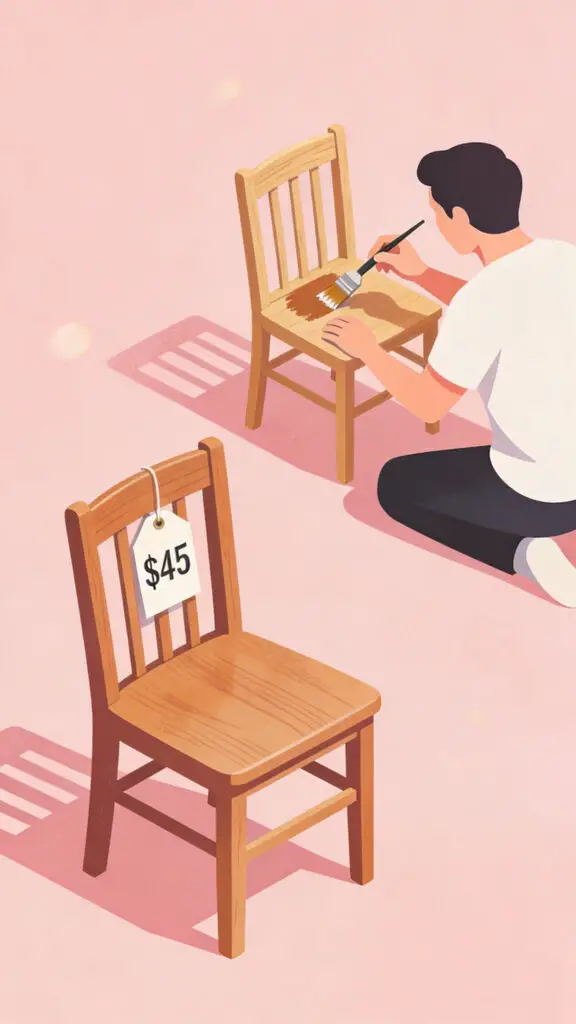
Illustration of a person restoring furniture to resell on a pastel pink background representing profit from flipping items.

Furniture flipping works because small improvements can increase value. Cleaning, repainting, or fixing used furniture allows you to resell items locally for higher prices and earn strong profits within short time frames.

30. Work in Remote Customer Support Roles

Remote customer support jobs offer steady pay because companies need ongoing help. Short-term contracts or flexible roles allow you to earn consistent income quickly while working from home.

31. Sell AI-Assisted Writing or Design Services

Using AI tools helps you work faster while maintaining quality. You can offer writing, design, or research services with AI support that allows you to handle more projects and increase earnings in less time.

32. Offer Local Photography Services

Local photography services pay well because people need photos for events, products, or profiles. Even short sessions can bring high returns when you deliver quality images and professional service.

33. Create and Sell Niche E-Books

Niche e-books sell well because they address specific problems and short, practical guides can generate fast sales when marketed correctly, especially to audiences already searching for solutions.

34. Provide Online Fitness or Wellness Coaching

Online fitness or wellness coaching works because people want guidance and accountability. Offering personalized plans and regular check-ins allows you to charge premium rates and build income quickly.

35. Combine Multiple Income Streams for Faster Results

Combining multiple income streams is often the fastest approach because it spreads risk and increases cash flow. Using two or three methods together allows you to reach your $1,000 goal faster through consistent and focused effort.

Conclusion

Reaching $1,000 fast in 2026 may feel overwhelming at first, but with the right approach and consistent effort, it becomes a realistic and achievable goal. By choosing practical ideas that match your skills, time, and resources, and staying focused instead of jumping between options, you can build momentum and reach your target within days or weeks.

How To Make Money During School

February 14, 2026 By Ana Rose

Making money during school can feel challenging because classes, homework, and exams already take up most of the day, but earning while studying is possible when the work is flexible and realistic. Learning how to make money at a young age not only helps cover small expenses, but can also teach responsibility, time management, and confidence. The key is to choose options that fit around your school schedule instead of competing with it. Many students earn by using skills they already have, helping people around them, or working online in short time slots. This article will help you explore ideas to make money during school that focus on balance, so school always comes first while income becomes a helpful extra.

How To Make Money During School

1. Tutoring Younger Students

Tutoring younger students is a good way to make money during school because it uses knowledge you already have and does not require learning anything new. If you understand a subject well, you can help juniors with homework, test preparation, or daily lessons, which parents usually appreciate and are willing to pay for. 

Tutoring can be done after school or on weekends, so it does not disturb your own classes or study time and it can also improve your communication skills and your confidence because explaining topics clearly can help you understand them better yourself.

2. Freelance Online Work

Freelance online work allows students to earn money by using simple skills such as writing, designing, editing, or organizing information. This type of work is flexible because you can choose when to work, which makes it easier to manage with school responsibilities. 

Many small tasks can be completed in short time periods, so even free hours in the evening can be used productively. Freelancing also teaches responsibility, because meeting deadlines and doing quality work helps build trust and experience for future opportunities.

3. Selling Handmade or Creative Items

Illustration of a student making and selling handmade crafts on a pastel pink background.

Selling handmade or creative items is a great option for students who enjoy making things in their free time. Items like handmade cards, drawings, bracelets, baked snacks, or small crafts can be sold to classmates, neighbors, or online pages. 

This type of work feels less stressful because it turns a hobby into income instead of adding extra pressure and it can also help students learn basic money skills, such as pricing items fairly and managing small profits, while still keeping school as the main priority.

4. Babysitting

Babysitting is a common and trusted way for students to earn money because it usually fits well with school schedules. Many parents look for responsible students to watch their children for a few hours in the evening or on weekends. This job does not require special skills, but it does require patience, care, and attention, which helps build maturity.

Babysitting can also help students learn how to manage time and handle responsibility, while earning money in a safe and familiar environment close to home.

5. Part-Time After-School Jobs

Part-time after-school jobs are suitable for students who want regular income without working long hours such as jobs at small shops, cafés, libraries, or tutoring centers that often offer short shifts that start after school ends. These jobs help students understand how real workplaces function and teach discipline, teamwork, and responsibility. 

Even though balancing work and studies can be challenging, limited working hours make it manageable. With proper planning, students can earn money while still focusing on homework, exams, and rest.

6. Online Surveys and Microtasks

Online surveys and microtasks can be an easy way for students to earn small amounts of money without putting in too much effort or time. These tasks usually include answering questions, testing apps, watching short videos, or completing simple online activities that can be done from home. Since the tasks are short, students can complete them during free time without affecting schoolwork or rest. 

While this option does not pay a lot, it can still be useful for earning pocket money for small personal needs. It is important for students to choose safe and trusted platforms, because some websites may waste time or misuse personal information. By being careful and patient, students can use surveys and microtasks as a small but steady way to earn while learning how to manage time and online responsibility in a balanced and safe manner.

7. Reselling Used or Unwanted Items

Reselling used or unwanted items is an easy way for students to earn money without adding pressure to their school routine. Many students already have books, clothes, bags, or supplies they no longer need, and these items can still be useful for others. By selling them to classmates, neighbors, or online groups, students can turn unused things into extra income. 

This habit also encourages mindful spending, because students begin to think carefully before buying new items. Reselling takes little time, fits around school hours, and slowly builds confidence, communication skills, and a basic understanding of money.

8. Pet Sitting or Dog Walking

Illustration of a student making and selling handmade crafts on a pastel pink background.

Pet sitting or dog walking is a good option for students who enjoy animals and prefer active work over screen time. Many pet owners need help during busy days or short trips, and students can offer their services after school or on weekends. Since most jobs are nearby, travel is simple and time is saved and another factor that makes this idea a considerable option is that taking care of pets can teach responsibility, patience, and routine, because animals need attention and care. 

Earning money this way can feel relaxed and enjoyable, which can help students manage school stress while learning discipline, trust, and balance in daily life.

9. Teaching Skills Online

Teaching skills online allows students to earn money by sharing knowledge they already have with beginners who want to learn in a simple and comfortable way. Skills such as drawing, basic coding, speaking a language, or playing an instrument can be taught through short sessions that do not feel tiring or stressful. 

Online teaching is flexible which can help students plan lessons around schoolwork, homework, and exams without feeling rushed. Teaching can also improve understanding, because explaining ideas clearly helps students strengthen their own learning. Over time, students can gain confidence, communication skills, and patience, while earning money in a calm way that supports education instead of distracting them from it.

10. Helping with School Projects

Helping with school projects can be a practical way for students to earn money while staying connected to academic work they already understand. Many younger students can need guidance with assignments, presentations, or exam preparation, while parents can often look for responsible help they feel comfortable trusting. Since the tasks are familiar, students may not feel overwhelmed and can complete the work comfortably after school hours. 

This type of work can improve planning, focus, and time management, because students can learn how to organize tasks clearly. Helping others can also build confidence, because students can realize their knowledge has value and can support someone else’s learning journey.

11. Content Creation on Digital Platforms

Content creation on digital platforms can be a modern option for students who enjoy sharing ideas, skills, or useful information online. Students can create educational posts, simple videos, or creative content during free time without pressure to succeed instantly. Although earning money from content can take time, this process can teach patience, consistency, and discipline. 

Content creation can also improve communication and creativity, which can be helpful skills for school and future work. When managed carefully, students can balance studies and content creation while slowly building an online presence that may grow into a steady source of income over time.

12. Doing Small Tasks for Neighbors

Doing small tasks for neighbors can be one of the easiest ways for students to earn money while staying close to home. Tasks such as cleaning, organizing rooms, helping with shopping, or providing basic technology support may not require special training or long hours. 

These jobs can usually fit well into evenings or weekends, which can make them easier to manage alongside school responsibilities. Helping neighbors can build trust and strong relationships within the community, which can support personal growth. This option can teach responsibility, kindness, and reliability while allowing students to earn steadily in a simple and stress-free way.

Conclusion

Making money during school is not about working long hours or taking on heavy responsibilities, but about choosing options that can fit naturally into a student’s routine. Whether students can teach skills online, help with school projects, create content, or assist neighbors, each option can offer more than just income. These experiences can help students learn time management, responsibility, confidence, and communication, which can be useful throughout life. When work is balanced with studies, earning money can become a positive experience instead of a burden. Starting small and staying consistent can allow students to support themselves while keeping education as the main priority and building habits that can benefit their future.

Frugal Living Tips For Beginners

February 13, 2026 By Ana Rose

Frugal living is less about restrictions, deprivation, or cutting joy out of one’s life, it is more about being more intentional and mindful with your spending habits. Small but meaningful and thoughtful habits like spending wisely and giving yourself the time to rethink your decision to purchase can bring an effective change to your financial life. For beginners, frugal living can start with small and realistic changes that can slowly but eventually improve how you earn, spend, and save money. Whether you’re a student, a businessman, or someone with a 9-5 job, frugal living tips can help your financial life more than you may realize. This article will help you explore some frugal living tips for beginners, allowing you to build a strong financial foundation for your future that can serve you in the years to come. 

Frugal Living Tips For Beginners

1. Create a Strong Money Mindset Early

Frugal living begins with shaping the way you think about money because your mindset controls how you earn, spend, and save in everyday life. When you learn early that money should be handled with care and intention, you naturally become more thoughtful about where it goes and how it supports your needs. 

This mindset helps beginners avoid careless habits and emotional spending, while also reducing stress and regret. Over time, a strong money mindset builds confidence and patience, making it easier to stay consistent and make choices that support long-term comfort instead of short-term pleasure.

2. Decide Your Priorities Before Spending

Deciding your priorities before spending helps you understand what truly matters in your life so your money supports those values instead of being wasted on things that do not bring real satisfaction. When priorities are clear, spending decisions feel easier because you are not constantly confused or tempted by unnecessary purchases.

Beginners often struggle because they spend without direction and later feel unhappy about their choices. Having clear priorities reduces guilt, improves control, and helps you feel calm and confident about how you use your money every day.

3. Give Every Dollar a Job

Illustration of a person assigning money into labeled jars on a pastel pink background symbolizing organized budgeting.

Giving every dollar a job means planning your money in advance so nothing feels unplanned or lost and when each dollar has a purpose, such as covering needs, building savings, or allowing small enjoyment, money feels more organized and manageable. Beginners often feel stressed because they do not know where their money goes, but this habit creates clarity and structure. 

Over time, this approach builds discipline and helps you feel more secure, because you are guiding your money instead of reacting to expenses as they appear.

4. Spend Less Without Feeling Deprived

Frugal living works best when you reduce spending without removing comfort or happiness from your life. Instead of cutting everything at once, beginners can focus on lowering costs in areas that do not add much value while keeping room for meaningful enjoyment. This balance prevents frustration and makes saving feel natural instead of forced and when you do not feel deprived, you are more likely to stay consistent and positive. Spending less becomes easier when it feels like a smart choice rather than a punishment.

5. Make Home Your Main Spending Space

Making home your main spending space helps beginners save money while keeping life comfortable and enjoyable because spending more time at home allows you to cook your own meals, rest, and enjoy simple activities without relying on expensive outings, restaurants, or entertainment. 

When home becomes the center of daily life, routines can be built slowly and feel pleasant rather than restrictive, which not only reduces unnecessary costs but also gives a sense of control, comfort, and balance, and over time this habit allows spending to naturally decrease while improving organization, safety, and financial stability.

6. Plan Before You Buy Anything

Planning before making purchases helps beginners make thoughtful choices and avoid spending on unnecessary items. Taking time to consider what is truly needed, writing a list, and comparing options ensures that money is used intentionally. When this habit is repeated consistently, it reduces impulse buying, increases patience, and builds confidence in financial decisions. 

Careful planning also makes it easier to prioritize purchases that bring real value and satisfy actual needs. Over time, this creates a structured approach to spending that allows beginners to control their money wisely, reduce waste, and feel more satisfied with every purchase.

7. Buy Once and Use It Well

Buying fewer items and using them carefully helps beginners save money and reduce waste. Focusing on products that last longer and meet real needs prevents repeated spending on cheap items that wear out quickly. Taking care of belongings and using them fully encourages appreciation for what you have and builds respect for money. 

Over time, this habit leads to a lifestyle that is simple, organized, and practical and it also reduces clutter, improves financial control, and allows you to make smarter decisions without feeling deprived. Using items well makes everyday life more balanced and satisfying.

8. Cut Waste From Daily Habits

Waste often happens quietly through unused food, forgotten subscriptions, or careless energy use, and beginners may not notice it at first. When these habits are recognized and small adjustments are made consistently, money can be saved steadily without major lifestyle changes. 

Actions such as finishing what you buy, canceling unnecessary services, and using resources responsibly add up over time. Reducing waste also builds discipline, awareness, and a stronger sense of control over money. This approach makes frugal living practical and manageable. Over time, these habits protect money, create steady savings, and improve daily routines without feeling stressful or restrictive.

9. Keep Your Lifestyle Simple on Purpose

Keeping your lifestyle simple by choice helps beginners reduce financial stress and focus on what truly matters. Avoiding trends, unnecessary comparisons, and spending to keep up allows you to spend money more intentionally while enjoying life comfortably. Simplicity encourages mindful spending, better organization, and a calmer approach to daily finances.

Over time, this mindset strengthens frugal habits, reduces clutter, and helps you feel satisfied with what you already have. Living simply supports long-term financial stability, improves confidence in money decisions, and allows life to feel balanced and enjoyable without feeling limited or deprived.

10. Use Free and Shared Resources

Using free and shared resources helps beginners save money while still enjoying useful experiences and learning opportunities. Libraries, community programs, online tools, and public spaces provide activities and knowledge without the need to buy new items or spend unnecessarily. Exploring these options encourages smarter use of resources, reduces waste, and develops practical skills. 

Over time, relying on free and shared resources becomes a natural habit that supports financial control and independence. This approach allows beginners to enjoy learning, entertainment, and productive activities fully, while practicing frugal living in a balanced and sustainable way.

11. Learn to Wait Before Spending

Illustration of a person assigning money into labeled jars on a pastel pink background symbolizing organized budgeting.

Learning to wait before spending is a simple but powerful habit that helps beginners avoid impulse purchases and make better financial decisions. When you pause before buying, you give yourself time to consider whether the item is truly necessary or just a passing desire. This habit encourages patience, self-control, and thoughtful evaluation, which reduces wasteful spending and regret.

 Over time, practicing this pause creates a stronger sense of confidence in how money is used, allows you to prioritize important purchases, and helps frugal living feel natural and manageable, while also building lasting financial stability.

12. Make Frugal Living a Long-Term Habit 

Frugal living works best when it becomes a long-term habit rather than a short-term effort, because consistent practice develops discipline, awareness, and a natural sense of control over money. Beginners should focus on building small, achievable habits gradually, allowing adjustments over time without feeling pressured or stressed. When frugal habits are maintained regularly, spending decisions become easier, savings grow steadily, and financial confidence increases. 

Over time, frugal living integrates into daily life, making it feel normal and rewarding rather than restrictive, while also creating long-term stability, peace of mind, and the freedom to use money more wisely.

Conclusion

Frugal living is not about giving up comfort or enjoyment, but about making smart, thoughtful choices that help money go further and life feel more balanced, and when beginners start practicing habits such as planning purchases carefully, prioritizing spending, reducing waste, and waiting before buying, they gradually develop control and confidence in their financial decisions. Over time, small consistent actions add up, creating meaningful savings, reducing unnecessary stress, and allowing resources to be used in ways that truly matter. Frugal living also encourages appreciation for what you already have, builds discipline, and supports a simpler and more organized lifestyle where daily life feels manageable and calm. When these habits become part of everyday routines, money management becomes easier, long-term financial stability is achieved, and life can be lived comfortably, intentionally, and confidently without feeling restricted or deprived.

35 Frugal Living Ideas For 2026

February 12, 2026 By Ana Rose

Frugal living in 2026 is about learning how to make better money choices in a time when daily costs keep rising while income often does not grow at the same pace, which leaves many people feeling worried and stretched. Instead of following strict rules or cutting out everything that brings comfort, frugal living today is more about balance, awareness, and learning how to spend with intention so money does not disappear without notice. This article will help you explore 35 frugal living ideas that focus on practical habits, realistic choices, and a healthier relationship with money, allowing you to find a balance between saving wisely and still enjoying the life you are working hard to build.

35 Frugal Living Ideas For 2026

1. Build a Budget That Fits Your Real Life

A budget should reflect how you actually live and spend rather than how you think you should live, which means looking honestly at your regular expenses like food, bills, transport, and personal needs so you can guide your money instead of feeling controlled by it. When a budget feels realistic, it becomes easier to follow and reduces daily money stress.

2. Pause Before Buying Things You Do Not Truly Need

Pausing before buying non-essential items gives you time to think calmly instead of reacting to emotions or sudden urges, which often leads to spending money on things that feel important only in the moment. This habit helps you avoid regret, protect your savings, and choose purchases that truly add value to your life.

3. Always Check Prices Before Spending

Checking prices before spending helps you understand the real value of your money and prevents you from paying more than necessary for the same item. When you compare options, you become more aware of your choices, which slowly builds better spending habits and keeps your budget balanced without forcing major lifestyle changes.

4. Choose Long-Lasting Items Instead of Trends

Long-lasting items usually cost less over time because they do not need frequent replacement like trendy items that lose value quickly. When you focus on durability and usefulness, you reduce repeated spending, avoid waste, and feel more satisfied with what you own because your purchases continue to serve you well.

5. Plan Meals Around Food You Already Have

Planning meals based on what is already in your kitchen helps reduce food waste and lowers grocery bills naturally. This habit encourages flexible cooking, prevents unnecessary shopping trips, and makes daily meals easier to manage, especially when time and money both feel limited during busy weeks.

6. Add No-Spend Days to Your Weekly Routine

No-spend days help you break the habit of spending money without thinking by creating space to notice where money usually slips away. Choosing one or two days each week to avoid unnecessary spending builds awareness and control while still allowing flexibility for essential needs.

7. Review and Cancel Unused Subscriptions

Subscriptions often continue quietly even when they are no longer useful, which slowly drains money each month. Reviewing them regularly helps you remove services that no longer fit your life, freeing up extra cash for savings or more meaningful expenses without changing your daily routine.

8. Share or Borrow Items Before Buying New

Illustration of neighbors sharing tools on a pastel pink background representing borrowing instead of buying.

Many items are only needed occasionally, which makes sharing or borrowing a smarter choice than buying something new. This habit helps you save money, reduce clutter, and avoid spending on items that would otherwise sit unused most of the time.

9. Shop Secondhand as Your First Option

Shopping secondhand allows you to find useful and good-quality items at much lower prices than buying new. When you choose used items first, you stretch your budget further while still meeting your needs, making this habit practical, cost-saving, and easier to maintain long term.

10. Ask Service Providers for Better Rates

Many companies offer better prices when customers ask, even though they rarely advertise these options openly. Taking time to contact service providers and request lower rates can reduce monthly bills without changing how you use the service, making this one of the simplest ways to save money.

11. Use Less Energy Without Lowering Comfort

Using less energy does not mean living in discomfort or giving up daily comfort, because small habits like turning off unused lights, unplugging devices, and using energy wisely can lower bills over time. These simple actions reduce costs slowly but steadily while allowing you to enjoy the same level of comfort at home.

12. Learn Simple Repair Skills for Daily Items

Learning how to fix small problems in daily items helps you avoid replacing things too quickly, which saves money and reduces waste. Simple repair skills allow you to extend the life of what you already own, making you more confident and less dependent on buying new items for every small issue.

13. Keep Track of Small Money Savings

Tracking small savings helps you see progress that might otherwise be ignored, because tiny amounts saved daily can grow into meaningful results over time. Writing down these savings builds motivation and reminds you that small choices matter, encouraging you to stay consistent with frugal habits.

14. Switch to Store Brands When Possible

Store brands often provide similar quality to well-known brands but at a lower price, which makes them an easy way to reduce spending without changing your routine. Choosing these options regularly helps stretch your grocery budget while still meeting your daily needs comfortably.

15. Save Money First, Then Plan Spending

Saving money before spending helps you create natural limits, because you learn to manage what remains instead of trying to save whatever is left. This habit builds consistency and makes saving feel like a normal part of life rather than a struggle or forced decision.

16. Cut Back on Food Delivery Habits

Food delivery is convenient but can quietly take a large share of your budget when used often. Reducing how frequently you order and cooking more meals at home helps control spending while also building healthier routines that support long-term financial balance.

17. Spend More on Experiences Than Things

Spending money on experiences often brings longer happiness than buying physical items, which can lose value or remain unused. Experiences create memories and satisfaction without clutter, making them a better use of money for those who want joy without unnecessary spending.

18. Use Libraries for Learning and Entertainment

Libraries offer free access to books, learning tools, and entertainment that can replace many paid services. Using these resources helps you save money while still enjoying personal growth, education, and relaxation without ongoing costs.

19. Buy Items During Regular Sale Periods

Many items follow predictable sale times throughout the year, which makes waiting a smart choice. Planning purchases around these periods helps you avoid paying full price while still getting what you need, allowing patience to turn into steady savings.

20. Set Aside Money for Future Expenses

Setting aside money for expected future costs helps reduce stress when those expenses arrive. This habit allows you to stay prepared, avoid sudden financial pressure, and manage money with more confidence and calm over time.

21. Keep Your Lifestyle Steady as Income Grows

When income increases, it is easy to start spending more without noticing, which slowly removes the benefits of earning extra money. Keeping your lifestyle steady allows you to save more, reduce pressure, and build financial security without feeling trapped by higher expenses that quickly become difficult to manage.

22. Walk or Bike for Nearby Errands

Choosing to walk or bike for short trips helps save money on fuel and transport while also improving physical health. These small daily choices reduce regular expenses and support a more balanced routine, making frugal living feel natural rather than forced.

23. Create Rules for Online Shopping

Online shopping makes spending quick and emotional, which often leads to buying things without real thought. Setting clear rules like spending limits or waiting periods helps you slow down decisions, protect your budget, and avoid regret while still enjoying planned purchases.

24. Prep Meals in a Flexible Way

Preparing meals in a flexible way helps you save money without feeling restricted, because basic foods can be mixed and adjusted when plans change. This approach reduces waste, lowers grocery costs, and makes daily meals easier to manage during busy or unpredictable weeks.

25. Buy Items That Serve More Than One Purpose

Buying items that can be used in more than one way helps reduce the need for extra purchases, which saves money and keeps your space organized. This habit encourages thoughtful spending and ensures that each purchase brings more value to your daily life.

26. Notice Patterns Behind Your Spending Habits

Understanding when and why you spend money helps you change habits more effectively than simply cutting costs. Noticing emotional or situational triggers allows you to make better choices, avoid repeated mistakes, and create long-lasting improvement in how you manage money.

27. Stop Spending to Keep Up With Others

Spending money to match others often leads to stress and dissatisfaction, because it ignores your own needs and limits. Letting go of comparison helps you spend with purpose, protect your budget, and feel more confident in your financial decisions.

28. Learn One Money Skill Every Year

Learning one new money skill each year helps you grow slowly and steadily without feeling overwhelmed. Small improvements in understanding saving, planning, or spending reduce mistakes and build confidence, making financial growth more sustainable over time.

29. Use Cash for Categories You Overspend In

Illustration of cash envelope budgeting system on a pastel pink background symbolizing controlled spending.

Using cash for problem spending areas creates natural limits because you can physically see money leaving your hands. This awareness helps reduce overspending, encourages mindful choices, and improves control without strict rules or pressure.

30. Shop With a List Every Time

Shopping with a list helps you stay focused and prevents impulse buying that can quietly increase spending. Knowing what you need before entering a store saves time, reduces waste, and keeps your budget aligned with your real priorities.

31. Repair Clothes Instead of Replacing Them

Repairing clothes instead of replacing them helps extend their life and reduces unnecessary spending. Simple fixes keep your wardrobe useful longer, save money over time, and reduce waste without lowering comfort or personal style.

32. Combine Errands to Save Time and Fuel

Planning errands together helps reduce fuel use and unnecessary trips, which lowers costs and saves time. This habit also reduces daily stress by making routines more organized and efficient.

33. Slow Down Spending Decisions

Slowing down spending decisions allows you to think clearly and avoid emotional choices that often lead to regret. Taking time helps you spend with intention, protect your money, and feel more confident about where your finances are going.

34. Build Habits Instead of Chasing Quick Fixes

Quick money tricks often fade quickly, while steady habits create lasting results. Focusing on small daily actions helps you build strength and consistency, making frugal living more effective and easier to maintain over time.

35. Decide What “Enough” Means for Your Life 

Knowing what feels like enough helps protect you from endless spending and pressure to always want more. This mindset brings peace, balance, and clarity, allowing you to use money in a way that supports happiness rather than constant stress.

Conclusion

Frugal living in 2026 is not about cutting joy out of life or constantly saying no to yourself, but about learning how to make calm and thoughtful choices that protect your money while still allowing you to live comfortably. When these habits are practiced consistently, they reduce stress, prevent waste, and help you feel more in control of your financial situation. Over time, frugal living becomes less about restriction and more about confidence, balance, and using your money in a way that supports the life you want to build both now and in the future.

  • « Go to Previous Page
  • Go to page 1
  • Interim pages omitted …
  • Go to page 7
  • Go to page 8
  • Go to page 9
  • Go to page 10
  • Go to page 11
  • Interim pages omitted …
  • Go to page 73
  • Go to Next Page »

The Latest Blog Posts:

  • 14 Profitable Things To Sell On eBay June 20, 2026
  • Mason Jar Crafts To Make And Sell June 19, 2026
  • 12 Best Jobs for Retired Teachers  June 18, 2026

As Featured In:

Just Start Investing Press Strip 2020 B&W

Follow Us:

  • Facebook
  • Twitter
  • Pinterest

Copyright © 2026 · Just Start Investing LLC

  • Contact Us
  • Blog
  • Privacy Policy / Disclaimers