
Budgeting your paycheck can feel overwhelming and confusing, especially when there are multiple things to take care of such as bills, pending fees, savings, or personal spendings. This is exactly why it is important to follow a clear percentage-based plan that can bring clarity and confidence to your money-based decisions. The percentage-based budgeting method by Dave Ramsay focuses on giving each dollar a clear purpose and direction, making sure that every penny serves its purpose and is spent with intention. Instead of depending on guesswork, this method assigns a percentage to each spending category, helping you stay organized and disciplined. This article will help you explore the dynamics of Dave Ramsay’s percentage-based budgeting methods, allowing you to make budgeting less overwhelming and more easier to understand and follow.
Start With Giving Ten Percent
The first ten percent of your paycheck is set aside for giving to those in need, helping you prioritize generosity and a positive mindset towards money. This category can include charities, donations, spending your money on a cause that you care about, or something as simple as helping a family member or a friend in need.
Planning to give before spending on any other expense, whether it’s an essential or non-essential one, can help you prioritize the act of giving before anything. Instead of giving the leftover money or spare change, this percentage-based budgeting allows you to prioritize giving, helping you build a strong and emotional connection with money and help those who are in need.
Keep Housing Around Twenty Five Percent
Housing usually costs a lot which is why it is only fair to assign twenty five percent of your take home pay to housing. Whether it’s rent or maintenance costs, mortgage payments or property taxes, the costs are usually high which explain the division perfectly. Keeping housing within this range can help you prevent financial pressure and allows room for saving and other necessities.
Overspending on housing may look impressive on the outside but often creates stress behind the scenes which is exactly why choosing a practical budget based on income instead of emotion ensures long term stability. When housing costs remain balanced, your budget feels flexible rather than tight every single month.
Allocate Ten to Fifteen Percent for Savings
According to Dave Ramsay’s budgeting percentages, 10-15 percent of your take-home pay should go to savings. This category can include emergency funds, retirement savings, or something as simple as a savings fund for a big future purchase. These savings funds can help you stay confident when it comes to your financial life and allow you to build a healthy habit of setting aside money from your regular paycheck.
One smart step to make this division easier is to automate the process of saving so that whenever your paycheck hits your account, a specific amount moves from your checking account to the savings one, allowing you to prioritize and save money rather than saving the leftover money.
Limit Food Expenses to Ten to Fifteen Percent
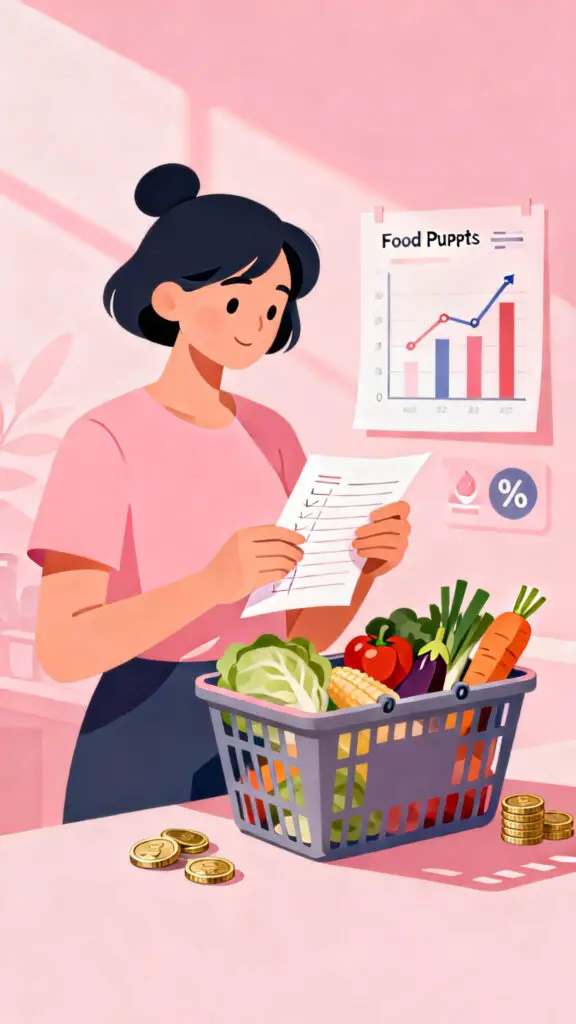
The percentage based budgeting method limits food expenses to ten to fifteen percent, urging you to spend less on takeouts, food deliveries, or impulsive grocery shopping. You can create a meal plan, make a grocery list and stick to it, or cook and eat more at home. These steps may seem simple but they are highly effective in controlling your food expenses and can have a major positive affect on your budget.
Managing food expenses carefully can allow you to enjoy your meals without any financial guilt, allowing you to live peacefully and become more disciplined when it comes to your budget.
Transportation Around Ten Percent
According to Dave Ramsay’s distribution of expenses, around 10 percent of your income is assigned to transportation costs. This category can include car payments, fuel, maintenance, insurance, or public transport. A smarter approach would be to choose reliable and affordable vehicles that fit your financial status and lifestyle the best instead of expensive cars that put your entire budget at stake.
You can plan ahead for repairs and maintenance so that when these expenses show up, you deal with them without any financial stress. When this category is perfectly balanced, it allows you to maintain freedom without sacrificing long-term financial goals.
Utilities Within Five to Ten Percent
Whether it’s electricity, water, gas, internet, or phone bills, according to this percentage-based division, utilities should not take up more than five to ten percent of your income. You can monitor your usage habits and look for plans that fit you, your finances, and lifestyle the best.
This category may seem small as compared to housing but it’s important to realize that careless spending can impact your overall budget. A smarter approach would be to regularly review your bills and look for areas where modification and adjustment is possible. Not only does this step help you plan in an organized way for your utilities, it also allows you to stay aware of your spending habits and maintain financial awareness.
Insurance at Ten to Twenty Five Percent
Depending on your family and needs, 10-25 percent of your income can be assigned to insurance. Whether it’s health insurance, life insurance, or other necessary coverages, insurance can provide protection against financial crises.
While premiums may feel expensive and costly, being unprepared during unexpected circumstances can be a lot more financially demanding which makes it necessary to have proper insurance. When protection is in place, your savings and income remain secure from sudden setbacks that could otherwise cause long term financial damage. Moreover, not only does insurance provide protection, it also keeps your long-term goals intact because one major crisis without coverage can potentially wipe out years of savings and progress.
Personal Spending at Five to Ten Percent
According to Dave Ramsay’s percentage based budgeting method, five to ten percent of your income can be set aside for personal spending so that you can enjoy your money without disturbing your financial balance. This category can include clothing, small hobbies, entertainment, gifts, or simple activities that make your routine enjoyable and refreshing.
Setting a clear percentage for personal spending allows you to spend without guilt because the amount is already planned and controlled. Instead of emotional or impulsive shopping, this division encourages mindful spending, helping you maintain discipline while still allowing space for enjoyment and personal satisfaction.
Focus on Debt Payments With Intensity
If you have any existing debt, this budgeting method encourages you to focus on paying it off with seriousness and consistency so that your income can eventually belong fully to you. After covering essential categories, any extra money should be directed towards debt payments, especially high interest loans or credit card balances that grow quickly over time.
Paying off one debt at a time can help you stay motivated and organized instead of feeling overwhelmed by multiple balances. As each debt is cleared, you gain confidence and financial breathing room, allowing you to move closer to stability and long term financial freedom.
Adjust Percentages Based on Life Stage
Although these percentages provide a strong structure, it is important to understand that they are guidelines and may require adjustment depending on your life stage and responsibilities. A single individual living alone may divide income differently compared to someone supporting a family or managing children’s expenses.
Income level, location, and changing priorities can influence how money is distributed across categories. The key is to maintain balance while making realistic adjustments that reflect your current situation. Reviewing your financial needs regularly allows your budget to grow with you, ensuring that it remains practical, organized, and supportive of your goals.
Use a Zero Based Budget System
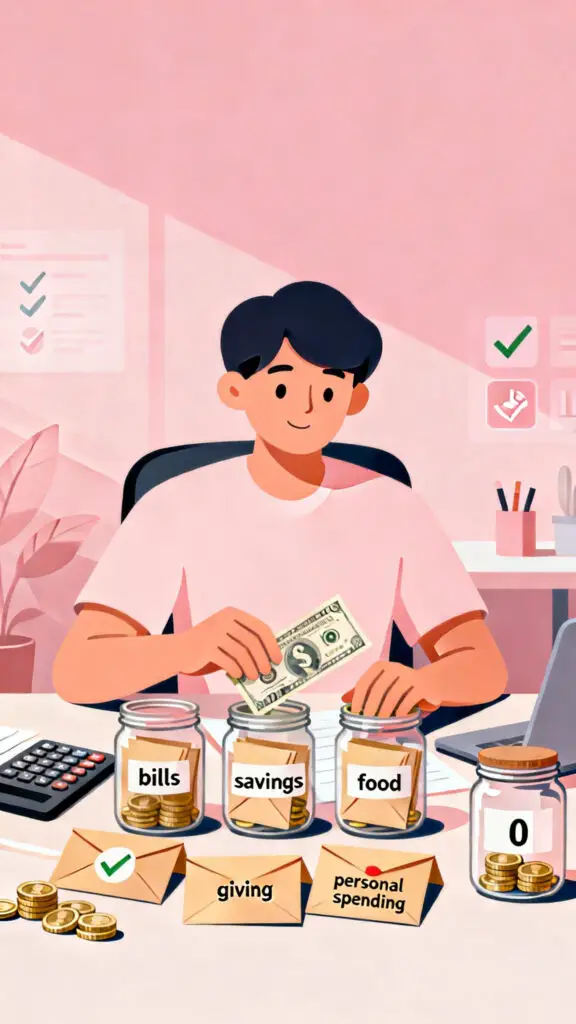
A zero based budget means assigning every dollar of your paycheck a specific role before the month begins so that your income minus expenses equals zero. This does not mean spending all your money carelessly but rather planning where each portion will go, whether it is savings, bills, giving, or personal spending.
Instead of wondering where your paycheck disappeared, you stay aware of every category and every amount. Following this structured system increases discipline, improves financial clarity, and helps you stay consistent with your long term financial plans.
Review and Track Your Budget Every Month
Creating a budget once is not enough because consistent review and tracking are necessary to keep your finances under control. At the end of each month, you can compare your planned percentages with your actual spending to identify areas where improvement is needed.
This step allows you to notice patterns, adjust categories, and correct small mistakes before they become serious financial problems. Tracking your expenses regularly builds awareness and strengthens your decision making skills. When budgeting becomes a monthly habit instead of a one time effort, it creates confidence, stability, and long lasting control over your paycheck.
Conclusion
Budgeting your paycheck using Dave Ramsay’s percentage based method provides structure and direction to your financial life. By dividing your income into clear categories such as giving, housing, savings, and personal spending, you can create balance and prevent unnecessary stress. This method removes guesswork and replaces it with intentional planning, helping you understand exactly where your money goes each month. When every dollar is assigned with purpose and reviewed regularly, your paycheck begins to support your goals instead of creating confusion or financial pressure.

Leave a Reply