
Saving money may sound overwhelming and frustrating, but with the right plan and strategy, it doesn’t have to be difficult or something that sounds like more of a distant dream. A biweekly savings plan allows you to save every two weeks, giving you more space and room to save. Instead of saving randomly, a biweekly savings plan gives you a proper roadmap, allowing you to set aside small and manageable amounts that over time, can grow into something much more meaningful. Whether you’re working full-time, freelancing, or managing a household, a biweekly savings method can help you build discipline in your financial life and ultimately, reduce financial stress. This article will help you explore some of the best methods to save money biweekly, allowing you to build a safety net while staying disciplined, consistent, and free from confusion.
1. Divide Your Savings Goal Into 26 Parts
When you get paid biweekly, you receive 26 paychecks in one year, which provides you with a clear structure to save money. Instead of focusing on the big saving goal that may seem intimidating and overwhelming, a smarter approach would be to divide that big figure by 26 and aim to save the amount from each paycheck.
Not only does this simple trick help you achieve your goals, it makes the journey easier and more manageable, allowing you to attend to your other expenses as well, without having to hold back on your essentials or non-essentials. What makes this saving method a considerable option is that once you break down the big goal, you reduce financial stress and build confidence to stick to the journey ahead.
2. Follow the Biweekly Savings Challenge
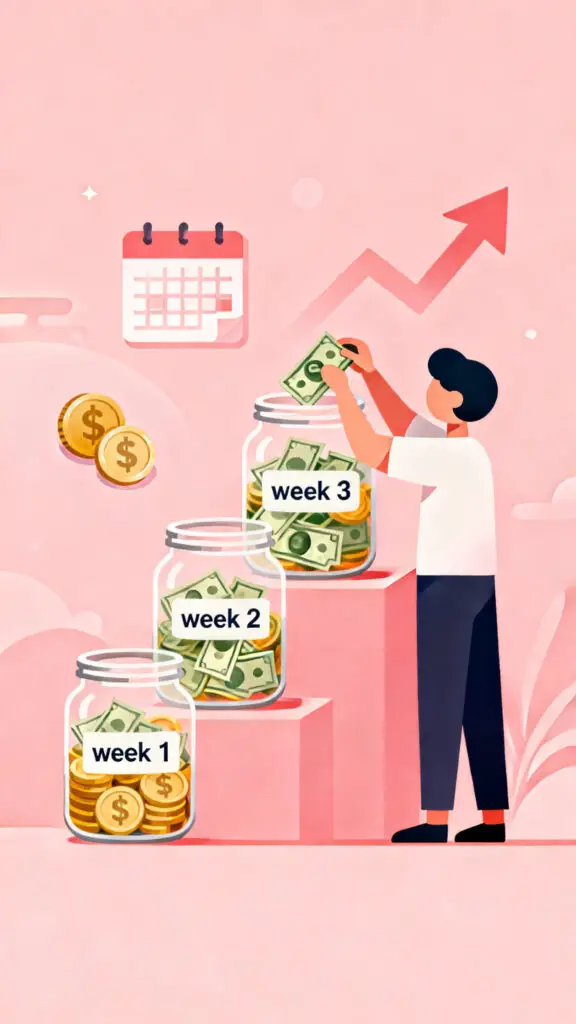
You can also consider the biweekly savings challenge which is all about starting by saving a small amount from your first paycheck and then gradually increasing the amount every two weeks. For example, if you start with saving $25 from your first paycheck, aim to add another $25 to the next paycheck and so on.
This gradual increase in the saving amount does not make the process feel like a burden, because it is structured and predictable. Over time, this simple yet highly effective saving strategy can help you save a significant amount, making it a considerable money saving method for many.
3. Save From Every Paycheck Immediately
Instead of waiting for the end of the month and saving the leftover money, a smarter approach would be to save from your paycheck as soon as it arrives. This ‘pay yourself’ strategy works for many because once you start treating your savings as a non-negotiable bill, the journey gets easier.
This strategy may seem simple on the outside, but in reality, it strengthens your self-control and teaches you the importance of living on what remains rather than spending freely and thoughtlessly. Over time, with this method, saving becomes automatic and you can save a significant amount without making the process feel like a drag.
4. Use the “Two-Paycheck Month” Smartly
Because you get paid every two weeks, there will be two months in the year when you will receive three paychecks instead of two. Since your regular two paychecks usually cover your monthly expenses, these extra paychecks can serve you if you spend them thoughtfully and intentionally.
It is important to use those extra paychecks wisely instead of spending them on non-essential expenses, whether it’s unnecessary takeouts, subscriptions you don’t really need, or clothes that may feel necessary in the moment but are not actually essential. Instead, consider spending these extra paychecks on something meaningful, such as savings, building an emergency fund, investment, or paying off a debt, if there is any.
5. Split Fixed Expenses Between Two Paychecks
Managing your expenses when you get paid biweekly can become much easier when expenses are divided rationally between the two paychecks. Instead of paying all your major bills at once and feeling financial pressure, a smart way is to pay for certain expenses from the first paycheck and pay for the rest of expenses from the second one.
For example, you can pay your rent and insurance from paycheck one, and aim to pay your bills and groceries from the second one. Not only does this approach help you perfectly divide your expenses and make the journey feel easier and more peaceful, it also prevents you from feeling broke halfway through the pay period, making it a considerable option for many.
6. Automate Your Biweekly Transfers
Nothing works better when it comes to saving money than the simple act of automating your biweekly transfers. Instead of relying on your conscious effort, a smarter approach is to automate your biweekly transfers and save money in a low maintenance and almost effortless way.
When the transfers silently take place in the background, you remove the urge to spend your hard-earned money on expenses that don’t truly serve you. Over time, this seemingly simple yet highly effective money saving method can help you save a meaningful amount.
7. Create a Biweekly Budget Instead of a Monthly Budget
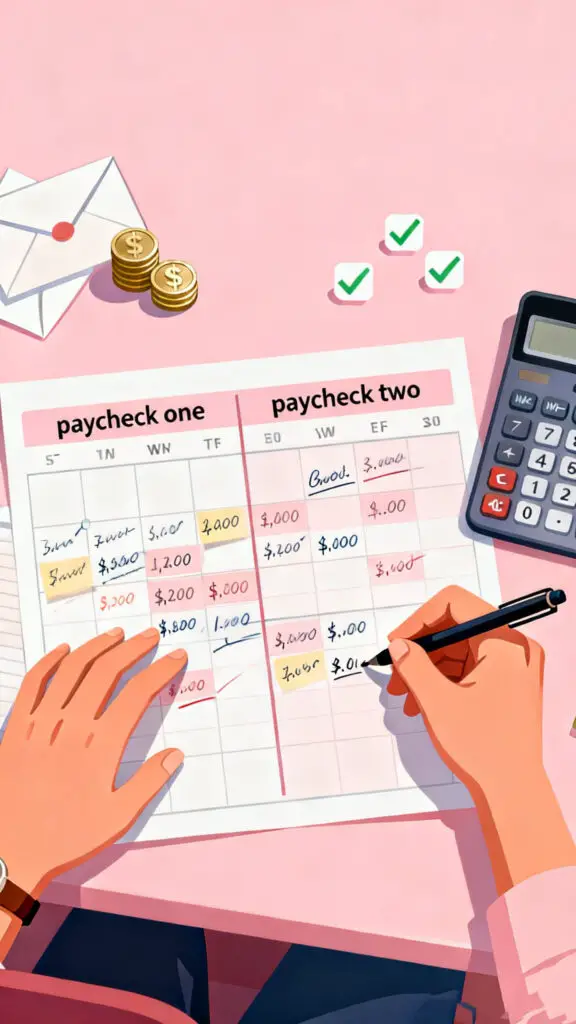
Instead of sticking to a monthly budget when you get paid biweekly, a smarter and much more logical approach would be to follow a biweekly budgeting plan. This way, your budget plan can align with how you get paid, allowing you to match your expenses with your income.
You can plan for two weeks at a time and gain a clearer understanding of your expenses while taking control of your spending decisions. Moreover, this method also allows you to stay free of confusion about when the bills are due or whether you have enough funds to cover up your upcoming expenses.
8. Set a Different Purpose for Each Paycheck
Instead of spending randomly and without any purpose, a considerable and more logical approach is to set different purposes for each paycheck. For example, your first paycheck can cover essential bills and necessary expenses, on the other hand, your second paycheck can help you save, invest, or pay off debts, if there are any.
This money saving method ensures that each dollar that you work so hard for has a purpose to serve, instead of spending your money aimlessly. This approach can also help you avoid overspending or impulsive purchasing early in the month because you know that the second paycheck has particular goals associated with it.
9. Build a Biweekly Emergency Fund Contribution
Building an emergency fund may sound like something that requires a large amount of money at once, but in reality, it becomes much easier when you contribute to it every two weeks. Instead of waiting for the right time to start saving for emergencies, a smarter approach is to set aside a small and manageable amount from each paycheck.
This steady contribution may not look like much in the beginning, but over time, it can grow into a strong safety net that protects you from unexpected expenses such as medical bills, car repairs, or sudden job loss.
10. Use Cash Envelopes for Biweekly Spending
If controlling spending feels difficult, the cash envelope method can be a practical and helpful solution when applied to a biweekly system. After receiving your paycheck, withdraw the amount you plan to spend over the next two weeks and divide it into separate envelopes for categories such as groceries, transport, and personal spending.
This method may seem traditional, but it works because it makes your spending visible and tangible. When you physically see the cash reducing, you naturally become more mindful of your choices.
11. Track Spending After Each Pay Period
Saving money biweekly becomes much more effective when you take time to review your spending after each pay period. Instead of ignoring where your money went, sit down at the end of the two weeks and carefully examine your expenses.
This regular review can help you stay aware and responsible because you are not waiting until the end of the month to fix mistakes. It allows you to make small adjustments quickly and improve your next two-week plan. Over time, tracking your spending consistently builds stronger financial discipline and helps you make better decisions with each paycheck you receive.
12. Increase Savings With Every Raise
Whenever your income increases, whether through a salary raise, bonus, or side income, it is important to adjust your savings as well. Instead of immediately increasing your lifestyle expenses, a wiser and more disciplined approach is to increase the amount you save from each paycheck.
Conclusion
Saving money every two weeks is not about being strict or making your life difficult. It is simply about following a clear and steady plan that matches how you get paid. When you save a small amount from each paycheck, it feels easier and more realistic than trying to save a large amount at once. Over time, these small efforts grow into something meaningful and you feel more in control, less stressed, and more prepared for unexpected expenses. By staying consistent and mindful, a biweekly saving plan can help you build security, confidence, and peace of mind step by step.

Leave a Reply