Each year comes with a quiet hope that this year might be different from others in terms of savings and finances, but 2025 isn’t just another year, it’s a chance to reset your habits and build a new relationship with saving and spending. Saving money isn’t just about numbers in your bank account or cash in wallet, it’s more about creating peace for yourself, having choices, and controlling money rather than letting it control you. Whether your goal is to build an emergency fund, save for a big purchase in future, or to simply stop living paycheck to paycheck, 2025 is your year to do it in a way that feels realistic and balanced. This article will help you explore some thoughtful and realistic saving goals that can genuinely change your financial story in 2025.
Build a 3–6 Month Emergency Fund
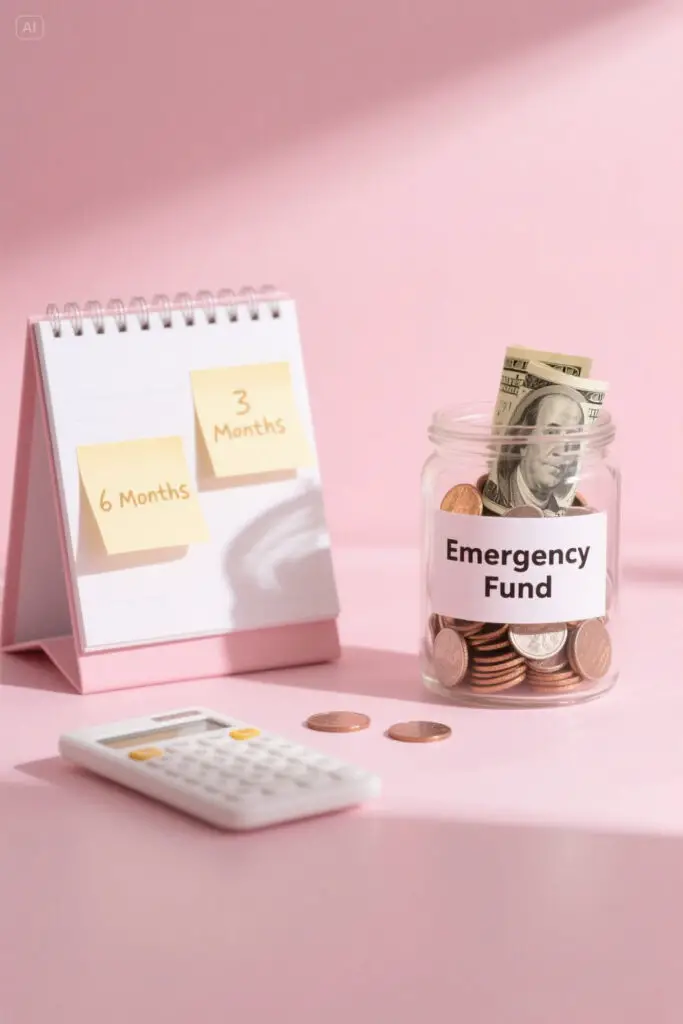
Life doesn’t always go as planned, which is exactly why it is necessary to build a safety cushion in case of unforeseen circumstances. Whether it’s job loss, a sudden medical bill, or your car needing repairing, unexpected expenses seem to show up at the worst possible moment.
Start by saving enough to cover one month’s worth of expenses, then build it up to three months, and eventually aim for six. You don’t have to stress about small numbers, even if you save $100 or $200 each month, you’re still moving in the right direction. What truly matters is that you choose to keep going even when the circumstances are against you.
Automate Your Savings
Saving money can be hard when it depends solely on your willpower to set money aside, which is exactly why automation of transfers is a helpful trick. Set up a system where a fixed portion of your income is transferred to your savings account the moment your paycheck hits your checking account.
This way the process of saving becomes effortless and less demanding, happening quietly in your background, while letting your savings grow in peace, without any drama or distraction. Once your savings are automated, you’ll be surprised at how much less you worry about “forgetting to save” or running short by the end of the month.
Pay Off High-Interest Debt First
If you’ve been carrying credit card balances or small personal loans, you already know how heavy that can feel. Debt has a way of silently draining not just your money but also your energy and confidence, so make it one of your biggest 2025 goals to reduce or ideally, eliminate your high-interest debt.
Begin by listing out all your debts, note their interest rates, and focus on paying off the one that costs you the most every month. You don’t have to do it all at once, small and consistent payments add up faster than you think.
Save for the Big Things You Care About
It’s usually so easy to spend on little things that we forget about the bigger picture that truly matters. Whether it’s moving into your own place, funding your studies, or buying a car, take a few minutes this year, sit down, and figure out what you truly want.
Seeing your dreams written on paper makes them feel real and gives you something to look forward to and work for. You can then break down your goals into smaller and more doable chunks, for example, if you want to save $1200 for a trip at the end of the year, instead of struggling when the time comes, try saving $100 each month, which is much easier than handling a huge sum. This method can turn your dreams into something you can actually achieve with one small and meaningful step at a time.
Start Investing
A lot of people think that investing is reserved for the wealthy, but it’s not true. All you need is a plan, a little consistency, and the patience to let your money do the work for you, because even the smallest investments, when done regularly, can turn into something truly meaningful in the long run.
You could explore mutual funds, index funds, or retirement plans, things that let your money quietly grow over time. The power of compounding is incredible, as money you invest today keeps growing on its own, and years from now, you’ll look back and be grateful you started small instead of waiting for the perfect time that never comes.
Join a Fun Savings Challenge
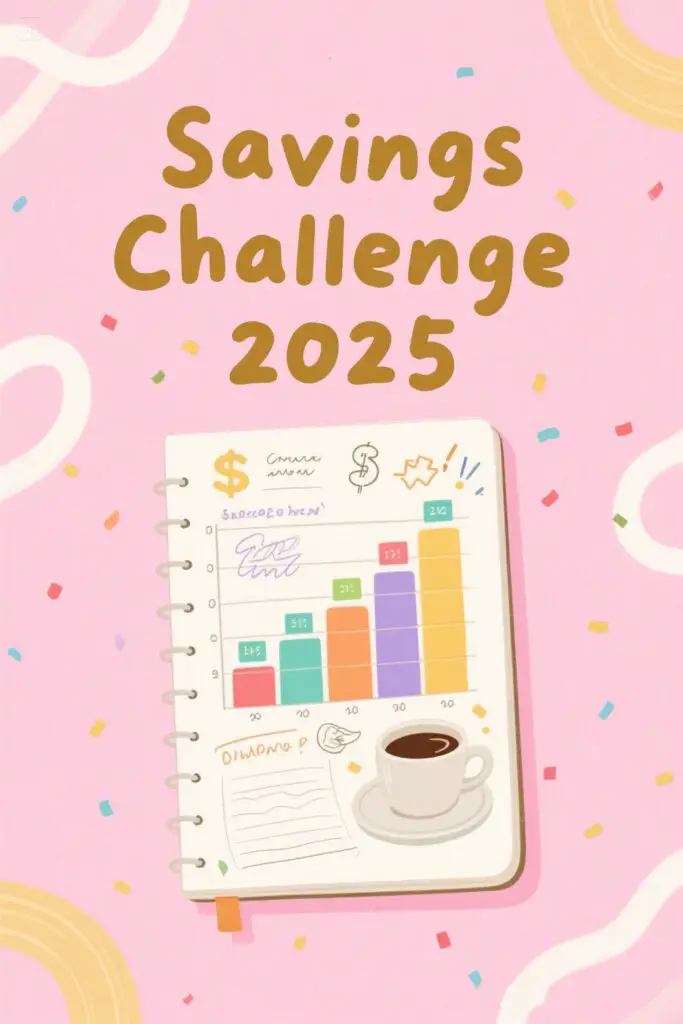
Saving, at times becomes boring, which is exactly why it is smart to take help of challenges that make the whole process fun and a lot more easier. Join a savings challenge, like the 52 week challenge where you save a small amount in the initial phases of the challenge and as you move forward, the amount grows too. You can also consider the $1000 savings challenge that breaks your goal into small and more manageable chunks, turning that big goal into small weekly steps.
You can even create games of your own, for example, every time you skip coffee or fight the urge to shop impulsively, transfer that amount to your savings. This way, not only do you manage to put money aside but the whole process feels less overwhelming and more fun, motivating you to stay consistent and committed to it.
Try a “No-Spend” Month
Sometimes the best way to understand your spending habits is to pause them altogether for a while. A “no-spend” month is not about punishing yourself or living uncomfortably, it’s about becoming more aware of where your money actually goes.
Choose one month in 2025 and commit to spending only on the things you genuinely need, such as groceries, bills, and absolute essentials.
Create a “Fun Fund” for Guilt-Free Spending
Saving shouldn’t mean cutting all joy out of your life, in fact, one of the best ways to make saving reasonable is to build room for fun in your budget. A “fun fund” can be a separate little fund for treats, experiences, or things that make you happy without guilt.
This fun fund could be for anything you enjoy, whether it’s a movie night with friends, your favorite meal, or a new outfit you had your eyes on. This way you can still enjoy what you like without any guilt of spending on those non-essential expenses.
Save for Retirement
Retirement might seem like something that belongs far in the future, but the truth is, time moves faster than we think. Even if you can only put aside a small amount each month, it’s worth it, because what matters most is consistency, not perfection.
If your job offers a retirement plan, take advantage of it, especially if they match your contributions. If not, consider opening your own savings or investment account designed for long-term growth.
Build a Health and Wellness Fund
Good health and financial peace are deeply connected, yet most of us don’t realize it until an unexpected doctor’s bill suddenly throws everything off balance. That’s why having a small health and wellness fund isn’t just a smart money move, it’s an act of genuine self-care. It doesn’t have to be a big amount, just a small, steady contribution each month that slowly grows with time.
When you know there’s money safely set aside for health-related expenses, you stop feeling that anxious hesitation every time something unexpected comes up. You won’t have to choose between your well-being and your wallet, and that sense of relief, that quiet comfort of being prepared, is absolutely priceless.
Start Saving for Holidays and Special Occasions Early
Every year, holidays and celebrations seem to sneak up on us, and suddenly we’re spending way more than we planned. Whether it’s Christmas, Thanksgiving, birthdays, or wedding gifts, these occasions bring happiness, but they can also bring financial stress if you’re not prepared.
Take a few minutes at the start of the year to list all the events you know are coming, estimate how much you’d like to spend, and divide that number across the remaining months. This way, by the time the occasion arrives, you already have the money ready, and you can celebrate freely without feeling guilty or anxious about overspending.
Track and Celebrate Every Little Win
The journey of achieving your goals for the year isn’t just about depriving yourself of all the fun and making it feel like a punishment, it’s about liberating yourself of the unhealthy spending habits and having more peace and control when it comes to finances. Along the way, what truly matters is that you appreciate yourself and celebrate mini milestones as you move towards your big goal.
Every time you hit a target, whether it’s saving your first $100 of the journey or paying off debt, stop and appreciate yourself for the consistency and effort.
Conclusion
Saving money isn’t about denying yourself the good things in life, it’s about giving yourself the freedom to enjoy them without guilt, fear, or stress. It’s about feeling safe in your own choices and confident that no matter what life throws your way, you’ll be okay. 2025 can be the year you break old habits, start fresh, and build a healthier, calmer relationship with money. So start small, be kind to yourself when you slip, and keep going, even slow progress is still progress. With each goal you set and each bit you save, you’re not just improving your finances, you’re building a future that truly feels like yours.
