
Learning how to save money every month isn’t about depriving yourself of all the fun and activities you enjoy doing, it’s about being more mindful with your money and striking the right balance between joy and structure. Saving effectively every month is just one right strategy away, helping you set up a structure that works for you and saves you money without having to give up your fun. This article will help you explore some helpful savings strategies that can completely change how you handle your monthly income and help you build financial security and freedom in the long run.
Understanding Where Your Money Goes
Before you get to saving, you need to know exactly where your money goes every month. Most people underestimate the cost of those seemingly harmless expenses such as coffee runs, impulsive food deliveries, or those unused subscriptions you’ve forgotten you’re subscribed to.
All these expenses can eat up a huge chunk of your budget, making it necessary to track them and staying aware of your spending habits. Once you see where all the money is actually going, it can become easier to make changes for a healthy financial life.

The Power of the 50/30/20 Rule
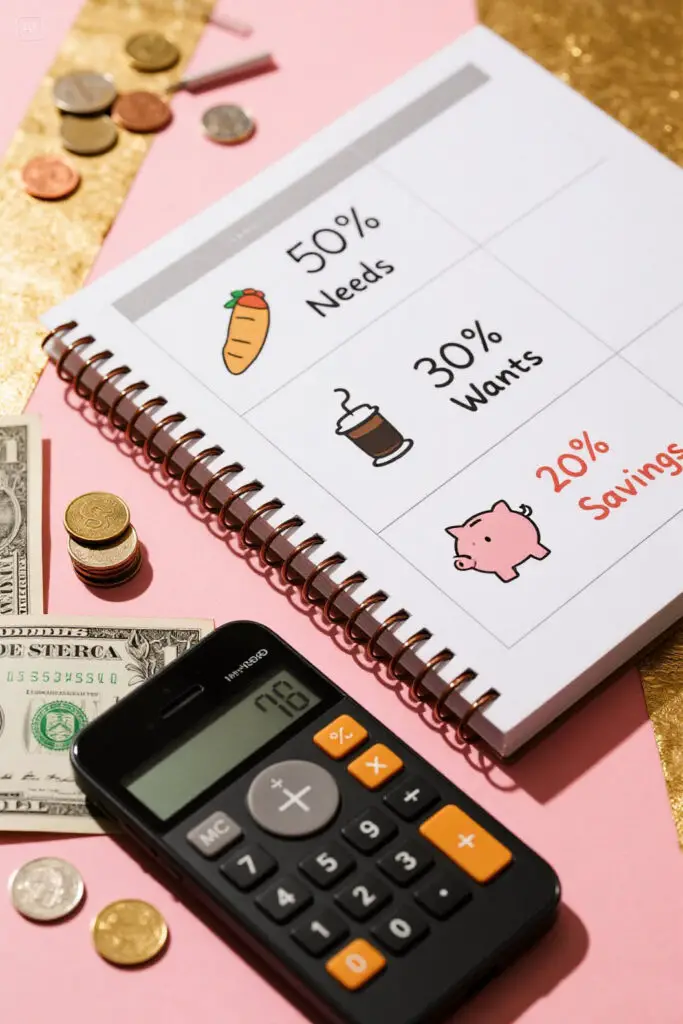
One of the simplest yet highly effective ways to manage your income without feeling overwhelmed is the 50/30/20 rule. This rule is simple, 50% of your paycheck is assigned to your basic expenses or needs, such as rent, groceries, utilities, or transportation. 30% of the income goes to your non-essential expenses or wants, including takeouts, shopping, subscriptions, or hangouts. Lastly, 20% for savings, investments, or debt, if there is any.
This method perfectly divides your monthly income in three categories, ensuring you equally manage all three, prioritizing essential expenses over the other.
If your expenses are high, you can customize the percentage by making it 60/30/10. No matter what percentage of expenses you go with, what truly makes a difference is that you stay motivated and consistent with the process.
Paying Yourself First
Always think of savings as a way of paying yourself first. Instead of waiting for your expenses and saving the leftover money, a better and more effective approach would be to pay yourself first and then spend what remains behind. As soon as you receive your salary, set aside a fixed portion of it for savings before you pay any bills or buy anything.
This simple shift changes everything because this turns savings into a non-negotiable habit and you have to deal with setting aside money before you attend to other affairs. You’ll be surprised how quickly your savings grow when you treat them like an essential monthly payment instead of an afterthought
Automating Your Savings for Effortless Consistency
The best way to stick to the habit of saving is by automating your transfer each month as soon as the paycheck hits your account. Set up an auto transfer from your main account to your savings account every month, and when the paycheck arrives, the saving can happen automatically, removing the temptation to spend, forgetfulness, or even decision fatigue.
While automation silently happens in the background, it offers your money to grow in peace and comfort without any drama or distraction, making this strategy a considerable option.
Creating Separate Accounts for Clarity and Control
It’s easy to lose track of your savings and spend it when all your money is in one single account. It can become hard to track what’s for bills, what’s for fun, and what’s for savings. A simple way to deal with this problem is to open separate accounts, one for daily expenses, one for bills, and one purely for savings.
Having separate accounts can help you give visual control and prevent you from dipping into savings for short-terms wants.
Building a Strong Emergency Fund
Life has a way of surprising us with unexpected expenses, whether it’s a car breakdown, a sudden medical bill, or an urgent repair, that’s why an emergency fund is so important. Think of it as your personal safety net, there to catch you whenever something unpredictable happens.
Start small if you need to, even one month’s worth of living expenses can make a difference, and gradually build it up to cover three to six months. Keep this money in an easy-to-access but separate account so you don’t end up spending it accidentally.
Setting Clear Short-Term and Long-Term Goals
Instead of saving aimlessly, try to define what you’re saving for, whether you want to take a vacation next summer, upgrade your laptop, or finally pay off your debt. Long-term goals could be things like buying a home, building a retirement fund, or starting a small business.
When your savings are connected to real, personal goals, you’ll find it easier to stay motivated because every dollar you set aside feels like progress toward something that matters to you.
You can even label your accounts with names like “Future Home” or “Travel Fund” to keep your motivation alive. It’s a reminder that you’re not just saving money, you’re shaping your future and giving yourself more choices and freedom in the coming years.
Tracking and Reviewing Your Monthly Spending
A big part of saving successfully is understanding how your habits evolve over time, which is why reviewing your spending at the end of each month is such a valuable step. It doesn’t have to be a complicated or time-consuming process, even ten minutes is enough to check where your money went, what categories went over budget, and where you stayed on track.
This kind of reflection can help you see your financial patterns clearly and you may come to realize that you’re spending more on takeout than you realized or that your subscription services are quietly eating into your savings.
Cutting Back on Mindless Spending Habits
You don’t need to give up everything that brings you joy just to save money, you just need to be more intentional about where your money goes. Many of us fall into small, mindless spending habits that seem harmless at first but add up over time. It might be that daily snack you grab out of habit, those streaming subscriptions you barely use, or the impulsive online purchases that feel satisfying for a moment but add no real value.
Once you start noticing these patterns, you can decide what truly adds happiness to your life and what doesn’t. When you cut back on expenses that don’t serve you, you free up more money for savings and experiences that actually make you feel fulfilled, making your financial life lighter and more balanced without feeling deprived.
Investing Small, Growing Big Over Time
Once you’ve built your emergency fund and established a steady saving routine, the next step is to let your money grow. Investing might sound intimidating at first, but it doesn’t have to be complicated or risky.
You can start small, even a modest amount invested consistently each month can grow significantly over time thanks to the power of compounding. Whether it’s mutual funds, index funds, or a retirement account, the key is to start early and stay consistent.
Rewarding Yourself Without Breaking the Budget
Saving money shouldn’t feel like punishment, and you don’t have to completely deprive yourself of life’s small pleasures to stay financially responsible. In fact, giving yourself little rewards along the way can make the journey much more enjoyable.
When you hit a savings milestone, whether it’s your first $500, paying off a small debt, or reaching a particular goal, take a moment to celebrate. These small celebrations keep you emotionally connected to your goals and remind you that you’re allowed to enjoy your money while still being smart with it. Balance is what turns saving from a chore into a lifestyle you actually want to stick with.
Staying Motivated and Making Saving a Lifestyle
The real challenge of saving isn’t in starting, it’s in staying consistent month after month. Some months will feel easier than others, and there will be times when progress feels slow, but that’s completely normal.
Surround yourself with positive financial influences by reading books, following budgeting communities, or listening to people who talk about smart money habits in a relatable way. Over time, as your savings grow and your confidence builds, you’ll notice that saving no longer feels like a strict task or a financial restriction, it becomes second nature. It becomes part of who you are, a calm and steady way of living that gives you control, confidence, and peace of mind about your future.
Conclusion
Saving money every month isn’t about living with strict limitations or giving up the things that bring you happiness, it’s about finding a way that lets you enjoy life today while still building a secure tomorrow. When you understand where your money goes, plan with intention, and stay consistent with small, smart habits, you slowly transform your financial life without even realizing it. With every bit you save, every automated transfer, and every mindful decision, you come one step closer to financial peace. The journey may start small but with patience, discipline, and self-awareness, it grows into something truly powerful over time.
