
Saving money is not only about putting cash aside for emergencies or big purchases, because real financial stability comes from preparing for expenses before they surprise you. Many people struggle with money not because they earn too little, but because they fail to plan for important life costs that slowly create stress, debt, and financial pressure. When you do not save for the right things, even small problems can turn into major money mistakes. This article will help you explore 14 important areas people often forget to save for, which can seriously damage their finances over time.

1. Emergency Expenses

Life rarely gives warnings before something goes wrong, and emergencies tend to demand money immediately rather than patiently waiting for your next paycheck. A sudden bill, an urgent repair, or a problem that cannot be delayed can quickly throw your finances off balance.
Without savings, people often rely on credit cards or loans, which turn a short problem into long-term stress. Emergency savings give you the ability to act calmly instead of reacting out of fear, helping you protect both your finances and peace of mind.
2. Medical and Health Costs
Health expenses have a way of appearing when money feels tight, and insurance does not always cover everything. Doctor visits, prescriptions, tests, and unexpected treatments often require out-of-pocket payments that add up fast.
When savings are missing, people delay care, borrow money, or accept financial pressure during an already difficult time. Setting aside money for health costs allows you to focus on recovery instead of worrying about how to pay the next bill.
3. Job Loss or Income Gaps
Even steady income can disappear suddenly due to layoffs, reduced hours, delayed payments, or contract changes. When income stops, expenses do not, and the pressure builds quickly.
Savings for income gaps give you time to search for work, adjust your plans, and make clear decisions instead of accepting the first option out of desperation. This buffer protects you from falling behind on bills and losing control during uncertain periods.
4. Home Repairs and Maintenance
Homes require constant upkeep, and ignoring small issues often leads to bigger and more expensive problems. A leaking pipe, broken heater, damaged roof, or electrical issue usually needs immediate attention.
Without savings, repairs are delayed or paid with debt, increasing long-term costs. Planning for maintenance keeps your living space safe and prevents unexpected repairs from disrupting your entire budget.
5. Car Repairs and Replacement
Cars almost never break down when it is convenient, and repair costs often show up suddenly and all at once, making them difficult to handle without preparation. Regular wear like tires, brakes, batteries, and fluids slowly turns into bigger mechanical problems if ignored, and a single breakdown can affect your ability to commute, earn income, or manage daily responsibilities.
When savings are missing, even minor repairs can turn into emergencies that force people to borrow or delay fixes, which only increases costs later. Setting money aside for car expenses keeps your transportation reliable and prevents one problem from disrupting your entire routine.
6. Rent Increases or Moving Costs
Housing costs rarely stay the same for long, and rent increases often arrive with little warning, leaving people scrambling to adjust their budgets. Moving brings its own financial weight through deposits, transport, cleaning, utility setup, and basic furnishing costs that add up quickly.
Without savings, people feel trapped in places they can no longer afford or tolerate, simply because leaving feels financially impossible. Preparing for housing changes gives you freedom to respond calmly, choose what suits your needs, and avoid decisions driven by pressure or panic.
7. Debt Payments and Interest
Debt does not pause when life becomes difficult, because interest continues to grow even during financial stress. A single unexpected expense can cause missed payments, late fees, and credit damage that take years to repair. Without savings, people often juggle payments or rely on more borrowing, which deepens the problem instead of solving it.
Setting aside money specifically for debt obligations helps you stay ahead, protect your credit score, and prevent short-term setbacks from turning into long-lasting financial strain.
8. Retirement and Old Age
Earning years pass quietly, and many people realize too late that time cannot be recovered. Depending solely on future income, family support, or government systems leaves too much to chance. Saving early, even in small and imperfect amounts, allows money to grow steadily and reduces financial pressure later in life.
Preparing for old age gives you dignity, independence, and the ability to make choices based on comfort rather than necessity when working is no longer possible.
9. Children’s Education
Education costs rise slowly but consistently, making them easy to underestimate until they become overwhelming. From school supplies and extracurricular activities to college fees and living expenses, the financial responsibility grows as children get older. Without preparation, families are forced to make difficult choices that affect both finances and opportunities.
Gradual saving spreads the cost over time, reduces stress, and helps support a child’s future without sacrificing other important financial goals.
10. Insurance Deductibles
Insurance is supposed to provide financial protection, but deductibles require you to pay a set amount before coverage begins, and these amounts are often higher than people expect. Without having money set aside, paying a deductible can feel overwhelming and may prevent you from filing claims promptly, causing stress or delaying needed care.
Whether it is health, auto, home, or renter’s insurance, preparing for deductibles ensures that insurance works as intended when emergencies occur, avoiding the situation where protection exists on paper but cannot help in practice. Savings for deductibles act as a buffer that allows insurance to actually serve its purpose effectively.
11. Unexpected Family Responsibilities
Family responsibilities can arise suddenly, whether due to illness, accidents, job loss, or other emergencies. Supporting relatives financially often becomes necessary without warning, and many people are unprepared to handle these unexpected costs. Without savings, helping family members can jeopardize your own financial stability, forcing you to make difficult trade-offs or borrow money under stress.
By allocating funds for potential family responsibilities, you can provide support without harming your finances or lifestyle, making it easier to respond calmly to emergencies. Being prepared allows you to handle family obligations responsibly, ensuring that helping others does not create long-term problems for yourself.
12. Technology Replacement
Phones, laptops, and other essential devices eventually fail or become outdated, often at the worst possible moment. For most people, technology is not optional, it is required for work, school, communication, and managing daily life. When devices break unexpectedly, the cost of replacing them quickly can strain finances, especially if no money was set aside.
Preparing for technology replacements allows you to purchase items thoughtfully, avoid debt, and continue daily tasks without disruption. This planning ensures that your work, education, and personal responsibilities continue smoothly, while preventing stress and unplanned expenses from turning a minor inconvenience into a major financial burden.
13. Travel and Time Off
Time off from work is essential for mental health, family connections, and overall well-being, but travel and vacations often involve costs beyond simple transportation, including accommodations, food, activities, and missed income. Without dedicated savings, taking breaks can feel stressful, forcing people to skip rest or return from travel with added financial pressure.
Saving for time off allows you to enjoy experiences fully without worrying about bills or income gaps. Planning ahead also encourages healthier work-life balance, ensures personal rest, and helps maintain productivity and focus when returning to daily responsibilities, making time off a true benefit rather than a burden.
14. Inflation and Rising Living Costs
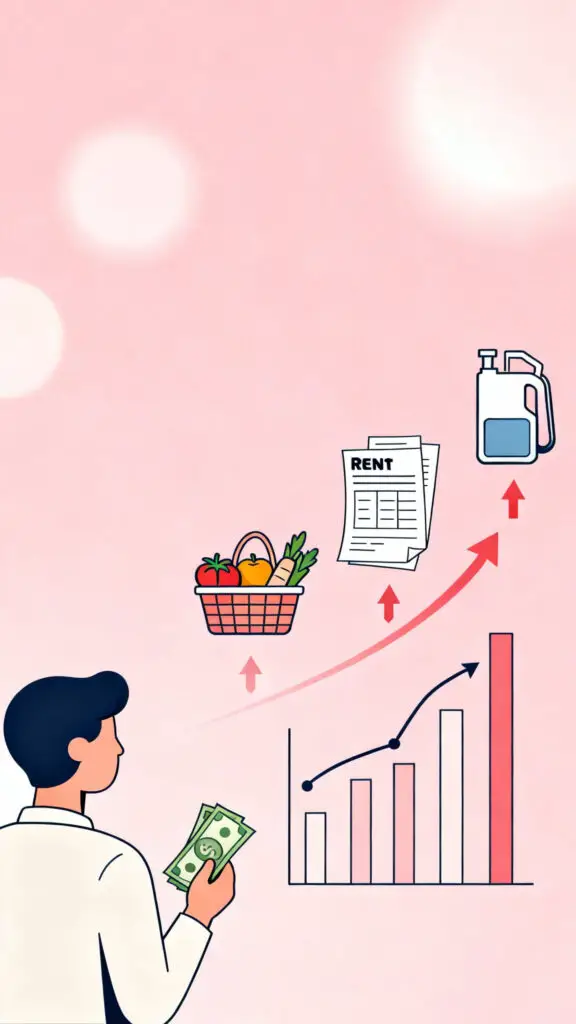
Inflation gradually increases the cost of goods and services, quietly reducing the purchasing power of your money even if your income remains steady. Groceries, utilities, transportation, and housing slowly become more expensive, making it easy to feel stretched financially without understanding why.
Failing to save with inflation in mind allows living standards to decline over time and can force you to make difficult compromises. Allocating funds with rising costs in consideration helps maintain financial stability, protects your lifestyle, and ensures that your money retains its value, giving you the ability to manage daily life comfortably without constant worry about increasing prices.
Conclusion
Failing to save for essential expenses is one of the most common mistakes that slowly undermines financial stability, because life rarely follows a predictable schedule and unexpected costs are always waiting around the corner. Emergencies, medical bills, family responsibilities, and basic living expenses do not pause for convenience, and when money is not set aside, even minor issues can quickly snowball into debt, stress, and long-term financial struggles. Preparing for car repairs, rent increases, education, retirement, and technology replacements gives you control over your life and ensures that important choices are made calmly instead of under pressure. By making saving a habit and prioritizing the things that truly matter, you build a sense of security, independence, and freedom that cannot be bought at the last minute.

Leave a Reply