
Credit card debt is one of the most common financial struggles, and it can quietly grow into a heavy burden if left unmanaged. High interest rates, minimum payments, and everyday expenses often trap people in a cycle where balances barely move, even after months or years of payments. Many people feel ashamed or overwhelmed, but credit card debt is not a sign of failure, it is usually the result of emergencies, rising living costs, or relying on credit during difficult times. The key to paying off credit cards is not earning a massive income overnight, but building a realistic plan and staying consistent with it. Small changes, when repeated month after month, can create powerful results. With the right strategies, you can reduce interest, regain control over your finances, and slowly move toward a debt-free life. This article will help you explore 9 proven strategies that are practical, realistic, and designed to help you make steady progress without burnout.

Stop Adding New Charges Immediately
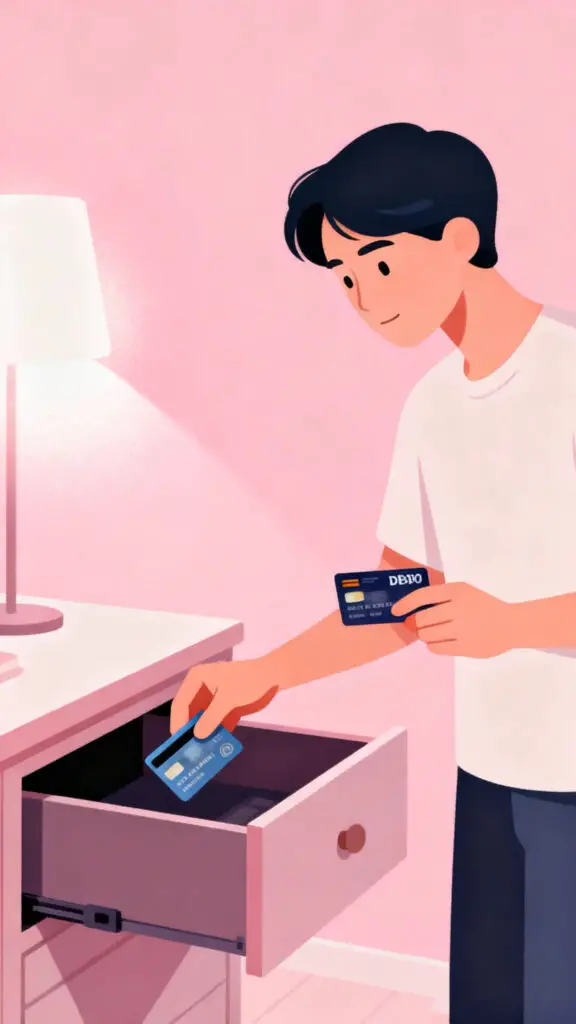
One of the most important steps in paying off credit card debt is stopping new charges, because as long as you continue using your cards, the balance will keep growing and slow down the progress. This does not mean giving up all convenience or comfort, but it does mean building enough discipline to separate old debt from daily spending.
You can start by using cash or a debit card for regular purchases and removing saved credit card details from shopping apps and online stores to reduce impulse buying. Keeping your credit cards out of your wallet and placing them somewhere safe can also create a pause before spending and help you think more carefully. When new charges stop, your payments finally begin to work toward lowering your balance instead of chasing new debt. Creating this boundary is necessary for success, because without it, even the strongest repayment plan will fail and continue adding stress.
Pay More Than the Minimum Every Month
Minimum payments are designed to keep you paying for a long time while most of your money goes toward interest instead of reducing the actual balance. When you only pay the minimum, debt can last for years and quietly cost you much more than you expect.
Paying more than the minimum, even by a small amount, can change everything and help you see real progress sooner. Adding an extra twenty-five or fifty dollars each month reduces the balance faster and gives interest less room to grow. You can find this extra money by making small changes in your spending, such as eating out less, canceling unused subscriptions, or cutting back on unnecessary purchases.
Use the Debt Snowball Method for Motivation
One of the most important steps in paying off credit card debt is stopping new charges, because as long as you continue using your cards, the balance will keep growing and make progress feel impossible. This does not mean giving up all convenience or comfort, but it does mean building enough discipline to separate old debt from daily spending.
You can start by using cash or a debit card for regular purchases and removing saved credit card details from shopping apps and online stores to reduce impulse buying. Keeping your credit cards out of your wallet and placing them somewhere safe can also create a pause before spending and help you think more carefully.
Try the Debt Avalanche Method to Save on Interest
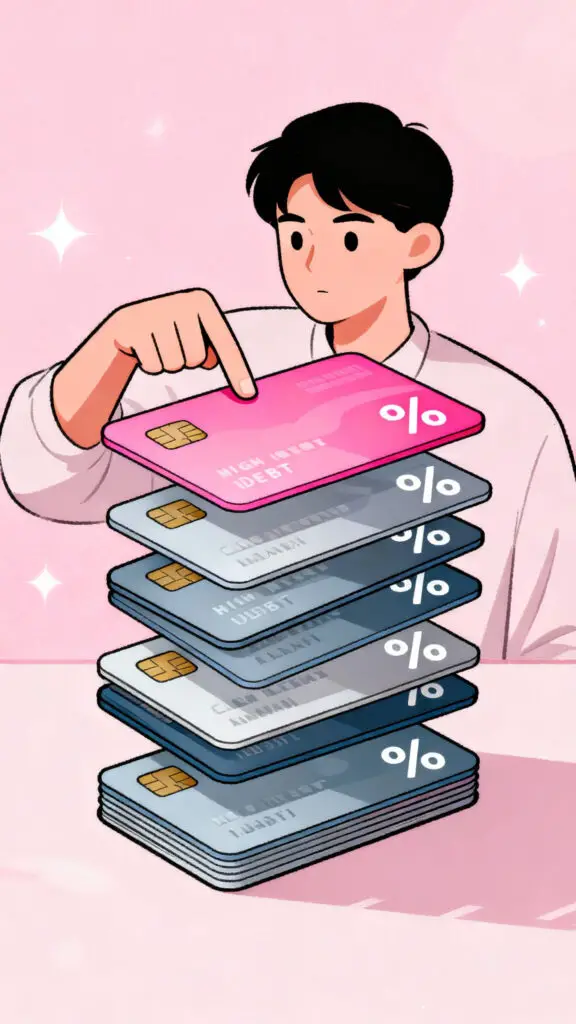
The debt avalanche method focuses on saving the most money by reducing interest as quickly as possible, which makes it a strong choice for people who prefer a more practical and numbers-based approach.
With this method, you list your credit cards from the highest interest rate to the lowest and direct extra payments toward the card that is costing you the most in interest while paying the minimum on the rest. Once the highest-interest card is paid off, you move to the next one and repeat the process. Progress may feel slower at the beginning, especially if the highest-interest balance is large, but the long-term savings are meaningful.
Negotiate a Lower Interest Rate With Your Card Issuer
Many people do not realize that credit card interest rates can often be lowered simply by asking, and a calm phone call to your card company can sometimes lead to a better rate, especially if you have a record of paying on time. When your interest rate is reduced, more of your monthly payment goes toward lowering the balance instead of being lost to interest, which helps you make progress faster without increasing what you pay.
Before calling, it helps to look over your account, understand your current rate, and prepare to speak in a polite but confident way about your goal of paying off debt. You can explain that you are actively working on repayment and ask if they can offer a lower rate for a period of time or even permanently. Even a small drop in interest can save a lot of money over the long run, and if the first person says no, calling again later may lead to a better result.
Consider Balance Transfers With a Clear Payoff Plan
Balance transfer credit cards can be helpful when they are used with care and a clear plan, because they often come with a 0 percent interest period that allows you to focus on paying down the balance without interest growing at the same time. This option can be useful if high interest is slowing your progress and making payments feel pointless, but it also requires strong self-control to avoid creating new debt.
Promotional periods usually last between twelve and eighteen months, and once that time ends, interest rates can rise quickly if the balance is still there. There may also be transfer fees, which means this choice should be planned carefully before moving forward. It is important to calculate whether you can realistically pay off the balance within the interest-free period and avoid using the new card for purchases. When handled responsibly, balance transfers can reduce interest and speed up debt payoff, but when misused, they can make the problem worse.
Create a Targeted Budget Focused on Debt Repayment
A targeted budget helps you give your money clear direction so it supports your goal of paying off credit card debt instead of disappearing without notice. Instead of loosely tracking spending, you focus on finding areas where you can cut back for a short period, such as eating out less often, pausing unused subscriptions, or avoiding small impulse purchases that add up over time.
These changes do not mean you have to live unhappily or give up everything you enjoy, but they do require making thoughtful choices until your debt is under control. Writing your expenses down and reviewing them regularly helps you stay aware of how your money is being used and keeps you accountable to your goals. When you clearly see where your money goes, adjusting habits becomes easier and less stressful. Over time, even small budget changes can create meaningful progress and turn debt repayment into a clear and manageable plan.
Use Windfalls and Extra Income Wisely
Unexpected money can play a powerful role in helping you pay off credit card debt faster when it is used with intention rather than spent without a plan. This type of money may come from tax refunds, bonuses, gifts, side income, or cashback rewards, and while it is natural to want to spend it, using most of it toward debt can create strong momentum.
Making a large payment right away lowers your balance and reduces how much interest builds up in the future, which helps your monthly payments work more effectively. Planning ahead by deciding how much of the windfall will go toward debt makes it easier to avoid emotional spending and stay focused on your goal. Each time you apply extra money to your credit cards, you strengthen healthy money habits and move closer to lasting financial freedom.
Stay Consistent and Track Your Progress
Consistency is the most important part of paying off credit card debt because even when progress feels slow, steady payments always move you forward. When you check your balances each month, you can see small changes that show your effort is working, and watching the numbers go down helps you feel motivated and more confident about your money.
Taking time to celebrate small wins, such as paying off one card or lowering a balance, keeps you encouraged and reminds you that your hard work matters. It is also important not to compare your journey with others, because everyone’s income, bills, and struggles are different. Missing a perfect month does not mean you have failed, because what truly matters is getting back on track and continuing the plan. Paying off debt takes time and patience, not quick fixes, and when consistency becomes part of your daily habits, small steps slowly turn into real freedom from debt.
Conclusion
Paying off credit card debt is a process that takes time, patience, and steady effort, but it is completely possible when you follow a clear plan and stay consistent with your actions. You do not need to make perfect choices every month or have a large income to succeed, because small and regular steps matter more than big changes that are hard to maintain. By stopping new charges, paying more than the minimum, choosing a repayment method that fits your personality, and staying focused on your budget, you slowly take back control of your money.

Leave a Reply