
Saving money may sound simple and straightforward, but in reality, it is more about making intentional money choices that help you set aside money. The truth is that saving money is not only about huge sacrifices or restricting yourself, it is more about following practical money saving methods that suit you, your lifestyle, and income the best. Whether you’re a student, a full-time employee, or an entrepreneur, building the healthy habit of saving can reduce financial stress and serve you in the years to come. When you think of saving as something that empowers you and gives your earning a purpose, it becomes easier and less overwhelming, making it easier for you to stay consistent and stick to the process. This article will help you explore some helpful money saving methods, allowing you to build a stable and secure financial future that can help you become free and confident when it comes to your financial life.

1. The 50/30/20 Budgeting Rule
According to the 50/30/20 budgeting rule, 50% of your income goes to your needs, 30% is assigned to your wants, and lastly, 20% of your paycheck is set aside for your savings. What makes this method a considerable option is that it perfectly divides the spendings for the 3 major categories, while making room for savings as well.
Not only does this method offer a perfectly balanced approach, it also makes room for enjoyment where all your wants are considered as well. By consistently setting aside 20% of your income each month, this method can build discipline and long-term stability. Over time, the amount set aside each month can turn into something big and meaningful, allowing you to make the most of the money you work so hard for.
2. Zero-Based Budgeting Method
Another considerable option is the zero based budgeting method which is all about giving every dollar a purpose to serve. A common misconception is that this method involves spending everything, instead it’s more about assigning money intentionally towards needs, wants, investments, or savings.
When every dollar is given a purpose and spendings are planned with intention, the journey ahead gets easier and there are fewer chances of confusion and careless spending. Over time, this method allows you to take control of your money rather than letting your money control you.
3. Paying Yourself First
Instead of saving the leftover money, a smart and more considerate approach is to pay yourself by setting aside money whenever your paycheck hits your checking account. This saving method allows you to save with intention instead of setting aside the money after all the spendings.
This method ensures that you save your hard-earned money before the temptation to spend hits you. By treating saving as a non-negotiable bill, you can save up a meaningful amount in no time, allowing you to see the importance of self-control and intentional financial choices.
4. The Envelope Cash System
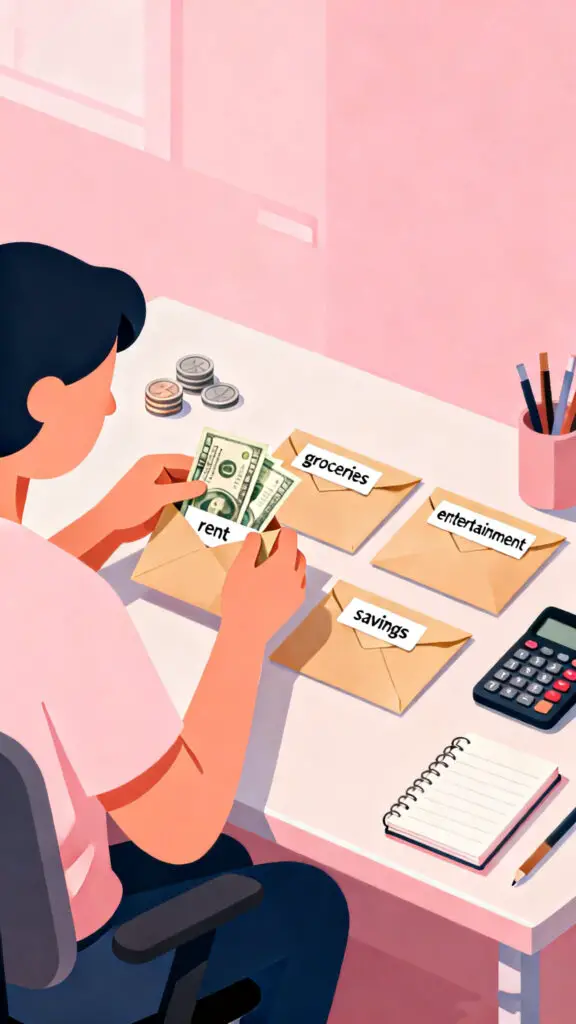
For another practical method to save money, consider the envelope cash system which is all about creating different spending categories such as groceries, transportation, rent, or entertainment. After creating the categories, assign cash to each spending category and aim to stay within the spending limit for the month.
The main catch of this method is to control impulsive spending and spend with intention. You can also create a category for saving and put cash into the envelope. Through this simple approach, you can control overspending, emotional spending, or impulsive purchasing, allowing you to control your money rather than the other way around.
5. Automating Your Savings
Nothing helps you save money better than the simple act of automating your savings. This method is all about setting up automatic transfers from your checking account to your savings account. As soon as your paycheck hits your bank account, a specific amount moves from your main account to the savings one, allowing you to save money in an almost effortless way.
What makes this method a considerable option is that it allows you to save money before you get to spend your hard-earned money on your needs or wants, offering a low-maintenance yet reliable way to save up.
6. Building an Emergency Fund
Life has an unexpected way of throwing curveballs your way whenever you least expect them which is why it is necessary to have a safety net in place which can help you in case of unforeseen financially demanding circumstances. Aim to save around 3-6 months worth of expenses by setting aside small but meaningful amounts with consistency. Over time, these amounts can grow into something thoughtful that can offer mental peace and satisfaction, allowing you to stay confident when it comes to your finances.
7. The 30-Day Spending Rule
To fight against impulsive spending, consider the 30-day spending rule which is all about waiting for a time period of 30 days before buying anything. Whenever you feel tempted to buy something that falls under the non-essential spending category, consider waiting for 30 days and allow yourself to reflect on your decision to spend.
This time allows you to logically think over your decision and come to a conclusion whether the purchase truly justifies your hard-earned money and effort.
8. Cutting Unnecessary Subscriptions
Unnecessary subscriptions take up a huge portion of your budget which is exactly why it is necessary to target them. Whether it’s streaming services, music subscriptions, or fitness apps, some subscriptions may seem harmless but they affect your budget way more than you may ever realize.
A smarter approach is to review your bank statements and look for your subscriptions that silently eat away your income and moreover, they don’t add value to your life. Consider cancelling them and redirect that same money towards something more meaningful, such as savings, paying off debts, or investments.
9. Meal Planning to Reduce Food Costs

Meal planning is one of the most practical and realistic ways to reduce monthly expenses without feeling deprived or restricted. When meals are planned ahead of time, grocery shopping becomes more organized and focused, which naturally prevents overspending on unnecessary items that often go to waste.
Instead of visiting the store multiple times a week and picking up random products, a planned list keeps you aligned with your budget and your needs. Cooking at home more often also reduces the temptation of expensive takeout or last-minute dining decisions.
10. Tracking Every Expense
Tracking every expense may seem tiring at first, but it is one of the most eye-opening money saving methods you can practice. When you write down or record where your money goes each day, you begin to notice spending patterns that were previously ignored or underestimated.
Small daily purchases such as coffee, snacks, or online deals may appear harmless individually, but together they can quietly impact your savings.
11. Using High-Yield Savings Accounts
Using a high-yield savings account is a thoughtful way to make your saved money grow instead of letting it sit idle. Unlike a regular savings account, a high-yield option offers better interest rates, which means your money earns more over time without requiring extra effort from you.
Although the growth may seem small in the beginning, consistency and time can turn it into something meaningful.
12. Setting Clear Financial Goals
Saving becomes much easier when you have a clear reason behind it because goals give your efforts direction and purpose. Instead of saving without intention, you can work toward something meaningful such as buying a home, traveling, paying off debt, or building long-term security.
13. Avoiding Impulse Purchases
Avoiding impulse purchases requires patience and awareness, especially in a world filled with constant advertisements and tempting offers. Many purchases happen in moments of emotion rather than genuine need, which is why it is important to pause before spending. Asking yourself whether the item truly adds value to your life can prevent unnecessary expenses.
14. Increasing Income While Saving
While managing expenses is important, increasing income can also strengthen your saving journey in a powerful way. Exploring side opportunities, freelancing, or improving skills can create additional income streams that speed up financial progress.
The key is to avoid increasing your lifestyle expenses when income grows and instead direct extra earnings toward savings or investments. This balanced approach allows you to build wealth steadily without feeling overwhelmed. By combining smart spending habits with income growth, you create stronger financial stability and move closer to long-term freedom and confidence.
Conclusion
Saving money is not about restricting your happiness or constantly saying no to yourself, but about making thoughtful and intentional decisions that support your future. When you follow practical saving methods that match your lifestyle and income, the process feels manageable instead of overwhelming. Small steps taken consistently can slowly build a strong financial foundation that protects you during difficult times and empowers you to achieve your goals. Over time, these habits create confidence, stability, and freedom and by staying patient and committed, you allow your hard-earned money to serve a greater purpose in your life.

Leave a Reply