
Many people think money problems come from big expenses or low incomes but what most of us don’t realize is that nothing causes money problems more than those seemingly harmless or routine expenses. These habits make it harder to track the leaks and quietly eat away your income, making it necessary to take actions to modify your spending habits. Just because the amounts are small, these expenses seem harmless but they continue to drain the money you work so hard for. This article will help you explore 7 ways you’re wasting money without even knowing it, helping you understand money management, avoid and work on leaks, and ultimately reduce financial stress.

1. Paying for Subscriptions You Barely Use
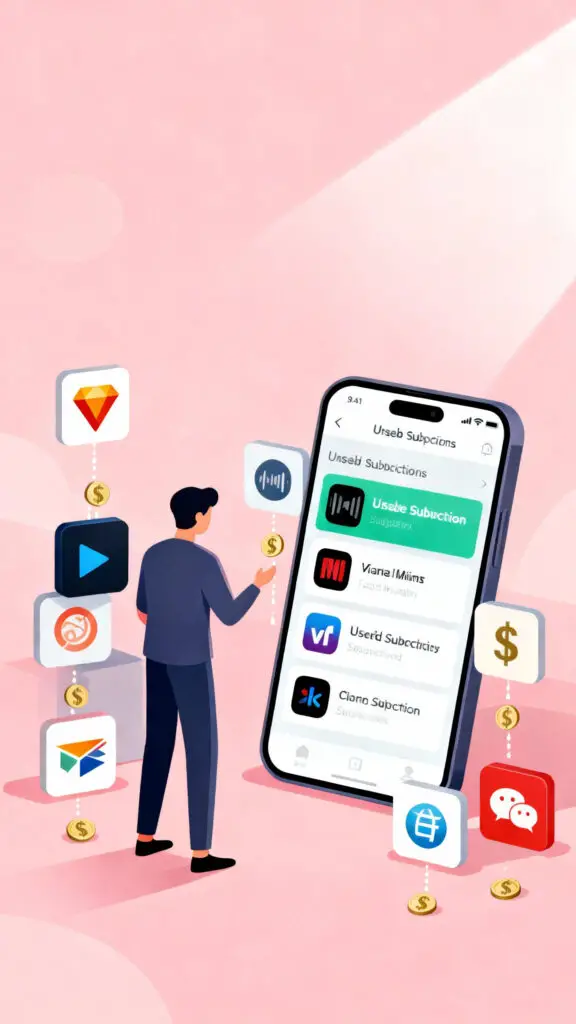
One of the biggest money leaks is paying for subscriptions you barely use, whether it’s streaming services, fitness apps, or music subscriptions that automatically renew as well, keeping you in the loop of paying for them each month.
When you look at each service individually, the amount may seem small and harmless but once you collectively see the figure you pay for these subscriptions you barely use, you’ll come to realize that a big chunk of your income is spent on the services you don’t even use. The perfect way to deal with this big financial leak is to review your subscriptions and look for those you barely need and instantly free up money you did not even know you were losing.
2. Grocery Shopping Without a Clear Plan
Another big financial leak is going grocery shopping without a clear plan or a list, which makes it easy for you to spend emotionally and overspend on things you don’t really need. Whether it’s attractive packaging or a discount on food items, it’s easy to overspend while grocery shopping especially when you don’t have a list to stick to.
Not only does this lead to money waste, unplanned grocery shopping can also cause food waste, making it necessary to consider this leak as a potential source of losing both money and food. A smart way would be to create a clear list before you go grocery shopping and aim to stick to the list.
3.Overpaying for Convenience in Daily Life
Whether it’s frequent takeouts, quick deliveries, or ride-hailing services, it is important to realize that convenience often comes with a price tag and while it may not sound like a big deal paying for it at the moment, the costs quickly add up and eat away a huge chunk of your income.
While you may feel like paying for convenience saves your time and effort, it is important to realize that it costs you as well. A smarter approach would be to become more intentional and mindful of your spending choices and aim to spend on things that are a true value for your money
4. Letting Small Daily Expenses Add Up
Small daily expenses may seem harmless at first but when you add up their costs, you may come to realize that they eat away at your budget faster than you realize. Whether it’s grabbing your daily morning coffee, satisfying your cravings with snacks, or those in-app purchases, these small expenses quietly drain your income without you even knowing it.
The best way to deal with this financial leak is to track your expenses through a spreadsheet or something as simple as a notebook and continue to stay mindful of what you choose to spend on. This simple awareness can help you modify your spending habits and build healthy spending patterns that can serve you in the years to come as well.
5. Paying Late Fees and Avoidable Charges
Whether it’s missing bills deadlines, forgetting renewals, or delaying payments, paying late fees and avoidable charges is one of the ways you’re wasting money for no benefit at all. In most cases, these fines are often a result of negligence and disorganization instead of lack of money or funds, making it necessary to take action.
A smart way to deal with this problem is to set reminders on your phone or remind yourself by writing the deadlines on sticky notes and placing them where you can see them often, such as your mirror or your fridge’s door. This simple step can prevent unnecessary wastage of money and allows you to direct that same money towards something much more meaningful like a savings fund, safety net, or paying off debt, if there is any.
6. Not Comparing Prices Before Buying
Many people automatically assume that prices for items are similar and fail to compare prices before buying things. A considerable option when looking to save more money and avoid financial leaks is to simply compare prices before buying, whether it’s online shopping, renewing service, or choosing utility plans. Moreover, you can also use this step before buying groceries by looking for cheaper options that often deliver the same food and quality but at a cheaper rate.
This simple habit can help you save money and avoid financial stress as well, making it a considerable option.
7. Emotional Spending Without Realizing It
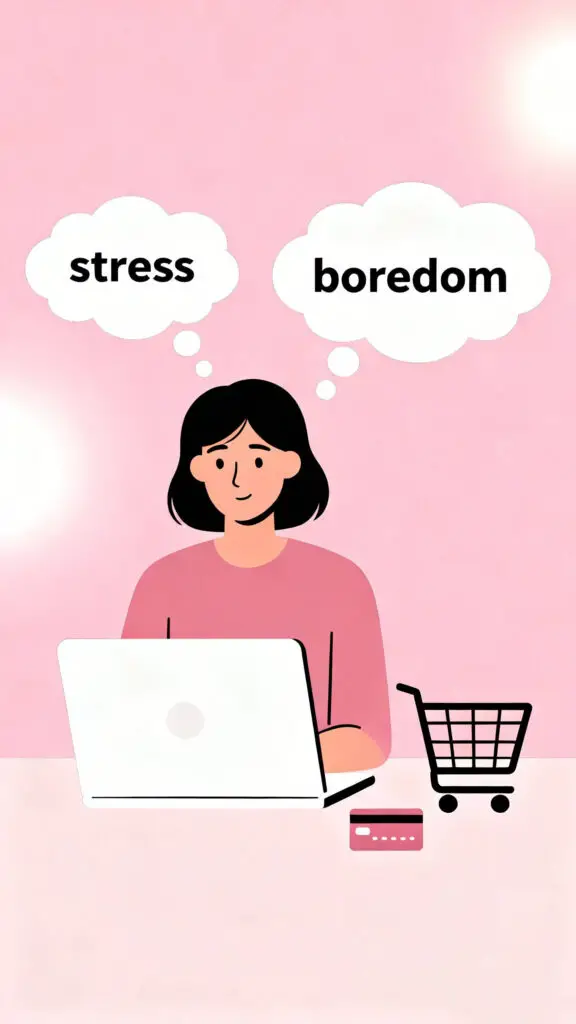
Emotional spending happens when purchases are made only out of boredom, stress, or emotions, not necessity. In such cases, these purchases may offer you temporary satisfaction, however they convert into regret later on.
Because this spending pattern is tied to feelings, it can become a repeated cycle that drains your wallet over time. The best way to deal with this problem is to identify emotional triggers and avoid them as much as you can, whether it’s promotional emails, push notifications from brands, or flash sales. .
How Everyday Habits Quietly Drain Your Money
Everyday habits often feel normal and harmless, which is why they are so easy to ignore. Small actions like buying snacks, ordering food instead of cooking, or shopping online out of boredom slowly drain your money without you noticing.
One purchase may not hurt, but repeating it daily or weekly adds up quickly and these habits quietly take money that could have been saved or used for important goals. Becoming aware of these daily choices is the first step toward taking back control of your finances.
Why Small Money Leaks Are More Dangerous Than Big Expenses
Big expenses are usually planned, expected, and noticed right away, which makes them easier to manage. Small money leaks, on the other hand, happen so often that they blend into daily life and because the amounts are small, people rarely track them or feel worried about them.
Over time, these small leaks add up to a large amount of wasted money which makes them more dangerous than big expenses because they slowly weaken your budget without warning.
The Hidden Cost of Lifestyle Inflation
When you earn more money, it’s tempting to upgrade your lifestyle by buying better clothes, eating out more, or choosing more expensive services. While this may feel rewarding, it often prevents you from saving more money.
Instead of building financial security, your expenses rise to match your income and over time, this makes it feel like you are always short on money, even when you earn more. The hidden cost of lifestyle inflation is missed opportunities to save, invest, and reduce financial stress in the future.
The Role of Awareness in Smarter Spending
Awareness plays a huge role in making smarter spending decisions. When you know where your money is going, you can spot unnecessary expenses and make better choices. Many people spend money automatically without thinking about it, which leads to waste. Simply tracking your spending helps you pause and question your habits.
Awareness does not mean cutting all fun or enjoyment, but it helps you spend with purpose and when you understand your spending patterns, you feel more in control of your finances rather than letting it control you.
Turning Mindless Spending Into Intentional Choices
Mindless spending often happens when purchases are made without thinking, usually out of habit or emotion. Turning this into intentional spending means pausing before buying and asking if the purchase is truly needed.
Intentional choices help you spend money on things that add real value to your life. This does not mean never treating yourself, but it means choosing wisely. When spending becomes intentional, you feel less guilt and more satisfaction and over time, this habit helps you save more, reduce stress, and feel confident about your financial decisions.
Conclusion
Money problems are often caused by small habits rather than big mistakes such as subscriptions, convenience spending, emotional purchases, and daily expenses that quietly drain your income without you noticing. By becoming more aware of these money leaks, you can take simple steps such as planning ahead, tracking expenses, and making intentional choices to help you protect your hard-earned money. Managing your finances does not require big changes, but it does require attention and consistency. When you control small spending habits, you build a stronger financial future and reduce stress, allowing your money to work for you instead of against you.

Leave a Reply