
Deciding whether to rent or buy a home is not just about choosing a place to live, it also shapes your financial future, your daily lifestyle, and the level of responsibility you are willing to take on over time. Many people feel confused when making this choice because both options seem useful in different ways, and the right decision often depends on personal circumstances rather than a single rule. When you carefully think through important details such as your finances, your future plans, and your comfort with long term commitments, you can make a decision that feels more stable and suitable instead of rushing into something that may become difficult later.

1. Your Current Financial Situation
Your current financial situation is one of the most important factors to consider when deciding whether to rent or buy a home, because it directly affects what you can afford without putting yourself under pressure. Buying a home usually requires a large upfront payment along with ongoing expenses such as maintenance, taxes, and utility costs, while renting often involves lower initial costs but regular monthly payments that still need to fit within your budget.
When you take the time to review your income, savings, and existing expenses in a realistic way, you can better understand which option aligns with your financial capacity and helps you avoid unnecessary stress.
2. The True Cost of Renting Versus Buying
Looking only at monthly payments can be misleading when comparing renting and buying, because both options come with additional costs that are not always obvious at first. Renting may include security deposits and possible rent increases over time, while buying involves costs such as maintenance, repairs, insurance, and property taxes that can add up significantly.
When you compare these expenses in detail, you begin to see a clearer picture of what each option truly requires financially. This understanding helps you make a more informed decision that considers not just immediate costs but also long term financial impact.
3. Your Long Term Plans and Stability
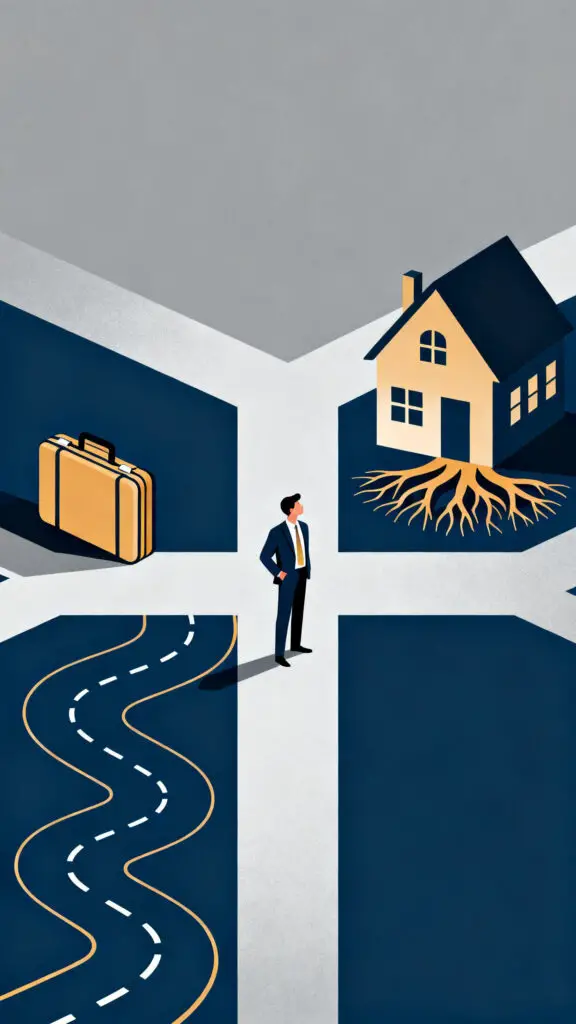
Your future plans play a major role in deciding whether renting or buying is the better option, because buying a home often makes more sense if you plan to stay in one place for several years. Renting, on the other hand, offers flexibility that can be valuable if your life is likely to change, such as moving for work, education, or personal reasons.
When you think about where you see yourself in the coming years and how stable your plans are, you can choose an option that fits your lifestyle instead of limiting your opportunities or creating unnecessary complications later.
4. Job Stability and Income Reliability
Stable income is especially important when considering buying a home, because it involves a long term commitment that requires regular payments over many years. If your job situation feels uncertain or your income changes frequently, renting may provide a safer and more flexible option that allows you to adjust more easily.
When you honestly evaluate how secure your income is and how confident you feel about maintaining it, you can make a decision that supports your financial well being instead of putting yourself at risk of struggling with payments in the future.
5. Upfront Costs and Available Savings
Buying a home often requires a significant amount of money upfront, including a down payment, legal fees, and other related costs, which means you need to have enough savings prepared before making this decision. Renting usually requires a smaller initial payment, such as a security deposit and advance rent, which makes it more accessible in the short term.
When you look at how much you have saved and how comfortable you feel using those savings, you can better decide which option fits your current financial position without leaving you financially strained.
6. Responsibility for Maintenance and Repairs

Owning a home comes with the responsibility of handling maintenance and repairs, which can require both time and money on a regular basis, especially as the property ages. Renting often removes this burden, as landlords are usually responsible for fixing major issues and maintaining the property.
When you consider whether you are willing and able to handle these responsibilities, you can better understand which option suits your lifestyle. This factor is important because ongoing maintenance can significantly affect both your finances and your daily routine.
7. Flexibility and Ease of Moving
Renting provides a level of flexibility that can be very useful if you expect changes in your life, because it allows you to move more easily without being tied to a long term commitment. Buying a home, however, often makes moving more complicated, as selling a property can take time and effort.
When you think about how important it is for you to have the freedom to relocate, you can better decide which option fits your needs. This consideration helps ensure that your decision supports your future plans rather than limiting them.
8. Opportunity to Build Equity Over Time
One of the main advantages of buying a home is that your payments contribute toward ownership, which allows you to build equity over time and potentially increase your net worth. Renting does not provide this benefit, as payments go toward living expenses without creating any long term asset.
When you consider whether building equity is important to you, you can better understand the financial value of homeownership. This factor often plays a key role in decisions related to long term financial growth and stability.
9. Monthly Budget and Overall Affordability
Your monthly budget should guide your decision carefully, because both renting and buying require regular payments that must fit comfortably within your income without causing stress. Buying a home may involve mortgage payments along with additional costs such as maintenance and utilities, while renting may include rent increases over time.
When you plan your budget realistically and consider all possible expenses, you can choose an option that feels manageable. This helps you maintain financial stability and avoid situations where housing costs become overwhelming.
10. Interest Rates and Housing Market Conditions
Interest rates and market conditions can significantly affect the cost of buying a home, because higher rates can increase your monthly payments and the total amount you pay over time. Renting may not be directly affected in the same way, but rental prices can still change based on demand and location.
When you take time to understand the current market and how it impacts your options, you can make a more informed decision about whether it is the right time to buy or if renting may be a better choice for now.
11. Personal Lifestyle and Comfort Preferences
Your lifestyle and personal preferences should also be considered, because some people value the stability and sense of ownership that comes with buying a home, while others prefer the simplicity and flexibility that renting provides.
You need to think about what kind of living environment makes you feel comfortable and how much responsibility you are willing to take on. This includes factors such as space, location, and daily convenience. Choosing an option that matches your lifestyle can make a big difference in your overall satisfaction.
12. Financial Benefits and Possible Tax Advantages
In some situations, owning a home may come with financial benefits such as tax advantages or long term value growth, which can reduce overall costs over time. Renting does not usually provide these types of benefits, but it may still be more affordable depending on your circumstances.
When you consider these financial aspects carefully, you can better understand how each option affects your overall financial situation. This helps you make a decision that aligns with your goals and financial plans.
13. Level of Risk and Financial Commitment
Buying a home involves a higher level of financial commitment and risk, because you are responsible for long term payments and potential changes in property value. Renting generally involves less risk, as it does not require the same level of commitment and allows for more flexibility.
When you think about how much risk you are comfortable taking and how stable your situation is, you can choose an option that feels manageable. This helps you avoid decisions that may become stressful in the future.
14. Future Value and Investment Potential
A home can increase in value over time, which may make it a useful investment, but this depends on various factors such as location, market conditions, and overall demand. Renting does not offer this potential, but it also does not involve the same risks associated with property ownership.
When you consider the possibility of future value, you can better understand the long term impact of your decision. This perspective can help you decide whether buying aligns with your financial goals or if renting is more suitable for your current situation.
Conclusion
Choosing between renting and buying a home requires careful thought, because it affects both your financial situation and your lifestyle over a long period of time. By considering factors such as your income, your plans, your comfort with responsibility, and your long term goals, you can make a decision that fits your needs instead of following what others may choose. There is no single correct answer, but taking the time to evaluate these details can help you feel more confident, more prepared, and more secure in whichever option you decide to go with.
