
Saving money can feel hard when you look at a big number, but when you break it down into small steps every two weeks, it can start to feel much easier and more manageable in your daily life. A biweekly savings plan can help you stay on track without feeling overwhelmed, because you can focus on smaller amounts instead of worrying about the total all at once. Over six months, these small efforts can slowly build into something meaningful, and you can begin to feel more in control of your money. This article will help you explore a biweekly savings plan that can work for anyone, whether you are a student, a stay-at-home mom, or someone trying to save alongside a busy routine.
1. Understanding How a Biweekly Plan Works
A biweekly savings plan means you can set aside money every two weeks instead of waiting for the end of the month, and this can make saving feel more natural because it can match how many people receive their income. You can treat it like a simple routine where every two weeks you move a certain amount into your savings, and over time it can become a habit that feels normal.
This approach can help you stay consistent because the gap between savings is not too long, and you can adjust your amount depending on your situation. It can also help you avoid the feeling of pressure that can come with monthly targets.
2. Setting a Realistic Savings Goal
Before you begin, you can decide how much you want to save over six months, and this goal can guide your entire plan so you always know what you are working toward. You do not need to choose a big number, because even a small goal can make a difference when you stay consistent. You can look at your income and your expenses, and then you can choose an amount that feels comfortable without making your daily life difficult.
When your goal feels realistic, you can stay motivated for longer, and you can avoid the stress that can come from trying to save more than you can handle.
3. Breaking the Goal Into Smaller Amounts
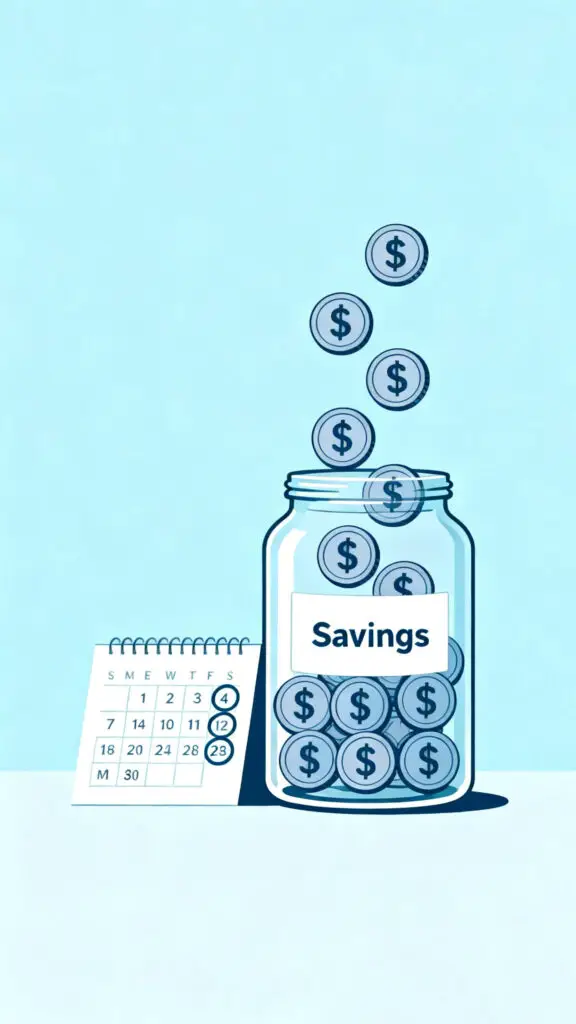
Once you have your total goal, you can divide it into biweekly amounts, and this can make everything feel much easier because you only need to focus on one step at a time. For example, if you want to save a certain amount over six months, you can split it into 12 parts, since there are about 12 biweekly periods in that time.
This way, you can clearly see what you need to save every two weeks, and it can help you stay organized. Smaller amounts can feel less stressful, and you can adjust them if something unexpected happens in your life.
4. Starting Small to Build Confidence
If saving feels new or difficult, you can start with a small amount, and this can help you build confidence without feeling pressured. You do not need to begin with a large number, because even a small amount can grow over time when you stay consistent.
Starting small can also help you understand your spending habits better, and you can slowly increase your savings once you feel more comfortable. This gentle start can make the process feel easier, and you can avoid giving up early because the plan feels too hard.
5. Creating a Simple Budget
A simple budget can help you see where your money is going, and it can make it easier to find small amounts that you can save every two weeks. You do not need a complicated system, because you can just write down your income and your main expenses, and then you can look for areas where you can cut back a little.
This can help you free up money for your savings plan, and you can feel more in control of your finances. When you understand your spending, saving can become a natural part of your routine instead of something that feels forced.
6. Using Automatic Transfers

You can make saving easier by setting up automatic transfers from your main account to your savings account every two weeks, and this can remove the need to remember or rely on motivation. When the money moves automatically, you can treat it like a fixed expense, and you can adjust your spending around what is left.
This can help you stay consistent without extra effort, and you can avoid the temptation to skip a payment. Over time, this simple step can make a big difference because it can turn saving into something that happens without much thought.
7. Cutting Small Daily Expenses
You can find extra money for your savings plan by looking at your daily habits, because small expenses can add up more than you might expect. Things like snacks, drinks, or small online purchases can slowly take away from your savings, and you can reduce them without feeling like you are missing out too much.
You do not need to cut everything, because even small changes can help you save more every two weeks. These little adjustments can make your savings plan easier to follow, and you can still enjoy your routine while being more mindful.
8. Using Extra Income Wisely
Whenever you receive extra money, like gifts, bonuses, or side income, you can choose to save a part of it, and this can help you reach your goal faster. You do not need to save all of it, because you can still enjoy some of it while putting a portion into your savings.
This approach can give your plan a boost, and it can make the process feel more rewarding. Extra income can come at unexpected times, and when you use it wisely, it can make a big difference without affecting your regular budget.
9. Tracking Your Progress Regularly
You can stay motivated by checking your savings progress every two weeks, because seeing your money grow can give you a sense of achievement. You can write down your savings or use a simple app, and this can help you stay aware of how far you have come.
When you track your progress, you can also notice if you are falling behind, and you can make small changes to stay on track. This habit can keep you focused, and it can make the journey feel more real and rewarding as time goes on.
10. Staying Flexible When Needed
Life can be unpredictable, and there may be times when you cannot save the planned amount, but this does not mean your plan has failed. You can adjust your savings for that period and try to make up for it later when things feel easier.
This flexibility can help you stay committed without feeling discouraged, because you are allowing yourself to adapt instead of giving up. A savings plan should fit your life, and when you stay flexible, you can continue moving forward even during difficult times.
11. Avoiding Unnecessary Debt
When you are following a savings plan, you can try to avoid taking on unnecessary debt, because it can make it harder to stay consistent. Borrowing money for things you do not really need can reduce the amount you can save, and it can add extra pressure to your finances.
You can focus on your priorities and spend carefully, and this can help you protect your savings. By being mindful of your choices, you can keep your plan on track and avoid setbacks that can slow your progress.
12. Staying Consistent Over Time
Consistency can be one of the most important parts of a biweekly savings plan, because small actions repeated over time can lead to meaningful results. You do not need to be perfect, because what matters is that you keep going even when things feel slow.
Saving every two weeks can become a habit, and once it feels normal, it can require less effort. This consistency can help you reach your goal, and it can also build a strong foundation for future financial habits.
13. Reviewing Your Plan at the End
At the end of six months, you can take some time to review your savings plan, and this can help you understand what worked well and what you can improve. You can look at your progress, your challenges, and your habits, and this can give you useful insights for the future.
This reflection can help you plan your next steps, whether you want to continue saving or adjust your goals. By learning from your experience, you can make your next plan even better and more suited to your needs.
Conclusion
A biweekly savings plan for six months can be a simple and practical way to build your savings without feeling overwhelmed, because it allows you to focus on small, manageable steps that can fit into your everyday life. You can adjust the plan to match your income, your routine, and your priorities, and this flexibility can help you stay consistent over time. As the weeks pass, you can begin to see your efforts turn into real results, and this can give you confidence in your ability to manage money. With patience and small efforts, you can create a habit that can benefit you long after these six months are over.
