
Saving money as a student can feel hard and overwhelming especially when there are multiple other expenses that demand your attention. Instead of spending aimlessly and finding yourself stuck by the end of each month, a smart and more logical approach is to save money so you can make things easier for yourself. You don’t need to be strict or perfect when it comes to saving, it is more about becoming aware of your spending habits or holding back on particular expenses that may put your entire budget off track. This article will help you explore ways to save money fast as a student, allowing you to enjoy your student while making smart money decisions that can help you both financially and mentally.
Track Every Dollar You Spend
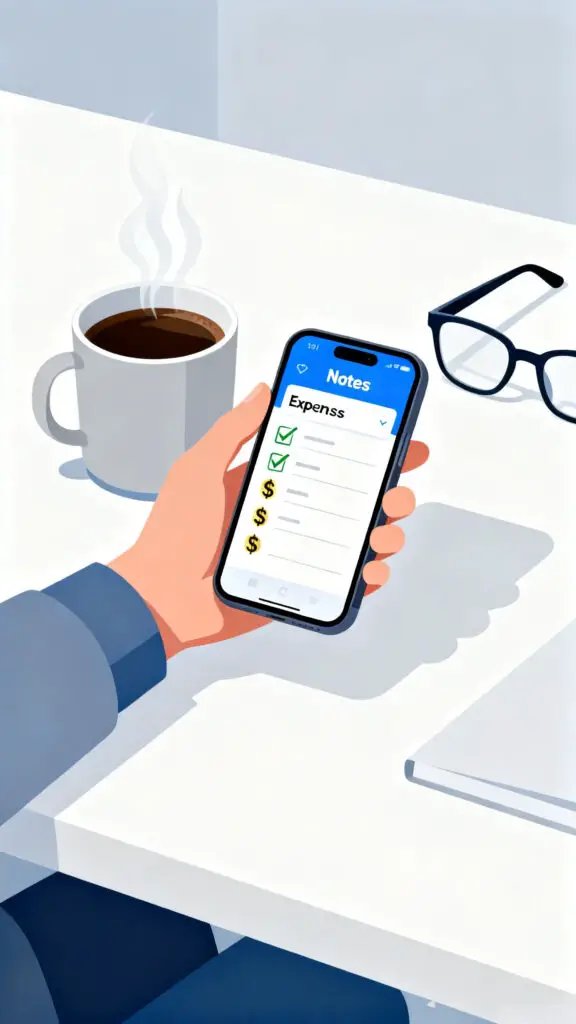
If you want to save money, the first and most important step is to track what you choose to spend on, understand where your money is going, and whether you need to make adjustments and modifications to your spending habits. You can use the notes app on your phone or something as simple as a notebook to keep track of how much you spend on your essential and non-essential expenses.
Instead of spending without direction and letting your expenses surprise you at the end of the month, this simple step allows you to take control over your money habits rather than letting the finances control you, allowing you to add small but helpful financial habits in your daily routine that can serve the future you as well.
Set a Small Savings Goal
Another important step when aiming to save money as a student is to set a small savings goal instead of starting with a big overwhelming figure that sounds like more of a distant dream. A smart approach is to have a clear figure in mind and save that small amount every month or divide it by 4 and save it every week, based solely on your convenience and affordability.
Over time, these small but meaningful funds can add up over time, creating something that can help you save money without having the whole process feel like a drag.
Cut Down on Eating Out
Nothing can affect your budget more than the unhealthy habit of relying on takeaways or dining out. Eating outside with your friends or ordering food may sound fun and easy in the moment, but it can quietly take away a huge portion of your income without you even realizing it.
Instead of spending money on dineouts or takeaways, you can try cooking more at home and start eating healthy, allowing you to not only save money but also learn better habits that can affect your financial life in ways you may not realize.
Use Public Transport or Walk
Transportation can take up a bigger part of your budget than you realize, especially when you rely on private rides or last minute options without thinking about cheaper alternatives. Instead of spending money on expensive travel choices every day, you can start using public transport like buses or shared rides, which can help you reduce your daily expenses in a simple way.
If the distance is not too far, you can even walk instead of spending money, which not only helps you save but also keeps you active and healthy. This small change may not feel like much at first, but it can slowly make a big difference in your overall spending, allowing you to save more money without making your routine feel difficult or restricted.
Avoid Impulse Buying
Impulse buying is one of the most common reasons why students struggle to save money, because it happens when you buy something without really thinking about whether you need it or not. Instead of making quick decisions when you see something attractive, you can take a step back and give yourself some time before you choose to spend your money on it.
You can create a simple habit where you wait for a day before buying anything that is not necessary, and this can help you realize that many things are not as important as they seemed in the moment. This small habit can help you control your spending better, allowing you to save money while still making smarter and more thoughtful choices.
Make a Simple Budget
Managing your money becomes much easier when you have a simple budget that helps you understand how much you can spend and how much you should save. Instead of spending randomly and hoping everything works out by the end of the month, you can divide your money into different parts like food, transport, personal needs, and savings.
You do not need to make it complicated, because even a basic plan can help you stay on track and avoid overspending in one area. This approach allows you to feel more in control of your finances, helping you build better money habits while making sure that your expenses do not go beyond what you can actually afford.
Limit Online Shopping
Online shopping can feel very easy and tempting, especially when you are just scrolling through apps without any real intention to buy something. Instead of opening shopping apps out of boredom and ending up spending money on things you do not really need, you can limit how often you browse these platforms and only use them when you actually have something specific to buy.
You can also remove saved cards or log out of apps to make buying less quick and automatic, which gives you more time to think before making a purchase. This small change can help you avoid unnecessary spending, allowing you to stay focused on your needs while saving more money over time.
Save Loose Change Daily
Saving money does not always have to be about big amounts, because even small savings can grow if you stay consistent with your habits. Instead of ignoring loose change or small notes, you can start putting them aside in a jar, box, or envelope at the end of each day without thinking too much about it.
This method feels easy because you are not putting pressure on yourself to save large amounts at once, and over time, these small contributions can turn into a useful amount of money. This habit allows you to build a simple saving routine, helping you collect money in a way that feels natural and manageable.
Find Student Discounts
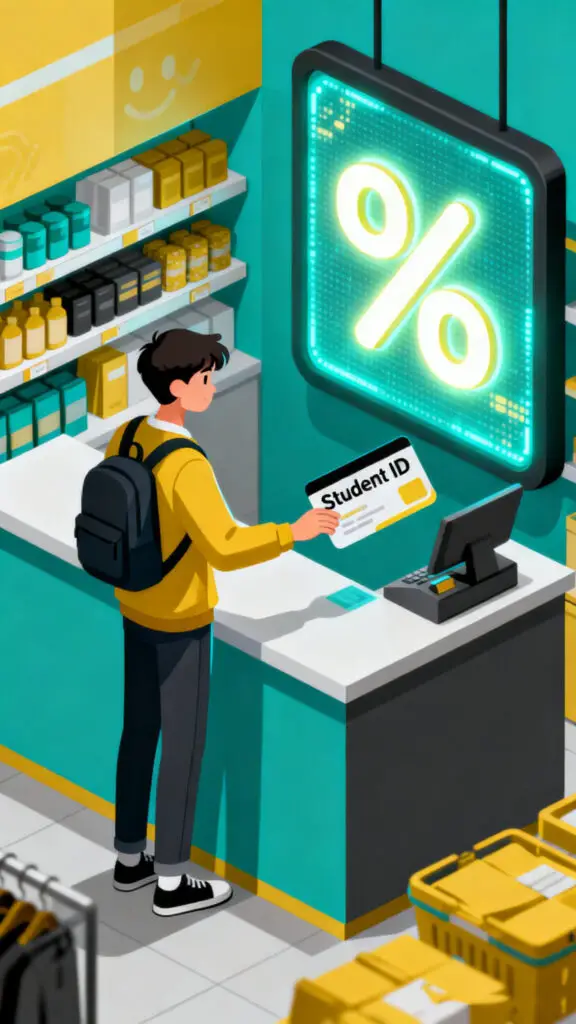
Many students miss out on saving money simply because they do not check if a discount is available before making a payment. Instead of paying full price every time, you can make it a habit to ask if there is a student discount or look for deals online before buying anything.
You can carry your student ID and use it whenever possible, because even small discounts can make a difference when they add up over time. This simple step does not require much effort, but it can help you reduce your spending in a smart way, allowing you to keep more money in your pocket without changing your lifestyle too much.
Reduce Subscription Costs
Subscriptions can slowly take away your money without you realizing it, especially when you are paying for services that you do not use regularly. Instead of keeping multiple subscriptions active without checking them, you can review what you are actually using and cancel anything that is not important.
You can also share subscriptions with friends or family to reduce the cost instead of paying the full amount on your own. This small adjustment can free up extra money that you can save instead, allowing you to manage your expenses better without feeling like you are missing out on anything important.
Start a Small Side Hustle
If you want to save money faster, you can try earning a little extra instead of only depending on the money you already have. Instead of waiting for your savings to grow slowly, you can look for simple ways to earn through small side work that fits your schedule.
You can try tutoring, freelancing, selling small items, or helping people with basic tasks, depending on what you are comfortable with. Even a small income can make a difference over time, allowing you to cover your expenses and save more money without putting too much pressure on yourself.
Conclusion
Saving money as a student does not mean that you have to stop enjoying your life or say no to everything that makes you happy, it simply means being more aware of your choices and learning how to manage your money in a better way. Instead of feeling stressed about saving large amounts, you can focus on small changes in your daily habits that can slowly make a difference over time. You can spend wisely, avoid unnecessary expenses, and make simple decisions that help you stay in control. By following these steps and staying consistent, you can build better money habits that not only help you now but also support you in the future.
