
Saving money in college can be stressful and exciting at the same time, especially when other expenses such as tuition, transportation, books, or food costs add up faster than expected. Instead of spending irresponsibly and finding yourself trapped at the end of each month, a smarter approach would be to save little amounts each month so you can save a meaningful amount later on. Many students enter college, thinking they will figure out money later, but learning how to save while studying can have a major positive impact on their future lives, helping them understand finances better. This article will help you explore ways to save money in college, allowing students to avoid unnecessary debt, adopt healthier financial habits, and reduce stress in the long term.

Create a Monthly Budget You Can Actually Follow
One of the best ways to save money in college is to create a monthly budget that suits you, your wallet, and lifestyle the best, and stick to it. You can consider the 50/30/20 rule where 50% of your budget is spent on needs including rent, groceries, transportation, 30% is assigned to wants, including shopping, takeouts, or small getaways, and lastly, 20% of your budget is set aside for savings.
Creating a budget plan can help you become aware of your spending habits, allowing you to make small modifications and adjustments wherever necessary. When students consistently track their spending, they usually become more careful with money without even forcing themselves to make major sacrifices.
Avoid Buying Brand-New Textbooks Every Semester
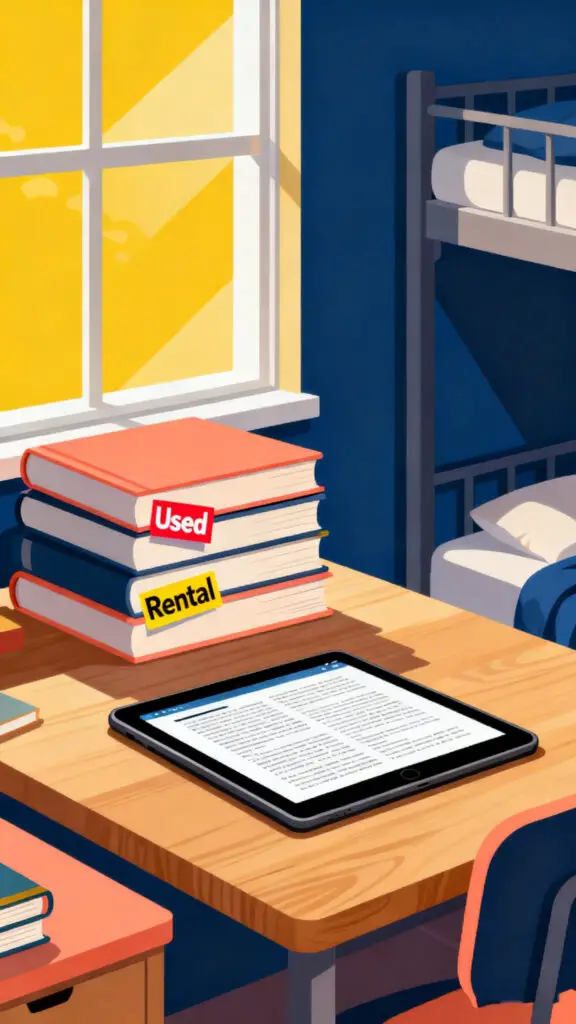
Textbooks can take away a major portion of your budget, especially when your professor requires expensive books that are barely used once the semester ends. Instead of immediately rushing to buy new books, a considerable and more logical approach is to rent books, purchase used copies, or borrow from the library.
This simple step can help you save hundreds or even thousands of dollars throughout your college years, making this one a must follow.
Cook Simple Meals Instead of Eating Out Constantly

Eating out constantly is one of the biggest hidden expenses for college students because ordering takeouts and buying fast food several times a week can affect your overall budget in ways you may never realize.
Instead of relying on dining outs and takeouts, a smarter approach is to cook simple meals at home that can help you save up a significant amount of money over time. Not only does this help you save money, it allows you to enhance your cooking skills, helping you eat healthy and nutritious food made at home.
Use Student Discounts Everywhere Possible
Many businesses often offer discounts, especially for students, yet countless college students forget to take advantage of them regularly. Whether it’s restaurants, streaming services, gym memberships, clothing stores, or transportation systems, saving up an amount by using these offers can help you redirect that same money towards something much more meaningful.
Before paying, make sure to ask if a student discount is available because many stores do not advertise them clearly. Not only does this help you save money, it allows you to enjoy yourself without cutting out all the fun and experiences that make college life memorable and enjoyable.
Stop Impulse Spending on Small Things
One of the biggest setbacks when it comes to saving money is spending impulsively on small things. Whether it’s new clothes, a streaming subscription, snacks, or trendy gadgets, shopping impulsively may feel like a necessity in the moment but later on, you may come to realize that you didn’t need the item as bad as you once thought.
A helpful habit that can allow you to deal with impulse shopping is to wait 48 hours before you make a purchase, giving yourself the time and space to rethink your decision to spend. In most cases, the urge to spend disappears, helping you save a significant amount.
Find Free Entertainment on Campus
Many college campuses offer free entertainment opportunities and activities that students often overlook while spending money elsewhere. Whether it’s movie nights, concerts, sports events, workshops, game nights, or club gatherings, participating in these activities can help students have fun without constantly spending money every weekend.
Instead of paying for expensive outings or unnecessary entertainment outside campus, a better approach would be to take advantage of the resources already available to students. Not only can this help you save money, but it also allows you to socialize, meet new people, and create memorable experiences throughout your college years.
Share Housing Costs Whenever Possible
Housing expenses are often one of the biggest financial burdens for college students, especially for those living off campus. Instead of renting an apartment alone, a more budget-friendly option would be to share your living space with roommates, helping you divide rent, utility bills, groceries, and internet expenses.
Living with roommates may require small compromises and adjustments, but the amount of money saved over time can make a significant difference financially. Students should also compare housing options carefully before signing leases because rushing into expensive housing arrangements can create unnecessary stress and financial pressure throughout the academic year.
Limit Expensive Coffee and Daily Treats
Buying coffee, bubble teas, snacks, or daily treats may sound nice at the moment but it can significantly affect your overall budget in ways you may not realize. Many college students spend on these “seemingly harmless” expenses because they may feel small and routine, but the truth is that these costs add up faster than you may realize, consuming hundreds of dollars every semester.
A smarter and more pocket-friendly approach is to make coffee and carry snacks from home, so you can save a large amount over time without requiring huge lifestyle changes. You don’t have to completely cut off these small treats, the catch is to become more thoughtful and make intentional decisions when it comes to your budget.
Buy Used Items Instead of New Ones
Instead of buying new items and affecting your overall budget, a much more considerable option is to buy used items that are still in good condition. Whether it’s furniture, electronics, clothes, school supplies, dorm decoration, or books, buying second hand items can help you save a significant amount.
You can purchase these items from thrift stores, online marketplaces, seniors graduating from college, or campus exchange groups and protect your budget. Not only does this help you save money, it also helps you in learning the importance of prioritizing value over wanting brand-new products, allowing you to become financially responsible and reducing unnecessary spending.
Use Public Transportation or Walk More Often
Transportation can become expensive especially when you constantly rely on transport apps, taxis, or personal cars for short distances. Moreover, additional expenses like gas, parking permits, repairs, or insurance can add to the financial pressure, urging students to look for more affordable and pocket-friendly options.
You can use public transportation, biking, or walking whenever possible and save money that can be directed towards something more meaningful. Some colleges also provide discounted transportation passes for students, allowing you to choose an option that suits you, your budget, and lifestyle the best.
Open a Savings Account and Build the Habit Early
Many students focus only on reducing their spending without actually building the habit of saving money consistently. Opening a savings account and regularly transferring even a small amount can help students develop financial discipline while preparing for emergencies or unexpected expenses in the future.
Saving small amounts may not seem meaningful at first, but over time, these savings can grow into a financial safety net that helps students feel more secure and independent. Having savings available can also prevent students from relying heavily on loans or borrowing money during difficult situations, allowing them to manage their finances with greater confidence throughout their college years.
Avoid Credit Card Debt Whenever Possible
Credit cards can seem extremely convenient for college students, but they can quickly become a financial burden if balances continue growing without proper repayment. Many students begin using credit cards casually for shopping, takeouts, or entertainment, forgetting that the money eventually needs to be repaid with additional interest charges.
Instead of relying heavily on credit cards, students should use them carefully for necessary purchases and try to pay off balances completely whenever possible. Avoiding unnecessary credit card debt during college can help students prevent long term financial stress after graduation, allowing them to build healthier spending habits and maintain better financial stability in the future.
Conclusion
Saving money in college does not mean giving up every enjoyable experience or living an extremely restrictive lifestyle because students can still create meaningful memories while being financially responsible. Small habits such as budgeting, avoiding impulse spending, cooking at home, and planning ahead can slowly make a major difference over time, helping students reduce financial stress and gain more control over their future. By making smarter financial decisions consistently, students can avoid unnecessary debt, develop healthier money management habits, and prepare themselves for greater financial stability after graduation.
