
The 50/30/20 rule is often shared as a simple way to manage money because it divides income into three clear parts that can feel easy to remember and follow without needing complicated planning or tools. Even though it sounds neat on paper, real life does not always follow a clean percentage and people can face very different situations that can make this rule feel either too tight or completely unrealistic. There are moments when sticking to it can actually slow you down or make you feel like you are doing something wrong, even when you are not. This article will help you understand when the 50/30/20 rule may not work, allowing you to build a system that fits your real life instead of forcing yourself into a fixed formula.
1. When Your Paycheck Barely Covers Basics
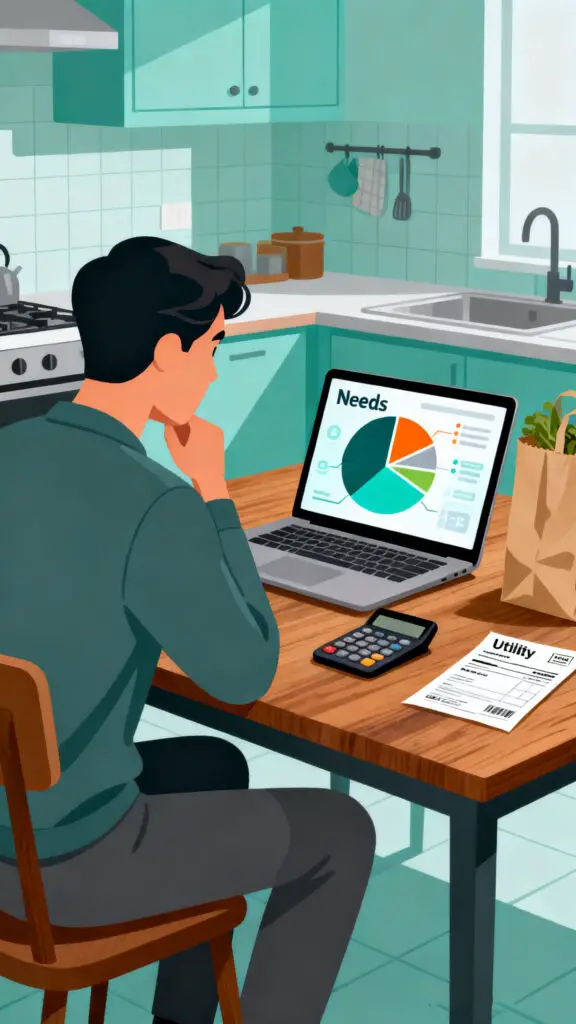
There are situations where your income can feel stretched before the month even properly begins, especially when rent, groceries, electricity, and transport already take up most of what you earn. In that kind of reality, trying to limit your “needs” to 50 percent can feel disconnected from how things actually work because your essentials can easily go far beyond that without any luxury involved.
Instead of trying to force savings or wants into strict percentages, you may find it more helpful to focus only on getting through the month safely and without stress. This shift can remove guilt from the process, allowing you to stabilize first and think about saving later when things improve.
2. When Debt Is Taking Over Your Budget
Debt can change everything about how your money behaves, because regular payments can quietly eat into your income and leave very little room for anything else. If you follow the 50/30/20 rule strictly, you might only set aside a small portion for debt repayment, which can drag the problem on for much longer than necessary.
In many cases, it can make more sense to direct extra money toward clearing that burden faster, even if it means cutting down on wants or temporary savings. This approach can feel more intense in the short term, but it can free you sooner, allowing you to rebuild your finances without constant pressure hanging over you.
3. When Living Costs Are Naturally High
Not every place costs the same to live in, and some cities or areas can demand higher rent, higher transport costs, and even more expensive groceries without offering much flexibility. In these situations, the idea that your needs should stay within half your income can feel unrealistic, because the environment itself can push your expenses up.
It is not a sign of poor money management, it is simply the reality of where you are living. Adjusting your budget to reflect actual costs can feel more honest and practical, allowing you to plan around real numbers instead of chasing percentages that do not match your surroundings.
4. When Your Income Changes Every Month

For people who freelance, run small businesses, or depend on irregular work, income can go up and down in ways that make fixed budgeting feel almost impossible. One month can feel comfortable, while the next can feel tight, which makes it hard to stick to the same percentages every time.
The 50/30/20 rule assumes consistency, but irregular earnings can break that assumption quickly. A more flexible approach can work better here, where you adjust based on what you actually earn each month, allowing you to save more when you can and hold back when needed without feeling like you are failing a system.
5. When You Are Chasing a Big Goal Quickly
Sometimes you may have a goal that feels urgent or important enough to deserve extra focus, like saving for education, a home, or starting something of your own. In these moments, saving only 20 percent can feel slow and even frustrating, especially if you are motivated to reach that goal sooner.
Increasing your savings rate beyond the usual rule can give you a stronger sense of progress, even if it means cutting down on wants more than usual. This kind of focused effort can feel more rewarding, allowing you to move faster toward something meaningful instead of spreading your money too thin.
6. When Family Responsibilities Come First
In many households, especially in places where family support is expected, your income may not fully belong to you alone. You might be contributing to household expenses, helping siblings, or supporting parents, and these responsibilities can take priority over personal budgeting rules.
The 50 percent limit on needs can quickly become unrealistic when you are covering more than just your own life. Instead of trying to separate everything strictly, you may need to build your budget around these responsibilities first, allowing you to fulfill them without constantly feeling like your finances are out of control.
7. When You Are Dealing With an Emergency
Emergencies do not wait for budgets to make sense, and they can completely shift your priorities in a very short time. Whether it is a health issue, sudden repair, or job loss, your focus can move toward survival rather than balance. During such times, the 50/30/20 rule can lose its importance, because your main goal becomes handling the situation in front of you.
You might spend more than planned or use savings you worked hard to build, and that is completely part of the process. Responding to the situation can matter more, allowing you to recover first and rebuild later.
8. When You Want to Save or Invest Much More
There are people who prefer to push their savings or investments much higher than the usual 20 percent, especially if they are thinking long term or aiming for financial independence. In such cases, the rule can feel limiting rather than helpful, because it keeps you within a lower saving range.
Choosing to save more aggressively can require cutting back on wants and even adjusting your lifestyle slightly. While it may not feel easy at first, it can build stronger results over time, allowing you to grow your money faster and create more options for your future.
9. When Your Lifestyle Is Already Very Simple
Some people naturally live in a way where their spending stays low without needing strict rules, and their needs can already fall far below the 50 percent mark. In that situation, the 50/30/20 rule can feel unnecessary because you are already saving more than it suggests without forcing yourself.
Instead of sticking to those fixed categories, you may benefit from focusing on where your extra money can go next, whether that means investing, building security, or exploring new opportunities. This freedom can help you make better use of your surplus, allowing you to grow beyond basic budgeting.
10. When Life Keeps Changing Around You
Life does not stay the same for long, and your financial situation can shift as you move through different stages like studying, working, getting married, or managing a household. Each phase can bring new expenses and priorities that may not fit neatly into the same percentages.
The 50/30/20 rule stays fixed, but your life does not, which can make it feel out of place at times. Being willing to adjust your plan as your situation changes can make things feel more manageable, allowing you to respond to your current needs instead of following something that no longer fits.
11. When Social and Cultural Costs Add Up
In many communities, there are expectations around events, gifts, gatherings, and celebrations that can quietly take up a noticeable part of your income. These expenses may not feel optional, even though they do not fall clearly under basic needs. The 50/30/20 rule does not always account for these kinds of realities, which can make your budget feel off balance.
Planning for them separately can make things easier to handle, allowing you to meet social expectations without constantly adjusting other parts of your budget in a stressful way.
12. When You Care More About Growing Money Than Saving It
Saving and investing are not always the same, and some people prefer to take a more active role in growing their money instead of just setting it aside. The 50/30/20 rule treats savings as a fixed portion, but it does not go deeper into how that money is used. If your focus is on building wealth, you might want to direct a larger share into investments or opportunities that can grow over time.
This shift in thinking can change how you plan your money, allowing you to focus more on long term growth rather than simple saving.
Conclusion
The 50/30/20 rule can work well as a starting point, but it is not something that needs to be followed strictly in every situation, because people’s lives, incomes, and responsibilities can be very different from one another. There can be times when it fits nicely, and other times when it can feel forced or even unhelpful. Instead of trying to follow it perfectly, you can treat it as a loose guide and adjust it based on what your life actually looks like. This approach can give you more control and less pressure, allowing you to manage your money in a way that feels natural and realistic.
