• Skip to primary navigation
  • Skip to main content

Just Start Investing

We Make Investing Easy

  • Investing
    • Learn About Investing:
    • Investment Accounts
    • Online Brokerage Accounts
    • Investment Vehicles
    • Start Investing:
    • How to Invest in Index Funds
    • Start Investing with Betterment
    • Start Investing with Charles Schwab
  • Banking
    • Best Bank Accounts
    • Types of Bank Accounts:
    • Checking Accounts
    • Savings Accounts
    • CDs and Money Market Accounts
    • Online Banks vs Brick-and-Mortar
  • Credit Cards
    • Best Credit Cards:
    • Best Cash Back Credit Cards
    • Best No Annual Fee Credit Cards of 2021
    • Best Premium Credit Cards of 2021
    • Credit Card Tool: Find the Best Credit Card for Me
    • Learn About Credit Cards:
    • Types of Credit Cards
  • Blog
    • Investing
      • What is Crypto?
        • Crypto
      • What are stocks?
        • Stocks
      • What is a Real Estate Investment?
        • Real Estate Investments
      • What is an IPO?
        • IPO
    • Banking
    • Credit Cards
    • Budget
    • Finances
  • Earn with Crypto
  • Budget
    • How to Build a Budget
    • 24 Tips to Save More Money
  • Resources
  • About
    • Contact
    • Press
    • Learn More
    • Disclaimers
  • Show Search
Hide Search

Blog

How To Stop Calls From Covington Credit?

February 27, 2024 By Kevin Keenan

To stop calls from covington credit, send them a cease and desist letter or seek assistance from an FDCPA attorney.

Are you receiving calls from Covington Credit and wondering why they are on your credit report?

We will dive into understanding Covington Credit, including whether they are a debt collection agency and who they collect for.

Explore the impact Covington Credit can have on your credit score and find tips on dealing with their calls.

Learn how to remove Covington Credit from your credit report and empower yourself financially by knowing your rights and options.

Stay tuned for valuable resources and steps to take action today.

Key Takeaways:

  • Understand why Covington Credit is on your credit report and if they are a debt collection agency.
  • Covington Credit can negatively impact your credit score, but there are ways to stop their calls and remove them from your report.
  • Take action by knowing your rights when dealing with Covington Credit, seeking help and utilizing resources.

Understanding Covington Credit

How To Stop calls from covington credit

Covington Credit, a debt collection company, plays a significant role in the credit report ecosystem by managing debts on behalf of creditors.

Founded in 1991, Covington Credit has established itself as a reputable agency that specializes in collecting overdue debts from individuals who have fallen behind on payments.

Through their expertise and resources, Covington Credit works directly with creditors to recover outstanding balances, ensuring that debts are settled and payments are made. This not only benefits creditors by helping them recoup money owed to them, but it also impacts individuals’ credit reports.

When debts are successfully managed and resolved by Covington Credit, it can lead to improved credit scores and financial stability for debtors.

What is Covington Credit and why are they on your credit report?

Covington Credit is a debt collection company that appears on your credit report due to its role in managing and collecting outstanding debts on behalf of creditors.

When a consumer falls behind on payments to a creditor, the creditor may enlist a debt collector like Covington Credit to help recover the owed amount.

Debt collectors act as intermediaries between the creditor and the debtor, facilitating communication and attempting to secure payment on the overdue account.

By showing up on your credit report, Covington Credit signifies to other creditors and lenders that you have had past issues with debt repayment. This transparency is crucial for assessing a person’s creditworthiness and can impact future loan approvals and interest rates.

Is Covington Credit a debt collection agency?

Yes, Covington Credit is a legitimate debt collection agency that specializes in managing and collecting overdue debts on behalf of creditors.

Established with a strong commitment to ethical practices, Covington Credit has earned a reputation for its professionalism and adherence to industry standards.

As a legitimate player in the debt collection agency landscape, Covington Credit ensures that all interactions with debtors are conducted with respect and in compliance with regulations.

Their approach is not only effective in recovering outstanding debts but also prioritizes maintaining positive relationships between creditors and debtors.

Covington Credit’s dedication to transparency and fairness sets it apart as a trusted partner for creditors seeking assistance in managing delinquent accounts.

Who does Covington Credit collect for?

Covington Credit primarily collects debts for various creditors who have authorized the company to pursue outstanding payments on their behalf.

The collaborative nature of debt collection often involves a symbiotic relationship between the debt collector and creditors.

Debt collection partnerships require transparent communication channels, where both parties work together to ensure fair and ethical practices in the debt recovery process.

By representing the clients and creditors effectively, Covington Credit maintains a reputation for professionalism and efficiency in handling debt collection activities.

This collaborative approach helps in streamlining the debt collection process and facilitates smoother communication and resolution of outstanding debts.

Impact on Credit Score

Covington Credit’s actions can have a significant impact on your credit score, especially if payment issues or accounts in collections are involved.

Payment history is a critical factor in determining your credit score. If Covington Credit reports consistent on-time payments, it can positively impact your score. If payments are missed or late, it can result in a negative effect.

Accounts in collections can severely damage your credit score. When Covington Credit places an account with a collection agency, it shows that the debt has not been paid and can stay on your credit report for seven years.

Managing these collections accounts properly by negotiating settlements or payment plans can help minimize the impact on your score.

Does Covington Credit negatively affect your credit score?

Covington Credit’s involvement can lead to negative impacts on your credit score, particularly if there are errors in reporting or delays in account resolutions.

When errors are present in your credit report due to Covington Credit’s actions, it can hinder your credit repair efforts and make it challenging to rectify inaccuracies swiftly. These errors might result in lower credit scores, as timely corrections are crucial for maintaining a healthy credit profile.

Delays in resolving account discrepancies caused by Covington Credit can lead to prolonged negative impacts on your credit standing, affecting your ability to access favorable loan terms or credit opportunities. It is essential to stay vigilant and promptly address any issues that arise, working towards maintaining an accurate credit report and a positive credit score.

Dealing with Covington Credit Calls
stop calls from covington credit

When facing incessant calls from Covington Credit, understanding your rights and options can help mitigate harassment and address unwanted phone call issues.

In dealing with persistent calls from Covington Credit, it is crucial to be aware of the protections afforded to you under consumer laws.

One effective strategy is to send a cease and desist notice, informing the company to stop contacting you.

Documenting each call, including the date and time, can serve as evidence in case further action is necessary.

Remember that you have the right to request the company to cease all communications with you, and if the calls persist, consider seeking legal advice to explore options for filing a formal complaint or pursuing legal action.

Reasons for receiving calls from Covington Credit

Calls from Covington Credit may occur due to debt validation processes, legal obligations under the Fair Debt Collection Practices Act, or the need for sharing essential information regarding debts.

When Covington Credit contacts individuals, it is often to ensure the accuracy and validity of the debt validation process. This involves confirming details related to outstanding debts to safeguard both the consumer and the debt collector in compliance with the FDCPA.

These calls serve as a means of informing consumers about their rights, obligations, and any necessary steps to take regarding their outstanding debts, creating an open and transparent dialogue between the parties involved.

Ways to get Covington Credit to stop calling

To cease unwanted calls from Covington Credit, sending a cease and desist notice or seeking assistance from an FDCPA attorney to address potential monetary damages can be effective strategies.

When dealing with persistent unwanted calls, it is crucial to understand your rights and the options available to protect yourself. Some individuals may also opt to engage legal representation to handle the situation more effectively.

Along with sending a cease and desist notice, documenting each call received from Covington Credit can help support any legal action taken in the future. Individuals who have experienced harassment or abuse through these calls might consider filing a complaint with the Consumer Financial Protection Bureau for additional support.

Will Covington Credit resort to legal actions like suing or garnishing wages?

Covington Credit may escalate to legal actions such as lawsuits or wage garnishments if debt settlement attempts fail or in cases of potential illegal actions by creditors.

When faced with persistent challenges in debt settlement negotiations, Covington Credit may resort to filing a lawsuit against the debtor to recover the outstanding amount.

In cases where creditors engage in unethical or illegal actions during debt collection, Covington Credit has the option to pursue legal actions as a means of protecting consumer rights.

This may involve seeking court orders for wage garnishments, wherein a portion of the debtor’s salary is withheld to meet the debt obligations.

These measures are taken to enforce compliance with repayment agreements and ensure fair treatment in debt collection processes.

Removing Covington Credit from Your Report
Removing Covington Credit from Your Report

Eliminating Covington Credit from your credit report involves engaging with credit bureaus, addressing delinquent debt issues, and sending formal debt validation letters when necessary.

When starting this process, it is crucial to first request your credit report from the three major credit bureaus: Equifax, Experian, and TransUnion.

Carefully review the information related to Covington Credit on each report. If there are inaccuracies or fraudulent entries, you should dispute these with the respective credit bureaus.

In cases where there are legitimate debts owed to Covington Credit, it’s essential to determine the status of these debts and work towards resolving them. This may involve negotiating a settlement or payment plan with Covington Credit directly.

How to remove Covington Credit from your credit report?

Removing Covington Credit from your credit report may involve negotiating pay-for-delete agreements, submitting dispute claims to credit bureaus, and verifying debts through the debt validation process.

Pay-for-delete negotiations entail directly working with Covington Credit to settle outstanding debts with the agreement that they will remove negative entries from your credit report upon payment.

Dispute filings with credit bureaus involve formally challenging any inaccurate or incomplete information related to Covington Credit on your credit report, prompting an investigation by the bureau to verify and correct the data.

Debt validation requests are crucial as they require Covington Credit to provide proof that the debt is valid and that they have the right to collect it, ensuring accuracy and legality in the reporting process.

Options to consider: pay for delete, negotiate a settlement, or goodwill removal

When addressing Covington Credit entries, exploring options like pay-for-delete arrangements, settling debts, or requesting goodwill removals can help in improving your credit profile.

Settlement negotiations can be a viable option for managing Covington Credit entries. By negotiating a reduced payoff amount with the creditor, you can satisfy the debt and potentially have it reported more favorably on your credit report.

Goodwill removal requests involve writing goodwill letters to the creditor, appealing for the removal of negative entries out of goodwill.

Considering pay-for-delete agreements, where you pay the creditor to remove the entry from your credit report entirely, can also be an effective strategy for enhancing your credit profile.

Understanding Rights and Options

Understanding your rights under the Fair Credit Reporting Act when dealing with Covington Credit is crucial for safeguarding consumer protection and maintaining accurate credit information.

In terms of Covington Credit, being aware of how the Fair Credit Reporting Act (FCRA) intersects with your credit dealings can greatly impact your financial well-being.

The FCRA ensures that the information reported by Covington Credit and other credit bureaus is accurate, fair, and private.

Familiarizing yourself with these laws give the power tos you to dispute any inaccuracies on your credit report promptly, which in turn can affect your credit score and financial opportunities. Thus, staying informed about your rights under the FCRA is vital for protecting your consumer rights and financial health.

Know your rights when dealing with Covington Credit

Being informed about your rights when engaging with Covington Credit ensures consumer protection and give the power tos individuals in their interactions with creditors and debt collection agencies.

One of the fundamental consumer protection principles is the right to transparency in debt collection practices.

As a consumer, you have the right to be informed about the validity of the debt, receive clear communication regarding repayment terms, and dispute any inaccuracies in the information provided.

Creditors, including Covington Credit, are obligated to adhere to regulations such as the Fair Debt Collection Practices Act, which governs how they can interact with debtors. This legislation prohibits abusive or deceptive practices and outlines standards for ethical debt collection.

Debt collection agencies play a vital role in the process between creditors and debtors. These agencies are tasked with pursuing unpaid debts on behalf of creditors but must also abide by regulations ensuring fair treatment of consumers.

Additional Resources

Exploring additional resources related to Covington Credit, such as Better Business Bureau reviews, insights on Heights Finance, and information on Curo Group Holdings, can provide valuable assistance in managing debt-related concerns.

By diving into the Better Business Bureau evaluations , individuals can gain insights into the reputation and customer satisfaction levels associated with Covington Credit, aiding in making informed financial decisions.

Understanding the services offered by established financial institutions like Heights Finance can provide alternative solutions for debt management.

Exploring the background and industry presence of Curo Group Holdings offers a broader perspective on the financial landscape, potentially offering valuable industry insights and strategic direction for borrowers.”

Seeking help with Covington Credit

When in need of assistance with Covington Credit matters, seeking guidance from Better Business Bureau reports or leveraging services like MyMoneyToGo can offer valuable support and insights.

Checking out the latest reports from the Better Business Bureau can provide you with vital information regarding Covington Credit, including customer reviews, complaints, and overall business practices. This resource serves as a trustworthy platform to gauge the reputation and reliability of financial institutions.

Services like MyMoneyToGo specialize in connecting individuals with tailored financial solutions and support services to address their specific needs.

By using such advisory platforms, you open up avenues for personalized assistance and guidance to navigate the complexities of financial issues.

Reviews and complaints about Covington Credit

BBB customer reviews

Accessing reviews and complaints regarding Covington Credit on platforms like the Better Business Bureau can provide valuable insights into customer experiences and service quality.

By diving into customer feedback, individuals can uncover common themes among complaints, allowing them to gauge the overall satisfaction level of clients.

Using platforms such as the Better Business Bureau aids in understanding the specific pain points that customers encounter, helping identify areas for improvement within Covington Credit’s service delivery.

Assessing reviews also assists in recognizing commendable aspects of the company that contribute to positive customer experiences, guiding potential clients in making informed decisions about engaging with the business.

This will also help you if you are getting calls from GLA Collections and want to stop their calls?

Locating Covington Credit’s phone number and login information

Finding Covington Credit’s phone number or login details can facilitate direct communication and access to account information for effective resolution of debt-related queries.

To get in touch with Covington Credit customer service and obtain their contact information, individuals can visit the official website where they typically provide a dedicated ‘Contact Us’ section.

Here, users can find the necessary phone numbers to reach out for assistance with debt issues or account-related queries.

For those who prefer online account access, navigating to the login page on the website using secure credentials can enable seamless communication with representatives for personalized support.

Steps for a goodwill letter for collection/charge-off removal

Crafting a goodwill letter to request Covington Credit’s collection or charge-off removal from credit bureaus can be a strategic step towards improving your credit profile.

When composing this document, it’s crucial to address it to the right department within Covington Credit and ensure it includes a clear explanation of the circumstances surrounding the negative entries.

Detailing any extenuating circumstances that led to the missed payments or collections can significantly strengthen your case.

Expressing genuine remorse and a commitment to better financial responsibility can go a long way in convincing Covington Credit to consider removing the negative items from your credit reports.

Remember, the goal is to evoke empathy and understanding from the creditor, ultimately leading to a more positive credit report for you.

Empowering yourself financially by taking action today

Taking proactive steps today to address Covington Credit’s involvement can lead to financial give the power toment, improved interactions with debt collectors, and enhanced credit score management.

By managing your relationship with Covington Credit effectively, you open doors to a more stable financial future.

Through strategic communication and negotiation, you can navigate debt situations with confidence, paving the way for improved credit scores and comprehensive financial health.

Empowering yourself with the right tools and knowledge to handle debt is a crucial step towards achieving financial stability. Utilizing debt resolution strategies and establishing healthy credit habits are key ingredients in this process.

You should also check our article on How To Stop Calls From 18003907584, if you keep getting debt collection agency calls and want to stop them.

Frequently Asked Questions

How To Stop Calls From Covington Credit?

How can I stop receiving calls from Covington Credit? To stop calls from Covington Credit, you can add your number to the National Do Not Call Registry or contact Covington Credit directly to request to be removed from their call list.

Why Does Covington Credit Call?

Why am I receiving calls from Covington Credit? Covington Credit may be calling to offer you a loan or other financial services. They may also be attempting to collect on a past due account.

Can I Block Calls From Covington Credit?

Is it possible to block calls from Covington Credit? Yes, you can block calls from Covington Credit by adding their number to your phone’s block list or by using a call-blocking app.

What Steps Should I Take To Stop Calls From Covington Credit?

What should I do to stop calls from Covington Credit? You can take several steps to stop calls from Covington Credit, including registering your number on the National Do Not Call Registry and requesting to be removed from their call list.

How Often Can I Expect Calls From Covington Credit?

How frequently will Covington Credit call me? The frequency of calls from Covington Credit may vary. They may call multiple times a week or only on occasion, depending on their business needs.

What Happens If I Ignore Calls From Covington Credit?

What are the consequences of ignoring calls from Covington Credit? Ignoring calls from Covington Credit may result in missed communication about your account or potential offers and promotions. However, if you do not wish to receive calls from them, you have the right to request to be removed from their call list.
How To Stop Calls From 18003907584?

February 27, 2024 By Kevin Keenan

To stop calls from 18003907584, Enhanced Recovery Company, you can use Call Blocking Resources or Debt Validation Letter to verify the debt.

Are you tired of constantly receiving unwanted calls, especially from numbers you don’t recognize like 1-800-390-7584?

In this article, we will delve into understanding the caller, Enhanced Recovery Company, and explore various options to stop calls from this number.

We will discuss the effectiveness of avoiding Enhanced Recovery Company, legal steps to stop unwanted calls, utilizing call blocking resources, and the importance of the National Do Not Call List.

We will cover topics such as dealing with robocalls, preventing call spoofing, settling debt issues with Enhanced Recovery Company, and alternative solutions for debt collection cases.

Whether you are facing a summons for debt collection or simply want to beat credit card companies, this article provides valuable insights and strategies to help you deal with unwanted calls effectively.

Key Takeaways:

  • Receiving unknown calls can be frustrating and may be from Enhanced Recovery (1-800-390-7584).
  • Legal steps and call blocking resources can help stop unwanted calls.

Dealing with Unwanted Calls

stop calls from 18003907584

Receiving unwanted calls can be frustrating and disruptive, especially when they come from unknown numbers. These calls could be from various sources such as spammers or debt collectors, impacting consumer peace of mind and privacy.

Such unwanted calls often lead to feelings of intrusion and annoyance among individuals, disrupting their daily activities and causing unnecessary stress. Consumers find it challenging to distinguish legitimate calls from fraudulent ones, risking potential scams and deceit.

To combat this issue, call blocking features and caller ID services have become essential tools for consumers. By utilizing these solutions, individuals can filter out unwanted calls, safeguard their personal information, and regain control over their communication channels.

Understanding the Caller: Enhanced Recovery Company

When encountering calls from Enhanced Recovery Company, it is essential to understand their role as a debt collection agency and the legal boundaries within which they operate.

As a debt collection agency, Enhanced Recovery Company works on behalf of creditors to collect outstanding debts from individuals. They are required to adhere to strict guidelines outlined by the Fair Debt Collection Practices Act (FDCPA), which prohibits abusive, unfair, or deceptive practices in the collection of debts.

Consumers may receive various types of calls from Enhanced Recovery Company, including reminders about overdue payments, notifications of outstanding balances, and discussions on potential repayment options. It is crucial for individuals to verify the legitimacy of these calls by requesting written validation of the debt and confirming details before providing any personal or financial information.

Options to Stop Calls from 1-800-390-7584

If you are receiving persistent calls from 1-800-390-7584, exploring options for call blocking and filing complaints with the relevant authorities can help mitigate the unwanted disruptions.

One effective step to stop calls from specific numbers like 1-800-390-7584 is to utilize call blocking features available on most smartphones. By adding the number to your block list, you can prevent further calls from reaching your device.

Consider reaching out to your phone service provider to inquire about additional call blocking services they may offer. These services can often provide more advanced options for handling unwanted calls effectively.

Reporting such persistent unwanted calls to the FCC is crucial. By sharing details of the calls, including the number, time, and frequency, you contribute to efforts in taking legal actions against violators of communication regulations.

Effectiveness of Avoiding Enhanced Recovery Company

Avoiding interactions with Enhanced Recovery Company can be a proactive strategy to reduce unwanted debt-related calls and ensure compliance with FCC rules regarding consumer communications.

By steering clear of engagements with collection agencies like Enhanced Recovery Company, individuals can safeguard themselves from the stress of persistent phone calls related to debts.

This approach not only helps in maintaining peace of mind but also plays a crucial role in adhering to the regulations set forth by the Federal Communications Commission.

Minimizing interactions with debt collectors also aligns with the growing trend of utilizing advanced call blocking technologies to effectively manage and filter out unwanted calls.

Such technologies give the power to individuals to take control of their communication preferences and mitigate consumer complaints associated with debt collection practices.

Legal Steps to Stop Unwanted Calls

Consumers have legal rights under FCC regulations to address unwanted calls, including taking steps to revoke consent for such calls and seeking recourse in cases of harassment or legal violations.

Screenshot 2024 02 20 at 6.33.45 PM

One avenue available to consumers is to register their phone number on the National Do Not Call Registry, which prohibits telemarketers from calling registered numbers.

By doing so, individuals can significantly reduce the volume of unwanted calls they receive. Individuals can file complaints with the FCC for unsolicited calls despite being on the Do Not Call list.

However, it is crucial to remember that companies must have prior express consent to make autodialed calls, and consumers have the right to revoke this consent at any time. Failure to respect these rules can result in significant consequences for companies, including fines and legal actions.

Use Call Blocking Resources

Harnessing call blocking resources provided by FCC initiatives and consumer guides can give the power to individuals to effectively manage and reduce the impact of unwanted calls on their daily lives.

Consumers have a variety of tools at their disposal to combat unwanted calls, such as call blocking apps, built-in smartphone features, and services offered by telecommunications companies.

The FCC’s efforts like the creation of the National Do Not Call Registry have been instrumental in curbing illegal robocalls. Reputable consumer guides also provide comprehensive information on call blocking options, helping users make informed decisions.

Utilizing gateway providers can offer advanced call protection features and customizable settings for a more tailored call blocking experience, enhancing overall efficiency and security.

Importance of the National Do Not Call List

Enrolling in the National Do Not Call List maintained by the FTC is a crucial step in reducing unsolicited telemarketing calls and text messages, safeguarding consumer privacy and preferences.

For wireless phone users, this registry serves as a shield against unwanted disruptions, ensuring a more peaceful communication environment.

By gaining consumer consent and respecting their preferences, companies uphold ethical standards and foster stronger customer relationships.

Dealing with Robocalls and Robotexts

Navigating the challenges posed by robocalls and robotexts requires a combination of consumer vigilance, effective complaint reporting, and utilization of call blocking tools endorsed by regulatory bodies like the FTC.

Robocalls and robotexts have become an increasingly prevalent nuisance in the digital age, inundating phone lines and devices with unsolicited automated messages. Consumer complaints play a crucial role in combating these intrusive practices, as they provide regulatory authorities with valuable data to identify and take action against offenders.

Leveraging resources provided by the FTC can significantly enhance consumer protection. The FTC offers a robust platform for individuals to report unwanted calls and texts, not only raising awareness but also enabling regulatory initiatives. Approved call blocking tools, recommended by the FTC, give the power to consumers to proactively filter and block suspicious communications, safeguarding privacy and preventing potential scams.

Preventing Call Spoofing

Mitigating call spoofing tactics through enhanced caller ID verification and awareness of one’s communication rights can fortify consumer defenses against deceptive practices aimed at manipulating phone interactions.

Call spoofing, a malicious practice where scammers manipulate caller ID information to appear as someone else, can lead to various fraudulent activities such as phishing scams or identity theft. By implementing stringent caller ID authentication protocols, service providers can help identify and block spoofed calls before they reach consumers.

Consumers should also exercise caution when sharing personal information over the phone, especially if the caller’s identity seems suspicious. Verifying the caller’s legitimacy through an official contact number or website can provide essential validation and prevent falling victim to potential scams.

Political Calls and Texts: Regulations and Exemptions

Understanding the regulations governing political calls and texts, including exemptions for certain categories, is essential for consumers, particularly in the context of wireless phone usage and FCC compliance.

Political communication activities, such as campaign calls and messages, are subject to strict guidelines to protect consumers from unwanted solicitations and ensure transparency in messaging.

Exemptions exist for certain types of organizations, such as those conducting surveys, political polls, or informational messages.

For wireless phone users, these rules offer protection against unsolicited political content and enable them to control the communications they receive.

The FCC plays a crucial role in upholding these regulations, monitoring compliance, and taking enforcement actions when necessary to safeguard consumer rights.

Settling Debt Issues with Enhanced Recovery Company

Resolving debt matters with Enhanced Recovery Company necessitates a comprehensive understanding of debt settlement options, safeguarding against potential scams, and managing financial obligations through secure electronic payment methods.

When dealing with debt settlement processes involving Enhanced Recovery Company, it is crucial to keep thorough documentation of any communication and transactions.

Always verify the authenticity of payment demands and confirm the accuracy of the outstanding amount.

It is vital to monitor your credit reports regularly to ensure that accurate information is being reported.

Understanding and leveraging consumer protection laws such as the Fair Debt Collection Practices Act (FDCPA), Electronic Fund Transfer Act (EFTA), and Fair Credit Reporting Act (FCRA) can provide added protection and guidance throughout the debt resolution journey.

Responding to a Summons for Debt Collection

Crafting an appropriate response to a debt collection summons requires a strategic approach focused on debt settlement negotiations, protecting credit reports, and asserting consumer rights in cases of harassment or unfair practices.

When facing a debt collection summons, it’s crucial to understand your rights and options. Begin by reviewing the details of the summons thoroughly, ensuring that you have a clear understanding of the alleged debt and the procedures involved.

Negotiating debt settlements can often lead to a more manageable repayment plan, potentially avoiding legal battles and preserving your credit score. It’s advisable to communicate with the debt collection agency or creditor to discuss repayment terms that work for both parties.

Guides on Dealing with Debt Collectors

Accessing comprehensive guides for interacting with debt collectors give the power to consumers with knowledge on their rights, effective communication strategies, and compliance with legal frameworks such as FDCPA and FCRA.

Understanding your rights when dealing with debt collectors can help you navigate through challenging financial situations with confidence.

By being aware of permissible debt collection practices outlined in laws like the Fair Debt Collection Practices Act (FDCPA) and Fair Credit Reporting Act (FCRA), consumers can protect themselves from abusive tactics and unfair treatment.

Effective communication skills play a crucial role in asserting your rights and negotiating manageable repayment plans with collectors.

Consistent, clear, and concise communication can lead to mutually beneficial resolutions and prevent misunderstandings that may exacerbate the debt collection process.

Community Support for Debt Collection Challenges

Engaging with community support networks can offer valuable assistance to individuals facing debt collection challenges, fostering communication, sharing experiences, and providing solidarity in cases of harassment or disputes.

Being part of a community support system allows you to connect with others who have gone through similar situations, creating a sense of belonging and understanding.

Through these networks, individuals can gain access to valuable resources, information, and guidance to navigate the complexities of debt collection processes.

Effective communication channels within these groups facilitate the exchange of strategies and solutions, give the power toing members to deal with creditors, negotiate payment plans, or seek legal advice.

The mutual aid and encouragement found in these support systems can significantly reduce feelings of isolation and stress commonly associated with financial burdens.

Beating Credit Card Companies: Strategies and Tips

Developing effective strategies to navigate credit card company interactions involves understanding credit reports, leveraging secure electronic payment methods, asserting consumer rights, and exploring debt settlement options in compliance with FDCPA regulations.

Understanding your credit report is essential to identify errors that could affect your creditworthiness negatively. By regularly checking your credit report, you can catch any inaccuracies early and take swift action to rectify them.

Optimizing payment practices by using secure methods like encrypted online transactions or chip-enabled cards can safeguard your financial information from potential fraudsters.

Staying informed about your consumer rights give the power tos you to challenge unfair practices by credit card companies, such as unauthorized charges or deceptive marketing tactics, by seeking assistance from regulatory bodies or consumer protection agencies.

Engaging in debt settlement negotiations within the boundaries set by the FDCPA ensures that you pursue debt relief options ethically and legally, avoiding any potential harassment or unlawful practices during the settlement process.

You must read our guide on How To Stop Calls From Covington Credit, if you are getting calls from many different numbers for debt collection.

Additional Resources for Dealing with Unwanted Calls

Accessing supplementary resources for managing unwanted calls, including verified call blocking tools and consumer protection guidelines from regulatory bodies like the FTC and FCC, enhances consumer defenses against intrusive communication practices.

One of the primary resources available to consumers is the National Do Not Call Registry, maintained by the FTC, which allows individuals to register their phone numbers to avoid telemarketing calls. Utilizing call blocking apps and services can help filter out spam calls and potential scams.

Staying informed about recent updates in regulations set forth by the FCC can also give the power to consumers to recognize and report illegal robocalls, further safeguarding their privacy and financial security.

Legal Protection Through Debt Validation Letter

Leveraging the legal safeguards provided by debt validation letters give the power tos consumers to assert their rights, challenge debt collector claims, and seek validation of debts in compliance with consumer protection statutes like FDCPA and FCRA.

Debt validation letters play a crucial role in ensuring transparency and accuracy in debt collection processes. By sending a debt validation letter, consumers can request detailed information regarding the alleged debt, such as the original creditor, amount owed, and validation of ownership rights.

This process helps consumers verify the legitimacy of the debt and identify any potential errors or discrepancies.

Debt validation letters serve as a protective shield against unlawful debt collection practices, preventing harassment and undue pressure from aggressive collectors.

If you are getting calls from 2023679070, here’s our guide on how to stop calls from 2023679070.

Frequently Asked Questions

Why am I receiving calls from 18003907584?

The number 18003907584 belongs to Enhanced Recovery, a debt collection agency. They may be trying to contact you regarding an unpaid debt.

How can I stop calls from 18003907584?

You can stop calls from 18003907584 by requesting that they stop contacting you. You can also block the number on your phone or report it to the National Do Not Call Registry.

Can I block 18003907584 from calling me?

Yes, you can block 18003907584 from calling you by using the call blocking feature on your phone. You can also contact your phone carrier to see if they offer a service for blocking specific numbers.

What should I do if I don’t owe any debt and still receive calls from 18003907584?

If you don’t have any unpaid debt and are still receiving calls from 18003907584, you should contact Enhanced Recovery and inform them of the mistake. You can also file a complaint with the Consumer Financial Protection Bureau.

Is it safe to answer calls from 18003907584?

It is generally safe to answer calls from 18003907584, as it is a legitimate debt collection agency. However, if you are unsure or uncomfortable, you can choose not to answer the call.

Are there any other steps I can take to stop calls from 18003907584?

You can also register your phone number on the National Do Not Call Registry to stop telemarketing calls. Additionally, you can ask your phone carrier about call blocking options or download a call blocking app for your smartphone.

How To Stop Calls From 2023679070?

February 27, 2024 By Kevin Keenan

To Stop calls from 2023679070, you have the options to block the number, file complaint at the local authority, use your rights provided for consumer by the law.

Are you tired of receiving unwanted calls from 202-367-9070? These calls are most likely from IC System, a debt collection agency.

We will explore effective ways to stop these calls, including blocking the number, utilizing carrier services, using third-party apps, and more.

Also, we will delve into the legality of caller ID spoofing, consumer rights, and how to file complaints.

Stay tuned for valuable tips and resources on dealing with unwanted calls and debt collectors.

Key Takeaways:

  • Block the number: Utilize phone settings or third-party apps to block unwanted calls, including those from 202-367-9070.
  • File complaints: If the calls continue, register on the Do Not Call Registry and file complaints with relevant authorities.
  • Understand your rights: Learn about consumer rights and regulations and explore online to understand debt collection laws in your state.
stop calls from 2023679070

Dealing with unwanted calls from 202-367-9070 can be frustrating, especially when they are from IC System, a debt collection agency known for its persistent calls and potential harassment.

Many individuals find themselves bombarded with incessant calls from 202-367-9070, often at inconvenient times and even on weekends, disrupting their peace and causing undue stress.

The practices of IC System have led to numerous complaints about their aggressive collection methods, which can make consumers feel harassed and overwhelmed. This intrusion into personal space can be not only annoying but also intimidating for those who are unaware of their rights in such situations.

It is crucial for individuals to understand their rights under the Fair Debt Collection Practices Act (FDCPA) and take necessary steps to stop these unwanted calls.

Understanding the Issue: Unwanted Calls from 202-367-9070

Unwanted calls from 202-367-9070, associated with IC System, raise concerns for consumers due to their frequency and potential harassment from a debt collection agency.

Receiving multiple calls daily can lead to significant stress and anxiety for individuals already dealing with financial difficulties, exacerbating their situation further. The persistence of calls often borders on harassment, with callers sometimes resorting to aggressive tactics to pressure individuals into making payments. This can be especially troubling for vulnerable populations, such as the elderly or those facing health issues.

The lack of transparency in communication and unclear identification of the caller’s intentions can create confusion and distrust among consumers, making it challenging to discern the legitimacy of the calls.

The absence of clear information regarding the debt in question and the rights of the consumer fuels further unease and skepticism.

Ways To Stop Unwanted Calls

Stopping unwanted calls, such as those from 202-367-9070, can be achieved through various methods, including blocking the number, utilizing carrier services, leveraging third-party apps, and relying on mobile operating system features.

To start with, blocking the specific number that is causing the unwanted calls is a direct and effective way to put an end to the disturbance. By simply blocking the number, calls and messages from that particular contact will no longer get through to your phone.

Many carriers also provide services like call blocking, call screening, and the ability to report spam calls. These features offered by the carrier can add an extra layer of protection against unwanted calls.

Along with carrier services, there are numerous third-party apps available for download that specialize in identifying and blocking unwanted calls. Such apps often have extensive databases that recognize spam numbers and can automatically filter them.

Mobile operating systems such as iOS and Android offer built-in features that allow users to block specific numbers, silence unknown callers, or even enable Do Not Disturb mode to avoid disturbances during certain hours.

Option A: Block the Number

Blocking the number 202-367-9070 can help in preventing unwanted calls from reaching your phone and disrupting your peace of mind.

When you block a specific number like 202-367-9070, you essentially instruct your phone to reject any calls coming from that particular number. This simple yet effective method can significantly reduce the annoyance caused by persistent telemarketers or spam callers. By implementing this block, you create a barrier that shields you from incessant interruptions and potential scams.

The process is relatively straightforward, as most smartphones offer a feature to blacklist numbers easily. This allows you to take control of who can contact you, filtering out any sources of nuisance calls.

It’s important to note that some persistent callers may use different numbers or methods to bypass this block, presenting a potential limitation to this strategy. In such cases, additional measures like reporting the numbers to relevant authorities may be necessary to tackle the issue effectively.

Option B: Use Carrier Services To Block Calls

Leveraging carrier services to block or filter calls from numbers like 202-367-9070 can provide an additional layer of protection against unwanted calls and potential scams.

When utilizing carrier services for call management, users can benefit from features such as call blocking, call screening, and customizable filters.

These services allow individuals to screen out known spam numbers such as 202-367-9070, thereby minimizing disruptions and protecting personal information.

One significant advantage of carrier-based solutions is their ability to automatically update spam number databases, ensuring that users are shielded from the latest scamming techniques.

Option C: Use Third-Party Apps

Third-party apps like RoboKiller and Hiya offer effective solutions to identify and block spam calls, including those from IC System, providing users with enhanced control over their incoming call management.

These apps use advanced algorithms to analyze call patterns, flagging potential spam numbers and providing real-time caller ID information.

One of the key features is the ability to create custom blocking lists based on user preferences, helping to minimize unwanted disruptions.

By leveraging community-based databases, these apps continuously update their spam call databases, ensuring users stay protected against emerging threats like those from IC System.

Option D: Rely on Mobile Operating System Features

Leveraging the built-in features of mobile operating systems, such as spam ID and call blocking, can give the power to users to effectively manage and filter calls, including those from 202-367-9070.

By utilizing these functions, users can easily identify and avoid unwanted calls, protecting their privacy and maintaining a peaceful communication environment. The spam ID feature automatically flags suspicious numbers, while call blocking enables users to stop specific numbers from reaching their device altogether. These tools offer a seamless experience, seamlessly integrating with the phone’s interface for swift action.

With the tap of a button, users can silence disruptions and focus on important calls, significantly reducing stress and inconvenience associated with spam or nuisance callers. This modern approach to call management ensures a more streamlined and enjoyable communication experience, enhancing overall productivity and peace of mind.

Nuclear Option: Do Not Disturb Mode

Activating the Do Not Disturb mode on your phone can offer a comprehensive solution to block all calls, ensuring privacy and uninterrupted moments without the intrusion of unwanted callers.

By enabling this feature, you gain control over when and who can contact you, perfect for circumstances like meetings, important tasks, or simply when you need some peace and quiet. With Do Not Disturb mode, notifications and calls are silenced, granting you the freedom to focus on tasks without any interruptions.

It is a fantastic tool for managing your calls efficiently. You can set exceptions for specific contacts or allow repeated calls to come through, ensuring you never miss out on urgent matters while still avoiding unnecessary disruptions.

Advanced Tips To Stop Calls From 2023679070

Along with call blocking measures, consider registering on the Do Not Call Registry, avoiding confirmation of your active number, and filing complaints with relevant authorities to address unwanted calls effectively.

Registering on the National Do Not Call Registry can significantly reduce the number of unwanted telemarketing calls you receive. This free service allows you to opt out of receiving telemarketing calls from legitimate companies.

Be cautious when answering unknown numbers; responding to these calls may confirm that your number is active and lead to more unwanted calls in the future.

If you continue to receive unwanted calls despite registering on the Do Not Call Registry, you can file complaints with entities such as the Federal Trade Commission or the Federal Communications Commission.

Providing detailed information about the unwanted calls can help authorities in taking necessary actions against violators of telemarketing regulations.

Register on the Do Not Call Registry

Screenshot 2024 02 20 at 6.33.45 PM
National DO NOT CALL Registry

Joining the National Do Not Call Registry can help reduce the number of unwanted calls you receive, as telemarketers are legally required to adhere to the registry regulations.

By registering your phone number on the National Do Not Call Registry, you are essentially opting out of receiving most telemarketing calls, enhancing your privacy and reducing interruptions during your day.

  • Established in 2003 under the Federal Trade Commission (FTC), this registry provides consumers with a simple way to avoid unwanted telemarketing calls.
  • Once registered, telemarketers are prohibited from contacting you unless they have your explicit consent, offering you peace of mind and control over your communication preferences.
  • This regulatory framework ensures that telemarketers who violate the rules may face penalties, encouraging compliance and improving consumer protection.

Therefore, taking the time to register on the National Do Not Call Registry serves as a proactive step towards minimizing intrusive and unwanted calls, making your daily life more peaceful and secure.

Avoid Confirming Your Active Number

Avoid confirming your active number to unknown callers, as this can lead to a higher volume of unwanted calls and potential privacy breaches.

Protecting your phone number privacy is essential in today’s digital age where scams and data breaches are prevalent. Sharing your personal contact information with unknown callers increases the risk of falling victim to phishing scams, identity theft, or fraudulent activities.

Once a spam caller confirms your phone number as active, they may sell your information to other telemarketers, resulting in a flood of unsolicited calls that can be annoying and intrusive.

By keeping your active number confidential and not verifying it to unfamiliar callers, you reduce the chances of compromising your privacy and security.

File Complaints with Relevant Authorities

Reporting unwanted calls and harassment to relevant authorities like the FCC and FTC is crucial in holding entities like IC System accountable and seeking legal recourse against violations.

When individuals receive these annoying and potentially harmful calls, the first step is to document the details of the communication, including the date, time, and nature of the call. This information is pivotal when filing a complaint with the FCC or FTC.

Both these regulatory agencies play a significant role in monitoring and addressing such issues. If the calls persist despite reporting, seeking legal assistance can be a valuable step in stopping the harassment.

Understanding Caller ID Spoofing

Caller ID spoofing involves manipulating caller information to mask the true identity of the caller, often used by scammers and telemarketers to deceive recipients and evade detection.

This deceptive practice primarily works by altering the number that appears on the recipient’s caller ID display to make it appear as if the call is coming from a different phone number or entity.

By using readily available technology such as Voice over Internet Protocol (VoIP) services, individuals can easily alter the caller information displayed when making calls.

This manipulation not only compromises the authenticity of incoming calls but can also lead to an increase in fraudulent activities and phishing attempts.

Legal Measures and Resources

Consumers have legal rights and resources to address unwanted calls, including filing complaints against entities like IC System for harassment or violations of consumer protection regulations.

One crucial avenue for consumers facing such issues is the Telephone Consumer Protection Act (TCPA), which sets rules for telemarketing calls, autodialed calls, and unsolicited text messages.

Under this act, individuals can sue companies for up to $500-$1500 per violation of the TCPA. Consumers can also register their numbers on the National Do Not Call Registry to reduce unwanted calls.

When dealing with debt collectors like IC System, it’s important to know your rights under the Fair Debt Collection Practices Act (FDCPA), which prohibits abusive, deceptive, and unfair debt collection practices.

Seeking legal advice or contacting consumer protection agencies can provide further assistance in dealing with persistent unwanted calls and ensuring your rights are upheld.

Consumer Rights and Regulations

Understanding consumer rights and regulations is essential in combating unwanted calls and ensuring fair treatment when dealing with debt collectors like IC System.

Consumers have a range of protections under laws such as the Fair Debt Collection Practices Act (FDCPA) and the Consumer Financial Protection Act (CFPA). These regulations place limits on when debt collectors can contact individuals, forbid harassment or deceptive practices, and require accurate documentation of debts.

If IC System violates these laws, consumers have the right to file complaints with the Consumer Financial Protection Bureau (CFPB). The CFPB investigates alleged violations and can impose penalties or sanctions on companies that fail to comply with the rules.

Complaints Against IC System

Filing complaints against IC System for violations or harassing calls is a proactive step consumers can take to seek resolution and hold the agency accountable for any misconduct.

When individuals face incessant calls or notice any deceptive practices from debt collection agencies like IC System, they can lodge complaints through formal channels to report any regulatory violations.

The Federal Trade Commission (FTC) plays a crucial role in overseeing and regulating debt collection practices, providing guidelines on fair debt collection under the Fair Debt Collection Practices Act (FDCPA).

Seeking legal guidance and utilizing consumer protections under FDCPA can give the power to individuals to address any wrongful actions and safeguard their rights against harassment or unethical practices.

Response Strategies for IC System Calls

Developing response strategies for handling IC System calls can give the power to consumers to assert their rights, seek resolution, and manage interactions with debt collectors effectively.

When receiving a call from IC System, remember that you have the right to ask for verification of the debt and request all communication to be in writing.

Empowering yourself by understanding consumer protection laws and knowing your rights can give you confidence during these interactions.

Consider maintaining a record of all conversations, noting date, time, and content.

Practicing active listening and maintaining a calm demeanor can also contribute to a more constructive dialogue with the debt collector.

Using Do Not Call List

Leveraging the Do Not Call List can serve as a proactive measure to reduce unwanted calls from telemarketers and companies, enhancing privacy and reducing potential disturbances.

By registering your phone number on the Do Not Call List, you can shield yourself from unsolicited calls, giving you a sense of control over your communication preferences. This list acts as a shield against intrusive marketing tactics, allowing you to enjoy a quieter and more peaceful phone environment.

Along with safeguarding your privacy, being on the list also ensures compliance with regulations, protecting you from illegal and unethical telemarketing practices.

When encountering sales calls, you can confidently assert your inclusion in the Do Not Call List, making interactions with telemarketers more manageable and asserting your rights as a consumer.

Further Assistance and Information

For additional assistance and information on dealing with debt collectors, learn about debt collection laws specific to your state, and access FAQs on managing interactions with debt collectors.

Understanding your rights when dealing with debt collectors is essential.

Debt collection laws vary by state, so it’s crucial to be aware of the regulations in your area. Your local attorney can provide you with valuable insights and tools to handle debt collection issues effectively. By familiarizing yourself with the process, you can navigate interactions with debt collectors more confidently. Remember to document all communications and seek legal advice if necessary to protect your rights.

Learn About Debt Collection Laws in Your State

Understanding the debt collection laws specific to your state is crucial in navigating legal challenges and asserting your rights when dealing with debt collectors, ensuring compliance and protection.

State-specific debt collection laws serve as a framework to regulate how creditors and debt collectors can pursue individuals for unpaid debts.

  • These laws establish guidelines on what practices are acceptable and the limits on collection methods, such as phone calls, letters, or legal actions.
  • By familiarizing yourself with these regulations, you give the power to yourself to effectively challenge any unfair or illegal tactics used against you.

State laws often dictate the statute of limitations for collecting debts, offering clarity on when a debt can no longer be legally enforced.

Each state’s unique regulations can significantly impact the debt collection process, influencing the steps creditors can take and the rights debtors have in resolving debts.

Summary

When dealing with debt collectors, it’s crucial to know your rights as a consumer.

Understanding the Fair Debt Collection Practices Act (FDCPA) can help you identify when a collector might be overstepping boundaries. It’s important to keep a record of all communications with collectors, including dates, times, and content.

Seeking advice from a consumer rights organization or a legal professional can offer additional support and insight.

Remember that you have the right to request validation of the debt and dispute any inaccuracies. By staying informed and proactive in your interactions, you can better protect yourself against unfair practices.

Also, you can also get calls from 18003907584 for debt collection, and if you want to stop the calls read our exclusive guide on how to stop calls from 18003907584.

Frequently Asked Questions

Who is calling me from 2023679070?

202-367-9070 is a number used by the IC System, a debt collection agency based in St. Paul, Minnesota.

How can I stop calls from 2023679070?

There are a few steps you can take to stop calls from 2023679070. You can request to be added to their do-not-call list, send them a cease and desist letter, or block the number on your phone.

Can I block calls from 2023679070?

Yes, you can block calls from 2023679070 on most smartphones. Simply go to your phone’s call settings and add the number to your blocked list.

What is a do-not-call list?

A do-not-call list is a list of phone numbers that telemarketers and debt collectors are not allowed to call. You can request to be added to this list to stop calls from numbers like 2023679070.

How do I request to be added to IC System’s do-not-call list?

To request to be added to IC System’s do-not-call list, you can call them directly at 800-279-9045 or visit their website and fill out their online form.

What should I do if I continue to receive calls from 2023679070 after requesting to be added to the do-not-call list?

If you continue to receive calls from 2023679070 after requesting to be added to the do-not-call list, you can file a complaint with the Federal Trade Commission or your state’s attorney general. You may also want to consider seeking legal advice.

How To Stop Calls From 8008466406?

February 25, 2024 By Kevin Keenan

To Stop calls from 8008466406, you should send a cease-and-desist letter. You can also request for debt verification by sending them a debt validation letter.

If you are someone getting continuous calls from 800-846-6406 and are curious about who it might be? This number belongs to GC Services, a debt collection agency based in Houston, Texas.

This is a private outsourcing call center and debt collection agency in North America with over 7,500 employees who are trained to persuade consumers to repay their student loans and other debts.

GC Services Limited Partnership has been a Better Business Bureau (BBB) accredited business since 2011 with an A+ rating. However, despite this high rating, the company has faced numerous complaints and allegations of violations under the Fair Debt Collection Practices Act (FDPA).

Consumers have reported that GC Services has:

  • Called about a debt they don’t owe
  • Contacted them at work, even after being asked not to
  • Reached out to family, colleagues, and friends
  • Continued to call after receiving a legal letter asking them to stop
  • Called before 8 am or after 9 pm

You can put a stop to these calls from GC Services (800-846-6406) by understanding your consumer rights and asking them to validate the debt via a Debt Validation Letter.

How To Stop Calls From 8008466406?

Believe me, dealing with debt collectors from GC Services (800-846-6406) is quite frustrating. I have received call repeatedly throughout the day and received several threats of arrest or legal proceedings if you can’t make the payment immediately.

However, the Federal Trade Commission (FTC) and the Consumer Financial Protection Bureau (CFPB) provide protections against such ill-treatment.

Here are some strategies you can use to stop calls from GC services:

Maintain a Record of Calls

Maintain a Record of Calls

The first thing that you should do is to record the dates and frequency of calls you receive from 800-846-6406 or any other number associated with GC Services.

Ask the name of the debt collector as well as their employee ID, when you receive the call. Make a note of other details like any of your financial or personal information they already have or if they are showing any of threats or harassment.

Check your state’s laws regarding the recording of phone calls with debt collectors Depending on the State jurisdiction, consumers are allowed to record phone calls without disclosing it to the other person.

However, some states mandate that to inform the debt collector about the call you are recording.

So, confirm this with your state’s laws as legally recorded calls can help in stopping the calls from GS Services in the court.

Send Them A Debt Validation Letter

A debt validation protects you against frauds, paying off a debt that doesn’t belong to you, or being charged an inflated debt amount.

You can take the help of a local Attorney and send them a Debt Validation Letter to obtain the necessary information to verify your debt. This letter should include details about the creditor, a breakdown of the debt, and mention your right to dispute the debt within a 30-day period.

I have seen several debt collection agencies, including GC Services, often prefer to write off the debt instead of investing the time, money, and resources required for debt validation. Therefore, validating your debt can serve as an effective strategy to free yourself from GC Services’ persistent efforts.

Send A Cease and Desist Letter

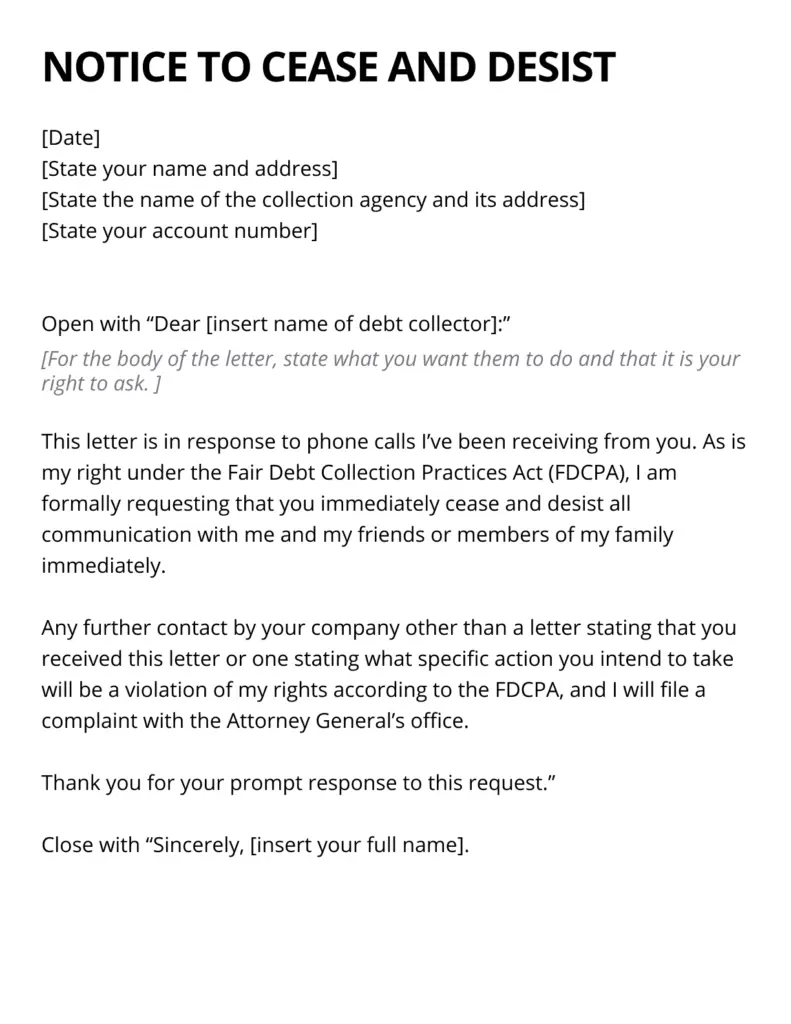
cease and desist letter format

Sending a cease and desist letter is the most effective method, I have observed so far, to stop calls from GC Services’ debt collectors. This communication instructs GC Services to cease all further contact with you. You can request them to correspond solely in writing or deal directly with your legal representative.

Get Your Credit History Report From Equifax, Experian, and TransUnion

If you believe the debt they’re contacting you about isn’t yours, or if the debt amounts seem excessively high, it’s advisable to get your credit history report from Equifax, Experian, and TransUnion.

Having a copy of your credit report is essential in challenging any unfavorable information and will assist you in identifying any other potential inaccuracies within the report.

GC Services and FTC

In 2017, GC Services agreed to pay a fee of $700,000 settlement with the Federal Trade Commission (FTC) to settle claims of using illegal tactics to collect federal student loans and other debts via phone calls.

Frank A Taylor, their President, made the following statement:

“We are satisfied to have settled this issue with the FTC, which pertains to phone calls made several years ago. We fully cooperated with the FTC’s investigation. We are also gratified that the FTC did not allege any conduct that was abusive, deceptive, or harassing towards our clients’ customers. This settlement will clarify how to leave voicemail messages that comply with the FDCPA, a subject on which courts have disagreed.” – Frank Taylor

GC Services is not immune to legal action; if they persist in contacting you after you’ve taken the steps outlined here, you can report them.

You can do this through your state’s attorney general’s office, the FTC’s online platform, by calling 877-382-4357, or through the CFPB website where you can submit a complaint or call 855-411-2372.

Conclusion

To stop calls from debt collector GC Services from 800-846-6406, send a cease-and-desist letter or request debt verification.

Despite an A+ BBB rating, GC Services has faced Fair Debt Collection Practices Act (FDPA) violations, such as calling about non-existent debts, contacting at work, and persisting after legal requests to stop.

Record calls, ask for collector details, and check state laws for recording. Send a debt validation letter to dispute debts.

Cease-and-desist letters are effective. Obtain credit reports for accuracy. In 2017, GC Services settled a $700,000 FTC claim for illegal debt collection tactics. Report continued issues to authorities.

How To Stop Calls From 8773170948?

February 22, 2024 By Kevin Keenan

To stop calls from 8773170948, you will have to call on 1- 877 865 7686 or fill out the contact form on their website.

If you keep getting calls from 8773170948, you must be thinking about who is calling? What they want? Why there’s no human on the other side? or how can you stop the call?

The number 877-317-0948 belonged to the Convergent Outsourcing Inc, which is now migrated to TSI, a leading technology enabled BPO partner which also acts as a debt collection agency.

As of February 2024, Convergent Outsourcing is a BBB accredited, and has 1.37 rating out of 5 on BBB. However, on WalletHub, the company has around 45 reviews, 64% of them gave 1 star rating.

One of the customer named Vickie on WalletHub says “Convergent is attempting to collect on a claim that they know has no validity. No help whatsoever to remove this inaccurate collection. They work solely for the companies they collect for, don’t care about destroying consumers credit with false collections.”

While doing our research we also found that the website of Convergent Outsourcing Inc has been redirected to TSI.

So, we dig deeper to find out about TSI – not a BBB Accredited with a 1.11 ratings out of 5. The company has closed 798 complaints in last 3 years and 340 of those complaints were closed in last 12 months.

Let’s find out how to stop their calls.

Avoid Dialing Any Number on Your Phone if It’s a RoboCall

scam

Fraudsters often use automated messages to extract information from individuals and therefore, avoid to follow any instructions to press buttons provided on these robocalls. The government has even implemented restrictions to curb the prevalence of robocalls and text messages.

Unless you are convinced that you are receiving the call from a reputable company, it’s safe to disconnect the call and reach out to the company via an alternate method.

Since, Convergent outsourcing website is being redirected to TSI, it is better to call their consumer hotline number 8665459191 between 8a.m to 5p.m EST from Monday to Friday or submit a written application on TSI’s website contact page.

Send a Debt Validation Letter To Validate and Verify The Debt

According to law, every debt collector must send a validation notice about the debt within five days of their initial contact with you. When you receive of this letter, reply TSI with a Debt Validation Letter. Also, remember to pay for a return receipt to ensure that the company acknowledges receipt of your letter.

The process of validating the debt force a debt collection agency to prove that the debt belongs to you, with correct documentation. The letter also requires TSI to report the debt as disputed which will automatically force them to stop the calls and allows you to take charge of the situation.

You might even discover that the debt has exceeded your state’s statute of limitations, freeing you from the obligation to pay.

Debt collection agencies acquire old debts from creditors at less than 10% of the original value and while purchasing debts, collection agencies often misplace the necessary documents required to validate a debt.

Therefore, there’s a high possibility that Convergent or TSI (whoever is using this number) may stop collection efforts upon receiving a validation request.

Report For Harassment and Abuse

Remember, you as well as the debt collection has to abide by law and have certain rights. The law provided permission to the debt collectors to call up to fifteen times a day before November 30, 2021, but now it’s illegal for them to call you multiple times a day and harass you. Now, they can’t

  • Lie to you on call.
  • Send postcards,
  • Call you at late night

If the collection agency violates any FDCPA regulations, you have the right to file a complaint against them with the Consumer Finance Protection Bureau (CFPB).

Send a Cease and Desist Letter

letter format

You can also send a Cease and Desist Letter to Convergent Outsourcing Inc/TSI and  request the company to stop all communication with you regarding the debt.

If the debt collection company is calling at inappropriate hours, or contact you at workplace, or calls your friends, or family about your debt, this letter will force them to stop.

However, you should be aware of the consequences, because when you stop them from calling you them may choose to go with legal action to recover the debt.

So, when you send a cease and desist letter, contact a local attorney and ask them to answer the collection agency from your side. A prompt response can give to chance to win against them.

Register Your Number With National Do Not Call List

You can also register your phone number on the do not call list to stop the unknown callers from calling you. The process is simple and free but, you should know a few things.

Having your number listed on the do not call list may not always stop the debt collectors from calling if they have a valid debt.

But, it does offer protection against robocalls, unwanted marketing calls and calls from scammers.

Can You Beat Them?

Yes, you can beat them with the right strategies. So, report for harassment and abuse of your rights to the Federal Trade Commission 1-877-FTC-HELP (382-4357) or Consumer Financial Protection Bureau at 1-855-411-CFPB.

Conclusion

To stop calls from 877-317-0948, identified as Convergent Outsourcing Inc (now TSI), take action by calling 1-877-865-7686 or visiting their website.

Despite BBB accreditation, Convergent’s low ratings and negative reviews suggest consumer dissatisfaction. TSI, their successor, is also criticized with a 1.11 BBB rating.

To stop their calls, avoid responding to robocalls and contact TSI through their consumer hotline or website. You can also send a Debt Validation Letter to challenge the debt’s validity and report harassment to authorities.

  • « Go to Previous Page
  • Go to page 1
  • Interim pages omitted …
  • Go to page 51
  • Go to page 52
  • Go to page 53
  • Go to page 54
  • Go to page 55
  • Interim pages omitted …
  • Go to page 145
  • Go to Next Page »

The Latest Blog Posts:

  • 20 Must Try Financial Literacy Games For Adults February 1, 2026
  • 80 Meaningful Financial Stability Quotes January 31, 2026
  • 19 Savings Tracker Ideas January 30, 2026

As Featured In:

Just Start Investing Press Strip 2020 B&W

Follow Us:

  • Facebook
  • Twitter
  • Pinterest

Copyright © 2026 · Just Start Investing LLC

  • Contact Us
  • Blog
  • Privacy Policy / Disclaimers