• Skip to primary navigation
  • Skip to main content

Just Start Investing

We Make Investing Easy

  • Investing
    • Learn About Investing:
    • Investment Accounts
    • Online Brokerage Accounts
    • Investment Vehicles
    • Start Investing:
    • How to Invest in Index Funds
    • Start Investing with Betterment
    • Start Investing with Charles Schwab
  • Banking
    • Best Bank Accounts
    • Types of Bank Accounts:
    • Checking Accounts
    • Savings Accounts
    • CDs and Money Market Accounts
    • Online Banks vs Brick-and-Mortar
  • Credit Cards
    • Best Credit Cards:
    • Best Cash Back Credit Cards
    • Best No Annual Fee Credit Cards of 2021
    • Best Premium Credit Cards of 2021
    • Credit Card Tool: Find the Best Credit Card for Me
    • Learn About Credit Cards:
    • Types of Credit Cards
  • Blog
    • Investing
      • What is Crypto?
        • Crypto
      • What are stocks?
        • Stocks
      • What is a Real Estate Investment?
        • Real Estate Investments
      • What is an IPO?
        • IPO
    • Banking
    • Credit Cards
    • Budget
    • Finances
  • Earn with Crypto
  • Budget
    • How to Build a Budget
    • 24 Tips to Save More Money
  • Resources
  • About
    • Contact
    • Press
    • Learn More
    • Disclaimers
  • Show Search
Hide Search

Blog

The Most Powerful Ways To Save Money That Experts Don’t Want You To Know

July 12, 2025 By Ana Rose

Living in an age where information overload is very common becomes overwhelming at times where podcasts, blogs, and self-proclaimed money experts keep telling you the same financial advice; “Don’t buy coffee”, “Start budgeting”, or “Track your expenses”. While these advices remain helpful to some extent, there’s a much quieter world of money-saving tactics that marketers, insiders, and sometimes even financial experts don’t want you to know. This article will help you explore some of them, making you ready to transform your financial habits without having you feel like you’re depriving yourself.

Master the Psychology of Spending

Person with short dark curly hair and a beard, in a white t-shirt, throwing US dollar bills into the air against a yellow background.

One of the most powerful tools you can use for money saving isn’t any app, tracker, or any helpful banking feature, it’s your own brain. Think strategically and you’re sure to save some money without having it feel like a lot. 

1. The 72-hour rule

When you feel the urge to purchase something, whether online or physically, wait 72-hours before you buy it. Most impulse purchases often fade away within the timeline. 

2. Use cash instead of cards

Credit cards usually dull the emotional pain of spending. Instead of using cards, prefer paying through cash or prepaid debit cards. Studies show that people spend 15-20% less when using cash. 

3. Unsubscribe emails

To prevent yourself from tempting emails leading to impulsive buying, try this hack where you unsubscribe marketing emails and mute shopping apps. This tactic may seem quiet or subtle but is a highly effective one. 

Exploit the Loopholes in Subscription Services

Most people often bleed money through subscriptions they don’t even recall signing up for. Another powerful strategy to save money would be through unsubscribing to services such as fitness apps, streaming, or music you no longer use. 

1. The rotating membership hack

Instead of paying for multiple platforms for a single service in one month, pick one platform that suits you the most. For example, instead of paying for Netflix, Prime Video, or HBO to watch movies or TV shows, pick one platform a month to subscribe to and rotate based on what you’re interested in to watch. 

2. Leverage free trials

Through creativity and problem-solving skills, create a system to rotate free trials using family emails or virtual cards. Many companies often don’t cross-reference names and provide subscriptions based only on emails and cards. The key is to use this hack smartly and not abuse it. 

3. Ask to cancel and wait

When you plan to cancel a subscription, many platforms will offer you a discount to stay. Start your cancellation process and wait for a few days to see what discount offer comes your way. 

3. Know the Hidden Rules of Price Drops and Returns

Retailers don’t often advertise their secrets of price drops and returns, knowing they can save you hundreds of dollars. 

1. Price adjustment policies

Stores like Target or Nordstrom refund you the difference amount if the item’s price you bought drops shortly after your purchase. Mark your calendar for 7-14 days after big purchases to check for price drops and keep in touch with the opportunity to save money. 

2. Extended return hacks

If you want to buy a high-end item for a short-term event, go for this helpful hack. Some stores offer 90-day returns, no questions asked whatsoever. If you don’t intend to keep the item, make sure to keep the packaging and receipt in a good condition so you don’t have to deal with any problem returning the item later on. 

3. Use chat support to negotiate

Use chat support politely for discounts, especially during checkouts. Ask questions like, Ïs there a discount available for first-time buyers?”, or you can also go with “Can you match this price from another store?”.

4. Slash Your Bills Without Changing Your Lifestyle

This is where it all changes. Most people think saving is about depriving yourself of all the things you enjoy and cutting back on your expenses. But in reality, it’s more of making smart decisions without having to compromise on the luxuries of your lifestyle. 

Start by calling your service providers and whether it’s your internet, mobile, or insurance companies, ask for a better rate. Companies spend heavily to get new customers, so they’re usually willing to offer retention deals to attract you to buy their services. 

Another strategic way can be to look at what subscriptions or payments you’re automating. If you’ve got something you no longer need or use, consider cancelling it. 

For another powerful tip, explore usage-based car insurance. Traditional policies charge a flat rate, but newer models like Roots track your actual driving habits. If you’re a careful driver, these apps can slash your premiums by as much as 40% a year. 

5. Game the System with Credit Cards

A hand prominently holding a dark blue credit card, with a blurred hand holding a smartphone and a laptop in the background.

Credit cards are often portrayed as dangerous, but if used wisely, they can be a powerful tool for saving money or even making them. If you trust yourself with not buying impulsively and paying off your balance in full every month, you can take advantage of what credit card companies offer. 

One advantage is signing up for a new card with big welcome bonuses such as cashback, miles, or points, meeting the minimum spend and cancelling the card before any annual fee is charged. 

Another move is to pay your balance weekly or monthly. This keeps the utilization low, which positively impacts your credit card score. A higher credits card score means lower interest rates on future loans, saving you money in the long run. 

6. Use Tech Tools That Beat Retailers at Their Own Game

Start with price trackers like Honey, or PayPal’s Honey Droplist. They’ll watch your wishlist and alert you when prices drop, so you never have to pay full price.

Always shop in incognito mode or clear your cookies. Some sites hike prices if they know you’ve been browsing an item repeatedly or based on where you live.

And before you buy, go through a cashback site like Rakuten, Swagbucks, or TopCashback. You’ll earn 1–15% back on purchases you were going to make anyway, just for clicking through their link.

These strategies are not about being cheap but more about being smart in your financial decisions and staying one step ahead. 

7. Outsmart Grocery and Food Spending

Food waste is basically money waste, and households throw away far more than they can ever realize. One way to avoid wasting money and food, and staying one step ahead is planning. Before hitting the grocery store, spend 10 minutes planning before you go run errands. This helps you avoid impulse shopping and stick with the list you’ve already made.

Moreover, build this habit of checking your pantry or fridge before you go grocery shopping. You might already have enough of a specific item to cook a few meals without having to buy more. This helpful trick can potentially save you hundreds of dollars, making it a considerable option for people looking for effective ways to save money. 

8. Delay Major Expenses Strategically

For tech like phones or laptops, wait 3–6 months after launch for their initial prices to drop, bugs to get fixed, and better deals to appear. For cars, December is a more appropriate option where dealerships slash prices to hit year-end quotas.

Moreover, travel smarter by booking flights on Tuesdays, flying midweek, and using a VPN to check fares from different countries to help you find cheaper prices. 

9. Learn the Money Funnel Trick

Picture your spending in three categories, with wants at top, needs in middle, and wealth builders at the bottom. Before you spend your money on something, ask yourself questions like, “Is this going to be at the bottom of the funnel?” If the answer is no, pause the spending. 

Redirecting more money to the bottom of the funnel like investments, savings, or learning a new skill makes your finances stronger, ultimately affecting your financial independence and freedom, without having you give up on the luxuries and things you enjoy. 

Conclusion

Saving money isn’t about saying no to the things you love, it’s about saying yes to your future financial independence. The real power comes from knowing how the system works and using it to your advantage, not just following the same old advice. These strategies, whether it’s knowing about price drops and returns or outsmarting the system, aren’t about restriction, they’re about freedom. The more you take control, the less your money controls you. So start small with one habit at a time and soon, you won’t just be saving, you’ll be building a life where every dollar works for you, not against you.


What Is Real Estate Investment?

July 11, 2025 By Ana Rose

Real estate is one of the oldest and trustworthy ways of earning money. From owning a residential plot to dealing with commercial properties, investing in real estate allows individuals and businesses to earn returns through rental income, property appreciation, and value-added improvements. With the right strategy and smart moves, real estate investment can potentially be a great source of income, only if done right. This article will help you explore what real estate investment is and how it remains one of the most reliable ways to earn a solid income. 

Understanding Real Estate Investment

A hand places a gold coin on stacks, with a blurred model house in the background, symbolizing saving for a home.

Real estate investment is simply the act of purchasing property or investing in real estate related financial assets with the goal of generating an income or achieving capital growth.

The primary goal of real estate investment is to earn return through various channels such as monthly rental amount, appreciation in property value or time, or gaining profits from selling the property at a higher price than the cost spent on purchasing it. This complex investment makes it a business priority that appeals to both individual and institutional investors. 

One of the defining features of real estate investment is dual advantage that includes producing consistent incomes but also building long term wealth as time passes by. For example, owning a residential building can provide a rental income per month while on the other hand, the property gains value as the surrounding area develops or market demand increases. 

As compared to other investment types like stocks or mutual funds, real estate is a physical asset that can be improved or repurposed to increase its value. 

Types of Real Estate Investment

Infographic "DIFFERENT TYPES OF REAL ESTATE INVESTING" with three red-roofed and one blue-roofed model houses on coin stacks.

Real estate offers a bunch of investment options. From residential buildings to commercial plots, each type has its own advantages, risks, and financial leverages.

1. Residential Real Estate

Residential real estate refers to properties designed for people to live in. This category includes single family homes, duplexes, townhouses, and multi-family apartment buildings. Investors in this sector typically generate income by renting out these properties to families or people looking for a place to live. 

The attraction lies in the steady rental income and long-term increase in property’s value, especially in urban areas with a rapidly growing population. Many real estate investors use the buy-and-hold strategy where they buy the residential property and rent it out to families and individuals looking for a residential space for years, potentially benefiting from both monthly income and rising market value of the property. 

2. Commercial Real Estate

Commercial real estate includes properties that are basically for business men and business purposes. Commercial real estate properties may include hospitals, shopping malls, hotels, or restaurants. 

These properties are generally leased to companies or business owners and tend to offer longer lease terms, which can lead to a more stable and higher rental amount as compared to residential buildings. The investments are typically more complex than residential buildings such as legal, zoning, and tax consideration when it comes to commercial areas. 

This complicated and demanding nature of commercial estate makes it best suited for experienced investor or investor groups to manage.

3. Industrial Real Estate

Industrial real estate consists of properties like warehouses, storage cells, or manufacturing units. These areas are usually based on the individual needs of each business, including their specialized features such as loading docks or refrigeration systems. Investors investing in industrial real estate may benefit from long-term lease agreements with corporate tenants, resulting in a high income and low turnover rate. 

Since these properties are less on the appealing side and more on the functionality and location, they require a little less maintenance as compared to residential and commercial areas. 

4. Land (Raw or Agricultural) Real Estate

Land investment involves purchasing undeveloped plots with the intent of buying and holding them until the value increases and later converting them into income-generating uses. Raw land can be used for agriculture, residential, and commercial buildings. 

While land doesn’t offer any income in the initial phases, if it’s located in an area with expected growth in future, its long-term potential to generate a high income may be significant. 

This type of real estate is perfect for those who can stay patient, consistent, and motivated through the process paired with a high risk tolerance. 

5. Real Estate Investment Trusts (REITs)

Real SEstate Investment Trusts or REITs are publicly traded companies that own, operate, and look after the finances of income-producing real estate such as residential, commercial, healthcare, or industrial. 

By purchasing shares in REITs, investors gain exposure to the real world real estate market without having to buy or manage physical properties themselves, making REITs a potentially great option for you if you’re looking to start somewhere in real estate investing. 

Moreover, REITs are legally required to distribute at least 90% of their taxable income to shareholders, adding to the value of REITs as a way to earn income. 

How Real Estate Generates Income?

One of the reasons real estate remains such a popular investment is because it can make money in more than one way. Most people are familiar with the idea of renting out a home or apartment, which brings in a monthly income that can help cover expenses or even provide a profit. That’s called rental income, and it’s one of the most reliable ways to earn through real estate.

Beyond rent, property values tend to rise over time, especially in areas where development is booming or demand is high. That’s appreciation, your property quietly gaining value year after year, without you needing to do much. And if you’re willing to put in some effort, you can renovate a worn-out space and sell it for more than you paid, a strategy known as flipping.

Even better, there are tax perks. Many governments allow you to deduct expenses like mortgage interest, maintenance, and property taxes, which means more of your rental income stays in your pocket. Altogether, these income streams, rent, appreciation, and tax savings, make real estate one of the few investments that can earn for you while you rest.

Advantages of Real Estate Investment

Real estate is more than just buying property, it’s about building something real, something that grows in value and supports your financial goals. 

  • One of the biggest advantages is stability. Rental income comes in regularly, which gives you a fixed flow of money month after month. Unlike the stock market, you don’t have to worry about the fluctuation of income when it comes to rental payment. 
  • Unlike other investments where you just watch numbers on a screen, real estate is something you can see, touch, improve, and manage. 
  • With tax breaks, you can deduct so many costs, making real estate surprisingly efficient when it comes to building income.
  • Finally, real estate tends to rise with inflation. As costs go up, so does rent and property’s value, helping you stay ahead financially.

Risk and Challenges in Real Estate Investment

  • The first drawback is that property’s value can drop without you realizing. A neighborhood can lose its charm, the economy can slow down, or interest rates might shoot up, making your investment worth less than what you paid.
  • Then there’s the issue of time. Real estate isn’t something you can sell in a day. If you need cash quickly, you might be stuck waiting for the right buyer or forced to sell at a lower price.
  • Being a landlord comes with different challenges and situations such as dealing with broken things, negotiating when rent is late, and evicting at times.
  • Lastly, another challenge in real estate investment is of financial strain. A few months without tenants, unexpected repairs, or legal troubles can ultimately consume your profits.

If you’re new to the real estate world, managing without a property manager, things might get overwhelming for you! 

How to Get Started in Real Estate Investment

Coin stacks and a yellow upward arrow leading to a white house icon on a wooden surface, symbolizing financial growth in real estate.

Starting your journey in real estate might feel scary at first, but it becomes manageable once you break it into simple steps. 

  • First, get honest about your finances. How much can you invest comfortably without putting yourself at risk? A solid down payment and some emergency cash are essential.
  • Decide what kind of investor you want to be. Do you want to manage a small rental unit yourself, or invest in a Real Estate Investment Trust (REIT) that does the work for you? 
  • Learn about neighborhoods, rental trends, and property values. Look for areas that might grow in value, you can start looking for areas with strong job growth, good schools, or upcoming developments.
  • Surround yourself with the right people. All you need is a trustworthy agent, a lender who explains things clearly, maybe even a mentor who’s done it before.

With a complex dynamic, investing in real estate may feel intimidating at first but it’s essential to know that real estate rewards those who learn, plan, and take action, not just those who have the ability to spend.

Conclusion

Whether you’re dreaming of financial freedom, passive income, or something you can pass on to your children, real estate gives you a practical way to get there. With monthly income, growing value, and tax benefits, it offers more than just profits, it offers peace of mind. Success in real estate doesn’t happen overnight, it’s built slowly with one smart decision at a time. So if you’re thinking of getting into real estate, it’s essential to know that the journey might be challenging, but the rewards are well worth the effort.

How To Save Money Fast| 14 Simple Tips

July 9, 2025 By Ana Rose

Saving money doesn’t have to feel like a punishment or a boring never-ending errand. Whether you’re trying to achieve a future financial goal, save for a trip, or simply want to save for emergency situations, small smart decisions can lead to real progress if worked on with consistency and passion. This article will explore the 14 simple yet effective tips to save money, helping you stay financially independent and secure. 

1. Round up your Purchases

Through automated features or processes, banking apps usually allow a way to round up your spendings to the nearest $5, $10, $50, or $100. For example, if you spend $5.25, the automated process will round up to $6 and transfer $0.75 straight to the savings accounts, keeping it low-effort and easy to carry out. 

These small savings gathered up over time become large amounts, making this tip a must-consider when getting into savings and financial freedom. 

2. The One-In, One-Out Rule

Every time you buy something new, commit to replacing, recycling, or selling another item. Whether it’s a new pair or shoes, a toolkit, or any gadget, try replacing the goods with a substitute.

Whatever money you earn by selling the item, transfer it straight into the savings accounts to help you gather an amount through multiple resources. This fruitful tip and trick helps you reduce clutters, makes you think twice before spending, and ultimately stops you from impulsive purchasing.

3. Use Public Transport or Walk

Skip Uber or car rides for a few days and rely on public transport. Whether you’re planning a fun hangout with your friends or going on a job, try considering taking public transport instead of using Uber. 

With gas prices rising day by day and Uber fares on spike, just just a few rides in a week can save you around $50-$100, making this tip a considerable option if you desire to save more money in less time. 

4. Cut Back on Daily Mini Luxuries

Try cutting on mini luxuries to save in a much more effective manner. We all have seemingly harmless manners, for example, spending $10 on coffee, $5 on soda, and $15 on fast food on the way home. But one thing to consider is that these luxuries can quietly drain your wallet over time. 

Identify what mini luxuries you’re spending on and try cutting off. Instead of spending on coffee daily, order your beans in bulk and brew at home or for a fancier feel, get a frother. This simple tip is not about depriving yourself of things you love and enjoy but more about being mindful in making smarter financial decisions.  

5. Shop Off-Season

A couple holding hands, each with coffee cups and multiple shopping bags, against a brick wall.

Buying clothes in-season may feel convenient, but it practically means paying full price for the product. Retailers usually markup essentials when the demand is high, like selling winter jackets in December or summer sandals in June. 

Think one season ahead, when it’s winter, try buying winter clothes and garments at a high discount. Brands often put up 50 to 75 percent off when the season ends, making it a quality time to purchase, saving hundreds of dollars with efficacy. 

6. Use the Envelope Budgeting Method

This classic method is sure to work everytime! Define categories like gas, utilities, groceries, or rent, and make envelopes with a specific amount for each category. 

Don’t spend more than what you have in the envelope for each category, for example, if $300 is specified for groceries, try not to spend a dollar more than $300. This tip helps you develop control over impulses to buy and ultimately builds financial discipline. 

7. Pause All Auto-Renewals

Keep a track of all subscriptions based on auto renewals. Look for streaming services, music, or cloud storage and unsubscribe to services you don’t find time for or no longer use.

Cancelling subscriptions can help you save around $30-$100 per month, which is quite a decent amount. Whatever amount you save, transfer that straight into savings for a quicker and effective approach to money saving.

8. Borrow Instead of Buying

Two women at a library counter, one seated handing a book to a standing woman, with bookshelves in the background.

For small necessities or one-time use, consider borrowing instead of buying. Whether it’s a toolkit, party decor, or formal wear, ask friends and family instead of spending hundreds of dollars on something insignificant later on. 

This tip helps you save money and reduce declutter by encouraging you to borrow instead of purchasing, helping the future-you.

9. Start a Didn’t Spend Jar

Every time you’re able to fight off your temptations, consider dropping that amount into a didn’t spend jar. Whether it’s takeout or fighting the impulse to purchase something online, drop the very amount into your savings.

This trick helps you keep your impulses and desires in control, making you yourself in charge!

10. Turn Saving Into a Game

What better way to make saving fun than to turn it into a game? Look for saving challenges and games and do a weekly challenge. For example, no takeouts for week 1, no Amazon for week 2, sell items you don’t use for week 3, and envelope or jar method for week 4. 

This tip helps you stay on track, while keeping you motivated to work. For a fun and engaging way to help you through the boring process of saving, consider this tip as a life-saver!

11. Unsubscribe Tempting Emails

Too many emails mean too many unnecessary purchases. Retailers often know their way around customer psychology and through tempting emails, they attract their customers. What you can do is unsubscribe store newsletters, store emails, turn off app notifications and unfollow shopping accounts on Instagram or TikTok. 

While this tip may seem unnecessary, considering how much shopping costs you in a month may help you reconsider the importance of holding back on spending on shopping.

12. Use Cashback and Discount Apps

A hand holding a smartphone displaying a "Cashback" app and a blue credit card.

If you’re already shopping, why not get paid a little for it? Cashback and discount apps like Rakuten, Ibotta, and Upside quietly put money back in your pocket for things you were going to buy anyway, whether it be groceries, gas, clothes, you name it. 

It doesn’t feel like much at first, maybe $2 here, $5 there but over the year, it adds up. Many people save $300 to $500 annually without even changing their habits. It’s like having a low-effort side hustle that runs in the background while you live your life

13. Reduce Ad Exposure by Limited Screen Time

The more time you spend scrolling, the more tempting ads you’ll see and those “only $19.99” deals are sure to make you think if you should buy.

Social media is built to sell, whether it’s influencers flaunting the newest gadgets or targeted ads based on things you only thought about. By simply setting app limits or unplugging for a few hours daily, you naturally cut back on impulse spending. Fewer ads mean fewer cravings and your wallet and attention span will definitely thank you.

14. Create a Zero Days Calendar

Mark your calendar with days where you spend absolutely nothing, no coffee runs, no online orders, not even a vending machine snack. These are your “zero spend” days. 

Make it a challenge by starting with two days a week, then building up. It’s oddly satisfying to look back and see how many days you didn’t give in to unnecessary purchases. Over time, you become more mindful, more disciplined and your bank account starts to quietly grow, making this tip perfect for you if you’re looking for financial independence and freedom. 

Conclusion

Saving money doesn’t have to mean overhauling your entire lifestyle. It’s really about small, intentional choices that stack up over time like skipping the $6 coffee, buying that winter jacket off-season, letting apps give you free cashback, or just having a few days where you spend absolutely nothing. 

When you start being more aware of where your money goes, you’ll find that financial freedom isn’t some distant goal, it’s something you build with one smart habit at a time.

17 Saving Money Tips You Can’t Afford To Skip

June 30, 2025 By Ana Rose

Saving money isn’t just about utilizing discount vouchers or coupons or skipping coffee, it’s about maintaining a balance between spending, saving, and building potential for long-term financial security. Whether you’re living paycheck to paycheck or trying to build savings over time, having some tips and tricks can put you back in control. This article will help you explore the 17 best money-saving tips you can’t miss out on!

1. Track Every Dollar you Spend

Woman tracking expenses in a notebook with a budgeting app on her phone, under the heading "Track Every Dollar."

Starting off on this tip involves writing down everything you buy in a week. Include the smallest of expenses as well, even that $2 coffee. You’ll likely be surprised to find out where your paycheck goes. 

All you need is a diary or if you prefer a digital approach, go for budgeting apps like YNAB to get a vivid picture of your expenses. This tip keeps you informed with your spending habits, helping you make intentional and informed choices in the future. 

2. Schedule a No-Spend Day Every Week

Schedule one day in a week where you commit to not spending a single dollar. This tip pushes you to be creative and challenges your problem-solving techniques like none other. With whatever resources you have, this tip helps you to be mindful and develops financial discipline. 

Even skipping one takeout order a week can save you hundreds of dollars annually, teaching you how little you can spend. 

3. Automate Your Savings

Treat your savings like a non-negotiable bill, to help you stay consistent and develop discipline in your spending habits. Set up automatic transfers from your bank account to your savings account right after you get paid. 

Even starting with $20 a week, transferred to savings can add up over time without having you feel the pinch. Smaller amounts building up to large savings is a highly fruitful approach, making it a considerable option if you desire to save in an effective yet effortless way.

4. Use the 24-Hour Rule Before Buying

Impulse purchases often happen in a moment of excitement or stress, especially when shopping is just a click away. You might come across something that feels like a must-have in the moment, but here’s a helpful habit: wait 24 hours before buying it. 

This short pause gives you space and time to reflect, impacting your decisions. More often than not, the urge fades, and you’ll be glad you held off. Over time, this simple shift in behavior can save you hundreds and help you spend more wisely and intentionally.

5. Unsubscribe Tempting Emails

Retailers often flood your inbox with tempting emails like “limited-time offer” that attracts you to spend. Take 5 minutes of your time and unsubscribe from store newsletter or deal alerts and save yourself from impulsive future purchasing. 

Fewer ads mean fewer unnecessary purchases. Simply put, out of sight, out of cart. Consider this fruitful tip to help you save money through a much more effective approach. 

6. Buy Generic Whenever Possible

Store-brand products are often made in the same factories as name brands, just with different labels. This applies to everything, from medication to pantry staples. 

So the next time you’re out shopping at Target or Walmart, check out their in-house brands, and you’ll save a few bucks without having to compromise over quality. 

7. Set Clear and Realistic Financial Goals

Saving is easier when you have set clear and realistic goals and know what you’re saving for. Whether it’s for building an emergency fund, achieving a future financial goal, or getting into college, having a clear direction can help you stay motivated and make saving more rewarding. 

A better way to approach this tip is to write down your goal, how you’re going to achieve it, how much amount would you need, and what would be the timeline. 

8. Switch to a Cash-Only System for Daily Spending

Try using the actual cash system for daily spending like gas, takeouts, or groceries. Handing over cash from your hand makes you think twice before spending money. 

Fix a certain amount allocated to particular categories, making you only use the designated amount and helping you avoid overspending. This is also the core idea behind the envelope budgeting system. 

9. Prep Meals at Home

Instead of spending hundreds of dollars on takeout each monch, prepare meals in advance and save time, money and calories. Spend a few hours on Sunday chopping, portioning, and storing meals for the whole week. 

Having stored food can make you resist DoorDash or UberEats when you’re tired, ultimately leading to less food wastage and reduced grocery trips. 

10. Cancel Unused and Unnecessary Subscriptions

Keep a track of your streaming services, music, cloud storage, or fitness apps you’ve subscribed to. These subscriptions quietly consume your bank balance, making you wonder where your paycheck goes. 

Take into consideration what subscriptions you actually use and cancel the rest. Even two to three cancelled subscriptions could free up around $50-$100 per month. Transfer that amount straight into your savings. 

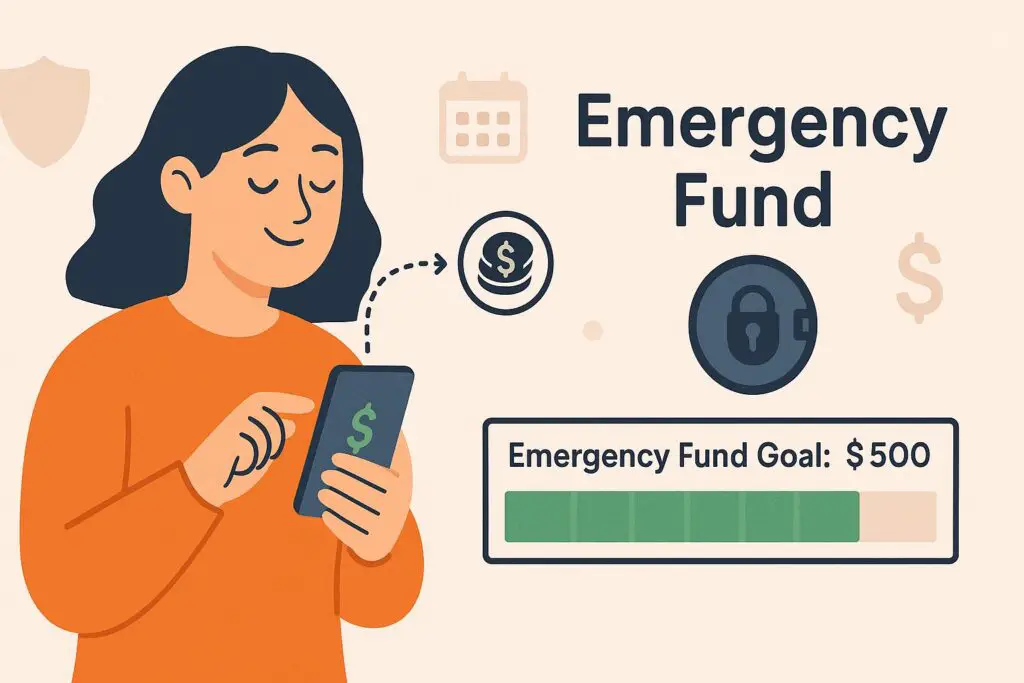
11. Build a Small Emergency Fund

Woman transferring money to a digital emergency fund, with a $500 goal tracker and vault icon.

Another effective way to save money is through setting up an emergency fund. Start with a small amount like $500 in one month and gradually increase the amount to help keep you motivated and consistent with the process. 

Use a separate savings account and transfer the amount the day you get your paycheck to avoid any temptations to dip into the savings. Saving even a small amount can give you peace of mind and motivate you further to keep going.  

12. Borrow Instead of Buying When Possible

Instead of buying, consider borrowing to make saving money a bit easy. Whether you need a ladder for a project or a formal dress for an event, consider asking friends or family before purchasing. 

Borrowing not only makes saving money easy but also reduces clutter gathered through over-purchasing of items. This tip may sound a bit unnecessary, but considering borrowing expensive goods needed for a shorter duration of time may help you save a larger amount in less time. 

13. Look for Discount Codes and Cashback Offers

Every time you go shopping or for fun dine outs with friends or family, look for cashback offers. Similarly, when purchasing online, look for discount codes or vouchers that could save you money over time. 

You can also sign up for the store’s loyalty program or use apps like Ibotta to make little savings add up quickly with frequent online shopping. 

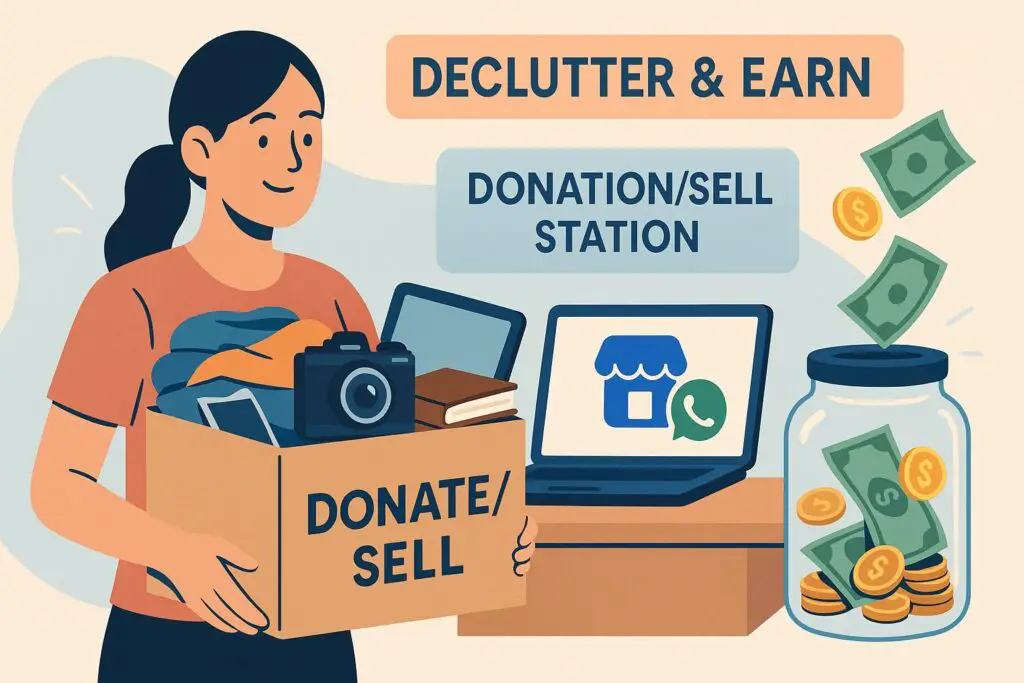
14. Sell Things you Don’t Use

Woman holding a box of items to sell, with a laptop showing marketplace apps and a savings jar.

Clean your physical and mental space by getting rid of goods and items you no longer use. This could be clothes, gadgets, or old furniture. List them on Facebook marketplace or local WhatsApp groups and you’ll be surprised how fast things sell. 

While you’re at decluttering, what better way than to earn through it? Save the money you get through selling the items by depositing it into your savings account or setting it aside in a jar or an envelope. 

15. Reduce your Utility Bills

Energy costs are rising nationwide, but small changes can have a great impact. Turn off lights when not in use, use smart thermostats, and unplug appliances when you can. Wash clothes in cold water and limit the use of appliances as much as you can. 

These tips can save you around $20-$50 or more per month, making them a considerable option if you’re looking for effective tips to save money. 

16. Explore Fun That Doesn’t Cost a Dime

Explore your creative and problem-solving side through this tip that includes looking for entertainment that isn’t expensive. Look for free museum days, outdoor concerts, library events, or community fitness classes. 

Arrange a game night or go on a hiking trip that doesn’t cost a lot. Moreover, U.S. cities and towns offer more free events than people realize. All you need to do is stay in touch with groups and communities arranging events and enjoy yourselves whenever an event comes around. 

17. Review and Reset Monthly

End of month is the perfect time to take a breath and look back at where your money actually went. Open your banking app, take a peek at what made you feel good about your spending, and what made you wonder if you can hold back on this specific expense in future.

Use what you see to tweak things for next month, even if it’s just one small change. Think of it like a monthly check-in with the future-you.

Conclusion

Saving money isn’t about saying no to everything you enjoy doing, it’s about saying yes to much smarter decisions. Whether it’s scheduling a no-spending day in a week, selling unnecessary items, or unsubscribing tempting emails, each tip is helpful in its own unique way. By applying just a few of these tips and tricks consistently, you’ll start noticing real changes in your financial life. The key is to start small, stay consistent, and avoid waiting for the perfect time, the future-you will definitely thank you!

20 Unique Business Ideas For Teenagers

June 26, 2025 By Ana Rose

Being a teenager in today’s digitally-oriented world brings a lot of opportunities and ideas to start somewhere. Whether you’re saving up for college, helping your family, or just simply want to earn money doing something you like, the business world has never been more open to young souls and minds. This article will help you explore 20 unique business ideas for teenagers, helping you explore your creative and hardworking side and putting them to work!

1. Custom Phone Case Designer

Design trendy phone cases uses Canva or Procreate, featuring pop culture, aesthetics, or memes. You can also go with the customer’s personal preference and allow them to choose what goes on their phone case. Start taking orders from friends and family and promote your business through Instagram account or Tiktok. 

2. Social Media Manager for Small Businesses

Many small businesses like bakeries or salons usually don’t know their way around social media, making this idea a perfect business opportunity for teenagers looking to start somewhere. If you’re good at making reels, posting stories and posts, and dealing with customers, this business may be the right fit for you. 

Create content calendars, reply to customers, and track growth with insights for an effective social media managing strategy. 

3. Personalized Gift Box Services

Offer designing and creating cute customised gift boxes for several occasions like weddings, anniversaries, or birthdays. Include items like chocolates, perfumes, candles, jewellery, or self-care goodies. 

Market your services through an Instagram page and post aesthetic pictures and unboxing videos to attract customers. Let the customer choose the theme and budget, making this idea accessible for anyone while also considering the customer’s preference. 

4. Upcycled Fashion Brand

To start a business that requires little to no investment, consider starting an upcycled fashion brand that includes taking old clothes from your closet or a thrift store and transforming those clothes into stylish and trendy pieces.

Look for crop tops, denim jeans, or old T-shirts and sew them, add patches, or tie-dye them respectively.

5. Online Tutoring

 Online tutor wearing a headset, actively explaining concepts via laptop video call.

Put your knowledge and insights regarding a particular subject to work and offer services as an online tutor. Through meeting platforms like Zoom, Microsoft Teams, or Google Meet, arrange meetings with your students and start tutoring. 

To start somewhere, you can reach out to school juniors and neighbors or advertise your services in local Facebook groups. 

6. Homemade Snack Seller

Sell homemade snacks like brownies, cookies, or popcorn mixes in cute packaging. Offer pre-orders to manage food quantity and avoid any wastage of food and money.

If you’re good at cooking and preparing mass orders, you can also consider offering your services to parties or school events. Advertise your homemade snack selling business through social media platforms like Instagram or local Facebook groups to attract buyers. 

7. Gaming Coach or Streamer

Put your gaming skills to work and earn through them by offering tutorials or one-on-one training for a fee. Through online tutorials uploaded on YouTube or building a Kick channel, earn an income and help others improve. 

Stay consistent, helpful, and respectful during the process to grow traffic and build a strong community. This business idea combines interest with income, making it a perfect option for teenagers fond of gaming. 

8. Digital Art Creator

 Online tutor wearing a headset, actively explaining concepts via laptop video call.

If you’re passionate about creating digital artwork or character illustrations, this business idea may be the fit for you. You can also design logos or portraits for friends or other small businesses. 

Advertise your skills and services through social media platforms like Instagram or create an account on freelancing sites like Fiverr, Upwork, or Freelancer.com.

9. School Notes and Study Guide Seller

If you’re organized with study notes and mind maps, selling school notes and study guides may be the best business idea for you. Focus on core subjects like Maths, Biology, or English, especially before exams, and sell them through email, personal study shops on Instagram, or Google Drive. 

Add side notes, questions, or other engaging content to your notes to increase their value, making this one a considerable business idea. 

10. Custom Sticker Shop

Create and print your own sticker sets using a printer. Explore popular themes like aesthetic journaling, famous TV shows, or anime and start selling them in sticker packs.

Perfect for water bottles, laptops, or journals, these stickers can potentially add charm and uniqueness to any item. If designed right with a high sticker quality, this business idea is sure to land you somewhere. 

11. YouTube Channel

For a digital approach to business, start a YouTube channel and talk about things that you find the most interesting. Whether it’s mental health, fashion, productivity, or student life, a YouTube channel can be a great way to earn a pretty decent amount. 

Although a YouTube channel takes time and effort to grow but with consistent uploading of engaging content, it can be a potentially great business idea for teenagers to start with!

12. Errand Running or Delivery Service

Many elderly neighbors and women often need help with groceries and other errands running. Offer running delivery services within a specific radius of your neighborhood.

You can keep a small journal with you or if you prefer digital support, opt for spreadsheets to keep track of orders and payments. Advertise your services through local WhatsApp communities or Facebook groups to reach people.

13. Eco-Friendly Product Kits

Help people live more sustainably through eco-friendly product kits like bamboo cutlery, fabric bags, or soap bars. Design your packaging through recycled paper and handwritten labels for a complete eco-friendly product with similar packaging. 

Through these products, you can also educate your customers regarding the environment’s sustainability, raising awareness through your business idea. 

14. DIY Jewellery Brand

Top-down view of hands crafting DIY jewelry, surrounded by beads, tools, and supplies.

If you’re into creating handmade jewellery goods, starting a small DIY jewellery brand can work the best for you. Through beads, resin, wire, and clay, create basic jewellery items like rings, earrings, or necklaces. 

Advertise your items through creative Instagram pages and small business websites. You can also create packaging with thank you cards and small complementary gifts to attract buyers. 

15. Canva Templates or Resume Design

Put your creative side to work and start using Canva to make Instagram story templates, resume formats, or thank you cards. Through various platforms, like Instagram or Etsy, advertise your products or templates. 

16. Music Lessons or Beat Making

Combine passion and interest with income and business through offering music lessons or beat making to people who desire to learn music. You can offer your services both in-person and virtually through online meeting platforms, making this business idea perfect for teenagers. 

17. Photography for Events

If you’re fond of photography and capturing moments, photography for events may work the best for you as a business idea. All you need is a decent phone camera or a DSLR and some editing skills, and you’re all set to go!

Start with covering mini events like birthdays, family events, or school functions, and with your customer’s consent, showcase your best shots on any social media platform for marketing and advertising. 

18. Mini Plant or Succulent Shop

If you love plants and enjoy getting your hands a little dirty, why not start your own mini succulent shop? You can grow these cute little plants in fun containers, like old teacups, jars, or even seashells you’ve collected. 

Add a personal touch by writing out simple care instructions and giving each plant a fun name. These make adorable gifts for birthdays or housewarmings, so you could even create themed gift sets. 

19. Podcast Hosting

Smiling man with headphones speaks into a professional microphone, gesturing while podcast hosting.

All you need for podcast hosting as a business idea is a decent microphone of high quality paired with a quiet recording space. You can talk about topics that you find the most intriguing, such as pop culture, student life, relationship advice, or mental health. 

You can upload your podcast on Spotify or some other social media platform like Instagram or TikTok, which can also serve as advertising. The key to successful podcasting is making engaging content and staying consistent with uploading interesting episodes. 

20. Personal Organizer for Teens

If you tend to stay organized and neat, this business idea may be meant for you. Help your family, friends, or neighbors organize messy rooms, study desks, or digital folders. Charge hourly or offer a bundle or package to make the services and offers sound convincing to the customers. 

Conclusion

Teenagers today don’t need to graduate or complete education to chase their dreams. Whether it’s having a passion for music, photography, or creating digital art, when combined with confidence to grow, these ideas might just become your future empire! These business ideas are not just for making money, they serve as platforms for self-discovery, independence, and a passion to help today’s teenagers grow!

  • « Go to Previous Page
  • Go to page 1
  • Interim pages omitted …
  • Go to page 62
  • Go to page 63
  • Go to page 64
  • Go to page 65
  • Go to page 66
  • Interim pages omitted …
  • Go to page 170
  • Go to Next Page »

The Latest Blog Posts:

  • 14 Profitable Things To Sell On eBay June 20, 2026
  • Mason Jar Crafts To Make And Sell June 19, 2026
  • 12 Best Jobs for Retired Teachers  June 18, 2026

As Featured In:

Just Start Investing Press Strip 2020 B&W

Follow Us:

  • Facebook
  • Twitter
  • Pinterest

Copyright © 2026 · Just Start Investing LLC

  • Contact Us
  • Blog
  • Privacy Policy / Disclaimers