• Skip to primary navigation
  • Skip to main content

Just Start Investing

We Make Investing Easy

  • Investing
    • Learn About Investing:
    • Investment Accounts
    • Online Brokerage Accounts
    • Investment Vehicles
    • Start Investing:
    • How to Invest in Index Funds
    • Start Investing with Betterment
    • Start Investing with Charles Schwab
  • Banking
    • Best Bank Accounts
    • Types of Bank Accounts:
    • Checking Accounts
    • Savings Accounts
    • CDs and Money Market Accounts
    • Online Banks vs Brick-and-Mortar
  • Credit Cards
    • Best Credit Cards:
    • Best Cash Back Credit Cards
    • Best No Annual Fee Credit Cards of 2021
    • Best Premium Credit Cards of 2021
    • Credit Card Tool: Find the Best Credit Card for Me
    • Learn About Credit Cards:
    • Types of Credit Cards
  • Blog
    • Investing
      • What is Crypto?
        • Crypto
      • What are stocks?
        • Stocks
      • What is a Real Estate Investment?
        • Real Estate Investments
      • What is an IPO?
        • IPO
    • Banking
    • Credit Cards
    • Budget
    • Finances
  • Earn with Crypto
  • Budget
    • How to Build a Budget
    • 24 Tips to Save More Money
  • Resources
  • About
    • Contact
    • Press
    • Learn More
    • Disclaimers
  • Show Search
Hide Search

Blog

How To Make 500 Dollars Fast

May 7, 2026 By Ana Rose

There are times when you may need money quickly, whether it is for an urgent bill, a family need, or simply to ease some financial pressure that has been building up. Making 500 dollars fast can feel stressful at first, but it can become more manageable when you focus on practical options that can actually bring in cash within a short time. Instead of overthinking or waiting for the perfect idea, you can take action using skills, items, or opportunities you already have around you. This article will help you explore ways to make $500 fast, allowing you to reach your target step by step without feeling overwhelmed and drained.

How To Make 500 Dollars Fast

1. Sell Items You No Longer Use

A professional vector illustration of a person prepping items for an online sale to earn money quickly.

One of the fastest ways to make money is by looking around your home and finding things you no longer need, because unused items can quietly hold value without you realizing it. Clothes, shoes, electronics, or even small furniture pieces can be sold quickly through local marketplaces or apps. 

Instead of letting them collect dust, you can turn them into cash within a day or two if priced fairly. Taking clear pictures and responding quickly to buyers can help you sell faster, allowing you to turn clutter into money without needing any special skills or long preparation.

2. Offer Quick Local Services

You can make money fast by offering simple services in your area, especially tasks that people often do not have time for. Cleaning, washing cars, running errands, or helping someone move can bring in quick cash if you ask around or post in local groups. 

These jobs may not feel glamorous, but they can pay immediately once completed. Being reliable and polite can increase your chances of getting more work quickly, allowing you to build momentum and reach your 500 dollar goal faster than expected.

3. Do Freelance Work Online

If you already have a skill like writing, graphic design, or even basic editing, you can start offering your services online in a way that focuses on quick delivery, since many clients are actively looking for people who can complete small tasks within a short time and are willing to pay faster for that convenience. 

Instead of waiting for perfect opportunities, you can apply to multiple gigs or reach out directly to potential clients, because even smaller projects can add up quickly when you complete several within a few days. This approach can help you use what you already know without going through a long hiring process, allowing you to start earning sooner and build momentum as you go.

4. Work Overtime or Extra Shifts

If you already have a job, one of the most direct ways to earn more money quickly is by asking for extra hours or overtime. Many workplaces can offer additional shifts, especially during busy periods, and this can help you increase your income without needing to find something new. 

It may feel tiring, but the payoff can come faster than starting a side hustle from scratch. Putting in those extra hours can bring you closer to your target, allowing you to use your current position to your advantage.

5. Deliver Food or Groceries

A vibrant digital illustration of a food delivery rider, representing a flexible way to earn fast cash.

Delivery work can be a practical way to earn money quickly, especially if you have access to a bike or car and are willing to work during busy hours when demand is naturally higher and orders come in more frequently. Many platforms make it possible to get started without a long waiting process, which means you can begin earning within a short time if you stay active and choose your working hours wisely. 

By focusing on peak times like evenings or weekends, you can make more in fewer hours, and if you stay consistent for a few days in a row, those smaller earnings can build up faster than expected, allowing you to reach your target without needing a long term commitment.

6. Offer Tutoring or Homework Help

If you are good at a subject, you can offer tutoring services to students who need quick help, especially during exam periods when demand can be high. Parents are often willing to pay for extra support, and even short sessions can add up quickly. 

You do not need a formal setup to begin, since you can start with people in your circle or nearby. Explaining concepts clearly and being patient can help you build trust fast, allowing you to earn while helping someone improve academically.

7. Do Small Digital Tasks

There are many small online tasks that can be completed quickly, such as data entry, transcription, or simple surveys, and while each task may not pay much, they can add up if done consistently over a few days. This method requires time and patience rather than skill, making it accessible to almost anyone. 

Choosing higher paying tasks and avoiding low value ones can help you reach your goal faster, allowing you to turn small efforts into steady earnings.

8. Rent Out Something You Own

If you have something valuable that you are not using all the time, such as a camera, equipment, or even a spare room, you can rent it out for quick income. Many people look for short term rentals instead of buying, which creates an opportunity for you to earn without selling your asset. 

Even a few days of renting can bring in a decent amount if priced right, making this approach the smart way to make money without losing ownership, allowing you to earn while keeping your belongings.

9. Help With Event or Temporary Work

Events, small functions, or local businesses often need temporary help, and these opportunities can pay quickly for short periods of work. Tasks like setting up, serving, or assisting can be simple but rewarding financially. Even a couple of days of effort can bring you closer to your goal, allowing you to earn in a short time frame without long term commitment.

10. Flip Items for Profit

You can buy items at a low price and resell them at a higher price, which is known as flipping, and it can be a quick way to generate profit if done carefully. Looking for underpriced items in local markets or online listings can give you opportunities to resell at a better rate. 

Choosing items that are in demand can increase your chances of selling fast, allowing you to turn small investments into quick returns.

11. Ask for Advance Payments

If you already offer some kind of service or do freelance work, you can consider asking a client for an advance payment in exchange for completing the task quickly, especially in situations where the work is urgent and the client values fast delivery. This approach can work well when there is already some level of trust, because clients are often more open to paying upfront if they feel confident about your reliability and speed. 

Instead of waiting through a normal payment cycle, this can help you access money much sooner, allowing you to manage both your cash flow and your work commitments more smoothly.

12. Participate in Paid Studies or Testing

Some companies pay people to test products, websites, or give feedback, and these opportunities can sometimes offer decent pay for a short amount of time. While not always consistent, they can be helpful when you need quick cash and signing up for multiple platforms can increase your chances of finding work quickly. Completing tasks carefully can help you get more opportunities, allowing you to build small earnings into a larger amount.

13. Sell Homemade or Quick Products

If you can create something simple like baked goods, handmade items, or small crafts, you can sell them within your community or online. People often appreciate homemade products, especially when they are fresh or unique. 

You do not need a large setup to begin, since you can start small and grow based on demand. Pricing your items fairly and promoting them properly can help you sell faster, allowing you to turn your effort into cash within a short period.

14. Combine Multiple Methods Together

Relying on just one method may not always get you to 500 dollars quickly, but combining several approaches can speed things up significantly. You can sell items, do small jobs, and take on online work at the same time instead of waiting for one source to work perfectly. 

This mixed approach can feel more active and productive, especially when you see money coming in from different directions. Staying consistent for a few days can make a big difference, allowing you to reach your goal faster without depending on a single path.

Conclusion

Making 500 dollars fast is not always easy, but it can become possible when you focus on practical actions and stay open to different ways of earning. You do not need one perfect idea, because small efforts from multiple directions can come together and create real results. The key is to act quickly, stay consistent, and use what you already have around you. By combining effort with smart choices, you can reach your goal sooner than expected, allowing you to handle your situation with more confidence and less stress.
When Might The 50/30/20 Rule Not Be The Best Saving Strategy To Use? 

May 6, 2026 By Ana Rose

The 50/30/20 rule is often shared as a simple way to manage money because it divides income into three clear parts that can feel easy to remember and follow without needing complicated planning or tools. Even though it sounds neat on paper, real life does not always follow a clean percentage and people can face very different situations that can make this rule feel either too tight or completely unrealistic. There are moments when sticking to it can actually slow you down or make you feel like you are doing something wrong, even when you are not. This article will help you understand when the 50/30/20 rule may not work, allowing you to build a system that fits your real life instead of forcing yourself into a fixed formula.

When Might The 50/30/20 Rule Not Be The Best Saving Strategy To Use? 

1. When Your Paycheck Barely Covers Basics

A professional vector illustration showing a budget where essential needs take up more than the traditional 50 percent of income.

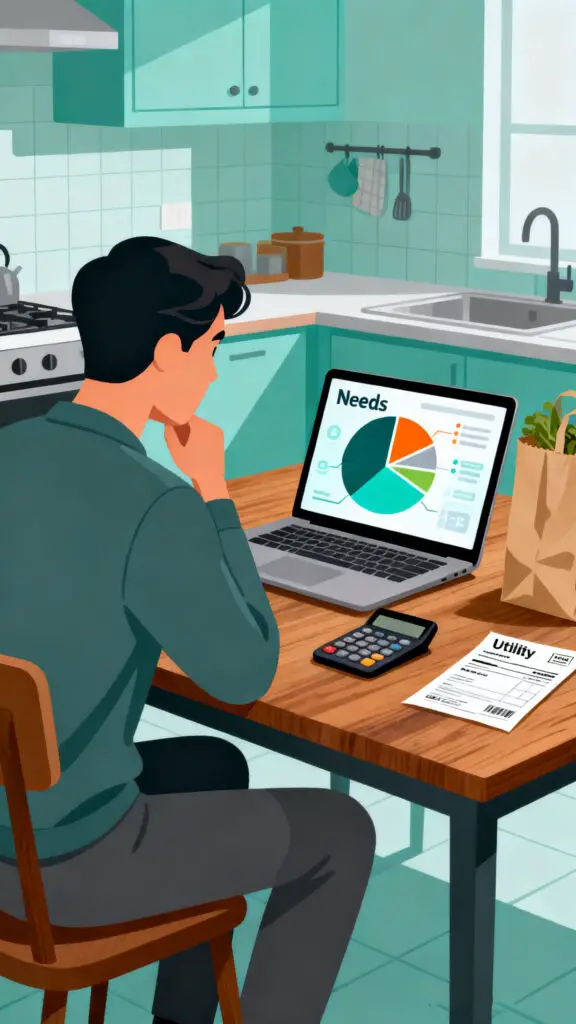
There are situations where your income can feel stretched before the month even properly begins, especially when rent, groceries, electricity, and transport already take up most of what you earn. In that kind of reality, trying to limit your “needs” to 50 percent can feel disconnected from how things actually work because your essentials can easily go far beyond that without any luxury involved. 

Instead of trying to force savings or wants into strict percentages, you may find it more helpful to focus only on getting through the month safely and without stress. This shift can remove guilt from the process, allowing you to stabilize first and think about saving later when things improve.

2. When Debt Is Taking Over Your Budget

Debt can change everything about how your money behaves, because regular payments can quietly eat into your income and leave very little room for anything else. If you follow the 50/30/20 rule strictly, you might only set aside a small portion for debt repayment, which can drag the problem on for much longer than necessary. 

In many cases, it can make more sense to direct extra money toward clearing that burden faster, even if it means cutting down on wants or temporary savings. This approach can feel more intense in the short term, but it can free you sooner, allowing you to rebuild your finances without constant pressure hanging over you.

3. When Living Costs Are Naturally High

Not every place costs the same to live in, and some cities or areas can demand higher rent, higher transport costs, and even more expensive groceries without offering much flexibility. In these situations, the idea that your needs should stay within half your income can feel unrealistic, because the environment itself can push your expenses up. 

It is not a sign of poor money management, it is simply the reality of where you are living. Adjusting your budget to reflect actual costs can feel more honest and practical, allowing you to plan around real numbers instead of chasing percentages that do not match your surroundings.

4. When Your Income Changes Every Month

A modern digital illustration of a fluctuating bar graph, symbolizing the challenges of budgeting with an irregular or freelance income.

For people who freelance, run small businesses, or depend on irregular work, income can go up and down in ways that make fixed budgeting feel almost impossible. One month can feel comfortable, while the next can feel tight, which makes it hard to stick to the same percentages every time. 

The 50/30/20 rule assumes consistency, but irregular earnings can break that assumption quickly. A more flexible approach can work better here, where you adjust based on what you actually earn each month, allowing you to save more when you can and hold back when needed without feeling like you are failing a system.

5. When You Are Chasing a Big Goal Quickly

Sometimes you may have a goal that feels urgent or important enough to deserve extra focus, like saving for education, a home, or starting something of your own. In these moments, saving only 20 percent can feel slow and even frustrating, especially if you are motivated to reach that goal sooner. 

Increasing your savings rate beyond the usual rule can give you a stronger sense of progress, even if it means cutting down on wants more than usual. This kind of focused effort can feel more rewarding, allowing you to move faster toward something meaningful instead of spreading your money too thin.

6. When Family Responsibilities Come First

In many households, especially in places where family support is expected, your income may not fully belong to you alone. You might be contributing to household expenses, helping siblings, or supporting parents, and these responsibilities can take priority over personal budgeting rules. 

The 50 percent limit on needs can quickly become unrealistic when you are covering more than just your own life. Instead of trying to separate everything strictly, you may need to build your budget around these responsibilities first, allowing you to fulfill them without constantly feeling like your finances are out of control.

7. When You Are Dealing With an Emergency

Emergencies do not wait for budgets to make sense, and they can completely shift your priorities in a very short time. Whether it is a health issue, sudden repair, or job loss, your focus can move toward survival rather than balance. During such times, the 50/30/20 rule can lose its importance, because your main goal becomes handling the situation in front of you. 

You might spend more than planned or use savings you worked hard to build, and that is completely part of the process. Responding to the situation can matter more, allowing you to recover first and rebuild later.

8. When You Want to Save or Invest Much More

There are people who prefer to push their savings or investments much higher than the usual 20 percent, especially if they are thinking long term or aiming for financial independence. In such cases, the rule can feel limiting rather than helpful, because it keeps you within a lower saving range. 

Choosing to save more aggressively can require cutting back on wants and even adjusting your lifestyle slightly. While it may not feel easy at first, it can build stronger results over time, allowing you to grow your money faster and create more options for your future.

9. When Your Lifestyle Is Already Very Simple

Some people naturally live in a way where their spending stays low without needing strict rules, and their needs can already fall far below the 50 percent mark. In that situation, the 50/30/20 rule can feel unnecessary because you are already saving more than it suggests without forcing yourself. 

Instead of sticking to those fixed categories, you may benefit from focusing on where your extra money can go next, whether that means investing, building security, or exploring new opportunities. This freedom can help you make better use of your surplus, allowing you to grow beyond basic budgeting.

10. When Life Keeps Changing Around You

Life does not stay the same for long, and your financial situation can shift as you move through different stages like studying, working, getting married, or managing a household. Each phase can bring new expenses and priorities that may not fit neatly into the same percentages. 

The 50/30/20 rule stays fixed, but your life does not, which can make it feel out of place at times. Being willing to adjust your plan as your situation changes can make things feel more manageable, allowing you to respond to your current needs instead of following something that no longer fits.

11. When Social and Cultural Costs Add Up

In many communities, there are expectations around events, gifts, gatherings, and celebrations that can quietly take up a noticeable part of your income. These expenses may not feel optional, even though they do not fall clearly under basic needs. The 50/30/20 rule does not always account for these kinds of realities, which can make your budget feel off balance. 

Planning for them separately can make things easier to handle, allowing you to meet social expectations without constantly adjusting other parts of your budget in a stressful way.

12. When You Care More About Growing Money Than Saving It

Saving and investing are not always the same, and some people prefer to take a more active role in growing their money instead of just setting it aside. The 50/30/20 rule treats savings as a fixed portion, but it does not go deeper into how that money is used. If your focus is on building wealth, you might want to direct a larger share into investments or opportunities that can grow over time. 

This shift in thinking can change how you plan your money, allowing you to focus more on long term growth rather than simple saving.

Conclusion

The 50/30/20 rule can work well as a starting point, but it is not something that needs to be followed strictly in every situation, because people’s lives, incomes, and responsibilities can be very different from one another. There can be times when it fits nicely, and other times when it can feel forced or even unhelpful. Instead of trying to follow it perfectly, you can treat it as a loose guide and adjust it based on what your life actually looks like. This approach can give you more control and less pressure, allowing you to manage your money in a way that feels natural and realistic.

13 Non Phone Remote Jobs You’ll Love

May 5, 2026 By Ana Rose

Non-phone remote jobs can be a very helpful option for people who do not feel comfortable talking on calls and who would rather work in a quiet and simple way using a laptop and internet connection. These jobs can allow you to earn money from home while avoiding direct conversations, giving you more control over your daily routine and how you manage your time. Many of these jobs can be started with basic skills, allowing you to improve slowly as you practice and gain experience. If you stay consistent and keep learning, you can turn these simple tasks into a reliable way to earn money over time without needing to speak on the phone.

13 Non Phone Remote Jobs You’ll Love

1. Freelance Writing

A calm vector illustration of a freelance writer working in a quiet, organized home office.

Freelance writing can be one of the easiest non-phone remote jobs that you can start because it only requires basic writing skills and the ability to explain ideas in a simple and clear way. You can write blog posts, articles, product descriptions, or website content, and you can find this work on freelancing platforms or by reaching out to small businesses that need help. 

You can improve your writing skills over time by practicing regularly and by slowly charging more as your work gets better and your confidence increases. This job can be done quietly, allowing you to work at your own pace without the pressure of calls or direct speaking.

2. Data Entry Jobs

Data entry jobs can be a simple way to begin working online, especially if you prefer tasks that are repetitive and easy to understand without needing much communication. In this job, you can enter information into spreadsheets, update records, or organize data using tools like Excel or Google Sheets, and you can complete your tasks step by step. 

You can learn these tools quickly and improve your speed and accuracy with regular practice which can help you earn more over time. This job can feel very structured and calm, and you can focus fully on your work without needing to talk to anyone.

3. Virtual Assistant (Non-Phone Tasks)

A virtual assistant can handle many useful tasks for clients without needing to make calls, which can make this job a good choice for people who prefer written communication. You can manage emails, schedule posts, organize documents, and do simple research, and all of these tasks can be completed through messages and online tools. 

You can learn these responsibilities step by step, and you can become more valuable as you gain experience and understand client needs better. This job can be flexible and you can work with multiple clients at once, which can help you grow your skills and increase your income slowly.

4. Content Writing for Blogs

Content writing for blogs can be a good option if you enjoy writing and sharing information in a simple and easy way that readers can understand. You can write about topics like lifestyle, health, money, or daily habits and you can get paid for each article that you complete.

You can improve your research and writing skills over time, allowing you to learn what type of content people enjoy reading the most. This job can be very peaceful and you can work without any calls or pressure, which can make it a comfortable choice for many people who prefer quiet work.

5. Social Media Management

Social media management can be a creative and flexible job that you can do without making phone calls because most communication can happen through messages and emails. You can create posts, reply to comments, schedule content, and help grow a business page by using simple tools that can help you manage everything easily. 

You can learn how different platforms work by observing trends, allowing you to improve your skills by practicing daily and trying new ideas. This job can allow you to work from home, and you can manage multiple accounts, which can help you increase your income over time.

6. Graphic Designing

A creative digital illustration of a graphic designer’s workspace, featuring digital tools and vibrant design elements.

Graphic designing can be a great option if you enjoy creating simple visuals and designs using tools like Canva or other easy software. You can design logos, social media posts, banners, or thumbnails, and clients can send you instructions through messages instead of calling you. 

You can learn design skills online, and you can improve your work by practicing regularly and trying different styles. This job can be done fully online, and you can build a strong portfolio over time which can help you attract better clients and earn more money as your skills improve.

7. Transcription Jobs

Transcription jobs can involve listening to audio recordings and typing them into written text, allowing you to pursue this remote job without having to speak to anyone directly. You can work on interviews, lectures, or simple recordings and get paid based on how much audio files you complete. 

You can improve your typing speed and listening ability with regular practice and become faster and more accurate over time. This job can require focus and patience but it can be done in a quiet environment, which can make it suitable for people who prefer working alone.

8. Online Tutoring (Chat-Based)

Online tutoring can also be done without calls if you choose platforms that allow chat-based teaching, where you can guide students through written messages instead of speaking. You can help with subjects like English, math, or basic school topics, and you can explain concepts step by step in a simple way. 

You can improve your teaching skills as you work with more students and learn how to explain things more clearly. This job can be flexible and rewarding because it allows you to help others learn while staying in a comfortable and quiet working environment.

9. Proofreading and Editing

Proofreading and editing can be a good job if you are careful with details and enjoy correcting mistakes in written content. You can check grammar, spelling, and sentence structure and help improve the quality of different types of writing for clients. 

You can learn these skills slowly and become more accurate with regular practice and experience. This job can be calm and quiet, allowing you to work on documents without needing to talk to anyone, which can make it a good option for people who prefer independent work.

10. Selling Digital Products

Selling digital products can be a smart way to earn money without dealing with calls because you can create something once and sell it many times. You can make planners, templates, worksheets, or simple guides, and you can sell them on different online platforms. 

You can improve your products based on feedback and learn what people prefer to buy. This job can be creative and flexible, allowing you to manage everything from your laptop which can make it easier to work from home and grow your income slowly.

11. Affiliate Marketing

Affiliate marketing can allow you to earn money by promoting products online without needing to speak to anyone directly. You can share links through blogs, social media, or simple content and earn a commission when someone buys through your link. 

You can learn how to promote products in a natural way and improve your results over time by understanding what people like. This job can take time to grow but it can become a good source of income, making it a considerable option for those looking for something that allows them to work in a quiet environment while earning a good amount as well.

12. Website Testing

Website testing can involve checking websites and giving feedback about how they work, and you can do this without speaking on the phone. You can follow simple instructions, test features, and write your opinions clearly, and get paid for each task that you complete. 

You can improve your observation skills, allowing you to become faster and more confident with practice. This job can be flexible and you can do it in your free time, which can make it a good option for beginners who want to start small.

13. Pinterest Management

Pinterest management can be a good job if you enjoy creating simple visuals and organizing content in a neat and creative way. You can design pins, schedule posts, and help businesses grow their traffic, and all communication can happen through messages. 

You can learn how Pinterest works, allowing you to improve your strategies by practicing regularly and testing new ideas. This job can be quiet and flexible, and you can manage multiple accounts if you want to increase your income over time.

Conclusion

Non-phone remote jobs can give you a simple and quiet way to earn money from home, and you can choose work that matches your comfort level and skills. You can start with basic tasks and improve step by step, and you can build confidence as you gain experience. These jobs can help you avoid the stress of calls while still allowing you to grow and earn. If you stay consistent and keep learning, you can turn these small efforts into something more reliable over time.

14 Exciting Side Hustles for Kids to Try

May 2, 2026 By Ana Rose

Side hustles for kids can be a great way to learn how money works while also doing simple and useful tasks during free time, and kids can start small without needing special skills or expensive tools. These ideas can help kids understand responsibility because they can manage their time, talk to people, and complete tasks properly. Kids can also build confidence because they can see the results of their own effort, and they can feel proud when they earn money on their own. This article will help you explore small side hustles that can turn into helpful habits, and kids can slowly improve their skills while also learning how to save and spend wisely.

Side Hustles For Kids

1. Pet Sitting for Neighbors

Kids can offer pet sitting services to neighbors who may need help when they are busy or going out of town, and this can include feeding pets, giving water, and spending time with them so they feel safe and comfortable. 

This idea can be easy to start because kids can begin with pets they already know, and they can learn how to handle animals in a gentle and careful way. Kids can build trust over time if they show they can be responsible, and they can get more chances to work if neighbors feel confident leaving their pets in their care.

2. Dog Walking

A bright vector illustration of a kid responsibly walking dogs in a park, showing a fun and active side hustle.

Kids can walk dogs for people in their neighborhood who may not have enough time during the day, and this can be a simple and active way to earn money while also staying healthy. This work can fit into daily routines because kids can walk dogs after school or in the evening, and they can choose safe areas to walk. 

Kids can learn how to manage pets outside the home, and they can build confidence as they take responsibility. If they do their job well, they can get regular clients, and they can slowly increase how much they earn over time.

3. Washing Cars

Kids can offer car washing services using simple items like water, soap, and cloth, and this can be a very easy side hustle to start without needing much money. They can take their time to clean each car carefully, and they can try to make it look neat and shiny so people feel satisfied with the result. 

This work can be done on weekends or free days, and kids can earn more if they work regularly. They can also get repeat customers if they show effort and do a good job, which can help them build a small but steady income.

4. Selling Homemade Snacks

Kids can make simple snacks at home and can sell them to friends, family, or neighbors, and this can include cookies, sandwiches, or small treats that are easy to prepare. This idea can help kids learn basic cooking skills, and they can understand how to manage ingredients and cost. 

They can try different recipes and can improve their food over time, and they can learn what people enjoy buying. With practice, kids can make better snacks and can increase their sales, and they can feel proud because they are creating something with their own effort.

5. Tutoring Younger Kids

Kids can help younger students with schoolwork such as reading, writing, or basic math, and this can be a good way to use what they already know to earn money. This idea can also help kids improve their own learning because teaching can make concepts easier to understand. 

They can start with short sessions and can slowly build confidence as they continue helping others. Parents can trust them more if they show patience and effort, and kids can earn more if they become known for being helpful and reliable in their work.

6. Selling Handmade Crafts

A vibrant digital illustration of a handmade craft station, representing a kid's creative small business.

Kids can create handmade crafts like bracelets, drawings, or decorations, and they can sell them to people who like simple and creative items. This idea can allow kids to use their imagination, and they can enjoy making things while also earning money. 

They can try different designs and can improve their skills with practice, and they can learn what people prefer to buy. Over time, kids can create better quality items, and they can increase their earnings as more people become interested in their work.

7. Yard Work Help

Kids can help with yard work such as cleaning leaves, watering plants, or doing small outdoor tasks, and this can be a simple way to earn money without needing special skills. This type of work can be available in many homes, and kids can choose tasks that they can handle safely. 

If they show responsibility and effort, people can trust them more, and they can get more work opportunities from neighbors who need regular help.

8. Running Small Errands

Kids can run small errands like delivering items, picking up groceries, or helping with simple tasks, and this can be a useful way to earn money while helping others. This idea can be flexible because kids can choose tasks that are safe and easy to manage. They can learn how to follow instructions properly, and they can improve their communication skills when dealing with people. 

Over time, kids can become more confident, and they can get more opportunities as people begin to trust them with small responsibilities.

9. Cleaning and Organizing Rooms

Kids can help clean and organize rooms by arranging items, dusting, and putting things in order, and this can make spaces look neat and comfortable. This idea can be easy to start because it does not need special tools, and kids can use what is already available at home.

They can take their time to do a proper job, and they can improve their skills with practice. If they work carefully and show effort, people can ask them again, and they can earn more as they gain experience.

10. Recycling Collection

Kids can collect recyclable items like bottles, paper, or cans, and they can sell them where recycling is accepted, which can help them earn money while also reducing waste. This idea can be done in free time, and kids can collect items from their home or nearby areas. 

They can learn responsibility because they are managing their collection and sorting items properly. Over time, they can build a routine, and they can earn small amounts regularly while also doing something useful for their surroundings.

11. Selling Old Toys or Books

Kids can sell toys, books, or clothes that they no longer use, and this can help them earn money while also clearing space in their home. This idea can be simple because they can start with items they already own, and they can decide prices with some guidance. 

They can learn how to talk to buyers and understand value, and they can make better decisions about what to keep or sell. This can also teach them not to waste things, and they can feel satisfied because they are using items in a better way.

12. Helping with Technology Basics

Kids who understand basic technology can help others with simple tasks like setting up phones, using apps, or fixing small problems, and this can be very useful for people who are not familiar with technology. This idea can allow kids to use skills they already have, and they can improve by helping others regularly. 

They can explain things in simple ways, and they can build confidence as they see their knowledge being helpful. Over time, they can get more requests, and they can earn money by using something they already enjoy.

13. Babysitting for Short Times

Kids can offer babysitting for short periods for families they know, and this can include watching children while parents are nearby or busy. This idea can help kids learn responsibility and patience, and they can understand how to care for others in a safe way.

They can start with small and simple tasks, and they can build trust slowly over time. If they show they can handle situations calmly, parents can rely on them more, and they can get more chances to earn money through this work.

14. Helping in Family Business

Kids can help in a family business by doing small tasks like organizing items, helping customers, or handling simple work, and this can be a great way to learn real-life skills. They can see how money is earned, and they can understand how work is managed in daily life.

This experience can build confidence because kids can feel involved in something important, and they can learn useful habits. Over time, they can take on more responsibility, and they can improve their skills while also earning money.

Conclusion

Side hustles for kids can be simple, useful, and rewarding because they can help build good habits while also giving kids a chance to earn their own money. These ideas can be started easily, and kids can grow step by step as they gain more experience. When kids stay consistent and keep trying, they can improve their skills and can feel more confident in what they do. Over time, these small efforts can turn into valuable lessons, and kids can learn how to manage money, time, and responsibility in a better way.

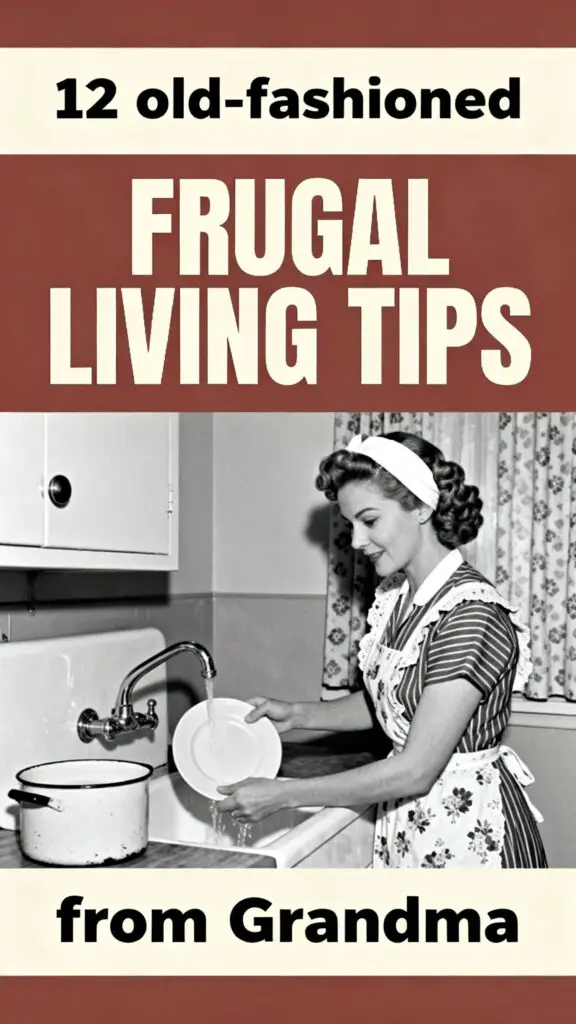
Old-Fashioned Frugal Living Tips

May 1, 2026 By Ana Rose

Old-fashioned frugal living is about being careful with money, using things wisely, and avoiding waste in simple daily ways that anyone can follow without feeling restricted or uncomfortable. In the past, people lived like this because they had limited resources, and they learned how to stretch what they had so it lasted longer and served more purpose. These habits are still helpful today because they reduce unnecessary spending and help you feel more in control of your life. When you follow these ideas, you are not missing out on anything, but instead you are building better habits that make your money go further while keeping your life simple and manageable.

Old-Fashioned Frugal Living Tips

1. Use Everything You Buy Fully

Using everything you buy fully means not wasting items before they are completely used, and this habit can help you save more money without making big changes in your lifestyle. For example, you can finish all your food, use both sides of paper, and wear clothes until they are no longer usable instead of replacing them too early. 

In the past, people made sure nothing was wasted because they could not afford to replace things easily, and this mindset helped them get the most value out of everything they owned. When you follow this habit today, you slowly reduce waste and stop spending on things you already have but are not using properly.

2. Cook Meals at Home More Often

Cooking meals at home more often can save a large amount of money over time because eating outside or ordering food regularly is usually much more expensive than preparing simple meals yourself. In the past, families cooked daily using basic ingredients, and they created meals that were filling and affordable without needing expensive items. 

When you cook at home, you can plan your meals better, control your spending, and avoid wasting food because you are more aware of what you are using. This habit also helps you build useful skills and makes you less dependent on outside options, which can slowly improve both your budget and your daily routine.

3. Fix Things Instead of Replacing Them

A cozy vector illustration of someone repairing clothes, representing the old-fashioned value of fixing items instead of buying new ones.

Fixing things instead of replacing them is a valuable habit that helps you avoid unnecessary spending and makes better use of what you already own. When something breaks, many people quickly decide to replace it, but in the past, people tried to repair items first because buying new ones was not always possible. 

Learning simple repair skills for clothes, furniture, or small household items can save money and extend the life of your belongings. This habit also teaches patience and problem solving because you are finding ways to fix issues instead of ignoring them, and over time, it helps you become more careful with your possessions.

4. Reuse and Repurpose Items

Reusing and repurposing items means finding new ways to use things instead of throwing them away, and this habit helps reduce waste while saving money in a simple and practical way. For example, you can use old jars for storage, turn worn clothes into cleaning cloths, or reuse containers for organizing small items around your home. 

In the past, people reused almost everything because they understood the value of each item and did not want to waste it. When you practice this habit, you begin to see useful possibilities in things you already have, and this reduces the need to buy new items again and again.

5. Plan Your Spending Carefully

Planning your spending carefully means thinking before you buy something and making sure your money is used in a smart and controlled way. In the past, people often made lists before shopping and followed them strictly because they had limited money and needed to avoid waste. 

When you plan your spending, you become more aware of your choices and start to separate what you truly need from what you only want in the moment. This habit helps you avoid regret after buying unnecessary things, and it also allows your money to last longer because you are making decisions with more thought and purpose.

6. Grow Your Own Food If Possible

A vibrant digital illustration of a small balcony herb garden, showing how to grow food in a limited space.

Growing your own food, even in a small space, can help you save money and feel more connected to what you eat because you are involved in the process from start to finish. In the past, many families relied on small gardens for vegetables and herbs, and this reduced their need to spend money on basic food items. 

You do not need a large area because even a few pots or a small corner can be enough to grow something useful. This habit teaches patience and care, and over time, it can reduce your grocery expenses while giving you fresh and simple food options at home.

7. Buy Only What You Truly Need

Buying only what you truly need is an important part of frugal living because it helps you avoid unnecessary spending and keeps your home free from items that you rarely use. Many purchases are made without thinking, often because of habits or emotions, but this approach encourages you to slow down and question your decisions before spending money. 

In the past, people focused mostly on needs because they had limited resources, and this helped them manage their finances more carefully. When you follow this habit, you naturally spend less money and feel more satisfied because you are making thoughtful and controlled choices.

8. Make Things at Home Instead of Buying

Making things at home instead of buying them can save money and give you a sense of control over your daily needs because you are creating what you use instead of depending on stores. In the past, people often made food, household items, and simple decorations at home because it was more affordable and practical. 

This habit allows you to reduce costs while also using your time in a useful way, and it can even become something enjoyable as you improve your skills. Over time, you begin to rely less on buying everything, which helps you manage your spending more effectively.

9. Save Small Amounts Regularly

Saving small amounts regularly is a simple habit that can grow into something meaningful over time because consistency matters more than the size of each amount. In the past, people saved whatever they could, even if it was very little, and this helped them prepare for unexpected situations. 

When you save regularly, you build a routine that makes it easier to manage money without feeling pressure. This habit also gives you a sense of security because you know you have something set aside, and over time, these small savings can add up without making your daily life feel difficult.

10. Avoid Debt When You Can

Avoiding debt when you can is an important part of frugal living because it helps you stay free from financial pressure and extra costs that come from borrowing money. In the past, people avoided debt unless it was absolutely necessary, and this helped them maintain control over their finances. 

Debt can become difficult to manage because of added charges, and it can make simple expenses feel heavier over time. When you focus on living within your means, you reduce stress and create a more stable way of handling your money, which can make your daily life feel more calm and manageable.

11. Use Simple and Lasting Items

Using simple and lasting items means choosing things that are durable and useful instead of buying many cheap items that need to be replaced often. In the past, people preferred quality over quantity because they wanted items that would last a long time and serve their purpose well. 

This habit helps you save money because you are not constantly replacing broken or low-quality items. It also makes your life easier because you are using things that work properly and last longer, and over time, this reduces both waste and spending in a natural and practical way.

12. Share and Borrow When Possible

Sharing and borrowing items with others can reduce the need to buy everything yourself, and this is a simple way to save money while building stronger connections with people around you. In the past, communities often shared tools, equipment, and other items because not everyone needed to own everything. 

When you borrow something you rarely use, you avoid spending money on it, and you also save space in your home. This habit encourages cooperation and trust, and it helps you manage your resources more wisely without feeling like you are missing out on anything.

Conclusion

Old-fashioned frugal living is not about giving up comfort, but it is about making better choices and using what you have in a more thoughtful and careful way. These habits may seem simple, but they can have a strong impact when practiced regularly because they reduce waste and help you manage your money more effectively. When you follow these ideas, you begin to feel more in control of your spending, and your daily life becomes easier to manage. Over time, these small changes can lead to bigger results, and you can build a lifestyle that feels balanced, practical, and less stressful.

  • « Go to Previous Page
  • Go to page 1
  • Interim pages omitted …
  • Go to page 6
  • Go to page 7
  • Go to page 8
  • Go to page 9
  • Go to page 10
  • Interim pages omitted …
  • Go to page 170
  • Go to Next Page »

The Latest Blog Posts:

  • 14 Profitable Things To Sell On eBay June 20, 2026
  • Mason Jar Crafts To Make And Sell June 19, 2026
  • 12 Best Jobs for Retired Teachers  June 18, 2026

As Featured In:

Just Start Investing Press Strip 2020 B&W

Follow Us:

  • Facebook
  • Twitter
  • Pinterest

Copyright © 2026 · Just Start Investing LLC

  • Contact Us
  • Blog
  • Privacy Policy / Disclaimers