
Old-fashioned frugal living is about being careful with money, using things wisely, and avoiding waste in simple daily ways that anyone can follow without feeling restricted or uncomfortable. In the past, people lived like this because they had limited resources, and they learned how to stretch what they had so it lasted longer and served more purpose. These habits are still helpful today because they reduce unnecessary spending and help you feel more in control of your life. When you follow these ideas, you are not missing out on anything, but instead you are building better habits that make your money go further while keeping your life simple and manageable.
1. Use Everything You Buy Fully
Using everything you buy fully means not wasting items before they are completely used, and this habit can help you save more money without making big changes in your lifestyle. For example, you can finish all your food, use both sides of paper, and wear clothes until they are no longer usable instead of replacing them too early.
In the past, people made sure nothing was wasted because they could not afford to replace things easily, and this mindset helped them get the most value out of everything they owned. When you follow this habit today, you slowly reduce waste and stop spending on things you already have but are not using properly.
2. Cook Meals at Home More Often
Cooking meals at home more often can save a large amount of money over time because eating outside or ordering food regularly is usually much more expensive than preparing simple meals yourself. In the past, families cooked daily using basic ingredients, and they created meals that were filling and affordable without needing expensive items.
When you cook at home, you can plan your meals better, control your spending, and avoid wasting food because you are more aware of what you are using. This habit also helps you build useful skills and makes you less dependent on outside options, which can slowly improve both your budget and your daily routine.
3. Fix Things Instead of Replacing Them

Fixing things instead of replacing them is a valuable habit that helps you avoid unnecessary spending and makes better use of what you already own. When something breaks, many people quickly decide to replace it, but in the past, people tried to repair items first because buying new ones was not always possible.
Learning simple repair skills for clothes, furniture, or small household items can save money and extend the life of your belongings. This habit also teaches patience and problem solving because you are finding ways to fix issues instead of ignoring them, and over time, it helps you become more careful with your possessions.
4. Reuse and Repurpose Items
Reusing and repurposing items means finding new ways to use things instead of throwing them away, and this habit helps reduce waste while saving money in a simple and practical way. For example, you can use old jars for storage, turn worn clothes into cleaning cloths, or reuse containers for organizing small items around your home.
In the past, people reused almost everything because they understood the value of each item and did not want to waste it. When you practice this habit, you begin to see useful possibilities in things you already have, and this reduces the need to buy new items again and again.
5. Plan Your Spending Carefully
Planning your spending carefully means thinking before you buy something and making sure your money is used in a smart and controlled way. In the past, people often made lists before shopping and followed them strictly because they had limited money and needed to avoid waste.
When you plan your spending, you become more aware of your choices and start to separate what you truly need from what you only want in the moment. This habit helps you avoid regret after buying unnecessary things, and it also allows your money to last longer because you are making decisions with more thought and purpose.
6. Grow Your Own Food If Possible
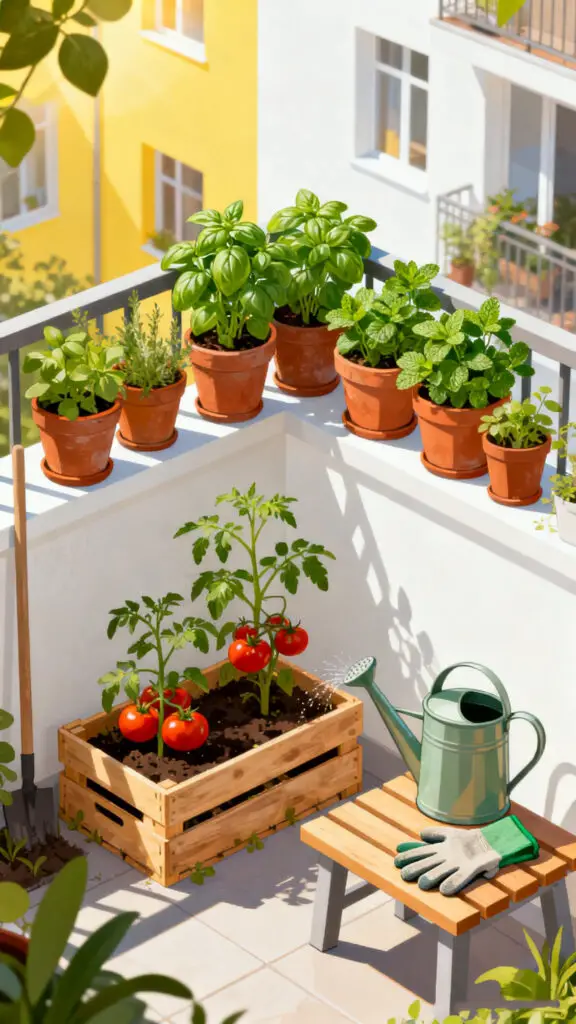
Growing your own food, even in a small space, can help you save money and feel more connected to what you eat because you are involved in the process from start to finish. In the past, many families relied on small gardens for vegetables and herbs, and this reduced their need to spend money on basic food items.
You do not need a large area because even a few pots or a small corner can be enough to grow something useful. This habit teaches patience and care, and over time, it can reduce your grocery expenses while giving you fresh and simple food options at home.
7. Buy Only What You Truly Need
Buying only what you truly need is an important part of frugal living because it helps you avoid unnecessary spending and keeps your home free from items that you rarely use. Many purchases are made without thinking, often because of habits or emotions, but this approach encourages you to slow down and question your decisions before spending money.
In the past, people focused mostly on needs because they had limited resources, and this helped them manage their finances more carefully. When you follow this habit, you naturally spend less money and feel more satisfied because you are making thoughtful and controlled choices.
8. Make Things at Home Instead of Buying
Making things at home instead of buying them can save money and give you a sense of control over your daily needs because you are creating what you use instead of depending on stores. In the past, people often made food, household items, and simple decorations at home because it was more affordable and practical.
This habit allows you to reduce costs while also using your time in a useful way, and it can even become something enjoyable as you improve your skills. Over time, you begin to rely less on buying everything, which helps you manage your spending more effectively.
9. Save Small Amounts Regularly
Saving small amounts regularly is a simple habit that can grow into something meaningful over time because consistency matters more than the size of each amount. In the past, people saved whatever they could, even if it was very little, and this helped them prepare for unexpected situations.
When you save regularly, you build a routine that makes it easier to manage money without feeling pressure. This habit also gives you a sense of security because you know you have something set aside, and over time, these small savings can add up without making your daily life feel difficult.
10. Avoid Debt When You Can
Avoiding debt when you can is an important part of frugal living because it helps you stay free from financial pressure and extra costs that come from borrowing money. In the past, people avoided debt unless it was absolutely necessary, and this helped them maintain control over their finances.
Debt can become difficult to manage because of added charges, and it can make simple expenses feel heavier over time. When you focus on living within your means, you reduce stress and create a more stable way of handling your money, which can make your daily life feel more calm and manageable.
11. Use Simple and Lasting Items
Using simple and lasting items means choosing things that are durable and useful instead of buying many cheap items that need to be replaced often. In the past, people preferred quality over quantity because they wanted items that would last a long time and serve their purpose well.
This habit helps you save money because you are not constantly replacing broken or low-quality items. It also makes your life easier because you are using things that work properly and last longer, and over time, this reduces both waste and spending in a natural and practical way.
12. Share and Borrow When Possible
Sharing and borrowing items with others can reduce the need to buy everything yourself, and this is a simple way to save money while building stronger connections with people around you. In the past, communities often shared tools, equipment, and other items because not everyone needed to own everything.
When you borrow something you rarely use, you avoid spending money on it, and you also save space in your home. This habit encourages cooperation and trust, and it helps you manage your resources more wisely without feeling like you are missing out on anything.
Conclusion
Old-fashioned frugal living is not about giving up comfort, but it is about making better choices and using what you have in a more thoughtful and careful way. These habits may seem simple, but they can have a strong impact when practiced regularly because they reduce waste and help you manage your money more effectively. When you follow these ideas, you begin to feel more in control of your spending, and your daily life becomes easier to manage. Over time, these small changes can lead to bigger results, and you can build a lifestyle that feels balanced, practical, and less stressful.
