
A mini savings challenge is a simple and practical way to save money fast without feeling stressed or overwhelmed by a big saving figure. Instead of stressing over goals that sound too big or unrealistic, a min savings challenge can be the perfect way to manage your daily expenses while setting aside small amounts that can turn into something big and meaningful over time. This type of challenge is useful especially for beginners, students, or anyone who thinks of saving money as draining and difficult. This article will help you explore easy and realistic mini savings ideas that you can follow in your daily life so you can start building a habit of saving without making your routine feel hard or uncomfortable.

1. Start With a Small Daily Amount
You can begin your mini savings challenge by saving a very small amount each day so it does not feel like a burden on your routine or your basic needs. This amount can be as simple as the money you would normally spend on a snack or something unnecessary during the day.
When you keep the amount small, it becomes easier to stay consistent without feeling pressure or stress. Over time, these small savings start to build into a noticeable amount, and you slowly develop a habit that feels natural and easy to follow in your daily life.
2. Use a Weekly Savings Plan
A weekly savings plan can make things feel more organized because you only need to focus on saving once every week instead of thinking about it daily. You can choose an amount that feels comfortable based on your income or allowance, and you can adjust it when needed without making things difficult for yourself.
This method works the best for people who like simple routines and want to stay in control of their spending. By saving weekly, you give yourself time to manage expenses while still building a steady saving habit over time.
3. Save Loose Change Regularly
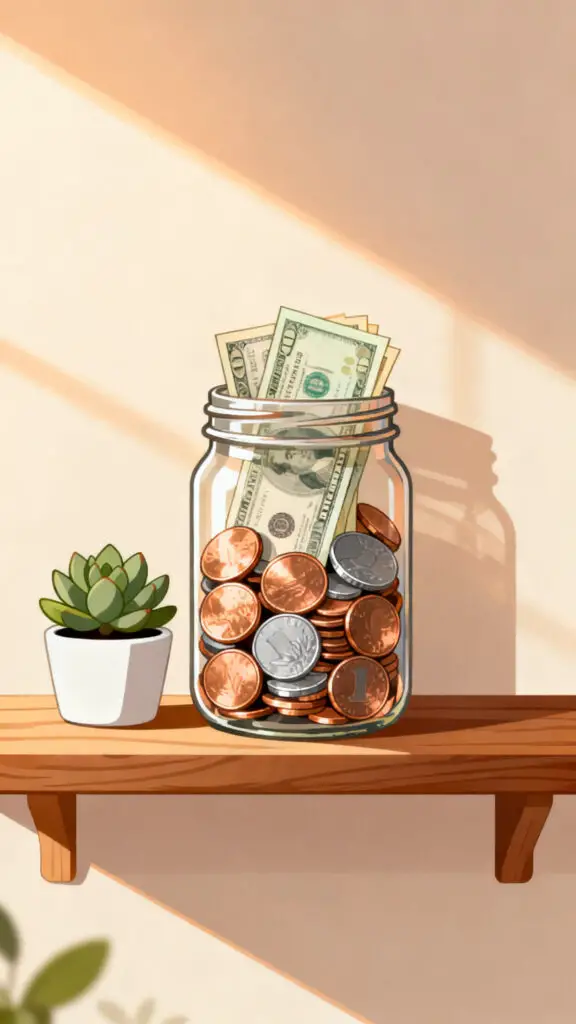
Saving loose change is one of the easiest ways to start because it does not require any planning or effort from your side. Every time you receive coins from a purchase, you can put them aside in a jar or small container at home instead of spending them again.
This method works quietly in the background without affecting your main budget, which makes it perfect for beginners. After a few weeks, you may be surprised to see how much you have collected just from small leftover amounts that usually go unnoticed.
4. Set a Simple Short-Term Goal
Setting a simple short-term goal can make your mini savings challenge feel more meaningful and easier to follow. Instead of thinking about long-term savings, you can focus on something small that you want to achieve within a short period of time.
This could be saving for a small purchase, a personal need, or even emergency money and when you have a clear goal in mind, it becomes easier to stay motivated and avoid unnecessary spending. It also gives you a sense of progress as you move closer to reaching your target.
5. Try a No-Spend Day Each Week
You can choose one day every week where you decide not to spend any money at all so you can become more aware of your habits and how often you spend without thinking. On this day, you can use what you already have at home, such as eating home-cooked meals or avoiding online shopping and small purchases.
This simple habit can help you control unnecessary spending while slowly increasing your savings without making your routine feel difficult or restricted.
6. Save a Small Percentage of Your Money
Instead of fixing a certain amount, you can decide to save a small percentage of whatever money you receive so your savings feel more flexible and easier to manage. This means when you receive more money, you save a little more, and when you receive less, you still save something without feeling pressure.
This method works well for students or beginners because it adjusts to your situation and it helps build the habit of saving regularly while keeping your daily needs in balance without feeling like you are giving up too much.
7. Keep Your Savings Separate
It becomes much easier to save money when you keep it separate from your daily spending so you are not tempted to use it without thinking. You can use a jar, envelope, or even a separate account if possible to store your savings.
This separation perfectly creates a clear boundary between what you can spend and what you should save, helping you see your progress more clearly, which can feel motivating.
8. Increase Your Savings Slowly
You do not need to start with a large amount, and you can slowly increase your savings as you become more comfortable with the habit. You can begin with a small amount and then add a little more each week or month depending on your situation.
This gradual approach makes saving feel natural and prevents stress or pressure, allowing you to adjust your spending habits step by step. Over time, you will notice that saving larger amounts becomes easier because you have already built the habit in a simple way.
9. Save Money From Skipped Purchases
Whenever you decide not to buy something, you can take that exact amount and move it into your savings so your small decisions turn into real progress over time. This can happen when you skip ordering food, avoid buying clothes you do not really need, or stop yourself from making random purchases.
Instead of forgetting about that money, you can give it a purpose by saving it. This habit can help you become more mindful before spending, allowing you to slowly build your savings without making you feel restricted or uncomfortable in your daily routine.
10. Try a 7-Day Mini Challenge
A 7-day savings challenge is a simple way to start because it feels short, manageable, and easy to follow without creating pressure on your routine. You can choose a small amount to save each day and focus on completing the full week without skipping.
This approach helps you build confidence because you can see results quickly, and it makes saving feel achievable instead of difficult. Once you complete the challenge, you can repeat it or slowly increase your target, which can help you grow your savings while keeping everything simple and easy to manage.
11. Track Your Savings Regularly
Tracking your savings regularly can help you stay focused because you can clearly see how your efforts are turning into real results over time. You can write your savings in a notebook or keep a simple record on your phone so you always know where you stand.
This habit makes you more aware of your progress and encourages you to stay consistent. It also helps you notice your spending patterns, which can guide you to make better decisions and avoid unnecessary expenses that could slow down your savings.
12. Save Before You Spend
You can make saving easier by setting aside a small amount as soon as you receive money instead of waiting until the end when most of it is already spent. This method helps you treat saving as a priority rather than something optional, which makes a big difference in the long run.
When you save first, you naturally adjust your spending based on what is left, and this helps you stay in control of your money. Over time, this habit becomes part of your routine and makes saving feel more natural and less stressful.
13. Use an Envelope Method

The envelope method is a simple way to manage your money by dividing it into different categories so you can clearly control your spending and savings. You can place your money into separate envelopes for daily expenses, personal needs, and savings, which can help you avoid confusion and overspending.
When you see your money physically separated, it becomes easier to stick to your limits and protect your savings. This method works well for beginners because it is easy to understand, and it helps build discipline without making things feel complicated.
14. Limit Small Daily Expenses
Small daily expenses can quietly take away a large part of your money without you realizing it, which is why reducing them can help you save more without making big changes. You can cut down on things like extra snacks, drinks, or small items that you buy out of habit instead of need.
The money you save from these small changes can be added to your savings, and over time it can grow into something meaningful, making this approach a considerable option for many.
Conclusion
A mini savings challenge is not about saving a large amount all at once, but it is about building a simple habit that fits easily into your daily life without making things feel stressful or difficult. By focusing on small actions like skipping unnecessary purchases, tracking your progress, and setting aside money before spending, you slowly create a system that works for you. Over time, these small efforts begin to grow into something meaningful, and you start to feel more in control of your money. With patience and consistency, this simple approach can turn into a long-term habit that supports your needs and future goals.
