• Skip to primary navigation
  • Skip to main content

Just Start Investing

We Make Investing Easy

  • Investing
    • Learn About Investing:
    • Investment Accounts
    • Online Brokerage Accounts
    • Investment Vehicles
    • Start Investing:
    • How to Invest in Index Funds
    • Start Investing with Betterment
    • Start Investing with Charles Schwab
  • Banking
    • Best Bank Accounts
    • Types of Bank Accounts:
    • Checking Accounts
    • Savings Accounts
    • CDs and Money Market Accounts
    • Online Banks vs Brick-and-Mortar
  • Credit Cards
    • Best Credit Cards:
    • Best Cash Back Credit Cards
    • Best No Annual Fee Credit Cards of 2021
    • Best Premium Credit Cards of 2021
    • Credit Card Tool: Find the Best Credit Card for Me
    • Learn About Credit Cards:
    • Types of Credit Cards
  • Blog
    • Investing
      • What is Crypto?
        • Crypto
      • What are stocks?
        • Stocks
      • What is a Real Estate Investment?
        • Real Estate Investments
      • What is an IPO?
        • IPO
    • Banking
    • Credit Cards
    • Budget
    • Finances
  • Earn with Crypto
  • Budget
    • How to Build a Budget
    • 24 Tips to Save More Money
  • Resources
  • About
    • Contact
    • Press
    • Learn More
    • Disclaimers
  • Show Search
Hide Search

Business Ideas

10 Ways To Make Money On Pinterest For Beginners

March 22, 2026 By Ana Rose

Pinterest has grown far beyond being a simple platform for saving ideas and inspiration as today it functions as a powerful visual search engine where millions of people actively look for solutions, products, and creative ideas that can improve their daily lives. This behavior makes Pinterest especially valuable for beginners who want to earn money online because users are already searching with intent, which means they are often ready to click, learn, or even purchase something they find helpful. With the right strategy, Pinterest can become a steady traffic source that supports different online income streams. This article will explore ways to make money on Pinterest for beginners by helping them create meaningful content and learning how Pinterest works, making it possible to turn simple pins into consistent income opportunities.

10 Ways To Make Money On Pinterest For Beginners

Affiliate Marketing Through Pinterest

Illustration of affiliate marketing on Pinterest showing pins leading to product purchases on a pastel pink background.

Affiliate marketing is one of the easiest ways beginners can start making money on Pinterest without creating their own products. In this method, you promote products or services from other companies and earn a commission when someone makes a purchase through your affiliate link. Pinterest works well for this because users often search for recommendations, product comparisons, and helpful solutions. 

By designing attractive pins that link to blog posts, product reviews, or landing pages containing affiliate links, you can guide interested users toward products that solve their problems. Over time, popular pins continue sending traffic, which means commissions can accumulate consistently.

Driving Traffic to a Blog

Many bloggers use Pinterest as their main traffic source because the platform allows content to remain discoverable for long periods of time. Unlike social media posts that disappear quickly in a feed, Pinterest pins can appear in search results months or even years later. Bloggers create visually appealing pins that link to their blog articles, guides, or tutorials.

Once readers arrive on the blog, the site can earn money through advertisements, affiliate links, or digital product sales. Beginners who regularly publish helpful blog content and create several pins for each article can gradually build a strong traffic system that produces income every month.

Selling Digital Products

Illustration of selling digital products like planners and templates online using Pinterest on a pastel pink background.

Digital products are extremely popular on Pinterest because many users visit the platform looking for planners, worksheets, templates, and other tools that help them stay organized. Beginners can create simple digital items such as budgeting spreadsheets, daily planners, study guides, or printable wall art. Once uploaded to an online shop or marketplace, these products can be sold repeatedly without additional work. 

Pinterest helps promote these products by sending interested buyers directly to the product page. With consistent pinning and helpful designs, digital products can become a reliable source of passive income.

Promoting Etsy Products

Pinterest works very well with online marketplaces where handmade or creative products are sold. Many Etsy sellers use Pinterest to showcase their products through attractive pins that highlight the features and benefits of their items. When users click the pin, they are directed straight to the Etsy product page where they can make a purchase. 

This approach helps Etsy sellers reach new audiences beyond the marketplace itself. Beginners who create visually appealing pins and target specific product searches can increase visibility and drive steady traffic to their Etsy stores.

Creating and Selling Printables

Printables are one of the most common digital products promoted on Pinterest because they solve everyday problems in a simple and affordable way. Examples include meal planners, study planners, habit trackers, wedding checklists, and budgeting sheets. Pinterest users frequently search for these types of tools when planning events, organizing schedules, or improving productivity. 

Beginners can design printable files and sell them through online shops while using Pinterest to display their usefulness. Each helpful pin can attract people who are already looking for solutions, making it easier to turn views into sales.

Pinterest Virtual Assistant Services

As Pinterest becomes increasingly important for online businesses that want to attract consistent traffic and reach new audiences, many entrepreneurs begin looking for reliable help managing their accounts effectively. Pinterest virtual assistants support these businesses by handling the everyday tasks that keep a Pinterest account active and growing. Their work often includes designing eye-catching pins, scheduling content regularly, researching the right keywords to improve visibility in search results, and organizing boards so the account looks clear and professional.

Beginners who take time to understand how Pinterest works can start offering these services to bloggers, small business owners, and online store owners who want to grow their presence but do not have the time to manage the platform themselves. Virtual assistants often charge hourly rates or monthly service packages, and by working with several clients at the same time, this side hustle can gradually grow into a steady and reliable monthly income stream.

Managing Pinterest Accounts for Businesses

Some businesses want to build a stronger presence on Pinterest but often do not have the time, experience, or patience to manage the platform consistently, which is why many of them prefer hiring someone who can handle the entire process for them. Pinterest account managers focus on creating thoughtful strategies that help businesses increase their visibility, attract more traffic, and grow engagement over time. This type of work usually includes optimizing the business profile, designing attractive pin graphics, writing keyword rich descriptions that help pins appear in searches, organizing boards properly, and monitoring analytics to understand what type of content performs best.

By helping businesses grow their Pinterest traffic and reach new audiences, managers provide real value that companies are happy to pay for. Beginners who take time to understand how Pinterest works and build a small portfolio of their work can gradually attract clients who need reliable help managing and growing their Pinterest accounts.

Promoting Online Courses

Pinterest users often search for tutorials, guides, and educational resources that help them learn new skills or improve areas of their lives, which creates a strong opportunity for promoting online courses. Because people visit Pinterest with curiosity and a desire to learn something useful, they are naturally drawn to content that promises knowledge or step by step guidance. 

If you have created an online course of your own, Pinterest can become a steady source of interested visitors who are already curious about the topic and open to learning more. Even if you do not have a course yourself, you can still earn money by promoting other people’s courses through affiliate programs. By creating helpful and visually appealing pins that explain the value of learning a specific skill, you can attract people who are already motivated to invest in their personal growth. 

Selling Photography or Design Resources

Creative professionals can also use Pinterest as a powerful platform to promote and sell digital resources such as stock photos, design templates, branding kits, or graphic elements that other creators and businesses regularly need. Bloggers, marketers, and small business owners are always searching for visuals that help their content look more polished, attractive, and professional, which creates a steady demand for high quality digital design resources. 

By creating appealing pins that highlight the style and usefulness of these resources, designers and photographers can guide interested users to a marketplace or their own website where the files are available for purchase. When people discover visuals that match their projects or branding needs, they are often willing to pay for them, which allows creative professionals to turn their design skills into a steady source of online income.

Growing an Email List for Future Sales

Pinterest can also be used as a powerful traffic source for building an email list, which can later become one of the most reliable ways to generate consistent online income over time. Instead of focusing only on direct sales, beginners can use Pinterest to invite people into a deeper connection by offering something genuinely helpful in exchange for their email address. This free resource can be a downloadable planner, a useful checklist, a budgeting sheet, or a short mini guide that solves a small problem people often search for on Pinterest. When someone discovers the pin and clicks on it, they are guided to a simple landing page where they can sign up and receive the free resource.

As more people join the list, creators can continue sharing helpful tips, thoughtful recommendations, and useful resources that support their audience. Over time this consistent communication builds trust, and that trust naturally leads to future sales and opportunities.

Conclusion

Pinterest offers many beginner friendly opportunities to earn money because the platform connects people who are searching for ideas with creators who provide helpful solutions. Unlike many social networks that focus only on entertainment, Pinterest users often visit with clear intentions such as planning, learning, or purchasing. This makes it an ideal place to promote products, services, and valuable content. Whether someone chooses affiliate marketing, digital product sales, blogging, or client services, the key to success is creating helpful pins that match what users are searching for. With consistency and patience, beginners can turn Pinterest into a reliable income platform that continues producing results over time.

Best Side Hustles That Pay $3,000 a Month

March 20, 2026 By Ana Rose

Earning $3,000 a month may sound like an overwhelming and unrealistic figure for a side hustle but in reality, today’s world offers countless opportunities that have the potential to reach this amount within one month. The internet has brought many opportunities that allow people to use their skills, creativity, and time in productive ways that can benefit them. Whether you’re a stay-at-home mom, a full-time employee struggling to make both the ends meet, or a student trying to earn money through a side hustle, the world today offers countless options. Some side hustles grow slowly while some of them may scale quickly once the systems are set, however the key is to remain patient and consistent throughout the process. This article will help you explore some of the best side hustles that can pay around $3,000 per month, guiding you towards a stable and secure financial future. 

Best Side Hustles That Pay $3,000 a Month

Freelance Writing for Blogs and Businesses

Illustration of a person freelance writing on a laptop in a cozy pastel pink workspace.

Freelance writing has become one of the most accessible side hustles for people who enjoy expressing ideas through words and explaining information clearly. Businesses, websites, and online publications constantly need articles, blog posts, guides, and marketing content to attract readers and customers. 

A single article can sometimes pay anywhere from fifty to several hundred dollars depending on the topic and client. As writers build experience and long-term clients, they can increase their rates and secure consistent projects each month. Writing just a few well-paid articles each week can gradually add up to three thousand dollars or more, especially when writers specialize in profitable niches like finance, technology, business, or digital marketing.

Selling Digital Products Online

Illustration of digital products like planners and templates being sold online with a pastel pink theme.

Digital products are one of the most scalable side hustles because the product only needs to be created once but can be sold repeatedly without additional production costs. These products can include printable planners, budgeting templates, social media templates, educational guides, digital journals, or design resources.

Once uploaded to platforms or personal websites, the products can be delivered automatically to customers after purchase. Many creators reach a few thousand dollars per month by building a collection of helpful products that solve everyday problems for their audience. As more products are added and more people discover the store, the income grows steadily, making digital products a powerful long-term side hustle.

Virtual Assistant Services

Virtual assistants help entrepreneurs and online businesses manage tasks that take time but are necessary for daily operations. These tasks can include answering emails, scheduling appointments, organizing files, managing social media messages, or conducting online research. Many small business owners prefer hiring virtual assistants instead of full-time employees because it saves costs and allows them to focus on higher level work. 

Virtual assistants often charge hourly rates or monthly retainers for ongoing support. By working with several clients at the same time, a reliable virtual assistant can easily reach three thousand dollars per month while working flexible hours from home.

Managing Social Media Accounts for Businesses

Businesses understand that social media platforms are essential for marketing, but many owners simply do not have the time or knowledge to manage them. This creates an opportunity for individuals who understand content creation, scheduling posts, responding to comments, and growing an audience online. 

Social media managers typically work with multiple businesses and handle their accounts by planning posts, designing graphics, writing captions, and analyzing engagement results. When each client pays a few hundred dollars monthly for management services, working with several clients can quickly lead to an income of three thousand dollars or more while maintaining a flexible schedule.

Selling Printables on Pinterest

Printables such as planners, checklists, educational worksheets, and productivity trackers are popular digital products because people enjoy tools that help them stay organized and productive. Pinterest acts as a powerful visual search engine where users actively look for ideas and helpful resources they can download or use. By creating attractive pins that lead to printable products, sellers can attract a steady flow of interested buyers. 

Once a collection of printables is available, each pin can continue bringing traffic and sales for months or even years. With consistent marketing and useful designs, printable sellers can gradually build monthly income that reaches several thousand dollars.

Affiliate Marketing Through a Blog

Affiliate marketing allows individuals to earn commissions by recommending products or services created by other companies. Bloggers write helpful content such as reviews, tutorials, or comparison guides and include special affiliate links that track purchases made by readers. When someone buys through the link, the blogger earns a percentage of the sale without needing to create or ship the product.

Over time, blog posts begin attracting search engine traffic and continue generating commissions long after they are written. When multiple articles bring regular visitors and product recommendations convert well, affiliate marketing can easily reach three thousand dollars per month.

Online Tutoring

Online tutoring has grown rapidly as students and parents look for convenient ways to receive academic support from home. Tutors can teach school subjects, languages, test preparation strategies, or even specialized skills like programming or music theory. Platforms and private tutoring services allow educators to connect with students from different locations around the world. 

Tutors usually charge hourly rates, and experienced tutors who build a strong reputation often raise their prices as demand increases. Teaching several hours per day or working with regular students each week can comfortably produce an income close to or above three thousand dollars monthly.

Selling Handmade Products on Etsy

Creative individuals who enjoy crafting items such as jewelry, candles, artwork, or personalized gifts can turn their hobby into a profitable side hustle by selling on online marketplaces. Customers appreciate unique handmade products that cannot be found in typical retail stores, especially when they are customized for special occasions. 

Sellers who develop recognizable designs and maintain good customer service often build loyal buyers who return for future purchases. By managing production efficiently and offering items that stand out in competitive categories, many sellers grow their stores to the point where monthly revenue reaches several thousand dollars.

Freelance Graphic Design

Graphic design is a valuable skill because every business requires visual content for marketing materials, advertisements, websites, and social media posts. Freelance designers can offer services such as logo creation, brand identity design, marketing graphics, and presentation layouts. Clients are often willing to pay well for professional design because visual presentation strongly influences how customers perceive a brand. 

Designers who build a strong portfolio and network with businesses can secure consistent projects throughout the month. Even a few larger design projects can contribute significantly toward reaching the three thousand dollar monthly goal.

Print on Demand Store

Print on demand allows entrepreneurs to sell custom designed products such as t-shirts, hoodies, mugs, and phone cases without holding inventory. When a customer places an order, a printing company produces the item and ships it directly to the buyer. The seller only focuses on creating designs and promoting the store. 

This business model reduces risk because there is no need to invest in bulk products before sales occur. As popular designs gain attention and marketing improves, print on demand stores can generate steady orders that gradually build into a few thousand dollars in monthly profit.

YouTube Content Creation

Creating videos on YouTube has become a serious income opportunity for people who enjoy teaching, entertaining, or sharing useful information. Once a channel grows and meets the platform’s requirements, creators can earn money through advertisements, sponsorships, affiliate links, and digital product promotions. 

Videos often continue attracting viewers long after they are uploaded, which means older content can still generate income. Channels that consistently publish helpful or entertaining videos gradually build loyal audiences. As viewership increases, the combined revenue streams can easily grow into several thousand dollars per month.

Online Course Creation

Online courses allow individuals to package their knowledge into structured lessons that students can follow at their own pace. These courses can teach practical skills such as photography, graphic design, business strategies, language learning, or productivity systems. Once the course is recorded and uploaded to a platform or website, students can enroll anytime without requiring the creator to teach each session live. 

Marketing the course through blogs, social media, or email lists helps attract new students regularly. Because a single course can be sold repeatedly, even a modest number of enrollments each month can produce income around three thousand dollars.

Conclusion

Reaching three thousand dollars per month from a side hustle is very possible when the right opportunity is chosen and consistent effort is applied over time. Many of the most successful side hustles start slowly but grow stronger as skills improve, systems become more efficient, and audiences expand. The most important step is selecting something that matches your interests and strengths so that staying consistent becomes easier. Whether it involves creativity, teaching, digital products, or service based work, each of these side hustles has the potential to grow into a reliable income stream. With patience, learning, and dedication, a side hustle can become a powerful way to increase financial freedom.

How to Start a Digital Product Business

March 19, 2026 By Ana Rose

Starting a digital product business has become one of the easiest and flexible ways to make money in today’s digitally oriented world. Unlike physical businesses that require inventory, storage, and shipping, digital products business is comparatively low effort and low maintenance, making it the perfect starting point for beginners. Once a product is created, it can be delivered automatically to customers anywhere in the world, making this business model an appealing option for students, stay-at-home moms, freelancers, or even beginners looking for ways to make money online. With the right idea, strategy, and consistency, your digital product business can slowly grow over time and generate sales that can help you financially. This article will help you explore ways to start a digital product business, allowing you to grow a reliable source of income that can slowly but surely guide you towards a stable and secure financial future. 

How to Start a Digital Product Business

1. Understand What Digital Products Are

Before starting a digital product business, it is helpful to clearly understand what digital products actually are and why people choose to buy them. Digital products are items that people can download or access online instead of receiving in physical form through shipping.

These products can include ebooks, digital planners, templates, printable worksheets, design resources, online courses, or photography files that customers can instantly receive after purchasing. Since these products exist in a digital format, they can be sold again and again without needing to be recreated each time. This means one product can continue generating income over time while helping people solve problems or complete tasks more easily.

2. Choose a Niche to Focus On

Choosing a niche can help you build a digital product business that feels organized and purposeful instead of random and full of confusion. A niche simply means focusing on a specific topic or audience that may benefit from the type of product you plan to create. For example, some people create products for students who want study planners, while others focus on small business owners who may need social media templates or marketing guides.

When you focus on one clear area, you can better understand what your audience wants and what kind of products they may be willing to buy. This focus can help your business grow with a clearer direction.

3. Understand the Needs of Your Audience

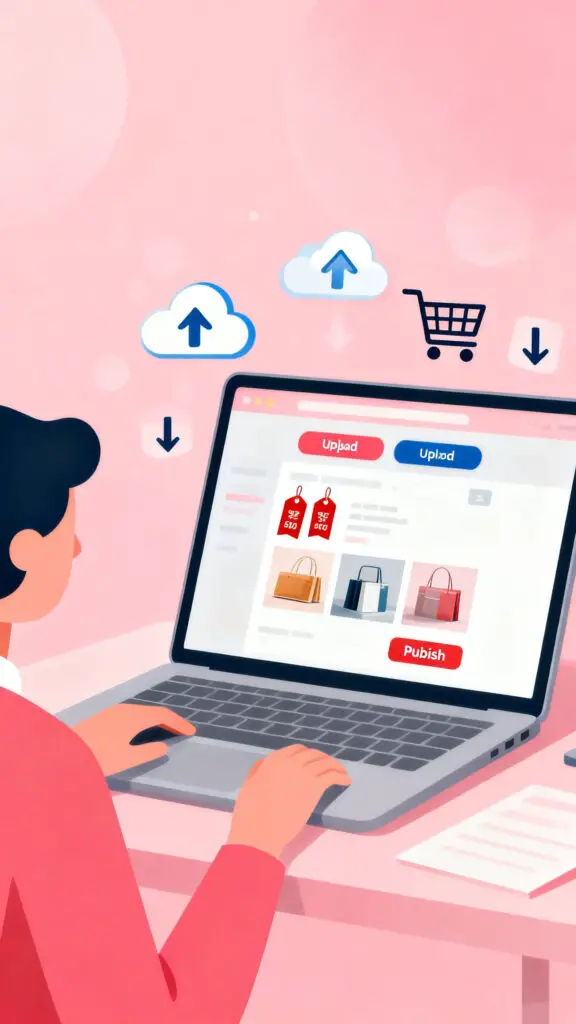
Illustration of a person uploading a digital product to an online platform with listing elements on a pastel pink background.

When creating a digital product, it is important to think about the needs and problems that your audience may experience in their everyday lives. People often buy digital products because they can make something easier, faster, or more organized. 

From a busy parent who wants a weekly planner that can help manage household tasks to a student who may need a study guide that can help with exam preparation, it is important to understand what your audience actually needs. When you understand these needs, your product can feel more useful and meaningful to the people who buy it. Products that truly help people complete tasks or solve small problems can slowly attract more customers over time.

4. Research Products That Already Exist

Looking at products that already exist in the market can help you understand what people are currently buying and what types of digital items receive positive attention. Many online platforms allow you to see popular products, reviews from buyers, and examples of how different creators present their work. 

This research can give you ideas about what customers may find useful and what kind of designs or formats people enjoy using. Instead of copying someone else’s work, you can observe patterns and understand how successful products are designed. This knowledge can help you create something that feels useful while also offering your own approach or improvements.

5. Decide What Product You Want to Create

After understanding your niche and researching the market, you can begin deciding which type of digital product you want to create. Some people begin with simple items such as printable planners, checklists, worksheets, or templates that can help people organize tasks or information. Others may create ebooks, learning guides, or design resources that people can use for their projects. 

Starting with a simple product can make the process easier because it allows you to test your idea without spending too much time or effort in the beginning. Once your first product is ready, it can help you understand how the market responds.

6. Plan the Content of Your Product

Planning the structure of your product before creating it can help the process feel more organized and manageable. Instead of creating everything at once, you can outline the sections or pages that your product will include. For example, if you are making a digital planner, you can decide which pages will include goal tracking, daily schedules, or weekly planning sections. 

If you are writing an ebook, you can divide the information into chapters that guide the reader step by step. This kind of planning can help your product feel complete and easier for customers to use, which can improve their overall experience.

7. Create the Product Using Simple Tools

Once your plan is ready, you can begin creating the product using tools that allow you to design or write digital files. Many creators use simple design or writing software that can help turn ideas into organized digital documents. 

Complicated designs or confusing layouts can make the product harder for customers to enjoy which is exactly why a simple and clean structure should be prioritized so you can make the product feel more helpful and useful for your customers. 

8. Focus on a Clean and Simple Design

The design of a digital product can influence how people feel when they first see or use it. A product with a neat and simple layout can feel easier to understand and more pleasant to work with. Clear spacing, readable text, and organized sections can make a product more comfortable for customers to navigate. For example, planners can include clear boxes for writing tasks, while guides can use headings that separate different topics. 

When the design feels balanced and not crowded, people can use the product more easily. A well organized design can also make the product look more professional and trustworthy.

9. Choose a Platform to Sell Your Product

Illustration of a person planning a digital product by analyzing audience needs with notes and idea icons on a pastel pink background.

After creating your digital product, you will need a place where customers can purchase and download it. Online marketplaces and selling platforms allow creators to upload digital files and offer them to buyers from different parts of the world. These platforms can handle payments and deliver the product automatically after a purchase is completed.

This process can make selling much easier because you do not need to manually send files to every customer. When your product is available on a reliable platform, people can discover it while browsing or searching for useful resources that match their needs.

10. Set a Price for Your Product

Pricing your digital product is an important step because it can influence how customers perceive its value. When deciding a price, you can consider the usefulness of the product, the effort used to create it, and the prices of similar items already available in the market.

Some creators start with a moderate price and observe how customers respond before making adjustments later. A price that feels reasonable to buyers can encourage more people to try the product. As your business grows and your product collection expands, pricing decisions can also become easier to manage based on experience and customer feedback.

11. Write a Helpful Product Description

A product description can help customers understand what they will receive and how the product can be useful in their daily lives. Instead of only listing features, the description can explain how the product may help someone complete tasks, stay organized, or learn something new. For example, a digital planner description can explain how it may help someone plan their week or keep track of responsibilities. 

When the description is easy to read and clearly explains the benefits, customers can feel more confident about making a purchase. 

12. Promote Your Product Online

Online platforms can allow creators to share ideas, tips, or helpful information related to the product they are selling. For example, someone selling budgeting templates may share money saving ideas, while someone selling planners may share productivity suggestions.

When people see useful content connected to your product, they can become curious and explore what you offer. Promotion does not always need to feel complicated because even simple posts or helpful information can introduce your work to a wider audience that may eventually become customers.

Conclusion

Starting a digital product business can be a practical way to create income online while sharing useful resources with people who may benefit from them. By choosing a niche, understanding your audience, and creating products that help solve everyday problems, you can begin building a business that grows gradually over time. Digital products allow you to reach customers from different places without worrying about shipping or storage, which can make the process easier to manage. With consistent effort and thoughtful ideas, your collection of digital products can slowly expand and become a dependable source of income in the future.

How to Sell Printables on Pinterest

March 18, 2026 By Ana Rose

Selling printables online can feel like a simple and approachable way to build digital income because once the file is created, it can be sold again and again without worrying about shipping products, managing inventory, or dealing with packaging. One platform that can help bring attention to these digital files is Pinterest because people visit it to discover ideas, organize their plans, and search for tools that can make their daily routines easier. This platform works more like a visual search engine than a social network, which means your printable can appear in front of people who are already searching for something similar. This article can help you explore ways to sell printables on Pinterest, allowing you to slowly turn simple printable files into a steady stream of online sales with patience and a thoughtful strategy.

How to Sell Printables on Pinterest

1. Understand Why Pinterest Works for Printables

One of the first things you can do when planning to sell printables is understand why Pinterest can be such a powerful platform for this type of product. People visit this platform with the intention of finding helpful ideas, planning tools, and small resources that can make life easier. 

When someone searches for a solution like a daily planner or a meal planning sheet, your printable can appear as a helpful answer. Because pins can stay visible for months or even years, one well made pin can continue bringing visitors and potential buyers long after you first shared it.

2. Choose Printables That People Are Searching For

Before creating your printable, you can spend some time exploring the types of printables people already search for on Pinterest. You can look for common themes such as planners, budget trackers, cleaning schedules, school organizers, habit trackers, and kids activity pages. 

These ideas are often popular because they help solve everyday problems that many people experience. When you design a printable around something people already want, you can increase the chances that your pin will appear in search results. This approach can also make it easier for people to understand the value of your printable because it directly connects with something they are already trying to organize or improve in their daily routine.

3. Create High Quality and Useful Printables

A printable can become more appealing when it feels simple, helpful, and easy to use. Instead of filling the page with too many design elements, you can focus on making the printable clear and practical. Someone using your printable should feel like it genuinely helps them organize their day or track something important in their life. 

When people download a printable and feel satisfied with how it works, they can become more likely to recommend it or look for more printables from the same creator. This positive experience can slowly build trust and make your printable shop feel more reliable and helpful to future customers.

4. Design Attractive Pinterest Pins

Since Pinterest is a very visual platform, the design of your pin can strongly influence whether someone decides to click on it. A pin that uses clear fonts, calm colors, and a readable title can stand out while people scroll through their feed. You can also show the printable itself in the pin so viewers can quickly understand what they are getting. 

When a pin clearly shows the purpose of the printable, people can immediately imagine how it may help them. This simple clarity can increase curiosity and encourage more users to click through to see the printable in more detail.

5. Write Keyword Friendly Pin Titles and Descriptions

Words can play an important role in helping your pin appear in search results. When creating a pin on Pinterest, you can write titles and descriptions that include phrases people often search for such as printable planner, budgeting worksheet, or daily routine tracker.

These keywords help the platform understand what your content is about and who might benefit from seeing it. Clear descriptions can also help viewers quickly understand the purpose of the printable. When someone reads a title that directly matches what they need, they can feel encouraged to click and explore the printable further.

6. Link Your Pins to a Sales Platform

Every pin you share should guide people toward a place where they can actually download or purchase the printable. Many creators choose platforms like Etsy because it allows digital products to be sold easily through instant downloads. When someone clicks your pin on Pinterest, they should arrive on a page where they can clearly see the printable, read about its benefits, and quickly complete the purchase.

Making this process simple and smooth can help reduce confusion and encourage more people to turn their curiosity into an actual purchase.

7. Create Multiple Pins for One Printable

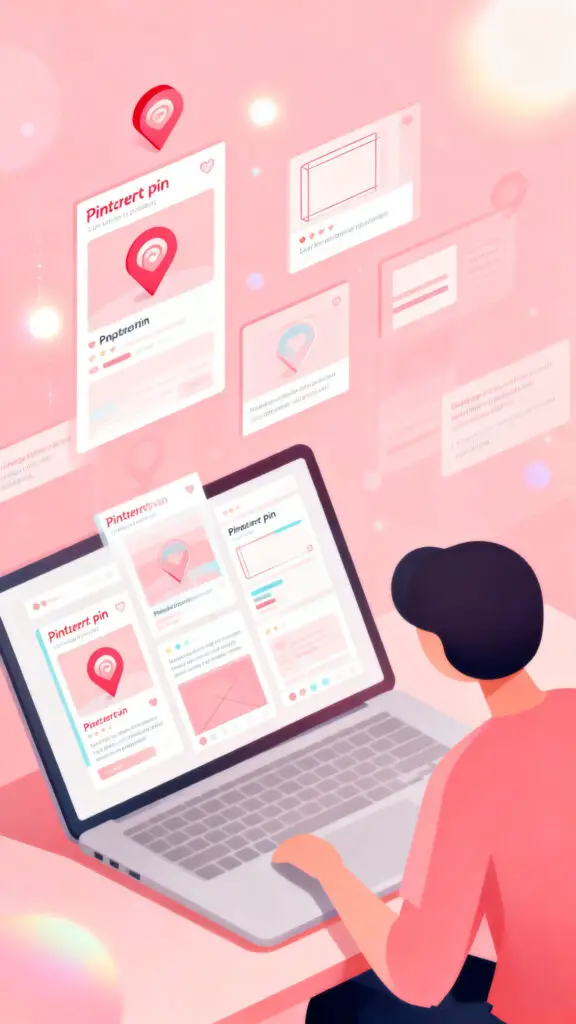
Illustration of a creator designing multiple Pinterest pins for one printable with different layouts on a pastel pink background.

One printable can often be promoted through several different pins. Instead of relying on a single design, you can create multiple pin images that highlight different aspects of the printable. One pin might focus on productivity while another might highlight organization or stress reduction. Each version can attract a slightly different audience on Pinterest. 

This strategy can increase your chances of reaching more people because different visuals and wording can connect with different types of users who are browsing the platform for helpful tools.

8. Organize Your Pinterest Boards Strategically

Pinterest boards can help organize your content and make your profile easier to explore. When your boards are clearly labeled with topics related to your printables, the platform can better understand what your content focuses on. For example, you can create boards for productivity planners, budgeting printables, home organization tools, or student planning sheets. 

Saving your pins into relevant boards can help Pinterest show them to users who are already interested in those topics. This organization can also make your profile look more focused and professional when someone visits it for the first time.

9. Pin Consistently to Stay Active

Consistency can make a noticeable difference when using Pinterest for promoting printables. Instead of posting many pins at once and then disappearing for weeks, you can try to pin regularly over time. This steady activity helps the platform recognize that your account is active and continuing to share useful content. 

As your collection of pins grows, more of your content can begin appearing in search results. Over time, this steady posting can slowly build a library of pins that continue bringing visitors to your printable listings.

10. Use Vertical Pin Designs

Vertical pins can perform better on Pinterest because they naturally take up more space on the screen when people scroll through their feed. A taller pin gives you more room to display the printable design and explain what it helps people do. This format can make the pin easier to notice among many other images. 

When a pin catches attention quickly, it can increase the chances that someone will pause and read the title. That small moment of attention can turn into a click that leads someone directly to your printable.

11. Show the Printable in Action

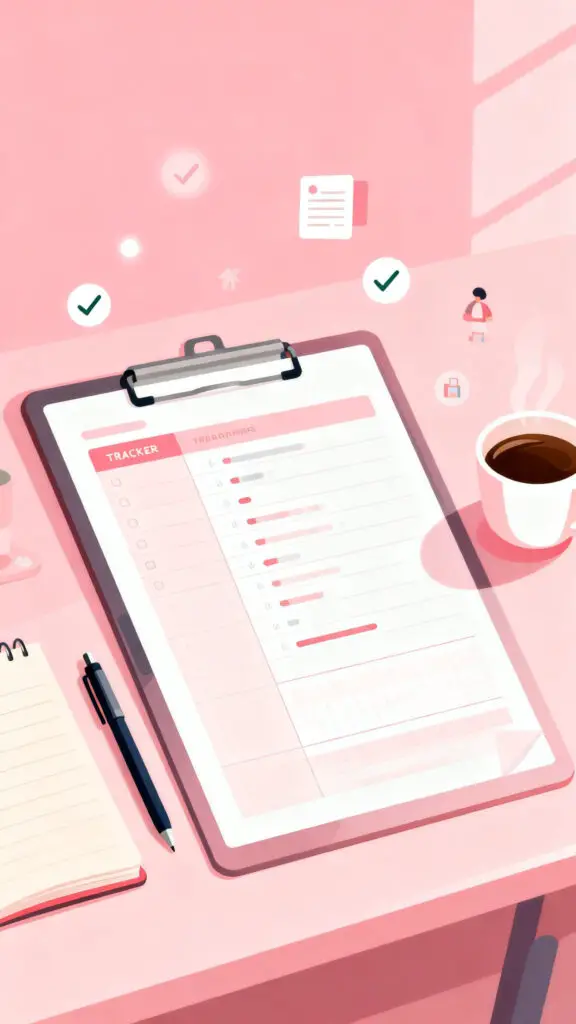
Illustration of a printable planner being used on a desk with everyday items like a pen and coffee on a pastel pink background.

Sometimes people connect more easily with a product when they can imagine themselves using it. Instead of only showing the flat design of your printable, you can present it in a small real life scene. For example, the printable can appear on a desk beside a notebook, a pen, or a cup of coffee.

These simple details can help viewers imagine how the printable might fit into their routine. When users browsing Pinterest see this kind of visual example, they can more easily picture how the printable might support their planning or organization.

12. Offer Free Printables to Build Trust

Offering a free printable can be a helpful way to introduce people to your work because when someone downloads a free printable and finds it useful, they can begin trusting the quality of your designs. This trust can make them more comfortable exploring your other products later. 

Sharing a free resource on Pinterest can also attract more people to your profile because free tools often encourage sharing and saving. Over time, these small interactions can lead more visitors toward your paid printable collections.

13. Pay Attention to Pinterest Trends

Trends on Pinterest can reveal what people are currently interested in organizing or improving. At different times of the year, people may search for school planners, goal trackers, holiday organizers, or summer activity sheets. By noticing these patterns, you can create printables that match what people are already looking for. 

This timing can help your pins appear when demand is naturally higher. When a printable connects with a seasonal interest, it can attract more attention because it feels immediately useful to the people searching for it.

Conclusion

Selling printables through Pinterest can become a rewarding way to share helpful tools while building digital income over time. By focusing on useful designs, clear pin images, thoughtful keywords, and steady posting, you can slowly create a presence that attracts people searching for organization and planning resources. Each pin you publish can become another small path leading viewers toward your printable collection. With patience and creativity, these simple digital files can continue helping people while also creating a growing stream of online sales.

How to Sell Digital Planners on Etsy

March 17, 2026 By Ana Rose

Selling digital planners on Etsy has become one of the most beginner friendly ways to build an online income using creativity and simple design tools. Many people are looking for planners that help them organize their schedules, track habits, plan budgets, and manage daily life in a calm and visual way. Because digital planners can be downloaded instantly, you only need to create them once and they can sell again and again without shipping or inventory. This makes the business simple to start even from home with very little cost. If you enjoy planning, designing, or organizing ideas, selling digital planners can become a rewarding and steady side income.

How to Sell Digital Planners on Etsy

1. Understand What Digital Planners Are

Before you start selling, it is important to clearly understand what a digital planner actually is and how people use it in their daily routines. A digital planner is a planner that customers download and use on tablets, iPads, or computers instead of using paper. People write inside them using stylus pens or typing tools while using note taking apps like GoodNotes or Notability. 

Many people prefer digital planners because they are reusable, easy to carry, and simple to organize without creating paper clutter. When you understand how customers use these planners, it becomes much easier to design planners that actually solve problems and make life easier for the people buying them.

2. Research What Planners People Are Buying

Successful shops begin with research because it helps you understand what customers are already searching for and purchasing. Spend time exploring digital planner listings on Etsy and observe the types of planners that appear often and receive many reviews. You will notice categories like daily planners, weekly planners, budget planners, fitness planners, and student planners. 

This process can help you see patterns in colors, layouts, and page styles that customers enjoy using. Research does not mean copying other shops, but it helps you understand the market and discover ideas that can inspire your own planner designs in a unique and helpful way for buyers.

3. Choose a Clear Planner Niche

Instead of creating one general planner for everyone, it is usually better to focus on a specific group of people who need help organizing a certain part of their life. For example you could create planners for students, busy moms, entrepreneurs, teachers, or people trying to improve their health habits. 

When your planner solves a clear problem, customers immediately understand why they should buy it. A niche also helps your shop stand out because your products feel more focused and thoughtful instead of trying to serve everyone at once. Choosing a niche can help guide your design choices and makes marketing your digital planners much easier in the long run.

4. Plan the Pages Your Planner Will Include

A digital planner should feel helpful and complete so it is important to plan the pages before you begin designing. Think about how someone will use the planner from the beginning of the year or month until the end. Many planners include yearly overview pages, monthly calendars, weekly layouts, daily planning pages, goal tracking sections, and habit trackers.

Some planners also include budget pages, meal planners, or reflection pages that help users review their progress. When your planner includes thoughtful pages that guide someone through their routine, it becomes more valuable and customers feel like the planner truly supports their goals and daily organization.

5. Design Your Planner Using Simple Tools

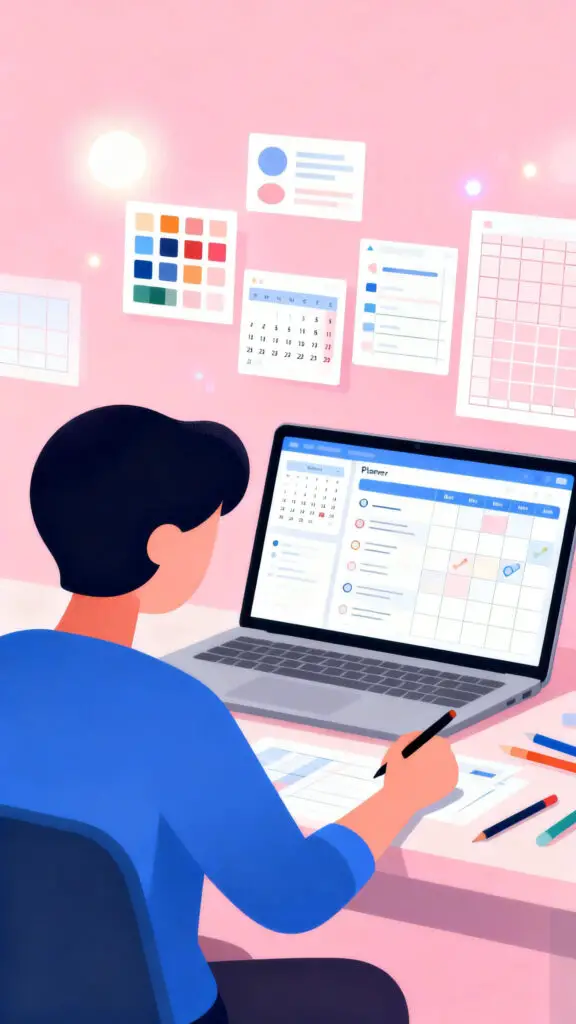
Illustration of a person designing a digital planner with simple tools on a laptop showing layouts and design elements on a pastel pink background.

You do not need expensive or complicated software to create beautiful digital planners because many beginners design their planners using simple platforms like Canva or Adobe Illustrator. These tools allow you to create clean layouts, choose soft color palettes, and organize planner pages in a professional looking way. Focus on creating designs that feel calm, simple, and easy to read rather than filling the pages with too many decorations. 

A well organized layout can help users focus on planning their day instead of feeling distracted. Clean designs often perform better because customers want planners that help them think clearly and stay organized.

6. Make the Planner Easy to Use

One of the most important parts of a digital planner is usability because customers will quickly leave a product that feels confusing or difficult to navigate. Many successful planners include clickable tabs and hyperlinks that allow users to move between months, weeks, and sections easily. 

This can create a smooth experience when the planner is opened inside apps like GoodNotes or Notability. A planner that feels smooth and intuitive will receive better reviews because customers appreciate tools that simplify their daily routine rather than making planning feel complicated or overwhelming.

7. Export the Planner in the Correct Format

Once your planner design is complete, the next step is exporting the file in a format that works smoothly for customers. Most digital planners are sold as PDF files because this format keeps the design consistent and allows hyperlinks to work correctly. Before listing your product, open the file on a tablet or device and test every page to make sure the navigation works properly. 

A small mistake like a broken link or missing page can frustrate customers and lead to negative feedback. Taking time to check your planner carefully ensures that buyers receive a product that works smoothly from the moment they download it.

8. Create an Attractive Etsy Listing

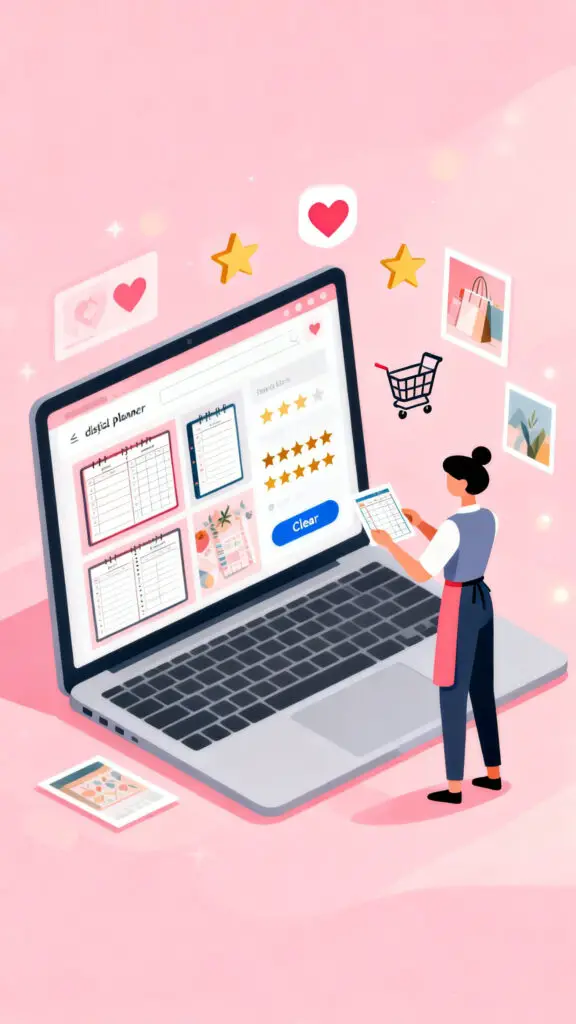
Illustration of a seller creating an attractive Etsy listing for a digital planner with preview images and shopping icons on a pastel pink background.

Your product listing plays a huge role in convincing people to click and learn more about your planner. When creating your listing on Etsy, use clear and bright preview images that show different planner pages so customers understand exactly what they are buying. Include images that demonstrate how the planner looks when used on a tablet so shoppers can imagine themselves using it daily. 

A well designed listing can build trust because customers may feel confident that the product is thoughtful and professional. The more clearly you present your planner, the easier it becomes for shoppers to decide that it is the right tool for them.

9. Write Clear Product Descriptions

A helpful product description answers the questions customers may have before they buy the planner. Explain what pages are included, how many pages the planner contains, and which apps or devices work best with the file. You should also clearly mention that the product is a digital download and not a physical planner that will be shipped.

When buyers understand exactly what they are purchasing, they are less likely to feel confused after the purchase. Clear descriptions help create positive customer experiences and reduce refund requests because shoppers know exactly how to use the planner once they download it.

10. Price Your Digital Planner Thoughtfully

Pricing can feel confusing in the beginning, but looking at similar digital planners on Etsy can give you a helpful idea of the typical price range. Many digital planners are priced between five and twenty dollars depending on the number of pages and the level of detail included. It is often better to start with a reasonable price that encourages buyers to try your planner without feeling hesitant. 

As your shop grows and your planners receive positive reviews, you can gradually adjust your prices. A fair price helps attract early customers and builds trust with people who are discovering your shop for the first time.

11. Use Keywords So Customers Can Find You

Keywords are the words people type when searching for planners on Etsy, so choosing the right keywords helps your product appear in search results. Think about phrases customers might search such as digital weekly planner, student digital planner, or budget planner for tablets. These keywords should appear naturally in your title, description, and tags. 

12. Create Multiple Planner Products

Many successful sellers grow their income by creating several planners instead of relying on only one product. You might design planners for different lifestyles such as fitness planners, budget planners, wedding planners, or student planners. Each new planner becomes another opportunity for someone to discover your shop. Over time your store can grow into a collection of helpful planning tools that serve many different types of customers. 

13. Promote Your Planners on Social Media

Social media can help your planners reach people who may not yet be searching on Etsy. Platforms like Pinterest and Instagram are especially powerful because people use them to discover organization ideas, planning routines, and productivity tips. You can share images of planner pages, show how the planner works on a tablet, or post short planning tutorials that inspire others to stay organized. 

14. Provide Good Customer Support

Customer support may seem less important with digital products, but it actually plays a big role in building a trusted shop. Sometimes customers may need help downloading their planner or understanding which apps to use with the file. Responding politely and clearly to messages shows buyers that you care about their experience. 

Over time these reviews can  help build credibility for your shop on Etsy and make new customers feel comfortable purchasing from you.

Conclusion

Selling digital planners on Etsy can become a rewarding and creative online business when you focus on designing helpful tools that truly support people in their daily lives. By researching planner ideas, choosing a clear niche, creating simple and thoughtful designs, and presenting your products clearly, you can build a shop that continues to attract new buyers. Digital planners have the advantage of being reusable and easy to distribute which means your work can continue earning income long after it is created. With patience, creativity, and consistent effort, your planner shop can slowly grow into a reliable source of online income.

  • « Go to Previous Page
  • Go to page 1
  • Interim pages omitted …
  • Go to page 8
  • Go to page 9
  • Go to page 10
  • Go to page 11
  • Go to page 12
  • Interim pages omitted …
  • Go to page 18
  • Go to Next Page »

The Latest Blog Posts:

  • 14 Profitable Things To Sell On eBay June 20, 2026
  • Mason Jar Crafts To Make And Sell June 19, 2026
  • 12 Best Jobs for Retired Teachers  June 18, 2026

As Featured In:

Just Start Investing Press Strip 2020 B&W

Follow Us:

  • Facebook
  • Twitter
  • Pinterest

Copyright © 2026 · Just Start Investing LLC

  • Contact Us
  • Blog
  • Privacy Policy / Disclaimers