• Skip to primary navigation
  • Skip to main content

Just Start Investing

We Make Investing Easy

  • Investing
    • Learn About Investing:
    • Investment Accounts
    • Online Brokerage Accounts
    • Investment Vehicles
    • Start Investing:
    • How to Invest in Index Funds
    • Start Investing with Betterment
    • Start Investing with Charles Schwab
  • Banking
    • Best Bank Accounts
    • Types of Bank Accounts:
    • Checking Accounts
    • Savings Accounts
    • CDs and Money Market Accounts
    • Online Banks vs Brick-and-Mortar
  • Credit Cards
    • Best Credit Cards:
    • Best Cash Back Credit Cards
    • Best No Annual Fee Credit Cards of 2021
    • Best Premium Credit Cards of 2021
    • Credit Card Tool: Find the Best Credit Card for Me
    • Learn About Credit Cards:
    • Types of Credit Cards
  • Blog
    • Investing
      • What is Crypto?
        • Crypto
      • What are stocks?
        • Stocks
      • What is a Real Estate Investment?
        • Real Estate Investments
      • What is an IPO?
        • IPO
    • Banking
    • Credit Cards
    • Budget
    • Finances
  • Earn with Crypto
  • Budget
    • How to Build a Budget
    • 24 Tips to Save More Money
  • Resources
  • About
    • Contact
    • Press
    • Learn More
    • Disclaimers
  • Show Search
Hide Search

General Personal Finance Blog

Money Saving Techniques For Students

October 23, 2025 By Ana Rose

Student life often feels like a constant struggle between academic tasks and making money last till the end of the month. Whether it’s tuition fees, books, daily meals, or transportation, it’s easy for money to slip out faster than you expect in the absence of effective strategies and money management techniques. Saving might sound unrealistic when you’re already living on a tight budget, but what makes it easier, even as a student, is just the habit of being intentional with where the money is going. This article will explore some helpful money saving techniques for students, teaching them to budget smartly, make intentional spending choices, and build healthy financial habits over time that can serve them in the long run. 

 Money Saving Techniques For Students Graphic

Track Where Your Money Goes

The very first step towards saving money is tracking where the money is actually going and knowing your spending habits on a deeper level. As a student, you may underestimate how much you actually spend on those small and seemingly harmless expenses, whether it’s that morning coffee, snacks, or random online shopping sprees. 

You can start by writing your daily expenses, no matter big or small, in a notebook or if you prefer a digital approach, consider creating a spreadsheet or using a tracking app. Once you see the big picture, you’ll often find that small changes, such as skipping coffee run a day, can free up more cash than you’ve imagined. 

Create a Weekly Budget

A happy student creating a weekly budget on a laptop with charts and notes on a pastel pink background, symbolizing smart financial planning and better money management.

Managing money for a whole month can become overwhelming and frustrating which is why creating a weekly budget can be a better option. You can divide your money into smaller and more manageable weekly categories. 

You can decide how much you realistically spend each week, covering essential expenses like food, transport, and study material, and then commit to staying within that spending limit. A weekly budget can help you reset your spending habits more frequently and prevent the panic of running out of money halfway through the month, making it easier for you to set some portion aside for savings as well. 

Always Use Student Discounts

Being a student has its pros too yet many of us fail to see that. Whether it’s coupons, discounts, or student perks, countless companies offer these advantages, you just have to ask or sign up for the student programs. 

Platforms like UNiDAYS, Student Beans, and ID.me offer deals on clothing, electronics, entertainment subscriptions, and even travel. Many local restaurants, cafes, and bookstores also provide student discounts when you show your ID. These small savings add up quickly and can make a noticeable difference in your overall spending, making your student like worth it. 

Buy Used or Digital Textbooks

Textbooks are one of the biggest hidden costs when it comes to student life. Buying new books every semester can eat away your budget faster than you may realize which is exactly why it is essential to look for used copies from older students, online marketplaces, or secondhand bookshops. 

Many universities also have book exchange programs or libraries where they offer free access to required readings to their students. Moreover, whenever possible, choose eBooks as they’re often cheaper and easier to carry. These options can save you hundreds each year without affecting your learning experience in any way.

Cook Instead of Eating Out

Pastel pink illustration of a student cooking a meal at home, surrounded by fresh ingredients, representing saving money by preparing food instead of dining out.

Eating out may sound convenient at times but it’s one of the biggest reasons students struggle to save. Rather than depending on takeouts or dine outs, aim to cook your own meals at home. You don’t have to be a kitchen expert, you just need to start with easy recipes, if you’re a beginner, and steer clear of impulsive takeouts whenever you’re busy or tired. 

Not only does this strategy help you save money, it allows you to eat healthy and hygienic food made at home. While eating out may seem harmless, you may come to realize at the end of the month that you’ve saved a huge chunk of your budget simply by preparing meals at home and avoiding takeouts. 

Limit Impulse Spending

One of the biggest obstacles standing between you and saving money is the temptation to spend or impulse purchase, especially when you’re stressed or bored. An effective strategy to deal with it is to use the 48 hour rule. The 48 hour rule is all about giving yourself the time and space to think over your decision to buy something, if the urge persists, you can buy it, however, in most cases, the temptation to buy that item fades away. 

This small mental shift can help you develop a strong emotional grip over your money, prioritizing a mindful and intentional approach towards your money and controlling it, rather than letting it control you. 

Use Public Transport or Carpool

Transportation is one of those expenses that doesn’t seem like much at first, but when you add it up over the month, it can take a huge bite out of your budget. Whether it’s fuel, ride-hailing apps, or daily parking fees, it all adds up. A practical way to save money is by using public transport whenever possible. 

Many universities have discounted or free bus passes for students, so make sure to take full advantage of those. If public transport isn’t easily available in your area, consider carpooling with classmates or friends who live nearby. Sharing rides helps you save on fuel costs and also reduces wear and tear on your vehicle if you have one. Plus, it’s good for the environment and a great way to bond with people on your route.

Take Advantage of Campus Resources

Universities and colleges often provide more free or low-cost resources than students realize. From free printing credits and library materials to gym memberships, counseling services, and career workshops, these facilities are already included in your tuition fees. Instead of spending extra outside campus for these services, explore what your institution offers and make the most of it.

You’ll be surprised how much you can save just by utilizing what’s already available to you. For instance, using the campus gym instead of paying for an outside membership or borrowing laptops and equipment for projects instead of buying them can make a significant difference in your monthly expenses.

Earn While You Learn

If your schedule allows, finding small and manageable ways to earn money while studying can make a big difference in your financial situation and confidence. You don’t need to take on a full-time job or push yourself too hard, even small opportunities like part-time work, tutoring, freelancing, or remote internships can help you earn extra income without disturbing your studies. 

The money you make, even if it’s modest, can go toward personal expenses, transportation, or savings, easing the financial pressure that often comes with student life. Other than just the money, working while you learn teaches you discipline  and the real value of effort, helping you become more independent and responsible with your finances in the long run.

Save a Portion of Every Payment

No matter how little money you receive, whether it’s from your parents, a part-time job, or a small side hustle, it’s important to build the simple but powerful habit of saving a small portion before you spend anything else, because this small act helps you take control of your money instead of letting your money control you. It doesn’t matter if it’s 5%, 10%, or even a few dollars each time, what matters is that you make saving a non-negotiable part of your routine, just like paying rent or clearing a bill. 

You can make this habit easier by setting up an automatic transfer to a separate savings account the moment any money comes in, so you don’t have to rely on willpower or reminders, and before long, saving starts to feel natural and satisfying rather than restrictive. 

Share or Borrow Instead of Buying

Student life often comes with shared experiences, and this can work in your favor when it comes to saving money. You don’t always have to buy everything you need, sometimes borrowing or sharing can be just as effective. 

Whether it’s books, stationery, kitchen items, or even streaming accounts, sharing resources with friends or roommates can help everyone save a little. For instance, instead of each roommate buying separate cleaning supplies, you can split the cost and share them. These small acts of cooperation not only save money but also build a sense of community and trust.

Use Budgeting and Cashback Apps 

In today’s world, managing money has become much easier thanks to technology. Budgeting and cashback apps can help you stay on top of your finances without too much effort. Apps like Mint, YNAB (You Need A Budget), or PocketGuard let you track your spending, set savings goals, and alert you when you’re overspending. 

Cashback apps such as Rakuten, Honey, or Dosh reward you with a small percentage of money back on purchases you make through their platforms. These digital tools make saving money feel automatic and rewarding, allowing you to make smarter financial decisions with less stress.

Conclusion

Saving money as a student isn’t about cutting out all the fun or living on the bare minimum, it’s about being intentional and aware of how you use your money. When you track your expenses, budget wisely, use available discounts, and take advantage of free campus resources, you start building habits that go far beyond student life. Each small saving decision, whether it’s cooking at home or skipping an unnecessary purchase, adds up and strengthens your financial stability. Remember, the goal is not to be perfect but to be consistent. By practicing these money-saving techniques now, you’ll not only survive student life more comfortably but also set yourself up for long-term financial success.

$10,000 Savings Strategy

October 22, 2025 By Ana Rose

Saving $10,000 may sound like an intimidating goal at first, especially when you’re struggling with bills, inflation, and unexpected expenses that throw your entire budget off track. But what most people don’t realize is that you don’t need to have a six figure salary to save a big amount, you just need a clear and realistic plan, consistency, and a sense of discipline to achieve your goal. This strategy focuses on small and doable steps, making it easy for you to achieve your goals, not just aiming for financial perfection. This article will help you explore some helpful saving strategies, allowing you to build a safety net that gives you peace of mind and control over your money, rather than letting the money control you.

$10,000 Savings Strategy  Graphic

Define Your “Why” Before You Start

Before beginning any journey, it is crucial to associate a ‘why’ and a purpose with your goals. Without a clear target, the whole process may feel like a restriction or punishment, putting your progress at stake. 

Whether it’s to build an emergency fund, pay off a debt, or fund a dream trip, having a clear and realistic goal can help you achieve your target without having the whole process feel like a burden. Your reason gives emotional meaning to your effort. You can write it down, visualize it, and remind yourself of it when the temptation to spend kicks in.

Break the $10,000 Goal Into Smaller Targets

An easier way to look at the goal of saving $10,000 is to break the target into smaller, more manageable chunks so that the big picture seems less overwhelming and intimidating. You can think in terms of small milestones, for example, $833 a month, $192 a week, or about $27 a day. 

This way, the goals feel achievable and what makes this approach considerable is that it gives you quick wins, making it easier for you to stick with the challenge and stay motivated along the process. 

Create a Dedicated Savings Account

Keeping your savings in the same account as your regular spending can be a big obstacle between you and financial freedom. The smart approach is to create a separate savings account dedicated solely to your savings, goals, and aims. 

This way, your savings can grow in peace without any drama or distraction, instead of being mixed up with your daily expenses. You can even open a high-yield savings account to earn extra interest while your money grows quietly in the background. Separating your accounts builds discipline, reduces temptation, and makes it easier to track your progress toward your $10,000 goal.

Track Every Dollar You Spend

Sometimes you can’t fix what you don’t track and monitor, which is exactly why it is essential to know your spending habits and where the money is actually going. Spend one month writing down every expense, no matter big or small. Whether it’s your daily coffee run, a shopping spree, a big purchase, or something as small as a light snack, keep track of where your hard-earned money is going. 

By the end of the month, you may come to realize that these small and seemingly harmless expenses eat away a big chunk of your income. By identifying your unhealthy spending patterns, you can alter your habits and redirect your money towards something more meaningful that can serve you in the long run. 

Apply the 50/30/20 Rule

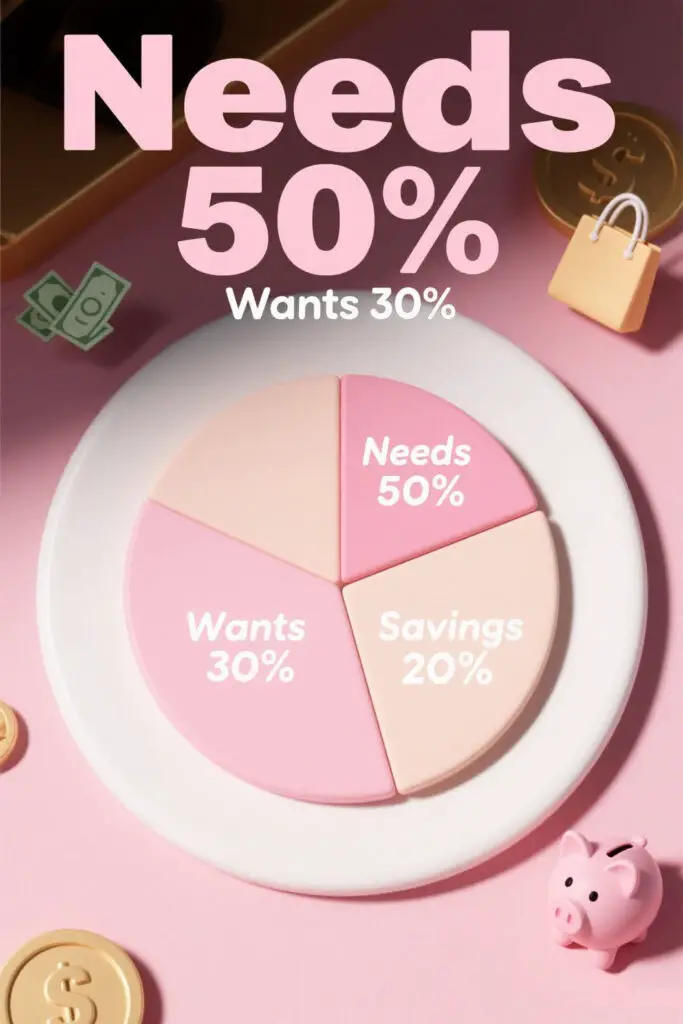
Illustration of a 50/30/20 budgeting pie chart on a pastel pink background showing income division for needs, wants, and savings with soft golden highlights symbolizing financial balance and planning.

Budgeting techniques can give structure and more discipline to your money, finances, and more importantly, your aim and target. You can apply the 50/30/20 rule in which 50% of the income is spent on needs and those essential expenses such as rent, bills, groceries, or transportation, 30% of your paycheck is assigned to your wants or those nice-to-have-items including clothes, takeouts, or those daily coffee runs, and lastly, 20% of your monthly income goes to savings, investment, or paying off debt, if there is any. 

However, if you want to modify the rules to make saving more easier and effective, try changing the percentages of the spending categories, for example, you can spend 20% of your income on wants and save 30% for your savings. 

Embrace a “No-Spend” Challenge

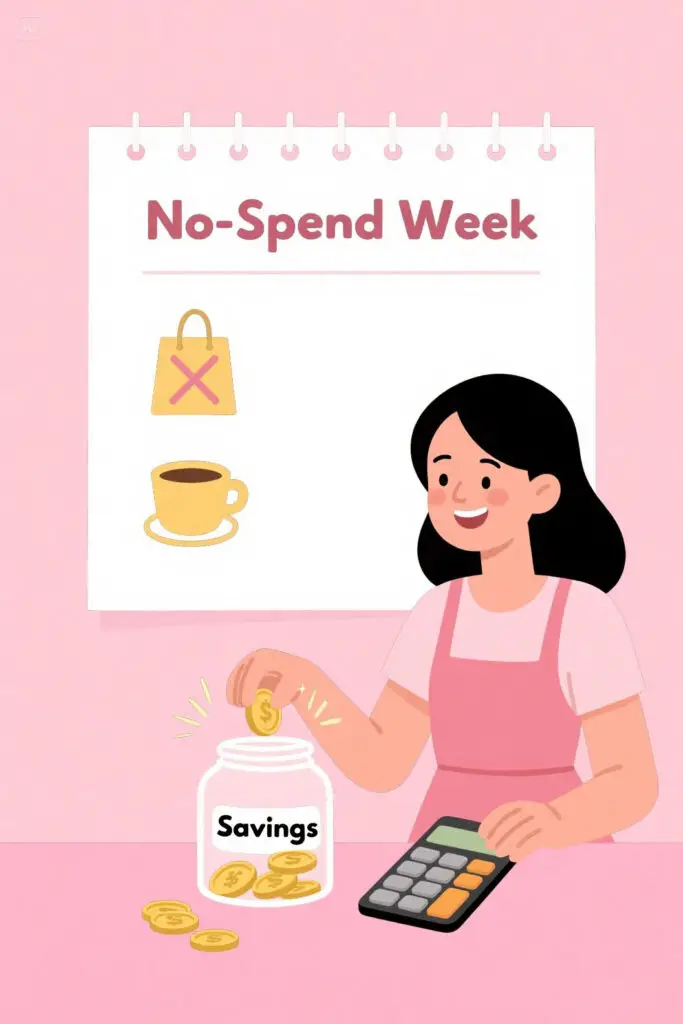
Pastel pink illustration showing a calendar marked “No-Spend Week” and a woman adding coins to a savings jar, representing mindful spending and self-discipline during a no-spend challenge.

The no spend challenge is one of the most simple yet powerful saving strategies that helps you control your impulse to spend and save more mindfully. Choose a week or weekend each month where you aim to spend only on those basic and essential expenses, including rent, food, groceries, transportation, or utilities. 

Aim to stop spending money on those non-essential spending categories including shopping, subscribing to unnecessary services, or takeouts. This challenge might feel tough at first but what makes it motivating to stick to the challenge is knowing that you’ll enjoy the freedom that along with not feeling pressurized to swipe the card every time you’re tempted to purchase something. 

Cut Recurring Costs Without Feeling the Pain

One of the most effortless ways to increase your savings without making life harder is to review your recurring expenses, the ones that quietly drain your money each month. These could include subscription services you rarely use, premium app memberships, expensive phone plans, or even small automatic payments that you may have forgotten about. 

Go through your bank statement and identify what’s truly necessary and what can be cut or replaced with a cheaper option. You can easily save $50–$200 a month just by trimming these unnoticed costs. 

Boost Income Through Side Hustles

When you feel like there’s nothing left to cut from your budget, the next best move is to look for ways to increase your income. Side hustles are no longer just a trend, they’re a powerful tool for building financial freedom. Even a small extra income stream can help you reach your $10,000 goal faster without having to sacrifice your essentials or comfort.

You can start by exploring your skills and hobbies, for example, if you’re good at writing, designing, or social media, consider freelancing online, if you enjoy baking, crafting, or tutoring, turn it into a weekend side gig. 

Automate and Forget

One of the smartest ways to save money is to remove the temptation to spend it. Automating your savings ensures that you save first and spend later, not the other way around. Set up an automatic transfer from your main account to your dedicated savings account as soon as your paycheck arrives. Even a fixed amount like $200–$300 each payday can quietly accumulate while you focus on other things.

When savings happen automatically, it becomes a habit instead of a chore, and you no longer have to rely on motivation or willpower because the process runs on its own. 

Make Saving Fun and Visual

Saving doesn’t always have to feel like a restriction, it can actually be enjoyable if you turn it into a game. Create a visual savings tracker where you color in boxes or fill jars as you hit milestones, like $1,000, $2,500, or $5,000. This visual progress keeps you excited and motivated, reminding you how far you’ve come instead of how far you still have to go.

You can also try fun savings challenges like the envelope method, where you set aside a small amount each week, or the “round-up” method, where every time you spend, the change is rounded up and added to savings. 

Avoid Lifestyle Inflation

As you start saving and possibly earning more, it’s tempting to upgrade your lifestyle, whether it’s a nicer phone, more frequent dining out, or expensive shopping “rewards.” This is what’s known as lifestyle inflation, and it’s one of the biggest threats to long-term savings.

The trick is to resist the urge to increase your expenses every time your income grows. Instead, maintain your current lifestyle and channel that extra income directly into your savings or investments. For example, if you get a raise at work, pretend it never happened, and immediately set up an automatic transfer for that amount.

Reinvest and Keep the Momentum 

Reaching your $10,000 goal is a major achievement, but it’s not the finish line, it’s the foundation. Once you’ve built that savings cushion, use it wisely to create more growth. You can put part of it into a high-yield savings account, a fixed deposit, or even explore low-risk investments like index funds or mutual funds, depending on your comfort level.

Saving isn’t just about hitting a number, it’s about developing habits that protect your financial future. Continue saving even after reaching your goal, whether it’s for your next big milestone or simply to strengthen your emergency fund. 

Conclusion

Saving $10,000 is more than just setting money aside, it’s a personal journey that builds patience, control, and confidence in how you manage your finances. Along the way, you realize that financial freedom isn’t about how much you earn, but how consistently you save and how wisely you spend. Each small decision to hold back from unnecessary purchases and stay focused on your goal adds up, slowly creating a sense of stability and peace of mind. When you finally reach your $10,000 goal, it won’t just feel like a financial win, but a reminder of your discipline, your growth, and your ability to take control of your future one mindful choice at a time.

No Spend Challenge Rules You Must Follow

October 19, 2025 By Ana Rose

A no spend challenge may sound simple and straight forward, but once you start, you may come to realize that there are many small and seemingly harmless purchases that put your entire progress at stake. Whether it’s that morning coffee run, a quick snack, or an online impulse purchase, a no spend challenge is a real-test of self-control and willingness to achieve something. It helps you reset your spending habits, build discipline, and save more money without feeling deprived. Like every other challenge, the no spend challenge comes with its own rules and regulations. This article will help you explore some rules of the no spend challenge to help keep you grounded, realistic, and consistent throughout the process. 

No Spend Challenge Rules You Must Follow

Set a Clear Timeframe

Illustration of a woman marking dates on a calendar at her desk on a pastel pink background with golden highlights, symbolizing goal setting and planning for a no-spend challenge.

Before jumping into the complex dynamics of the challenge, it is important to decide exactly how long the challenge will last. If you’re a beginner, start with a time frame that feels manageable and doable, like a week or even two weeks if you want to put your discipline to work. 

A defined time period can help give your challenge structure and direction, making it more likely to work for you. Without it, it’s easy to lose track of the challenge and slip back into old habits. Over time, these small time-bound challenges can become habits, helping you spend intentionally even after the challenge ends. 

Define What “No Spending” Means for You

Illustration of a woman listing essentials and non-essentials in a notebook on a pastel pink and golden background, symbolizing defining spending boundaries during a no-spend challenge.

The term “no spend” can have a different meaning for everyone and that’s totally fine. The idea of the challenge isn’t to stop spending money at all because that would be unrealistic, it’s more about cutting back on unnecessary and impulse purchases that often end up costing you a lot. 

You get to decide what “no spending”means in your situations. For example, essentials like bills, groceries, or transportations should always be allowed, however, nonessential expenses like takeouts, clothes shopping, or those daily coffee runs should be paused during the challenge. It’s essential to remember that the goal isn’t about depriving or punishing yourself, it’s about being more mindful and intentional where your money goes and how much of it is actually spent on what truly matters. 

Create a List of Essentials

Once you’ve decided what’s allowed or what’s not, take a few minutes to list out your essential expenses, including all those things that are absolutely necessary for your basic needs. This can include your utility bills, groceries, transportations, or health-related costs. 

Having this written down creates clear boundaries and helps prevent those sneaky spends that can put your progress off track, like buying new decor or that just one coffee run

. It’s also helpful to estimate how much you’ll need for these essentials before the challenge starts so you can set a mini budget. This way, you won’t feel guilty spending on needs, and you’ll avoid making emotional decisions in the moment

Set Clear Saving Goals

It’s much easier to stay committed to the challenge and follow it with a consistent flow when you have a reason or a goal behind the challenge. Whether you’re saving up for an emergency fund, need to pay off a debt, or simply want to save money for the future, having a clear and realistic goal can help you more than you may realize. 

You can write down your goal clearly and place it somewhere visible so you can see it often, reminding yourself of it every day. Seeing your progress everyday, even if it’s small, can keep you motivated, urging you to take more meaningful steps towards your target. 

Plan Your Meals Ahead

Most of the unplanned spendings happen when you’re hungry or tired, which is exactly why when you begin the no spend challenge, you need to plan your meals beforehand. Plan your weekly meals before the challenge starts and make a grocery list based on what you need.

Before you go to the grocery store to buy more items, look in our pantry and freezer and try using those up. This tip not only helps you save, it also helps you avoid wastage of money and food, making the most of what you already have, while also helping you eat healthier and nutritious meals made at home. 

Unsubscribe from Temptations

It can be tempting to purchase when you often see online ads, store newsletters, or social media promotions. During the no spend challenge, aim to unsubscribe from promotional emails and mute brand accounts that tempt you to buy. You can also delete shopping apps for a month and stay committed and  consistent with the challenge. 

At the end of the challenge, you may be surprised by how much easier it becomes to save when you’re not constantly bothered by promotional emails or those limited time offers. 

Use a Wish List Instead of Buying

Whenever you feel tempted to buy something during the challenge, pause for a moment and write it down on a “wish list.” It could be anything, a shirt you liked online, a home decor item, or even a new gadget. 

The idea is to give yourself a little time before making the purchase and by the time your no-spend challenge ends, you might realize that you don’t even want most of those things anymore. This small habit helps you separate wants from needs, teaching you how much of your spending is driven by impulse rather than necessity. Plus, it’s surprisingly satisfying to look at your list later and see how much money you saved simply by waiting instead of buying right away.

Find Free Alternatives for Fun

Not spending money doesn’t mean you have to stop having fun, you just need to get a little creative. Instead of eating out or going shopping for entertainment, look for free or low-cost ways to enjoy yourself. 

You can have a cozy movie night at home, go for a walk, play games with your family, or explore free community events around you. The goal is to remind yourself that happiness and fun don’t always have to come with a price tag, and once you start exploring these options, you’ll realize how many enjoyable things you can do without spending a single dollar.

Track Every Expense

Even though you’re trying not to spend, tracking your expenses during the challenge is still very important. Write down every amount you spend, even the essential ones like groceries or bills. 

This helps you see where your money actually goes and how much you’re saving compared to your usual routine. You can use a small notebook, your phone, a budgeting app, or whatever feels easiest. Seeing your spending habits in front of you gives you a clear picture of your progress. By the end of the challenge, you’ll not only have saved money but also learned valuable lessons about your financial patterns and where you can improve.

Involve Family or Friends

Doing the no-spend challenge alone can be tough, especially when the people around you are still spending like usual. That’s why it’s a great idea to involve your family or a friend who shares similar goals. 

You can motivate each other, exchange tips on saving, or plan fun, free activities together instead of spending money. It becomes less of a restriction and more of a shared experience. Having someone to talk to when you feel tempted also helps you stay accountable. Plus, it’s much more fun celebrating your success with someone who understands the effort it took to get there.

Prepare for Slip-Ups

It’s completely normal to make a mistake or two during the challenge. Maybe you bought something without realizing, or you had an unexpected expense that you couldn’t avoid, and that is completely okay. 

Instead of feeling guilty and giving up altogether, treat it as a small learning moment. Ask yourself what triggered the spending and how you can avoid it next time. Remember, the no-spend challenge isn’t about perfection, it’s about progress, and every day you stick with it, even after a slip-up, counts as a success. 

Reward Yourself Wisely

When you finally reach the end of your no-spend challenge, it’s important to celebrate your effort, but do it thoughtfully. Instead of rushing to buy everything you avoided, reward yourself in a simple and meaningful way. Maybe enjoy a quiet self-care day, buy one special thing from your wish list, or treat yourself to a small experience that genuinely makes you happy. 

The point is to celebrate your discipline, not undo it. You’ve built new habits and learned valuable lessons, your reward should reflect that growth. A mindful celebration keeps your motivation alive and reminds you how powerful financial discipline can be.

Conclusion

The no-spend challenge is more than just a way to save money, it’s a way to reset your habits, regain control, and truly understand what adds value to your life. You learn how to pause before buying, how to enjoy what you already have, and how to feel proud of making intentional choices. It’s not about restricting yourself, it’s about creating space for things that actually matter. Once the challenge ends, you’ll likely find that your mindset around money has completely changed, you’ll spend more thoughtfully, save more easily, and feel a deeper sense of satisfaction with every financial decision you make.

17 Financial Life Hacks For 2025

October 18, 2025 By Ana Rose

Managing money in 2025 feels different as it did even a few years back. Everything, from groceries to transportation costs way more and it can feel like your paycheck disappears before you even realize. But the good news is that smart money management isn’t about earning more, it’s about knowing how to make what you already have, work harder and smarter for you. Whether you’re building your first apartment, paying off a debt, or just stressing about finances each time you check your bank balance, financial hacks can be a great way to deal with expenses in this economy. This article will help you explore 17 best financial hacks in 2025, helping you feel more confident and in control of your financial decisions, making the money work for you rather than the other way around. 

17 Financial Life Hacks For 2025 Graphic

1. Automate Your Savings Before You See the Money

Illustration of a woman checking her phone with automatic savings transfer notification, representing effortless money management and consistent saving habits on a pastel pink and golden background.

Saving can become easy and effortless when it happens automatically, which is exactly why one of the most simple yet effective ways to manage money is to automate the savings. Instead of saving the leftover money, a better approach would be to set up a system that transfers a specific amount from your paycheck to your savings account the moment it arrives. 

Even if it’s a small amount like $25 or $50 per pay period, what matters the most is your consistency and willingness to save. Over time, these small amounts can add up to a large, meaningful amount, making every deposit worth it. 

2. Do a Subscription Audit Every 3 Months

Illustration of a person reviewing and canceling unused digital subscriptions on a laptop, symbolizing mindful spending and financial organization on a pastel pink and golden background.

It’s shockingly easy to forget how many subscriptions we sign up for, whether it’s those streaming services, fitness apps, or software. Each of these subscriptions may seem small but if you see them altogether, they eat away a huge portion of your budget. 

A great way to deal with this problem is to take a few minutes every three months, look through your bank statement, and list every recurring payment. You can cancel the ones you rarely use or forgot about. This hack is simple yet it makes room for your essential expenses, prioritizing those over the subscriptions you don’t even use. 

3. Try the 48 Hour Rule for Impulse Spending

Impulse spending can be the biggest obstacle when it comes to managing money with efficiency. The 48 hour rule is simple which involves waiting 48 hours before you buy anything non-essential, in most cases, the urge to spend may fade away but if you still want it afterward, then go for it. 

This rule helps you figure out if the purchase is worth your hard-earned money, helping you control emotional spending and being more mindful and intentional with your spending habits.

4. Take Advantage of High Yield Savings Accounts

Traditional banks often offer very low interest rates on savings, meaning your money barely grows, but online banks in 2025 are offering high-yield savings accounts that can multiply your savings faster. 

The difference might seem small, say 4% instead of 0.1%, but it compounds over time, that means your emergency fund or short-term savings can quietly grow while you sleep, giving you more financial breathing room without any extra effort.

5. Use AI Budgeting Tools

Technology, in this day and age, has made everything simpler and smoother, even budgeting. AI powered finance apps can automatically track where your money goes, categorize your spendings, and even predict upcoming bills.

They can alert you when you’re close to overspending or when a cheaper alternative exists for a recurring expense. These tools act like a personal money coach, always analyzing your habits and giving you gentle reminders to stay on track without judgment.

6. Meal Prep But Make It Realistic

Meal prepping doesn’t have to mean spending your entire Sunday cooking for the week. Start small by planning two or three simple meals using similar ingredients to save time and money. 

This approach helps you reduce takeout costs, avoid food waste, and eat healthier and by keeping it realistic and flexible, you’ll actually stick to it and notice how much lighter your wallet and your week feels.

7. Build a “Mini Emergency Fund” First

Before you stress about saving thousands, focus on building a small emergency cushion even $300 to $500 can make a real difference. This fund protects you from unexpected expenses like a medical bill or a sudden car repair, keeping you from relying on credit cards. Once you hit that small goal, it’ll boost your confidence and motivate you to grow it into a larger, long-term safety net.

8. Switch to Cash for One Spending Category

If there’s a category you consider your weak spot, whether it’s coffee runs, groceries, or weekend treats, try using cash for that specific category. Withdraw a particular amount at the start of the week and aim to stay within the spending limit, and once that cash is gone, that’s your hint to stop spending on that category. 

This hack helps you see money physically leaving your hands, helping you to pause and reflect before each purchase. 

9. Learn the “50/30/20 Rule” and Adjust It to Your Life

For a great foundation for your hard-earned money consider this simple yet highly practical budgeting method. The 50/30/20 rule helps you prioritize your essential expenses over those nice-to-have items, while still making room for savings.  

This method is all about assigning 50% of your income to needs, 30% to wants, and 20% to savings, debt, or investment. 

10. Shop Secondhand Before Buying New

Before you buy anything brand new, look for secondhand options first through thrift stores, online marketplaces, or resale apps. These options often offer high-quality items but at an affordable rate, making them a considerable option. 

You can find furniture, electronics, clothes, or even home decor at a budget-friendly rate, making this hack a helpful option for those looking to manage money with efficiency. 

11. Start Investing Even if It’s Small

Investing isn’t only for the wealthy, it’s for anyone who wants to grow their money over time. Thanks to modern apps, you can now invest with just a few dollars or buy fractional shares of major companies. 

The earlier you start, the more time your money has to grow through compound interest. Even small, consistent investments can turn into something significant if you stay patient and steady.

12. Use Credit Cards Smartly Not Fearfully

Credit cards can be great financial tools when used responsibly. Always pay your balance in full to avoid interest, and use cards with cashback or rewards that benefit your lifestyle. Avoid overspending just to earn points, treat your card like cash, not extra income. Smart credit card use helps you build a strong credit score, which opens the door to better loan rates and financial opportunities later on.

13. Keep a “Buy Later” List

Whenever something catches your eye, don’t buy it immediately, instead add it to your “buy later” list instead. Revisit this list after a week or two and you’ll often realize you don’t need most of those items, which saves you from impulse spending. 

The things that remain on your list are usually the ones truly worth buying, helping you make more intentional and satisfying purchases.

14. Declutter and Sell What You Don’t Use

Your home might be hiding extra money in the form of unused clothes, gadgets, or decor. Set aside a day to declutter and list unwanted items online or hold a small garage sale.

Not only does this help you earn quick cash, but it also creates space and calm in your environment. It’s a win-win with both financial and mental relief, letting go of what no longer serves you.

15. Set One Financial Goal at a Time

Trying to save, invest, and pay off debt all at once can feel overwhelming. Instead, focus on one main financial goal, whether it’s building an emergency fund, paying off a loan, or starting to invest, and once you achieve it, move on to the next. 

16. Learn to Negotiate Bills Rent and Even Interest Rates

Negotiation is one of the most underrated financial skills as you can often lower your internet bill, insurance premium, or even rent by simply asking. Many companies offer discounts or loyalty rates to retain customers, and banks may lower your credit card interest if you have a good payment history. Being confident and polite goes a long way, a few calls or emails can save you hundreds each year.

17. Reward Yourself for Good Money Habits

Whenever you hit a savings goal or pay off debt, celebrate it but in a mindful way. Treat yourself to something small and meaningful, like a nice meal, a relaxing day off, or a little gift. These rewards make financial discipline feel rewarding rather than restrictive, encouraging you to keep making smart choices and stay motivated on your financial journey.

Conclusion

At the end of the day, managing money in 2025 is about balance, awareness, and consistency, not perfection. These financial hacks aren’t about cutting out everything fun or living with strict limits, they’re about making your money work smarter for you. Even the smallest changes, like saving automatically or tracking subscriptions, can build real financial peace over time. What matters most is starting where you are and staying consistent. With a few good habits and a clear sense of purpose, you can feel more confident, less stressed, and finally in control of your financial future.

Budgeting Tips For First Apartment

October 17, 2025 By Ana Rose

Moving into your first apartment can be an exciting milestone in one’s life, but along with the joy and freedom, comes the burden of managing money for your first apartment. When you plan ahead, spend mindfully, and stay consistent with the process of making money work for you, you can enjoy your new space without the constant stress of making ends meet. It’s essential to remember that budgeting is less about perfection and more about being mindful and aware of your spending choices. This article will help you explore some helpful budgeting tips for your new apartment, ensuring that you balance comfort, fun, and financial security in the best way possible. 

Budgeting Tips For First Apartment

Start With a Clear Picture of Your Income

Illustration of a young woman reviewing her income on a laptop at a pastel pink desk with golden highlights, symbolizing financial awareness and mindful money planning for her first apartment.

Before you plan any of your expenses, it is important to know where you stand financially. A good way to approach this tip is to list all of your sources of income, whether it’s your salary, a side hustle earning, or any financial help you might be getting. 

Once you have your total monthly income, you can get to dividing it wisely. Having a clear picture of your income can help you avoid overspending and helps you stay within the budget and the spending limit.

List All Your Fixed Monthly Expenses

Fixed expenses are the bills that you have to pay every single month, including rent, utilities, internet, transportation, or insurance. This tip can help you see what’s left for groceries, personal spending, and other flexible costs that change from month to month. 

Once you know your fixed expenses, you can clearly see how much of your income is already committed and how much you have left to manage the rest of your lifestyle. It also helps you plan ahead for due dates and avoid missing payments or facing late fees. Writing these expenses down or setting reminders makes a huge difference, because once your essentials are covered, you can make smarter and more relaxed decisions about the rest of your money.

Use the 50/30/20 Rule as a Guideline

The 50/30/20 rule is one of the simplest and most effective budgeting strategies, especially when you’re living on your own for the first time. It helps you divide your income into three main parts, 50% for needs, 30% for wants, and 20% for savings or debt payments. 

Your needs include essentials like rent, groceries, and utilities, while wants are your personal pleasures like dining out or buying decor for your apartment. The last portion goes toward building savings or paying off loans. This balance helps you spend responsibly while still leaving room for enjoyment, so you don’t feel deprived while staying financially stable.

Be Smart About Rent

Rent is usually the biggest expense when living in an apartment, so it deserves special attention. A smart rule is to keep your rent below 30% of your monthly income. Choosing a place that fits your budget can save you from a lot of stress later on. 

It’s easy to get tempted by modern apartments or perfect locations, but always ask yourself whether you can comfortably afford it while still having enough left for other living costs. Remember, the goal isn’t just to pay rent, it’s to live well and still have money for groceries, transportation, and saving for your future.

Plan for One-Time Move-In Costs

Moving into your first apartment comes with several upfront expenses that can easily catch you off guard if you don’t plan ahead. Besides your rent, you’ll likely have to pay a security deposit, utility setup fees, and basic furniture or kitchen supplies. 

Sometimes, these one-time costs can add up to a month or two of rent, that’s why it’s smart to save extra before moving in, so you can handle these costs without dipping into your emergency savings. Having a small cushion during your first month helps you start your apartment life comfortably without the stress of running short on cash.

Furnish Gradually, Not All at Once

Illustration of a cozy, partially furnished apartment in soft pastel pink tones with golden highlights, showing a woman adding decor gradually to represent mindful and budget-friendly furnishing.

When you move in, it’s natural to want your new apartment to look complete right away, cozy, aesthetic, and full of personality, but buying everything at once can seriously hurt your budget. Instead, start with the essentials, such as a bed, a table, a few kitchen tools, and some basic seating and then, over time, you can slowly add other things as your finances allow. 

You can find great deals on used furniture, online marketplaces, or thrift stores. Taking your time not only saves money but also gives you a chance to find items that truly fit your space and style.

Track Every Expense for the First Three Months

Tracking your expenses shows you where your money really goes. For the first three months in your apartment, write down or use an app to record every expense, no matter how small. You might be surprised to see how much those quick snacks, deliveries, or small purchases add up. 

This helps you understand your real spending patterns so you can adjust your budget more accurately. Once you see where your money is flowing, you’ll feel more in control and can make changes that actually make a difference in your financial health.

Save a Little Each Month for Unexpected Costs

No matter how well you plan, life in your first apartment will come with surprises, maybe a broken appliance, a sudden repair, or higher utility bills than expected. Setting aside even a small amount each month for these unexpected moments can save you a lot of stress. 

It doesn’t have to be a huge amount, even $30 to $50 per month can build a solid cushion over time. When something does come up, you’ll be thankful that you planned ahead instead of having to use credit cards or skip other payments to cover it.

Be Energy and Utility Smart

Utilities can quietly eat away at your budget if you’re not careful, which is exactly why it is important to learn to be smart about energy use that can make a big difference in your monthly bills. 

Simple things like switching off lights when you leave the room, unplugging unused chargers, or using energy-efficient bulbs can help lower electricity costs. Don’t leave water running unnecessarily, and try to run laundry or dishwashing only when there’s a full load. These small daily habits don’t feel like much, but over time, they save money and make your apartment more environmentally friendly, a win-win for both your wallet and the planet.

Learn to Cook Simple Meals at Home

Eating out or ordering food too often can easily drain your budget without you realizing it. Learning to cook even a few simple meals at home can save a surprising amount of money. Start with easy recipes and make cooking fun instead of a chore. 

You can plan your meals for the week, buy groceries in bulk, and even prep some ingredients ahead of time. Cooking at home doesn’t just save you money, it’s also healthier and gives you a cozy sense of independence in your new home.

Separate Wants from Needs

It’s easy to get caught up in decorating, social plans, or impulse buys when you first move into your own place, but not everything you want is something you truly need right now. Before buying anything, take a moment to pause and ask yourself if it’s something essential or if it can wait until later. This small act of mindfulness can save you from unnecessary spending and future regret. 

When you learn to make this distinction, you keep your budget focused on what really matters, the things that make your home comfortable and your life stable. And when you do choose to spend on your “wants,” you can do it happily and guilt-free, knowing it’s something you’ve planned and can actually afford.

Review and Adjust Your Budget Regularly

A budget isn’t something you set once and forget, it’s something you grow with as life changes, bills fluctuate, and so do priorities. Review your budget every few months to see what’s working and what’s not, maybe your rent went up, or your income increased, either way, it is important to adjust your plan accordingly. 

Keeping your budget flexible ensures it always fits your current lifestyle instead of forcing you into one that no longer works. The more you stay involved with your finances, the more confident and secure you’ll feel living on your own.

Conclusion

Moving into your first apartment is a big and exciting step, but it also teaches you the importance of managing your money wisely so you can truly enjoy your independence without the stress of financial pressure. Budgeting isn’t about cutting out all the fun or living on strict rules, it’s about finding a healthy balance between comfort, enjoyment, and responsibility. When you start tracking your expenses, planning for bills, cooking at home, and saving a little each month, you slowly build a sense of control and peace over your finances. These small habits add up, helping you create a stable routine where money works for you instead of against you and over time, you’ll realize that budgeting doesn’t take away your freedom, it gives you more of it. 

  • « Go to Previous Page
  • Go to page 1
  • Interim pages omitted …
  • Go to page 22
  • Go to page 23
  • Go to page 24
  • Go to page 25
  • Go to page 26
  • Interim pages omitted …
  • Go to page 73
  • Go to Next Page »

The Latest Blog Posts:

  • 14 Profitable Things To Sell On eBay June 20, 2026
  • Mason Jar Crafts To Make And Sell June 19, 2026
  • 12 Best Jobs for Retired Teachers  June 18, 2026

As Featured In:

Just Start Investing Press Strip 2020 B&W

Follow Us:

  • Facebook
  • Twitter
  • Pinterest

Copyright © 2026 · Just Start Investing LLC

  • Contact Us
  • Blog
  • Privacy Policy / Disclaimers