• Skip to primary navigation
  • Skip to main content

Just Start Investing

We Make Investing Easy

  • Investing
    • Learn About Investing:
    • Investment Accounts
    • Online Brokerage Accounts
    • Investment Vehicles
    • Start Investing:
    • How to Invest in Index Funds
    • Start Investing with Betterment
    • Start Investing with Charles Schwab
  • Banking
    • Best Bank Accounts
    • Types of Bank Accounts:
    • Checking Accounts
    • Savings Accounts
    • CDs and Money Market Accounts
    • Online Banks vs Brick-and-Mortar
  • Credit Cards
    • Best Credit Cards:
    • Best Cash Back Credit Cards
    • Best No Annual Fee Credit Cards of 2021
    • Best Premium Credit Cards of 2021
    • Credit Card Tool: Find the Best Credit Card for Me
    • Learn About Credit Cards:
    • Types of Credit Cards
  • Blog
    • Investing
      • What is Crypto?
        • Crypto
      • What are stocks?
        • Stocks
      • What is a Real Estate Investment?
        • Real Estate Investments
      • What is an IPO?
        • IPO
    • Banking
    • Credit Cards
    • Budget
    • Finances
  • Earn with Crypto
  • Budget
    • How to Build a Budget
    • 24 Tips to Save More Money
  • Resources
  • About
    • Contact
    • Press
    • Learn More
    • Disclaimers
  • Show Search
Hide Search

General Personal Finance Blog

The Best Money Management Activities For Adults

July 15, 2025 By Ana Rose

Living in today’s world where everything is financially controlled and drifted towards financial excellence, money management remains a crucial aspect. Whether you’re a student managing your pocket money, a fresh graduate in your first job, or a parent struggling with bills and savings, money plays a central role but despite its importance, many of us never receive any formal education on how to actually manage it. Well, the good news is you don’t need to be a finance expert to take control of your money. You just need a few practical habits and the willingness to start. This article will help you explore the best money management activities, helping you lead towards financial independence so the future you can thank you!

Money Management Activities Graphic

1. Budgeting

Budgeting is like having a roadmap for your money and without it, you’re left to wander from payday to payday, wondering where all your cash disappeared. A good budget doesn’t mean you have to restrict yourself or stop having fun, it just means you’re choosing where your money goes instead of letting it fade away. It helps you make space for the things that truly matter, like savings, bills, groceries, or the occasional treat. 

When you get into the habit of budgeting, you start to feel more in control. You know how much you can spend on a night out, how much you’re saving for that new phone, and how much goes into essentials. It can actually be empowering and freeing rather than limiting. You’ll stop feeling guilty about spending money on yourself because you’ve planned for it. Go for budgeting technique like the 50/30/20 rule, the zero budget rule, or the env

2. Expense Tracking

We all think we know where our money goes until we start tracking it and realize we spend on daily coffee runs and random snacking more than we expected. Expense tracking is a simple yet powerful activity that is all about observing your spending habits without judgment. When you write down every dollar you spend over a week or a month, you start seeing patterns like those extra delivery charges or the impulsive online sales.

Once you start noticing those patterns, you’re in a better position to make changes, not out of guilt, but out of awareness. You may tend to realize that spending $50 a week on takeout isn’t actually bringing you happiness, or that the small subscription fees you’ve been ignoring is adding up to a great amount.

3. Goal Setting

Money becomes so much more meaningful when it’s tied to something personal. Setting financial goals turns vague ideas into clear goals and targets you desire to achieve. It could be as simple as saving for a birthday gift, or as big as planning for your own apartment.

When you put your goals on paper along with a timeline and how much you need to save each month, they become real. Skipping that second coffee doesn’t feel like a sacrifice when you know it’s helping you get closer to something exciting or important. 

4. Saving Strategies

One of the best strategies is to treat your savings like a bill, something that must be paid each month. Instead of saving whatever’s left at the end, flip the script and start saving first, then spend. Even if it’s just $5 a week, it adds up more quickly than you realize.

Over time, saving becomes less of a habit and more of a mindset. The money you set aside starts to give you options, freedom, and peace. It’s not about how much you save, it’s that you’re doing it regularly and mindfully. When emergencies happen or opportunities come up, your future self will be glad you started today.

5. Emergency Fund Building

An emergency fund is your safety net when life throws unexpected challenges your way. It’s the money you don’t touch unless something urgent comes up. Whether it’s a medical issue, job loss, or even a broken phone, these moments are stressful enough without worrying about how to pay for them. Having a small stash of emergency cash helps you sleep better at night because you know you’re prepared for the worst.

Building this fund doesn’t mean putting away huge amounts all at once. It’s about consistency. Even $50 saved every month slowly grows into something that can carry you through tough times. It can be an invisible form of self-care which includes protecting yourself before things go wrong.

6. Debt Management

Having the responsibility of paying off a debt can be more emotionally exhausting and frustrating than you think. It doesn’t just affect your bank account, it affects your peace of mind as well. Whether it’s credit card debt, student loans, or borrowed money from a friend, facing it is the first step to gaining control.

Breaking your debt into smaller parts makes the process feel less overwhelming. You can choose to pay off the smallest one first to feel motivated quickly or tackle the one with the highest interest rate to save money in the long run. 

7. Smart Shopping

Smart shopping isn’t about never spending, it’s all about spending well. The goal is to be intentional with your money so that every purchase brings real value. That means asking yourself, “Do I really need this?” before buying, and making a habit of waiting a day before buying non-essentials. Use the 72-hour rule where you wait 72 hours before you buy anything and give yourself the time to think and avoid any impulse purchasing. Often, you’ll find that the urge fades and you end up saving money you didn’t even realize you were about to waste.

Over time, these little changes in how you shop add up and you might tend to buy fewer things, but the things you do buy will bring more joy because they were chosen with care. You’ll start to feel less regret after purchases and more pride in how you use your money. 

8. Investing for Growth

Investing may sound intimidating at first, especially if you’ve never done it before. But it’s really just another way of making your money grow while you sleep. Instead of sitting idle in your bank account, your money can be earning more through investments like mutual funds, stocks, or retirement plans and the earlier you start, even with small amounts, the more powerful the results over time.

What makes investing different from saving is the long-term vision. It’s not about quick wins, it’s about building wealth slowly and steadily and learning the basics which can be exciting, and once you understand the risks and rewards, you start to feel empowered. 

9. Monthly Financial Check-ins

Think of a financial check-in like catching up with a friend, except the friend is your bank balance. Once a month, sit down in a quiet spot and go through your spending, saving, and progress on your goals. It doesn’t have to be complicated. Just ask yourself questions like  What went well this month? What could I improve? Where did I feel out of control?

These check-ins help you realign your money with your values and maybe you’ll come to realize you spent more on food delivery than expected or you crushed your savings goal. Either way, you’re learning and growing as money becomes less of a mystery and more of a partner in your life. 

10. Financial Education

You don’t need a finance degree to understand your money, you just need curiosity and a willingness to learn. Financial education is like adding tools to your personal toolkit. Whether it’s reading a blog, watching a YouTube video, or joining a webinar, every new thing you learn adds value. Over time, you’ll stop feeling confused about financial terms and start making decisions with clarity.

Learning about money can actually be fun and empowering. You can even make it social by starting a book club with friends where you read something like The Psychology of Money, or share saving tips with your family. The more you know, the better prepared you’ll be to handle anything life throws your way, financially and beyond.

Conclusion

Money doesn’t have to be scary, confusing, or something you avoid until things fall apart. It’s just a tool you can learn to use, even if no one ever taught you before. Managing money isn’t about being perfect, it’s about being honest with yourself and making small, thoughtful choices every day that slowly build a life that feels safer, more stable, and more yours. Some days you’ll get it right and stick to your budget, save a little, and feel proud while other days, you may overspend, forget to track, or feel overwhelmed. The key is being kind to yourself and staying consistent with the process with one mindful decision at a time and you’re all set to achieve financial independence with time. 

One Income Living, Things You Must Do

July 13, 2025 By Ana Rose

In a world where dual-income living has become a norm, the idea of surviving on a single income may seem daunting and intimidating for many. For many families, one income living isn’t a choice, it is a necessity. Whether it’s job loss, childcare considerations, health issues, or the conscious decision of either partner to stay at home, one income living requires thorough planning paired with financial discipline. This article will help you explore things you must do to make one income living not just possible but also successful and enough. 

dreamina 2025 07 15 6405 clean modern design top half includes b...

Build a Team Mentality

The foundation of successfully dealing with one income living is having a shared mindset, especially if you’re a couple. When one person is earning, it’s essential that both the partners treat the income as a collective paycheck instead of individual.  

This basically means that there should be no distinction between who’s bringing in money and who has other responsibilities like managing home or looking after children. A team mentality strengthens emotional stability and partnership, making it easy for you to navigate the financial challenges with effectiveness. 

This concept still applies if you’re a single person living on one income. It becomes about being aligned with your own values and priorities. All you need is self-trust, clarity and purpose and you’re all set to deal with financially difficult situations with effectiveness. 

Create a Realistic Budget

For an effective way to deal with expenses staying within the income requires a clear and well-structured budget to guide every step and decision. The first step is gaining an understanding of where your money is going. Track your expenses for a month or two and write down everything, no matter a small purchase or a big one. 

Continue with dividing your expenses in two categories, fixed and variable expenses. Fixed expenses will likely stay the same month to month like rent, insurance, or utilities, whereas variable expenses are the areas where you have the room to adjust or save like groceries, gas, or clothing. 

For a structured budgeting technique, you can consider the 50/30/20 rule, zero-based budget, or the envelope system to keep budgeting entertaining and a little less boring than it has to be. 

Slash Unnecessary Spending

Living on one income often makes you look at your spending habits and analyze what’s essential and what expenses can be held back. Many households will be surprised if they realize how much they spend on impulse purchasing or other unnecessary spendings like automatic subscriptions. 

The thing about saving is that you don’t have to adopt an extremely minimalist lifestyle, just the need to become more conscious of your spending habits. Instead look for alternative ways that don’t cost you much but also fulfill the needs and wants. 

For example, spending $5-10 dollars on coffee each day is costing you around hundreds of dollars each month. A better approach would be to start making coffee at home and tailor it according to how you like it. 

Build an Emergency Fund

Every one income living family should have one financial safety net and it’s none other than an emergency fund. With any unexpected expense, whether it’s a sudden car breakdown, a medical emergency, or a dental visit, emergency funds can help you get out of a situation without burdening you financially. 

The key is to start small and consistently add an amount, which can later prevent the need to rely on high-interest credit in tough times. You can also automate the process if possible. All you need to do is simply set up your banking app to transfer a certain amount to savings right after you get your paycheck, so you don’t have to fight the temptations of spending it or keeping it with you. 

Get Ruthless about Debt

Paying off debts becomes demanding especially when living in a one income scenario where every dollar counts. To eliminate debt successfully and smartly, it’s essential to get serious and strategic with the planning and steps. 

Firstly, choose a repayment method that suits you the best, whether it’s debt snowball method where you start with the smallest debt and build momentum later on or debt avalanche method where you pay off the highest interest debt at first and move on to smaller debts. 

Prioritize Insurance Coverage

In a one-income household, having the right insurance policies in place isn’t optional, it’s a form of self-protection. Having health insurance in place is crucial when you’re surviving on a single income. 

Medical emergencies can cost you thousands of dollars, making single income difficult to survive on. However, with health insurances in place, proper coverage ensures that your family can access care without jeopardizing your financial health. 

Life insurance is equally important, especially if the income earner has dependents. Another underrated insurance is disability insurance which helps you cover ongoing expenses when the primary earner becomes unable to work due to some injury or illness. 

Find Ways to Increase Income Creatively

While the main focus is on regulating the one main income, that doesn’t mean you cant find additional income ways or side hustles to support your goals. Go for small side hustles or other projects and supplement your household finances without needing a second full-time job.

Through freelancing, making handmade goods, or creating digital art or printables, you can create a potential source for passive income. If you prefer an effortless and less demanding source of income, rent out a room in your home, provide babysitting services, or offer pet-sitting to people with dogs or other pets. 

Even a few hundred dollars a month can significantly lighten the financial burden and bring some comfort and peace to your budget. 

Meal Planning and Smart Grocery Shopping

For families living with a single income, food grocery shopping can become a silent budget killer that may be costing you more than you realize. Meal planning becomes essential when you desire to reduce the likelihood of impulse takeouts or waste unused groceries. 

Start by checking what you have in your pantry and what meals you can cook by utilizing them and the sale items from your local grocery stores. 

Moreover, cooking food in larger portions and using leftovers can also save you from spending money on unnecessary takeouts. Buy in bulk when it makes sense and prefer buying from generic brands over name brands to save a significant amount of money. 

Adjust your Mindset and Expectations

The most transformative part of this journey is usually shifting your mindset towards a much more positive approach. Living with single income often comes with making sacrifices, but it also means prioritizing time, presence, friends, and family over material things. 

While you may feel like you’re missing out on the latest phone, designer clothing, or a fun vacation abroad, it’s essential to understand that real contentment comes from understanding and living by your values.

Allow your mind to enjoy the simplicity in things and say no to societal pressure or unnecessary expenses. Spend your life with purpose and align your lifestyle with your goals and get ready to define success on your own terms. 

Teach the Kids

Children learn money habits by watching what we do, not what we lecture. When they see you cooking at home, re‑using supplies, or saving up for something special, they pick up the deeper lesson that money is a tool, not a toy. 

Invite them to help write the grocery list, compare prices in the shop, or stash coins in a jar for a family treat. Keeping the tone positive like “We’re choosing to save for a trip to the park” feels far more empowering than “We can’t afford that.”

Lean on Community and Free Resources

A single income doesn’t have to mean a single point of support. Some Libraries, “Buy Nothing” groups, and neighborhood swap circles offer books, toys, clothes, and companionship for zero cost. 

Trade babysitting with friends, share bulk grocery runs, and swap skills, maybe your sourdough for their bike‑repair know‑how. Relying on community isn’t charity, it’s more of unity and teamwork. When everyone gives a little, everyone saves a lot, and the journey feels lighter.

Review and Readjust Regularly

A successful one-income lifestyle requires ongoing evaluation and adjustment, giving how life circumstances can change rapidly and expenses may rise. Set aside time every few months to review your budget, evaluate your spending, and measure your progress toward savings and debt repayment goals. 

If you’re living with a partner, do this together to ensure open communication and shared decision-making. Celebrate your successes, whether that means sticking to your grocery budget, paying off a credit card, or building your emergency fund. At the same time, identify areas where improvements can be made and adjust accordingly.

Conclusion

Living on one income may seem challenging in today’s world, but with the right mindset and habits, it can not only be manageable but also very rewarding. Whether it’s setting realistic budgets, cutting unnecessary spendings, or planning carefully for both emergencies and the future, one-income households can build strong financial foundations like none other. The key is to shift the focus from “having more” to “needing less,” and you’re sure to gain something far more valuable than money; peace of mind, stability, and a life that’s aligned with your values.

The Most Powerful Ways To Save Money That Experts Don’t Want You To Know

July 12, 2025 By Ana Rose

Living in an age where information overload is very common becomes overwhelming at times where podcasts, blogs, and self-proclaimed money experts keep telling you the same financial advice; “Don’t buy coffee”, “Start budgeting”, or “Track your expenses”. While these advices remain helpful to some extent, there’s a much quieter world of money-saving tactics that marketers, insiders, and sometimes even financial experts don’t want you to know. This article will help you explore some of them, making you ready to transform your financial habits without having you feel like you’re depriving yourself.

Master the Psychology of Spending

Person with short dark curly hair and a beard, in a white t-shirt, throwing US dollar bills into the air against a yellow background.

One of the most powerful tools you can use for money saving isn’t any app, tracker, or any helpful banking feature, it’s your own brain. Think strategically and you’re sure to save some money without having it feel like a lot. 

1. The 72-hour rule

When you feel the urge to purchase something, whether online or physically, wait 72-hours before you buy it. Most impulse purchases often fade away within the timeline. 

2. Use cash instead of cards

Credit cards usually dull the emotional pain of spending. Instead of using cards, prefer paying through cash or prepaid debit cards. Studies show that people spend 15-20% less when using cash. 

3. Unsubscribe emails

To prevent yourself from tempting emails leading to impulsive buying, try this hack where you unsubscribe marketing emails and mute shopping apps. This tactic may seem quiet or subtle but is a highly effective one. 

Exploit the Loopholes in Subscription Services

Most people often bleed money through subscriptions they don’t even recall signing up for. Another powerful strategy to save money would be through unsubscribing to services such as fitness apps, streaming, or music you no longer use. 

1. The rotating membership hack

Instead of paying for multiple platforms for a single service in one month, pick one platform that suits you the most. For example, instead of paying for Netflix, Prime Video, or HBO to watch movies or TV shows, pick one platform a month to subscribe to and rotate based on what you’re interested in to watch. 

2. Leverage free trials

Through creativity and problem-solving skills, create a system to rotate free trials using family emails or virtual cards. Many companies often don’t cross-reference names and provide subscriptions based only on emails and cards. The key is to use this hack smartly and not abuse it. 

3. Ask to cancel and wait

When you plan to cancel a subscription, many platforms will offer you a discount to stay. Start your cancellation process and wait for a few days to see what discount offer comes your way. 

3. Know the Hidden Rules of Price Drops and Returns

Retailers don’t often advertise their secrets of price drops and returns, knowing they can save you hundreds of dollars. 

1. Price adjustment policies

Stores like Target or Nordstrom refund you the difference amount if the item’s price you bought drops shortly after your purchase. Mark your calendar for 7-14 days after big purchases to check for price drops and keep in touch with the opportunity to save money. 

2. Extended return hacks

If you want to buy a high-end item for a short-term event, go for this helpful hack. Some stores offer 90-day returns, no questions asked whatsoever. If you don’t intend to keep the item, make sure to keep the packaging and receipt in a good condition so you don’t have to deal with any problem returning the item later on. 

3. Use chat support to negotiate

Use chat support politely for discounts, especially during checkouts. Ask questions like, Ïs there a discount available for first-time buyers?”, or you can also go with “Can you match this price from another store?”.

4. Slash Your Bills Without Changing Your Lifestyle

This is where it all changes. Most people think saving is about depriving yourself of all the things you enjoy and cutting back on your expenses. But in reality, it’s more of making smart decisions without having to compromise on the luxuries of your lifestyle. 

Start by calling your service providers and whether it’s your internet, mobile, or insurance companies, ask for a better rate. Companies spend heavily to get new customers, so they’re usually willing to offer retention deals to attract you to buy their services. 

Another strategic way can be to look at what subscriptions or payments you’re automating. If you’ve got something you no longer need or use, consider cancelling it. 

For another powerful tip, explore usage-based car insurance. Traditional policies charge a flat rate, but newer models like Roots track your actual driving habits. If you’re a careful driver, these apps can slash your premiums by as much as 40% a year. 

5. Game the System with Credit Cards

A hand prominently holding a dark blue credit card, with a blurred hand holding a smartphone and a laptop in the background.

Credit cards are often portrayed as dangerous, but if used wisely, they can be a powerful tool for saving money or even making them. If you trust yourself with not buying impulsively and paying off your balance in full every month, you can take advantage of what credit card companies offer. 

One advantage is signing up for a new card with big welcome bonuses such as cashback, miles, or points, meeting the minimum spend and cancelling the card before any annual fee is charged. 

Another move is to pay your balance weekly or monthly. This keeps the utilization low, which positively impacts your credit card score. A higher credits card score means lower interest rates on future loans, saving you money in the long run. 

6. Use Tech Tools That Beat Retailers at Their Own Game

Start with price trackers like Honey, or PayPal’s Honey Droplist. They’ll watch your wishlist and alert you when prices drop, so you never have to pay full price.

Always shop in incognito mode or clear your cookies. Some sites hike prices if they know you’ve been browsing an item repeatedly or based on where you live.

And before you buy, go through a cashback site like Rakuten, Swagbucks, or TopCashback. You’ll earn 1–15% back on purchases you were going to make anyway, just for clicking through their link.

These strategies are not about being cheap but more about being smart in your financial decisions and staying one step ahead. 

7. Outsmart Grocery and Food Spending

Food waste is basically money waste, and households throw away far more than they can ever realize. One way to avoid wasting money and food, and staying one step ahead is planning. Before hitting the grocery store, spend 10 minutes planning before you go run errands. This helps you avoid impulse shopping and stick with the list you’ve already made.

Moreover, build this habit of checking your pantry or fridge before you go grocery shopping. You might already have enough of a specific item to cook a few meals without having to buy more. This helpful trick can potentially save you hundreds of dollars, making it a considerable option for people looking for effective ways to save money. 

8. Delay Major Expenses Strategically

For tech like phones or laptops, wait 3–6 months after launch for their initial prices to drop, bugs to get fixed, and better deals to appear. For cars, December is a more appropriate option where dealerships slash prices to hit year-end quotas.

Moreover, travel smarter by booking flights on Tuesdays, flying midweek, and using a VPN to check fares from different countries to help you find cheaper prices. 

9. Learn the Money Funnel Trick

Picture your spending in three categories, with wants at top, needs in middle, and wealth builders at the bottom. Before you spend your money on something, ask yourself questions like, “Is this going to be at the bottom of the funnel?” If the answer is no, pause the spending. 

Redirecting more money to the bottom of the funnel like investments, savings, or learning a new skill makes your finances stronger, ultimately affecting your financial independence and freedom, without having you give up on the luxuries and things you enjoy. 

Conclusion

Saving money isn’t about saying no to the things you love, it’s about saying yes to your future financial independence. The real power comes from knowing how the system works and using it to your advantage, not just following the same old advice. These strategies, whether it’s knowing about price drops and returns or outsmarting the system, aren’t about restriction, they’re about freedom. The more you take control, the less your money controls you. So start small with one habit at a time and soon, you won’t just be saving, you’ll be building a life where every dollar works for you, not against you.

How To Save Money Fast| 14 Simple Tips

July 9, 2025 By Ana Rose

Saving money doesn’t have to feel like a punishment or a boring never-ending errand. Whether you’re trying to achieve a future financial goal, save for a trip, or simply want to save for emergency situations, small smart decisions can lead to real progress if worked on with consistency and passion. This article will explore the 14 simple yet effective tips to save money, helping you stay financially independent and secure. 

1. Round up your Purchases

Through automated features or processes, banking apps usually allow a way to round up your spendings to the nearest $5, $10, $50, or $100. For example, if you spend $5.25, the automated process will round up to $6 and transfer $0.75 straight to the savings accounts, keeping it low-effort and easy to carry out. 

These small savings gathered up over time become large amounts, making this tip a must-consider when getting into savings and financial freedom. 

2. The One-In, One-Out Rule

Every time you buy something new, commit to replacing, recycling, or selling another item. Whether it’s a new pair or shoes, a toolkit, or any gadget, try replacing the goods with a substitute.

Whatever money you earn by selling the item, transfer it straight into the savings accounts to help you gather an amount through multiple resources. This fruitful tip and trick helps you reduce clutters, makes you think twice before spending, and ultimately stops you from impulsive purchasing.

3. Use Public Transport or Walk

Skip Uber or car rides for a few days and rely on public transport. Whether you’re planning a fun hangout with your friends or going on a job, try considering taking public transport instead of using Uber. 

With gas prices rising day by day and Uber fares on spike, just just a few rides in a week can save you around $50-$100, making this tip a considerable option if you desire to save more money in less time. 

4. Cut Back on Daily Mini Luxuries

Try cutting on mini luxuries to save in a much more effective manner. We all have seemingly harmless manners, for example, spending $10 on coffee, $5 on soda, and $15 on fast food on the way home. But one thing to consider is that these luxuries can quietly drain your wallet over time. 

Identify what mini luxuries you’re spending on and try cutting off. Instead of spending on coffee daily, order your beans in bulk and brew at home or for a fancier feel, get a frother. This simple tip is not about depriving yourself of things you love and enjoy but more about being mindful in making smarter financial decisions.  

5. Shop Off-Season

A couple holding hands, each with coffee cups and multiple shopping bags, against a brick wall.

Buying clothes in-season may feel convenient, but it practically means paying full price for the product. Retailers usually markup essentials when the demand is high, like selling winter jackets in December or summer sandals in June. 

Think one season ahead, when it’s winter, try buying winter clothes and garments at a high discount. Brands often put up 50 to 75 percent off when the season ends, making it a quality time to purchase, saving hundreds of dollars with efficacy. 

6. Use the Envelope Budgeting Method

This classic method is sure to work everytime! Define categories like gas, utilities, groceries, or rent, and make envelopes with a specific amount for each category. 

Don’t spend more than what you have in the envelope for each category, for example, if $300 is specified for groceries, try not to spend a dollar more than $300. This tip helps you develop control over impulses to buy and ultimately builds financial discipline. 

7. Pause All Auto-Renewals

Keep a track of all subscriptions based on auto renewals. Look for streaming services, music, or cloud storage and unsubscribe to services you don’t find time for or no longer use.

Cancelling subscriptions can help you save around $30-$100 per month, which is quite a decent amount. Whatever amount you save, transfer that straight into savings for a quicker and effective approach to money saving.

8. Borrow Instead of Buying

Two women at a library counter, one seated handing a book to a standing woman, with bookshelves in the background.

For small necessities or one-time use, consider borrowing instead of buying. Whether it’s a toolkit, party decor, or formal wear, ask friends and family instead of spending hundreds of dollars on something insignificant later on. 

This tip helps you save money and reduce declutter by encouraging you to borrow instead of purchasing, helping the future-you.

9. Start a Didn’t Spend Jar

Every time you’re able to fight off your temptations, consider dropping that amount into a didn’t spend jar. Whether it’s takeout or fighting the impulse to purchase something online, drop the very amount into your savings.

This trick helps you keep your impulses and desires in control, making you yourself in charge!

10. Turn Saving Into a Game

What better way to make saving fun than to turn it into a game? Look for saving challenges and games and do a weekly challenge. For example, no takeouts for week 1, no Amazon for week 2, sell items you don’t use for week 3, and envelope or jar method for week 4. 

This tip helps you stay on track, while keeping you motivated to work. For a fun and engaging way to help you through the boring process of saving, consider this tip as a life-saver!

11. Unsubscribe Tempting Emails

Too many emails mean too many unnecessary purchases. Retailers often know their way around customer psychology and through tempting emails, they attract their customers. What you can do is unsubscribe store newsletters, store emails, turn off app notifications and unfollow shopping accounts on Instagram or TikTok. 

While this tip may seem unnecessary, considering how much shopping costs you in a month may help you reconsider the importance of holding back on spending on shopping.

12. Use Cashback and Discount Apps

A hand holding a smartphone displaying a "Cashback" app and a blue credit card.

If you’re already shopping, why not get paid a little for it? Cashback and discount apps like Rakuten, Ibotta, and Upside quietly put money back in your pocket for things you were going to buy anyway, whether it be groceries, gas, clothes, you name it. 

It doesn’t feel like much at first, maybe $2 here, $5 there but over the year, it adds up. Many people save $300 to $500 annually without even changing their habits. It’s like having a low-effort side hustle that runs in the background while you live your life

13. Reduce Ad Exposure by Limited Screen Time

The more time you spend scrolling, the more tempting ads you’ll see and those “only $19.99” deals are sure to make you think if you should buy.

Social media is built to sell, whether it’s influencers flaunting the newest gadgets or targeted ads based on things you only thought about. By simply setting app limits or unplugging for a few hours daily, you naturally cut back on impulse spending. Fewer ads mean fewer cravings and your wallet and attention span will definitely thank you.

14. Create a Zero Days Calendar

Mark your calendar with days where you spend absolutely nothing, no coffee runs, no online orders, not even a vending machine snack. These are your “zero spend” days. 

Make it a challenge by starting with two days a week, then building up. It’s oddly satisfying to look back and see how many days you didn’t give in to unnecessary purchases. Over time, you become more mindful, more disciplined and your bank account starts to quietly grow, making this tip perfect for you if you’re looking for financial independence and freedom. 

Conclusion

Saving money doesn’t have to mean overhauling your entire lifestyle. It’s really about small, intentional choices that stack up over time like skipping the $6 coffee, buying that winter jacket off-season, letting apps give you free cashback, or just having a few days where you spend absolutely nothing. 

When you start being more aware of where your money goes, you’ll find that financial freedom isn’t some distant goal, it’s something you build with one smart habit at a time.

17 Saving Money Tips You Can’t Afford To Skip

June 30, 2025 By Ana Rose

Saving money isn’t just about utilizing discount vouchers or coupons or skipping coffee, it’s about maintaining a balance between spending, saving, and building potential for long-term financial security. Whether you’re living paycheck to paycheck or trying to build savings over time, having some tips and tricks can put you back in control. This article will help you explore the 17 best money-saving tips you can’t miss out on!

1. Track Every Dollar you Spend

Woman tracking expenses in a notebook with a budgeting app on her phone, under the heading "Track Every Dollar."

Starting off on this tip involves writing down everything you buy in a week. Include the smallest of expenses as well, even that $2 coffee. You’ll likely be surprised to find out where your paycheck goes. 

All you need is a diary or if you prefer a digital approach, go for budgeting apps like YNAB to get a vivid picture of your expenses. This tip keeps you informed with your spending habits, helping you make intentional and informed choices in the future. 

2. Schedule a No-Spend Day Every Week

Schedule one day in a week where you commit to not spending a single dollar. This tip pushes you to be creative and challenges your problem-solving techniques like none other. With whatever resources you have, this tip helps you to be mindful and develops financial discipline. 

Even skipping one takeout order a week can save you hundreds of dollars annually, teaching you how little you can spend. 

3. Automate Your Savings

Treat your savings like a non-negotiable bill, to help you stay consistent and develop discipline in your spending habits. Set up automatic transfers from your bank account to your savings account right after you get paid. 

Even starting with $20 a week, transferred to savings can add up over time without having you feel the pinch. Smaller amounts building up to large savings is a highly fruitful approach, making it a considerable option if you desire to save in an effective yet effortless way.

4. Use the 24-Hour Rule Before Buying

Impulse purchases often happen in a moment of excitement or stress, especially when shopping is just a click away. You might come across something that feels like a must-have in the moment, but here’s a helpful habit: wait 24 hours before buying it. 

This short pause gives you space and time to reflect, impacting your decisions. More often than not, the urge fades, and you’ll be glad you held off. Over time, this simple shift in behavior can save you hundreds and help you spend more wisely and intentionally.

5. Unsubscribe Tempting Emails

Retailers often flood your inbox with tempting emails like “limited-time offer” that attracts you to spend. Take 5 minutes of your time and unsubscribe from store newsletter or deal alerts and save yourself from impulsive future purchasing. 

Fewer ads mean fewer unnecessary purchases. Simply put, out of sight, out of cart. Consider this fruitful tip to help you save money through a much more effective approach. 

6. Buy Generic Whenever Possible

Store-brand products are often made in the same factories as name brands, just with different labels. This applies to everything, from medication to pantry staples. 

So the next time you’re out shopping at Target or Walmart, check out their in-house brands, and you’ll save a few bucks without having to compromise over quality. 

7. Set Clear and Realistic Financial Goals

Saving is easier when you have set clear and realistic goals and know what you’re saving for. Whether it’s for building an emergency fund, achieving a future financial goal, or getting into college, having a clear direction can help you stay motivated and make saving more rewarding. 

A better way to approach this tip is to write down your goal, how you’re going to achieve it, how much amount would you need, and what would be the timeline. 

8. Switch to a Cash-Only System for Daily Spending

Try using the actual cash system for daily spending like gas, takeouts, or groceries. Handing over cash from your hand makes you think twice before spending money. 

Fix a certain amount allocated to particular categories, making you only use the designated amount and helping you avoid overspending. This is also the core idea behind the envelope budgeting system. 

9. Prep Meals at Home

Instead of spending hundreds of dollars on takeout each monch, prepare meals in advance and save time, money and calories. Spend a few hours on Sunday chopping, portioning, and storing meals for the whole week. 

Having stored food can make you resist DoorDash or UberEats when you’re tired, ultimately leading to less food wastage and reduced grocery trips. 

10. Cancel Unused and Unnecessary Subscriptions

Keep a track of your streaming services, music, cloud storage, or fitness apps you’ve subscribed to. These subscriptions quietly consume your bank balance, making you wonder where your paycheck goes. 

Take into consideration what subscriptions you actually use and cancel the rest. Even two to three cancelled subscriptions could free up around $50-$100 per month. Transfer that amount straight into your savings. 

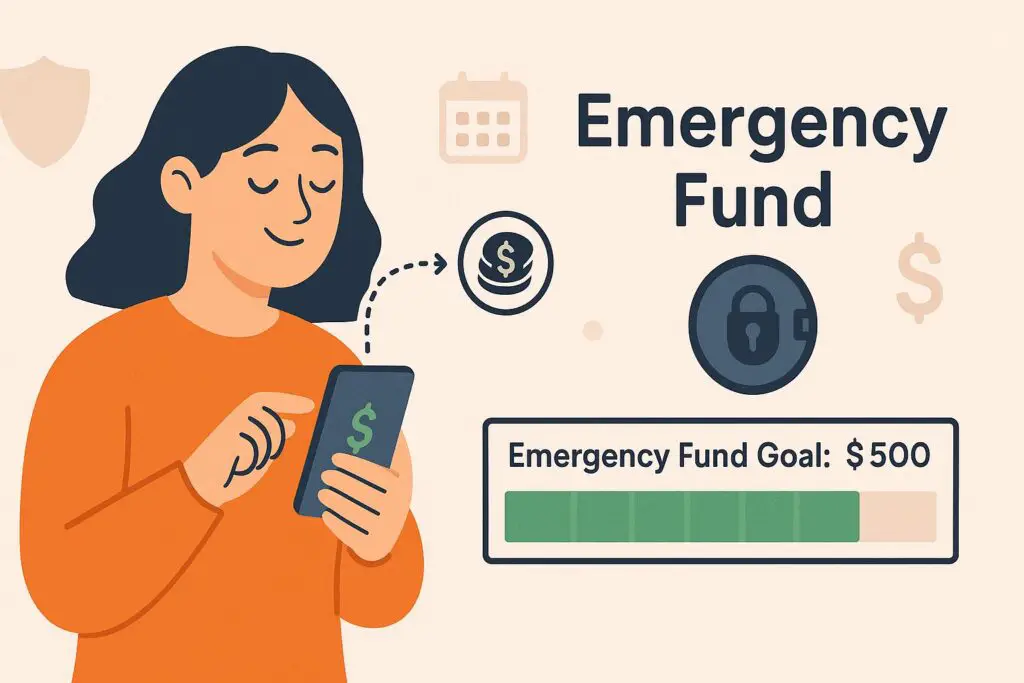
11. Build a Small Emergency Fund

Woman transferring money to a digital emergency fund, with a $500 goal tracker and vault icon.

Another effective way to save money is through setting up an emergency fund. Start with a small amount like $500 in one month and gradually increase the amount to help keep you motivated and consistent with the process. 

Use a separate savings account and transfer the amount the day you get your paycheck to avoid any temptations to dip into the savings. Saving even a small amount can give you peace of mind and motivate you further to keep going.  

12. Borrow Instead of Buying When Possible

Instead of buying, consider borrowing to make saving money a bit easy. Whether you need a ladder for a project or a formal dress for an event, consider asking friends or family before purchasing. 

Borrowing not only makes saving money easy but also reduces clutter gathered through over-purchasing of items. This tip may sound a bit unnecessary, but considering borrowing expensive goods needed for a shorter duration of time may help you save a larger amount in less time. 

13. Look for Discount Codes and Cashback Offers

Every time you go shopping or for fun dine outs with friends or family, look for cashback offers. Similarly, when purchasing online, look for discount codes or vouchers that could save you money over time. 

You can also sign up for the store’s loyalty program or use apps like Ibotta to make little savings add up quickly with frequent online shopping. 

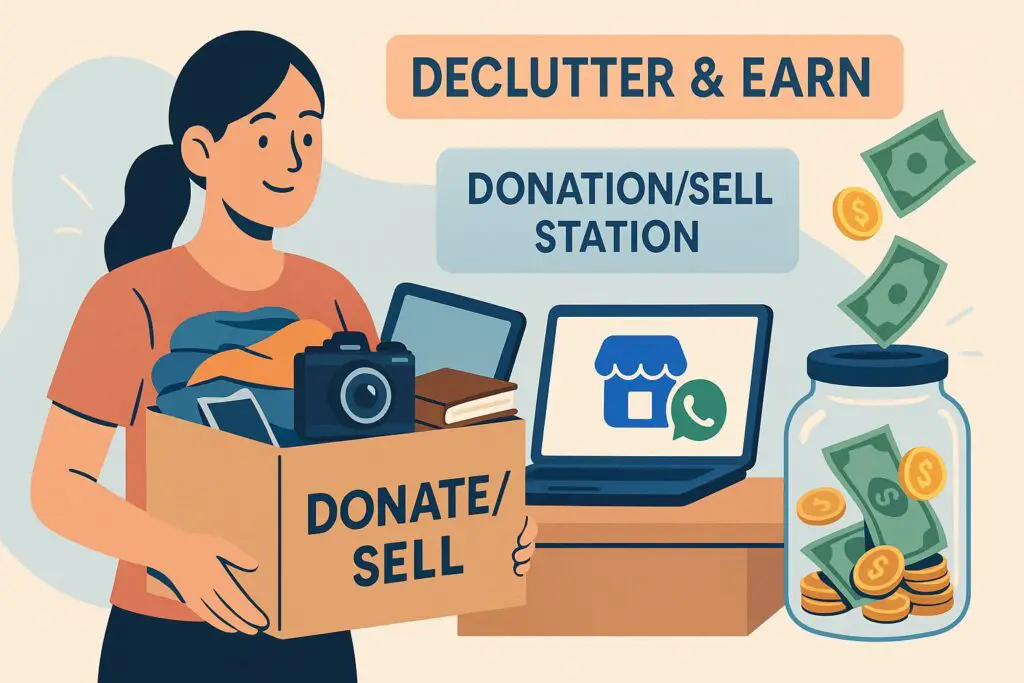
14. Sell Things you Don’t Use

Woman holding a box of items to sell, with a laptop showing marketplace apps and a savings jar.

Clean your physical and mental space by getting rid of goods and items you no longer use. This could be clothes, gadgets, or old furniture. List them on Facebook marketplace or local WhatsApp groups and you’ll be surprised how fast things sell. 

While you’re at decluttering, what better way than to earn through it? Save the money you get through selling the items by depositing it into your savings account or setting it aside in a jar or an envelope. 

15. Reduce your Utility Bills

Energy costs are rising nationwide, but small changes can have a great impact. Turn off lights when not in use, use smart thermostats, and unplug appliances when you can. Wash clothes in cold water and limit the use of appliances as much as you can. 

These tips can save you around $20-$50 or more per month, making them a considerable option if you’re looking for effective tips to save money. 

16. Explore Fun That Doesn’t Cost a Dime

Explore your creative and problem-solving side through this tip that includes looking for entertainment that isn’t expensive. Look for free museum days, outdoor concerts, library events, or community fitness classes. 

Arrange a game night or go on a hiking trip that doesn’t cost a lot. Moreover, U.S. cities and towns offer more free events than people realize. All you need to do is stay in touch with groups and communities arranging events and enjoy yourselves whenever an event comes around. 

17. Review and Reset Monthly

End of month is the perfect time to take a breath and look back at where your money actually went. Open your banking app, take a peek at what made you feel good about your spending, and what made you wonder if you can hold back on this specific expense in future.

Use what you see to tweak things for next month, even if it’s just one small change. Think of it like a monthly check-in with the future-you.

Conclusion

Saving money isn’t about saying no to everything you enjoy doing, it’s about saying yes to much smarter decisions. Whether it’s scheduling a no-spending day in a week, selling unnecessary items, or unsubscribing tempting emails, each tip is helpful in its own unique way. By applying just a few of these tips and tricks consistently, you’ll start noticing real changes in your financial life. The key is to start small, stay consistent, and avoid waiting for the perfect time, the future-you will definitely thank you!

  • « Go to Previous Page
  • Go to page 1
  • Interim pages omitted …
  • Go to page 36
  • Go to page 37
  • Go to page 38
  • Go to page 39
  • Go to page 40
  • Interim pages omitted …
  • Go to page 73
  • Go to Next Page »

The Latest Blog Posts:

  • 14 Profitable Things To Sell On eBay June 20, 2026
  • Mason Jar Crafts To Make And Sell June 19, 2026
  • 12 Best Jobs for Retired Teachers  June 18, 2026

As Featured In:

Just Start Investing Press Strip 2020 B&W

Follow Us:

  • Facebook
  • Twitter
  • Pinterest

Copyright © 2026 · Just Start Investing LLC

  • Contact Us
  • Blog
  • Privacy Policy / Disclaimers