• Skip to primary navigation
  • Skip to main content

Just Start Investing

We Make Investing Easy

  • Investing
    • Learn About Investing:
    • Investment Accounts
    • Online Brokerage Accounts
    • Investment Vehicles
    • Start Investing:
    • How to Invest in Index Funds
    • Start Investing with Betterment
    • Start Investing with Charles Schwab
  • Banking
    • Best Bank Accounts
    • Types of Bank Accounts:
    • Checking Accounts
    • Savings Accounts
    • CDs and Money Market Accounts
    • Online Banks vs Brick-and-Mortar
  • Credit Cards
    • Best Credit Cards:
    • Best Cash Back Credit Cards
    • Best No Annual Fee Credit Cards of 2021
    • Best Premium Credit Cards of 2021
    • Credit Card Tool: Find the Best Credit Card for Me
    • Learn About Credit Cards:
    • Types of Credit Cards
  • Blog
    • Investing
      • What is Crypto?
        • Crypto
      • What are stocks?
        • Stocks
      • What is a Real Estate Investment?
        • Real Estate Investments
      • What is an IPO?
        • IPO
    • Banking
    • Credit Cards
    • Budget
    • Finances
  • Earn with Crypto
  • Budget
    • How to Build a Budget
    • 24 Tips to Save More Money
  • Resources
  • About
    • Contact
    • Press
    • Learn More
    • Disclaimers
  • Show Search
Hide Search

General Personal Finance Blog

The Most Authentic Earn Money From Home Ideas

February 25, 2026 By Ana Rose

Earning money from home may sometimes sound too good to be true because there are many unrealistic promises online that make everything seem fast and effortless. However, the truth is that there are genuine and practical ways to earn from home if you are willing to stay patient and consistent. It does not require overnight success or extraordinary talent, however, it does require effort, consistency, and the right mindset. Whether you are a student, a stay-at-home parent, or someone looking for extra income, there are simple and honest ways to earn without leaving your house. This article will help you explore some authentic and easy-to-follow ideas that can truly work, allowing you to earn an income from the comfort and warmth of your home. 

The Most Authentic Earn Money From Home Ideas

1. Freelance Writing

Freelance writing is a simple and real way to earn money from home if you enjoy writing and can express your thoughts clearly. Many websites, blogs, and small businesses are always looking for people who can write articles, product descriptions, or social media captions. You do not need to be perfect in the beginning because skills improve with practice and time. 

You can start by choosing topics you understand well and slowly build your confidence and as you continue to complete more work and gain more experience, you can increase your rates. 

2. Online Tutoring

Online tutoring is a great option if you are good at a subject and enjoy helping others understand it better. Many parents look for tutors who can teach their children from home through video calls. You can teach school subjects, languages, or even basic skills like reading and writing. 

All you need is clear knowledge, patience, and a stable internet connection and you can choose flexible hours that fit your routine. As you gain more students and build trust, your income can grow steadily. What makes online tutoring a considerable option is that it is simple and honest work that allows you to earn while helping someone learn and improve.

3. Selling Handmade Products

If you enjoy making things at home, you can turn that hobby into a source of income by selling handmade products, which can include items like baked goods, candles, soaps, handmade jewelry, or simple crafts, depending on what you are good at and enjoy creating. You can begin by offering your products to friends, family, and neighbors, and once you gain confidence and experience, you can expand your reach by promoting your items through social media platforms or local online marketplaces. 

The most important thing is to focus on creating high-quality products and pricing them fairly, because when people notice the effort and care you put into your work, they are more likely to return as loyal customers, making this a practical and reliable way to earn money from home over time.

4. Virtual Assistant Work

Illustration of a person working remotely as a virtual assistant from home with organized digital tasks on a pastel pink background.

Virtual assistant work is a practical way to earn money from home if you are organized, responsible, and comfortable using a computer, because many small business owners and entrepreneurs need help with tasks such as managing emails, scheduling appointments, handling social media accounts, or performing other simple online duties, all of which can be done remotely without leaving your house.

 Although it does not require advanced technical skills, it does demand clear communication, attention to detail, and reliability, and as you gain experience and build trust with clients, you can secure regular work, making it a consistent and realistic source of income that grows over time with your effort and dedication.

5. Social Media Management

Social media management is a genuine and growing way to earn from home if you enjoy working with platforms like Instagram, Facebook, or TikTok, because many small businesses and brands do not have time to post regularly, respond to comments, or engage with their audience consistently, and they are willing to hire someone to take care of these tasks. 

This type of work does not require highly technical skills, but it does require creativity, consistency, and patience to maintain a professional online presence. As you gain experience and show results, you can attract more clients and build a reliable income stream, making it a practical and long-term option for earning money without leaving your home.

6. Graphic Design Services

Graphic design is a creative way to earn money from home if you enjoy making visuals and have some knowledge of design tools, because businesses, bloggers, and social media pages are always in need of logos, banners, posters, and other digital graphics to promote their work. 

You do not need to start with perfect skills, as experience grows with practice, and small projects can help you build a portfolio that attracts more clients over time. By focusing on delivering high-quality and visually appealing designs consistently, you can gradually increase your rates and turn graphic design into a steady and rewarding source of income that can be done entirely from home.

7. Selling Digital Products

Illustration of a person creating and selling digital products online from home on a pastel pink background.

Selling digital products is an excellent option for earning from home because once you create items such as templates, planners, ebooks, or simple guides, you can sell them multiple times without needing to produce them again, making it a low-maintenance source of income. 

The key is to focus on creating products that are useful, well-organized, and visually appealing so that buyers see value in them. You can promote your work through social media, websites, or marketplaces and reach a wider audience. With dedication and consistency, selling digital products can become a long-term income source that grows steadily over time.

8. Data Entry Jobs

Data entry is a simple and practical way to earn money from home because it usually involves organizing, typing, or updating information in documents or spreadsheets, which does not require advanced skills but does require attention to detail and accuracy. While the pay may not be very high at the beginning, it can provide a steady and reliable income when approached with consistency, and it allows you to work flexible hours that fit around your other responsibilities. 

By completing tasks carefully and building a good reputation with clients or websites, data entry can be a dependable starting point for earning money from home.

9. Affiliate Marketing

Affiliate marketing is a genuine way to earn money from home by promoting products or services and earning a commission when someone buys through your referral link, which can be shared through a blog, social media, or videos. 

By focusing on products you genuinely like and promoting them honestly, affiliate marketing allows you to earn without creating your own products and can become a long-term and reliable source of money from home.

10. Starting a YouTube Channel

Starting a YouTube channel is a real way to earn money from home if you enjoy sharing information, skills, or experiences through videos, because channels can generate income from ads, sponsorships, and collaborations once they grow an audience. It does not require expensive equipment at first, as many successful creators start with a phone and good content ideas, and consistency is more important than perfection. 

11. Online Reselling

Online reselling is a practical way to earn money from home by buying products at a lower price and selling them for a profit, which can include items like clothes, accessories, or home goods, depending on what you can source easily. 

You can start small and focus on items that are in demand, and gradually expand as you learn what sells the best. By keeping track of costs, pricing fairly, and providing good customer service, online reselling can become a steady and reliable income source over time.

12. Blogging

Blogging is a genuine way to earn from home by writing about topics you care about, such as lifestyle, cooking, personal experiences, or education, and sharing useful information with readers. Over time, a blog can earn money through ads, sponsored posts, or affiliate links when your content attracts an audience. 

While blogging requires patience and consistent posting, it allows you to work at your own pace and gradually build a following. By focusing on helpful, well-written content and staying committed to improving your blog, you can create a long-term source of income from home that grows steadily with effort.

13. Online Surveys and Microtasks

Online surveys and microtasks are simple ways to earn small amounts of money from home during free time, because many companies pay for opinions, testing apps, or completing small online jobs. While this may not replace a full income, it can provide extra money without requiring specialized skills, and it is flexible enough to fit around your main responsibilities.

By consistently completing surveys and tasks, you can gradually add to your earnings, making this method a practical way to earn from home without much stress or effort.

Conclusion

Earning money from home is real and possible only when you focus on practical and honest ideas, stay consistent, and put in steady effort. It does not happen overnight, and it does not require special talent in every case, but by choosing the right opportunities and improving your skills over time, you can build a reliable income. Starting small, being patient, and staying committed are the keys to success, and even simple steps taken regularly can grow into meaningful results. With discipline and persistence, working from home can provide flexibility, financial support, and confidence for the long term.

Authentic Money Saving Methods Biweekly

February 24, 2026 By Ana Rose

Saving money may sound overwhelming and frustrating, but with the right plan and strategy, it doesn’t have to be difficult or something that sounds like more of a distant dream. A biweekly savings plan allows you to save every two weeks, giving you more space and room to save. Instead of saving randomly, a biweekly savings plan gives you a proper roadmap, allowing you to set aside small and manageable amounts that over time, can grow into something much more meaningful. Whether you’re working full-time, freelancing, or managing a household, a biweekly savings method can help you build discipline in your financial life and ultimately, reduce financial stress. This article will help you explore some of the best methods to save money biweekly, allowing you to build a safety net while staying disciplined, consistent, and free from confusion.

Authentic Money Saving Methods Biweekly

1. Divide Your Savings Goal Into 26 Parts

When you get paid biweekly, you receive 26 paychecks in one year, which provides you with a clear structure to save money. Instead of focusing on the big saving goal that may seem intimidating and overwhelming, a smarter approach would be to divide that big figure by 26 and aim to save the amount from each paycheck. 

Not only does this simple trick help you achieve your goals, it makes the journey easier and more manageable, allowing you to attend to your other expenses as well, without having to hold back on your essentials or non-essentials. What makes this saving method a considerable option is that once you break down the big goal, you reduce financial stress and build confidence to stick to the journey ahead. 

2. Follow the Biweekly Savings Challenge

Illustration of a person gradually increasing savings every two weeks using a biweekly savings challenge on a pastel pink background.

You can also consider the biweekly savings challenge which is all about starting by saving a small amount from your first paycheck and then gradually increasing the amount every two weeks. For example, if you start with saving $25 from your first paycheck, aim to add another $25 to the next paycheck and so on. 

This gradual increase in the saving amount does not make the process feel like a burden, because it is structured and predictable. Over time, this simple yet highly effective saving strategy can help you save  a significant amount, making it a considerable money saving method for many. 

3. Save From Every Paycheck Immediately

Instead of waiting for the end of the month and saving the leftover money, a smarter approach would be to save from your paycheck as soon as it arrives. This ‘pay yourself’ strategy works for many because once you start treating your savings as a non-negotiable bill, the journey gets easier. 

This strategy may seem simple on the outside, but in reality, it strengthens your self-control and teaches you the importance of living on what remains rather than spending freely and thoughtlessly. Over time, with this method, saving becomes automatic and you can save a significant amount without making the process feel like a drag. 

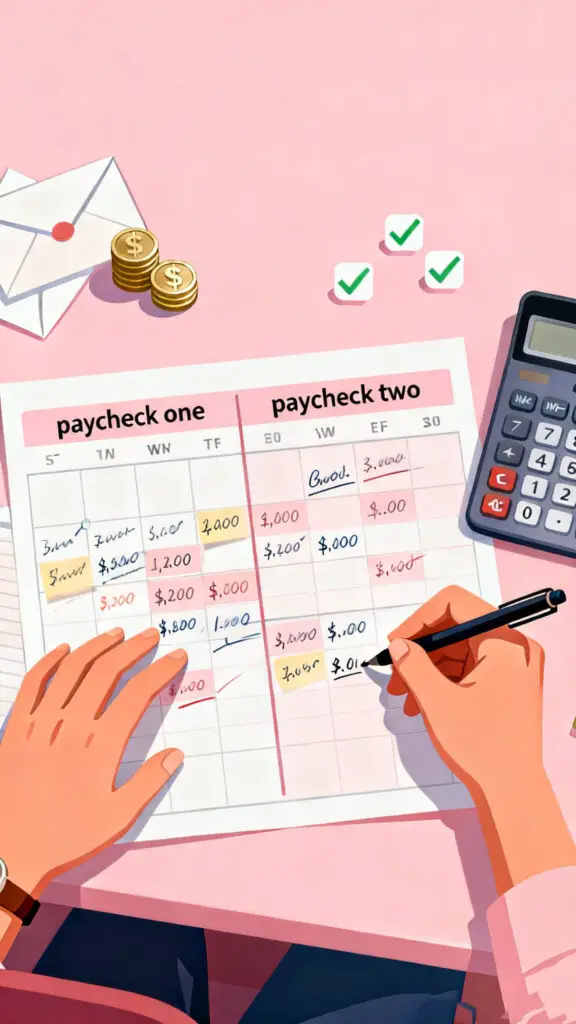
4. Use the “Two-Paycheck Month” Smartly

Because you get paid every two weeks, there will be two months in the year when you will receive three paychecks instead of two. Since your regular two paychecks usually cover your monthly expenses, these extra paychecks can serve you if you spend them thoughtfully and intentionally. 

It is important to use those extra paychecks wisely instead of spending them on non-essential expenses, whether it’s unnecessary takeouts, subscriptions you don’t really need, or clothes that may feel necessary in the moment but are not actually essential. Instead, consider spending these extra paychecks on something meaningful, such as savings, building an emergency fund, investment, or paying off a debt, if there is any. 

5. Split Fixed Expenses Between Two Paychecks

Managing your expenses when you get paid biweekly can become much easier when expenses are divided rationally between the two paychecks. Instead of paying all your major bills at once and feeling financial pressure, a smart way is to pay for certain expenses from the first paycheck and pay for the rest of expenses from the second one. 

For example, you can pay your rent and insurance from paycheck one, and aim to pay your bills and groceries from the second one. Not only does this approach help you perfectly divide your expenses and make the journey feel easier and more peaceful, it also prevents you from feeling broke halfway through the pay period, making it a considerable option for many. 

6. Automate Your Biweekly Transfers

Nothing works better when it comes to saving money than the simple act of automating your biweekly transfers. Instead of relying on your conscious effort, a smarter approach is to automate your biweekly transfers and save money in a low maintenance and almost effortless way. 

When the transfers silently take place in the background, you remove the urge to spend your hard-earned money on expenses that don’t truly serve you. Over time, this seemingly simple yet highly effective money saving method can help you save a meaningful amount. 

7. Create a Biweekly Budget Instead of a Monthly Budget

Illustration of a person organizing a two week budget plan aligned with biweekly paychecks on a pastel pink background.

Instead of sticking to a monthly budget when you get paid biweekly, a smarter and much more logical approach would be to follow a biweekly budgeting plan. This way, your budget plan can align with how you get paid, allowing you to match your expenses with your income. 

You can plan for two weeks at a time and gain a clearer understanding of your expenses while taking control of your spending decisions. Moreover, this method also allows you to stay free of confusion about when the bills are due or whether you have enough funds to cover up your upcoming expenses. 

8. Set a Different Purpose for Each Paycheck

Instead of spending randomly and without any purpose, a considerable and more logical approach is to set different purposes for each paycheck. For example, your first paycheck can cover essential bills and necessary expenses, on the other hand, your second paycheck can help you save, invest, or pay off debts, if there are any. 

This money saving method ensures that each dollar that you work so hard for has a purpose to serve, instead of spending your money aimlessly. This approach can also help you avoid overspending or impulsive purchasing early in the month because you know that the second paycheck has particular goals associated with it. 

9. Build a Biweekly Emergency Fund Contribution

Building an emergency fund may sound like something that requires a large amount of money at once, but in reality, it becomes much easier when you contribute to it every two weeks. Instead of waiting for the right time to start saving for emergencies, a smarter approach is to set aside a small and manageable amount from each paycheck.

This steady contribution may not look like much in the beginning, but over time, it can grow into a strong safety net that protects you from unexpected expenses such as medical bills, car repairs, or sudden job loss. 

10. Use Cash Envelopes for Biweekly Spending

If controlling spending feels difficult, the cash envelope method can be a practical and helpful solution when applied to a biweekly system. After receiving your paycheck, withdraw the amount you plan to spend over the next two weeks and divide it into separate envelopes for categories such as groceries, transport, and personal spending.

This method may seem traditional, but it works because it makes your spending visible and tangible. When you physically see the cash reducing, you naturally become more mindful of your choices. 

11. Track Spending After Each Pay Period

Saving money biweekly becomes much more effective when you take time to review your spending after each pay period. Instead of ignoring where your money went, sit down at the end of the two weeks and carefully examine your expenses. 

This regular review can help you stay aware and responsible because you are not waiting until the end of the month to fix mistakes. It allows you to make small adjustments quickly and improve your next two-week plan. Over time, tracking your spending consistently builds stronger financial discipline and helps you make better decisions with each paycheck you receive.

12. Increase Savings With Every Raise

Whenever your income increases, whether through a salary raise, bonus, or side income, it is important to adjust your savings as well. Instead of immediately increasing your lifestyle expenses, a wiser and more disciplined approach is to increase the amount you save from each paycheck.

Conclusion

Saving money every two weeks is not about being strict or making your life difficult. It is simply about following a clear and steady plan that matches how you get paid. When you save a small amount from each paycheck, it feels easier and more realistic than trying to save a large amount at once. Over time, these small efforts grow into something meaningful and you feel more in control, less stressed, and more prepared for unexpected expenses. By staying consistent and mindful, a biweekly saving plan can help you build security, confidence, and peace of mind step by step.

The Best Ever Money Saving Methods

February 23, 2026 By Ana Rose

Saving money may sound simple and straightforward, but in reality, it is more about making intentional money choices that help you set aside money. The truth is that saving money is not only about huge sacrifices or restricting yourself, it is more about following practical money saving methods that suit you, your lifestyle, and income the best. Whether you’re a student, a full-time employee, or an entrepreneur, building the healthy habit of saving can reduce financial stress and serve you in the years to come. When you think of saving as something that empowers you and gives your earning a purpose, it becomes easier and less overwhelming, making it easier for you to stay consistent and stick to the process. This article will help you explore some helpful money saving methods, allowing you to build a stable and secure financial future that can help you become free and confident when it comes to your financial life. 

The Best Ever Money Saving Methods

1. The 50/30/20 Budgeting Rule

According to the 50/30/20 budgeting rule, 50% of your income goes to your needs, 30% is assigned to your wants, and lastly, 20% of your paycheck is set aside for your savings. What makes this method a considerable option is that it perfectly divides the spendings for the 3 major categories, while making room for savings as well. 

Not only does this method offer a perfectly balanced approach, it also makes room for enjoyment where all your wants are considered as well. By consistently setting aside 20% of your income each month, this method can build discipline and long-term stability. Over time, the amount set aside each month can turn into something big and meaningful, allowing you to make the most of the money you work so hard for. 

2. Zero-Based Budgeting Method

Another considerable option is the zero based budgeting method which is all about giving every dollar a purpose to serve. A common misconception is that this method involves spending everything, instead it’s more about assigning money intentionally towards needs, wants, investments, or savings. 

When every dollar is given a purpose and spendings are planned with intention, the journey ahead gets easier and there are fewer chances of confusion and careless spending. Over time, this method allows you to take control of your money rather than letting your money control you. 

3. Paying Yourself First

Instead of saving the leftover money, a smart and more considerate approach is to pay yourself by setting aside money whenever your paycheck hits your checking account. This saving method allows you to save with intention instead of setting aside the money after all the spendings.  

This method ensures that you save your hard-earned money before the temptation to spend hits you. By treating saving as a non-negotiable bill, you can save up a meaningful amount in no time, allowing you to see the importance of self-control and intentional financial choices. 

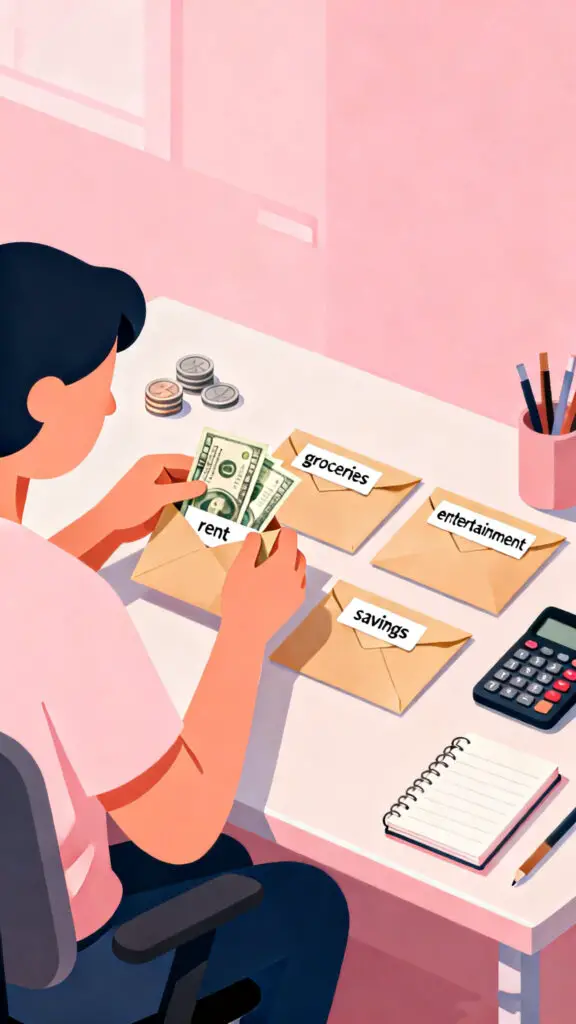
4. The Envelope Cash System

Illustration of a person organizing cash into labeled budget envelopes on a pastel pink background.

For another practical method to save money, consider the envelope cash system which is all about creating different spending categories such as groceries, transportation, rent, or entertainment. After creating the categories, assign cash to each spending category and aim to stay within the spending limit for the month. 

The main catch of this method is to control impulsive spending and spend with intention. You can also create a category for saving and put cash into the envelope. Through this simple approach, you can control overspending, emotional spending, or impulsive purchasing, allowing you to control your money rather than the other way around. 

5. Automating Your Savings

Nothing helps you save money better than the simple act of automating your savings. This method is all about setting up automatic transfers from your checking account to your savings account. As soon as your paycheck hits your bank account, a specific amount moves from your main account to the savings one, allowing you to save money in an almost effortless way. 

What makes this method a considerable option is that it allows you to save money before you get to spend your hard-earned money on your needs or wants, offering a low-maintenance yet reliable way to save up. 

6. Building an Emergency Fund

Life has an unexpected way of throwing curveballs your way whenever you least expect them which is why it is necessary to have a safety net in place which can help you in case of unforeseen financially demanding circumstances. Aim to save around 3-6 months worth of expenses by setting aside small but meaningful amounts with consistency. Over time, these amounts can grow into something thoughtful that can offer mental peace and satisfaction, allowing you to stay confident when it comes to your finances. 

7. The 30-Day Spending Rule

To fight against impulsive spending, consider the 30-day spending rule which is all about waiting for a time period of 30 days before buying anything. Whenever you feel tempted to buy something that falls under the non-essential spending category, consider waiting for 30 days and allow yourself to reflect on your decision to spend.

This time allows you to logically think over your decision and come to a conclusion whether the purchase truly justifies your hard-earned money and effort.

8. Cutting Unnecessary Subscriptions

Unnecessary subscriptions take up a huge portion of your budget which is exactly why it is necessary to target them. Whether it’s streaming services, music subscriptions, or fitness apps, some subscriptions may seem harmless but they affect your budget way more than you may ever realize. 

A smarter approach is to review your bank statements and look for your subscriptions that silently eat away your income and moreover, they don’t add value to your life. Consider cancelling them and redirect that same money towards something more meaningful, such as savings, paying off debts, or investments.  

9. Meal Planning to Reduce Food Costs

Illustration of a person planning meals and groceries to save money on food expenses on a pastel pink background.

Meal planning is one of the most practical and realistic ways to reduce monthly expenses without feeling deprived or restricted. When meals are planned ahead of time, grocery shopping becomes more organized and focused, which naturally prevents overspending on unnecessary items that often go to waste. 

Instead of visiting the store multiple times a week and picking up random products, a planned list keeps you aligned with your budget and your needs. Cooking at home more often also reduces the temptation of expensive takeout or last-minute dining decisions.

10. Tracking Every Expense

Tracking every expense may seem tiring at first, but it is one of the most eye-opening money saving methods you can practice. When you write down or record where your money goes each day, you begin to notice spending patterns that were previously ignored or underestimated. 

Small daily purchases such as coffee, snacks, or online deals may appear harmless individually, but together they can quietly impact your savings. 

11. Using High-Yield Savings Accounts

Using a high-yield savings account is a thoughtful way to make your saved money grow instead of letting it sit idle. Unlike a regular savings account, a high-yield option offers better interest rates, which means your money earns more over time without requiring extra effort from you. 

Although the growth may seem small in the beginning, consistency and time can turn it into something meaningful.

12. Setting Clear Financial Goals

Saving becomes much easier when you have a clear reason behind it because goals give your efforts direction and purpose. Instead of saving without intention, you can work toward something meaningful such as buying a home, traveling, paying off debt, or building long-term security. 

13. Avoiding Impulse Purchases

Avoiding impulse purchases requires patience and awareness, especially in a world filled with constant advertisements and tempting offers. Many purchases happen in moments of emotion rather than genuine need, which is why it is important to pause before spending. Asking yourself whether the item truly adds value to your life can prevent unnecessary expenses. 

14. Increasing Income While Saving

While managing expenses is important, increasing income can also strengthen your saving journey in a powerful way. Exploring side opportunities, freelancing, or improving skills can create additional income streams that speed up financial progress. 

The key is to avoid increasing your lifestyle expenses when income grows and instead direct extra earnings toward savings or investments. This balanced approach allows you to build wealth steadily without feeling overwhelmed. By combining smart spending habits with income growth, you create stronger financial stability and move closer to long-term freedom and confidence.

Conclusion

Saving money is not about restricting your happiness or constantly saying no to yourself, but about making thoughtful and intentional decisions that support your future. When you follow practical saving methods that match your lifestyle and income, the process feels manageable instead of overwhelming. Small steps taken consistently can slowly build a strong financial foundation that protects you during difficult times and empowers you to achieve your goals. Over time, these habits create confidence, stability, and freedom and by staying patient and committed, you allow your hard-earned money to serve a greater purpose in your life.

How To Teach Kids About Budgeting Money

February 18, 2026 By Ana Rose

Teaching kids about budgeting is one of the best life skills you can give to your children because it helps them understand how money works in practical life long before the real world financial responsibilities appear. When you educate your children about finances early on, they begin to see money as something that can empower them and needs to be handled with responsibility, patience, and consistency, rather than something that disappears as soon as it is received. Budgeting lessons do not have to be complicated or overwhelming for your children, you just need to find the perfect balance between education and comfort, allowing them to learn things naturally at their own comfort level and pace. This article will help you explore ways to teach kids about budgeting money, allowing them to step into the financial world and learn one of the most essential parts of finance. 

How To Teach Kids About Budgeting Money

1. Start With Simple Money Basics

You can start with teaching your children basic money lessons so that they can understand it easily and relate to daily life. You can help them understand what money really is, where it comes from, how to spend it, and why people use it to buy things they need and want. This simple lesson can help them understand the basics of money and makes the concept more realistic and practical for them. 

Starting with simple money basics can build a strong financial foundation for your children, allowing them to grasp the financial concepts early on instead of being confused and struggling with them later in life.  

2. Explain the Difference Between Needs and Wants

Another important lesson when teaching your children about budgeting is to explain the difference between needs and wants to them. Explain that needs are necessary for survival and include expenses for daily comfort, including rent, groceries, or transportation. On the other hand, wants are those nice-to-have spending categories which are not essential but it feels nice to spend on them, including takeouts, shopping for clothes you don’t really need, or subscriptions you barely use. 

This simple lesson can help kids understand the importance of spending mindfully and intentionally instead of overspending or spending impulsively. Over time, this understanding can allow kids to prioritize their spendings and avoid emotional spendings that can result in regret later on. 

3. Use Allowance as a Budgeting Tool

Illustration of a child dividing allowance money into jars for budgeting on a pastel pink background.

For a practical source of teaching money lessons to children, consider using allowance as a budgeting tool. When kids receive a fixed amount of money regularly, they can learn how to plan their spendings and stay mindful of their spending choices, allowing them to make financial decisions that can benefit them. Although this step seems simple, it can be important in teaching them essential financial lessons that can serve them later on in life as well. 

Instead of giving kids extra money whenever they ask for it, a fixed allowance can teach children to stay within the spending limit and make intentional spending choices. Kids begin to learn that once they spend their allowance, they’ll have to wait until the next allowance comes, which consequently strengthens budgeting skills and decision-making abilities. 

4. Encourage Saving From an Early Age

Another important step in teaching your children about budgeting is to encourage saving from an early age which can develop a sense of responsibility and self-control in children early on in life. When you guide your children to set aside a portion of their allowance or gift money, they learn that money is not only supposed to be spent immediately, it can be saved and used later whenever you need your savings. 

This simple money lesson teaches them that waiting and planning for the future is far more bigger than spending money on things you don’t really need. Over time, when your children see their savings grow into something big and much more meaningful, this simple habit becomes more of something that empowers them and builds confidence. 

5. Create Simple Budget Categories

Creating budget categories may sound simple but this effective strategy can help your kids plan and prioritize their spendings. Creating categories can help them see the importance of each category and spend more mindfully and intentionally. You can guide your children to divide their money into basic categories like spending, saving, or sharing, and make budgeting easier to understand and follow. 

Once they create budget categories, you can use jars, envelopes, or labeled containers to divide the money and allow your kids to see where their money is going. This simple step can add motivation and consistency, helping kids stick to the journey and reach their goals. 

6. Let Kids Make Small Spending Choices

Instead of taking control and making decisions for your children, a smarter approach would be to let your children make small spending choices on their own which can develop a sense of responsibility and strengthen their decision-making abilities. When you allow your children to take control of their spending choices, they begin to understand that their  spending choices have consequences as well, whether it’s feeling happy about a purchase or regretting not saving the money instead. 

Over time, kids become more thoughtful with spending money and develop confidence in managing their finances independently rather than depending on their parents for small spendings. 

7. Teach the Value of Earning Money

Another important money lesson when teaching your kids budgeting is to teach them the value of earning money. Instead of giving them money whenever they ask for it, a smarter approach would be to allow them to earn it by doing simple household chores like cleaning, doing the dishes, or organizing their room. This simple yet highly effective strategy can help your children learn that money does not come easy and is connected with effort and responsibility. 

When your children begin earning money through effort, they can become more careful about spending it, developing a sense of responsibility and logical decision-making which can benefit them later in life as well. 

8. Set Short-Term and Long-Term Money Goals

Setting short-term and long-term money goals helps children understand why budgeting and saving are important in real life. When kids save for a small goal like a toy or book, they learn patience and planning in a simple and rewarding way. Long-term goals, such as saving for a bigger item or activity, teach consistency and self-control over time. 

Goals give purpose to money and help children stay motivated because they can clearly see what they are working toward, which makes budgeting feel meaningful instead of restrictive.

9. Use Real-Life Shopping as a Lesson

Taking kids along during shopping trips is a great way to teach budgeting in everyday situations. Showing them prices, explaining why certain items are chosen, and discussing staying within a budget helps them understand how money decisions are made. These experiences teach children that budgeting is not only about saving but also about making smart choices. Real-life examples make lessons more practical and help kids connect budgeting concepts to daily life in a natural and easy way.

10. Talk About Money Mistakes Positively

Children will make money mistakes, and these moments should be treated as learning opportunities rather than reasons for punishment. When kids spend all their money too quickly or regret a purchase, calmly talking about what happened helps them understand the consequences of their choices. 

This positive approach builds confidence and reduces fear around money decisions and over time, children learn that budgeting is a skill that improves with practice and that mistakes are part of learning how to manage money better.

11. Involve Kids in Family Budget Planning

Illustration of a family discussing a simple household budget together on a pastel pink background.

Involving kids in simple family budgeting discussions helps them understand that adults also plan their money carefully. You can explain how money is divided for bills, savings, and family activities without sharing exact amounts. This openness helps children see budgeting as a normal part of life. 

When kids feel included, they become more aware of financial responsibilities and learn that budgeting helps families stay organized, prepared, and stress-free when managing money together.

12. Make Budgeting Fun and Age-Appropriate 

Making budgeting fun helps children stay interested and engaged while learning important money skills. Using games, pretend stores, play money, or simple challenges turns budgeting into an enjoyable activity instead of a boring task. When lessons match a child’s age and understanding, they are more likely to remember and apply what they learn. A fun approach helps children build positive feelings toward money management, which encourages healthy financial habits as they grow.

Conclusion

Teaching kids about budgeting money is a gradual process that works best when lessons are simple, supportive, and consistent. By helping children understand saving, earning, spending, and planning through real-life experiences, you prepare them for future financial responsibilities with confidence. Budgeting does not need to feel strict or stressful, especially when children are allowed to learn at their own pace and make small mistakes along the way. These early lessons create strong money habits that can guide them throughout life and help them make smarter financial decisions as adults.

Games To Teach Budgeting Or Money Management For Adults

February 17, 2026 By Ana Rose

Learning budgeting and money management as an adult can sound intimidating or overwhelming but with games, you can make the process easier to understand and more fun. Learning these concepts are important because they help adults take on real responsibilities like paying bills, sticking to saving goals, and ensuring future security, which can serve them in the future as well. Games designed to teach money skills offer a practical way to learn money lessons in a safe environment, allowing you to experiment with the outcomes and improve decision-making without risking real income. This article will help you explore games to teach budgeting or money management for adults, allowing them to develop their financial awareness and build confidence when it comes to the money they work so hard for. 

Games To Teach Budgeting Or Money Management For Adults

1. Monopoly for Cash Flow and Asset Management

Money is a powerful game that urges players to think logically and make logical financial decisions that affect both their short-term survival and long-term success. Players decide when to spend, when to save, and when to invest, allowing adults to experiment with money in a risk-free environment and learn from mistakes. 

The game perfectly shows how spending carelessly or making big financial decisions while thinking them over can slowly weaken your financial stability. Through repeated gameplay, adults can begin to understand the importance of playing ahead, investing wisely, managing debt, and controlling money rather than letting it control you. 

2. The Game of Life for Long-Term Financial Planning

The Game of Life is another considerable game for adults that allows them to learn how financial decisions made at different stages of life can shape long-term outcomes, which makes it necessary to learn. Players can experience choices related to education, career, financial life, family responsibilities, or lifestyle spending, allowing adults to make big decisions in a safe and risk-free environment. 

This game perfectly shows how early logical decisions can either reduce stress later or create financial pressure, helping adults see the importance of making decisions mindfully and logically because each decision made can affect your financial life in the long term. 

3. Cashflow for Understanding Passive Income

Illustration of adults playing a financial board game to learn passive income on a pastel pink background.

For another considerable option, Cashflow is designed specifically to teach adults how money works by helping them understand the difference between earned income and passive income. Players start in a situation similar to real life where income is limited and multiple expenses are pending to be taken care of and they must use different budgeting strategies and money management techniques to escape the paycheck-to-paycheck loop. 

This game highlights the importance of controlling expenses, living below the means, and investing wisely so the financial dynamics can be shifted smoothly. Through this game, adults can learn that wealth building requires discipline, consistency, and logical reasoning. 

4. Payday for Monthly Budgeting Practice

For a practical budgeting game, Payday is designed to show players how to manage money from one paycheck to the next by handling salaries, bills, loans, and sudden expenses within a limited time period. The main idea of this game is to help players understand how quickly money can run out when spending is not planned properly and how careful decisions can reduce financial stress before the next payday arrives.
The key lesson of Payday is to highlight the importance of planning ahead, keeping track of expenses, and setting aside money for unexpected costs, which closely reflects real-life monthly budgeting. By experiencing the consequences of poor planning and smart budgeting choices in a simple way, adults can better understand how everyday financial decisions shape stability and peace of mind.

5. Budget Challenge App for Realistic Budget Simulation

For a realistic money-learning experience, the Budget Challenge app allows players to manage income, expenses, savings, and emergencies over several simulated months. The focus of this game is to show how daily spending habits and lifestyle choices slowly affect overall financial health over time.
The main strength of the Budget Challenge app is its ability to teach how small decisions, such as overspending or saving consistently, can either improve or damage financial balance. By practicing budgeting without real financial risk, adults gain confidence and learn how thoughtful planning and controlled spending support long-term financial stability.

6. Fortune City for Habit-Based Money Management

For a more engaging approach to budgeting, Fortune City turns money management into a city-building experience where real-life spending habits help shape progress in the game. The purpose of this game is to encourage players to track expenses regularly while making budgeting feel rewarding instead of stressful.
The main concept behind Fortune City is to show how small daily habits add up over time and directly influence financial outcomes. By linking progress to awareness and consistency, adults can better understand how mindful spending and tracking routines support healthier money habits in everyday life.

7. SimCity for Resource Allocation and Financial Planning

For a thoughtful game, consider SimCity which is all about letting players handle the finances for a city by managing its income, expenses, and growth using limited resources. The key concept of this game is to maintain a balance by using the resources with planning and by avoiding spending too much in one area and neglecting other. 

The main catch of SimCity is to highlight the importance of setting priorities, saving resources, and preparing for unexpected challenges as these lessons are very similar to personal budgeting, where planning ahead and adjusting plans is often necessary. By seeing the results of financial planning and mindful choices on a larger scale, adults can understand how intentional and logical decisions can affect your financial well-being. 

8. Stardew Valley for Smart Spending and Investment Choices

Illustration of adults playing a financial board game to learn passive income on a pastel pink background.

Stardew valley is another considerable game option which is all about managing money through simple choices that require patience and planning. Players start with limited resources and it’s up to them whether they want to use their resources right away or save them for upgrades later. 

This game shows how waiting and making mindful decisions can affect your financial life in a positive way and can lead to long-term progress. This simple yet highly effective game strategy can help adults understand the importance of waiting and staying patient throughout the process, allowing them to learn the basic money skill, which is money management. 

9. Financial Football for Decision-Based Money Lessons

For an interactive learning style, Financial Football combines gameplay with financial questions related to saving, budgeting, and responsible spending. The goal of the game is to move forward by making correct money decisions, which reinforces learning through action rather than theory.
The key lesson of Financial Football is to show how financial knowledge directly affects outcomes, similar to real life where informed choices lead to better stability. By practicing decisions in a fun and competitive setting, adults can strengthen their understanding of money concepts and apply them more confidently to real situations.

10. Money Metropolis for Core Budgeting Skills

For beginners in money management, Money Metropolis focuses on teaching basic budgeting skills through simple and guided decision-making. Players learn how to manage income, balance spending, and set savings goals in an easy-to-follow structure.
The main purpose of Money Metropolis is to build a strong foundation by showing how everyday financial choices impact future stability. By practicing simple budgeting decisions, adults can develop clarity and confidence in handling their personal finances more responsibly.

11. Adult Allowance Challenges for Everyday Money Discipline

For a real-life budgeting exercise, adult allowance challenges turn everyday spending into a structured and goal-focused activity. The idea is to limit spending to a fixed amount for a certain period while tracking how money is used.
The key lesson of this challenge is to build discipline, awareness, and control over spending habits. By working within limits and adjusting choices, adults learn how setting boundaries and planning ahead can improve financial balance and reduce unnecessary expenses.

12. Stock Market Simulation Games for Risk and Investment Awareness 

For learning investment basics, stock market simulation games allow players to practice buying and selling with virtual money. The focus of these games is to help adults understand risk, patience, and long-term planning without facing real financial loss.
The main takeaway from these simulations is that emotional decisions and rushed choices often lead to poor results, while steady and thoughtful planning supports better outcomes. By observing how strategies perform over time, adults gain clearer insight into how investments can affect overall financial well-being.

Conclusion

Games that focus on budgeting and money management offer adults a thoughtful and practical way to understand financial responsibility without real-world risk. By allowing players to plan, make mistakes, and adjust strategies, these games highlight how intentional decisions, controlled spending, and long-term thinking support financial stability. Whether through simulations, challenges, or interactive learning, adults can develop stronger money awareness and healthier habits that translate into more confident and balanced financial choices in everyday life.

  • « Go to Previous Page
  • Go to page 1
  • Interim pages omitted …
  • Go to page 6
  • Go to page 7
  • Go to page 8
  • Go to page 9
  • Go to page 10
  • Interim pages omitted …
  • Go to page 73
  • Go to Next Page »

The Latest Blog Posts:

  • 14 Profitable Things To Sell On eBay June 20, 2026
  • Mason Jar Crafts To Make And Sell June 19, 2026
  • 12 Best Jobs for Retired Teachers  June 18, 2026

As Featured In:

Just Start Investing Press Strip 2020 B&W

Follow Us:

  • Facebook
  • Twitter
  • Pinterest

Copyright © 2026 · Just Start Investing LLC

  • Contact Us
  • Blog
  • Privacy Policy / Disclaimers