Money is something you have to deal with your entire life, yet many children grow up without learning how to manage it. Schools often skip teaching the real-world money skills and by the time kids become adults, they face the stress of budgeting, saving, or paying off debt, leaving them overwhelmed and frustrated. Teaching the kids about financial literacy is not about overwhelming them with complicated or complex financial terms, it’s about showing them how money works in ways they can understand. This article will help you explore how to teach financial literacy to kids, starting with small lessons, everyday examples, fun activities, and building habits that will serve them for life.
Start with the Basics of Money
The first step in teaching kids financial literacy is helping them understand the basics of money without overcomplicating it for them. Show them what it is, like coins, notes, or even digital transactions, and how it works. Explain it to them that people work, and in return, they get paid and then they use that money to buy the things they need.
You can use simple and understandable examples, like buying candy with money you make, to make it relatable for them.
Teach the Difference Between Needs and Wants

One of the most important lessons when it comes to teaching kids financial literacy is teaching them the difference between needs and wants. Needs are essentials like food, school supplies, or clothes, whereas wants are those nice-to-have items like toys, video games, or fancy snacks.
You can make this step fun for the kids by taking them shopping and asking them to sort items into “needs”and “wants”. This exercise can help them understand that while wants are fun, needs always come first.
Use Real-Life Examples in Daily Life
Children learn the best when they connect lessons to real-life examples. Let them see you pay bills, buy groceries, or compare two brands based on price. You can also involve them in small decisions such as choosing between two cereals, and then explain why one might be a better option than the other based on cost, quality, or value, helping them understand that every purchase involves thinking carefully rather than picking whatever looks good.
Give Kids an Allowance to Practice With
An allowance is one of the simplest ways to teach kids hands-on money management. Whether you give it weekly or monthly, it gives them real money to practice saving, spending, and budgeting.
Allowing them the freedom to make small mistakes, such as buying something they regret teaches valuable lessons. You can also associate allowance with tasks or chores, so children learn that earning comes with effort.
Teach the Habit of Saving Early
Saving is one of those important financial habits that kids should learn as early as possible. Give them a clear jar or piggy bank so they can physically see their money grow, which makes the process more exciting and easier to follow.
You can also encourage them to save a part of whatever money comes their way, whether it’s from pocket money, a gift, or something they’ve earned, because even the smallest savings can grow into something meaningful, and when they’re older, they’ll be glad they started early.
Introduce Goal Setting for Their Money
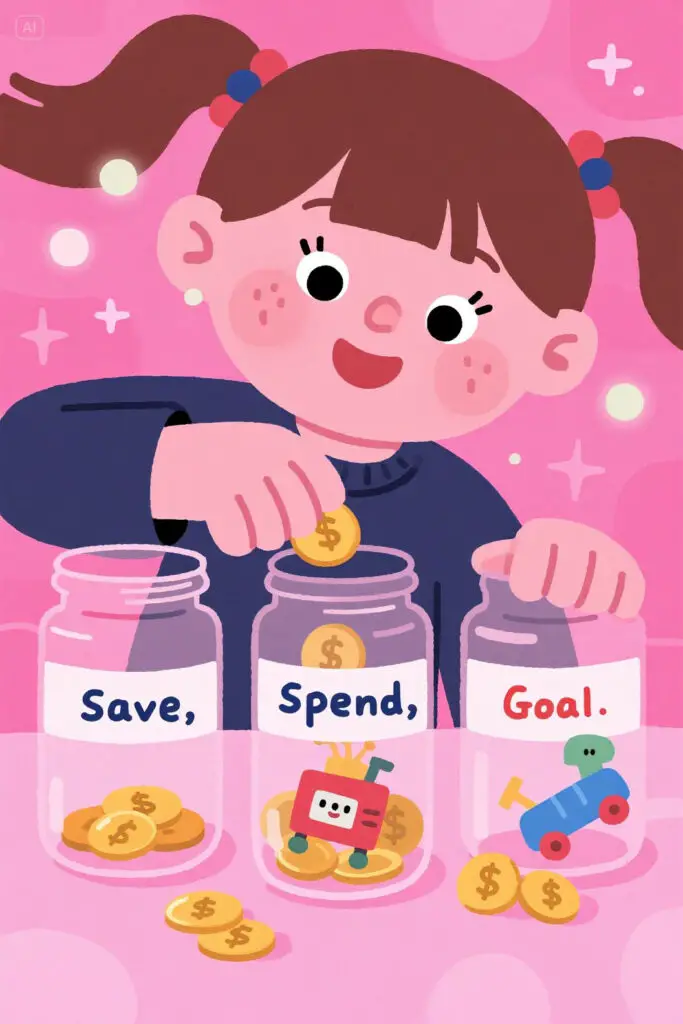
Teaching kids about setting goals helps them understand the purpose of saving and spending with a more mindful and intentional approach. Encourage them to set small and achievable goals like saving for a toy, a book, or even a special outing.
Break the goal into smaller steps and show them that each time they put money aside with consistency, it brings them closer to the target.
Encourage Smart Spending Choices
Kids often get excited about spending money as soon as they have it, so this is the perfect opportunity to guide them toward making thoughtful choices. Teach them to compare prices, check for quality, and ask themselves whether they really need the item. For example, when they want a toy, you can show them how the same item might cost less in another store or online. This simple habit will help them understand that spending isn’t just about buying something fast, but about getting the best value for their money.
Involve Them in Family Budgeting
Children can learn a lot when they see how their family plans money in real life. You can share simple budgeting discussions with them such as setting aside money for groceries, bills, or even family outings.
You don’t have to discuss complex numbers or figures with them, just explaining or letting them see how the family makes decisions regarding money and finances is enough. You can also let them help with small tasks like planning a grocery list within a budget, comparing prices, or choosing which items to prioritize, which not only makes them feel included but also gives them a practical understanding of how budgeting works in real life.
Teach About Sharing and Giving Back
Money lessons shouldn’t only be about saving and budgeting, they should also include sharing and donating money to causes your children care about. Encourage kids to set aside a small portion of their money to donate or help someone in need.
This could be as simple as contributing to a school fundraiser or helping a friend in need. Teaching your children about generosity at an early age helps build empathy and helps them understand that money is also a tool for making a positive difference in other people’s lives.
Open a Savings Account and Explain Banking
Once kids are a little older, introducing them to banking is a great step forward. Take them to open a savings account and explain how banks keep money safe, how deposits and withdrawals work, and even the concept of earning interest. By involving them in small transactions at the bank, they start to feel confident about handling money in the real world.
Use Games and Activities to Make Learning Fun
Kids learn best when the lessons don’t feel like lessons at all, and that’s why turning money concepts into games can be so powerful. You can try playing board games like Monopoly or The Game of Life to introduce ideas like saving, investing, and making financial decisions. Another helpful strategy would be to create simple at-home activities such as a pretend store where they “buy” and “sell” with play money.
Teach the Value of Work and Earning
One of the most valuable money lessons for kids is showing them that money doesn’t just appear, it’s earned through effort. Encourage them to do small chores around the house or take on age-appropriate tasks, and connect their efforts with a small reward or allowance.
This not only teaches them responsibility but also helps them appreciate the value of hard work and understand that money has meaning when it is earned.
Explain Debt in Simple Words
As kids grow older, it’s important to gently introduce them to the concept of debt, because one day they’ll face things like credit cards or loans. You can keep it simple by explaining that borrowing money means you have to pay it back, often with extra money added on top, called interest.
Teach Critical Thinking About Advertising
Children are surrounded by ads everywhere they look, such as on TV, online, or even at the store, and these ads are designed to make them want things instantly. Take the time to explain to your kids that advertisements are not always about what they need but about convincing them to buy. You can make this lesson interactive by watching commercials together and asking questions like, “Do we really need this?” or “What is the ad trying to make us feel?”
Celebrate Their Progress and Good Habits
Learning about money can sometimes feel overwhelming, so it’s important to celebrate the small wins along the way. Whether your child has saved up for their first toy, donated to a cause, or stuck to a small budget, recognize their effort and cheer them on. Celebrations don’t have to be expensive, it could be as simple as having a family movie night, cooking their favorite meal, or giving them words of praise that show how proud you are.
Conclusion
Teaching kids about money is not about turning them into financial experts overnight, but about slowly building habits and giving them the confidence to make smart choices as they grow. By starting with small lessons like understanding the basics of money, saving in a piggy bank, or helping with the family budget, you are giving them skills that will stay with them for life. The goal is to make money a topic that feels natural, approachable, and even fun, instead of something scary or confusing. When children learn early that money is a tool that can help them achieve their goals, share with others, and create stability, they are more likely to grow into adults who feel confident and capable with their finances.
