• Skip to primary navigation
  • Skip to main content

Just Start Investing

We Make Investing Easy

  • Investing
    • Learn About Investing:
    • Investment Accounts
    • Online Brokerage Accounts
    • Investment Vehicles
    • Start Investing:
    • How to Invest in Index Funds
    • Start Investing with Betterment
    • Start Investing with Charles Schwab
  • Banking
    • Best Bank Accounts
    • Types of Bank Accounts:
    • Checking Accounts
    • Savings Accounts
    • CDs and Money Market Accounts
    • Online Banks vs Brick-and-Mortar
  • Credit Cards
    • Best Credit Cards:
    • Best Cash Back Credit Cards
    • Best No Annual Fee Credit Cards of 2021
    • Best Premium Credit Cards of 2021
    • Credit Card Tool: Find the Best Credit Card for Me
    • Learn About Credit Cards:
    • Types of Credit Cards
  • Blog
    • Investing
      • What is Crypto?
        • Crypto
      • What are stocks?
        • Stocks
      • What is a Real Estate Investment?
        • Real Estate Investments
      • What is an IPO?
        • IPO
    • Banking
    • Credit Cards
    • Budget
    • Finances
  • Earn with Crypto
  • Budget
    • How to Build a Budget
    • 24 Tips to Save More Money
  • Resources
  • About
    • Contact
    • Press
    • Learn More
    • Disclaimers
  • Show Search
Hide Search

General Personal Finance Blog

How Much Cash Should I Carry?

February 6, 2026 By Ana Rose

Carrying cash may seem old fashioned in a time where cards, mobile apps, and online payments are used almost everywhere, yet cash still plays an important role in daily life for many people. Some people prefer to keep a lot of cash with them because it makes them feel prepared, while others avoid cash completely and rely fully on digital payments. Carrying too much cash can make you anxious about losing it, while carrying none at all can leave you stressed in unexpected situations. The right amount of cash is different for everyone and depends on personal habits, daily routines, comfort level, and lifestyle choices. When you carry the right amount of cash, you feel more relaxed, more prepared, and more in control of your spending. This article will help you understand why cash still matters, how much you should realistically carry, and how to find a healthy balance that works best for your everyday life.

How Much Cash Should I Carry?

1. Why Carrying Cash Still Matters

Even though digital payments are now very common, cash is still useful in many real life situations that people often forget about. Small local shops, street vendors, roadside stalls, local markets, parking attendants, and tip based services often prefer or only accept cash. In many places, card machines may stop working due to power cuts, network issues, or technical problems, which can happen without warning. 

Your phone battery may die, your card may decline, or the internet connection may suddenly stop working, leaving you unable to pay even though you have money in your account. In moments like these, cash becomes extremely helpful and removes stress from the situation. 

2. The Risk of Carrying Too Much Cash

While carrying cash can be useful, carrying too much cash can actually create more problems than benefits. Large amounts of cash increase the risk of loss, theft, or damage, and once cash is gone, it cannot be tracked, blocked, or replaced like a card. Losing a wallet with a large amount of cash can be very stressful and emotionally upsetting because that money is gone forever. 

Carrying too much cash can also make you feel uneasy when you are out in public, especially in crowded places, because you may constantly worry about pickpockets or misplacing your wallet. Another issue with carrying extra cash is that it can lead to overspending without you even realizing it. 

3. The Risk of Carrying No Cash at All

On the opposite side, carrying no cash at all can also cause unnecessary stress and inconvenience. Not every place accepts cards or digital payments, especially smaller businesses or local service providers. In emergencies, cash can be the fastest and simplest way to pay for food, transportation, or help. 

Card declines, banking errors, or system failures can happen unexpectedly and leave you stuck in uncomfortable situations. Even simple issues like a broken card reader or a weak internet signal can turn into a stressful experience if you have no cash with you. Carrying at least a small amount of cash acts as a safety net and gives you confidence when you are out. 

4. How Lifestyle Affects How Much Cash You Need

Your daily lifestyle plays a major role in deciding how much cash you should carry. Someone who frequently eats out, travels often, or shops at local markets may need more cash compared to someone who works from home and shops mostly online.

If you regularly use public transport, taxis, or small local services, you may find cash more useful in your routine. On the other hand, if most of your spending happens through apps, online stores, or card payments, you may not need much cash at all. There is no single number that works for everyone because each person’s routine is different. The key is to match your cash amount with your lifestyle so you feel prepared without carrying money you do not really need.

5. A Safe Daily Cash Range for Most People

For most people, carrying a small and reasonable amount of cash is enough to handle daily needs without stress. This amount should be enough to cover basic expenses such as a meal, transportation, or small purchases in case cards are not accepted. The goal is not to carry large sums but to have enough to manage normal situations comfortably. 

It is also helpful to carry smaller bills rather than large ones, as many places may not have change available. A comfortable cash amount should not feel painful to lose, even though losing money is never ideal. 

6. Cash for Emergencies Only

Some people prefer to carry cash only for emergencies, and this can be a very smart and disciplined approach. Emergency cash should be kept separate from your daily spending money and used only when truly needed. This money can help during unexpected situations such as sudden transportation issues, urgent medical needs, or other unplanned expenses.

The key is to treat this cash as untouchable unless there is a real need. Keeping emergency cash untouched helps you stay prepared and prevents unnecessary spending. Even a small amount of emergency cash can make a big difference when you need quick access to money without relying on cards or digital payments. 

7. Using Cash to Control Spending

Illustration showing how using cash helps control spending and reduce impulse purchases on a pastel pink background.

Cash can be a powerful tool for controlling spending and improving money habits. When you physically see money leaving your wallet, it creates awareness and makes you think twice before spending. This awareness is often missing when using cards or digital payments, where spending can feel invisible. 

Many people notice that they spend less when using cash because it feels more real and limited. You can decide in advance how much cash to carry for the week and commit to spending only that amount and once the cash is gone, you stop spending, which naturally limits impulse purchases. 

8. When You Should Carry Less Cash

There are certain situations where carrying less cash is a safer and smarter choice such as crowded places, busy markets, travel destinations, and late night outings can increase the risk of theft or loss. In such situations, it is better to rely more on cards and carry only minimal cash for basic needs. Planning ahead and knowing where you are going helps you decide how much cash is truly necessary for the day. 

9. Where to Store Your Cash Safely

Illustration of safely storing cash in multiple secure places on a pastel pink background.

How you store your cash is just as important as how much you carry. Keeping all your cash in one place can be risky because losing that one item means losing everything. A safer approach is to divide your cash between your wallet and another secure place, such as a hidden pocket or a small pouch so this way, if one place is lost or stolen, you still have backup money. 

Using secure wallets, avoiding open pockets, and staying aware of your surroundings also helps reduce risk. Being mindful of where you keep your cash lowers stress and helps you feel more confident when carrying money. 

10. Cash vs Digital Payments Balance

Finding the right balance between cash and digital payments is essential for smart money management. Digital payments are fast, convenient, and easy to track, making them ideal for larger purchases and record keeping. Cash, on the other hand, offers flexibility, privacy, and reliability in situations where technology may fail. 

Using both allows you to enjoy the benefits of each without depending too heavily on one method. You can use cards for major expenses and cash for small daily purchases or emergencies. This balance helps you stay prepared, organized, and in control of your finances. 

11. Adjusting Cash Based on Situations

The amount of cash you carry should not stay the same in every situation. A normal workday may require very little cash, while traveling, attending events, or running multiple errands may require more. Planning ahead allows you to adjust your cash amount based on your needs for the day. Adjusting your cash based on situations allows you to feel confident and in control wherever you go.

12. Building a Personal Cash Rule

Creating a personal cash rule can help you stay consistent and confident with your money habits. This rule can include how much cash you carry daily, when you increase or reduce it, and what it is meant to be used for. Having a clear rule removes confusion and reduces impulse spending. It also helps you feel more in control of your finances and less stressed about money decisions.

Conclusion

Carrying the right amount of cash is all about balance, awareness, and personal comfort. Carrying too much cash increases risk and stress, while carrying too little can leave you unprepared in unexpected moments. By understanding your lifestyle, spending habits, and daily routines, you can decide what amount works best for you. Finding your ideal cash amount may take some trial and adjustment, but it is a simple and powerful step toward better money management and a more confident financial life.


7 Ways You’re Wasting Money Without Even Knowing It

February 5, 2026 By Ana Rose

Many people think money problems come from big expenses or low incomes but what most of us don’t realize is that nothing causes money problems more than those seemingly harmless or routine expenses. These habits make it harder to track the leaks and quietly eat away your income, making it necessary to take actions to modify your spending habits. Just because the amounts are small, these expenses seem harmless but they continue to drain the money you work so hard for. This article will help you explore 7 ways you’re wasting money without even knowing it, helping you understand money management, avoid and work on leaks, and ultimately reduce financial stress. 

7 Ways You’re Wasting Money Without Even Knowing It

1. Paying for Subscriptions You Barely Use

Illustration showing unused subscriptions quietly wasting money on a pastel pink background.

One of the biggest money leaks is paying for subscriptions you barely use, whether it’s streaming services, fitness apps, or music subscriptions that automatically renew as well, keeping you in the loop of paying for them each month.

When you look at each service individually, the amount may seem small and harmless but once you collectively see the figure you pay for these subscriptions you barely use, you’ll come to realize that a big chunk of your income is spent on the services you don’t even use. The perfect way to deal with this big financial leak is to review your subscriptions and look for those you barely need and instantly free up money you did not even know you were losing. 

2. Grocery Shopping Without a Clear Plan

Another big financial leak is going grocery shopping without a clear plan or a list, which makes it easy for you to spend emotionally and overspend on things you don’t really need. Whether it’s attractive packaging or a discount on food items, it’s easy to overspend while grocery shopping especially when you don’t have a list to stick to.

Not only does this lead to money waste, unplanned grocery shopping can also cause food waste, making it necessary to consider this leak as a potential source of losing both money and food. A smart way would be to create a clear list before you go grocery shopping and aim to stick to the list. 

3.Overpaying for Convenience in Daily Life

Whether it’s frequent takeouts, quick deliveries, or ride-hailing services, it is important to realize that convenience often comes with a price tag and while it may not sound like a big deal paying for it at the moment, the costs quickly add up and eat away a huge chunk of your income.

While you may feel like paying for convenience saves your time and effort, it is important to realize that it costs you as well. A smarter approach would be to become more intentional and mindful of your spending choices and aim to spend on things that are a true value for your money

4. Letting Small Daily Expenses Add Up

Small daily expenses may seem harmless at first but when you add up their costs, you may come to realize that they eat away at your budget faster than you realize. Whether it’s grabbing your daily morning coffee, satisfying your cravings with snacks, or those in-app purchases, these small expenses quietly drain your income without you even knowing it.

The best way to deal with this financial leak is to track your expenses through a spreadsheet or something as simple as a notebook and continue to stay mindful of what you choose to spend on. This simple awareness can help you modify your spending habits and build healthy spending patterns that can serve you in the years to come as well.

5. Paying Late Fees and Avoidable Charges

Whether it’s missing bills deadlines, forgetting renewals, or delaying payments, paying late fees and avoidable charges is one of the ways you’re wasting money for no benefit at all. In most cases, these fines are often a result of negligence and disorganization instead of lack of money or funds, making it necessary to take action.

A smart way to deal with this problem is to set reminders on your phone or remind yourself by writing the deadlines on sticky notes and placing them where you can see them often, such as your mirror or your fridge’s door. This simple step can prevent unnecessary wastage of money and allows you to direct that same money towards something much more meaningful like a savings fund, safety net, or paying off debt, if there is any.

6. Not Comparing Prices Before Buying

Many people automatically assume that prices for items are similar and fail to compare prices before buying things. A considerable option when looking to save more money and avoid financial leaks is to simply compare prices before buying, whether it’s online shopping, renewing service, or choosing utility plans. Moreover, you can also use this step before buying groceries by looking for cheaper options that often deliver the same food and quality but at a cheaper rate.

This simple habit can help you save money and avoid financial stress as well, making it a considerable option. 

7. Emotional Spending Without Realizing It

Illustration of emotional spending habits affecting personal finances on a pastel pink background.

Emotional spending happens when purchases are made only out of boredom, stress, or emotions, not necessity. In such cases, these purchases may offer you temporary satisfaction, however they convert into regret later on.

Because this spending pattern is tied to feelings, it can become a repeated cycle that drains your wallet over time. The best way to deal with this problem is to identify emotional triggers and avoid them as much as you can, whether it’s promotional emails, push notifications from brands, or flash sales. . 

How Everyday Habits Quietly Drain Your Money

Everyday habits often feel normal and harmless, which is why they are so easy to ignore. Small actions like buying snacks, ordering food instead of cooking, or shopping online out of boredom slowly drain your money without you noticing. 

One purchase may not hurt, but repeating it daily or weekly adds up quickly and these habits quietly take money that could have been saved or used for important goals. Becoming aware of these daily choices is the first step toward taking back control of your finances.

Why Small Money Leaks Are More Dangerous Than Big Expenses

Big expenses are usually planned, expected, and noticed right away, which makes them easier to manage. Small money leaks, on the other hand, happen so often that they blend into daily life and because the amounts are small, people rarely track them or feel worried about them. 

Over time, these small leaks add up to a large amount of wasted money which makes them more dangerous than big expenses because they slowly weaken your budget without warning. 

The Hidden Cost of Lifestyle Inflation

When you earn more money, it’s tempting to upgrade your lifestyle by buying better clothes, eating out more, or choosing more expensive services. While this may feel rewarding, it often prevents you from saving more money. 

Instead of building financial security, your expenses rise to match your income and over time, this makes it feel like you are always short on money, even when you earn more. The hidden cost of lifestyle inflation is missed opportunities to save, invest, and reduce financial stress in the future.

The Role of Awareness in Smarter Spending

Awareness plays a huge role in making smarter spending decisions. When you know where your money is going, you can spot unnecessary expenses and make better choices. Many people spend money automatically without thinking about it, which leads to waste. Simply tracking your spending helps you pause and question your habits. 

Awareness does not mean cutting all fun or enjoyment, but it helps you spend with purpose and when you understand your spending patterns, you feel more in control of your finances rather than letting it control you. 

Turning Mindless Spending Into Intentional Choices 

Mindless spending often happens when purchases are made without thinking, usually out of habit or emotion. Turning this into intentional spending means pausing before buying and asking if the purchase is truly needed.

Intentional choices help you spend money on things that add real value to your life. This does not mean never treating yourself, but it means choosing wisely. When spending becomes intentional, you feel less guilt and more satisfaction and over time, this habit helps you save more, reduce stress, and feel confident about your financial decisions. 

Conclusion

Money problems are often caused by small habits rather than big mistakes such as subscriptions, convenience spending, emotional purchases, and daily expenses that quietly drain your income without you noticing. By becoming more aware of these money leaks, you can take simple steps such as planning ahead, tracking expenses, and making intentional choices to help you protect your hard-earned money. Managing your finances does not require big changes, but it does require attention and consistency. When you control small spending habits, you build a stronger financial future and reduce stress, allowing your money to work for you instead of against you.

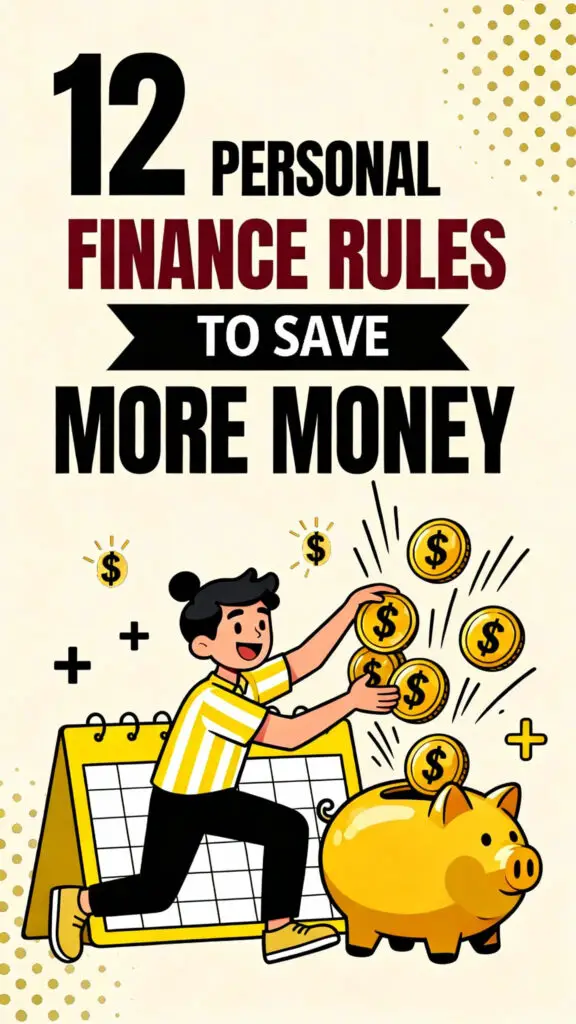
12 Personal Finance Rules to Save More Money

February 3, 2026 By Ana Rose

Saving more money is not only about holding back on things you enjoy or being restrictive when it comes to non-essential expenses, it is simply about following financial rules that slowly but surely guide you towards a secure and stable financial future. Financial rules don’t have to be anything strict that makes them hard to follow, they just need to be simple, straightforward, and easy to understand rules that bring structure and discipline to your habits. This article will help you explore 12 personal finance rules to save more money, which can allow you to build healthy financial habits, reduce stress, and prevent impulsive buying, ultimately enabling you to make more room for savings. 

12 Personal Finance Rules to Save More Money

1. Pay Yourself First

One of the most important financial rules when it comes to saving money is to adopt the habit of paying yourself first instead of saving the leftover money. A common mistake most of us make is that we spend our paycheck on essential and non-essential expenses and what’s left behind, goes towards savings.

Paying yourself first allows you to set a portion of your income aside for savings and use the rest of your money for other expenses. This simple rule prevents overspending, emotional spending, and allows you to become more mindful and intentional with the money you work so hard for. 

2. Track Every Expense

Illustration of a woman tracking every expense using a notebook and budgeting app on a pastel pink background.

Another financial rule is tracking every expense whether it’s an essential one or those non-essential ones. Instead of wondering where all your money went at the end of every month, this simple financial rule allows you to stay aware of what you choose to spend on.

Whether it’s grocery costs, takeouts, or shopping for clothes you don’t actually need, tracking your expenses can help you see the leaks and allow you to make modifications to your spending habits. This simple rule helps you regain your financial control, allowing you to control your money instead of letting it control you.

3. Create a Realistic Budget

The next essential personal finance rule is to create a realistic budget that suits you, your finances, and lifestyle the best. You can choose the 50/30/20 budgeting method which is all about assigning 50% of your paycheck to needs or those essential expenses such as rent, grocery, housing, utilities, or transportation. 30% of your income goes to your wants or those nice-to-have spending categories including takeouts, subscriptions, or shopping for things you don’t really need. Lastly, 20 % of your income is set aside for savings. 

What makes this method a considerable option is that while it attends to needs and wants, it makes room for savings as well, allowing you to prioritize your future as well.

4. Avoid Lifestyle Inflation

Once you start saving, it can be tempting to upgrade your lifestyle whether it’s new gadgets, new furniture, or expensive habits that increase your monthly expenses. However, the smart move is to stay mindful of your spending choices and focus on your main goal, which is to save money.

Over time you’ll realize how this simple financial rule helped you build savings fast and naturally, which can serve you in the future as well. 

5. Build an Emergency Fund

Life can throw a curveball your way when you least expect it, which is exactly why it is necessary to build an emergency fund worth 3-6 months of expenses. Whether it’s job loss, a sudden medical bill, or a car expense that showed up out of nowhere, an emergency fund can help you deal with financially demanding situations with confidence, instead of urging you to dip into savings or fall into debt.

Not only does this simple personal finance rule keep you safe financially, it also offers a peace of mind, knowing there’s a safety net in place in case things go wrong. 

6. Limit Impulse Spending

Impulse spending is one of the biggest obstacles when it comes to saving money. You can consider the 48 hour rule to limit impulse spending, which is all about giving yourself the time to think over your decision to purchase. In most cases, the urge to purchase eventually fades away, if it doesn’t, that’s your clue to buy the item.

This simple method can help you reflect on your decision, whether the purchase is worth your hard-earned money or not. This habit reduces guilt spending and allows you to prioritize long-term goals over short-term sources of temporary satisfaction, making it a considerable option for those trying to save money. 

7. Set Clear Financial Goals

Another important financial rule to save money is to set clear, realistic, and time-oriented financial goals. Saving becomes easier to follow when you have a personal meaningful goal associated with it.

Whether it’s building an emergency fund, saving for investment, or simply saving for a big future purchase you’ve planned out, having a goal can make it easier for you to stay consistent and motivated throughout the process instead of dropping out midway. You can also use visual trackers and track your journey, making it easy for yourself to stick to the progress and stay aware.

8. Use Cash or Debit More Often

Instead of relying on credit cards, a smarter approach is to use cash or debit cards more often. With cash and debits, you see the money immediately leaving your wallet or bank account, urging you to stay mindful and more intentional of what you spend it on.

What makes this financial rule a considerable option is that it urges you to pause and reflect on your decision to spend, which in most cases is absent when it comes to credit cards. Over time, this simple habit can help you become more mindful with the money you work so hard for, helping you reduce overspending, emotional purchasing, and most importantly, financial stress. 

9. Reduce Unnecessary Subscriptions

Illustration showing an adult reducing unnecessary subscriptions to save money on a pastel pink background.

Another important personal finance rule to save more money is reducing unnecessary subscriptions that quietly drain your bank account every single month without you even realizing it. Many people sign up for streaming services, apps, memberships, or free trials and completely forget about them once the payments become automatic. These small monthly charges may not seem like a big deal at first, but over time they add up and take a noticeable portion of your income. 

You can review your subscriptions regularly which allows you to decide which ones you truly use and which ones no longer bring value to your life. Canceling subscriptions you barely use can instantly free up extra money that can be redirected toward savings or important financial goals, helping you stay more intentional with your spending choices.

10. Plan Before Shopping

Planning before shopping is a simple yet powerful personal finance rule that can help you save more money and avoid unnecessary purchases. Whether you are grocery shopping, buying clothes, or shopping online, having a plan can help you stay focused on what you actually need instead of what catches your eye. 

Creating a shopping list before spending can help you reduce impulse buying and emotional spending that often leads to regret later on. When you walk into a store or browse online with a clear plan, you are less likely to overspend or buy items that do not serve a real purpose and instead stick to the plan or the list you’ve created. This simple habit encourages mindful spending and helps you stay within your budget while making smarter financial decisions that support your long term goals.

11. Save Windfalls Instead of Spending Them

Windfalls such as bonuses, tax refunds, gifts, or unexpected cash can feel exciting and tempting to spend right away, but saving them instead is a smart personal finance rule that can boost your savings quickly. Since this money is not part of your regular income, it offers a great opportunity to strengthen your financial foundation without affecting your daily lifestyle.

Instead of spending windfalls on temporary wants, consider using them to build your emergency fund, pay off debt, or increase your savings. Over time, consistently saving windfalls can make a big difference in your financial stability and bring you closer to your long term financial goals.

12. Review Your Finances Regularly 

Reviewing your finances regularly is an important personal finance rule that helps you stay aware of your spending habits, savings progress, and overall financial health. Checking your bank statements, budget, and savings at least once a month allows you to spot mistakes, overspending, or areas where you can improve. This habit keeps you accountable and helps you adjust your financial plan when your income, expenses, or goals change. 

Conclusion

Saving more money does not require extreme sacrifice or giving up everything you enjoy, but it does require consistency and discipline through simple financial rules. Whether it’s tracking your expenses, avoiding credit cards, or paying yourself first, these personal finance rules can slowly build healthier money habits that support your present needs and future goals. Over time, these small changes can lead to bigger results, helping you grow your savings and feel more secure financially. 

19 Financial Life Hacks Tips

February 2, 2026 By Ana Rose

Financial literacy is not just about earning more money, it is about learning how to manage what you already have in a smarter way. For many adults, handling money can feel stressful and confusing, especially when finances seem full of rules, numbers, and pressure. This is why financial life hacks can be helpful, as they offer simple and practical ways to improve everyday money habits without feeling overwhelmed. This article will help you explore 19 financial life hacks and tips that focus on small changes that are easy to follow and apply in real life, helping adults build better control over spending, saving, and planning for a more stable future.

19 Financial Life Hacks Tips

1. Pay Yourself First

Illustration showing an adult paying themselves first by saving money on a pastel pink background.

Paying yourself first means saving a small portion of your income before you begin spending on anything else, which helps you treat savings as an important responsibility rather than something you only do if money is left at the end. Even when the amount feels small, this habit slowly builds discipline and confidence, while also creating a sense of security that helps you feel more prepared for future needs without feeling restricted or stressed.

2. Track Your Daily Expenses

Tracking your daily expenses helps you clearly see where your money goes throughout the day, which is important because many small purchases can quietly add up without being noticed. When you regularly write down or track what you spend, you become more aware of your habits and start noticing patterns that may be harming your finances. This awareness makes it easier to cut waste and take better control of your money.

3. Create a Simple Monthly Budget

Creating a simple monthly budget helps you plan your money in a way that feels realistic and easy to manage rather than stressful or confusing. A budget allows you to divide your income between needs, wants, and savings so you do not spend blindly. When your spending is planned ahead of time, you are less likely to overspend and more likely to feel calm and in control throughout the month.

4. Build an Emergency Fund

Building an emergency fund means saving money for unexpected situations such as medical bills or urgent repairs, which helps protect you from financial panic during difficult times. You do not need to save a large amount all at once because small and regular savings slowly grow into a strong safety net. Having this fund gives peace of mind and reduces the need to rely on loans or credit when problems appear.

5. Avoid Emotional Spending

Illustration showing an adult paying themselves first by saving money on a pastel pink background.

Emotional spending happens when you buy things to cope with feelings like stress, boredom, or sadness instead of real needs, which often leads to regret later. Learning to pause and think before spending helps you understand whether a purchase is truly necessary. By controlling emotional spending, you protect your money and slowly build healthier habits that support long-term financial stability and self-control.

6. Wait Before Making Big Purchases

Waiting before making big purchases gives you time to think clearly and decide whether the item is truly important or just something you want in the moment. This pause helps prevent impulsive spending and allows emotions to settle before money is spent. When you wait, you often realize that many purchases are not necessary, which helps you save money and make smarter financial choices.

7. Cut Small Unnecessary Expenses

Small unnecessary expenses may not seem harmful at first, but they slowly drain your money when they happen regularly. Things like frequent snacks, unused subscriptions, or daily small purchases can add up faster than expected. Cutting back on these expenses helps free up money for savings or important needs. This habit improves your financial situation without requiring major lifestyle changes.

8. Use Cash for Daily Spending

Using cash for daily spending helps you become more aware of how much money you are using because you can physically see it leaving your hands. This awareness creates a natural limit and makes you think twice before spending. Cash spending encourages better control and reduces impulse buying. Over time, this habit strengthens budgeting skills and helps manage daily expenses more effectively.

9. Set Clear Financial Goals

Setting clear financial goals gives your money a purpose and helps guide your spending decisions in a meaningful way. Whether the goal is saving, reducing debt, or planning for the future, having a clear target keeps you focused. When goals are visible, it becomes easier to avoid unnecessary spending and this habit also helps you stay motivated and consistent with better financial choices.

10. Automate Your Savings

Automating your savings means setting up a system where a portion of your income is saved automatically without needing constant effort or reminders, which helps you stay consistent because the money is moved aside before you have a chance to spend it on unnecessary things. Over time, this habit slowly builds financial security and reduces stress, while also making long term saving feel easier, more natural, and more achievable without requiring daily discipline.

11. Review Subscriptions Regularly

Reviewing your subscriptions regularly helps you notice services you no longer use but still pay for every month, which can quietly waste money over time. Many people forget about small subscription charges because they seem harmless, but together they can take a big part of your income. By checking and canceling unused subscriptions, you free up money for savings or important needs, which helps you feel more in control of your finances.

12. Learn Basic Financial Terms

Learning basic financial terms helps you understand money matters without feeling confused or left out. When you know simple terms related to savings, debt, and budgeting, you feel more confident making financial decisions. This knowledge helps you avoid mistakes and understand advice more clearly. Learning little by little makes money management feel less scary and more manageable in daily life.

13. Avoid High-Interest Debt

Avoiding high-interest debt is important because it can quickly grow and become difficult to manage. When interest keeps adding up, even small loans can turn into a heavy burden over time. Being careful with credit cards and loans helps protect your income and savings. This habit allows you to stay financially stable and reduces stress related to repayments.

14. Plan Meals Ahead

Planning meals ahead helps you save money because it allows you to buy only what you need and reduces food waste, which often happens when meals are decided last minute or when you rely on takeout. By thinking through your meals for the week, you can also prepare healthier options, control portions, and avoid unnecessary purchases. This habit not only improves your budget but also makes daily life simpler and less stressful, helping you manage both money and time more effectively.

15. Increase Savings When Income Increases

When your income goes up, it is a smart idea to increase your savings at the same time so you avoid spending all the extra money on non-essential items. By putting even a small portion of additional income into savings, you can gradually grow your financial security while still enjoying life responsibly. This habit builds long-term stability, reduces stress, and ensures that future goals, emergencies, and investments are supported without feeling deprived.

16. Compare Prices Before Buying

Comparing prices before buying anything helps you make smarter decisions and ensures that you are getting the best value for your money. Taking a little time to research and check different options can prevent unnecessary spending and save a significant amount over time. 

17. Learn to Say No

Learning to say no to unnecessary spending is one of the most powerful ways to protect your financial goals because it helps you resist social pressure and impulse buying. By politely refusing purchases that are not important, you develop discipline and gain confidence in managing your money. 

18. Keep Financial Goals Visible

Keeping your financial goals visible helps you stay focused and motivated because it provides a constant reminder of what you are working toward. By placing your goals where you can see them daily, you are less likely to make impulsive purchases that could slow your progress. 

19. Be Patient With Financial Progress 

Being patient with financial progress is essential because building savings, reducing debt, and growing investments all take time and consistent effort. By understanding that real financial stability does not happen overnight, you can avoid frustration and stay motivated even when results are slow. 

Conclusion

Improving your financial life does not require complicated strategies or strict rules, but small and practical steps that can make a big difference over time. By following these 19 financial life hacks, adults can manage spending more effectively, save money consistently, avoid unnecessary expenses, and make smarter decisions that support both short-term needs and long-term goals. These habits gradually build confidence, control, and stability in your daily money management, allowing you to feel less stressed about finances and more prepared for unexpected situations, while creating a balanced and responsible approach to enjoying life today and securing the future.

20 Must Try Financial Literacy Games For Adults

February 1, 2026 By Ana Rose

Financial literacy is not just about having a big figure in your bank account, it’s about understanding the complexities of finances and knowing how money works in real life. For adults, learning financial literacy can become overwhelming and boring especially when it’s all just about numbers and figures, which is exactly why financial literacy can be a considerable option to understand the concepts better. These games can be fun, engaging, and most importantly, practical for real life, allowing you to learn financial concepts like budgeting, debts, savings, or investing better. This article will help you explore 20 must-try financial literacy games for adults, allowing you to learn from your mistakes in a safe environment and apply the lessons in real life.

20 Must Try Financial Literacy Games For Adults

1. Cashflow (by Robert Kiyosaki)

Cashflow is a powerful financial literacy game that helps adults understand why most people stay stuck in the unending loop of earning and spending, making no room for savings, investing, or anything meaningful. This game focuses on creating passive income by investing wisely, helping players see the difference between valuable assets that have the potential to return something as well and liabilities that just drain your money and make you financially dependent. 

2. Monopoly (Strategic Adult Play)

For something classic that also teaches you financial concepts, consider monopoly which is more about money management and long-term planning rather than just a board game. In this game, players can learn how to buy property, manage cash, and learn the art of negotiating while balancing financial stability and making logical and smart decisions that will affect their financial life. 

Illustration of adults learning financial literacy through interactive games on a pastel pink background.

3. The Game of Life

For something meaningful, consider The Game of Life which is all about early decisions in life that affect our future stability and comfort. Whether it’s career, education, family responsibilities, or retirement planning, this game teaches you the importance of big decisions in life that can have a lasting effect on your financial standings. 

4. Pay Day

Another game that helps you understand financial literacy is Pay Day which is all about learning the importance of budgeting, saving, and preparing for unexpected expenses. As players move through the months, they can experience how quickly money can be spent, especially when you’ve not planned your spendings and prioritized your needs over wants. 

5. Stock Market Game

The Stock Market game introduces its players to the concept of investing, allowing them to experiment in a safe environment and learn from the experience for their practical world. This game can help you build confidence when it comes to investing in the stock market, helping you reduce anxiety and use your experience to make logical and smart decisions.

6. Wall Street Survivor

Wall Street Survivor is a great game for adults who want to understand how the stock market works without risking real money. It allows players to buy and sell stocks using virtual money while following real market trends. Through this game, players learn how market ups and downs affect investments and why research and patience matter. It also helps adults understand that emotional decisions can lead to losses, while calm and informed choices can lead to better results.

7. Fortune City

Fortune City turns saving and budgeting into a fun experience by connecting real-life spending habits with building a virtual city. As users track their expenses and savings, their city grows and improves, which makes managing money feel rewarding instead of stressful. This game helps adults become more aware of where their money goes and encourages better spending habits in a simple and enjoyable way.

Illustration showing financial problem solving and money strategy through games on a pastel pink background.

8. Mint Gamified Challenges

Mint uses simple challenges and progress tracking to help adults manage their money better. It allows users to set goals, track spending, and see how small changes can improve their financial health. The game-like features keep adults motivated and help them stay consistent without feeling pressured or overwhelmed by numbers.

9. SimCity

SimCity teaches financial planning by putting players in charge of managing a growing city. Players must handle taxes, budgets, and development decisions, which helps them understand how financial choices affect long-term growth. This game shows how planning ahead and balancing spending is important, making it useful for adults learning money management skills.

10. Financial Football

Financial Football combines fun and learning by testing players on money topics like savings, credit, insurance, and investing. Players move forward in the game by answering questions correctly, which makes learning feel like a challenge instead of a task. It helps adults improve their financial knowledge in a fast and engaging way.

11. Budget Hero

Budget Hero is a financial game that helps adults understand how budgeting works and why every spending decision matters in the long run. In this game, players are given a limited budget and must make choices about where the money should go while balancing needs and responsibilities. It clearly shows how overspending and ignoring priorities can create long-term financial problems, helping players understand the importance of planning, balance, and responsible money management in everyday life.

12. The Farming Game

The Farming Game teaches adults important lessons about patience, risk, and long-term financial planning through simple gameplay. Players manage resources, make investment choices, and deal with unexpected challenges that affect future outcomes. This game shows that steady growth and smart decisions over time are often more successful than quick gains. It helps adults understand that building financial stability takes time, consistency, and careful planning.

13. Spent

Spent is a realistic financial game that places players in situations where money is limited and every decision feels important. Players must choose how to spend their income on basic needs such as housing, food, and healthcare while dealing with unexpected problems. This game helps adults understand the pressure of financial stress and shows why saving, budgeting, and planning ahead are necessary to avoid difficult situations in real life.

14. Investopedia Simulator

The Investopedia Simulator allows adults to practice investing using virtual money while following real market conditions. Players can test different strategies, track performance, and learn how market changes affect investments over time. This game helps build confidence by allowing users to make mistakes without real financial loss. It is especially helpful for beginners who want to understand investing before using real money.

15. Rich Dad Poor Dad Board Game

The Rich Dad Poor Dad Board Game focuses on teaching adults how mindset affects financial success. Players learn about cash flow, assets, and liabilities through simple and relatable scenarios. The game encourages thinking beyond earning a salary and helps players understand how smart financial choices can create long-term stability. It is useful for developing better money awareness and confidence.

16. RollerCoaster Tycoon

RollerCoaster Tycoon teaches financial and business skills by allowing players to manage a theme park from the ground up. Players must control expenses, set prices, and reinvest profits to keep the park successful. The game shows how small financial decisions can have a big impact over time. It helps adults understand budgeting, planning, and long-term thinking in a fun way.

17. Big Bucks

Big Bucks is a financial board game that focuses on real-life money situations such as credit cards, loans, savings, and emergencies. Players learn how everyday financial choices affect credit scores and overall financial health. The game presents practical lessons in a simple and relatable way, helping adults understand the importance of responsible spending and planning ahead.

18. Timeflow

Timeflow is a digital financial game that helps adults understand wealth building through smart investments and long-term planning. Players focus on creating passive income while managing risks and financial goals. This game shows how consistency, patience, and informed decisions play a major role in financial growth. It helps adults practice thinking ahead and building financial stability over time.

19. Adult Financial Trivia Games

Adult financial trivia games make learning about money easy and enjoyable by using questions and challenges instead of complex lessons. These games help adults improve their understanding of financial terms, concepts, and real-world money situations. They are great for group learning and help build confidence without pressure, making financial education feel more relaxed and approachable.

20. Escape the Budget 

Escape the Budget is a problem-solving game that teaches adults how to manage money under pressure. Players must fix financial mistakes, balance expenses, and make smart choices to move forward. The game shows how poor planning can lead to problems while good decisions create stability. It helps improve budgeting skills and encourages practical thinking for real-life money management.

Conclusion

Financial literacy does not have to feel confusing, stressful, or boring for adults who are trying to improve their relationship with money. Financial literacy games make learning about budgeting, saving, debt, and investing feel more practical and relatable by turning real-life situations into interactive experiences. These games allow adults to learn from mistakes without real financial loss while building confidence and awareness over time. When learning feels enjoyable and pressure free, people are more likely to stay consistent, develop healthier money habits, and make smarter financial decisions that support long-term stability and peace of mind.

  • « Go to Previous Page
  • Go to page 1
  • Interim pages omitted …
  • Go to page 9
  • Go to page 10
  • Go to page 11
  • Go to page 12
  • Go to page 13
  • Interim pages omitted …
  • Go to page 73
  • Go to Next Page »

The Latest Blog Posts:

  • 14 Profitable Things To Sell On eBay June 20, 2026
  • Mason Jar Crafts To Make And Sell June 19, 2026
  • 12 Best Jobs for Retired Teachers  June 18, 2026

As Featured In:

Just Start Investing Press Strip 2020 B&W

Follow Us:

  • Facebook
  • Twitter
  • Pinterest

Copyright © 2026 · Just Start Investing LLC

  • Contact Us
  • Blog
  • Privacy Policy / Disclaimers