• Skip to primary navigation
  • Skip to main content

Just Start Investing

We Make Investing Easy

  • Investing
    • Learn About Investing:
    • Investment Accounts
    • Online Brokerage Accounts
    • Investment Vehicles
    • Start Investing:
    • How to Invest in Index Funds
    • Start Investing with Betterment
    • Start Investing with Charles Schwab
  • Banking
    • Best Bank Accounts
    • Types of Bank Accounts:
    • Checking Accounts
    • Savings Accounts
    • CDs and Money Market Accounts
    • Online Banks vs Brick-and-Mortar
  • Credit Cards
    • Best Credit Cards:
    • Best Cash Back Credit Cards
    • Best No Annual Fee Credit Cards of 2021
    • Best Premium Credit Cards of 2021
    • Credit Card Tool: Find the Best Credit Card for Me
    • Learn About Credit Cards:
    • Types of Credit Cards
  • Blog
    • Investing
      • What is Crypto?
        • Crypto
      • What are stocks?
        • Stocks
      • What is a Real Estate Investment?
        • Real Estate Investments
      • What is an IPO?
        • IPO
    • Banking
    • Credit Cards
    • Budget
    • Finances
  • Earn with Crypto
  • Budget
    • How to Build a Budget
    • 24 Tips to Save More Money
  • Resources
  • About
    • Contact
    • Press
    • Learn More
    • Disclaimers
  • Show Search
Hide Search

General Personal Finance Blog

How To Achieve Financial Freedom

December 20, 2025 By Ana Rose

Financial freedom means having enough income, sources, and investments to live life on your own terms without constantly worrying about money and finances. Financial freedom is not about becoming extremely rich overnight, it’s about building small habits consistently and gradually that over time, serve you and let you control your finances rather than letting them control you. When you are financially free, you have your basic expenses covered, future secured, and you no longer have to live from paycheck to paycheck. This article will help you explore ways to achieve financial freedom through clear and simple steps, allowing you to build a life that supports financial freedom rather than restricting it. 

How To Achieve Financial Freedom

Define Your Financial Freedom Goals

The first step towards financial freedom is to define what your goals actually are. Whether it’s being debt-free, owning a home, having enough savings, or retiring early, it is necessary to have a clear and straightforward goal so you can work for it in the future. 

When your goals are specific, measurable, and realistic, it becomes easier to stick to them and work towards achieving them. Clear goals can give your money direction, making sure that the money you work so hard for isn’t being spent on non-essential expenses and helps you stay focused even when the progress feels slow at times. 

Develop a Healthy Money Mindset

Another helpful step to achieve financial freedom is to develop a healthy money mindset that affects how you earn, spend, and save. It is important to realize that wealth is not built through overnight success, it is all about being mindful and building small but consistent habits that shape your financial life more than anything. 

A healthy money mindset involves letting go of the guilt around saving and avoiding emotional spending habits that put your entire budget at stake.

Track Your Income and Spending

Illustration showing tracking income and spending as a step toward financial freedom on a pastel pink background.

Tracking your income and spending helps you clearly see where your money is actually going every month instead of guessing or assuming. Many small expenses, like daily snacks, subscriptions, or impulse purchases, slowly add up without us realizing it. 

When you write down or track every expense, you become more aware of your habits and can easily spot areas where you can cut back. This awareness gives you control over your money and helps you make intentional decisions that support your financial freedom goals.

Create a Practical Budget

A practical budget is not about restricting yourself or removing all enjoyment from your life, but about giving your money a clear purpose. It helps you divide your income between necessities, savings, and personal spending in a balanced way. 

A realistic budget should match your lifestyle so it feels easy to follow instead of overwhelming. When you budget properly, you feel more confident knowing that your bills are covered while still making room for things you enjoy.

Reduce and Eliminate Debt

Debt, especially high-interest debt, can seriously slow down your journey toward financial freedom because a large portion of your monthly income goes toward interest instead of building your future. When debt payments take priority, it becomes harder to save, invest, or feel financially secure. Creating a clear and realistic plan to pay off your debt helps you take back control of your money and reduces financial pressure. 

Even focusing on one debt at a time and paying small amounts consistently can lead to meaningful progress over time. As your debt balance decreases, your monthly obligations become lighter, stress starts to fade, and you gain more confidence in your finances. Becoming debt-free not only improves your financial situation but also gives you mental peace and stability, allowing you to move forward toward true financial freedom.

Build an Emergency Fund

Illustration representing building an emergency fund for financial security on a pastel pink background.

An emergency fund is one of the most important steps toward financial freedom because it protects you during unexpected situations that can easily disrupt your finances. Life is unpredictable, and expenses like medical emergencies, car repairs, home maintenance, or sudden job loss can appear without warning. 

When you do not have emergency savings, you are often forced to rely on credit cards or loans, which increases debt and financial stress. Building an emergency fund does not require saving a large amount all at once, instead, saving small amounts consistently makes a big difference over time. Even setting aside a small portion of your income every month can slowly grow into a strong safety net. 

Increase Your Income Sources

Relying on only one source of income can make your finances feel fragile and stressful, especially if that income is interrupted for any reason. Increasing your income sources creates stability and opens up more opportunities to grow financially. 

This can include starting a side hustle, freelancing, offering a skill you already have, or taking on part-time work. Extra income allows you to pay off debt faster, save more consistently, and invest for your future without feeling restricted. Over time, multiple income streams can significantly speed up your journey toward financial freedom.

Save Money Consistently

Saving money consistently is more powerful than saving large amounts once in a while. When you make saving a regular habit, it becomes part of your routine rather than something you struggle to do. Even small savings, when done consistently, add up and create financial stability over time. 

Automating your savings can make this process easier by ensuring that money is set aside before you have the chance to spend it. Consistent saving helps you prepare for future goals, unexpected expenses, and long-term security. It also builds discipline and confidence, making you feel more in control of your financial life.

Start Investing for the Future

Investing is an important step toward building long-term wealth and achieving true financial freedom. While saving helps protect your money, investing helps it grow over time and keeps up with inflation. 

Starting early, even with small amounts, gives your money more time to compound and increase in value. Investing may seem confusing or intimidating at first, but learning the basics makes it much more manageable. Over time, investments can create passive income and reduce your dependence on active work alone. With patience and consistency, investing helps secure your future and provides financial independence.

Live Below Your Means

Living below your means means choosing to spend less than what you earn, even when your income increases. This habit helps you avoid unnecessary debt and financial pressure while still allowing you to enjoy life responsibly. 

It encourages mindful spending and helps you focus on what truly adds value to your life rather than impulsive purchases. By living below your means, you create extra room in your budget for savings, investments, and future goals. Over time, this simple habit becomes a powerful tool for building long-term financial security and peace of mind.

Educate Yourself About Personal Finance

Financial education plays a key role in achieving financial freedom because it allows you to make informed decisions with confidence. Understanding basic concepts like budgeting, saving, managing debt, and investing helps you avoid common financial mistakes. 

You do not need to be an expert, even simple knowledge can make a big difference in how you handle money. Learning about personal finance gives you control and clarity, helping you plan better for both the present and the future. The more you educate yourself, the more empowered you become in managing your finances wisely.

Stay Consistent and Patient 

Financial freedom is a long-term journey that requires patience, consistency, and a strong commitment to your goals. Progress may feel slow at times, and setbacks can happen due to unexpected expenses or changes in income, but staying committed to healthy financial habits is what truly makes the difference. 

Small efforts made daily or monthly, such as saving regularly, spending mindfully, or paying off debt little by little, slowly build into significant results over time. It is important to focus on steady progress rather than perfection and not get discouraged by temporary challenges. With patience, discipline, and consistency, financial freedom becomes not only achievable but also sustainable, allowing you to build a secure and confident financial future.

Conclusion

Achieving financial freedom is not about strict restrictions or instant success, but about making intentional and thoughtful choices over time. By building an emergency fund, increasing income, saving consistently, investing wisely, and living below your means, you create a strong financial foundation. Financial freedom allows you to live with less stress, more confidence, and greater control over your future. With commitment and consistency, anyone can work toward a life where money supports their goals instead of limiting them.


Things To Quit Buying To Save Money

December 17, 2025 By Ana Rose

Saving money starts with small and intentional decisions and one of the most effective ways to save money is to reflect on your spending habits and make modifications to it. Whether it’s your daily coffee, snack runs, or subscriptions you think you need but you barely end up using them can be some of those things you need to stop spending on to save money. Many of us are guilty of buying things only out of habit, impulse, or convenience, which is exactly why it is necessary to review your spending habits and become more intentional and mindful with where our hard-earned money goes. This article will help you explore some of the things you need to stop buying to save money, allowing you to control your impulses to buy and see money as something that strengthens you, not weakens you. 

Things To Quit Buying To Save Money

Quit Buying Takeout Coffee

Illustration showing someone making coffee at home instead of buying takeout coffee on a pastel pink background.

Buying coffee on the go may feel convenient and comforting and it’s the perfect start of the day for many people, but the costs add up faster than we may realize, leaving little room behind for savings. Making your coffee at home is not only economical, it allows you to become creative with the flavors and create your own cup of coffee with all the ingredients and flavors you like. 

When you shift to home-brewed coffee, you’re not cutting joy from your life, you’re saving thousands of dollars per year, allowing yourself to direct the same money towards something much more meaningful like an emergency fund, paying off a debt, or finally taking that trip you’ve been planning for so long. 

Quit Buying Bottled Water

Bottled water may seem like a cheap expense or something that cutting off won’t make any difference, but the truth is that buying bottled water over the course of a year becomes one of the most expensive and unnecessary purchases, especially because clean drinking water is usually accessible at home. 

Investing in a reusable water bottle saves you from buying bottled water repeatedly, allowing you to benefit both yourself and the environment. Once you make this necessary switch, you’ll come to realize how easy it is to refill throughout the day and save yourself from unnecessary and pointless spendings. 

Quit Buying Clothes You Don’t Need

One of the biggest financial leaks for many people is clothes they don’t actually need. Just because something looks cute or is on sale, doesn’t necessarily mean that you have to buy it. In most cases, these purchases often end up forgotten, unused, or worn once and pushed to the back of the closet. 

By adopting a habit of buying what you absolutely need can help you value money, urging you to choose pieces that match multiple outfits. Not only does this save you a lot of money, stopping buying clothes you don’t need can also reduce clutter and stress, ensuring that your hard-earned money is not spent thoughtlessly. 

Quit Buying Full-Priced Items

Paying full-price for items like clothes, electronics, groceries, and household supplies is one of the easiest ways to spend all of your paycheck, leaving little to no room for savings. A smarter approach would be to wait for discounts, sales, or coupons, and then buy these items. 

Not only does this simple approach help you save money, it also promotes decision-making and logical reasoning, urging you to make smarter financial decisions when it comes to the money you work so hard for. 

Quit Buying Unused Subscriptions

Whether it’s a streaming platform, apps, memberships, or digital services that charge you quietly every month even when you rarely use them, it’s high time to review your subscriptions and cancel the one you don’t really need. 

Not only do these subscriptions quietly eat away your income, they leave little room behind for savings, making it essential for you to consider what you choose to pay for.

Subscriptions may seem like small expenses individually but once you see how all of your subscriptions combined cost you each month, that might convince you to cancel the unnecessary ones and take back control of your finances. 

Quit Buying Expensive Skincare

It’s easy to get influenced by promotional social media content or watching your favorite influencers use a new skincare product, but it’s important to realize that these products often make big promises and fail to deliver the results. 

Sticking to simple and dermatologist-approved skincare products can help you protect your skin instead of layering it with multiple products, which at times can damage your skin as well. With fewer trusted products and a consistent routine, you not only save money but manage to keep your skin healthy by not experimenting on it with multiple products with shallow promises. 

Quit Buying Fast Food Frequently

Fast food feels comforting on busy days but it’s important to realize that it leaves a lasting impact on your budget and leaves you unsatisfied nutritionally. A helpful alternative way instead of buying fast food is to plan simple meals at home, keep quick ingredients close so you can help yourself whenever the need to eat arises, helping you avoid impulse purchases and eat healthy homemade food. 

Over time, as you cut down on fast food, you’ll see a major difference in your budget before and after, giving you the room and finances to save for something much more meaningful rather than spending your hard-earned money on temporary cravings. 

Quit Buying Trendy Gadgets

Every new tech gadget promises excitement and some new features but it’s important to realize that your current devices already perform well. By waiting, researching, and comparing your current device to the device you’re intending to buy, can help you make important decisions, helping you avoid impulse purchasing. 

This habit not only saves money, it promotes mindful spending and also helps you reduce clutter and save yourself from the guilt that comes along with buying things you don’t really need. Trendy gadgets may sound promising initially but the charm eventually fades, leaving you behind, regretting your decision to buy. 

Quit Buying Gift Wrap and Fancy Packaging

Gift wrap, ribbons, and fancy packaging may look beautiful and add a nice touch to your presents, but they are often used for a few seconds and thrown away immediately, making them one of the easiest and most unnecessary expenses to cut from your budget. 

Instead of spending money on wrapping paper every time you give a gift, you can use simple brown paper, reusable bags, or even fabric pieces you already have at home, which not only look thoughtful but also add a personal touch that makes your gift feel more heartfelt and intentional. 

Quit Buying Name-Brand Household Items

Many people automatically reach for name-brand cleaning products, groceries, and household supplies because we assume they work better, but in reality, most store-brand or generic versions offer the same quality and performance at a fraction of the cost. 

By making the simple switch to more affordable alternatives, you save money every single time you shop without sacrificing results or convenience in your daily routine. Once you experience that there is practically no difference in how these products work, you begin to realize how much unnecessary money you were spending before, making it easier to continue choosing budget-friendly options.

Quit Buying Items for Temporary Happiness

Illustration representing mindful spending and avoiding emotional shopping on a pastel pink background.

Buying things to feel better, whether it’s a cute decor piece, a snack, or something small you don’t need, may give you a moment of excitement, but that feeling fades quickly and often leaves you with regret, clutter, and unnecessary expenses that make saving harder.

Emotional spending becomes a habit when you use shopping as a way to escape boredom, stress, or sadness, but learning to recognize these triggers can help you avoid impulse purchases and choose healthier, cost-free ways to comfort yourself, like taking a walk, journaling, listening to music, or talking to a friend. 

When you stop relying on shopping for temporary happiness, you not only save money but also gain emotional clarity and satisfaction from knowing that your decisions are intentional and your finances are protected.

Quit Buying Trend-Based Home Decor

Trendy home decor pieces may look appealing on social media and in stores, but most of them go out of style quickly, leaving you wanting something new again and again, which becomes an endless cycle of spending and replacing your decor. 

By choosing timeless, neutral, or classic pieces that blend well with any style and last for years, you allow yourself to create a peaceful and beautiful home without the pressure of constantly updating it to match current trends. 

Conclusion

Saving money doesn’t always require making drastic changes or giving up the things you love, it often starts with small, thoughtful decisions where you choose to cut out unnecessary purchases that don’t add long-term value to your life. When you become more mindful of what you buy and more intentional with where your hard-earned money goes, you begin to feel more in control, more confident, and more connected to your financial goals. By letting go of habits that drain your budget quietly and shifting your focus toward meaningful spending, you create more room for savings, stability, and growth, allowing your money to work for you instead of slipping away unnoticed. 

How To Save 50% Of Your Income

December 16, 2025 By Ana Rose

Saving 50% of your income may sound like an overwhelming and impossible task at first, especially when you have to struggle with bills, grocery costs, and other responsibilities that eat away a huge chunk of your income. But with the right structure, right planning, and willingness, you can save 50% of your income while still making room for your essential and non-essential expenses. The key is not to suddenly cut out every expense from your life, it is to become more mindful and intentional with where your hard-earned money goes while building habits that prompt saving and setting aside money for future expenses. This article will help you explore ways to save  50% of your income, helping you take control of your finances and serve the future you by intentionally setting a  fraction of your income aside. 

How To Save 50% Of Your Income

Track Every Dollar You Spend

Before you can save half of your income, you need a clear picture of where your income is actually going, whether it’s grocery, transport, utilities, rent, or other expenses that take a portion of your income. For most people, it’s easy to underestimate the cost of all these expenses and they get straight to saving, which ultimately pushes them to dip into their savings when they run out of their spending money. 

You can track your expenses in a budgeting app, spreadsheet, or something as simple as a notebook, and keep track of what you spend on and where your money goes. Not only does this help you in saving, it allows you to see your spending pattern, helping you identify any unhealthy spending pattern that may be costing you more than you realize. 

Create a Realistic 50/50 Budget Plan

Once you have tracked your income and your expenses, the next step is to create a realistic 50/50 budget that includes all of your monthly expenses, separating the essential expenses from non-essential ones. If your current spending is taking up more than 50% of your income, this step will help you understand the gap.

This step is all about creating a realistic budget which can also get flexible and adjustable according to your income and lifestyle. This step also helps you avoid impulse purchasing or overspending by assigning every dollar a purpose, giving you a guideline or roadmap to follow. 

Reduce High-Impact Expenses First

When you’re trying to save a huge portion of your income, it’s important to focus on the high-impact expenses that take away the biggest portion of your income such as housing, transportation, and food. Rather than cutting back on small expenses, you can try adjusting these areas, for example, finding a more affordable place to live, carpooling, using public transport, cooking more at home, avoiding takeout, not saying yes to every hangout, or negotiating bills. 

To some, these changes may feel big but it’s important to consider that they offer the highest return and make it so much easier to save half of your income. 

Automate Your Savings

Illustration of automatic savings transfers shown on a smartphone with a savings jar on a pastel pink background.

Saving can become almost effortless and less demanding when you automate your savings and set up an automatic transfer from your checking account to your savings account. Some banking apps allow you to set up automatic transfers so this way, whenever you get paid, a specific amount automatically moves to your savings account. 

What makes this tip a considerable option is that it takes away the intentional effort of moving the money and it also prevents you from dipping into your income when your paycheck arrives, making saving easier and manageable. 

Increase Your Income Strategically

Sometimes saving money is not only about cutting costs or making big sacrifices, it’s about increasing your income by earning more. You can consider side hustles that combine passion with income, babysitting, pet sitting, selling items online, or put your skills to work by offering services on freelancing platforms like Fiverr, Upwork, or Freelancing.com. 

Even earning an extra every week can help you boost your income, allowing you to direct your money towards your savings and boosting it. You can think of this step as expanding your financial potential rather than limiting your lifestyle or making big sacrifices.  

Shop Smart and Buy at the Right Time

Smart shopping can reduce your expenses without making you feel like you’re missing out. You can plan your purchases around big sales, compare prices, buy seasonal items, or wait for discount events to get the things you need for much less than their original price. 

Moreover, you can also try to avoid impulse purchasing or overspending to protect your budget. It is important to realize that when you buy intentionally, not emotionally, you keep more money in your pocket, making it easier for you to reach your 50% savings goal while enjoying quality products. 

Focus on Needs Over Wants

A big part of saving your income is learning to differentiate between needs and wants. Needs are those basic and essential expenses that are necessary for survival, such as housing, utilities, food, or transportation. On the other hand, wants are those nice-to-have or non-essential expenses such as shopping sprees, subscriptions, or takeouts. 

It’s important to prioritize your needs over wants but that doesn’t mean you should never treat yourself. When you prioritize your needs over your wants, you avoid financial leaks that quietly drain your income, making it essential for you to put your needs first, always. 

Cut Subscriptions and Recurring Costs

Another helpful tip to save 50% of your income is to cut subscriptions and recurring costs because individually, they may feel small, but if you combine them, they take away a huge portion of your budget. 

Whether it’s yearly subscriptions, streaming services, apps, memberships, or auto-renewals you have forgotten about, it’s essential to go through your subscriptions and cancel anything you don’t use regularly or switch to a cheaper plan. Reducing these recurring expenses frees up money every single month, allowing you to direct that same money towards something more meaningful like your regular budget or savings. 

Cook More and Reduce Eating Out

Illustration of home cooking and meal prep as a way to save money on a pastel pink background.

Cooking at home is one of the easiest and most effective ways to cut your spending without making your lifestyle feel restricted, because when you cook your own meals, you not only spend less but also have complete control over your portions, ingredients, and the number of meals you can stretch throughout the week. 

Eating out, even if it feels small at the moment, adds up quickly and can easily take away a large chunk of your monthly budget without you realizing it, especially when you’re going out frequently or relying on takeout during busy days. By planning simple meals, meal prepping on weekends, and keeping basic groceries stocked, you make it much easier to avoid unnecessary food spending, helping you free up money for the savings.

Avoid Debt and Pay Down Existing Debt

Avoiding unnecessary debt and paying off the debt you already have is one of the most important steps when you’re trying to save 50% of your income, because debt eats away at your financial progress by pulling a portion of your money into interest payments every single month. 

When you eliminate debt, especially high-interest debt like credit cards or loans with heavy fees, you free up money that can be directed toward your savings instead of paying for something from the past. This doesn’t mean you have to clear everything overnight, but setting a small, consistent repayment plan, refinancing where possible, and staying disciplined with your spending can slowly reduce your debt burden.

Build a Minimalistic Mindset

Building a minimalistic mindset doesn’t mean you have to live with almost nothing or stop yourself from enjoying life, it simply means learning to appreciate the things you already have and becoming more thoughtful about what you allow into your life, especially when it comes to spending your hard-earned money. A minimalistic approach helps you avoid unnecessary purchases, emotional shopping, or buying things just because they’re trending, which are habits that quietly drain your finances. 

When you start valuing experiences, simplicity, and intentional spending over constant buying, you naturally reduce your expenses without feeling deprived, and this shift in mindset makes saving 50% of your income feel more natural.

Review and Adjust Monthly

Saving 50% of your income isn’t something you set once and forget about, it’s a process that requires regular reviewing, adjusting, and reshaping as life changes, because your income, expenses, and priorities will naturally shift over time. 

By sitting down at the end of each month to review what worked, what didn’t, where you overspent, and where you saved well, you give yourself the chance to stay in control of your financial habits and make improvements whenever needed. 

Conclusion

Saving 50% of your income may look challenging at first, but once you develop structure, adjust your habits, track your spending, and build a mindset that prioritizes intentional choices, the process becomes smoother and more manageable, even if your starting point feels far from perfect. The goal isn’t to make life feel restricted, but to help you gain control over your finances, reduce unnecessary spending, and build a future where you feel secure and confident about your money. With small, consistent steps, whether through cooking at home, cutting subscriptions, paying off debt, or reviewing your progress each month, you move closer to a healthier financial life that supports your goals and gives you the peace of mind you deserve.

The Best Time To Buy Things

December 14, 2025 By Ana Rose

Finding the best time to buy everyday items, big-ticket purchases, and seasonal products can make your money stretch much further without feeling like you’re giving up on so many things and making big sacrifices. Many items follow predictable cycles throughout the year, where prices drop because of sales, new product launches, or seasonal demand changes and when you understand these timing patterns, shopping becomes less stressful and more intentional, almost like you’re giving yourself a little financial advantage. Instead of buying impulsively or paying full price, you can plan ahead, wait for the right moment, and enjoy the satisfaction of knowing you got the best deal. This article will help you explore the best time to buy things, allowing you to spend your money in a much smarter way. 

The Best Time To Buy Things

Electronics and Gadgets

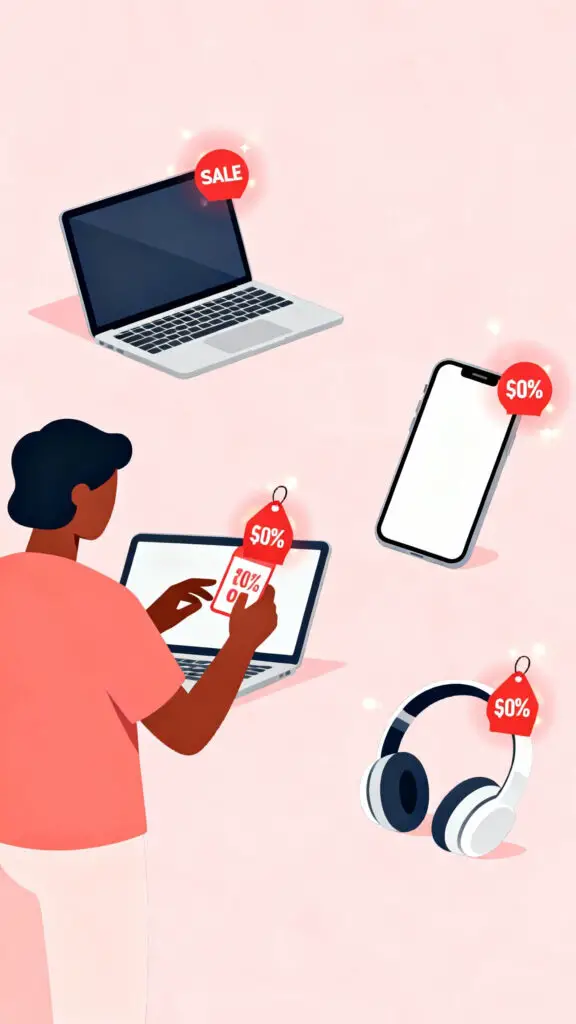
Illustration of electronics like a laptop and smartphone on sale against a pastel pink background.

Electronics are one of those things that feel tempting to buy anytime, but the smartest move is to wait for major sale seasons when prices drop noticeably. Big events like Black Friday, Cyber Monday, and end-of-year holiday sales usually bring some of the deepest discounts, especially on TVs, laptops, phones, and gaming consoles.

Retailers also lower the prices for older models whenever the newer versions are released, which means you can get great-quality gadgets without paying premium prices, simply by waiting for the right moment. Planning your tech upgrades around these cycles can help you save a significant amount without compromising on features.

Clothing and Shoes

Clothing prices change throughout the year depending on the season, and the best bargains usually appear when the season ends. Winter coats are cheapest when winter is over, and summer outfits drop in price once stores are preparing for fall collections. 

Big clearance sales, mid-season sales, and festive discounts also offer great opportunities to refresh your wardrobe without overspending. When you understand these patterns, you can buy high-quality pieces for much less and avoid the stress of paying full price just because you needed something last minute.

Furniture

Furniture goes on sale during predictable times because stores need to clear space for new collections. February and August are especially good months because new designs typically arrive in March and September. That means retailers lower the prices of sofas, beds, dining sets, and décor pieces during these periods. 

Whether you’re moving into a new place or simply upgrading your home setup, shopping during these months can help you get durable, stylish furniture at half the price of usual cost.

Appliances

Large appliances like refrigerators, washing machines, ovens, and microwaves become more affordable during major holiday sales because brands offer aggressive promotions. Events like Labor Day, Memorial Day, and Black Friday bring discounts that can significantly reduce the cost of big-ticket items. 

Since many companies release new models in early fall, older versions also drop in price around that time, giving you more options at lower rates. Waiting for these strategic periods can help you set up your home more efficiently and economically.

Cars

Car prices fluctuate based on dealership targets, inventory levels, and new model arrivals. The end of the year, particularly November and December, is known for strong discounts because dealerships want to hit their annual goals. 

End-of-month promotions are also common as sales teams rush to meet their quotas. Additionally, when new car models roll out in late summer or early fall, older models become cheaper even though they’re still in excellent condition. If you time it right, you can drive away with a great deal and avoid paying unnecessary premiums.

Travel and Flights

Illustration of a traveler booking discounted flights with a suitcase on a pastel pink background.

Travel becomes much more affordable when you know when to book. Flights often drop in price on weekdays, especially Tuesdays, and the best deals appear when you book a few months in advance. 

Off-peak travel seasons, like February, early March, and late September, come with lower airfare, cheaper hotels, and quieter destinations. Planning trips around these times helps you enjoy more comfort, save a lot of money, and avoid the stress of overcrowded tourist seasons.

Home Decor

Home decor items such as rugs, lighting, wall art, and decorative pieces go on sale during the end of each season because stores rotate their collections. January is especially good for discounts since brands clear out holiday-themed stock and prepare for spring arrivals.

Shopping during these quieter periods lets you transform your space beautifully without overspending. You can pick up high-quality items that make your home feel fresh, cozy, and stylish for much less than usual.

Beauty Products

Beauty products become much more affordable when you follow the sales cycle that most brands stick to, especially during mid-year sales, end-of-year clearances, and big shopping events like Black Friday. These moments often bring discounts on everything from skincare and makeup to fragrances and haircare, allowing you to stock up on your favorites without stretching your budget. 

Many companies also lower prices when they update their packaging or launch new versions of existing products. This means if you’re patient and keep an eye on seasonal promotions, you can build a high-quality beauty routine at a fraction of the regular cost. It’s a small strategy that brings big savings while still letting you enjoy the products you love.

Fitness Equipment

Fitness equipment tends to be most affordable when the initial rush of New Year’s fitness resolutions slows down. By late January and February, stores often have leftover stock from the holiday season and want to clear space, so they offer impressive discounts on treadmills, weights, yoga gear, and other home workout essentials.

Another great time to buy is in late spring or early summer when new models arrive and older versions drop in price. Whether you’re building a home gym or just improving your daily routine, buying during these strategic months helps you save money while still setting yourself up for a healthier lifestyle.

Back-to-School Supplies

Back-to-school season brings some of the best prices on stationery, notebooks, backpacks, planners, and basic office supplies, even if you’re not a student. July and August are especially good because stores compete heavily during this period, offering large discounts and bundle deals. 

This is the perfect time to restock your study or work desk, organize your home office, or pick up supplies for creative hobbies. Shopping during these sales makes it easy to buy everything you need for the entire year at a much lower cost, saving you from last-minute full-price purchases later on.

Household Essentials

Household essentials like cleaning supplies, laundry detergents, dishwashing liquids, tissues, and storage items often go on sale during spring-cleaning season when brands push organization and freshness. This is when stores run big promotions, bundle deals, and buy-one-get-one offers to encourage stocking up. 

Monthly end-of-cycle sales and major holiday weekends also bring strong discounts. Buying these everyday items during these times helps you stay prepared, reduce grocery store costs, and avoid paying higher prices throughout the year. Since these products are used regularly, planning their purchase smartly can lead to surprisingly significant savings.

Gifts and Holiday Items

Holiday-related items are always cheapest right after the celebrations end, whether it’s Christmas, Halloween, New Year, or other festive occasions. Stores quickly mark down decorations, gift sets, candles, wrapping paper, and festive accessories to clear out seasonal stock. 

Buying during this period allows you to prepare early for the next holiday without paying premium prices during peak season. You can build a thoughtful gift collection, keep decor ready for the coming year, and avoid the stress and expense of last-minute shopping. It’s a simple strategy that adds joy, saves money, and keeps you well-prepared for every occasion.

Seasonal Foods and Groceries

Seasonal foods are almost always cheaper, fresher, and tastier because they’re harvested at the right time and don’t require expensive storage or long transportation. Buying fruits and vegetables that are in season, like mangoes in summer, oranges in winter, or leafy greens in early spring, not only lowers your grocery bill but also improves the quality of meals at home.

Grocery stores also run weekly promotions based on harvest cycles, which means you can plan meals around what’s abundant and affordable. When you shop this way, you enjoy better flavor, save more money, and make healthier choices without feeling restricted. It’s a simple habit that transforms everyday cooking into something both economical and enjoyable.

Outdoor and Garden Equipment 

Outdoor tools, garden supplies, patio furniture, and lawn equipment usually become much cheaper at the end of summer, when stores are clearing out inventory to prepare for fall and winter items. This is the best time to buy things like grills, outdoor seating, planters, umbrellas, and gardening tools because demand has dropped and retailers want to make space. 

Spring also brings decent sales when brands release new models, causing older ones to be discounted. If you love gardening, enjoy spending time outdoors, or want to upgrade your backyard setup, buying during these off-peak times helps you get durable, high-quality pieces without overspending. It’s a smart way to create a beautiful outdoor space while staying within your budget.

Conclusion

Understanding the best time to buy different items helps you stretch your money further without feeling deprived or restricted. Every product, from electronics and clothing to groceries and holiday gifts, follows a natural pricing cycle, and once you learn these patterns, shopping becomes less stressful and far more rewarding. You start planning purchases instead of rushing into them, and suddenly you’re getting higher quality for lower prices simply because you waited for the right moment. Whether you’re upgrading your home, booking a vacation, or stocking up on everyday essentials, timing your purchases gives you more control, more savings, and more confidence in every decision. 

Save $100K In 3 Years Without A 6 Figure Salary 

December 13, 2025 By Ana Rose

Saving $100K in 3 years may sound like an overwhelming and distant dream that is only possible for those with 6 figure salaries or those with financial knowledge, but the truth is, with a clear plan and consistency, this target can become achievable for anyone. The key is not just about how much you earn, but how much you manage, grow, and prioritize your money. By combining smart budgeting, side income streams, disciplined savings habits, and thoughtful investment choices, you can gradually build substantial wealth. This plan breaks down the journey into practical steps, showing how deliberate actions over time can turn what feels like an impossible goal into an achievable reality.

Save $100k In 3 Years Without A 6 Figure Salary

Set a Clear Target and Timeline

Illustration of a person viewing a $100K savings roadmap with milestones on a pastel pink background.

You can make saving $100,000 in three years feel achievable by setting a clear and specific goal with a fixed timeline, because when both the amount and the deadline are defined, it can turn a distant dream into a concrete plan that feels motivating rather than overwhelming.

This can include breaking the total into two realistic parts, like a monthly target and a weekly checkpoint, and keeping these numbers visible on a chart or app, which can make progress feel tangible and encouraging. Seeing each milestone can add a sense of momentum, helping the journey feel both structured and exciting.

Track Every Dollar You Earn and Spend

You can gain control over money by carefully tracking every dollar that comes in and goes out, because understanding spending habits is the first step toward making intentional financial decisions. 

This can include keeping a simple digital log and a small notebook, and reviewing expenses weekly, which can make patterns clear and highlight opportunities to redirect money toward your goal. Tracking consistently can add awareness to everyday choices, helping small amounts spent here and there accumulate into meaningful savings over time.

Slash Unnecessary Expenses

You can reduce spending without feeling deprived by cutting out costs that don’t add real value to life, because even small recurring expenses can quietly add up and slow progress toward your goal. 

This can include cancelling unused subscriptions and limiting takeout meals, and finding small daily alternatives, which can free up hundreds each month to go straight into savings. Over time, these adjustments can feel natural and empowering rather than restrictive, turning frugality into a habit that steadily supports your $100K plan.

Build a Strict Budget and Stick to It

You can create a budget that aligns with your lifestyle, because having a plan for where money should go each month can make saving both realistic and reassuring. This can include allocating a fixed percentage of income to savings and setting clear spending limits for essentials, and tracking these categories monthly, which can make your financial situation easier to understand and manage.

Following a consistent budget can add structure and stability, helping progress feel measurable and less stressful.

Increase Your Income Strategically

Illustration of a person earning extra income through side hustles on a pastel pink background.

You can boost savings by exploring ways to increase income alongside a regular job, because relying on a single paycheck can make a large goal seem distant and challenging.

This can include taking freelance projects and turning a hobby into a small income source, and gradually adding these streams to your monthly cash flow, which can significantly speed up progress without overwhelming your daily life. Additional income can add flexibility and confidence, making the $100K target feel more within reach.

Automate Your Savings

You can make saving feel effortless and almost automatic by setting up transfers from your checking account to a dedicated savings account, because automation reduces the risk of spending money impulsively and ensures that saving happens consistently without relying on willpower alone. 

This can include scheduling weekly transfers and splitting your funds between a short-term account for emergencies and a long-term account for your $100K goal, and monitoring these balances occasionally to notice the growth over time, which can be surprisingly motivating. Over weeks and months, watching money quietly accumulate in the background can make saving feel natural, stress-free, and even a little exciting, because it becomes a habit that moves forward without constant thought or effort.

Minimize High-Interest Debt

You can free up a significant portion of your income for savings by focusing on reducing high-interest debt, because the interest you pay on credit cards, personal loans, or other high-rate debts can quietly eat into money that could otherwise be growing toward your goal. This can include paying down credit card balances and negotiating lower interest rates with lenders, and creating a structured repayment plan that prioritizes debt with the highest interest first, which can steadily release extra cash each month to direct toward your $100K target. 

Reducing debt can also bring emotional relief and a sense of financial freedom, because it removes the stress of owing large amounts and allows you to focus on building wealth rather than paying interest that works against you.

Leverage Investment Opportunities

You can help your savings grow faster and work for you by exploring accessible investment options, because simply letting money sit in a regular checking or savings account might make the three-year goal feel slow or unreachable. 

This can include putting money into low-cost index funds and opening a high-yield savings account, and balancing risk with stability to ensure your money grows steadily while remaining safe, which can create a sense of excitement as you watch the compounding effect gradually increase your total. Investments can also add motivation, because seeing your money actively work to reach a specific goal can make the journey more engaging and can turn a simple habit of saving into a long-term wealth-building strategy that continues beyond the three-year timeline.

Create Windfalls and Bonuses Plan

You can accelerate your savings and create jumps toward your goal by treating windfalls such as bonuses, tax refunds, or unexpected gifts as intentional contributions rather than spending opportunities, because these occasional boosts can make a noticeable difference in overall progress. 

This can include selling items you no longer need and taking short-term paid projects when possible, and directing all of these extra earnings straight into your savings, which can add both speed and a rewarding sense of accomplishment to your journey. Planning for windfalls this way can also create a mindset of proactive financial control, because it turns unexpected income into an opportunity for growth rather than letting it slip away through unnecessary purchases.

Practice Frugal Lifestyle Habits

You can make frugality a positive and empowering part of your lifestyle, because small, intentional daily habits can add up to substantial savings without making life feel restricted or joyless. This can include making coffee at home and preparing homemade meals instead of eating out, and being mindful of small but frequent purchases like daily snacks or convenience items, which can gradually free up hundreds of dollars each month for your $100K goal. 

Over time, these habits can create a natural sense of financial control and stability, because you can still enjoy life while building a stronger money foundation, and the cumulative effect of small, repeated choices becomes surprisingly powerful in reaching a big target.

Monitor Progress and Adjust

You can stay motivated and on track by regularly reviewing your financial progress and making adjustments as needed, because checking in on milestones allows small challenges to be addressed before they become bigger obstacles. 

This can include reviewing monthly balances and comparing them to planned savings targets, and tweaking your budget or income strategies when shortfalls appear, which can provide a clear picture of what’s working and what might need extra attention. Monitoring progress can also reinforce confidence and motivation, because seeing tangible results, even small ones, reminds you that consistent effort pays off, and it makes the $100K goal feel both achievable and within your control.

Stay Consistent and Patient 

You can rely on consistency and patience as essential tools for building a large savings goal, because growing $100,000 in three years is less about sudden luck and more about steady, repeated effort that compounds over time. 

This can include making regular contributions every week or month and resisting impulses to dip into savings, and focusing on the long-term benefits of each small, consistent action, which can gradually accumulate into substantial progress. Over time, patience and persistence can create a sense of calm and confidence, because seeing progress build steadily reinforces that reaching such an ambitious goal is realistic, and the satisfaction of consistent growth adds both motivation and a sense of financial accomplishment.

Conclusion

You can turn the ambitious goal of saving $100,000 in three years into a realistic and achievable plan by combining careful budgeting, disciplined saving habits, and smart strategies to grow income and money over time, because reaching a big target is more about steady, intentional actions than sudden windfalls or extreme sacrifices. This can include being mindful of daily spending and lifestyle choices, and exploring ways to increase earnings or invest wisely, which together create a system where progress builds naturally and consistently. Over time, consistency, patience, and proactive planning can transform ordinary earnings into extraordinary results, making the journey not only possible but also empowering and satisfying, as each small step adds momentum toward financial independence and long-term security.

  • « Go to Previous Page
  • Go to page 1
  • Interim pages omitted …
  • Go to page 16
  • Go to page 17
  • Go to page 18
  • Go to page 19
  • Go to page 20
  • Interim pages omitted …
  • Go to page 73
  • Go to Next Page »

The Latest Blog Posts:

  • 14 Profitable Things To Sell On eBay June 20, 2026
  • Mason Jar Crafts To Make And Sell June 19, 2026
  • 12 Best Jobs for Retired Teachers  June 18, 2026

As Featured In:

Just Start Investing Press Strip 2020 B&W

Follow Us:

  • Facebook
  • Twitter
  • Pinterest

Copyright © 2026 · Just Start Investing LLC

  • Contact Us
  • Blog
  • Privacy Policy / Disclaimers