• Skip to primary navigation
  • Skip to main content

Just Start Investing

We Make Investing Easy

  • Investing
    • Learn About Investing:
    • Investment Accounts
    • Online Brokerage Accounts
    • Investment Vehicles
    • Start Investing:
    • How to Invest in Index Funds
    • Start Investing with Betterment
    • Start Investing with Charles Schwab
  • Banking
    • Best Bank Accounts
    • Types of Bank Accounts:
    • Checking Accounts
    • Savings Accounts
    • CDs and Money Market Accounts
    • Online Banks vs Brick-and-Mortar
  • Credit Cards
    • Best Credit Cards:
    • Best Cash Back Credit Cards
    • Best No Annual Fee Credit Cards of 2021
    • Best Premium Credit Cards of 2021
    • Credit Card Tool: Find the Best Credit Card for Me
    • Learn About Credit Cards:
    • Types of Credit Cards
  • Blog
    • Investing
      • What is Crypto?
        • Crypto
      • What are stocks?
        • Stocks
      • What is a Real Estate Investment?
        • Real Estate Investments
      • What is an IPO?
        • IPO
    • Banking
    • Credit Cards
    • Budget
    • Finances
  • Earn with Crypto
  • Budget
    • How to Build a Budget
    • 24 Tips to Save More Money
  • Resources
  • About
    • Contact
    • Press
    • Learn More
    • Disclaimers
  • Show Search
Hide Search

General Personal Finance Blog

14 Low Stress Side Jobs You Can Start Today

April 21, 2026 By Ana Rose

Finding a side job that does not make you feel tired or overwhelmed can make a big difference in your daily life, because not every extra income idea has to feel like hard work or pressure. You can choose something simple that fits your mood, your time, and your energy, and you can slowly turn it into a habit that brings in money without disturbing your routine too much. Many low stress side jobs can be done from home or in a calm setting, and you can control how much you want to work each day, which can help you feel more relaxed while still earning. This article will help you explore ways to earn money through low stress side jobs, allowing you to make money in a low effort yet beneficial way.

14 Low Stress Side Jobs You Can Start Today

1. Pet Sitting

A cozy vector illustration of a person pet sitting a happy dog and cat in a bright, peaceful living room.

Pet sitting can be a very calm and enjoyable way to earn extra money because you can spend your time with animals that can make you feel relaxed and happy. You can take care of pets while their owners are away, and you can follow simple instructions like feeding, playing, and making sure the pet feels comfortable. 

This job can be low stress because animals can bring peace, and you can choose jobs that fit your schedule. You can also start with neighbors or friends, and you can slowly build trust and get more small opportunities over time.

2. Babysitting for Known Families

Babysitting can feel easy and comfortable when you work with families you already know, because you can feel safe and confident in that environment. You can take care of children for a few hours, help them with simple tasks, or just keep them busy with games or cartoons.

This job can be low stress when the kids are well behaved, and you can choose hours that suit you. You can also build long term connections, and you can become someone the family trusts, which can make the work feel more relaxed and predictable.

3. Selling Homemade Snacks

You can make simple snacks at home and sell them to people around you, which can be a calm way to earn money without dealing with too much pressure. You can prepare things like cookies, chips, or small treats, and you can sell them to neighbors, friends, or even online through social media. 

This work can be low stress because you can control how much you make each day, and you can take breaks whenever you need. You can also enjoy the process of making food, which can feel more like a hobby than work.

4. Online Data Entry Work

Data entry can be a simple side job where you can type information into systems, and you can do this work from your home without dealing with people directly. You can work at your own pace, and you can choose tasks that are not too complicated, which can help you stay relaxed. 

This job can be low stress because it does not require much thinking or pressure, and you can listen to music while working. You can also improve your typing speed over time, which can help you finish tasks faster and feel more comfortable.

5. Tutoring Younger Students

You can help younger students with their school work, and you can keep the sessions simple and friendly so that both you and the student can feel relaxed. You can teach basic subjects like reading, math, or simple science topics, and you can explain things in a way that is easy to understand. 

This job can be low stress when you teach at your own pace, and you can choose how many students you want. You can also feel good when you see the student improve, which can make the work feel rewarding and calm.

6. House Sitting

House sitting can be a very peaceful side job because you can stay in someone’s home and make sure everything is safe while they are away. You can water plants, check doors, and keep the place clean, and you can do all of this in a quiet environment. 

This job can be low stress because there is not much physical effort involved, and you can spend your time reading or relaxing. You can also get these jobs through people you know, which can make the experience even more comfortable and easy.

7. Freelance Writing

You can write simple content like blog posts or short articles, and you can choose topics that you enjoy or understand well. This job can be done from home, and you can work at your own speed without any rush. Freelance writing can be low stress when you pick small projects and give yourself enough time to complete them. 

You can start with easy tasks, and you can slowly take on better paying work when you feel ready.

8. Selling Old Items Online

You can look around your home for items you no longer use, and you can sell them online to people who might need them. This can include clothes, books, or small household items, and you can take pictures and post them on selling platforms. 

This job can be low stress because you are not creating anything new, and you are just clearing space while earning money. You can do this at your own pace, and you can choose when to respond to buyers, which can make the process feel simple and relaxed.

9. Gardening Help

A bright digital illustration of a person peacefully watering plants in a beautiful, sunlit garden.

You can offer help with simple gardening tasks like watering plants, removing weeds, or planting flowers, and this can be a peaceful way to spend your time. Working with plants can feel calming, and you can enjoy being outdoors while doing light work. 

This job can be low stress because it does not require too much pressure, and you can work slowly and carefully. You can also choose small tasks that match your energy level, and you can build regular work with people who need help maintaining their gardens.

10. Laundry Services for Neighbors

You can offer to wash, dry, and fold clothes for people around you, and this can be a simple job that you can do from home. Many people can feel too busy to handle laundry, so they can be willing to pay for help. 

This job can be low stress because the tasks are easy and repetitive, and you can do them while watching TV or listening to something. You can also choose how many orders you take, which can help you stay comfortable and not feel overworked.

11. Social Media Posting for Small Pages

You can help small businesses or pages post simple content on social media, and you do not need advanced skills to start. You can schedule posts, reply to comments, or upload pictures, and you can do all of this from your phone or laptop. 

This job can be low stress because it does not take too much time, and you can manage it in small parts of your day. You can also learn as you go, and you can slowly improve your skills while keeping the work easy.

12. Delivery Driving or Biking

You can deliver small items or food in your area, and you can choose hours when you feel comfortable working. This job can be low stress when you avoid busy times, and you can enjoy moving around instead of sitting all day. You can work at your own pace, and you can take breaks whenever you want. 

You can also earn tips, which can increase your income without extra effort. This can be a simple way to earn money while staying active and relaxed.

13. Crafting and Selling Handmade Items

You can create simple handmade items like bracelets, candles, or decorations, and you can sell them to people who like unique products. This can feel more like a hobby than a job, and you can enjoy the creative process. 

This job can be low stress because you can work whenever you feel inspired, and you can take your time with each piece. You can also improve your skills, and you can slowly grow your small business without feeling rushed or pressured.

14. Transcription Work

You can listen to audio recordings and type what you hear, and this can be a quiet job that you can do from home. You can choose short recordings so that you do not feel overwhelmed, and you can take breaks when needed. 

This job can be low stress because it follows a simple pattern, and you can work in a calm environment. You can also improve your listening and typing skills over time, and you can complete tasks at your own pace without dealing with difficult situations.

Conclusion

Low stress side jobs can give you a way to earn extra money without making your life harder, and you can choose something that matches your comfort level and your daily routine. You can start small, and you can slowly build confidence as you get used to the work, which can make everything feel easier. The best part is that you can stay in control, and you can decide how much time and effort you want to give. With simple choices and a relaxed approach, you can turn your free time into something useful and still feel at peace.


Part Time Evening Jobs

April 18, 2026 By Ana Rose

Part time evening jobs can be a good option if you are busy during the day with school, family, or other responsibilities, because you can use your evenings to earn extra money without disturbing your main routine. Many of these jobs can be done from home or in a calm environment, which can make them easier to manage after a long day. You can choose something that matches your energy level, whether you prefer quiet work or something a little more active. With the right choice, you can turn your free time in the evening into something productive while still having control over your schedule.

Part Time Evening Jobs

1. Freelance Writing

A cozy vector illustration of a person working on freelance writing at a desk at night, with a moonlit window in the background.

Freelance writing can be a flexible evening job because you can sit down after your day is over and work on small writing tasks at your own pace without needing to follow strict office hours. You can write blog posts, simple articles, or product descriptions, and you can submit your work online without needing meetings or calls most of the time. 

This can feel comfortable if you enjoy quiet work, and you can slowly build your skills and take on better projects. Over time, you can increase your earnings while still working only in the evening hours.

2. Online Tutoring

Online tutoring can be a great evening option because many students are free after school, which means you can teach during hours that fit your schedule. You can help with subjects you understand well, and you can teach through video calls or chat, depending on what you prefer. 

You can work one-on-one, which can feel less stressful than teaching a big group, and you can build confidence as you gain experience. This type of job can be both rewarding and flexible, and you can control how many hours you want to work each evening.

3. Data Entry Work

Data entry can be a simple job that you can do in the evening because it usually involves typing information into systems or spreadsheets without needing much communication. You can sit in a quiet space and focus on completing tasks at your own speed. 

This can be a good option if you prefer routine work that does not require too much thinking after a long day. Over time, you can become faster and more accurate, which can help you complete more work and increase your earnings.

4. Food Delivery Rider

A modern digital illustration of a delivery rider on a scooter moving through a glowing city at night.

Food delivery can be a popular evening job because many people order food at night, which means there can be more opportunities to earn during those hours. You can work with delivery apps and accept orders when you are available, which gives you control over your schedule. 

You can move around instead of sitting in one place, which can feel refreshing after a long day indoors. The more deliveries you complete, the more you can earn, and you can choose how long you want to stay active each evening.

5. Call Center Night Shifts

Call center jobs often have evening or night shifts, which can suit people who are free after daytime responsibilities. You can handle customer calls, answer questions, or provide support, and you can work in a structured environment with set hours. 

While this job involves talking to people, it can still feel manageable because you follow clear guidelines and scripts. Over time, you can become more comfortable handling different situations, and you can earn a stable income by working only in the evening.

6. Social Media Management

Social media management can be done in the evening because you can schedule posts, reply to comments, and manage accounts when businesses are less active. You can work from home and handle tasks quietly without needing constant interaction. 

You can plan content in advance and use simple tools to organize your work. This job can be a good option if you enjoy spending time online and want to turn that into something productive while working at your own pace.

7. Selling Products Online

Selling products online can easily be managed in the evening because you can spend that time listing your items, replying to customer messages, and preparing orders without feeling rushed after a long day, which makes it easier to stay consistent while still handling your other responsibilities during the day. You can choose to sell clothes, accessories, or handmade items depending on what you have or what you enjoy creating, and you can use different online platforms to connect with people who are already looking for those kinds of products. 

You can slowly improve your listings by writing better descriptions and taking clearer photos, and as you keep learning what works, you can grow your small store step by step while continuing to work during hours that feel comfortable for you.

8. Virtual Assistant Work

Virtual assistant work can be done in the evening because many tasks like email handling, scheduling, or basic admin work can be completed at flexible times. You can work from home and communicate with clients through messages instead of calls if that is what you prefer. 

You can manage your workload based on your availability, and you can build long-term working relationships. This job can help you learn useful skills while giving you the freedom to work during hours that feel comfortable.

9. Transcription Jobs

Transcription can be a quiet evening job where you listen to audio and type it into text, which can be done in a calm environment without interruptions. You can work with headphones and focus on one task at a time, which can feel relaxing after a busy day. 

The more you practice, the faster you can become, which can help you earn more over time. This job can be a good fit if you have good listening skills and patience.

10. Graphic Design

Graphic design can be a creative evening job because you can work on designs when you feel most relaxed and focused. You can create logos, social media posts, or simple graphics for clients, and you can send your work online without needing meetings. 

You can improve your skills by practicing regularly, and you can build a portfolio that attracts better clients. This job can grow slowly, and you can choose projects that match your style and interest.

11. Blogging

Blogging can be done in the evening because you can write posts, edit content, and manage your website at your own pace. You can choose topics you enjoy and share your ideas without needing to interact with people directly.

Over time, your blog can grow, and you can earn through ads or affiliate links. This can take time, but it can become a long-term source of income if you stay consistent and keep improving your content.

12. Online Surveys and Microtasks

Online surveys and microtasks can be a simple way to earn in the evening because you can spend your free time completing small tasks without needing special skills or long hours, which can make it easier to stay consistent even when you feel tired after a full day. You can answer questions, test apps, or complete short activities, and you can do all of this from your phone or computer while sitting comfortably at home. 

The pay may feel small at the beginning, but it can slowly add up if you keep doing tasks regularly and choose better-paying options over time, which can make this a useful choice if you want something easy, flexible, and low effort.

13. Reselling Items

Reselling can be a good evening job because you can spend time during the day finding useful or affordable items either in local markets or online, and then you can list them for sale later in the evening when you are free and more relaxed, which can help you stay consistent without feeling rushed. You can take clear photos, write simple and honest descriptions, and respond to buyers when it suits your schedule, which can make the process feel manageable and flexible. 

As you keep doing this, you can start to understand what kind of products people are more interested in, and over time you can improve your choices, adjust your prices, and increase your profit while working at your own pace.

Conclusion

Part time evening jobs can give you a chance to earn extra money without needing to change your daily routine in a big way, because you can use the hours after your main responsibilities are done to focus on something that fits your comfort level and matches your energy after a long day. You can begin with simple work that does not feel too demanding, and as you gain more experience and confidence, you can slowly move toward better opportunities that can pay more and feel more rewarding. Each option can be adjusted based on how much time you have available and how much effort you feel comfortable putting in, which can help you stay consistent, and with patience and regular effort, your evenings can turn into a valuable time where you build extra income while still keeping your life balanced and manageable.

Biweekly Savings Plan For 6 Months

April 13, 2026 By Ana Rose

Saving money can feel hard when you look at a big number, but when you break it down into small steps every two weeks, it can start to feel much easier and more manageable in your daily life. A biweekly savings plan can help you stay on track without feeling overwhelmed, because you can focus on smaller amounts instead of worrying about the total all at once. Over six months, these small efforts can slowly build into something meaningful, and you can begin to feel more in control of your money. This article will help you explore a biweekly savings plan that can work for anyone, whether you are a student, a stay-at-home mom, or someone trying to save alongside a busy routine.

Biweekly Savings Plan For 6 Months

1. Understanding How a Biweekly Plan Works

A biweekly savings plan means you can set aside money every two weeks instead of waiting for the end of the month, and this can make saving feel more natural because it can match how many people receive their income. You can treat it like a simple routine where every two weeks you move a certain amount into your savings, and over time it can become a habit that feels normal. 

This approach can help you stay consistent because the gap between savings is not too long, and you can adjust your amount depending on your situation. It can also help you avoid the feeling of pressure that can come with monthly targets.

2. Setting a Realistic Savings Goal

Before you begin, you can decide how much you want to save over six months, and this goal can guide your entire plan so you always know what you are working toward. You do not need to choose a big number, because even a small goal can make a difference when you stay consistent. You can look at your income and your expenses, and then you can choose an amount that feels comfortable without making your daily life difficult. 

When your goal feels realistic, you can stay motivated for longer, and you can avoid the stress that can come from trying to save more than you can handle.

3. Breaking the Goal Into Smaller Amounts

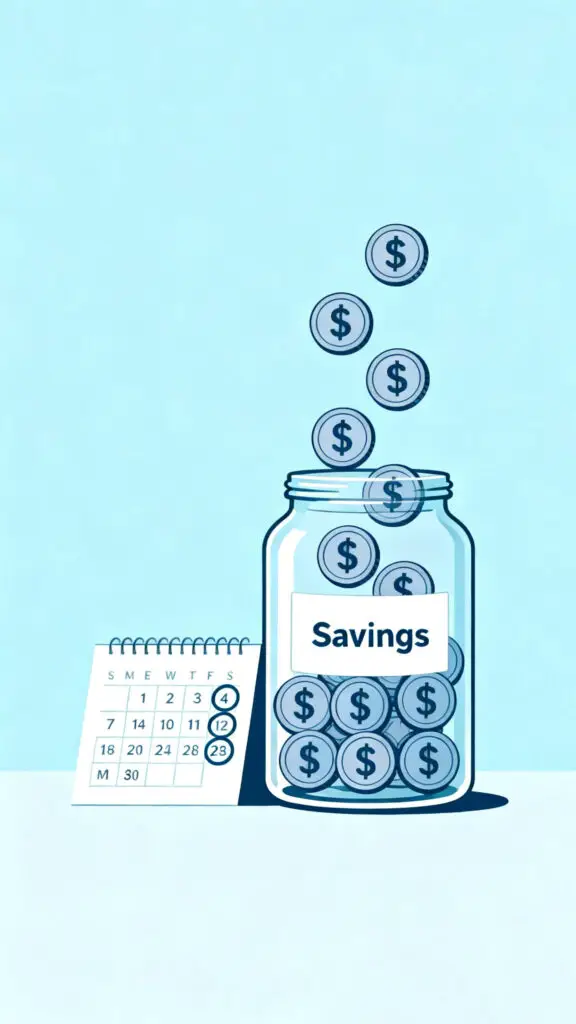
A minimalist vector illustration showing a large savings jar being filled by twelve equal parts to represent a biweekly plan.

Once you have your total goal, you can divide it into biweekly amounts, and this can make everything feel much easier because you only need to focus on one step at a time. For example, if you want to save a certain amount over six months, you can split it into 12 parts, since there are about 12 biweekly periods in that time. 

This way, you can clearly see what you need to save every two weeks, and it can help you stay organized. Smaller amounts can feel less stressful, and you can adjust them if something unexpected happens in your life.

4. Starting Small to Build Confidence

If saving feels new or difficult, you can start with a small amount, and this can help you build confidence without feeling pressured. You do not need to begin with a large number, because even a small amount can grow over time when you stay consistent. 

Starting small can also help you understand your spending habits better, and you can slowly increase your savings once you feel more comfortable. This gentle start can make the process feel easier, and you can avoid giving up early because the plan feels too hard.

5. Creating a Simple Budget

A simple budget can help you see where your money is going, and it can make it easier to find small amounts that you can save every two weeks. You do not need a complicated system, because you can just write down your income and your main expenses, and then you can look for areas where you can cut back a little. 

This can help you free up money for your savings plan, and you can feel more in control of your finances. When you understand your spending, saving can become a natural part of your routine instead of something that feels forced.

6. Using Automatic Transfers

A modern digital illustration of a smartphone setting up an automatic bank transfer to a savings account, symbolizing effortless financial growth.

You can make saving easier by setting up automatic transfers from your main account to your savings account every two weeks, and this can remove the need to remember or rely on motivation. When the money moves automatically, you can treat it like a fixed expense, and you can adjust your spending around what is left. 

This can help you stay consistent without extra effort, and you can avoid the temptation to skip a payment. Over time, this simple step can make a big difference because it can turn saving into something that happens without much thought.

7. Cutting Small Daily Expenses

You can find extra money for your savings plan by looking at your daily habits, because small expenses can add up more than you might expect. Things like snacks, drinks, or small online purchases can slowly take away from your savings, and you can reduce them without feeling like you are missing out too much. 

You do not need to cut everything, because even small changes can help you save more every two weeks. These little adjustments can make your savings plan easier to follow, and you can still enjoy your routine while being more mindful.

8. Using Extra Income Wisely

Whenever you receive extra money, like gifts, bonuses, or side income, you can choose to save a part of it, and this can help you reach your goal faster. You do not need to save all of it, because you can still enjoy some of it while putting a portion into your savings. 

This approach can give your plan a boost, and it can make the process feel more rewarding. Extra income can come at unexpected times, and when you use it wisely, it can make a big difference without affecting your regular budget.

9. Tracking Your Progress Regularly

You can stay motivated by checking your savings progress every two weeks, because seeing your money grow can give you a sense of achievement. You can write down your savings or use a simple app, and this can help you stay aware of how far you have come.

When you track your progress, you can also notice if you are falling behind, and you can make small changes to stay on track. This habit can keep you focused, and it can make the journey feel more real and rewarding as time goes on.

10. Staying Flexible When Needed

Life can be unpredictable, and there may be times when you cannot save the planned amount, but this does not mean your plan has failed. You can adjust your savings for that period and try to make up for it later when things feel easier. 

This flexibility can help you stay committed without feeling discouraged, because you are allowing yourself to adapt instead of giving up. A savings plan should fit your life, and when you stay flexible, you can continue moving forward even during difficult times.

11. Avoiding Unnecessary Debt

When you are following a savings plan, you can try to avoid taking on unnecessary debt, because it can make it harder to stay consistent. Borrowing money for things you do not really need can reduce the amount you can save, and it can add extra pressure to your finances.

You can focus on your priorities and spend carefully, and this can help you protect your savings. By being mindful of your choices, you can keep your plan on track and avoid setbacks that can slow your progress.

12. Staying Consistent Over Time

Consistency can be one of the most important parts of a biweekly savings plan, because small actions repeated over time can lead to meaningful results. You do not need to be perfect, because what matters is that you keep going even when things feel slow.

Saving every two weeks can become a habit, and once it feels normal, it can require less effort. This consistency can help you reach your goal, and it can also build a strong foundation for future financial habits.

13. Reviewing Your Plan at the End

At the end of six months, you can take some time to review your savings plan, and this can help you understand what worked well and what you can improve. You can look at your progress, your challenges, and your habits, and this can give you useful insights for the future. 

This reflection can help you plan your next steps, whether you want to continue saving or adjust your goals. By learning from your experience, you can make your next plan even better and more suited to your needs.

Conclusion

A biweekly savings plan for six months can be a simple and practical way to build your savings without feeling overwhelmed, because it allows you to focus on small, manageable steps that can fit into your everyday life. You can adjust the plan to match your income, your routine, and your priorities, and this flexibility can help you stay consistent over time. As the weeks pass, you can begin to see your efforts turn into real results, and this can give you confidence in your ability to manage money. With patience and small efforts, you can create a habit that can benefit you long after these six months are over.

Frugal Meal Planning

April 8, 2026 By Ana Rose

Frugal meal planning is not about eating less or cutting out all the foods you enjoy, but it is more about learning how to use what you have in a smarter way so that your money lasts longer while your meals still feel filling and satisfying. When you plan your meals ahead of time, you stop making rushed decisions at the last minute, and this alone can help reduce unnecessary spending on takeout or random grocery items that often go to waste. It may feel like extra effort in the beginning, but once you get used to it, meal planning can actually make your daily routine easier, calmer, and more organized while helping you stay within your budget.

waqarmuhammad. realistic flat lay photo pure white background 90541426 8dd2 41c8 bc77 e0fe5bed87bc 0

1. Planning Meals Around What You Already Have

A minimalist vector illustration of a person inventorying their well-organized kitchen pantry and fridge to plan a meal.

One of the easiest ways to save money is by starting your meal plan with the ingredients you already have at home, because this helps you avoid buying things you do not need while making sure nothing goes to waste. Instead of thinking about new recipes first, you can check your pantry, fridge, and freezer and then build your meals around those items in a simple and practical way. 

This approach not only saves money but also reduces stress when deciding what to cook, because you are working with what is already available rather than starting from zero every time you plan your meals.

2. Creating a Weekly Meal Plan

Creating a weekly meal plan can help you stay organized and avoid daily confusion about what to cook, because when your meals are already decided, you spend less time thinking and more time simply following your plan. 

You can choose simple meals that do not require too many ingredients, and you can repeat certain meals during the week to make things easier. This does not mean eating boring food, but it means being practical with your choices so that you can manage both your time and your budget in a way that feels manageable.

3. Making a Smart Grocery List

A grocery list can make a big difference when you are trying to stick to a budget, because it helps you stay focused and avoid buying things that you do not really need. Once your meals are planned, you can write down only the ingredients required for those meals, and this helps prevent overspending. 

It also saves time at the store, because you are not walking around trying to decide what to buy. Over time, this simple habit can help you feel more in control of your spending while making your shopping trips quicker and more efficient.

4. Buying in Bulk When It Makes Sense

A digital illustration of glass jars filled with bulk pantry staples like rice and lentils, arranged neatly on a shelf.

Buying in bulk can help you save money, but only when you choose items that you know you will actually use, because buying large quantities of something that goes to waste can end up costing more instead of less. 

Staple items like rice, lentils, pasta, or flour are usually good options for bulk buying, especially if they are part of your regular meals. When you store these items properly, they can last for a long time, which means fewer trips to the store and more savings over time without much extra effort.

5. Choosing Simple and Affordable Ingredients

Frugal meal planning becomes much easier when you focus on simple and affordable ingredients that can be used in different ways, because this gives you more flexibility while keeping your grocery bill low. Foods like beans, eggs, potatoes, and seasonal vegetables can be turned into many different meals without needing expensive additions.

When you learn how to mix and match these ingredients, you can create meals that feel different even when they are made from similar items, which helps you avoid boredom while still staying within your budget.

6. Cooking at Home More Often

Cooking at home is one of the most effective ways to save money, because meals prepared at home usually cost much less than food bought from restaurants or delivery services. Even simple home-cooked meals can be filling and satisfying when made with care, and you also have better control over portion sizes and ingredients. 

While it may take some time to get used to cooking regularly, it can become a comfortable routine that not only saves money but also gives you a sense of control over your daily meals.

7. Using Leftovers in Creative Ways

Leftovers do not have to feel boring or repetitive if you learn how to use them in different ways, because one meal can often be turned into something new with just a few small changes. For example, leftover chicken can be used in sandwiches, wraps, or rice dishes, which helps stretch your food further without extra cost. 

This approach reduces waste and makes your meals feel more varied, even when you are working with the same ingredients, which is helpful when you are trying to stick to a tight budget.

8. Freezing Meals for Later

Freezing meals can be a helpful way to save both time and money, because it allows you to store extra portions and use them when you do not feel like cooking. Instead of letting food go bad, you can freeze it in portions and reheat it later, which reduces waste and saves effort. 

This is especially useful on busy days when cooking feels difficult, because you already have something ready to eat. Over time, having a freezer stocked with meals can make your routine feel easier and more flexible.

9. Shopping Seasonal Produce

Buying fruits and vegetables that are in season can help you save money while also getting better quality food, because seasonal items are usually more available and less expensive. These foods often taste better and last longer, which means less waste and more value for your money. 

When you plan your meals around what is in season, you can adjust your recipes in a simple way without needing expensive ingredients, and this can make a noticeable difference in your overall grocery spending.

10. Avoiding Impulse Purchases

Impulse buying can quickly increase your grocery bill without you even realizing it, because small extra items can add up by the time you reach the checkout. Sticking to your list and having a clear plan before you shop can help you avoid these unnecessary purchases. 

It may take some discipline in the beginning, but over time, it becomes easier to ignore items that are not part of your plan, and this helps you stay focused on what you actually need.

11. Repeating Meals to Save Time and Money

Repeating meals during the week can make meal planning much easier, because you do not have to come up with new ideas every day, and you can buy ingredients in a more efficient way. This does not mean eating the exact same thing every day, but you can prepare similar meals with small changes so that they still feel different. 

This approach reduces both effort and cost while helping you stay organized, which is especially useful when you have a busy schedule.

12. Cooking in Batches

Cooking in batches allows you to prepare larger quantities of food at once, which can save both time and money throughout the week. Instead of cooking every day, you can cook once and divide the food into portions for later use, which reduces effort and helps you avoid spending on takeout. 

This method also makes it easier to control your portions and keep track of what you are eating, while making your daily routine feel more structured and less stressful.

13. Learning Basic Cooking Skills

Learning basic cooking skills can make a big difference in how much you spend on food, because when you know how to cook simple meals, you rely less on expensive options. You do not need advanced skills to cook well, but understanding a few basic techniques can help you prepare meals that are both affordable and enjoyable. 

As you gain more confidence, you can try new recipes and improve your meals without increasing your budget, which makes cooking feel more rewarding.

14. Tracking Your Food Spending

Tracking your food spending can help you understand where your money is going, which makes it easier to adjust your habits and stay within your budget. You can keep a simple record of your grocery expenses and notice patterns over time, which helps you see what you can reduce or change. 

This awareness can lead to better decisions when shopping and planning meals, and it gives you a clearer picture of how your efforts are helping you save money.

Conclusion

Frugal meal planning is something that becomes easier with practice, and it does not require perfection to be effective, because even small changes in how you plan, shop, and cook can lead to noticeable savings over time. The goal is not to make things complicated, but to find simple habits that work for your routine and help you feel more in control of your food and your spending. As you continue to plan your meals and improve your approach, you may find that saving money becomes a natural part of your daily life rather than something that feels difficult or restrictive.

Tips to Save Money When You’re Struggling to Make Ends Meet

April 5, 2026 By Ana Rose

When money feels tight and every expense starts to matter, even small decisions can feel heavy, and it can become overwhelming to figure out where to begin. The truth is that saving money during difficult times is not about making huge changes all at once, but about slowly building habits that give you a little more breathing room. You do not need to be perfect, and you do not need a big income to start making progress. What helps most is being mindful, patient, and honest about your situation. With simple adjustments and a bit of planning, you can reduce stress and feel more in control of your finances.

Tips to Save Money When You're Struggling to Make Ends Meet

1. Track Every DollarYou Spend

Illustration of a person writing down expenses in a notebook with budget icons on a pastel pink background

When money is limited, knowing exactly where it goes can make a bigger difference than you might expect, because small unnoticed expenses often add up quietly over time. Start by writing down everything you spend for a few weeks, whether it is groceries, snacks, transport, or small online purchases that seem harmless in the moment. This habit may feel uncomfortable at first, but it helps you see patterns you might not have noticed before. 

Once you understand your spending, it becomes easier to spot areas where you can cut back without feeling like you are giving up everything, and that awareness alone can help you feel more in control.

2. Focus on Needs Before Wants

When money is tight, it becomes important to pause before spending and ask yourself if something is truly necessary or just something you feel like buying in the moment. Needs include things like food, rent, bills, and basic transport, while wants are often things that can wait without causing real problems. 

This does not mean you can never enjoy anything, but it helps to create a clear boundary so that your essential expenses are always covered first. Over time, this simple habit can reduce stress, because you know your important responsibilities are taken care of before anything else.

3. Plan Your Meals in Advance

Food is one of the biggest expenses in most households, and without a plan, it is easy to overspend or waste items that go bad before you use them. By planning your meals for the week, you can shop with a clear list and avoid buying extra things you do not need. Cooking at home more often also helps you save money compared to ordering food or eating out frequently. 

You can reuse ingredients in different meals, which reduces waste and stretches your budget further. Even simple meal planning can make your grocery trips more focused and help you avoid last-minute spending.

4. Cut Down on Unused Subscriptions

Many people forget about subscriptions they signed up for, whether it is streaming services, apps, or memberships, and these small charges can quietly take money out of your account every month. Take some time to review your bank or mobile statements and look for anything you are not actively using. Canceling even one or two subscriptions can free up money that you can use for something more important. 

It may not seem like a big amount at first, but when you are struggling financially, every little bit counts and can make your situation feel a little less tight.

5. Shop with a List and Stick to It

Going to the store without a list often leads to buying things on impulse, especially when items look appealing or are on display. When you make a list before shopping, you already know what you need, and this helps you stay focused while avoiding unnecessary purchases. It also reduces the chances of forgetting important items and having to make extra trips, which can lead to more spending. 

Sticking to your list requires a bit of discipline, but it becomes easier with time, and it helps you keep your budget under control without feeling like you are constantly restricting yourself.

6. Look for Discounts and Compare Prices

When you are trying to save money, it helps to slow down your buying decisions and look for better deals instead of purchasing things right away. Comparing prices at different stores or checking for discounts can help you get the same items for less money. 

Many stores offer sales, bundles, or reduced prices on certain days, and taking advantage of these can stretch your budget further. It may take a little extra effort, but over time, these savings add up and give you more room to manage your other expenses without feeling as stressed.

7. Use Cash Instead of Cards When Possible

Illustration of hands holding cash and a wallet representing mindful spending on a pastel pink background

Using cash can make a big difference in how you spend, because you can physically see how much money you have and how quickly it is going down. When you use a card, it is easier to lose track and spend more than you planned, especially on small purchases that do not feel like much in the moment. 

By setting a fixed amount of cash for certain categories like groceries or daily expenses, you create a natural limit that helps you stay within your budget. This simple change can make you more mindful and help you avoid overspending without needing complicated systems.

8. Delay Non-Essential Purchases

Sometimes the urge to buy something feels strong in the moment, but if you give yourself a little time, that feeling often fades. When you are struggling financially, it helps to wait before making non-essential purchases, even if it is just for a day or two. 

This pause can give you time to think about whether you really need the item or if it is just an impulse. Many times, you will realize that you can do without it, and this can save you money without making you feel deprived. 

9. Reduce Utility Bills with Small Changes

Utility bills can take a large portion of your income, but small changes in your daily habits can help lower these costs over time. Turning off lights when you leave a room, using fans instead of air conditioning when possible, and being mindful of water usage can all make a difference. 

These changes may seem small, but when practiced consistently, they can reduce your monthly expenses. It also helps to involve everyone in your household so that these habits become part of your routine, making it easier to save without feeling like you are making big sacrifices.

10. Use What You Already Have

Before buying something new, take a moment to check what you already own, because you might find that you can use or repurpose items instead of spending money. This could be as simple as cooking with ingredients already in your kitchen, wearing clothes you already have, or fixing something instead of replacing it. 

Making the most of what you have helps you avoid unnecessary spending and encourages a more thoughtful approach to your needs. Over time, this habit can help you stretch your resources further and reduce the pressure on your budget.

11. Avoid Shopping When You’re Emotional

Spending money when you feel stressed, bored, or upset can lead to choices that you might regret later, especially when your budget is already tight. Emotional spending often feels good in the moment, but it does not solve the underlying issue and can make your financial situation more difficult. 

It helps to recognize these moments and find other ways to cope, such as talking to someone, going for a walk, or doing something that relaxes you. Being aware of your emotions can protect your money and help you make more thoughtful decisions.

12. Set Small, Realistic Savings Goals

Saving money when you are struggling does not mean putting aside large amounts, because even small savings can make a difference over time. Instead of aiming for something that feels impossible, start with a small and realistic goal that fits your situation. This could be saving a little amount each week or setting aside whatever is left at the end of the day. These small steps help you build confidence and create a habit of saving, even when money is limited. Over time, these efforts can grow into something meaningful and give you a sense of progress.

13. Find Ways to Increase Your Income

While cutting expenses is important, finding ways to earn a little extra can also help ease financial pressure. This does not have to be something complicated, as even small side activities like freelancing, selling unused items, or offering simple services can bring in extra money. 

The goal is not to overwork yourself, but to look for opportunities that fit your skills and schedule. Even a small increase in income can help you cover expenses more comfortably and reduce the stress that comes with living paycheck to paycheck.

Conclusion

Saving money when you are struggling is not about being perfect or cutting out every small joy in your life, but about making thoughtful choices that help you feel more secure over time. Each small step you take, whether it is tracking your spending, planning your meals, or delaying a purchase, adds up in ways that may not be obvious at first. What matters most is consistency and patience, because real change happens slowly. As you build these habits, you will begin to notice that you have a little more control and a little less stress, and that alone can make a big difference in your everyday life.

  • « Go to Previous Page
  • Go to page 1
  • Interim pages omitted …
  • Go to page 3
  • Go to page 4
  • Go to page 5
  • Go to page 6
  • Go to page 7
  • Interim pages omitted …
  • Go to page 73
  • Go to Next Page »

The Latest Blog Posts:

  • 14 Profitable Things To Sell On eBay June 20, 2026
  • Mason Jar Crafts To Make And Sell June 19, 2026
  • 12 Best Jobs for Retired Teachers  June 18, 2026

As Featured In:

Just Start Investing Press Strip 2020 B&W

Follow Us:

  • Facebook
  • Twitter
  • Pinterest

Copyright © 2026 · Just Start Investing LLC

  • Contact Us
  • Blog
  • Privacy Policy / Disclaimers