• Skip to primary navigation
  • Skip to main content

Just Start Investing

We Make Investing Easy

  • Investing
    • Learn About Investing:
    • Investment Accounts
    • Online Brokerage Accounts
    • Investment Vehicles
    • Start Investing:
    • How to Invest in Index Funds
    • Start Investing with Betterment
    • Start Investing with Charles Schwab
  • Banking
    • Best Bank Accounts
    • Types of Bank Accounts:
    • Checking Accounts
    • Savings Accounts
    • CDs and Money Market Accounts
    • Online Banks vs Brick-and-Mortar
  • Credit Cards
    • Best Credit Cards:
    • Best Cash Back Credit Cards
    • Best No Annual Fee Credit Cards of 2021
    • Best Premium Credit Cards of 2021
    • Credit Card Tool: Find the Best Credit Card for Me
    • Learn About Credit Cards:
    • Types of Credit Cards
  • Blog
    • Investing
      • What is Crypto?
        • Crypto
      • What are stocks?
        • Stocks
      • What is a Real Estate Investment?
        • Real Estate Investments
      • What is an IPO?
        • IPO
    • Banking
    • Credit Cards
    • Budget
    • Finances
  • Earn with Crypto
  • Budget
    • How to Build a Budget
    • 24 Tips to Save More Money
  • Resources
  • About
    • Contact
    • Press
    • Learn More
    • Disclaimers
  • Show Search
Hide Search

General Personal Finance Blog

 14 Mini Savings Challenges to Boost Your Savings

April 29, 2026 By Ana Rose

A mini savings challenge is a simple and practical way to save money fast without feeling stressed or overwhelmed by a big saving figure. Instead of stressing over goals that sound too big or unrealistic, a min savings challenge can be the perfect way to manage your daily expenses while setting aside small amounts that can turn into something big and meaningful over time. This type of challenge is useful especially for beginners, students, or anyone who thinks of saving money as draining and difficult. This article will help you explore easy and realistic mini savings ideas that you can follow in your daily life so you can start building a habit of saving without making your routine feel hard or uncomfortable.

 14 Mini Savings Challenges to Boost Your Savings

1. Start With a Small Daily Amount

You can begin your mini savings challenge by saving a very small amount each day so it does not feel like a burden on your routine or your basic needs. This amount can be as simple as the money you would normally spend on a snack or something unnecessary during the day. 

When you keep the amount small, it becomes easier to stay consistent without feeling pressure or stress. Over time, these small savings start to build into a noticeable amount, and you slowly develop a habit that feels natural and easy to follow in your daily life.

2. Use a Weekly Savings Plan

A weekly savings plan can make things feel more organized because you only need to focus on saving once every week instead of thinking about it daily. You can choose an amount that feels comfortable based on your income or allowance, and you can adjust it when needed without making things difficult for yourself. 

This method works the best for people who like simple routines and want to stay in control of their spending. By saving weekly, you give yourself time to manage expenses while still building a steady saving habit over time.

3. Save Loose Change Regularly
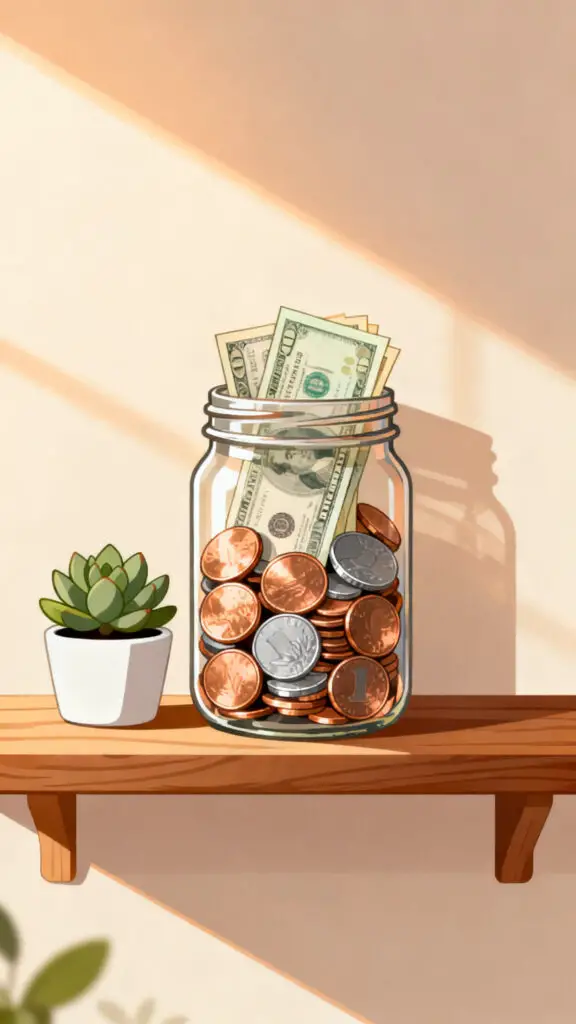
A peaceful vector illustration of a glass jar filled with loose change, symbolizing the growth of small daily savings.

Saving loose change is one of the easiest ways to start because it does not require any planning or effort from your side. Every time you receive coins from a purchase, you can put them aside in a jar or small container at home instead of spending them again. 

This method works quietly in the background without affecting your main budget, which makes it perfect for beginners. After a few weeks, you may be surprised to see how much you have collected just from small leftover amounts that usually go unnoticed.

4. Set a Simple Short-Term Goal

Setting a simple short-term goal can make your mini savings challenge feel more meaningful and easier to follow. Instead of thinking about long-term savings, you can focus on something small that you want to achieve within a short period of time. 

This could be saving for a small purchase, a personal need, or even emergency money and when you have a clear goal in mind, it becomes easier to stay motivated and avoid unnecessary spending. It also gives you a sense of progress as you move closer to reaching your target.

5. Try a No-Spend Day Each Week

You can choose one day every week where you decide not to spend any money at all so you can become more aware of your habits and how often you spend without thinking. On this day, you can use what you already have at home, such as eating home-cooked meals or avoiding online shopping and small purchases.

This simple habit can help you control unnecessary spending while slowly increasing your savings without making your routine feel difficult or restricted.

6. Save a Small Percentage of Your Money

Instead of fixing a certain amount, you can decide to save a small percentage of whatever money you receive so your savings feel more flexible and easier to manage. This means when you receive more money, you save a little more, and when you receive less, you still save something without feeling pressure. 

This method works well for students or beginners because it adjusts to your situation and it helps build the habit of saving regularly while keeping your daily needs in balance without feeling like you are giving up too much.

7. Keep Your Savings Separate

It becomes much easier to save money when you keep it separate from your daily spending so you are not tempted to use it without thinking. You can use a jar, envelope, or even a separate account if possible to store your savings. 

This separation perfectly creates a clear boundary between what you can spend and what you should save, helping you see your progress more clearly, which can feel motivating. 

8. Increase Your Savings Slowly

You do not need to start with a large amount, and you can slowly increase your savings as you become more comfortable with the habit. You can begin with a small amount and then add a little more each week or month depending on your situation. 

This gradual approach makes saving feel natural and prevents stress or pressure, allowing you to adjust your spending habits step by step. Over time, you will notice that saving larger amounts becomes easier because you have already built the habit in a simple way.

9. Save Money From Skipped Purchases

Whenever you decide not to buy something, you can take that exact amount and move it into your savings so your small decisions turn into real progress over time. This can happen when you skip ordering food, avoid buying clothes you do not really need, or stop yourself from making random purchases.

Instead of forgetting about that money, you can give it a purpose by saving it. This habit can help you become more mindful before spending, allowing you to slowly build your savings without making you feel restricted or uncomfortable in your daily routine.

10. Try a 7-Day Mini Challenge

A 7-day savings challenge is a simple way to start because it feels short, manageable, and easy to follow without creating pressure on your routine. You can choose a small amount to save each day and focus on completing the full week without skipping. 

This approach helps you build confidence because you can see results quickly, and it makes saving feel achievable instead of difficult. Once you complete the challenge, you can repeat it or slowly increase your target, which can help you grow your savings while keeping everything simple and easy to manage.

11. Track Your Savings Regularly

Tracking your savings regularly can help you stay focused because you can clearly see how your efforts are turning into real results over time. You can write your savings in a notebook or keep a simple record on your phone so you always know where you stand. 

This habit makes you more aware of your progress and encourages you to stay consistent. It also helps you notice your spending patterns, which can guide you to make better decisions and avoid unnecessary expenses that could slow down your savings.

12. Save Before You Spend

You can make saving easier by setting aside a small amount as soon as you receive money instead of waiting until the end when most of it is already spent. This method helps you treat saving as a priority rather than something optional, which makes a big difference in the long run. 

When you save first, you naturally adjust your spending based on what is left, and this helps you stay in control of your money. Over time, this habit becomes part of your routine and makes saving feel more natural and less stressful.

13. Use an Envelope Method
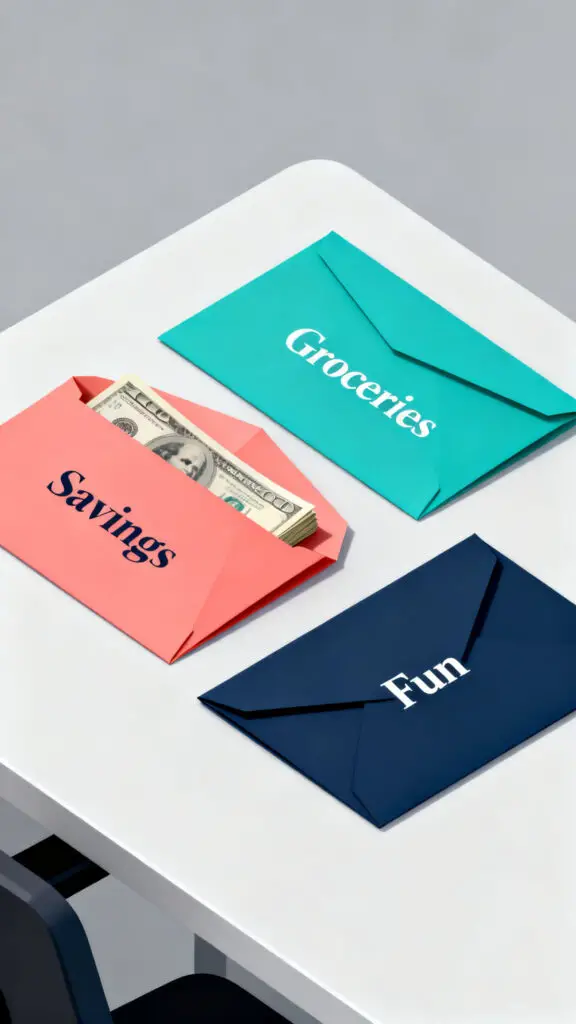
A professional digital illustration of the envelope budgeting method, showing money organized into different categories.

The envelope method is a simple way to manage your money by dividing it into different categories so you can clearly control your spending and savings. You can place your money into separate envelopes for daily expenses, personal needs, and savings, which can help you avoid confusion and overspending. 

When you see your money physically separated, it becomes easier to stick to your limits and protect your savings. This method works well for beginners because it is easy to understand, and it helps build discipline without making things feel complicated.

14. Limit Small Daily Expenses

Small daily expenses can quietly take away a large part of your money without you realizing it, which is why reducing them can help you save more without making big changes. You can cut down on things like extra snacks, drinks, or small items that you buy out of habit instead of need. 

The money you save from these small changes can be added to your savings, and over time it can grow into something meaningful, making this approach a considerable option for many. 

Conclusion

A mini savings challenge is not about saving a large amount all at once, but it is about building a simple habit that fits easily into your daily life without making things feel stressful or difficult. By focusing on small actions like skipping unnecessary purchases, tracking your progress, and setting aside money before spending, you slowly create a system that works for you. Over time, these small efforts begin to grow into something meaningful, and you start to feel more in control of your money. With patience and consistency, this simple approach can turn into a long-term habit that supports your needs and future goals.


12 Frugal Tips Every Senior Should Know

April 28, 2026 By Ana Rose

Frugal living can help seniors manage money in a calm and simple way, especially when income is fixed and needs careful planning and it allows daily expenses to feel more manageable without putting pressure on comfort or basic needs. Seniors can still enjoy a good quality of life while avoiding unnecessary spending that does not add real value to their daily routine or long-term well-being. Small habits in daily life can slowly turn into meaningful savings over time when they are followed with consistency and awareness. This approach is not about restriction but about making smarter choices with money in a practical and realistic way. This article will help you explore frugal tips that can help seniors feel more confident and independent in handling their own finances without depending too much on others. 

12 Frugal Tips Every Senior Should Know

1. Plan a Simple Monthly Budget

Seniors can make life easier by planning a simple monthly budget that clearly shows where money is coming from and where it is going each month, and it helps reduce confusion while making spending more intentional instead of random or emotional. When expenses are written down properly, it becomes easier to notice where money is being wasted without real benefit or need. 

A budget also makes sure that important needs like food, bills, and healthcare are always covered first without unnecessary stress. At the same time, it still allows space for small personal enjoyment so life does not feel too strict or limited. The process does not need to be complicated to be effective because even a basic plan can bring better control. 

2. Cook Meals at Home More Often

A warm vector illustration of a senior person enjoying the process of cooking a healthy meal at home.

Cooking at home is one of the simplest ways for seniors to reduce expenses while also improving health and comfort in daily life, and it allows full control over ingredients, portions, and overall food quality. Home-cooked meals usually cost much less than eating outside, which helps reduce monthly spending without sacrificing satisfaction. 

Meals can be planned in advance, making grocery shopping more organized and helping to avoid unnecessary waste. Leftovers can also be reused in simple ways, which helps stretch food further without extra cost or effort. Cooking can slowly become a calm daily routine that can bring structure and comfort to the day and it also reduces dependence on restaurant food that often increases expenses without being truly necessary.

3. Buy Groceries in Smart Ways

Seniors can save a noticeable amount of money by shopping for groceries more thoughtfully and planning before going to the store, and it helps reduce unnecessary spending that often happens without proper planning. A simple list can guide purchases and make sure only needed items are bought, which prevents waste and extra cost. 

Comparing prices between different shops or local markets can also help find better and more affordable options. Seasonal fruits and vegetables are usually cheaper and fresher, making them a smarter choice for regular use. 

4. Use Public Transport When Possible

Seniors can save money by using public transport instead of private travel for daily needs, and it helps reduce extra costs like fuel, maintenance, or frequent taxi fares. Buses and shared rides are usually much more affordable and can still get them to important places like markets, clinics, or social visits. 

This option also removes the stress of managing personal transport expenses that can slowly add up over time. Public transport can keep daily travel simple and budget-friendly without affecting basic mobility.

5. Reduce Utility Bills at Home

Seniors can lower monthly expenses by being more careful with electricity, water, and gas use in daily life, and small changes in habits can slowly reduce overall bills. Turning off lights when not needed and unplugging unused devices can make a real difference over time.

Water can also be used more mindfully during cooking, cleaning, and bathing to avoid unnecessary waste. Choosing energy-saving appliances can further help reduce long-term costs without affecting comfort. These changes do not require major effort but can still bring steady savings each month and over time, this can create a more efficient and cost-friendly home environment.

6. Avoid Unnecessary Subscriptions

Seniors can save money by reviewing monthly subscriptions and removing services that are no longer being used or needed, and this helps stop money from being wasted silently each month. Many small charges for apps, TV channels, or online services continue automatically even when they are forgotten. 

These small amounts can slowly add up and affect the overall budget without being clearly noticed. Checking subscriptions regularly helps keep only the services that are actually useful and enjoyable in daily life. 

7. Choose Affordable Healthcare Options

Seniors can manage healthcare costs better by choosing affordable clinics, hospitals, or government health services when possible, and this helps reduce financial pressure while still getting proper care. Regular checkups can also help prevent serious health problems that may become expensive later if ignored. Buying generic medicines instead of branded ones can sometimes lower costs without affecting treatment quality. 

It is also important to follow doctor advice carefully to avoid unnecessary tests or treatments that increase expenses. Planning medical visits in advance can make budgeting more predictable and less stressful, making this approach a considerable option.

8. Reuse and Recycle Daily Items

Seniors can save money by reusing items at home instead of throwing them away after a single use, and this helps reduce unnecessary spending on new items. Many household things like jars, containers, and clothes can be reused in different practical ways. This reduces the need to constantly buy replacements and helps stretch resources further. 

Recycling also keeps the home more organized and reduces waste in daily life. This habit also builds a more mindful and careful approach toward spending habits and over time, reusing and recycling can lead to steady savings and a simpler lifestyle.

9. Shop Second-Hand When Possible

Seniors can save a good amount of money by choosing second-hand items instead of always buying new ones, especially for things like clothes, furniture, or home essentials. Many second-hand items are still in very good condition and can be used for a long time without any problem. This helps reduce overall spending while still meeting daily needs in a practical way. 

Thrift shops, local markets, or online resale options can offer useful items at much lower prices. It also prevents unnecessary waste by giving items a second life instead of discarding them. Over time, this habit can help seniors manage their budget more comfortably and avoid extra financial pressure.

10. Limit Eating Outside

Seniors can reduce monthly expenses by limiting how often they eat outside and focusing more on home-cooked meals for daily needs. Eating at restaurants or ordering food regularly can become expensive and slowly affect the overall budget. Home food is usually more affordable and also allows better control over ingredients and health. 

Eating outside can still be enjoyed occasionally as a small treat rather than a regular habit. Planning meals at home also reduces the temptation to spend on fast food or unnecessary snacks. Over time, this simple change can lead to noticeable savings while also supporting healthier eating habits.

11. Use Community Services

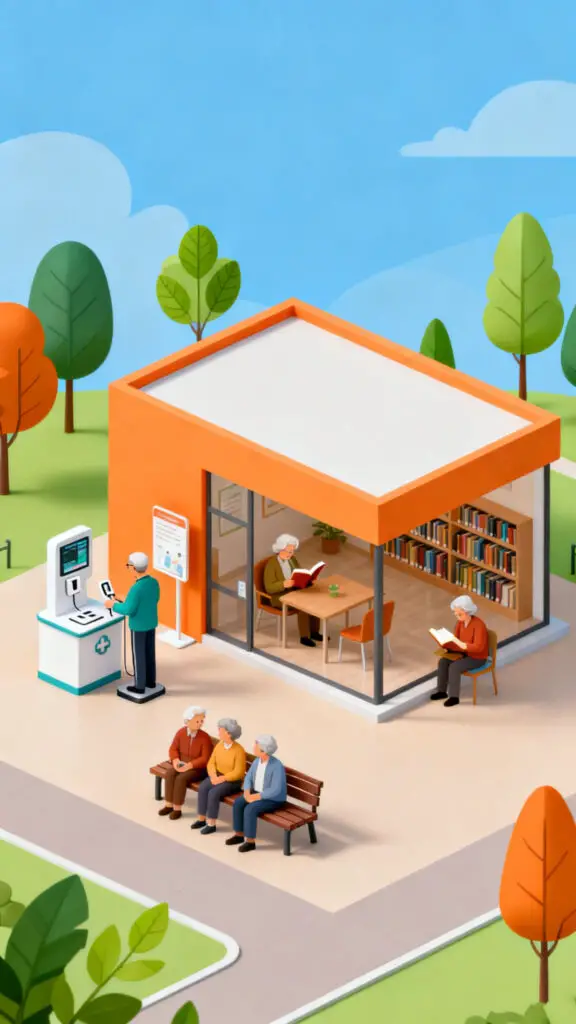
A modern digital illustration of seniors utilizing free resources and social programs at a local community center.

Seniors can benefit from using community services that offer support, activities, or resources at little or no cost, and this can help reduce daily expenses. Many local centers provide free events, health checkups, or social programs that improve quality of life without financial burden. These services also help seniors stay active and connected with others, which is important for emotional well-being. 

Some communities may also offer discounts or assistance programs that reduce basic living costs. Staying aware of these options can make life easier and more affordable. Over time, using community support can improve both savings and overall lifestyle comfort.

12. Keep a Simple Lifestyle

Seniors can save money by keeping a simple lifestyle and focusing more on needs instead of luxury or unnecessary purchases. This helps reduce pressure on finances and makes daily spending easier to control. 

A simple lifestyle also reduces stress because there is less need to constantly buy or manage extra things. Comfort can still be maintained without spending on expensive or unnecessary items. It encourages a more peaceful and balanced way of living that is not focused on material things and over time, this approach can help seniors feel more satisfied with what they already have while also saving money naturally.

Conclusion

Frugal living can help seniors manage money in a simple and practical way while still maintaining comfort and daily needs. It focuses on making smarter choices instead of cutting out important things from life. Small habits like budgeting, cooking at home, and careful shopping can slowly build financial stability over time. These changes do not need to feel strict or difficult to follow in daily life. Seniors can still enjoy their routines while spending less on unnecessary expenses. With consistency, these habits can reduce financial stress and create a more balanced lifestyle. In the long run, frugal living can bring more control, peace of mind, and confidence in managing money.

Why Every New Investor Needs a Financial Safety Net

April 28, 2026 By Kevin | Just Start Investing

[Read more…] about Why Every New Investor Needs a Financial Safety Net

How To Save Money Fast Without A Job

April 27, 2026 By Ana Rose

Saving money without a job can feel confusing at first because you may think that saving is only possible when you have a steady income coming in. Instead of feeling stuck or thinking that nothing can be done, you can start focusing on how you manage the money you already have and how you reduce unnecessary spending in your daily life. You do not need to make big changes all at once, because small and simple habits can slowly help you build your savings over time. This article will help you explore easy ways to save money fast without a job, allowing you to feel more in control of your finances without feeling overwhelmed.

How To Save Money Fast Without A Job

Track Every Dollar You Spend

If you want to save money without a job, the first step is to understand exactly where your money is going so you can stop unnecessary spending and take control of your habits. Instead of spending without thinking and then feeling confused about where everything went, you can start writing down every single expense in a notebook or on your phone notes in a simple way that you can follow daily. 

This includes both small and big expenses because even small amounts add up over time and affect your total money. When you clearly see your spending, you start noticing patterns in your habits that you were not aware of before. This allows you to make better choices, reduce wasteful spending, and slowly build a stronger habit of managing your money in a more careful and thoughtful way.

Cut Down on Unnecessary Expenses

When you do not have a job, every dollar becomes more important, so it is very important to focus only on what you truly need instead of spending on things that are not necessary for your daily life. Instead of buying small items just because they look attractive or feel useful in the moment, you can pause and think if you really need them or if you are just spending out of habit. 

Many times you will realize that you can easily live without those things, which helps you save money without feeling like you are losing anything important. By slowly reducing unnecessary expenses, you start to create more control over your financial situation, allowing you to make your limited money last longer and be used in a more meaningful way that supports your needs instead of temporary wants.

Avoid Impulse Buying

Impulse buying is one of the fastest ways to lose money, especially when you do not have a job and your money is already limited, because it happens when you buy things instantly without thinking about whether you actually need them or not. Instead of making quick decisions when you see something interesting or attractive, you can give yourself some time to think and step away from the situation so your mind becomes clearer.

You can follow a simple habit where you wait for a few hours or even a full day before buying anything that is not necessary for your daily life. This small habit helps you avoid unnecessary spending and gives you better control over your money decisions, allowing you to save more without feeling stressed or restricted.

Use What You Already Have

Many people waste money by buying new things even when they already have similar items at home that can be used, and this becomes even more important when you do not have a job and need to save every possible amount. Instead of constantly buying new clothes, stationery, or small items, you can first look at what you already own and try to make full use of it before thinking about anything new. 

This helps you reduce extra spending and also makes you more aware of how much unused stuff you may already have. By changing this habit, you start valuing your current belongings more and avoid unnecessary purchases that do not add real value to your life. 

Limit Eating Out and Ordering Food

Food is one of the biggest areas where students and individuals without a job end up spending more money than they realize, especially when they rely on eating out or ordering food frequently instead of preparing meals at home. Instead of spending money on takeaways or restaurants whenever you feel hungry or lazy, you can slowly start preparing simple homemade meals that are much cheaper and healthier at the same time. 

This does not mean you cannot enjoy food outside at all, but reducing how often you eat out can make a big difference in your savings. This habit helps you manage your money better and allows you to save a significant amount over time without making your routine feel difficult.

Save Small Amounts Daily

Saving money without a job becomes easier when you stop thinking that only large amounts matter and instead focus on small daily savings that slowly build up over time. Instead of ignoring small coins or leftover notes, you can make a habit of putting them aside every day in a jar, box, or envelope without overthinking it. This method works well because it does not require pressure or strict rules, and you can save whatever small amount you are able to without affecting your daily needs. 

Over time, these small savings begin to grow into a meaningful amount that can help you when needed. This simple habit also teaches you discipline and helps you understand that saving is not about how much you earn, but about how consistently you manage to set something aside.

Borrow Instead of Buying

A heartwarming vector illustration of a friend lending books and tools to another, highlighting the benefit of borrowing over buying.

When you do not have a job, it becomes very important to avoid spending money on things that you only need for a short time or may not use again, and in such situations borrowing can be a very smart option. 

Instead of buying books, tools, or items that you will only use once or rarely, you can ask friends, family, or classmates if you can borrow them instead of purchasing new ones. This helps you save money while still getting access to what you need without unnecessary spending. 

Find Free Alternatives

There are many things in daily life that you normally spend money on, but if you look carefully, you can often find free alternatives that offer similar value without affecting your experience too much. Instead of paying for entertainment, study materials, or services right away, you can take some time to explore free apps, online resources, or community options that provide what you need without any cost. 

By using free alternatives, you reduce unnecessary spending and become more aware of how many resources are actually available without payment. This simple habit helps you stretch your limited money further and allows you to manage your expenses in a more practical and thoughtful way.

Reduce Subscription Costs

Subscriptions are something that can slowly drain your money every month without you even realizing it, especially when you are not using all the services you are paying for regularly. Instead of keeping multiple subscriptions active just because you signed up for them once, you can review them carefully and cancel the ones that are not important or not being used. You can also consider sharing subscriptions with friends or family members so the cost becomes lower and more manageable. 

Plan Your Spending in Advance

Planning your spending in advance is a very useful habit when you do not have a job because it helps you avoid random purchases and gives you better control over how you use your limited money. Instead of spending whenever you feel like it or reacting to situations in the moment, you can think ahead about what you actually need for the week or month and set a simple plan for it. 

This allows you to prioritize important expenses and avoid wasting money on unnecessary things that you did not even plan for. When you follow a basic spending plan, you start feeling more organized and less stressed about money because you already know what to expect. 

Sell Unused Items

A modern digital illustration of someone photographing unused household items to sell them online for extra savings.

If you do not have a job and still want to save money, one smart way is to look around your home and find items that you no longer use or need, because those items can be turned into money instead of just sitting unused. Instead of keeping old clothes, books, gadgets, or other belongings that you have stopped using, you can sell them and use that money for your savings or basic needs. 

This can help you create extra income without needing a job and also clear unnecessary clutter from your space, making it a considerable option. 

Conclusion

Saving money without a job may seem difficult at first, but it becomes much more manageable when you focus on simple habits that help you control your spending and make better choices with the money you already have. Instead of worrying about not having a regular income, you can take small but meaningful steps like reducing unnecessary expenses, using what you already own, and planning your spending more carefully. Over time, these habits start to build a stronger financial routine that helps you save more without feeling stressed. If you stay consistent and patient, you can gradually improve your money habits and create a more stable and responsible way of handling your finances even without a job.

How To Save Money Fast As A Student

April 26, 2026 By Ana Rose

Saving money as a student can feel hard and overwhelming especially when there are multiple other expenses that demand your attention. Instead of spending aimlessly and finding yourself stuck by the end of each month, a smart and more logical approach is to save money so you can make things easier for yourself. You don’t need to be strict or perfect when it comes to saving, it is more about becoming aware of your spending habits or holding back on particular expenses that may put your entire budget off track. This article will help you explore ways to save money fast as a student, allowing you to enjoy your student while making smart money decisions that can help you both financially and mentally. 

How To Save Money Fast As A Student

Track Every Dollar You Spend

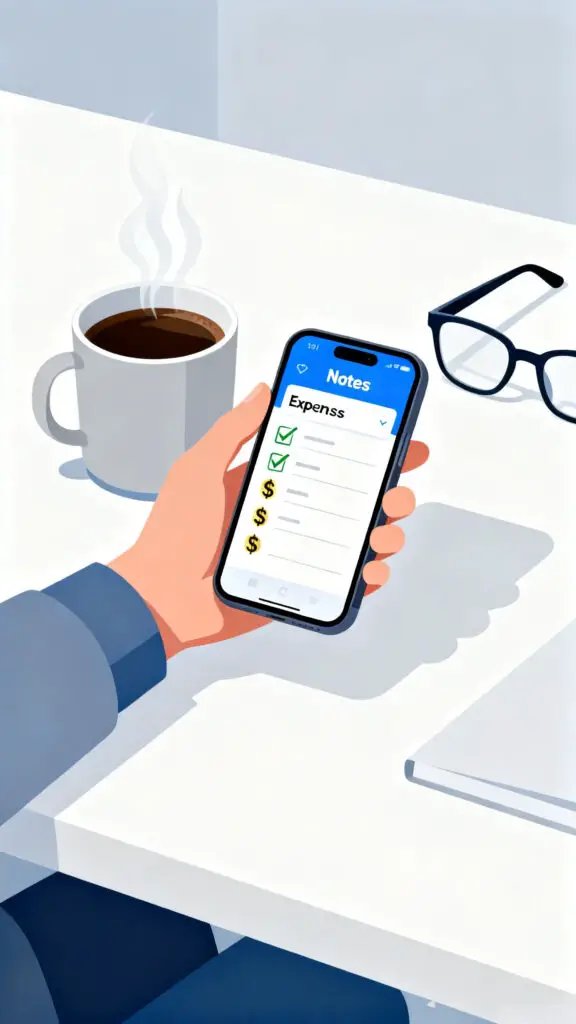
A minimalist vector illustration of a student tracking their daily expenses on a smartphone app.

If you want to save money, the first and most important step is to track what you choose to spend on, understand where your money is going, and whether you need to make adjustments and modifications to your spending habits. You can use the notes app on your phone or something as simple as a notebook to keep track of how much you spend on your essential and non-essential expenses. 

Instead of spending without direction and letting your expenses surprise you at the end of the month, this simple step allows you to take control over your money habits rather than letting the finances control you, allowing you to add small but helpful financial habits in your daily routine that can serve the future you as well. 

Set a Small Savings Goal

Another important step when aiming to save money as a student is to set a small savings goal instead of starting with a big overwhelming figure that sounds like more of a distant dream. A smart approach is to have a clear figure in mind and save that small amount every month or divide it by 4 and save it every week, based solely on your convenience and affordability. 

Over time, these small but meaningful funds can add up over time, creating something that can help you save money without having the whole process feel like a drag.  

Cut Down on Eating Out

Nothing can affect your budget more than the unhealthy habit of relying on takeaways or dining out. Eating outside with your friends or ordering food may sound fun and easy in the moment, but it can quietly take away a huge portion of your income without you even realizing it. 

Instead of spending money on dineouts or takeaways, you can try cooking more at home and start eating healthy, allowing you to not only save money but also learn better habits that can affect your financial life in ways you may not realize. 

Use Public Transport or Walk

Transportation can take up a bigger part of your budget than you realize, especially when you rely on private rides or last minute options without thinking about cheaper alternatives. Instead of spending money on expensive travel choices every day, you can start using public transport like buses or shared rides, which can help you reduce your daily expenses in a simple way.
If the distance is not too far, you can even walk instead of spending money, which not only helps you save but also keeps you active and healthy. This small change may not feel like much at first, but it can slowly make a big difference in your overall spending, allowing you to save more money without making your routine feel difficult or restricted.

Avoid Impulse Buying

Impulse buying is one of the most common reasons why students struggle to save money, because it happens when you buy something without really thinking about whether you need it or not. Instead of making quick decisions when you see something attractive, you can take a step back and give yourself some time before you choose to spend your money on it.
You can create a simple habit where you wait for a day before buying anything that is not necessary, and this can help you realize that many things are not as important as they seemed in the moment. This small habit can help you control your spending better, allowing you to save money while still making smarter and more thoughtful choices.

Make a Simple Budget

Managing your money becomes much easier when you have a simple budget that helps you understand how much you can spend and how much you should save. Instead of spending randomly and hoping everything works out by the end of the month, you can divide your money into different parts like food, transport, personal needs, and savings.
You do not need to make it complicated, because even a basic plan can help you stay on track and avoid overspending in one area. This approach allows you to feel more in control of your finances, helping you build better money habits while making sure that your expenses do not go beyond what you can actually afford.

Limit Online Shopping

Online shopping can feel very easy and tempting, especially when you are just scrolling through apps without any real intention to buy something. Instead of opening shopping apps out of boredom and ending up spending money on things you do not really need, you can limit how often you browse these platforms and only use them when you actually have something specific to buy.
You can also remove saved cards or log out of apps to make buying less quick and automatic, which gives you more time to think before making a purchase. This small change can help you avoid unnecessary spending, allowing you to stay focused on your needs while saving more money over time.

Save Loose Change Daily

Saving money does not always have to be about big amounts, because even small savings can grow if you stay consistent with your habits. Instead of ignoring loose change or small notes, you can start putting them aside in a jar, box, or envelope at the end of each day without thinking too much about it.
This method feels easy because you are not putting pressure on yourself to save large amounts at once, and over time, these small contributions can turn into a useful amount of money. This habit allows you to build a simple saving routine, helping you collect money in a way that feels natural and manageable.

Find Student Discounts

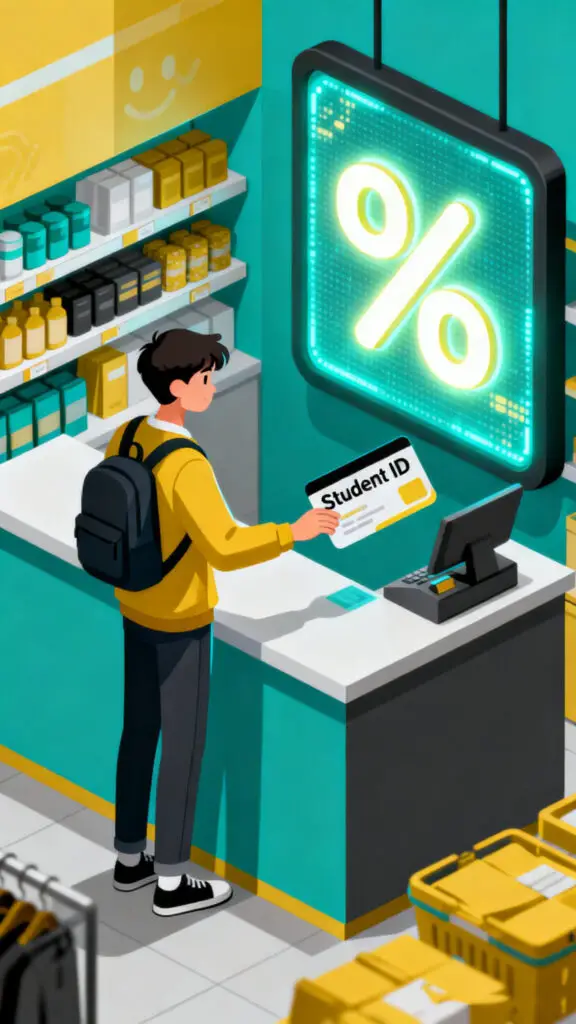
A modern digital illustration of a student using their ID card to receive a discount at a store.

Many students miss out on saving money simply because they do not check if a discount is available before making a payment. Instead of paying full price every time, you can make it a habit to ask if there is a student discount or look for deals online before buying anything.
You can carry your student ID and use it whenever possible, because even small discounts can make a difference when they add up over time. This simple step does not require much effort, but it can help you reduce your spending in a smart way, allowing you to keep more money in your pocket without changing your lifestyle too much.

Reduce Subscription Costs

Subscriptions can slowly take away your money without you realizing it, especially when you are paying for services that you do not use regularly. Instead of keeping multiple subscriptions active without checking them, you can review what you are actually using and cancel anything that is not important.
You can also share subscriptions with friends or family to reduce the cost instead of paying the full amount on your own. This small adjustment can free up extra money that you can save instead, allowing you to manage your expenses better without feeling like you are missing out on anything important.

Start a Small Side Hustle

If you want to save money faster, you can try earning a little extra instead of only depending on the money you already have. Instead of waiting for your savings to grow slowly, you can look for simple ways to earn through small side work that fits your schedule.
You can try tutoring, freelancing, selling small items, or helping people with basic tasks, depending on what you are comfortable with. Even a small income can make a difference over time, allowing you to cover your expenses and save more money without putting too much pressure on yourself.

Conclusion

Saving money as a student does not mean that you have to stop enjoying your life or say no to everything that makes you happy, it simply means being more aware of your choices and learning how to manage your money in a better way. Instead of feeling stressed about saving large amounts, you can focus on small changes in your daily habits that can slowly make a difference over time. You can spend wisely, avoid unnecessary expenses, and make simple decisions that help you stay in control. By following these steps and staying consistent, you can build better money habits that not only help you now but also support you in the future.

  • « Go to Previous Page
  • Go to page 1
  • Go to page 2
  • Go to page 3
  • Go to page 4
  • Go to page 5
  • Go to page 6
  • Interim pages omitted …
  • Go to page 73
  • Go to Next Page »

The Latest Blog Posts:

  • 13 SaaS Startup Ideas With Huge Market Potential June 11, 2026
  • Best Weekend Part-Time Jobs That Make Money June 10, 2026
  • 12 Ways To Make Money As A 14 Year Old Online June 9, 2026

As Featured In:

Just Start Investing Press Strip 2020 B&W

Follow Us:

  • Facebook
  • Twitter
  • Pinterest

Copyright © 2026 · Just Start Investing LLC

  • Contact Us
  • Blog
  • Privacy Policy / Disclaimers