• Skip to primary navigation
  • Skip to main content

Just Start Investing

We Make Investing Easy

  • Investing
    • Learn About Investing:
    • Investment Accounts
    • Online Brokerage Accounts
    • Investment Vehicles
    • Start Investing:
    • How to Invest in Index Funds
    • Start Investing with Betterment
    • Start Investing with Charles Schwab
  • Banking
    • Best Bank Accounts
    • Types of Bank Accounts:
    • Checking Accounts
    • Savings Accounts
    • CDs and Money Market Accounts
    • Online Banks vs Brick-and-Mortar
  • Credit Cards
    • Best Credit Cards:
    • Best Cash Back Credit Cards
    • Best No Annual Fee Credit Cards of 2021
    • Best Premium Credit Cards of 2021
    • Credit Card Tool: Find the Best Credit Card for Me
    • Learn About Credit Cards:
    • Types of Credit Cards
  • Blog
    • Investing
      • What is Crypto?
        • Crypto
      • What are stocks?
        • Stocks
      • What is a Real Estate Investment?
        • Real Estate Investments
      • What is an IPO?
        • IPO
    • Banking
    • Credit Cards
    • Budget
    • Finances
  • Earn with Crypto
  • Budget
    • How to Build a Budget
    • 24 Tips to Save More Money
  • Resources
  • About
    • Contact
    • Press
    • Learn More
    • Disclaimers
  • Show Search
Hide Search

Blog

Business Ideas For Women At Home

January 28, 2026 By Ana Rose

Starting a business from home has become a practical and empowering option for women who want to earn income while managing household responsibilities and personal commitments. Working from home allows women to use their skills, creativity, and time in a flexible way without the pressure of commuting or strict schedules. Whether someone is a stay-at-home mother, a student, or simply looking for a side income, home-based businesses provide freedom and independence. With the right idea and consistent effort, a small business can grow into a reliable source of income. This article will help you explore 19 business ideas that are simple, realistic, and suitable for women who want to build something meaningful from the comfort of their home.

19 Best Business Ideas For Women At Home

1. Home-Based Baking Business

A home-based baking business is a great option for women who enjoy cooking and baking. From cakes and cupcakes to cookies and brownies, homemade baked goods are always in demand for birthdays and small events. This business can start with basic tools and ingredients, making it budget-friendly. Orders can be taken through social media or word of mouth, allowing flexible working hours. With good taste, hygiene, and consistency, this small business can slowly grow and build a loyal customer base.

2. Online Tutoring

Online tutoring allows women to teach subjects they are confident in without leaving their homes, making it a flexible and rewarding business option. Whether it is school subjects, languages, or basic skills, students and parents are always looking for reliable tutors. This business only requires a good internet connection and clear communication. With regular sessions and positive results, women can build a strong reputation and earn a steady income.

3. Freelance Content Writing
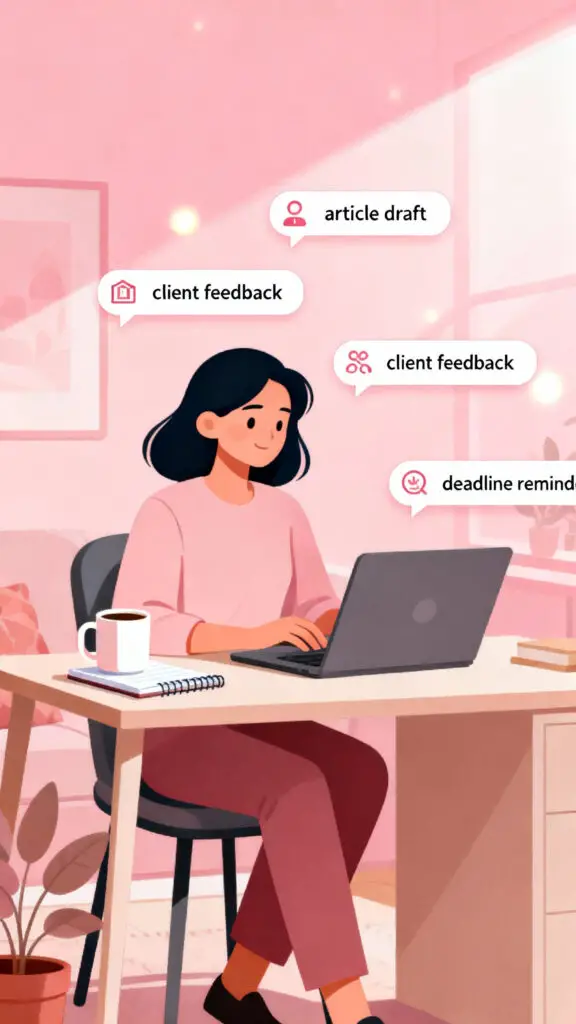
Illustration of a woman working as a freelance content writer from home on a pastel pink background.

Freelance content writing is suitable for women who enjoy writing and expressing ideas clearly. Many websites and businesses need blog posts, articles, and written content regularly. This business can be done from home with flexible working hours and minimal cost. As writing skills improve and experience grows, better-paying opportunities become available. 

4. Social Media Management

Social media management is a good home-based business for women who understand how social platforms work. Many small businesses need help posting content, replying to messages, and growing their online presence. This work can be done from home and does not require heavy investment. 

5. Online Clothing Store

An online clothing store allows women to sell clothes, scarves, or accessories from home using social media or websites. Products can be sourced locally or made at home depending on skills and budget. This business requires creativity, communication, and consistency and with honest pricing and good customer service, trust builds quickly and over time, regular customers help the business grow steadily without needing a physical shop.

6. Handmade Crafts Business

Illustration showing a woman running a handmade crafts business from home on a pastel pink background.

A handmade crafts business is ideal for women who enjoy creating items like candles, jewelry, or decorative pieces, as handmade products feel special and personal to buyers. This business can start small with basic materials and simple designs. With patience, quality work, and consistency, women can turn their hobby into a meaningful income source that grows gradually.

7. Virtual Assistant Services

Virtual assistant services involve helping businesses with tasks like emails, scheduling, and online organization while working from home. This work is suitable for women who are organized, comfortable using computers, and able to manage time well alongside household responsibilities. As experience grows and skills improve, women can offer more services and work with higher-paying clients.

8. Home-Based Daycare

A home-based daycare is a practical business idea for women who enjoy caring for children and want to earn while staying at home, especially since many parents prefer safe and friendly childcare options close to home. 

9. Online Coaching or Consulting

Online coaching or consulting allows women to share their knowledge, experience, and skills with others from home, whether it involves career guidance, personal growth, or skill-based support. Sessions can be scheduled flexibly, which helps women balance work with daily routines and family responsibilities. 

10. Beauty Services at Home

Beauty services at home are suitable for women who have skills in makeup, hairstyling, or skincare and want to turn those skills into income while working independently. Many clients prefer home-based beauty services because they feel more comfortable and relaxed in a familiar setting. With polite behavior and consistent results, clients return and recommend the service, allowing the business to grow steadily over time.

11. Graphic Design Services

Graphic design services are a good home-based business option for women who enjoy creativity and visual work, as many businesses need designs for logos, social media posts, and promotional materials. This work can be done entirely from home using design software and basic equipment, making it flexible and easy to manage alongside daily responsibilities. 

12. Online Reselling Business

An online reselling business allows women to earn from home by buying products at lower prices and selling them online for a profit through social media platforms or online marketplaces. Items such as clothes, accessories, or household goods are easy to resell and require minimal starting cost. With careful product selection, honest communication, and consistent posting, customers may begin to trust the seller. 

13. Blogging

Blogging is a home-based business that allows women to share their knowledge, experiences, or interests through written content while working on their own schedule. Income can come from advertisements, brand collaborations, or digital products, although blogging requires patience and regular effort to see results. Over time, blogging becomes a creative outlet that also provides financial opportunities and long-term growth from home.

14. YouTube Channel

Starting a YouTube channel is a creative business idea for women who enjoy making videos and sharing information, skills, or daily routines with others. Content can be based on personal interests, education, or lifestyle topics, making it flexible and enjoyable. As views and subscribers increase, income opportunities grow through ads and brand collaborations, allowing women to earn while working from home.

15. Online Course Creation

Online course creation allows women to share their skills or knowledge in a structured way while working from home, making it a flexible and long-term business option. Courses can be created once and sold many times, which helps generate income over time without daily effort. This business requires planning, clear explanations, and useful content that truly helps learners. As students benefit from the courses and leave positive feedback, trust builds naturally, allowing women to grow their income and confidence steadily.

16. Sewing and Alteration Services

Sewing and alteration services are suitable for women who have stitching skills and want to earn from home while working at their own pace. Many people prefer local tailors for small clothing fixes, which creates steady demand for this service. This business requires basic tools, careful work, and attention to detail. With consistent quality and timely delivery, customers return and recommend the service to others, helping the business grow gradually.

17. Digital Product Selling

Digital product selling includes items such as planners, templates, and printable designs that can be created and sold online from home. This business is ideal for women who enjoy creativity and want a low-cost startup option. Since products are digital, there is no need for physical delivery or storage. With consistent promotion and useful designs, sales increase over time, allowing women to build passive income and work flexibly.

18. Home-Based Catering

Home-based catering is a good business idea for women who enjoy cooking and want to serve homemade food to others. Small events and family gatherings often require reliable food services, which creates regular demand. This business requires good planning, cleanliness, and quality cooking which is why starting with small orders can help manage workload easily. With positive feedback and word of mouth, catering services grow steadily and attract more customers.

19. Online Store for Kids Products

An online store for kids products allows women to sell toys, clothes, or learning materials from home, which is convenient for both sellers and parents. Parents often prefer online shopping because it saves time and effort. This business requires careful product selection, honest descriptions, and clear communication. With quality products and reliable service, customers return regularly, helping the business grow into a stable home-based income source.

Conclusion

Starting a business from home gives women the opportunity to earn income while maintaining balance between personal responsibilities and professional growth, which makes home-based businesses both practical and empowering. These business ideas show that women can turn their skills, interests, and creativity into meaningful work without needing large investments or complicated setups. With patience, consistency, and the willingness to learn, even a small start can slowly grow into a reliable source of income. Working from home also allows women to build confidence, independence, and decision-making skills at their own pace. Over time, dedication and effort help create financial stability while allowing women to stay present for their families and personal goals. Choosing the right business and staying committed to it helps women build something valuable that supports both their lifestyle and future.


Money Saving Methods For Kids 

January 27, 2026 By Ana Rose

Learning money saving habits at a young age can help your kids develop healthy ways to manage money and build a strong mindset when it comes to money, allowing  this simple step to serve them in the long run as well. When children understand the value of money in their childhood, they tend to become more responsible and confident when it comes to finances. Saving money doesn’t have to be boring or difficult for kids, it can be through  practical and fun ways that make it easy for them to save, making the whole progress feel less of a task and more of something they can learn from. This article will help you explore some fun money saving methods for kids, allowing them to take control of their finances and learn a healthy money habit that will serve them in the years to come. 

Most Effective Money Saving Methods For Kids

Use a Piggy Bank

Illustration of a child using a piggy bank to learn simple money saving habits on a pastel pink background.

For one of the most easy and effective ways to save money for kids, consider using a piggy bank. Encourage your children to put coins and notes into the piggy bank, allowing them to experience the satisfying feeling of ownership. 

What’s even better than a piggy bank is a clear piggy bank which allows your children to see their progress, motivating them to save more instead of spending quickly. A clear piggy bank can serve as a visual reminder of their consistency and effort, allowing them to add to their savings instead of giving up midway the challenge. This saving method can also teach them patience, as your children learn to wait and collect money until they reach their goal. 

Set a Savings Goal

Setting a savings goal gives a clear purpose and meaning to your kid’s savings journey, which is exactly why it is important to have a savings goal. Whether it’s a toy, a new book, or something as simple as an outing, having a savings goal can make your kids more motivated to achieve the target and stick to the savings journey. 

Having a specific goal can help your kids realize that saving money is not only about keeping money, it can also be about planning for something meaningful. This healthy habit can also teach your children how to work steadily towards something and how consistent efforts can lead to meaningful results over time. 

Save Part of Allowance

Another considerable option for children to save money is to save a small portion of their allowance regularly. You can encourage them to set aside a portion of their allowance with consistency and see the money adding up over time. 

This simple yet thoughtful habit can allow your kids to learn responsibility and money management, allowing them to prioritize mindful saving over the temporary satisfaction of spending. This step may seem simple but it perfectly teaches your kids the power of consistency, allowing them to stay mindful of their financial habits in the future as well. 

Earn Money Through Chores

You can also encourage your kids to earn money through simple chores and allow them to understand the value of hard work. Whether it’s cleaning their room, watering plants, or helping with groceries, allow your kids to earn money through these simple tasks and help them learn that money is not just provided, it has to be earned. 

This simple habit can help them develop and understand the strong connection between hard work and reward, helping them build confidence and independence as well. 

Separate Saving and Spending Money

Another important lesson when it comes to helping your kids understand finances and save money effectively is to help them differentiate between saving money and spending money. This step can allow them to stay organized and divide their money into two categories. 

This simple money saving method helps kids learn balance, allowing them to spend guilt-free while still saving for their future. This money saving method also saves you from emotional spending, confusion, and careless spending, making it a considerable option for kids looking to save money. 

Avoid Impulse Buying

Kids often feel excited when they see toys, snacks, or games, and this excitement can make them want to buy things immediately without thinking, which is why learning to avoid impulse buying is an important money habit to develop early. Parents can gently guide children to pause before spending and ask themselves whether the item is something they truly need or just something they want for a short moment. 

Teaching kids to wait for a day or two before buying something helps them understand that not every desire needs to be acted on instantly. With time, children realize that many wants fade away, while their saved money stays and grows. 

Track Savings Visually

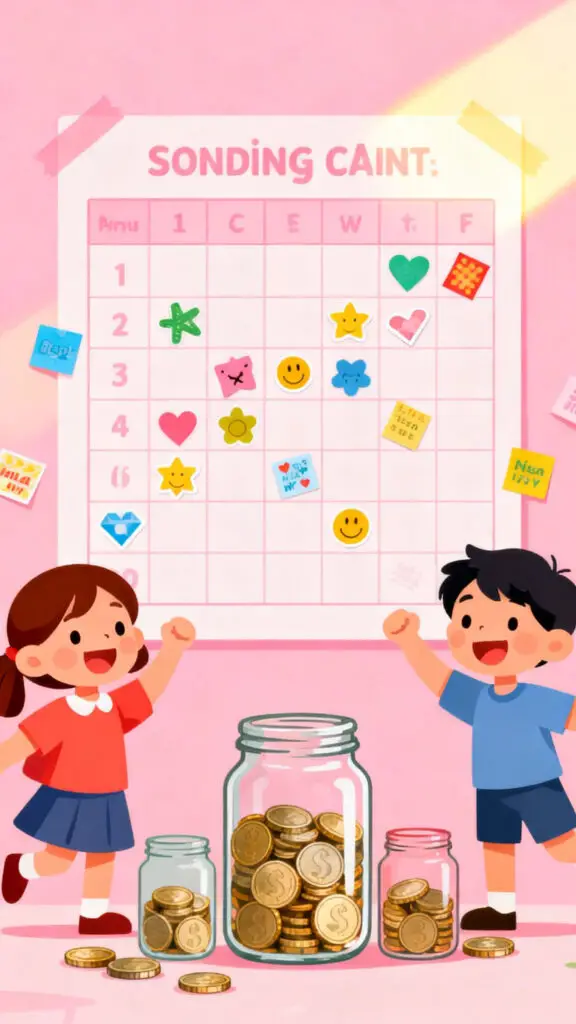
Illustration showing kids tracking their savings visually with charts and jars on a pastel pink background.

Tracking savings visually is a great way to make saving money exciting and easy for kids, especially because children understand things better when they can see them clearly. Using tools like savings charts, sticker boards, or even clear jars allows kids to watch their money grow over time, which makes the process feel rewarding instead of boring. 

Every time they save money, they can color a box, add a sticker, or notice the jar filling up, which gives them a sense of achievement. This visual progress helps children stay motivated and reminds them of their goals when they feel tempted to spend. 

Save Gift Money

Gift money that kids receive on birthdays, holidays, or other special occasions often feels exciting, which can make them want to spend it all at once, but this is also a perfect opportunity to teach the value of saving. Parents can encourage children to save at least a portion of their gift money and explain how it can help them reach bigger goals faster. 

Saving gift money teaches kids patience and helps them understand that money does not always need to be spent immediately to feel happy. Over time, kids begin to see how saving part of their gift money allows them to plan better and feel more in control of their choices. 

Learn Needs vs Wants

Understanding the difference between needs and wants is one of the most important money lessons for kids because it helps them make better choices as they grow. Needs are things that are necessary for daily life, such as food, clothes, and school supplies, while wants are items that are nice to have, like toys, treats, or games. 

When kids learn this difference, they become more mindful about where their money goes and feel less pressure to buy everything they like. Parents can explain this concept through simple examples and daily situations, allowing children to think before spending.

Compare Prices Before Buying

Teaching kids to compare prices before buying something helps them understand the value of money and develop smart shopping habits early on. Parents can show children how the same toy, book, or snack may cost different amounts at different stores, allowing them to see how choosing wisely can save money. 

This habit teaches kids patience and encourages them to think instead of rushing into purchases. When children learn to compare prices, they begin to understand that saving money does not mean missing out, but making better decisions. Over time, this skill helps kids become more careful with spending and more confident in managing their money. 

Use Money Games for Learning

Money games are a fun and effective way to teach kids about saving, spending, and planning without making it feel like a lesson. Board games, pretend shops, or simple money apps allow children to learn financial skills while playing, which keeps them engaged and interested. 

Through games, kids learn how choices affect their money and why saving can be helpful. Playing together also gives parents the chance to explain concepts in a relaxed and friendly way. Since kids learn best through experience, money games help them practice decision-making without fear of mistakes. 

Celebrate Saving Milestones

Celebrating saving milestones is important because it helps kids feel proud of their efforts and encourages them to continue saving. When children reach a goal or save a certain amount, parents can acknowledge their hard work with praise, small rewards, or special activities. 

This positive reinforcement helps kids connect saving with happiness and success instead of stress. Celebrations do not need to be expensive, as simple recognition can make a big difference. Over time, kids learn that patience and consistency lead to positive results, which strengthens their confidence. 

Conclusion 

Teaching kids money saving habits at an early age helps them develop responsibility, patience, and confidence that stays with them throughout life. When saving is introduced in a simple, fun, and supportive way, children feel encouraged instead of pressured. These methods help kids understand the value of money and how small choices can make a big difference over time. With guidance from parents and consistent practice, kids learn that saving is not about restriction but about planning and control. These lessons prepare them to handle money wisely in the future, allowing them to grow into adults who feel confident, balanced, and thoughtful about their financial decisions.

Every 2 Weeks Saving Plan

January 26, 2026 By Ana Rose

An every two weeks savings plan is a realistic and practical approach to save money without feeling pressurized or stressed. Instead of saving big amounts at once, a two weeks savings plan can help you save a small and manageable amount of money. By saving every two weeks, the process feels more manageable and realistic, especially when you have bills, daily expenses, and unexpected costs. This method works well for people who get paid bi-weekly or prefer a flexible routine that fits real life. You can start with any amount that feels comfortable and slowly increase it as your confidence grows. Over time, these small savings add up and help you develop better money habits. This article will help you explore the dynamics of a 2 weeks savings plan, allowing saving to become easier, more natural, and less overwhelming.

Every 2 Weeks Saving Plan

1. Start With an Amount You Can Afford

 When starting an every two weeks savings plan, it is important to choose an amount that feels comfortable and does not interfere with your daily expenses or create unnecessary stress in your routine. Even a small amount works well in the beginning, because saving $10, $20, or $30 every two weeks is still meaningful progress toward building a habit. 

The main goal is not to struggle or feel pressured, but to create a routine that feels manageable and realistic. When you save an amount you can truly afford, you are more likely to stay consistent and committed. As time passes and saving begins to feel normal, your confidence naturally grows, making it easier to slowly increase the amount without feeling overwhelmed.

2. Save on the Same Day Every Two Weeks

Choosing a fixed day for saving can make the entire process much easier and more organized, especially when that day matches your income schedule or payday. Saving on the same day every two weeks helps you set aside money before it gets spent on other things, which reduces the chances of skipping or delaying your savings. 

Over time, this routine becomes automatic, and saving starts to feel like a normal part of your financial life rather than a task you have to think about. Treating your savings like an important bill builds discipline and control, while consistency allows your money to grow quietly and steadily in the background.

3. Keep Your Savings Separate

Keeping your savings in a separate account is a simple but powerful step that helps protect your money from accidental spending and impulse purchases. When your savings and spending money are mixed together, it becomes much easier to dip into savings for small and unnecessary expenses without realizing it. 

A separate savings account creates a clear boundary, making it easier to track your progress and stay focused on your goal. Watching your savings balance grow over time builds motivation and confidence, and even small amounts begin to feel valuable and meaningful. 

4. Make Saving Automatic

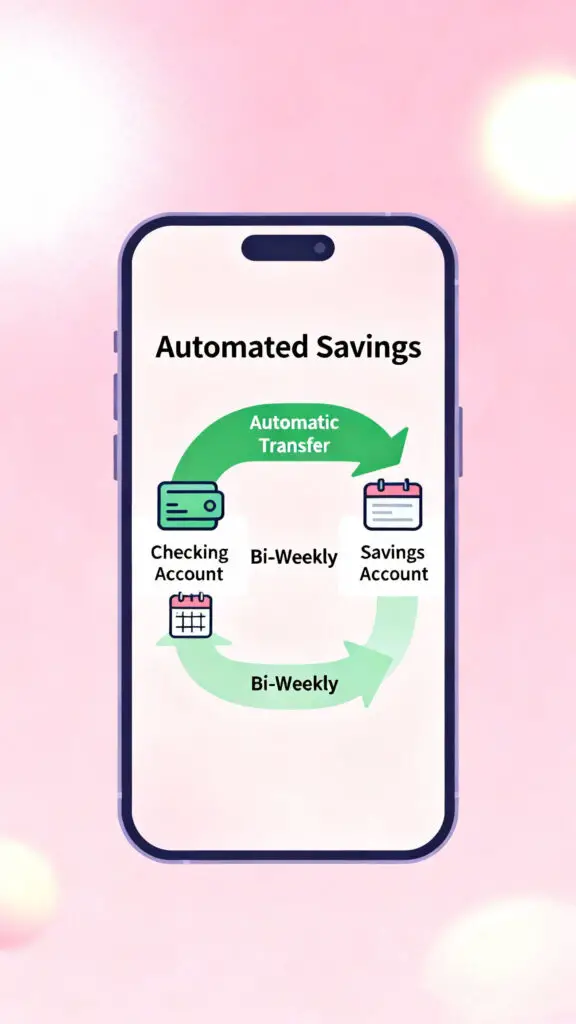
Illustration showing automatic savings transfers helping build a consistent two weeks saving habit on a pastel pink background.

Making your savings automatic can remove much of the effort and stress that often comes with saving money regularly, because it allows you to set aside money without having to remember or make a decision every two weeks. When an automatic transfer is set up, the money moves into your savings account on its own, reducing the temptation to skip saving or spend that money elsewhere. 

This method works especially well for busy schedules, since your savings continue to grow even when life gets hectic. Over time, automatic saving helps build consistency and discipline, turning saving into a natural habit that happens in the background without constant attention or effort.

5. Increase Your Savings Slowly

As you become more comfortable with saving every two weeks, you may reach a point where increasing your savings feels possible and less intimidating than it once did. Instead of making a large jump, increasing your savings slowly by a small amount allows you to adjust without putting pressure on your budget or daily expenses. 

Even a small increase makes a difference over time, and these gradual changes feel more sustainable and realistic. Growing your savings at a steady pace helps you stay motivated while ensuring that saving continues to feel manageable rather than stressful.

6. Plan Around Your Monthly Expenses

Planning your savings around your monthly expenses helps create balance and prevents financial strain, especially when bills, groceries, and other responsibilities already take up a large portion of your income. By understanding where your money goes each month, you can decide how much to save every two weeks without affecting your ability to meet essential needs. 

This approach makes saving feel safer and more controlled, while also reducing the risk of skipping deposits due to poor planning. When saving fits naturally into your budget, consistency becomes easier and stress becomes less common.

7. Use Extra Money to Boost Savings

Extra money can be a helpful way to strengthen your every two weeks savings plan without putting pressure on your regular income or budget. This extra money may come from bonuses, gifts, refunds, or small side earnings, and even saving a portion of it can make a noticeable difference over time. 

Using extra money for savings feels easier because it does not affect your daily expenses, while also helping your savings grow faster. This approach allows you to stay flexible, feel rewarded for unexpected income, and make steady progress toward your goals without feeling restricted.

8. Do Not Quit If You Miss One Deposit

Missing one savings deposit does not mean your plan has failed, because unexpected expenses and difficult weeks are a normal part of real life. What matters most is continuing with your savings plan instead of giving up completely due to one missed step. 

Saving is a long-term process, and progress is built through consistency over time rather than perfection. 

9. Track Your Savings Progress

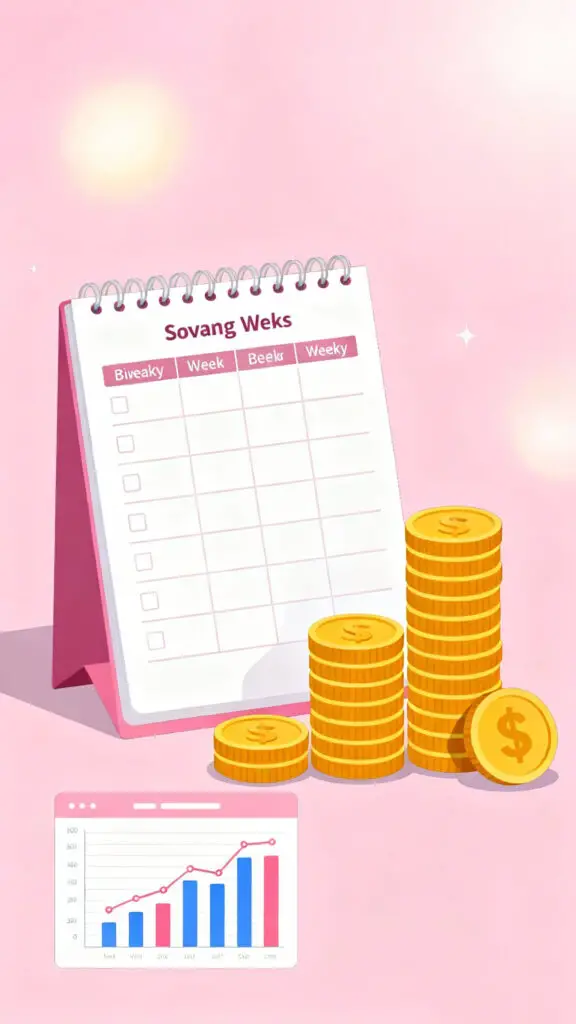
Illustration representing tracking savings progress and growing confidence through a bi-weekly savings routine on a pastel pink background.

Tracking your savings progress helps you stay motivated and aware of how far you have come, even when the amounts seem small at first. Writing down each deposit or checking your savings balance regularly allows you to see your efforts turning into real results. 

This awareness builds confidence and encourages consistency, making saving feel more rewarding and purposeful. When you can clearly see your progress, it becomes easier to stay focused on your goal and committed to your every two weeks savings plan.

10. Build an Emergency Fund First

An every two weeks savings plan is a great way to start building an emergency fund, which can protect you during unexpected situations like medical bills, repairs, or sudden expenses. Having even a small emergency fund can reduce stress and prevent you from relying on loans or credit during difficult times.

By focusing on this goal first, your savings begin to serve a clear purpose, which makes the habit feel more meaningful and motivating. Over time, this fund provides a sense of security and control, helping you feel more prepared and confident when life does not go as planned.

11. Stay Patient and Consistent

Saving money is a process that takes time, and it is normal if progress feels slow in the beginning. Staying patient helps you avoid frustration, while consistency ensures that your savings continue to grow steadily over time. Small deposits made every two weeks may not seem like much at first, but they add up quietly in the background. 

When you trust the process and remain committed, saving becomes easier and less stressful, allowing good financial habits to form naturally without pressure or burnout.

12. Turn Saving Into a Long-Term Habit

The true value of an every two weeks savings plan lies in the habit it helps you build rather than the amount you save in a short period of time. Once saving becomes part of your routine, it no longer feels forced or difficult. This long-term habit stays with you even after reaching one goal, helping you continue saving for future needs and plans. 

Over time, this mindset creates financial stability and confidence, making saving a natural part of your everyday life.

Conclusion

An every two weeks savings plan shows that saving money does not have to be stressful, confusing, or hard to follow when it is based on small and steady steps. By saving a manageable amount every two weeks, you build a routine that fits into real life without pressure. This method allows you to adjust when expenses change while still moving forward. Over time, these small savings turn into a helpful amount of money and build trust in your ability to manage your finances. The habit you create is often more important than the amount saved, because it teaches patience, control, and better money choices. As saving becomes part of your routine, you start to feel calmer and more prepared for future needs. With time, consistency, and a simple approach, this plan can bring long-term stability, confidence, and peace of mind in your daily life, helping you feel safe, secure, and proud of your progress.

52 Week Money Saving Challenge

January 25, 2026 By Ana Rose

The 52 week money saving challenge is a simple way to start saving without feeling stressed. You save a small amount of money every week instead of trying to save a lot at once, making the process feel easier and more realistic for everyday life. The challenge is great for beginners, students, families, and anyone who wants better control over their money. By the end of the year, you will not only have savings but also stronger habits. This article will help you explore the dynamics of the 52 week money saving challenge, allowing you to learn patience, discipline, and confidence with your finances.

52 Week Money Saving Challenge

1. Start Small Without Pressure

Starting small is the best part of the 52 week money saving challenge because it removes fear and pressure from saving money. When you begin with a small amount, your mind does not feel stressed or worried about losing too much money at once. This makes it easier to stay committed and not quit early. Small savings feel manageable even when expenses are high or income is limited. 

Over time, these small amounts add up and show you that saving does not have to be painful or difficult. Starting small helps you build confidence and trust in yourself while creating a healthy relationship with money.

2. Save a Little Every Week

Saving a little every week makes the challenge feel realistic and balanced with daily life expenses. Instead of waiting for a perfect time to save, you make saving a normal part of your routine. Weekly saving teaches consistency and helps you understand how small efforts grow over time. 

Even during weeks when money feels tight, saving a small amount keeps the habit strong. This approach also prevents guilt because you are not skipping savings entirely. By saving weekly, you slowly train your mind to prioritize future needs while still enjoying your present life.

3. Build a Consistent Saving Habit

The 52 week money saving challenge focuses more on habit building than the amount of money saved. When you save regularly, your brain starts to see saving as something normal and necessary. Consistency helps remove excuses and procrastination, which are common reasons people fail to save. 

Over time, this habit becomes automatic and does not require much effort or motivation. A strong saving habit stays with you even after the challenge ends, helping you make better financial choices in the future. This consistency gives you long-term control over your money and financial goals.

4. Make Saving Feel Easy

Saving feels easier when it is broken into small and simple steps, which is exactly how this challenge works. You do not feel forced to give up everything you enjoy, so there is less frustration and stress. Easy saving encourages patience and reduces the urge to quit halfway through the year. When saving feels natural instead of strict, you stay more committed and relaxed. 

This mindset shift helps you enjoy the journey instead of seeing saving as a punishment. Over time, easy saving builds confidence and proves that financial growth does not have to feel overwhelming.

5. Adjust the Challenge to Your Budget

One important part of the 52 week money saving challenge is flexibility, which allows you to adjust the amounts based on your budget. Everyone’s income and expenses are different, so saving should fit your lifestyle instead of hurting it. Adjusting the challenge helps you stay consistent without feeling guilty or stressed. 

You can increase savings during good weeks and reduce them during tough weeks without quitting. This flexibility teaches realistic money management and helps you understand that progress matters more than perfection when it comes to saving money.

6. Stay Motivated Week by Week

Weekly saving keeps motivation alive because progress feels visible and achievable. Each week feels like a small success, which encourages you to continue. Watching your savings grow slowly builds excitement and pride in your efforts. Motivation becomes stronger when you see results instead of waiting for one big outcome. 

Even when motivation feels low, the habit keeps you going. Staying motivated week by week helps you stay focused on your goal and reminds you that small actions, repeated consistently, lead to meaningful financial results over time.

7. Learn Better Money Control

This challenge helps you gain better control over your money by making you more aware of your spending habits. When you save weekly, you naturally begin to think before spending unnecessarily. You start making smarter decisions and avoiding wasteful purchases. 

Money control is not about restriction but about balance and awareness. Over time, you feel less anxious about money because you know where it is going. Learning money control through this challenge builds confidence and helps you feel more responsible and independent with your finances.

8. Reduce Unnecessary Spending

Saving regularly makes you more mindful of unnecessary spending habits. You begin to question small purchases that do not add real value to your life. This does not mean cutting out all fun, but it helps you choose wisely. Reducing unnecessary spending becomes easier when you have a clear saving goal. Over time, you learn to spend with intention instead of impulse. This awareness helps your savings grow faster while also teaching you the importance of prioritizing needs over wants in a balanced and healthy way.

9. Track Your Progress Clearly

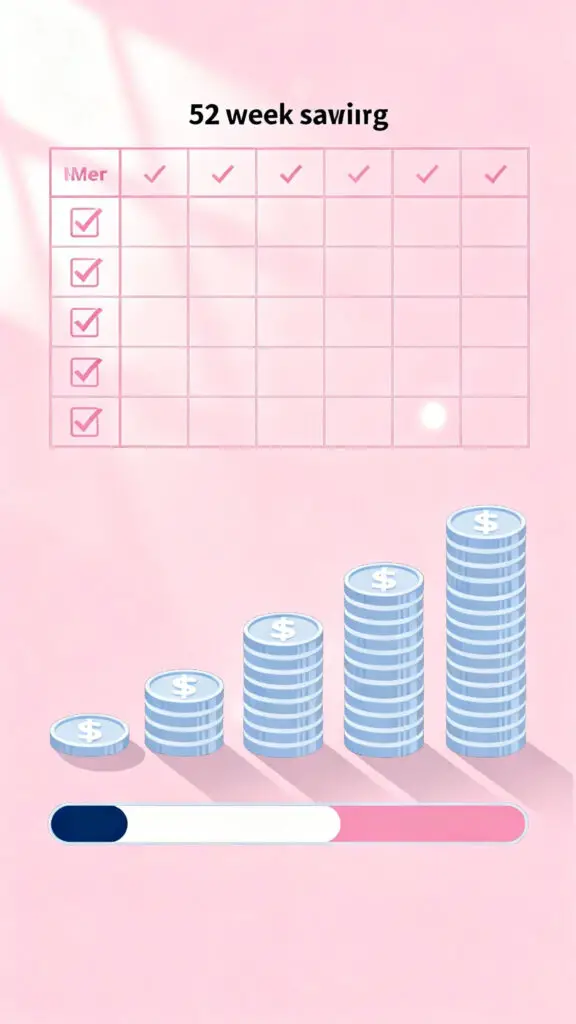
Illustration showing weekly savings progress tracking and growing money over time on a pastel pink background.

Tracking your savings progress plays a very important role in staying motivated throughout the 52 week money saving challenge because it allows you to clearly see how your efforts are paying off over time. When you regularly check how much you have saved, the process feels real and meaningful instead of confusing or uncertain. Keeping a clear record helps you stay organized and reduces the chances of missing weeks or losing track of your savings plan. 

Watching small weekly amounts slowly grow into a larger total builds confidence and encourages consistency. This visual progress makes you feel more connected to your goal and proud of the effort you are putting into saving.

10. Stay Patient Through the Process

Patience is one of the most valuable lessons you learn during the 52 week money saving challenge because saving money takes time and steady effort. Your savings will not grow quickly at first, and that is completely normal in any long-term financial journey. Some weeks may feel harder than others due to unexpected expenses or limited income, but staying patient helps you continue without giving up. 

This challenge teaches you to trust the process and focus on long-term benefits instead of quick results. Over time, patience reduces frustration and builds emotional strength, helping you handle money challenges with a calm and confident mindset.

11. Celebrate Small Saving Wins

Illustration representing celebrating small savings milestones and financial confidence on a pastel pink background.

Celebrating small saving wins helps keep the journey positive and enjoyable throughout the year. Every milestone, no matter how small, reminds you that your effort matters and that progress is being made. These celebrations do not need to involve spending money and can simply be moments of pride or personal rewards. 

Recognizing your progress keeps motivation high and prevents burnout during longer challenges. Small wins make the entire saving process feel lighter and more manageable instead of overwhelming. When you celebrate along the way, saving no longer feels like a burden but becomes a personal achievement you feel proud to continue.

12. End the Year Financially Strong

Completing the 52 week money saving challenge helps you end the year in a much stronger financial position than when you started. You finish with real savings, healthier money habits, and greater confidence in your ability to manage finances. The discipline and consistency you build throughout the challenge make future financial goals feel more achievable and less intimidating. 

Ending the year financially strong brings peace of mind and a sense of control over your money decisions. This challenge shows that regular small efforts can create meaningful change and help you move toward a more secure and confident financial future.

Conclusion

The 52 week money saving challenge is not about doing everything perfectly but about showing up every week and staying committed to your goal. When you save small amounts regularly, you slowly build patience, discipline, and better control over how you use your money. These small actions may not feel powerful at first, but over time they create strong habits that stay with you even after the challenge ends. Saving becomes a normal part of your routine instead of something that feels stressful or forced. With flexibility and consistency, you learn that progress matters more than the amount saved. A positive mindset helps you stay calm during hard weeks and proud during good ones. This challenge changes the way you think about money by teaching you that steady effort leads to real results. Over time, you feel more confident, prepared, and secure, knowing you can manage your money wisely and make better choices for your future.

26 Week Savings Challenge Low Income

January 24, 2026 By Ana Rose

The 26 week savings challenge for low income earners is a simple and realistic way to start saving money without feeling stressed, guilty, or overwhelmed by strict rules. Many people think saving is only possible when you earn a lot, but this challenge proves that small weekly savings can slowly grow into something meaningful over time. The idea is not to save perfectly every week, but to build a habit that fits real life, real bills, and real struggles. By saving small amounts and adjusting when needed, you learn patience and confidence while still taking care of your daily needs. This article will help you explore the dynamics of the 26 week savings challenge for low income earners, allowing you to make room for savings even when it seems difficult or even impossible. 

26 Week Savings Challenge Low Income

Start With a Very Small Amount

Illustration showing small weekly savings starting with a coin in a jar on a pastel pink background.

Starting with a very small amount is important because it makes saving feel realistic instead of stressful, especially when your income is low and most of your money is already planned for daily needs. When you choose a small amount, you are more likely to stay consistent because it does not feel like a sacrifice or punishment. 

Even saving a little each week helps you build the habit of putting money aside, which slowly changes how you think about spending. Over time, these small savings add up and give you confidence that saving is possible, even when money feels tight.

Increase the Amount Slowly

Increasing the amount slowly helps your budget adjust without causing pressure or frustration. Instead of jumping into large savings that feel impossible, adding small increases allows saving to feel natural and manageable. This gradual approach helps your spending habits change over time, making saving part of your routine instead of something you struggle with. 

If one increase feels too difficult, you can slow down or pause without guilt. Saving is not a race, and moving at a steady pace helps you stay committed for the long run without feeling overwhelmed.

Save Before You Spend

Saving before you spend means setting aside your savings as soon as you receive your money instead of waiting to see what is left at the end. This habit helps you treat saving as a priority rather than an afterthought. When savings come first, you naturally learn to manage the remaining money more carefully and avoid unnecessary spending. 

This method reduces impulse buying and helps you feel more in control of your finances. Over time, saving first builds discipline and makes it easier to stick to your financial goals, even on a low income.

Keep Savings Separate

Keeping your savings separate from your daily spending money makes it easier to protect and harder to spend without thinking. When savings are mixed with regular money, it becomes tempting to use them for small wants. Using a separate envelope, jar, or savings account helps create a clear boundary and reminds you that this money has a purpose.

Seeing your savings grow in one place can be motivating and encouraging, helping you stay focused, avoid impulse spending, and take your savings more seriously over time.

Be Flexible During Hard Weeks

Illustration representing flexible saving habits and patience during hard weeks on a pastel pink background.

Being flexible during hard weeks is necessary because low income life is not always predictable. Some weeks unexpected expenses come up, making it difficult to save the full amount. Allowing yourself to save less or skip a week helps reduce stress and guilt, which makes it easier to continue the challenge instead of quitting completely. 

Flexibility teaches you that saving is about long-term effort, not perfection. By adjusting when needed and continuing when possible, you build a healthier relationship with money and stay consistent over time.

Cut One Small Expense

Cutting one small expense is a smart way to save money without feeling like you are giving up everything at once, especially when your income is low and every choice matters. Instead of stopping all fun spending, you can choose just one small habit like buying extra snacks, ordering food often, or making impulse purchases and reduce it slowly. 

This small change does not feel stressful, but it helps free up money that can go into your savings. Over time, these small cuts add up and teach you how little changes in daily spending can make a big difference.

Track Your Savings Weekly

Tracking your savings weekly helps you stay aware of your progress and keeps you motivated to continue saving. When you write down how much you saved or check your total at the end of each week, it makes your effort feel real and meaningful. Even small amounts can feel encouraging when you see them grow over time. 

This habit also helps you stay connected to your goal and reminds you that consistency matters more than the amount. Tracking weekly builds confidence and helps you feel proud of yourself for staying committed to saving.

Use Extra Money Wisely

Using extra money wisely can really help your savings grow faster without putting any extra pressure on your normal budget or income because when you get extra cash like gifts, refunds, bonuses, or even small unexpected payments, it is very easy to spend it all quickly on things you want or feel like you need. 

However, if you take even a small portion of that money and put it into your savings, it slowly adds up and makes a noticeable difference over time. This habit teaches you to pause, think, and make better choices with unexpected money while building discipline, patience, and smarter spending skills that will help you in the future.

Avoid Comparing Yourself to Others

Avoiding comparing yourself to other people is really important because everyone’s money situation is different, and seeing someone else save more, earn more, or have fewer bills can make you feel discouraged, frustrated, or even jealous, even though your efforts are still meaningful and important. 

When you focus on your own progress instead of worrying about what others are doing, it becomes much easier to stay motivated, confident, and consistent with your own saving habits. By paying attention to your own goals, you can feel proud, positive, and encouraged instead of stressed or pressured.

Stay Patient With the Process

Staying patient with the saving process is very important because learning to save money takes time, especially when your income is low, expenses are high, or unexpected bills come up. Even though progress may feel slow, small amounts of money saved each week are still a step forward toward your goal. If you get frustrated, discouraged, or want to quit, it becomes harder to continue, but when you trust the process, understand that slow progress is normal, and keep saving a little bit every week, you gradually build a strong habit, improve your money skills, and create a sense of control and confidence, knowing that small, steady efforts always lead to success over time.

Celebrate Small Milestones

Celebrating small milestones is important because it helps you feel proud of the progress you are making. Even when the amounts you save are small, noticing your achievements gives you encouragement to keep going. When you reach a goal, like saving a certain amount in a week or hitting a target, it shows that your efforts matter. 

You do not need to spend money to celebrate, just recognizing your hard work can make you feel accomplished. Over time, these small celebrations make it easier to stay consistent and motivated and help turn saving into a habit you enjoy.

Remember Why You Started

Remembering why you started saving is very important because it keeps you focused when progress feels slow or life gets in the way. Thinking about your reason, whether it is for emergencies, future plans, or peace of mind, makes it easier to continue even when saving feels difficult. 

Your purpose reminds you that every small step matters and it also stops you from spending money unnecessarily. When you focus on why you started, you feel more determined to continue your savings journey. Over time, this focus helps you build a strong habit and it also gives you confidence that your efforts are meaningful and will pay off.

Conclusion

The 26 week savings challenge shows that saving is possible even on a low income. This challenge is less about saving perfectly or having a lot of money and more about taking small steps and building meaningful habits that grow over time. Starting small, increasing gradually, tracking progress, celebrating milestones, and remembering your purpose all make saving easier and more consistent. Over time, these small efforts add up and gradually, you begin to gain control over your money and feel more confident about your finances. By sticking to the process, your small weekly savings turn into meaningful results and this challenge starts to prove that patience and consistency matter more than anything else.

  • « Go to Previous Page
  • Go to page 1
  • Interim pages omitted …
  • Go to page 25
  • Go to page 26
  • Go to page 27
  • Go to page 28
  • Go to page 29
  • Interim pages omitted …
  • Go to page 170
  • Go to Next Page »

The Latest Blog Posts:

  • 14 Profitable Things To Sell On eBay June 20, 2026
  • Mason Jar Crafts To Make And Sell June 19, 2026
  • 12 Best Jobs for Retired Teachers  June 18, 2026

As Featured In:

Just Start Investing Press Strip 2020 B&W

Follow Us:

  • Facebook
  • Twitter
  • Pinterest

Copyright © 2026 · Just Start Investing LLC

  • Contact Us
  • Blog
  • Privacy Policy / Disclaimers