• Skip to primary navigation
  • Skip to main content

Just Start Investing

We Make Investing Easy

  • Investing
    • Learn About Investing:
    • Investment Accounts
    • Online Brokerage Accounts
    • Investment Vehicles
    • Start Investing:
    • How to Invest in Index Funds
    • Start Investing with Betterment
    • Start Investing with Charles Schwab
  • Banking
    • Best Bank Accounts
    • Types of Bank Accounts:
    • Checking Accounts
    • Savings Accounts
    • CDs and Money Market Accounts
    • Online Banks vs Brick-and-Mortar
  • Credit Cards
    • Best Credit Cards:
    • Best Cash Back Credit Cards
    • Best No Annual Fee Credit Cards of 2021
    • Best Premium Credit Cards of 2021
    • Credit Card Tool: Find the Best Credit Card for Me
    • Learn About Credit Cards:
    • Types of Credit Cards
  • Blog
    • Investing
      • What is Crypto?
        • Crypto
      • What are stocks?
        • Stocks
      • What is a Real Estate Investment?
        • Real Estate Investments
      • What is an IPO?
        • IPO
    • Banking
    • Credit Cards
    • Budget
    • Finances
  • Earn with Crypto
  • Budget
    • How to Build a Budget
    • 24 Tips to Save More Money
  • Resources
  • About
    • Contact
    • Press
    • Learn More
    • Disclaimers
  • Show Search
Hide Search

Blog

Budgeting For Beginners, All You Need To Know

January 23, 2026 By Ana Rose

Budgeting is simply a way to decide where your money will go instead of wondering where it all went at the end of every month. For beginners, budgeting is not only about following strict rules, removing all the fun from your life, or following complex spreadsheets that are too hard to understand, it is about understanding your spending and feeling more in control. A budget can help you manage daily expenses, handle unexpected costs, and slowly work toward your goals without feeling stressed all the time. When you start noticing how much you earn and how you spend, budgeting feels more of a guide and less of a burden. This article will help you explore a step by step budgeting guide for beginners, allowing you to manage your finances with effectiveness, even if you’re new to it.

Budgeting For Beginners, All You Need To Know

1. Understand How Much Money You Have

The first step in budgeting is knowing exactly how much money you bring in each month, because without this necessary step, it becomes very easy to overspend without realizing it. This can include your salary, side income, freelance work, or any regular money you receive.

It’s important to calculate your take home pay after all the taxes and deductions because that is the figure you’re going to work with. When you clearly understand your income, it becomes much easier to plan your spending, set limits, and avoid the stress that comes from guessing whether you can afford something or not.

2. Track Where Your Money Goes

Illustration showing expense tracking and money awareness for beginners on a pastel pink background.

Tracking your spending can help you see what is really happening with your money instead of relying on assumptions and guesswork. Write down every expense, even small ones like snacks or transport, because these small costs often add up faster than expected and may affect your budget more than you may realize. 

After tracking for a few weeks, you may notice patterns that surprise you, such as spending more on food or shopping than you realized. This awareness is not meant to make you feel guilty, but to help you make better decisions moving forward without feeling restricted and limited, making this step a necessary one.

3. Know the Difference Between Needs and Wants

Learning the difference between needs and wants is an important part of budgeting, especially for beginners. Needs or essential expenses include those things that are necessary for survival such as rent, housing, transportation, or grocery, and on the other hand, wants are those nice-to-have and non-essential expenses that bring along temporary satisfaction including takeouts, shopping for clothes you don’t really need, or subscriptions you barely use. 

This step does not mean you should completely cut out wants, it is more about being mindful and intentional when you spend your hard-earned money. The main catch of this step is to realize that when needs are covered first, you can enjoy wants without guilt and still stay in control of your finances.

4. Set Simple and Clear Money Goals

Setting simple and clear financial goals gives your budget a purpose and makes it easier to stay motivated. These goals do not need to be big or overwhelming, and they can start small, such as saving a little each month or avoiding unnecessary spending. 

When you know what you are working toward, it becomes easier to say no to things that do not truly matter. Goals can help turn budgeting into a positive habit rather than something that feels like punishment or pressure. Moreover, goals give your journey a purpose and meaning, making it easy for you to stay motivated and consistent to work towards your target, rather than dropping out midway the journey. 

5. Choose an Easy Budgeting Method

There are many budgeting methods available, but the best one is the one that feels simple and easy for you to follow. Some people like dividing money into categories, while others prefer using percentages or basic lists, however, you do not need complicated spreadsheets or apps to start budgeting properly. 

For some people, the 50/30/20 rule works the best, which is all about categorizing your expenses into needs, wants, and savings, and perfectly dividing them all with balance. Some may prefer the envelope method which includes creating different spending categories such as grocery, transportation, snacks, rent, and many more. The next step is to write the names of the categories on envelopes and assign cash to each category. Once you run out of cash for one spending category, that’s your hint to stop spending on it, helping you avoid emotional spending and overspending, allowing you to become more mindful of what you spend on. 

6. Divide Your Money into Categories

Dividing your money into categories can help you clearly see where your income is being used and prevents overspending without realizing it. Common categories can include rent, groceries, transportation, savings, personal spending, and entertainment, depending on your lifestyle. When you assign a specific amount to each category, you naturally become more mindful of your spending decisions. 

This step makes budgeting feel organized rather than confusing, because instead of guessing, you know exactly how much money is available for each purpose. Categories can also help you identify problem areas and adjust your spending without completely cutting things out.

7. Save a Little Before Spending

Saving before spending is one of the most helpful habits beginners can build, because it ensures that saving does not depend on leftover money at the end of the month. Even a small amount saved regularly can slowly grow into something meaningful over time, making this step a considerable option for beginners. 

This step teaches you to treat savings like an important expense rather than something that is more of an option. When you prioritize saving first, you feel more secure and confident about your finances and over time, this habit reduces stress and helps you work toward future goals without feeling overwhelmed or pressured.

8. Plan for Unexpected Expenses

Unexpected expenses are a normal part of life, and planning for them can help you avoid panic when they show up. Sudden expenses like medical bills, phone repairs, or emergency travel can easily disrupt your budget if you are unprepared. Setting aside even a small amount each month for emergencies can create a safety net that protects you from financial stress and allows you to stay confident even when the situation seems to be against you. 

This does not require a large amount at the beginning, but consistency matters more than size. Knowing you have money saved for emergencies gives peace of mind and prevents you from relying on loans or borrowing.

9. Use Simple Tools to Manage Your Budget

Using simple tools to manage your budget can make the entire process feel less stressful and more doable, especially if you are just starting out. Some people prefer using a notebook where they write down their income and expenses daily, while others feel more comfortable using a basic budgeting app or spreadsheet. 

The key is to choose a tool that feels easy to use and does not overwhelm you. When budgeting feels simple, you are more likely to stay consistent, helping you remain aware of your spending habits and make better financial decisions over time.

10. Check Your Budget Regularly

Checking your budget regularly can help you stay aware of how well your plan is working and allows you to make changes when needed. Life is unpredictable, and your expenses may change from time to time, which is why reviewing your budget weekly or monthly is important. 

This habit helps you catch small issues before they turn into bigger problems and instead of feeling discouraged, regular reviews help you feel in control and confident, making budgeting feel like a helpful routine rather than a strict obligation.

11. Leave Room for Fun Spending
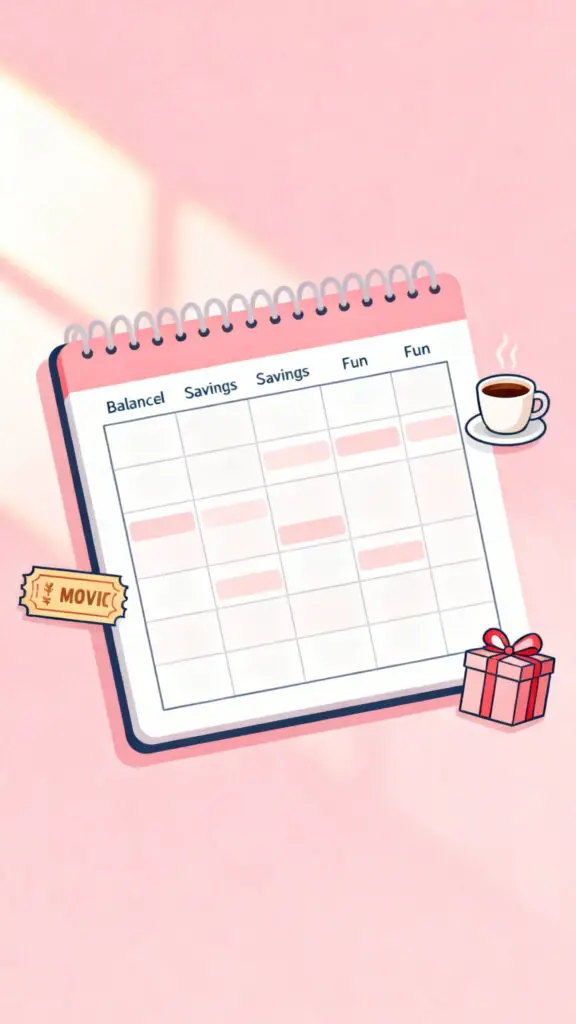
Illustration representing balanced budgeting with savings and fun spending on a pastel pink background.

Leaving room for fun spending is an important part of maintaining a healthy and realistic budget. When you completely remove enjoyment from your spending, it becomes harder to stick to your plan long term. Allowing yourself a small amount for entertainment, treats, or personal enjoyment helps you avoid feeling restricted. 

This balance prevents emotional spending and burnout, making budgeting feel more flexible and supportive. When fun is planned, you can enjoy it without guilt while still staying on track with your financial goals.

12. Learn and Improve from Mistakes

Mistakes are a natural part of learning how to budget, especially for beginners. Overspending one month or missing a savings goal does not mean you have failed, but rather shows you where adjustments are needed. Instead of feeling discouraged, take time to understand what went wrong and learn from it. 

Conclusion

Budgeting for beginners is not about strict rules, complicated systems, or removing happiness from your life, but about understanding your money and using it with intention. By tracking your income, managing expenses, planning for savings, and staying flexible, you can create a budget that fits your lifestyle. With time, budgeting becomes a habit that brings confidence and peace of mind. Small steps taken consistently can lead to better control, reduced stress, and a stronger financial future.


How to Get Rich in Your 20s

January 22, 2026 By Ana Rose

Getting rich in your 20s is less about luck and more about consistent efforts and healthy habits that slowly but eventually serve you. The choices you make now, how you earn, spend, save, and think about money, quietly shape your future without needing a perfect plan or a high salary. What matters most is starting with intention, learning from mistakes, and staying consistent even when progress feels slow. When you focus on growth instead of quick results, your 20s can become a strong financial foundation. This article will help you explore ways to get rich in your 20s, allowing you to build better habits, create smart opportunities, and move closer to financial freedom.

How to Get Rich in Your 20s

1. Learn How Money Works

Understanding how money works is the first meaningful step toward building wealth, because without clarity, even a good income can feel confusing and stressful. Learning how to budget, save, invest, and handle debt in simple, practical ways helps you make calm decisions instead of emotional ones. 

Many people struggle financially not because they earn too little, but because they never learned how to manage what already comes in. When you know where your money goes, you begin to feel in control rather than overwhelmed. Learning these basics early protects you from costly mistakes and reduces financial regret later in life.

2. Start Saving Early

Saving in your 20s builds discipline before responsibilities and expenses grow heavier. Even small amounts saved consistently train your mind to think ahead and value stability. Waiting for the “right time” or a higher income often leads to delays that cost years of progress. Early savings help you deal with unexpected situations without panic and reduce dependence on borrowing. 

Over time, saving becomes a natural habit rather than a forced task as you learn how to live within your means while still enjoying life, and that sense of security creates confidence and freedom that becomes more valuable as you grow older.

3. Invest as Soon as Possible

Investing early gives your money time to grow steadily, which is something no shortcut can replace. In your 20s, even modest investments can turn into meaningful amounts because time works quietly in the background. You do not need to understand everything or take big risks to begin, only the willingness to start and stay consistent. 

Investing teaches patience and helps you focus on long-term results rather than short-term wins. Starting early allows you to grow wealth gradually, with more flexibility and far less stress along the way.

4. Build High-Income Skills

Illustration showing skill-building and personal growth for increasing income on a pastel pink background.

Your ability to earn more money is closely tied to the skills you develop over time, because the more useful and adaptable you become in your 20s, the higher your long-term value naturally grows. Skills often grow faster than savings and can open doors to different careers and income opportunities without requiring you to start over each time. When you consistently invest time in learning, your confidence improves alongside your income potential, making progress feel steady rather than forced.

Instead of chasing quick money, building strong skills gives you stability and choices, and as your abilities improve, earning more begins to feel natural and sustainable without constant pressure or exhaustion.

5. Avoid Lifestyle Inflation

Lifestyle inflation slowly eats away at financial progress when spending rises every time income increases, often without you even realizing how much it is holding you back. While small upgrades may feel rewarding in the moment, they can quietly delay long-term goals by turning extra income into higher expenses instead of future security. 

In your 20s, keeping your lifestyle simple gives you a powerful advantage because it leaves space for saving and planning ahead. Enjoying life does not require constant upgrades or comparisons with others. Choosing intention over excess helps you stay balanced, so your money grows steadily instead of feeling tight or stressful.

6. Create Multiple Income Streams

Relying on one source of income can feel risky and limiting, especially in your early years when stability is still being built. Creating additional income streams adds a layer of security and allows wealth to grow at a faster, more comfortable pace. In your 20s, exploring side income helps you understand that money can come from different directions, not just a single job. 

Even small amounts earned alongside your main work can make a meaningful difference over time. As these streams develop, they offer flexibility and reduce financial pressure, helping you feel more confident and in control of your future.

7. Stay Away from Bad Debt

Bad debt can quietly slow your progress and keep you stuck longer than expected, especially when high interest turns small purchases into long-term stress. In your 20s, avoiding unnecessary debt helps you protect your income and keep your options open.

Borrowing for things that do not add lasting value often takes money away from future goals. When you learn to live within your means, you reduce pressure and gain more freedom to save and invest. Staying away from bad debt early allows your money to work for you instead of constantly working to pay off the past.

8. Track Your Spending

Tracking your spending helps you understand your habits and see where your money truly goes instead of guessing each month. In your 20s, this awareness is more powerful than strict rules because it allows you to make better choices naturally. Small daily expenses often add up without being noticed, slowly affecting progress. 

When you track your spending, you begin to spot patterns and make adjustments without feeling restricted. This habit brings clarity and control, helping you stay consistent and confident with your finances while avoiding surprises that can cause stress or setbacks.

9. Build an Emergency Fund

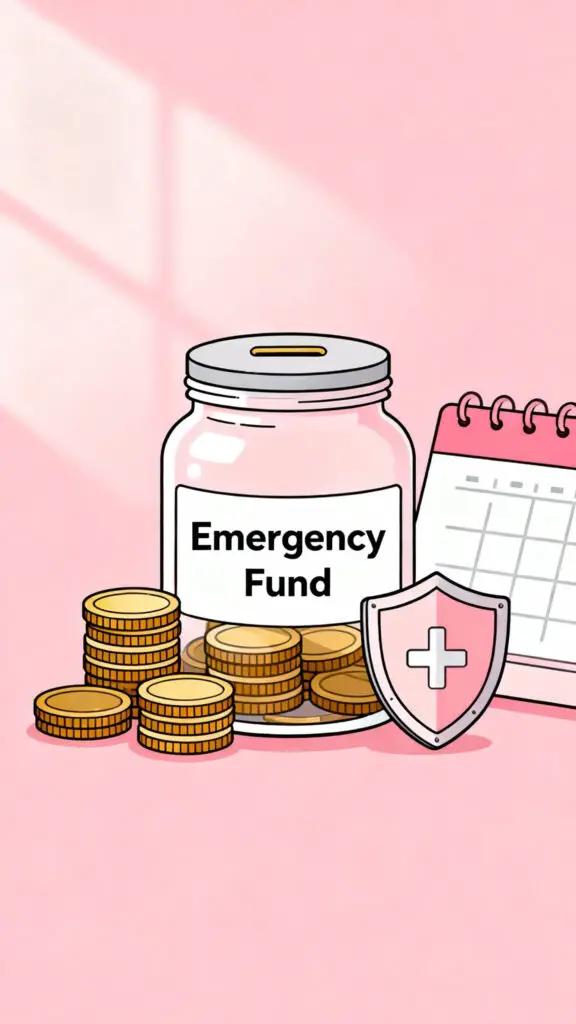
Illustration representing an emergency fund and financial security on a pastel pink background.

An emergency fund gives you protection when life becomes unpredictable, which is something everyone experiences sooner or later. In your 20s, having savings set aside for unexpected situations reduces panic and prevents the need for debt. Even a modest emergency fund can create peace of mind and financial stability. 

It allows you to handle challenges calmly without undoing months of progress. Knowing you have a safety net makes it easier to plan ahead and take thoughtful risks, because you are prepared rather than constantly worried about what might go wrong.

10. Surround Yourself with Growth-Minded People

The people you spend time with strongly influence your habits, mindset, and financial decisions, especially in your 20s. Being around individuals who value learning and responsibility encourages you to think long term instead of chasing quick results. A supportive environment makes it easier to stay disciplined and focused on your goals. 

When your circle talks about progress instead of excuses, motivation feels natural rather than forced. Surrounding yourself with growth-minded people helps you stay accountable and inspired, which plays a quiet but powerful role in shaping your financial future.

11. Be Patient and Consistent

Building wealth takes time, and in your 20s, patience is just as important as effort. Progress may feel slow at times, but consistency creates results that last. Small actions repeated regularly often matter more than dramatic moves made once. Comparing your journey to others can lead to frustration and rushed decisions. 

When you stay focused on steady improvement, confidence grows naturally. Being patient with the process allows you to avoid emotional choices and stay committed, knowing that long-term success is built through discipline and persistence rather than speed.

12. Invest in Yourself 

Investing in yourself is one of the most reliable ways to improve your financial future. In your 20s, focusing on learning, personal growth, and well-being increases your ability to earn and make smart decisions. Skills, confidence, and health support you through every stage of life. When you grow as a person, opportunities expand naturally. 

Money can be lost and regained, but the growth you build within yourself stays with you. Prioritizing self-investment helps you adapt, stay motivated, and create a strong foundation for long-term financial success.

Conclusion

Getting rich in your 20s is less about luck or finding shortcuts and more about the choices, habits, and mindset you build during these formative years, because the foundation you lay now will determine how smoothly your finances grow in the future. This is the time to learn how money works, understand saving and investing, and develop skills that increase your value in ways that last a lifetime. Avoiding unnecessary debt, staying patient through setbacks, and making intentional financial decisions all add up quietly but meaningfully over time. Even small and consistent steps like tracking expenses, starting an emergency fund, or exploring side income can grow into major advantages later. The key is not perfection but steady progress, learning from mistakes, and staying focused on long-term goals. By treating your 20s as a time to build, grow, and experiment wisely, you set yourself up for a financial life that is secure and independent.

50 Little Money Saving Methods You Need To Learn In 2026

January 21, 2026 By Ana Rose

Saving money becomes more meaningful when it feels gentle, realistic, and connected to everyday life rather than strict rules. Money saving methods can bring the possibility of improving your habits slowly, allowing space for learning without pressure. These methods are not meant to control your choices but to guide them with awareness. You can do what feels manageable now and build from there as your confidence grows. Over time, these small but thoughtful shifts can quietly improve how you handle money and how comfortable you feel making financial decisions. This article will help you explore 50 money saving methods, allowing you to feel a sense of control and purpose when it comes to the money you work so hard for. 

50 Little Money Saving Methods You Need To Learn In 2026

1. Track Every Expense for One Full Month

Illustration showing mindful expense tracking with a notebook and phone on a pastel pink background.

Tracking every expense for one full month allows you to understand where your money quietly goes on regular days, not just during big purchases. You can do this without judgment by simply observing patterns and habits, which builds awareness and makes future saving decisions feel easier.

2. Set a Weekly Spending Limit

Setting a weekly spending limit can help you stay connected to your money in smaller and manageable pieces instead of feeling overwhelmed by monthly totals. This can allow flexibility while still offering guidance, making it easier to adjust when life changes, making it a must try for those looking to save money.

3. Automate Savings on Payday

Automating savings on payday can help remove the pressure of deciding when to save because it happens before spending begins. s

4. Use a Separate Savings Account

Using a separate savings account can create a clear mental distinction between spending money and future-focused money. 

5. Follow the 24-Hour Spending Rule

You can also consider the possibility of following the 24-hour spending rule to give yourself breathing space before buying something unplanned. 

6. Unsubscribe from Unused Subscriptions

Another considerable option is using regular subscription reviews to catch services you no longer need or enjoy. These small charges often go unnoticed but add up quietly, and removing them can instantly free up money without changing your lifestyle, making it a must try for those trying to save money.

7. Review Bank Statements Regularly

Reviewing bank statements regularly helps you stay aware of your spending without obsessing over it. You can do this calmly, noticing trends and small leaks, which makes it easier to adjust habits gently rather than reacting when money already feels tight.

8. Pay Yourself First

Paying yourself first shifts your mindset from saving leftovers to valuing your future. Even small amounts saved early can build consistency and confidence, helping you feel intentional with money rather than constantly struggling with finances at the end of the month.

9. Use Cashback and Rewards Wisely

Using cashback and rewards wisely involves earning benefits only on purchases you already planned, rather than allowing discounts to influence spending decisions you would not have made otherwise.

10. Shop with a Grocery List

Shopping with a grocery list helps you stay focused and intentional, reducing the chances of impulse buying items that seem appealing in the moment but are unnecessary later.

11. Avoid Emotional Shopping

Avoiding emotional shopping begins with gently noticing how certain feelings influence your spending rather than trying to control yourself strictly.

12. Buy Generic or Store Brands

Buying generic or store brands can quietly reduce everyday expenses without changing how comfortable or satisfied you feel. 

13. Plan Meals in Advance

Planning meals in advance helps reduce last-minute food spending and mental fatigue, especially on busy days when decisions feel heavy. 

14. Cook More Meals at Home

Cooking more meals at home allows you to manage food costs at your own pace while still enjoying comfort and familiarity. 

15. Carry Snacks to Avoid Impulse Spending

Carrying snacks with you helps prevent hunger-driven spending when you are outside for long hours or unexpected delays. 

16. Schedule No-Spend Days

Another considerable option is using no-spend days as a gentle reset rather than a strict rule. 

17. Compare Prices Before Big Purchases

Comparing prices before big purchases can give you a sense of confidence, especially when spending larger amounts. 

18. Use Price-Tracking Tools

Another considerable option is using price-tracking tools to observe how prices change over time instead of buying immediately. 

19. Delay Unnecessary Upgrades

You can consider the possibility of waiting until replacement is truly needed, which often saves money quietly without reducing comfort.

20. Learn Basic DIY Repairs

Learning basic DIY repairs builds confidence in handling small household issues without rushing to replace items. 

21. Reduce Home Energy Usage

Reducing home energy usage through small daily habits can gradually lower bills without requiring major lifestyle changes. 

22. Cancel Free Trials Immediately

Canceling free trials immediately after signing up allows you to enjoy the service without worrying about forgetting later. 

23. Use Sinking Funds for Irregular Costs

You can consider the possibility of setting aside small amounts over time, which makes future payments feel lighter and easier to manage.

24. Set Clear Financial Goals

Setting clear financial goals gives meaning to your saving efforts and makes choices feel purposeful. 

25. Pay Bills on Time

Paying bills on time helps you avoid unnecessary fees while also reducing mental strain. 

26. Negotiate Bills and Service Rates

You can do this calmly and respectfully, and many providers are open to adjustments, making it a must try for those trying to save money without changing their lifestyle.

27. Buy Quality Items That Last

Buying quality items that last can reduce repeat purchases over time, especially for things used regularly. 

28. Avoid Lifestyle Inflation

Avoiding lifestyle inflation means choosing not to increase spending automatically as income grows. 

29. Build a Simple Emergency Fund

Illustration of building an emergency fund with savings and financial security on a pastel pink background.

Building a simple emergency fund provides breathing room when unexpected situations arise. 

30. Use Envelope or Digital Budgeting

Using envelope or digital budgeting helps make spending more visible without being controlled. 

31. Set Spending Alerts

Setting spending alerts can help you stay aware of your limits in real time, allowing you to pause and reflect before going too far.

32. Borrow Instead of Buying Occasionally

Borrowing items you need only temporarily can reduce unnecessary purchases and clutter. 

33. Sell Unused Household Items

Selling unused household items turns forgotten belongings into extra money while also creating physical and mental space. 

34. Limit Online Shopping Apps

Limiting online shopping apps reduces constant exposure to temptation, which can naturally make spending feel more intentional. 

35. Shop Seasonally for Discounts

Shopping seasonally can allow you to buy items when prices naturally drop due to lower demand. 

36. Use Public Transportation When Possible

Using public transportation when possible can reduce fuel and maintenance costs, especially for routine trips. 

37. Keep Credit Card Balances Low

Keeping credit card balances low can help spending feel manageable and reduces the pressure of growing interest, making it a considerable option. 

38. Review Insurance Plans Annually

Reviewing insurance plans annually ensures coverage still fits your life. This small check can prevent overpaying without sacrificing peace of mind.

39. Avoid Convenience and Service Fees

Avoiding convenience and service fees through simple planning helps money stay where it belongs. 

40. Use Student and Loyalty Discounts

Using student or loyalty discounts whenever available reduces costs without changing habits, making saving feel effortless.

41. Say No to Social Pressure Spending

Saying no to social pressure spending protects your finances while maintaining honesty. 

42. Schedule Monthly Money Check-Ins

Scheduling monthly money check-ins can keep you aware without constant tracking. 

43. Save Spare Change Digitally

Saving spare change digitally allows small amounts to grow quietly, making saving feel natural.

44. Pack Lunch for Work or Study

Packing lunch for work or study days reduces daily spending, making it a must try for those trying to save money.

45. Track Annual Expenses Ahead of Time

Tracking annual expenses ahead of time can help you prepare without surprise, making the journey smoother and easier. 

46. Identify Emotional Spending Triggers

Identifying emotional spending triggers can help you respond thoughtfully instead of automatically.

47. Read One Money Article Weekly

Reading one money article weekly can keep financial understanding growing without pressure or overload.

48. Try Short-Term Saving Challenges

Trying short-term saving challenges can add motivation while pushing you to save money, making it a considerable option for those looking to save money. 

49. Separate Wants from Needs

Separating wants from needs can help you with your priorities, allowing you to become more intentional with where your money goes. 

50. Celebrate Saving Milestones Mindfully

Celebrating saving milestones mindfully allows you to enjoy progress without undoing it, making it a must try for those looking to save money.

Conclusion

Saving money in 2026 does not require extreme discipline or constant sacrifice, but instead grows from thoughtful choices made consistently over time. When saving methods feel gentle and realistic, they become easier to maintain and less emotionally draining. These little methods create space for confidence and peace, helping money work quietly in the background while you focus on living a balanced and meaningful life.

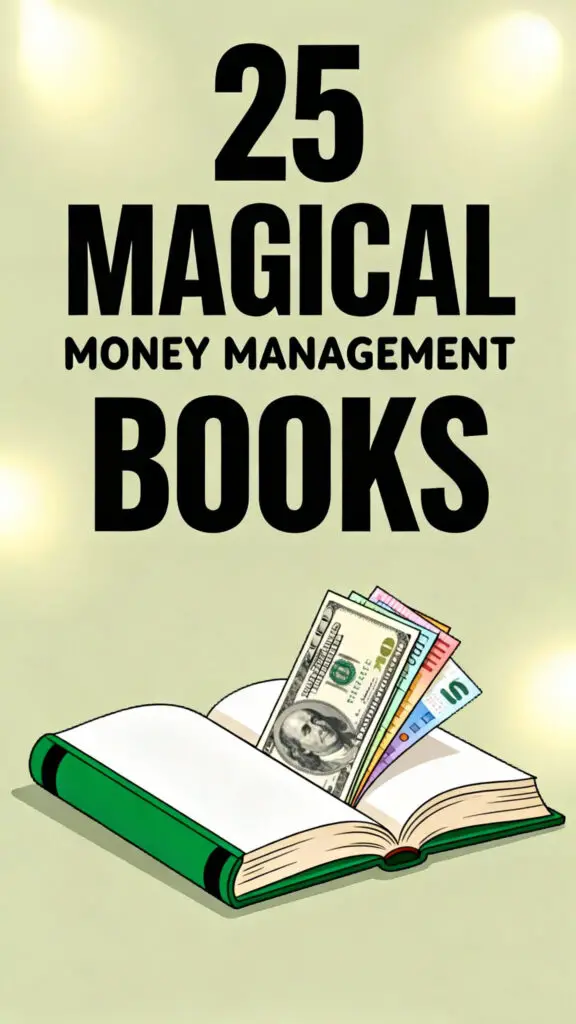
25 Magical Money Management Books

January 20, 2026 By Ana Rose

Managing money is not only about numbers, budgets, or figuring spreadsheets out, it is also about your mindset, lifestyle, and habits when it comes to your finances. The right book can shift how you see money, helping you replace confusion and fear with clarity and confidence. Money management books written by financial experts and those with experience can guide you through your financial journey, allowing you to avoid mistakes and take effective steps that will benefit you. This article will help you explore 25 money management books that can guide you towards a secure and stable financial future. 

25 Magical Money Management Books

1. The Psychology of Money by Morgan Housel

Illustration showing a person reflecting on money mindset and emotions while reading a finance book on a pastel pink background.

This classic read focuses on the emotional and behavioral aspects of finances rather than just numbers or complexities. The author in this book goes beyond the typical way people view money and focuses on the psychology behind it all. He focuses on how personal experiences, habits, patience, fear, and long-term planning can influence financial success, making it a must-read if you’re looking for something more thoughtful. 

2. Rich Dad Poor Dad by Robert Kiyosaki

Robert Kiyosaki in his book compares the two father figures in his life, his biological dad, also known as the ‘poor dad’, and his best friend’s father, whom he referred to as his ‘rich dad’. His biological dad was highly educated and valued job security, on the other hand, his best friend’s father emphasized more on building assets, building financial knowledge, and entrepreneurship. Through these contrasting perspectives, the author encourages his readers to rethink financial beliefs about money and adopt a mindset focused mainly on financial independence, security, and freedom. 

3. Your Money or Your Life by Vicki Robin & Joe Domínguez

Another considerable option is “Your Money or Your Life” written by Vicki Robin and Joe Dominguez, a powerful read that connects money management and finances with life purpose and personal values. The main catch of the book is to analyze how much of the energy and time is spent on earning and whether that exchange aligns with what matters the most. This meaningful book promotes mindful spending and intentional money habits that lead to peace and mental satisfaction, making it a must-read. 

4. The Millionaire Next Door by Thomas J. Stanley & William D. Danko

Based on extensive research, this book proves that most millionaires often have simple lifestyles rather than fancy or luxurious ones. This book simply highlights powerful habits that promote wealth such as living below your means, avoiding debt, or planning long-term. Although these habits may seem simple, they’re more effective than we may ever realize.

5. I Will Teach You to Be Rich by Ramit Sethi

For young adults looking for something that offers guidance and a practical approach when it comes to managing money, consider giving “I Will Teach You to be Rich” by Ramit Sethi a read. Through step-by-step guidance on banking, credit cards, investing, negotiation, and other financial concepts, the author introduces his young readers to the dynamics of the financial world.

6. Think and Grow Rich by Napoleon Hill

Published in 1937, this book explores the connection between mindset, belief, and success, making it a relevant one, even in today’s world. The author in his book focused on financially successful people and studied their habits and behavior. The main point of this book was that financial success begins with your mindset and habits, focusing on discipline more than anything. 

7. The Total Money Makeover by Dave Ramsey

For a structured and organized plan to take control of your finances through baby steps that are easy to follow, consider reading “The Total Money Makeover” by Dave Ramsay. This book focuses on different financial concepts such as budgeting, emergency fund, debt repayments, avoiding debts, and investing, guiding its readers towards financial stability. 

8. The Richest Man in Babylon by George S. Clason 

For an iconic read written as a collection of parables set in ancient Babylon, consider “The Richest Man in Babylon” that teaches timeless money lessons in simple and understandable terms. It covers the basic principles like paying yourself first, staying within your budget, avoiding debt, and investing with logic and reasoning.

Although the book was written in 1926, what makes it a classic read is that it focuses on human behavior rather than financial trends, making it relevant even in today’s world. 

9. Smart Women Finish Rich by David Bach

For a book that empowers women to take control of their finances by saving, investing, or budgeting, consider giving “Smart Women Finish Rich” by David Bach a read. This book focuses on empowering women by allowing them to control their finances and become independent rather than relying on someone. It also addresses the unique challenges faced by women when they step into the world of finances. 

10. The Simple Path to Wealth by JL Collins

Illustration of a simple investing journey with a person following a clear path toward financial growth on a pastel pink background.

For those looking to learn investing in a conversational tone, consider “The Simple Path to Wealth” in which the author simplifies investing and wealth-building, making it easy for beginners to understand. This book explains the power of low cost index funds, long-term investments, and avoiding unnecessary complexities to your financial life, keeping it as simple as you can. 

11. Secrets of the Millionaire Mind by T. Harv Eker

Another considerable option is “Secrets of the Millionaire Mind” which focuses on how deeply rooted beliefs about money can shape financial outcomes and explains how changing your mindset can help you build healthier and more successful money habits over time, making it a must-read for many.

12. Money: Master the Game by Tony Robbins

In this book, Tony Robbins breaks down complex financial ideas by learning from top investors and turning their strategies into practical guidance for long-term financial security.

13. The Barefoot Investor by Scott Pape

For a simple and realistic approach to managing money, consider “The Barefoot Investor” by Scott Pape which focuses on budgeting, saving, and debt reduction in a way that feels practical and stress-free.

14. The Automatic Millionaire by David Bach

The author in this book emphasizes on how small and consistent actions like automated savings and investments can quietly build wealth over time without relying on constant effort or strict budgeting.

15. Happy Money by Ken Honda

This book explores the emotional relationship people have with money and encourages a more peaceful and positive approach to earning and spending, offering an optimistic aspect when it comes to finances.

16. You Are a Badass at Making Money by Jen Sincero

This motivating read focuses on building confidence and breaking mental barriers around money while encouraging readers to believe they are capable of financial success.

17. Broke Millennial by Erin Lowry

Written for young adults, Erin Lowry in her book explains budgeting, debt, and saving in a relatable way that feels supportive rather than overwhelming or judgmental, making it a must-read for teens or beginners stepping into the financial world.

18. Get Good with Money by Tiffany Aliche

This book provides a clear step-by-step plan to help readers build strong financial habits around saving, budgeting, and protecting their financial future, making it one of the top money management books.

19. The Intelligent Investor by Benjamin Graham

This classic investing book by Benjamin Graham focuses on patience, discipline, and long-term thinking while teaching readers how to invest wisely and manage risk.

20. Die With Zero by Bill Perkins

This book challenges traditional saving advice by encouraging people to balance financial responsibility with meaningful life experiences at every stage of life.

21. The Financial Diet by Chelsea Fagan

This book by Chelsea Fagan looks at money through everyday lifestyle choices and helps readers build healthier spending habits that align with their personal values.

22. Atomic Habits by James Clear

Although not strictly a money book, it shows how small daily habits can lead to powerful long-term financial improvements through consistency, making it a must-read.

23. The One-Page Financial Plan by Carl Richards

This book simplifies financial planning by showing how clarity and life goals matter more than complicated charts or strategies.

24. Set for Life by Scott Trench

The author focuses on achieving financial independence early by saving aggressively, increasing income, and making intentional lifestyle choices.

25. Mind Over Money by Brad Klontz & Ted Klontz

This book explores how emotions and past experiences influence money behavior and helps readers develop a healthier relationship with finances.

Conclusion

Managing money is a lifelong journey that goes beyond earning, saving, or investing, as it is deeply connected to our mindset, habits, and the choices we make every day. The books shared in this article offer guidance from different perspectives, helping you understand money not just as a tool, but as something that can support a stable and fulfilling life. Whether you are looking to improve your financial habits, build long-term security, or simply feel more confident about your financial decisions, these money management books can offer valuable lessons and practical insight. By learning from experienced authors and applying their ideas at your own pace, you can take meaningful steps toward a more secure, balanced, and financially confident future.

45 Best Ideas About Making Money For Teens

January 19, 2026 By Ana Rose

Making money as a teen does not mean giving up school, fun, or free time, it simply means learning how to use your time, skills, and energy in a smart way. Earning your own money can boost your confidence, teaches you responsibility, and helps you understand the value of hard work at an early age. Today, there are many easy and safe ways for teens to make money, both online and offline, without needing much experience or investment. This article will help you explore 45 money making ideas for teens that are simple, flexible, and suitable for busy school schedules, allowing teens to earn while still enjoying their teenage years.

45 Best ideas about making money for teens

1. Babysitting

Illustration of a teen babysitting a child in a safe home setting on a pastel pink background.

Babysitting is a great option for teens who are patient and caring, because parents often need someone reliable to watch their children for a few hours. This work helps teens learn responsibility, communication, and time management while earning steady money close to their home.

2. Dog Walking

Dog walking can be a really good option for teens who enjoy spending time outdoors and like staying active without feeling stuck in one place. Many pet owners have busy schedules because of work or family responsibilities, and they often worry that their dogs are not getting enough exercise during the day, which is where a teen dog walker can truly help.

3. Pet Sitting

Pet sitting is a calm and comfortable way for teens to earn money, especially for those who genuinely enjoy being around animals and caring for them. When families travel, work long hours, or stay out for the day, they need someone dependable who can feed their pets, play with them, and make sure they feel safe and cared for. 

4. Lawn Mowing

Lawn mowing may require physical effort, but it is one of those jobs where teens can earn a good amount of money in a short period of time. Many homeowners prefer hiring local teens rather than paying for expensive professional services, especially for regular lawn care. 

5. Yard Cleanup Services

Yard cleanup services include tasks like raking leaves, pulling out weeds, or clearing outdoor spaces that many people do not have the time or energy to handle themselves. For teens, this kind of work does not require special skills or experience, only effort and a willingness to help. 

6. House Cleaning Help

Helping with light house cleaning is something many teens can do naturally, especially tasks like organizing rooms, dusting furniture, folding laundry, or washing dishes for busy families. 

7. Car Washing Service

Car washing is very easy to start and does not need complicated planning or expensive supplies, which makes it perfect for teens. Many people like having a clean car but struggle to find the time or energy to wash it themselves, especially on busy weekdays.

8. Tutoring Younger Students

Tutoring younger students allows teens to use the subjects they already understand well to help someone else learn with confidence. 

9. Online Homework Help

Online homework help gives teens the chance to assist students without leaving home, making it a very flexible and comfortable option. Teens can explain lessons, guide students through assignments, or help solve practice questions using simple online tools. 

10. Selling Handmade Crafts

Illustration showing a teen selling handmade crafts with creative tools on a pastel pink background.

Selling handmade crafts allows teens to turn creativity into something meaningful and profitable without needing large investments. Teens can create items like bracelets, cards, keychains, candles, or small decorations and sell them online or within their community.

11. Selling Art or Drawings

Selling art or drawings can be a gentle and meaningful way for teens to earn money while doing something they already enjoy. Teens who like sketching, painting, or digital drawing can create artwork for friends, family members, or online buyers who want custom pieces. 

12. Custom Phone Case Designs

Creating custom phone case designs allows teens to mix creativity with popular trends in a fun and relaxed way. Teens can design cases using drawings, patterns, quotes, or colors that match different styles and moods. Since many people enjoy personalizing their phones, this idea can attract interest easily.

13. Social Media Management for Small Businesses

Helping small businesses with social media can be a great option for teens who already understand how online platforms work. Many small shop owners or local businesses want to stay active online but do not have the time to post regularly or reply to messages. Teens can help by creating simple posts, sharing updates, and keeping pages active in a friendly way. 

14. Content Writing or Blogging

Content writing or blogging allows teens to express their thoughts and ideas while slowly building useful skills. Teens can write blog posts, short articles, or website content on topics they enjoy or understand well.

15. Graphic Design for Simple Project

Graphic design for simple projects can help teens earn while learning creative and technical skills at the same time. Teens can create flyers, posters, social media graphics, or simple logos using free and easy tools. 

16. Video Editing for Creators

Video editing is a useful skill that many content creators need help with, especially those who do not enjoy editing themselves. Teens who like working with videos can help by trimming clips, adding captions, or organizing footage in a clean way. 

17. YouTube Channel

Starting a YouTube channel gives teens a space to share their hobbies, skills, or everyday experiences in a creative way. Teens can talk about things they enjoy, teach something simple, or show daily routines without pressure to be perfect. 

18. TikTok Content Creation

TikTok content creation allows teens to express themselves through short, fun videos that reflect their personality and interests. Teens can create content around skills, humor, daily life, or trends while learning how creativity and consistency work together. 

19. Selling Digital Printables

Selling digital printables is a smart way for teens to earn because the product only needs to be created once. Teens can design simple planners, study sheets, checklists, or calendars and sell them online. 

20. Online Surveys (Teen-Friendly Platforms)

Online surveys offer an easy and low-effort way for teens to earn small amounts of money during free time. Teens can share opinions on apps, products, or services while relaxing at home. Although surveys do not pay much, they help teens understand how online earning works and how small efforts can add up. 

21. Selling Old Clothes Online

Selling old clothes online is a simple way teens can make money while clearing out items they no longer wear. Many teens have clothes that are still in good condition but no longer fit their style or size, and selling them gives those items a second life. 

22. Thrift Flipping

Teens can visit thrift stores, look for items that are unique or in good condition, and then resell them online or locally for a higher price.

23. Reselling Sneakers or Collectibles

Reselling sneakers or collectibles can work well for teens who enjoy following trends and popular items. Some sneakers, cards, or collectibles increase in value over time, and teens can buy them carefully and resell them when demand is higher. 

24. Photography for Events

Photography for small events is a gentle way teens can earn money while improving a creative skill. Teens can start by taking photos at birthdays, family gatherings, or small community events where expectations are simple. 

25. Stock Photography

Teens can upload pictures of nature, everyday objects, or simple lifestyle scenes to stock platforms. Over time, these photos can be downloaded multiple times, which means one photo can earn again and again. 

26. Voice-Over Work

Voice-over work can be a comfortable option for teens who have clear speech and enjoy reading or speaking. Teens can record short audio clips for videos, ads, or simple projects from home. 

27. Podcast Editing Assistance

Podcast editing assistance is a quiet and focused way teens can earn money while learning technical skills. Many podcasters need help trimming audio, adjusting sound, or organizing episodes but do not want to handle it themselves. 

28. Game Streaming

Teens can also stream gameplay, talk with viewers, and share tips or experiences in a relaxed way.

29. Selling Game Accounts or Items

Selling game accounts or items can also be a considerable option for teens who spend time building skills in online games. 

30. App Testing

Teens can test apps, explore features, and share honest feedback about what works and what feels confusing.

31. Website Testing

By navigating websites and pointing out what is easy or confusing, teens can help businesses improve their sites while learning attention to detail and earning in a relaxed, manageable way.

32. Data Entry Tasks

Typing and organizing information might seem small, but doing it carefully can help teens develop responsibility and earn money steadily from home.

33. Virtual Assistant for Small Tasks

Helping with small online tasks like scheduling, organizing, or responding to messages can give teens a sense of responsibility and a way to earn while learning organization skills.

34. Teaching a Skill Online

Whether it is drawing, studying, or a hobby, teens can teach beginners in a friendly way that builds confidence, reinforces their own knowledge, and slowly creates income.

35. Music Lessons for Beginners

Teens who play an instrument can offer lessons to beginners, helping others learn while gaining patience, teaching experience, and a gentle source of income.

36. Baking and Selling Treats

Baking cookies, cupcakes, or brownies and selling them to friends, neighbors, or at small events lets teens use creativity while making people happy and earning money.

37. Snack or Candy Reselling

Buying snacks in bulk and reselling them at school or community gatherings can teach teens about small business skills, pricing, and profit, while giving quick and simple earnings.

38. School Supply Reselling

Selling notebooks, pens, or other school supplies during busy times helps teens understand timing, planning, and demand, turning a simple idea into useful income.

39. Event Setup Assistance

Helping set up chairs, tables, or decorations at small events allows teens to stay active, learn teamwork, and gain money while feeling useful in the community.

40. Party Decoration Services

Teens who enjoy organizing and decorating can offer party setups with balloons, banners, and themes, creating fun experiences for others while slowly building regular income.

41. Freelance Translation (If Bilingual)

Teens who know more than one language can help translate simple text for people who need clear understanding, turning language skills into a useful and respectful way to earn.

42. Online Reselling Store

Running a small online reselling store allows teens to sell different items at their own pace while learning patience and how small businesses slowly grow.

43. Print-on-Demand Products

Print-on-demand lets teens create designs for items like shirts or mugs without handling inventory, making it an easy way to earn while focusing only on creativity.

44. Seasonal Holiday Jobs

Seasonal holiday jobs give teens short-term work during busy times, helping them earn money and understand how real workplaces function.

45. Community Errand Services 

Helping neighbors with simple errands builds trust and steady local income while allowing teens to feel useful and connected to their community.

Conclusion

Making money as a teen is not only about earning an income, it’s about giving yourself room to grow and boosting your confidence. Every small job can teach responsibility and useful skills while showing that effort creates real value. By trying different ideas, teens can discover what they enjoy and slowly build independence, all while still having time for school, hobbies, and fun.

  • « Go to Previous Page
  • Go to page 1
  • Interim pages omitted …
  • Go to page 26
  • Go to page 27
  • Go to page 28
  • Go to page 29
  • Go to page 30
  • Interim pages omitted …
  • Go to page 170
  • Go to Next Page »

The Latest Blog Posts:

  • 14 Profitable Things To Sell On eBay June 20, 2026
  • Mason Jar Crafts To Make And Sell June 19, 2026
  • 12 Best Jobs for Retired Teachers  June 18, 2026

As Featured In:

Just Start Investing Press Strip 2020 B&W

Follow Us:

  • Facebook
  • Twitter
  • Pinterest

Copyright © 2026 · Just Start Investing LLC

  • Contact Us
  • Blog
  • Privacy Policy / Disclaimers