• Skip to primary navigation
  • Skip to main content

Just Start Investing

We Make Investing Easy

  • Investing
    • Learn About Investing:
    • Investment Accounts
    • Online Brokerage Accounts
    • Investment Vehicles
    • Start Investing:
    • How to Invest in Index Funds
    • Start Investing with Betterment
    • Start Investing with Charles Schwab
  • Banking
    • Best Bank Accounts
    • Types of Bank Accounts:
    • Checking Accounts
    • Savings Accounts
    • CDs and Money Market Accounts
    • Online Banks vs Brick-and-Mortar
  • Credit Cards
    • Best Credit Cards:
    • Best Cash Back Credit Cards
    • Best No Annual Fee Credit Cards of 2021
    • Best Premium Credit Cards of 2021
    • Credit Card Tool: Find the Best Credit Card for Me
    • Learn About Credit Cards:
    • Types of Credit Cards
  • Blog
    • Investing
      • What is Crypto?
        • Crypto
      • What are stocks?
        • Stocks
      • What is a Real Estate Investment?
        • Real Estate Investments
      • What is an IPO?
        • IPO
    • Banking
    • Credit Cards
    • Budget
    • Finances
  • Earn with Crypto
  • Budget
    • How to Build a Budget
    • 24 Tips to Save More Money
  • Resources
  • About
    • Contact
    • Press
    • Learn More
    • Disclaimers
  • Show Search
Hide Search

Blog

The 3 Budget Categories Are All You Really Need

October 30, 2025 By Ana Rose

When it comes to managing money, budgeting can feel like an overwhelming task with unlimited spending categories, defining their importance, and endless numbers to track. But what if there was a way to make budgeting less complicated and more manageable? The truth is you don’t have to overcomplicate budgeting by creating 50 different spending categories to take control of your finances, you just need 3 simple categories, needs, wants, and savings, to give every dollar a meaning and purpose to serve. This article will help you explore these three simple budget categories in detail, allowing you to a build a simple yet powerful financial plan that works the best for you. 

The 3 Budget Categories Are All You Really Need

The Simplicity of the 3-Category Budget
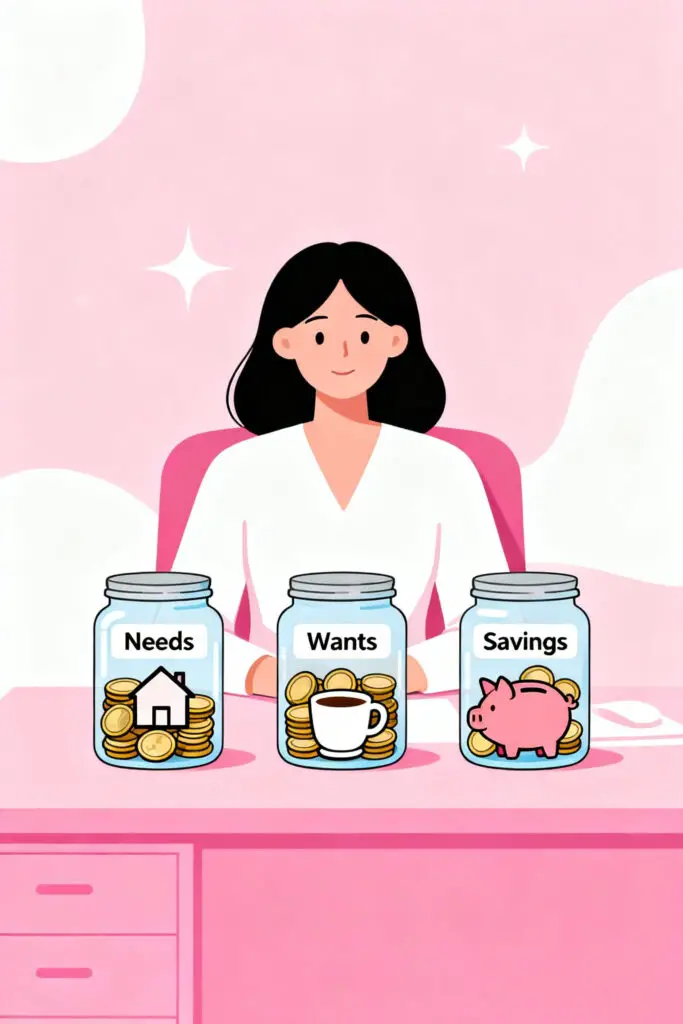
Illustration of a woman organizing three budget jars labeled needs, wants, and savings on a pastel pink background, symbolizing simple budgeting and money organization.

Budgeting doesn’t have to feel like an overcomplicated or complex task with multiple spreadsheets to handle or confusing unlimited categories to figure out, it can be a simple yet highly effective way to manage money just by focusing on three main categories, needs, wants, and savings. This approach can help you understand where exactly your money is going without overwhelming you with unnecessary details. 

Whether you’re exploring new effective ways to manage money, working on a debt, or trying to save for the future, the simple and straightforward nature of the 3-category budget can help you keep things straight and organized while still working on money management.  

Category 1: Needs, The Essentials That Keep You Going

Needs are the necessities and the foundation of your financial life. These are the expenses you can’t avoid because they technically run the course of your life. Whether it’s food, housing, utilities, transportation, or other basic expenses, they fall under the needs category. 

The key is to cover and prioritize your needs over both wants and savings, ensuring that you spend on your basic and those essential expenses before you get to your wants and savings. When your needs are taken care of when the paycheck arrives, it provides you with a sense of peace and calm that the essential and most important of expenses are taken care of. 

Understanding What Truly Counts as a “Need”

It is easy to make mistakes by considering some of your wants as needs, especially in today’s world where lifestyle upgrades are treated as a necessity. An important step in this method is to truly understand what counts as a need. This can help you stay mindful and more intentional with your spending habits, spending thoughtfully on things that truly count as essential expenses or needs. 

For example, having a phone is a need but having an upgraded phone is more of a want. Similarly, groceries are a need but eating out, takeouts, or those coffee runs are about fun and enjoyment rather than necessity. Once you’re honest about what is truly a need for you, you can start managing money in a more effective manner. 

Category 2: Wants, The Things That Bring Joy

The next category is of wants that are things that make life enjoyable and add an element of fun and happiness to it. While it feels nice to have wants, they’re not a necessity, aren’t necessary for survival, and should not be prioritized over needs. 

However, having your wants addressed can add motivation to the whole budgeting process. Budgeting is not only about restricting yourself or holding back on things you enjoy it’s about finding the right balance between personal spending and mindful spending and when you create a plan that includes your wants as well, you can enjoying spending on your wants without any guilt because you’ve already assigned a category to it, helping you stay motivated and consistent along the process, 

Finding Balance Between Needs and Wants
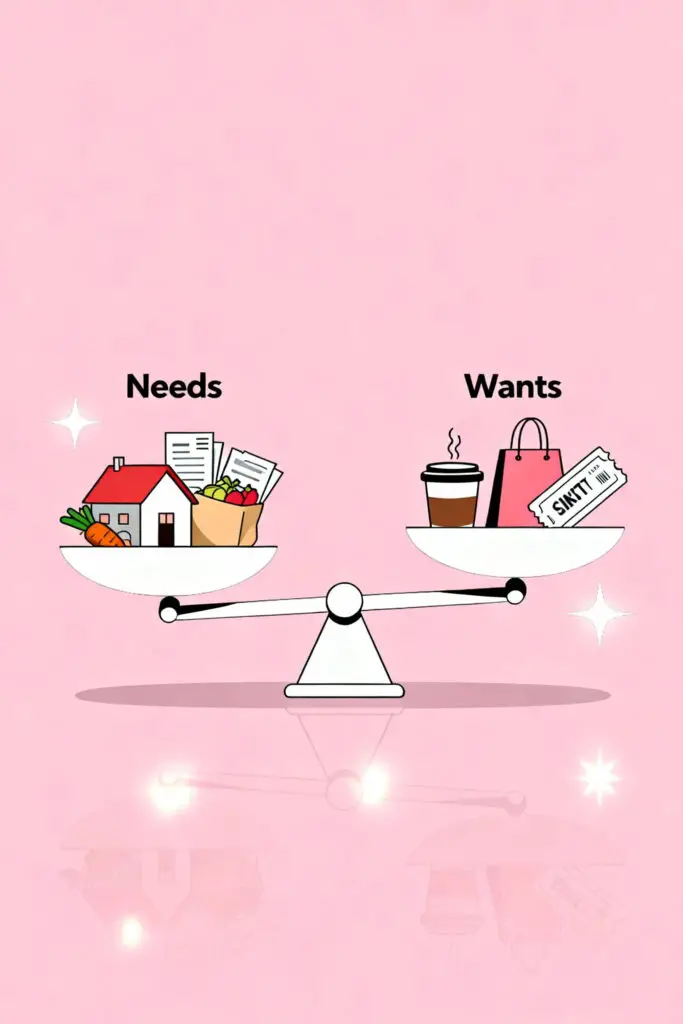
Illustration of a balanced scale with needs and wants represented by icons like groceries and shopping bags on a pastel pink background, emphasizing balanced spending habits.

One of the most important steps in budgeting is finding the right balance between needs and wants. If you spend too much on your wants or those nice-to-have items, you may struggle to pay for your needs and savings, similarly, if you spend a lot on your needs, you may find the whole journey restrictive or more like a punishment, leaving no room behind for savings as well, making it crucial to find a balance. 

The key is to allow yourself to do the things you enjoy but in limits, for example, instead of cutting coffee off entirely, you can still have it but 3-4 times a week. This way you can still enjoy the things you like without putting your progress or finances at stake. 

Category 3: Savings and Future Goals

The next and last category is savings and this is where you prepare for your financial future and save small amounts over time. Savings can cover anything, whether it’s an emergency fund, retirement contribution, investment, or even a big fun holiday you’ve planned out for your family. 

This category is more about paying your future self rather than focusing on those short-term pleasures that don’t last long. Even small, consistent savings can grow over time and make a big difference in your financial stability. By setting aside money regularly, you create a safety net that gives you peace of mind and opens doors to bigger opportunities in life.

Why Savings Deserve Priority

Many people, at times, use the leftover money for savings, and that mindset surely leads them to never saving at all. Prioritizing savings ensures that your financial goals are important for you and they are a part of the plan. 

Whether it’s building an emergency fund for unexpected events, setting aside money for retirement, or saving up for a long-term dream, every bit adds up and creates a safety net that helps you live with confidence and less stress. Over time, those small and steady amounts can turn into something meaningful, not just financially, but also emotionally, because you know you’re prepared for whatever life may bring.

The Ideal Balance: The 50/30/20 Rule

When it comes to dividing your income among these three categories, the 50/30/20 rule offers one of the simplest and most effective ways to maintain balance. The idea is to allocate 50% of your income to needs, 30% to wants, and 20% to savings. This formula keeps things structured yet flexible enough to fit into different lifestyles and income levels. 

It’s not about sticking to these numbers with perfection but about using them as a guideline to find what balance feels right for you. For example, if you live in an area where housing costs take up more than half your income, you might need to adjust your percentages slightly while still keeping savings and wants within reach. 

How to Apply the 3 Categories in Real Life

Applying these three categories in your everyday life doesn’t have to feel like a strict or complicated process, it’s more about awareness and intention than about rules. Start by writing down your total income, then divide it into your needs, wants, and savings based on the 50/30/20 guideline or any ratio that feels practical for your situation. 

Once you’ve done that, track your expenses for a few weeks to see if you’re staying within those boundaries. You might be surprised to find that some of your “needs” can actually be reduced, or that certain “wants” don’t bring you as much joy as you thought. 

Adjusting as Life Change

Your budget, much like your life, isn’t meant to stay the same forever. As your circumstances evolve, whether it’s a job change, a new family member, or a shift in priorities, your budget should evolve with you. 

The beauty of the 3-category system is that it’s flexible enough to adjust as life changes. You can easily revisit your spending ratios, move things around, and reshape your priorities depending on what phase of life you’re in. For example, during times when expenses rise, you might need to cut back temporarily on wants, and when your income increases, you can put more toward savings or investments. 

The Emotional Side of Budgeting

Many people associate budgeting with sacrifice or restriction, but in reality, it’s about self-care and self-awareness. When you budget mindfully, you’re choosing peace over pressure, confidence over confusion, and purpose over impulse. You start to feel more in control, more grounded, and less anxious about your financial future.

Instead of feeling guilty after spending, you feel assured because you know your choices are intentional and within limits. 

How These 3 Categories Build Financial Freedom 

When you simplify your budgeting process into these three categories, needs, wants, and savings, you create a structure that’s easy to follow yet powerful enough to change your financial life. 

This system builds discipline without rigidity, letting you meet your responsibilities, enjoy your present, and secure your future all at once. Over time, as your savings grow and your spending habits become more mindful, you begin to experience a deeper sense of freedom, not just from debt or financial stress, but from the anxiety that comes with uncertainty. 

Conclusion

At the end of the day, budgeting doesn’t have to be a long list of complicated categories or strict calculations that drain your energy and motivation. The 3-category budget simplifies the entire process, turning something that often feels overwhelming into something empowering. By focusing on needs, wants, and savings, you give your money a clear direction while keeping your life balanced and joyful. It’s not about perfection, it’s about progress and consistency. When you learn to manage your money with simplicity and intention, you build not only a stronger financial foundation but also a calmer and more confident mindset that carries you through every stage of life.

How to Set a Budget (That Actually Works)

October 29, 2025 By Ana Rose

Creating a budget that works for you is not about restricting yourself or holding back on things or activities you enjoy, it’s more about making your money work for you, controlling it rather than letting it control you, and creating a plan that serves you in the longer run. A good budget gives your money direction and purpose so you don’t have to wonder where all your hard-earned money went at the end of the month. It can help you stay mindful of your spending habits, track your progress, and make confident decisions regarding your money. Whether you’re starting your financial journey, want to modify your current budget, or simply want to learn the basics, this article aims to explore a helpful step-by-step guide on how to set a budget, one you can live with and adjust over time. 

How to Set a Budget (That Actually Works) Graphic

Step 1: Understand Why You’re Budgeting

An illustration of a woman writing her financial goals in a notebook labeled “My Why,” surrounded by icons for savings and travel, symbolizing understanding the purpose behind budgeting.

Before you get to the complex dynamics of budgeting, it is equally crucial to understand why you’re budgeting. Whether it’s to save up an emergency fund, save for a big future trip, or just simply because you want to manage your finances in a better way, having a reason can add a personalized touch to the whole process, making you more motivated and consistent to move forward with the journey. 

Even when things get tough or when you feel like the process isn’t going anywhere, having a direction can help you through tough times, giving your journey a meaning and helping you focus on long-term goals rather than short-term temptations. 

Know Your Income

Once you get to know the ‘why’ behind your budget, the next step is to track your income. Whether it’s your main salary, a side hustle, a freelance gig, or child support, it is important to know how much money is coming in every month. After that calculate your net income, which is the amount you take home after all the taxes and deductions.

Once you have a number, it can become much easier to plan and create a budget that suits you, your lifestyle, and income the best, ensuring there’s nothing that gets between you and a budget that works for you. 

Track Your Spending for a Month

When it comes to budgeting, there’s nothing bigger of an obstacle than those small or seemingly harmless expenses that quietly eat away your income, leaving you behind wondering where all your money went. To deal with this, an effective strategy would be to track your spendings for at least one month, whether big or small. Whether it’s a big purchase, a snack, or those daily coffee runs, track every spending, and at the end of the month sit down with yourself and figure out the areas or those leaks that quietly eat away most of your budget

This can be an eye-opening exercise that can reveal your unhealthy spending patterns that even you didn’t know existed. 

Categorize Your Expenses

Once you’ve tracked your expenses and are familiar with your unhealthy spending patterns, if there are any, the next step is to categorize your expenses. This step is all about listing your expenses and dividing them into categories such as housing, utilities, emergency fund, savings, entertainment, or personal spending. 

This can help you see the bigger picture and identify which areas are taking up the largest of your income. Whether it’s housing, utilities, or even personal spending, this step can help you identify patterns and make changes to what you spend at, promoting mindful and intentional spending. 

Separate Needs from Wants

Once you have your expenses categorized, the next step is to separate needs from wants. Need are those essential or basic expenses, necessary for survival, such as food, housing, or healthcare. Whereas wants are those non-essential expenses or those nice-to-have items that are unnecessary but it feels good to spend on them, such as eating out, shopping for clothes, or upgrading your phone to the latest model. 

When you clearly define the two categories, it’s helpful to distinguish wants from needs, helping you prioritize needs over wants, anytime, anyday. 

Choose a Budgeting Method That Fits You

An illustration of a woman choosing between budgeting methods like the 50/30/20 rule, envelope method, and zero-based budget on a pastel pink background, representing finding a budgeting style that fits.

There’s no one-size-fits-all when it comes to budgeting, which is exactly why it is important to choose a budgeting method that suits you and your habits the best. Whether it’s the 50/30/20 rule where expenses are divided into 3 categories, 50% for needs, 30% for wants, and 20% for savings, the envelope method where you limit your spending by assigning cash for every category, or the zero-based budgeting method where you assign every dollar a purpose to serve until there’s nothing left behind, what truly matters is to pick a method that feels manageable and the right fit for you. 

The goal is not to copy someone else’s budgeting method, but to pick the one that feels like it was made for you. 

Set Realistic Spending Limits

After you’ve chosen a budgeting method that feels right for you, the next step is to set spending limits that are both practical and realistic. The purpose of these limits is not to make you feel restricted or deprived, but to help you stay mindful of your financial choices and keep your spending balanced across all areas of your life. 

It’s important to remember that a budget should reflect your real lifestyle, if it’s too rigid or unrealistic, you’ll quickly find yourself frustrated and giving up altogether. Be honest about how much you actually spend on essentials like groceries, transportation, and personal needs, then gradually find small ways to adjust without completely cutting out things you enjoy.

Build an Emergency Fund

One of the most important steps toward financial stability is building an emergency fund, a small safety net that protects you when life takes an unexpected turn. Emergencies never arrive with a warning, whether it’s a sudden medical bill, a home repair, or a job loss, and having an emergency fund ensures you don’t have to rely on credit cards or loans when things go wrong. 

Start small if you have to, even setting aside a little every month can make a big difference over time. Aim to build enough to cover at least three to six months of essential expenses, but don’t feel pressured to get there right away, it’s about steady progress, not perfection.  

Pay Off Debt Strategically

Debt can feel overwhelming, but with the right approach, you can slowly take back control and work your way toward financial freedom. Start by listing all your debts, from credit cards to personal loans, and noting the balance, interest rate, and minimum payment for each. 

You might use the debt snowball method, which focuses on paying off the smallest debts first for quick wins that build momentum, or the debt avalanche method, where you target the debts with the highest interest rates first to save more money in the long run. 

Automate Your Finances

One of the easiest ways to make your budget work effortlessly is to automate it. Automation removes the mental load of remembering payments, transfers, and savings, and ensures that your money is being handled responsibly, even when life gets busy. 

You can set up automatic bill payments to avoid late fees, schedule regular transfers to your savings account, or automatically contribute to an investment fund. When your savings and bills take care of themselves, you free up mental space and reduce financial stress. Automation also builds consistency, which is one of the most powerful habits in personal finance and it allows you to make progress quietly and steadily, even on autopilot.

Review and Adjust Regularly

A budget isn’t something you create once and then follow forever, it’s a living plan that should evolve with your life. As your income, expenses, or goals change, it’s important to revisit your budget regularly and make necessary adjustments. Maybe your bills have increased, or perhaps you’ve started earning more, your budget should reflect those changes. 

Reviewing your budget at least once a month helps you stay aware of your financial habits and gives you a clear picture of what’s working for you and what isn’t. When you treat your budget as something flexible rather than fixed, it becomes a supportive guide that moves with you through life’s ups and downs. 

Reward Yourself for Staying Consistent 

Budgeting takes patience, effort, and self-control, and those things deserve to be celebrated. When you stick to your plan, pay off debt, or reach a savings goal, take a moment to reward yourself in a way that feels meaningful. It doesn’t have to be something extravagant, it could be a nice meal out, a small treat, or even a quiet day off doing something you love. 

The goal is to create a positive connection with your financial habits so budgeting doesn’t feel like punishment, but rather a lifestyle choice that brings you balance and satisfaction. These small rewards remind you that you’re not just managing numbers, you’re building a better, more stable life for yourself and your loved ones. 

Conclusion

Setting a budget that truly works isn’t about restriction or deprivation, it’s about creating freedom and control over your life. A well-planned budget gives your money direction, ensures your needs are met, and builds a foundation for future goals. It’s a reflection of your priorities, your values, and the kind of life you want to build. By understanding your purpose, tracking your income and spending, separating needs from wants, and adjusting as you go, you create a system that fits you, not the other way around. In the end, a successful budget is not about perfection, but about progress and the confidence of knowing you’re in control of your money, not the other way around.

Dave Ramsey Budget Categories

October 28, 2025 By Ana Rose

Creating a budget that actually works for you is less about worrying about numbers and figures and more about finding the right balance and controlling your money rather than letting it control you. Dave Ramsay, one of the most well-known financial experts, designed a budgeting system, based on this exact idea to spend with purpose, save with discipline, and eliminate debt with willingness and determination. Whether you’re trying to build a safety net for emergencies, pay off a debt, or simply live a peaceful financial life, these categories can be the perfect foundation of a balanced money plan that is both realistic and practical. This article will help you explore Dave Ramsay’s budgeting categories that can help you manage your income more effectively, understand where all your money truly goes, and build financial peace that lasts and serves you in the long run. 

Dave Ramsey Budget Categories Graphic

1. Giving and Charity

An illustration of a woman donating money into a charity jar on a pastel pink background, symbolizing generosity and the joy of giving in Dave Ramsey’s budgeting philosophy.

Dave Ramsay’s budgeting philosophy always begins with a focus on the act of giving because the financial expert believes that generosity is at the heart of financial peace. This category can include tithes, donations, and any contributions you make to charities, causes, or even family members in need.

Giving not only makes a positive impact on those you help but it also makes you feel more content and at peace, helping you build a healthy and more fulfilling relationship with money, rather than being all about expenses. Even if you’re paying off debt or working with a small income, try to set aside a portion for giving or charity.

2. Saving and Emergency Fund

An illustration of a woman saving coins in an emergency fund jar on a pastel pink background, representing financial security and preparedness inspired by Dave Ramsey’s budgeting system.

Life has its way of throwing curveballs your ways when you least expect them which is exactly why it is crucial to have a savings and emergency fund in place as a budgeting category. Before you start dealing with other budget categories, Dave Ramsay suggests building a small emergency fund so that when unexpected expenses show up, you can deal with them with confidence. 

You can start with $1,000 to start and cover unexpected expenses like a sudden medical bill or car repair. This can help you avoid relying on credit cards or loans during emergencies, making the most of what you gathered piece by piece. Once you’ve paid off your debts, you can focus on growing that emergency fund to cover three to six months of living expenses. 

3. Housing

Housing is one of the biggest portions of any budget and according to Dave Ramsay, it should never exceed 25% of your takehome pay. This category can include rent or mortgage payments, property taxes, insurance, utilities, and home maintenance. The goal when it comes to housing is to create a category that is realistic and practical so that the housing costs don’t end up eating away a huge chunk of your budget, leaving you behind stressing over the finances. 

You can choose a modest and comfortable home that doesn’t go beyond your means and budget, making it something where you can live in peace and truly call home. 

4. Utilities

This category makes sure your house runs smoothly, whether it’s the electricity bills, gas, water, sewer, trash pickup, or internet. This one may seem like a small category but it’s often the one that varies according to the season and usage, which is exactly why keeping track is important. 

Ramsey emphasizes the importance of planning for these expenses ahead of time and making small lifestyle adjustments, like conserving energy or comparing providers to stay within budget without sacrificing comfort.

Moreover, being mindful and intentional with your utilities usage can help you become more aware of your habits, helping you identify areas where the habits can be modified, serving you in the long run. Over time, these conscious choices not only lower your bills but also create a sense of discipline and responsibility, allowing you to become more mindful toward your hard-earned money. 

5. Food and Groceries

Food is a basic necessity but is also one of the easiest areas where money can slip away without you even noticing the leaks. Dave Ramsay suggests separating groceries from dining out to get a clearer picture of what you spend at. The grocery budget, according to the financial expert, should include all the household food needs, and on the other hand, those coffee runs, dineouts, and takeouts should fall into the lifestyle category. 

The reason Ramsay separated these two is because groceries represent essential food needs, whereas these non-essential expenses are more about convenience and enjoyment not necessity. 

Moreover, meal planning, buying in bulk, and sticking to a shopping list are simple but powerful habits that can make a big difference in how much you save each month, without compromising on the quality of what you eat.

6. Transportation

Whether you own a car or rely on other means of transport, transportation is a daily life expense and should be one of the most essential categories when it comes to budgeting. This category can include car payments, fuel, maintenance, insurance, and even parking costs. 

Dave Ramsay advises avoiding car loans and saving up instead to buy a reliable used vehicle. The reason behind this is simple that cars depreciate, and paying interest on something that loses value is never a smart money move. If you already have a car loan, prioritize paying it off quickly and maintain your vehicle well to avoid expensive repairs later.

7. Insurance

Insurance may not feel like an exciting part of budgeting, but Dave Ramsey reminds us that it’s one of the most important ways to protect yourself, your family, and everything you’ve worked hard for. This category can include health insurance, life insurance, car insurance, home or renter’s insurance, and even disability coverage depending on your needs and situation. 

Having the right insurance doesn’t just provide financial protection, it also gives you mental peace knowing that if something unexpected happens, you and your loved ones are covered. 

8. Debt Payments

Debt can quietly take over your budget if you let it, which is why Dave Ramsey’s plan puts a strong focus on paying it off with strategy and consistency. This category can include credit card balances, student loans, personal loans, or any money you owe. 

Ramsey’s famous “Debt Snowball Method” encourages starting small, paying off your smallest debts first, and building motivation and momentum as you go. Being consistent and disciplined with debt payments allows you to take back control of your income and eventually redirect that money toward savings, investments, or other financial goals that actually benefit your future.

9. Health and Medical Expenses

Health is something many people tend to take for granted until a sudden expense reminds them otherwise, which is why Dave Ramsey encourages making room for medical costs in every budget. This category covers doctor visits, medications, dental checkups, vision care, and any ongoing treatments or therapies. 

It can also include preventive care like regular checkups, supplements, and wellness activities that help you stay healthy. The idea is simple that taking care of yourself today saves you from larger, more stressful expenses tomorrow. 

10. Personal Spending

Personal spending is where your personality and lifestyle show up in your budget, it’s the category that addresses your wants while still staying financially smart. This category includes things like clothing, haircuts, personal grooming, hobbies, or even small treats that bring you joy. 

Dave Ramsey believes budgeting shouldn’t feel like a punishment, it’s about giving yourself permission to spend wisely and within reason, so you don’t feel deprived. By creating a dedicated category for personal spending, you can enjoy life’s little pleasures without guilt or the worry of overspending. 

11. Recreation and Entertainment

Life isn’t meant to be all about bills and expenses, and Dave Ramsey’s approach to budgeting reflects that truth beautifully. This category is all about the fun side of life, including movies, vacations, outings with friends, streaming subscriptions, or even simple family activities that help you reconnect. 

Having a recreation and entertainment category ensures that joy and relaxation are part of your financial plan, not something you feel guilty about later. Ramsey reminds us that if you don’t plan for fun, you’re more likely to overspend impulsively, which can throw your entire budget off balance. 

12. Miscellaneous and Buffer 

No matter how well you plan your budget, there will always be those surprise expenses that come out of nowhere, whether it’s a forgotten birthday gift, an unexpected household repair, or a small fee you didn’t pay. This is where the miscellaneous and buffer category steps in as your quiet safety net. 

Dave Ramsey includes this category to ensure that your budget remains flexible and realistic, allowing you to handle those little surprises without messing up your entire financial plan. By setting aside even a small amount for this category, you can create a sense of financial ease and control, knowing that you can handle life’s small obstacles gracefully without touching your savings or emergency fund.

Conclusion

At the heart of Dave Ramsey’s budgeting system lies a simple but powerful truth that money is a tool, not a master. These categories are designed not to restrict you, but to give your income direction and purpose so that every dollar has a job and every expense makes sense. When you divide your income into clear and meaningful categories, you begin to see your finances not as a source of stress, but as a plan that works for you. Whether it’s paying off debt, building savings, or giving back to others, each category plays a role in helping you live a financially peaceful and fulfilling life. Over time, what starts as simple discipline turns into freedom, the kind of freedom where your money supports your goals, aligns with your values, and gives you the confidence to live life on your own terms.

Easiest Budgeting Ideas for Families with One Income

October 27, 2025 By Ana Rose

Living on a single income, especially in today’s world of rising costs and endless financial responsibilities can be both financially and mentally demanding. However, with the right budgeting ideas, a bit of planning, willingness, and consistency, it is possible to live comfortably and even enjoy the small luxuries that bring you joy. Budgeting for a family of one income is not only about restricting or holding back on things you enjoy, it’s more about using your money wisely, prioritizing what truly matters, and finding peace in the fact that your family’s needs are covered. This article will help you explore some simple yet highly practical budgeting ideas, helping families with one income stay financially stable and reduce financial stress. 

Easiest Budgeting Ideas for Families with One Income Graphic

1. Track Every Expense to See Where Your Money Goes

An illustration of a woman tracking her monthly expenses in a notebook surrounded by receipts on a pastel pink background, representing mindful budgeting and expense awareness for families living on one income.

It’s easy for money to slip away when you spend on those seemingly harmless or small expenses without keeping track of where the money is actually going. The very first step when we talk about budgeting is awareness which is all about knowing what you spend on or what your spending pattern looks like. 

When you track every expense, either big or small, whether it’s a grocery bill, a coffee run, or a utility payment, you can clearly identify what’s working for your budget and what’s not. At least for one month, track and monitor what you spend on. You can keep a notebook or if you prefer a digital approach, you can consider creating a spreadsheet or using budgeting apps. 

2. Build a Realistic Monthly Budget

A one income works best when it is realistic and truly reflects your actual lifestyle. You can create a plan that covers all your needs including housing, utilities, groceries, paying off debts, or savings, without being overly strict. 

When you create a budget, it is important to be honest about your priorities and flexible with your goals and targets. Instead of focusing on perfection, try aiming for progress by adjusting your budget as your expenses or income change. This way, you can design a realistic and practical monthly budget that helps you manage your money with ease, stay within your limits, and still enjoy a sense of control and peace over your finances without feeling restricted or overwhelmed.

3. Follow the 50/30/20 Rule

An illustration of three glass jars labeled Needs, Wants, and Savings on a pastel pink background, with a couple planning their monthly budget following the 50/30/20 rule for a one-income household.

For a simple yet highly practical and effective budgeting strategy, consider the 50/30/20 budgeting rule. This rule is all about prioritizing needs over wants while managing savings, debt, or investments. 

According to this rule, 50% of your monthly income is assigned to your needs, including rent, groceries, utilities, or transport. 30% of the paycheck goes to your wants and those nice-to-have items, including shopping, takeouts, or subscribing to those unnecessary subscriptions you’ll eventually forget about. Lastly, 20% of your monthly income goes straight to savings, investments, or paying off debt, if there is any. 

What makes this technique considerable is the fact that it perfectly divides the three spending categories, helping you prioritize essential expenses over those non-essential ones, while still making room for savings and investments. 

4. Create an Emergency Fund

One thing about life is that it can take an unexpected turn in the blink of an eye, and at times, these turns come with expenses. Whether it’s a sudden medical bill, job loss, or your car needing repairing, having a safety net in place can help you deal with these unforeseen circumstances with confidence and discipline.

Instead of panicking and making rushed decisions, an emergency fund can save you from impulsive decisions or financial crisis like none other. You don’t need to start big, even if it is just saving $20 or $50 each week, what matters the most is your willingness to show up every week and staying committed to the process, no matter what. 

5. Cut Back on Non-Essential Subscriptions

It’s easy to lose track of how many subscriptions you’re paying for each month, whether it’s those streaming services, apps, or memberships. To deal with this, you can consider going through the list and tracking what subscription you barely use or don’t need. 

You’ll be surprised by how much extra money you can save each month by simply unsubscribing to services you no longer use. Instead of paying companies that no longer serve you, you can redirect that money towards something more meaningful, something that can serve you in the long run as well, such as  savings or investment. 

6. Meal Plan and Cook at Home

When you’re living on one income, meal planning can truly be a game changer because food is one of those areas where spending can easily go out of control without you even realizing it. By planning your meals ahead of time, you not only make sure that your family eats healthy, home-cooked meals but also prevent unnecessary grocery shopping and last-minute takeouts that quickly add up. 

Try setting aside some time every week to plan what your family will eat, make a list before heading to the store, and stick to it. 

7. Automate Savings and Bill Payments

Managing everything manually can feel exhausting when you’re balancing household responsibilities on a single income, which is why automating your finances can make life so much easier. When you automate your savings and bill payments, you’re ensuring that money is set aside for your goals before you even get the chance to spend it elsewhere. 

You can set up automatic transfers that move a portion of your income into your savings account right after payday, treating it like any other fixed expense. Similarly, automating bills helps you avoid late fees and the stress of remembering due dates every month. 

This habit not only brings structure and discipline to your finances but also gives you a sense of peace, knowing that your financial responsibilities are taken care of without constant reminders or last-minute panic.

8. Embrace a Minimalist Lifestyle

A minimalist lifestyle doesn’t mean depriving yourself or living without comfort, it simply means learning to find joy and contentment in what you already have rather than constantly chasing more. When you live on one income, simplicity becomes one of your biggest strengths because it allows you to focus on what truly adds value to your life. 

Try decluttering your space, selling things you no longer use, and being intentional before making new purchases. Over time, this mindset shift helps you spend less impulsively and appreciate the things that matter most, like time with your loved ones or peace of mind. 

9. Use Cash Envelopes for Discretionary Spending

The cash envelope method works beautifully for families on a single income because it helps you visualize your spending and set clear limits. The idea is simple, which involves withdrawing cash for categories like groceries, dining out, entertainment, or personal spending, and keeping them in separate envelopes.

Once the cash in that envelope is gone, you know it’s time to pause and wait until the next budgeting cycle. This method makes you more mindful of how much you’re spending and prevents the kind of overspending that’s easy to do with credit or debit cards. It also gives you a real sense of control because you can physically see where your money is going, which can be both empowering and encouraging for the entire family.

10. Look for Ways to Save on Utilities

Utility bills may seem like fixed expenses, but there are always ways to cut down costs with a few intentional changes. You can save on electricity by turning off unused lights, switching to energy-efficient bulbs, and unplugging electronics that aren’t in use. 

Consider adjusting your thermostat slightly or washing clothes in cold water to lower energy use. If you live in an area with multiple providers, take some time to compare rates and see if switching could save you money in the long run. 

These small changes may not seem significant at first, but they can add up over the months and make a visible difference in your budget. 

11. Involve the Whole Family in Budgeting

When your family lives on one income, everyone plays an important role in making the financial plan work smoothly. Budgeting doesn’t have to be something one person handles alone, in fact, involving your partner and even your kids can make it feel more like a shared mission rather than a restriction. 

Talk openly about family goals, whether it’s saving for a vacation, paying off debt, or building an emergency fund. When everyone understands the “why” behind your budgeting decisions, it becomes much easier to work together and stay consistent. Kids, too, can learn valuable lessons about money, patience, and the difference between needs and wants when they see budgeting modeled at home. 

12. Find Joy in Affordable Activities 

Living on one income doesn’t mean you can’t enjoy life or have fun, it simply means finding happiness in moments that don’t cost much. You can plan cozy movie nights at home, picnics in the park, or weekend game nights that bring everyone together without spending a fortune. 

Look for free local events, explore nature trails, or start family traditions that focus on togetherness instead of spending. When you start to appreciate these little things, you realize that joy doesn’t always come with a price tag. 

Conclusion

Budgeting on one income might feel overwhelming at first, but once you build the right habits and mindset, it becomes a journey of empowerment rather than sacrifice. By planning ahead, cutting unnecessary costs, and focusing on what truly adds value, your family can thrive financially and emotionally without feeling deprived. The goal isn’t to live with less, it’s to live with purpose and confidence, knowing that every decision you make brings you one step closer to lasting peace and stability.

Ultimate List of Budget Categories Smart People Use

October 26, 2025 By Ana Rose

Smart budgeting isn’t about spending less or being restrictive with money, it’s more about tracking where your money is going and making sure that every dollar serves a purpose. Smart savers don’t rely on guesses, they use well-defined budget categories that help them define, track, and manage their financial goals with ease and confidence. Having the right categories can make the budget more organized, disciplined, and easier for you to stick with. Whether you’re beginning or just modifying your finances, having an organized list of budget categories can help you make smarter and more intentional choices. This article will help you explore a list of budget categories that wise people use, allowing you to create a smart budget that is balanced and realistic. 

Ultimate List of Budget Categories Smart People Use Graphic

Housing and Utilities

An illustration of a woman reviewing her housing and utility bills in a cozy home with icons for electricity, water, and internet on a pastel pink background, representing mindful budgeting for essential living costs.

Housing is one of the biggest and most important categories in any budget because it represents the foundation of your daily life. This category can include rent or mortgage payments, property taxes, home maintenance, electricity, gas, water, and internet bills. 

When you take out a portion of your budget for this category, you’re not just paying for shelter, you’re paying for mental peace and satisfaction as well. When it comes to smart budgeting, it is essential to include a category for housing and utilities, allowing you to choose a place that feels like home rather than something that drains your budget or is a source of financial stress. 

Transportation and Vehicle Expenses

Whether it’s going to work, running errands, or taking a road trip to clear your mind, transportation plays a major role in your daily routine and financial life. This category can include fuel, car payments, maintenance, repairs, parking fees, or even public transportation costs. 

A smart approach when it comes to budgeting is creating a list which includes the cost for transportation and vehicle expenses as well. At times, these costs may seem small or harmless, making it easy to lose track and wonder where all the money went at the end of the month. The key to a healthy budget is to make space for transportation costs and spend guilt-free on fuel or those unexpected rides without having them feel like a financial burden.

Groceries and Food

An illustration of a woman organizing groceries and checking a meal plan in a pastel kitchen on a pink background, representing smart food budgeting and mindful spending on meals.

Food expenses are one of the most regular and essential parts of any budget, but they’re also one of the easiest categories where we’re more likely to overspend without even realizing it. This category can include groceries, dining out, takeouts, coffee runs, or even subscriptions you pay for groceries or food apps. 

Smart budgeting when it comes to this category means planning your meals ahead of time, buying in bulk when it makes sense, and keeping track of your spending habits when it comes to food. This way, you can take control of your food spending and can enjoy your favorite meals without the guilt of spending. 

Debt Repayment

Debt can be a big obstacle and weigh down your finances if not managed carefully, which is exactly why creating a debt repayment category is crucial. This category can include credit card payments, student loans, car loans, or any personal debt you might owe.

When you allocate a specific amount every month to pay off debt, you can create a clear plan that prevents interest from piling up and keeps your finances organized. Some people like to break this category into two parts, one for the minimum payments that keep your accounts up to date, and another for extra payments that help you clear the actual debt faster. 

The best way to handle debt is to stay consistent with your payments and focus on paying off the debts that have the highest interest first. This way, you’ll save money in the long run and slowly free up more of your income for the things that matter, like saving, investing, or simply enjoying life without the stress of debt hanging over you.

Savings and Investments

Smart people know the secret to a good budget and it isn’t only limited to managing expenses and tracking your spending habits, it’s also about saving and making your money work for you through investment. This category can include emergency funds, retirement savings, or even short-term goals like a big purchase or a fun vacation.

The key idea is to pay yourself first and treat your savings like a priority rather than setting aside what’s left behind after you spend. Even a small consistent contribution can add up over a period of time, making it worth every effort and penny you willingly set aside. 

On the other hand, investments help your money grow and create long-term wealth, making it a considerable budgeting category. 

Health and Personal Care

Health expenses can put your entire budget off track which is exactly why it is considered a smart move to include health and personal care costs in your list of budgeting. Moreover, taking care of yourself should always be a financial priority as it directly influences your income and quality of life. 

While these expenses may seem small at first, they are actually long-term investments for your well-being. This category can include medical checkups, medicines, dental visits or even gym memberships, helping you prioritize health and personal care as much as you prioritize other expenses. Moreover, having this category can also mean spending on self care, ultimately reducing the chances of facing larger medical bills later in life by attending to your health earlier. 

Insurance and Protection

Insurance may not always feel like a priority when you’re creating a budget, but it is one of the most valuable and responsible categories you can ever include because it protects everything you work so hard for. This category can include health insurance, life insurance, car insurance, home or renter’s insurance, and even travel insurance when needed, as all of these act as safety nets that shield you from sudden financial shocks. 

Smart budgeting is not just about managing money but also about protecting it, and having insurance gives you that peace of mind that no matter what happens, you won’t have to dip into your savings or struggle to cover unexpected costs. 

Education and Skill Development

One of the smartest ways to invest your money is by investing it in yourself, and that’s exactly what this category represents. Education and skill development expenses can include tuition fees, online courses, certifications, workshops, books, or anything that helps you grow personally or professionally. 

In today’s world, where things change faster than ever, continuous learning is not just a choice but a necessity if you want to stay relevant, confident, and capable. By allocating a portion of your budget toward improving your skills, you’re not only opening doors to better opportunities and higher income potential, but you’re also giving yourself the power to stay independent and in control of your future. 

Entertainment and Leisure

A truly smart budget doesn’t only focus on saving or paying bills, it also understands the importance of living a balanced, fulfilling life. That’s where this category comes in, covering things like vacations, streaming subscriptions, hobbies, concerts, or even a night out with friends. 

Many people feel guilty about spending on fun, but the truth is, having space for enjoyment in your budget helps you stay motivated and prevents burnout. Life isn’t meant to be all about responsibilities, it’s about creating moments that make you happy while still staying financially mindful. 

Giving and Donations

Giving is one of the most beautiful and meaningful things you can include in your budget because it connects you to others and reminds you that money isn’t just about spending or saving, it’s also about sharing. This category can include charity donations, community support, gifts, or simply helping someone in need. 

You don’t have to give a large amount, even small acts of generosity can make a big difference and fill you with a sense of joy and gratitude. 

Irregular or Annual Expenses

Some expenses don’t show up every month but can still cause a major imbalance in your finances if you’re not ready for them, which is why this category is an absolute must. These costs can include things like car registration, insurance renewals, school fees, holiday gifts, or annual subscriptions that you might forget about until they’re suddenly due. 

Instead of panicking at the last moment, a smarter way is to set aside a small amount for them every month so that when the time comes, you’re fully prepared. This not only helps you avoid unnecessary stress but also keeps your budget smooth and consistent all year long. 

Miscellaneous and Flex Funds

No matter how carefully you plan, life will always find small ways to surprise you, whether it’s a last-minute get-together, a forgotten birthday gift, or a home item that suddenly needs replacement, and that’s why having a miscellaneous or flex fund category in your budget is such a smart move. 

This category gives your budget some breathing room and flexibility, allowing you to handle those small, unplanned expenses without throwing off your entire financial plan. Instead of feeling guilty for spending on something unexpected, you can simply use your flex fund and keep everything balanced. 

Conclusion

At the end of the day, smart budgeting isn’t about cutting back on everything you enjoy or living by rigid financial rules, it’s about being intentional and thoughtful about where your money goes. When you divide your income into clear, meaningful categories, you’re not just organizing numbers, you’re shaping a life that’s financially secure and balanced in every sense. With the right budget categories in place, you’ll find that managing money doesn’t feel like a burden anymore, it feels like a powerful tool that helps you live the life you truly want.

  • « Go to Previous Page
  • Go to page 1
  • Interim pages omitted …
  • Go to page 41
  • Go to page 42
  • Go to page 43
  • Go to page 44
  • Go to page 45
  • Interim pages omitted …
  • Go to page 170
  • Go to Next Page »

The Latest Blog Posts:

  • 14 Profitable Things To Sell On eBay June 20, 2026
  • Mason Jar Crafts To Make And Sell June 19, 2026
  • 12 Best Jobs for Retired Teachers  June 18, 2026

As Featured In:

Just Start Investing Press Strip 2020 B&W

Follow Us:

  • Facebook
  • Twitter
  • Pinterest

Copyright © 2026 · Just Start Investing LLC

  • Contact Us
  • Blog
  • Privacy Policy / Disclaimers