• Skip to primary navigation
  • Skip to main content

Just Start Investing

We Make Investing Easy

  • Investing
    • Learn About Investing:
    • Investment Accounts
    • Online Brokerage Accounts
    • Investment Vehicles
    • Start Investing:
    • How to Invest in Index Funds
    • Start Investing with Betterment
    • Start Investing with Charles Schwab
  • Banking
    • Best Bank Accounts
    • Types of Bank Accounts:
    • Checking Accounts
    • Savings Accounts
    • CDs and Money Market Accounts
    • Online Banks vs Brick-and-Mortar
  • Credit Cards
    • Best Credit Cards:
    • Best Cash Back Credit Cards
    • Best No Annual Fee Credit Cards of 2021
    • Best Premium Credit Cards of 2021
    • Credit Card Tool: Find the Best Credit Card for Me
    • Learn About Credit Cards:
    • Types of Credit Cards
  • Blog
    • Investing
      • What is Crypto?
        • Crypto
      • What are stocks?
        • Stocks
      • What is a Real Estate Investment?
        • Real Estate Investments
      • What is an IPO?
        • IPO
    • Banking
    • Credit Cards
    • Budget
    • Finances
  • Earn with Crypto
  • Budget
    • How to Build a Budget
    • 24 Tips to Save More Money
  • Resources
  • About
    • Contact
    • Press
    • Learn More
    • Disclaimers
  • Show Search
Hide Search

Blog

9 Steps Of Becoming Debt Free In 2026

December 26, 2025 By Ana Rose

Becoming debt free is a goal many people dream about, yet very few feel confident enough to actively work toward it because debt often feels heavy and stressful. In today’s world, debt can easily build up through credit cards, student loans, personal loans, medical bills, or even small purchases that slowly add up over time. Many people believe that becoming debt free requires earning a very high income or making extreme sacrifices, but the truth is that debt freedom is more about discipline and planning than about how much money you earn. In 2026, with rising living costs and financial uncertainty, becoming debt free is not just about money but also about peace of mind and long-term security. This article will help you explore 9 practical and realistic steps that can be followed by anyone, regardless of income level, helping you move forward without feeling overwhelmed or discouraged.

9 Steps Of Becoming Debt Free In 2026

1. Get Clear About All Your Debts

Illustration showing a person reviewing all debts to gain financial clarity as the first step toward becoming debt free on a pastel pink background.

The first and most important step toward becoming debt free is getting complete clarity about your financial situation, even if it feels uncomfortable at first. Many people avoid looking at their debts because it creates anxiety, but avoiding the numbers only keeps you stuck. 

You can write down every single debt you owe, including credit cards, loans, borrowed money from family, or any installment plans, along with the total balance, interest rate, and minimum monthly payment. When everything is in front of you , you stop guessing and start making informed decisions. 

This step helps you understand which debts are costing you the most money and which ones are emotionally draining. Clarity can give you control and allow you to move forward with a plan instead of reacting emotionally to bills and reminders. Even though this step may feel heavy, it sets the foundation for every other step that follows and gives you the confidence to take responsibility for your financial future.

2. Stop Adding New Debt

Stopping new debt is a critical step because paying off debt while continuing to create more is like trying to move forward while being pulled backward at the same time. This requires honest self-reflection about spending habits and emotional triggers that lead to unnecessary purchases. 

Many people use credit cards out of convenience, stress, or habit, without realizing how much interest they are accumulating over time. In 2026, with easy access to buy-now-pay-later options, stopping new debt becomes even more important. 

This does not mean you can never spend money, but it does mean learning to pause before purchases and ask whether something is truly necessary. You may need to temporarily stop using credit cards or keep them out of reach while you focus on repayment. 

3. Create a Simple and Realistic Budget

A budget is not meant to punish you or take away joy from your life, but to give your money direction and purpose. You can create a simple and realistic budget that helps you understand exactly where your income is going each month and how much you can comfortably allocate toward debt repayment. 

Start by listing your income and fixed expenses such as rent, utilities, groceries, and transportation, then identify areas where small changes can be made. The goal is not perfection but consistency, because an overly strict budget often leads to burnout and frustration. 

When you know exactly how much extra money you have available, debt repayment can become intentional. Over time, budgeting can help you feel more in control of your finances and reduces money-related stress. 

4. Build a Small Emergency Fund

One of the biggest reasons people fall deeper into debt is unexpected expenses such as medical bills, car repairs, or urgent household needs. Without an emergency fund, these situations can force people to rely on credit cards or loans, undoing months of progress.

Building a small emergency fund, even if it is just a few hundred dollars, can create a financial safety net that protects your debt repayment journey. This fund is not meant for shopping or planned expenses, but only for genuine emergencies. 

Having this buffer can give you peace of mind and reduce the emotional stress that comes with financial uncertainty. You can start small by saving a fixed amount each month until you reach a basic goal. This step can help you break the cycle of debt and builds confidence in your ability to handle unexpected situations without panic.

5. Choose a Debt Payoff Strategy

Choosing a clear debt payoff strategy can make the process feel more structured and manageable. Some people prefer paying off the smallest debts first because quick wins create motivation and confidence, while others focus on paying off high-interest debts first to save money in the long run. 

What matters most is committing to one method and sticking to it without constantly switching strategies. This step can bring structure to your journey and help you measure progress clearly. A clear strategy can also help you stay focused during difficult months when progress feels slow.

6. Increase Your Income Where Possible

Increasing your income can help speed up your journey toward becoming debt free, even if the increase is small or only temporary. When expenses already feel tight, earning extra money may feel more manageable than cutting costs further, and it can also feel encouraging because it adds to your resources instead of taking something away. 

This may include freelancing online, taking on part-time work, offering services based on skills you already have, or selling items that you no longer use but that still hold value. Many people may not realize how much impact small amounts of extra income can have when they are consistently directed toward debt repayment instead of everyday spending. 

The key here is intention, because using extra income wisely can help you see faster progress and feel more in control of your financial situation. Over time, this step can help you realize that your income is not always fixed and that there may be opportunities to improve your situation through effort and planning.

7. Cut Unnecessary Expenses Without Feeling Deprived

Cutting unnecessary expenses does not have to mean removing all comfort or enjoyment from your life, but rather becoming more aware of where your money is going and whether it truly adds value. Many expenses may quietly drain your income without providing long-term satisfaction, such as unused subscriptions, impulse purchases, or frequent convenience spending that happens out of habit. 

When you begin to review these expenses, you may find that reducing or removing some of them does not actually lower your quality of life, but can instead create a sense of relief. This step often works best when done gradually, because extreme cuts can feel overwhelming and may lead to frustration. 

By making mindful changes rather than strict restrictions, you can free up money for debt repayment while still allowing yourself flexibility. Over time, intentional spending can feel more natural, and fewer financial worries may bring more peace than constant spending ever did.

8. Stay Consistent Even When Motivation Fades

Illustration representing consistency and discipline in paying off debt even when motivation fades, shown on a pastel pink background.

Motivation can feel strong at the beginning of a debt-free journey, but it often fades as time passes and progress feels slow. This is a common experience, especially when results are not immediately visible or when unexpected expenses appear. 

During these moments, consistency can matter more than motivation, because steady actions may continue even when emotions fluctuate. There may be months when payments feel small or progress feels discouraging, but continuing to follow your plan can help maintain momentum. 

Discipline can support you when motivation is low, reminding you that long-term goals are often achieved through patience rather than excitement. This step can help you build resilience and trust in the process, showing you that slow and steady effort may still lead to meaningful results over time.

9. Change Your Money Mindset for the Long Term 

Becoming debt free is not only about clearing balances, but also about gradually changing how you think about money. Developing a healthier money mindset can involve learning delayed gratification, practicing intentional spending, and focusing more on long-term stability than short-term comfort. 

This shift may take time and usually happens through awareness and repeated choices rather than sudden change. As your mindset evolves, money may start to feel less stressful and more manageable. This step can be important because without a mindset shift, it may be easier to fall back into old habits once the debt is paid off. By building healthier attitudes toward money, debt freedom can become something you maintain rather than something you temporarily achieve.

Conclusion

Becoming debt free in 2026 can be a gradual journey that requires patience, honesty, and consistent effort rather than perfection or extreme sacrifices. Each small step you take may bring you closer to financial peace and a greater sense of control over your income and decisions. By increasing income where possible, spending more intentionally, staying consistent during challenging periods, and slowly reshaping how you think about money, you can create a foundation that supports long-term stability. Debt freedom may not happen overnight, but with steady effort and realistic expectations, it can become a sustainable and empowering part of your life.


26 Small Business Ideas You Can Start Under $200 In 2026

December 25, 2025 By Ana Rose

Starting a business can be an exciting yet intimidating milestone in one’s life, especially when you’re looking to start something under $200. A common misconception regarding starting a business is that it requires big investments, fancy offices, or complicated systems, but the truth is, all you need is a bit of planning, hardwork, and consistency to grow a business. In today’s world of digital platforms, local services, and skill-based work, many profitable businesses can be started with less than $200 and grown gradually over time. These ideas focus on low risk, flexibility, and realistic earning potential, making them a considerable option for beginners, students, stay-at-home individuals, or anyone looking to build an extra income stream. This article will help you explore 26 small business ideas you can start under $200 in 2026, helping you build confidence, self-esteem, and financial independence along the way. 

26 Small Business Ideas You Can Start Under $200 In 2026

1. Freelance Writing

Illustration of a freelance writer working on a laptop to represent starting an online business under $200 on a pastel pink background.

For one of the easiest ways to start a business in 2026, you can consider freelance writing. You can write blog, website content, emails, or product description for potential customers and earn money. 

You can start by creating an account on freelancing platforms such as Fiverr, Upwork, or freelancer.com and meet clients. This business option is basic because all you need is good writing ability, basic grammar skills, and consistency, making it an ideal option for students or beginners. 

2. Social Media Management

Another considerable option is social media management which is all about handling social media platforms for clients and creating engaging posts, replying to comments, and keeping their online presence organized and active. 

If you’re familiar with using Instagram, X, Facebook, or Tiktok, this business option may suit you the best. 

3. Print-on-Demand Products

People love customized products which is why print on demand can be a great business option for 2026. You can create designs for items like mugs, t-shirts, or tote bags, and see the products without worrying about shipping or inventory. 

This business idea is perfect for those who want to start something with a low risk and room for flexibility. 

4. Handmade Crafts Business

You can turn your passion for creativity into income by starting a handmade crafts business. This business can include selling handmade items like candles, jewellery, or home decor. People appreciate handmade items because of the uniqueness and story they carry, making it a great business option if you want to start something personal or unique. 

5. Digital Product Creation

Another considerable option is to choose digital product creation which is all about designing tracker, worksheets, planners or templates that are affordable to create. What makes this business idea a considerable option is that it’s a one time effort and you can continue to make money each time somebody uses your product. 

6. Virtual Assistant Services

Being a virtual assistant is all about helping with daily tasks like emails, scheduling, research, or data entry. If you’re looking for something flexible, being a virtual assistant can be a great option.

7. Online Tutoring

Put your insight and knowledge to use and start offering online tutoring sessions to students. You can offer one-on-one or group sessions through both physical and online classes.                                                                                                                                                                                                                                                                                                                                                                                                                                                                                                                                                                                                                                                                                                                                            Whether it’s English, Maths, or any other subject you have expertise in, online tutoring can be a great way of earning money. With good results, you clients can also refer you to other helping your tutoring business grow naturally. 

8. Resume Writing Services

Many job seekers and beginners need help presenting their skills in a clear and professional way, making resume writing service a great business option. This business idea requires writing skills and an understanding of job market trends, making it an almost low-effort way of making money. 

9. Home-Based Baking Business

You can combine your passion for baking with income by offering a home-based baking business. Whether it’s baking cupcakes, cakes, pies, cookies, or any other dessert, home-based baking business can help you earn more than you may realize. 

You can start on a small scale and over time, as your business grows, you can expand your services to small events and special occasions as well. 

10. Cleaning Services

For one of the most convenient and low-cost businesses, you can consider offering cleaning services. With basic cleaning supplies and management skills, you can offer your services to multiple clients and make money. 

11. Pet Sitting or Dog Walking

Illustration showing pet sitting or dog walking as a low cost small business idea on a pastel pink background.

Pet sitting or dog walking is a great business option for those who enjoy spending time with animals and want a flexible way to earn money. Many pet owners are busy with work, travel, or daily responsibilities and need someone reliable to take care of their pets. 

This business does not require much investment, but it does require trust, patience, and responsibility. With good service and care, pet owners are likely to become repeat clients and also recommend you to others.

12. Mobile Car Detailing

Mobile car detailing is a convenient business where you clean cars at the customer’s home or workplace. You can start with basic cleaning tools and affordable supplies and slowly improve your services as demand grows. This business works well locally and can bring regular clients if you provide quality work and professional behavior.

13. Thrift Flipping

Thrift flipping is all about buying low-cost items from thrift stores and reselling them online for profit. Items like clothes, shoes, books, and home decor often sell well if they are in good condition. 

This business teaches you how to understand market demand and pricing. With experience, you can learn which items sell faster and increase your profit over time.

14. Affiliate Marketing

Affiliate marketing allows you to earn money by promoting other people’s products through links. When someone buys using your link, you earn a commission and over time, your content can continue earning for you even when you are not actively working.

15. Niche-Based Content Creation

Instead of trying to appeal to everyone, a smarter approach would be to pick a specific niche and make content about that particular niche, building a loyal audience. You can monetize through ads, affiliate links, sponsorships, or digital products. 

16. Website Setup for Small Businesses

Many small businesses want a simple website but do not have the budget for professional developers. You can help them by creating basic websites using easy website builders. 

This business does not require advanced coding skills but does require attention to detail and clear communication.

17. Local Event Planning Assistance

Local event planning assistance focuses on helping people organize small events such as birthdays, gatherings, or celebrations. You help with planning, coordination, and managing small details that clients may find stressful. 

18. Beginner Photography Services

Beginner photography services can be started using a basic camera or even a good smartphone. You can offer simple photography for portraits, products, or small events.

19. Voice-Over Services

Voice-over services involve recording your voice for videos, advertisements, audiobooks, or online courses. You do not need a perfect voice, but clear pronunciation and confidence are important. With affordable recording equipment and practice, you can work with clients from different parts of the world. 

20. Online Course Creation

Online course creation allows you to teach others something you already know in a structured way. You can create lessons using videos, slides, or written content and sell them online. 

21. Local Errand Services

Local errand services help busy individuals with daily tasks such as shopping, deliveries, or small pickups. This business is simple but very helpful for people who lack time.

22. Custom Gift Packaging

Custom gift packaging focuses on wrapping and presenting gifts in a creative and thoughtful way. Many people want their gifts to look special but do not have the time or creativity to do it themselves. This business becomes especially popular during holidays and special occasions. 

23. Email Newsletter Writing

Email newsletter writing helps businesses stay connected with their customers through regular emails. If you can write clearly and persuasively, this business can provide steady monthly income. 

24. Stock Photography Sales

Stock photography sales allow you to earn money by uploading photos to online platforms. These photos can be used by businesses, websites, or marketers. Income may start slow, but it increases as your photo collection grows. 

25. Personalized Digital Art

Personalized digital art involves creating custom illustrations or portraits for customers. These are often bought as gifts, making them emotionally valuable and what makes this business idea a considerable option is that you only need basic digital tools and creativity to start. 

26. Online Community Management 

Online community management involves managing groups, memberships, or online forums for brands or creators. This includes responding to messages, keeping discussions active, and maintaining a positive environment. Many online businesses prefer hiring someone to manage their communities. 

Conclusion

Starting a small business under $200 in 2026 is not about having perfect conditions or large investments, but about taking intentional steps toward something meaningful. With the availability of digital tools, online platforms, and local service opportunities, building an income stream has become more accessible than ever before. Whether you choose a skill-based service, a creative business idea, or a local one, consistency, patience, and willingness to learn will play a bigger role in your success than money ever will. 

Personal Finance 101 | Litereacy Guide

December 24, 2025 By Ana Rose

Personal finance literacy is one of the biggest life skills yet it is rarely taught at home or in schools. Many people continue to earn money but they struggle with finances because they are not familiar with how to handle the money that’s coming in every month. It is important to realize that personal finance is not all about becoming wealthy, it’s about being aware, prepared, and making financial decisions with confidence and logical reasoning to make money work for you rather than letting it work against you. When you know how money works, you can reduce stress, avoid debts, and build a secure and stable financial future. This article will help you explore the dynamics of personal finance, helping you follow simple and practical steps that are easy to understand and apply.

Personal Finance 101 | Litereacy Guide

Understanding Your Relationship With Money

Before you get started with the journey, it is important to understand your relationship with money. For some people, money brings a sense of security and peace, for others, having money can mean freedom, and for many others, money can be a source of stress. 

It is important to figure out your emotional triggers when it comes to finances, whether it’s emotional spending, impulse buying, fear of saving, or avoidance of financial planning to avoid accountability, figuring out your triggers can help you more than you may realize. When you understand your relationship with money, you can control your behavior and influence long-term outcomes. 

Knowing and Managing Your Income

Another helpful tip is to know and manage your income. This can include knowing and understanding how much money is coming in every month, including your main income, any online gigs, or side hustles you’ve been working on. 

Understanding your income can help you plan your expenses realistically, helping you avoid emotional spending and overspending, staying within your means. Managing income also involves finding new ways to grow it over time through learning new skills, career advancements, or exploring extra income streams that allow you to direct that extra money towards something much more meaningful like a savings fund or paying off debts. 

Creating a Realistic Budget

Once you understand your income, the next step you can take is to create a realistic and effective budget that aligns perfectly well with your income, lifestyle, and your personality. A realistic budget provides you with a financial roadmap that helps you balance out your budget, making room for every expense.

Whether it’s the 50/30/20 rule that perfectly balances out your needs, wants, and savings, the envelope method that assigns a role to every dollar you earn, or a customized budgeting system that works the best for you, the key is to stay consistent and make adjustments whenever the need arises. 

Tracking Expenses Consistently

Another helpful tip is to track your expenses and see where your hard earned money goes every month. Whether you spend the most on food, groceries, or something as seemingly harmless as your morning coffee, tracking your expenses can help you become more aware, see unhealthy spending patterns, and make modifications to your spending habits wherever needed. 

This simple habit that makes you more aware can help you redirect that same money towards savings or meaningful goals, pushing you to become more mindful and thoughtful when it comes to the money you work so hard for. 

Understanding Needs vs Wants

Illustration showing the difference between needs and wants to support mindful spending on a pastel pink background.

The next step towards personal finance is understanding the difference between needs and wants. Needs are those basic and essential expenses that are necessary for survival, for example, food, groceries, rent, housing, utilities, or transportation. Wants on the other hand, are more about satisfaction and pleasure, for example, takeouts, shopping for clothes you don’t really need, or subscribing to services you think you’ll need in the future.

Learning the difference between these two can help you make smarter financial decisions, allowing you to prioritize your needs over wants, always. Over time, developing this awareness trains you to spend intentionally rather than impulsively, giving you better control of your finances and helping you build long-term stability and confidence in the way you manage your money. 

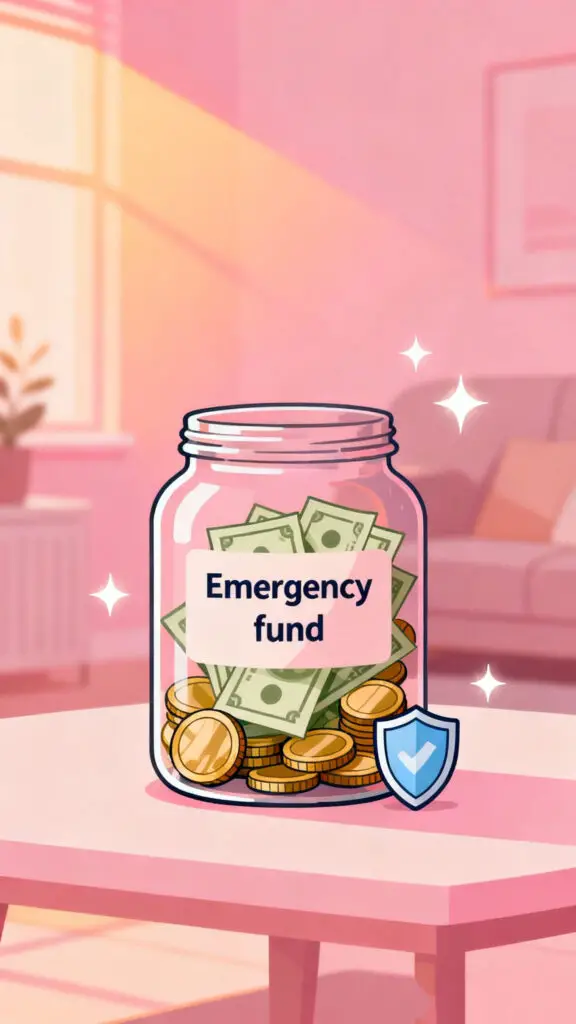
Building an Emergency Fund

Illustration representing building an emergency fund for financial security on a pastel pink background.

Another helpful trick is to build an emergency fund in case life throws an unexpected situation your way. It’s important to realize that having an emergency fund can save you in times of crisis, whether it’s a sudden medical bill, your car needs repairing, or job loss.

Without it, people often rely on debt, which is another unending loophole of financial instability and stress. A smarter approach would be to build an emergency fund with at least one month’s worth of expenses and add to it through small but consistent efforts. Over time, you’ll have a safety fund sitting around which will allow you to stay confident and financially stable, even during difficult times.  

Developing Smart Saving Habits

Saving money is less about saving big amounts and more about building consistent but healthy money habits that can serve you in the long run as well. It’s important to treat savings as a priority rather than afterthought. 

You can try setting aside money regularly and separating savings for different goals for clarity and increased motivation. Over time, you’ll come to realize how these small habits can create financial discipline and long-term stability, making this option a considerable one for those looking for financial freedom and stability. 

Additionally, consistent saving helps you prepare for unexpected expenses, reduces reliance on debt, and builds confidence in your financial decision-making. Even small amounts, when saved regularly, can grow into a meaningful fund over time, giving you peace of mind and a sense of control over your future.

Understanding Debt and Credit

Another important aspect of finances is understanding debt and credit in detail. One thing common between debt and credit is that these both harm your financial stability if they’re not managed effectively. Understanding interest rates, repayment schedules, and credit scores helps you avoid future financial traps and save yourself.

On the other hand, responsible credit builds financial opportunities, while unmanaged debt creates stress and limits future choices, making it crucial to deal with both using logical reasoning and discipline. 

Learning the Basics of Investing

Investments can allow your money to grow over time, thanks to compounding. While investment may involve risk, understanding basic concepts like diversification, long-term planning, and patience can help you understand the game better and reduce mistakes. 

You can start with a small amount initially and give your investment time to grow., allowing consistency and time to work in your favor for a secure and stable financial future. Investing also teaches you discipline and delayed gratification, as results do not appear overnight and require patience and commitment. By avoiding emotional decisions and focusing on long-term growth rather than short-term market changes, you allow your investments to perform more effectively. Over time, even modest and regular contributions can turn into meaningful financial growth, helping you build wealth gradually and confidently.

Setting Clear Financial Goals

Setting clear financial goals gives your money a purpose and direction instead of letting it disappear without meaning. When you know exactly what you’re saving or budgeting for, whether it’s building an emergency fund, paying off debt, buying a home, funding education, or planning for retirement, your financial decisions start to feel more intentional and motivating. 

Financial goals can be short-term or long-term, but what matters most is clarity. Writing your goals down and breaking them into smaller, achievable steps helps you stay focused and committed, even during times when managing money feels overwhelming or slow.

Protecting Your Financial Future

Protecting your financial future is an often overlooked but extremely important part of personal finance. This includes having the right insurance, being cautious of scams, protecting your personal and banking information, and building habits that keep your money safe. 

Financial protection ensures that unexpected events like illness, accidents, or fraud do not wipe out the progress you’ve worked so hard to build. When you plan for protection, you are not being fearful, but responsible, allowing yourself peace of mind and long-term financial security.

Building Long-Term Financial Discipline 

Financial discipline is what keeps your finances stable when motivation fades. It’s about making responsible decisions consistently, even when temptation or emotions try to take over. Discipline doesn’t mean being perfect or never enjoying your money; it means staying committed to your budget, savings, and goals while allowing room for balance. 

Small and repeated actions such as saving regularly, avoiding impulse purchases, and reviewing your finances frequently build confidence over time. This discipline is what eventually leads to independence, control, and lasting financial freedom.

Conclusion

Personal finance is less about extreme restrictions or complicated calculations and more about awareness, consistency, and making informed choices that support your future. When you understand how money works and apply simple habits like budgeting, saving, planning, and protecting your finances, you reduce stress and increase confidence in your everyday life. Financial stability is built gradually through small decisions made daily, and with the right mindset and discipline, anyone can create a secure and empowered financial future.

12 Ways To Achieve Financial Freedom In Just 12 Months

December 23, 2025 By Ana Rose

Achieving financial freedom in 12 months does not mean becoming rich overnight, it’s about building small and consistent habits that serve you eventually in the future. With a clear plan, focused effort, and consistent actions, one year can completely flip the script and once the money that used to work against you can start working in your favor. By making smarter choices, increasing awareness, and staying disciplined throughout the process, you can achieve financial freedom in just 12 months. This article will help you explore 12 helpful ways to achieve financial freedom in just 12 months, allowing you to follow practical, realistic, and helpful ways to become financially free and stable in the long run.

12 Ways To Achieve Financial Freedom In Just 12 Months

Set a Clear 12-Month Financial Goal

The first step to achieving financial freedom in just 12 months is setting a clear and concise goal. Whether you want to pay off a debt, save an emergency fund, or simply want the peace and satisfaction that comes along with knowing that your future is secure and finances are taken care of, it is important to start with a goal that aligns with your values and targets. 

Having a 12-month goal can give you a sense of direction and urgency, making it easier for you to stay motivated and consistent. When you see your goal written down and broken down into smaller and more manageable parts, it becomes easier to follow it and achieve it in the course of a year. 

Reset and Review Your Finances

Before making any changes, it is important to reset and review your finances. You can review your income, your expenses, your debts, and savings, and figure out what is working for you and what isn’t. 

You can evaluate your income by including your main income, any online gigs, or any side hustle you’re currently working on. This can help you plan your spendings and stay within the budget. The next step is to make a list of your expenses including all the essential and non-essential ones, planning where your hard money should go. When you know where your money is going, you can make smarter decisions regarding your financial life that actually fits your lifestyle. 

Cut One Major Expense

Illustration showing cutting one major expense to redirect money toward savings on a pastel pink background.

Instead of trying to cut everything off at once, a smarter approach would be to review your financial habits, figure out the unhealthier ones, and cut off one major expense. Whether it’s eating out frequently, subscribing to unnecessary services, or impulse shopping, it’s important to cut off the expense that puts your entire budget off track. 

Cutting one large expense can free up a significant portion of your paycheck, allowing you to redirect that same money towards something much more meaningful and rewarding such as your savings fund.

Follow a Simple Budget System

A simple budget can help you in ways you may never realize but it’s important to figure out  a budgeting system that works the best for you, your goals, your income, and lifestyle the best. A popular method is the 50/30/20 rule where 50% of the income is spent on needs and essential expenses, 30% on wants and those non-essential expenses, and 20% on savings. You can also consider the envelope method where you create different spending categories and assign cash to each spending category and when you run out of cash, that’s your cue to stop spending on that particular expense.

A practical budgeting system can help you stay in control of your spending without making you feel restricted or punished, making you more likely to stick to the overall process.  

Build a Starter Emergency Fund

Another helpful way to achieve financial freedom is to build a starter emergency fund in case life throws a curveball your way. Whether it’s a sudden medical bill, car repair, or job loss, it’s essential to have an emergency fund in place in case things take a turn for the worse. 

Even one month of expenses can protect you from unexpected costs, making it easy for you to make financial decisions with confidence. 

This safety net can help you more than you realize, allowing you to keep your progress steady and reduce financial stress in the times of crisis.

Pay Off High-Interest Debt First

Another helpful trick is to pay off debt because debt can drain your income and slow your financial growth more than anything. A smarter approach would be to focus on high-interest debts first as they cost you the most over time and take a big portion of your monthly income. 

The key is to make consistent payments and significantly reduce debt. Over time, as your debt decreases, your financial confidence increases, taking you one step closer to financial freedom. 

Increase Your Income Temporarily

Another helpful way to achieve financial freedom is to increase your income stream temporarily. Whether it’s babysitting, pet sitting, selling unused items, combining passion with income, or putting your online skills to work through freelancing platforms like Fiverr, Upwork, or freelancer.com, increasing your income streams can take you one step closer to financial freedom. 

Extra income can allow you to pay off debt more quickly and the money you earn can go straight to savings, making this a great way to achieve financial freedom. 

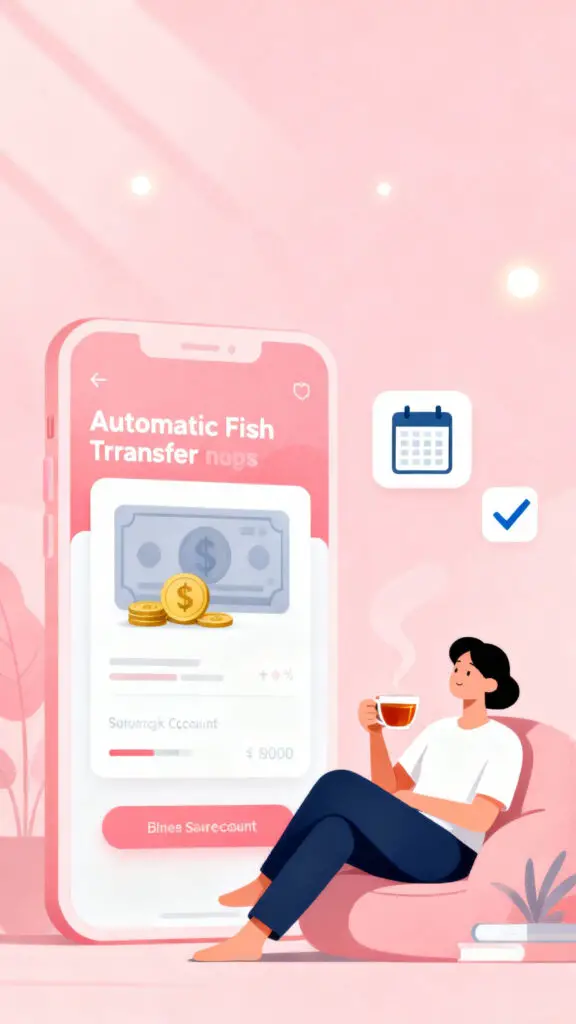
Automate Savings and Bills

Illustration representing automating savings and bills for consistent financial progress on a pastel pink background.

Automating your savings and bills is one of the easiest ways to stay consistent without putting in extra effort every month. When your savings are automatically transferred to a separate account and your bills are paid on time, you remove the stress of remembering due dates and making manual decisions. 

Automation helps you save before you spend, which is a powerful habit when trying to achieve financial freedom in a short time. It also prevents late fees, missed payments, and unnecessary stress, allowing your financial system to run smoothly in the background while you focus on your goals.

Avoid Lifestyle Inflation

Lifestyle inflation happens when your spending increases as soon as your income increases, which can keep you stuck in the same financial position despite earning more. To achieve financial freedom, it is important to resist the urge to upgrade everything when extra money comes in. 

Instead of spending more, use the additional income to pay off debt, grow your savings, or invest for the future. Maintaining your current lifestyle while improving your finances allows you to build wealth faster and creates long-term financial stability rather than short-term comfort.

Learn One Money Skill Each Month

Improving your financial knowledge can make a major difference in how you manage money. Learning just one money-related skill each month, such as budgeting better, understanding credit scores, basic investing, or debt repayment strategies, helps you make smarter decisions. 

Financial education does not have to be overwhelming or complicated, and small lessons over time add up. The more you understand how money works, the more confident and in control you feel, which plays a huge role in achieving financial freedom.

Track Your Progress Monthly

Tracking your financial progress every month helps you stay accountable and motivated throughout the year. By reviewing your savings, expenses, debt payments, and income, you can see what is working and where adjustments are needed. 

Monthly check-ins allow you to celebrate small wins and fix mistakes before they turn into bigger problems. This habit keeps you connected to your goals and ensures you are moving in the right direction toward financial freedom.

Build Discipline Over Motivation

Motivation can be exciting at the beginning, but it often fades over time, especially when progress feels slow. Discipline is what keeps you going even when you do not feel motivated. 

Building routines around saving, budgeting, and spending wisely helps you stay consistent without relying on emotions. When discipline becomes part of your daily habits, financial progress continues naturally, making long-term financial freedom more achievable and sustainable.

Conclusion

Motivation can be exciting and powerful at the beginning, especially when you feel inspired to change your financial situation, but it often fades over time, particularly when progress feels slow or challenges arise. Discipline is what keeps you moving forward even on days when you feel unmotivated, tired, or discouraged. By building simple routines around saving money, budgeting regularly, tracking expenses, and spending wisely, you remove emotions from financial decisions and replace them with consistency. When discipline becomes part of your daily or monthly habits, managing money starts to feel natural rather than forced. Over time, these disciplined habits compound, allowing steady financial progress to continue and making long-term financial freedom not only achievable but sustainable as well.

How To Achieve Financial Freedom

December 20, 2025 By Ana Rose

Financial freedom means having enough income, sources, and investments to live life on your own terms without constantly worrying about money and finances. Financial freedom is not about becoming extremely rich overnight, it’s about building small habits consistently and gradually that over time, serve you and let you control your finances rather than letting them control you. When you are financially free, you have your basic expenses covered, future secured, and you no longer have to live from paycheck to paycheck. This article will help you explore ways to achieve financial freedom through clear and simple steps, allowing you to build a life that supports financial freedom rather than restricting it. 

How To Achieve Financial Freedom

Define Your Financial Freedom Goals

The first step towards financial freedom is to define what your goals actually are. Whether it’s being debt-free, owning a home, having enough savings, or retiring early, it is necessary to have a clear and straightforward goal so you can work for it in the future. 

When your goals are specific, measurable, and realistic, it becomes easier to stick to them and work towards achieving them. Clear goals can give your money direction, making sure that the money you work so hard for isn’t being spent on non-essential expenses and helps you stay focused even when the progress feels slow at times. 

Develop a Healthy Money Mindset

Another helpful step to achieve financial freedom is to develop a healthy money mindset that affects how you earn, spend, and save. It is important to realize that wealth is not built through overnight success, it is all about being mindful and building small but consistent habits that shape your financial life more than anything. 

A healthy money mindset involves letting go of the guilt around saving and avoiding emotional spending habits that put your entire budget at stake.

Track Your Income and Spending

Illustration showing tracking income and spending as a step toward financial freedom on a pastel pink background.

Tracking your income and spending helps you clearly see where your money is actually going every month instead of guessing or assuming. Many small expenses, like daily snacks, subscriptions, or impulse purchases, slowly add up without us realizing it. 

When you write down or track every expense, you become more aware of your habits and can easily spot areas where you can cut back. This awareness gives you control over your money and helps you make intentional decisions that support your financial freedom goals.

Create a Practical Budget

A practical budget is not about restricting yourself or removing all enjoyment from your life, but about giving your money a clear purpose. It helps you divide your income between necessities, savings, and personal spending in a balanced way. 

A realistic budget should match your lifestyle so it feels easy to follow instead of overwhelming. When you budget properly, you feel more confident knowing that your bills are covered while still making room for things you enjoy.

Reduce and Eliminate Debt

Debt, especially high-interest debt, can seriously slow down your journey toward financial freedom because a large portion of your monthly income goes toward interest instead of building your future. When debt payments take priority, it becomes harder to save, invest, or feel financially secure. Creating a clear and realistic plan to pay off your debt helps you take back control of your money and reduces financial pressure. 

Even focusing on one debt at a time and paying small amounts consistently can lead to meaningful progress over time. As your debt balance decreases, your monthly obligations become lighter, stress starts to fade, and you gain more confidence in your finances. Becoming debt-free not only improves your financial situation but also gives you mental peace and stability, allowing you to move forward toward true financial freedom.

Build an Emergency Fund

Illustration representing building an emergency fund for financial security on a pastel pink background.

An emergency fund is one of the most important steps toward financial freedom because it protects you during unexpected situations that can easily disrupt your finances. Life is unpredictable, and expenses like medical emergencies, car repairs, home maintenance, or sudden job loss can appear without warning. 

When you do not have emergency savings, you are often forced to rely on credit cards or loans, which increases debt and financial stress. Building an emergency fund does not require saving a large amount all at once, instead, saving small amounts consistently makes a big difference over time. Even setting aside a small portion of your income every month can slowly grow into a strong safety net. 

Increase Your Income Sources

Relying on only one source of income can make your finances feel fragile and stressful, especially if that income is interrupted for any reason. Increasing your income sources creates stability and opens up more opportunities to grow financially. 

This can include starting a side hustle, freelancing, offering a skill you already have, or taking on part-time work. Extra income allows you to pay off debt faster, save more consistently, and invest for your future without feeling restricted. Over time, multiple income streams can significantly speed up your journey toward financial freedom.

Save Money Consistently

Saving money consistently is more powerful than saving large amounts once in a while. When you make saving a regular habit, it becomes part of your routine rather than something you struggle to do. Even small savings, when done consistently, add up and create financial stability over time. 

Automating your savings can make this process easier by ensuring that money is set aside before you have the chance to spend it. Consistent saving helps you prepare for future goals, unexpected expenses, and long-term security. It also builds discipline and confidence, making you feel more in control of your financial life.

Start Investing for the Future

Investing is an important step toward building long-term wealth and achieving true financial freedom. While saving helps protect your money, investing helps it grow over time and keeps up with inflation. 

Starting early, even with small amounts, gives your money more time to compound and increase in value. Investing may seem confusing or intimidating at first, but learning the basics makes it much more manageable. Over time, investments can create passive income and reduce your dependence on active work alone. With patience and consistency, investing helps secure your future and provides financial independence.

Live Below Your Means

Living below your means means choosing to spend less than what you earn, even when your income increases. This habit helps you avoid unnecessary debt and financial pressure while still allowing you to enjoy life responsibly. 

It encourages mindful spending and helps you focus on what truly adds value to your life rather than impulsive purchases. By living below your means, you create extra room in your budget for savings, investments, and future goals. Over time, this simple habit becomes a powerful tool for building long-term financial security and peace of mind.

Educate Yourself About Personal Finance

Financial education plays a key role in achieving financial freedom because it allows you to make informed decisions with confidence. Understanding basic concepts like budgeting, saving, managing debt, and investing helps you avoid common financial mistakes. 

You do not need to be an expert, even simple knowledge can make a big difference in how you handle money. Learning about personal finance gives you control and clarity, helping you plan better for both the present and the future. The more you educate yourself, the more empowered you become in managing your finances wisely.

Stay Consistent and Patient 

Financial freedom is a long-term journey that requires patience, consistency, and a strong commitment to your goals. Progress may feel slow at times, and setbacks can happen due to unexpected expenses or changes in income, but staying committed to healthy financial habits is what truly makes the difference. 

Small efforts made daily or monthly, such as saving regularly, spending mindfully, or paying off debt little by little, slowly build into significant results over time. It is important to focus on steady progress rather than perfection and not get discouraged by temporary challenges. With patience, discipline, and consistency, financial freedom becomes not only achievable but also sustainable, allowing you to build a secure and confident financial future.

Conclusion

Achieving financial freedom is not about strict restrictions or instant success, but about making intentional and thoughtful choices over time. By building an emergency fund, increasing income, saving consistently, investing wisely, and living below your means, you create a strong financial foundation. Financial freedom allows you to live with less stress, more confidence, and greater control over your future. With commitment and consistency, anyone can work toward a life where money supports their goals instead of limiting them.

  • « Go to Previous Page
  • Go to page 1
  • Interim pages omitted …
  • Go to page 31
  • Go to page 32
  • Go to page 33
  • Go to page 34
  • Go to page 35
  • Interim pages omitted …
  • Go to page 170
  • Go to Next Page »

The Latest Blog Posts:

  • 14 Profitable Things To Sell On eBay June 20, 2026
  • Mason Jar Crafts To Make And Sell June 19, 2026
  • 12 Best Jobs for Retired Teachers  June 18, 2026

As Featured In:

Just Start Investing Press Strip 2020 B&W

Follow Us:

  • Facebook
  • Twitter
  • Pinterest

Copyright © 2026 · Just Start Investing LLC

  • Contact Us
  • Blog
  • Privacy Policy / Disclaimers