• Skip to primary navigation
  • Skip to main content

Just Start Investing

We Make Investing Easy

  • Investing
    • Learn About Investing:
    • Investment Accounts
    • Online Brokerage Accounts
    • Investment Vehicles
    • Start Investing:
    • How to Invest in Index Funds
    • Start Investing with Betterment
    • Start Investing with Charles Schwab
  • Banking
    • Best Bank Accounts
    • Types of Bank Accounts:
    • Checking Accounts
    • Savings Accounts
    • CDs and Money Market Accounts
    • Online Banks vs Brick-and-Mortar
  • Credit Cards
    • Best Credit Cards:
    • Best Cash Back Credit Cards
    • Best No Annual Fee Credit Cards of 2021
    • Best Premium Credit Cards of 2021
    • Credit Card Tool: Find the Best Credit Card for Me
    • Learn About Credit Cards:
    • Types of Credit Cards
  • Blog
    • Investing
      • What is Crypto?
        • Crypto
      • What are stocks?
        • Stocks
      • What is a Real Estate Investment?
        • Real Estate Investments
      • What is an IPO?
        • IPO
    • Banking
    • Credit Cards
    • Budget
    • Finances
  • Earn with Crypto
  • Budget
    • How to Build a Budget
    • 24 Tips to Save More Money
  • Resources
  • About
    • Contact
    • Press
    • Learn More
    • Disclaimers
  • Show Search
Hide Search

Blog

Save $10,000 in 12 Months with This Bi-Weekly Challenge!

November 15, 2025 By Ana Rose

Saving $10,000 in 12 months may sound like a huge and almost impossible task but when you break it down into smaller and more manageable pieces, it suddenly becomes much more doable and achievable. This biweekly challenge is less about restrictions and punishment and more about building consistent and meaningful habits that lead you to financial freedom over time. Whether you’re saving for an emergency fund, have a big future purchase planned out, or simply want to enjoy the peace of mind that comes along with a stable bank account figure, a biweekly savings challenge can be your go-to for saving a huge amount in manageable pieces. This article will help you explore the dynamics of saving $10,000 in 12 months, helping you build a secure and stable financial future.   

Save $10,000 in 12 Months with This Bi-Weekly Challenge!

Understand How the Bi-Weekly Challenge Works

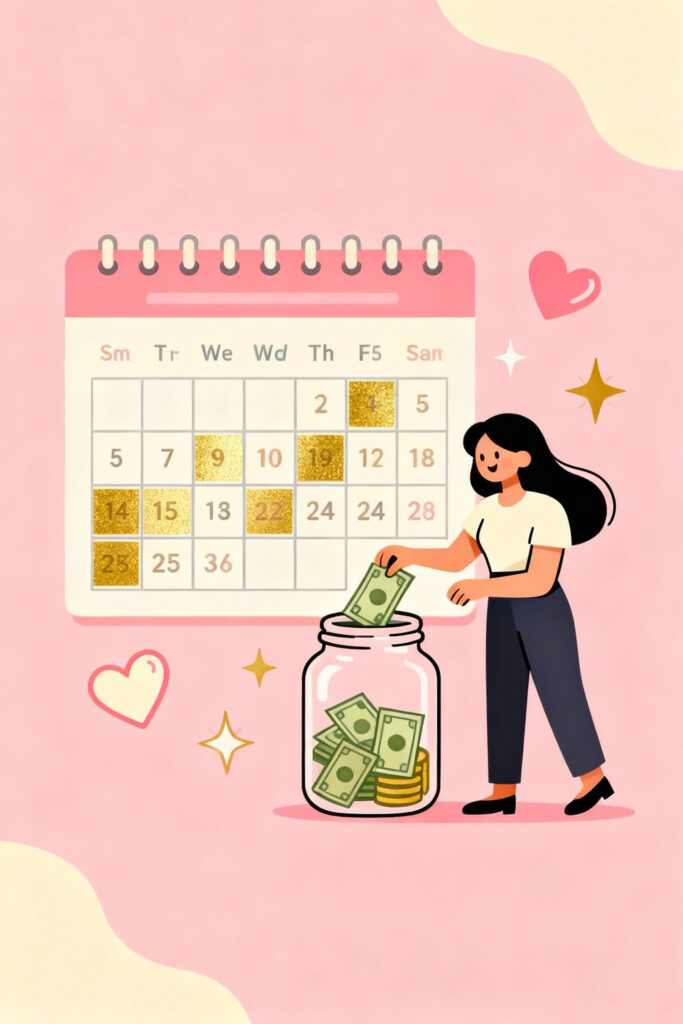
Illustration of a woman depositing money into a savings jar while referring to a bi-weekly calendar on a pastel pink background.

Before you get to saving, it is essential to understand what biweekly challenge actually means. A biweekly savings plan is all about setting money aside every two weeks instead of every month or every week. What makes a biweekly savings challenge a considerable option is that it isn’t too rigid or structured and unlike those monthly challenges, it doesn’t require you to save a big amount at the end of each month, striking the right balance between structure and comfort. 

This method works the best for those who get paid every two weeks so that they can align their paycheck with how they save. By saving $385 every two weeks for 26 pay periods, you’ll reach $10,000 without overwhelming yourself. 

Set a Clear Purpose for Your Savings

Illustration of a person writing down their savings purpose with icons representing goals like travel, home, and emergency fund on a pastel pink background.

Once you understand what a biweekly savings challenge is, the next step is to set a clear purpose for yourself. You can ask yourself questions like,”What am I saving for?” or “What does this savings fund mean to me?” Asking these questions can provide you with direction and clarity, adding a personalized touch to the whole process instead of continuing with something with no obvious purpose. 

Whether it’s to build an emergency fund, go on your vacation trip, or a home down payment, each reason is unique in its own way, what matters the most is your consistency and willingness to achieve your dreams. 

Break Down Your $10,000 Goal

The next step is to break down your big and intimidating goal of $10,000 in small and much more manageable chunks. Instead of focusing on the whole $10,000 figure, a smart approach is to think of it in terms of smaller parts, for example, for $10,000, focus on saving $385 every two weeks. 

You can write down the goal and make consistent effort to make a deposit every two weeks. Over time, these consistent efforts can help you build something meaningful and powerful over time, making every deposit worth it. 

Open a Dedicated Savings Account

The next step is to create a separate and dedicated savings account that can help you save in a much more efficient and consistent manner. Keeping your savings money with your regular money can make it easy to dip into your savings whenever the need to spend arises which is exactly why, it can be helpful to consider opening a dedicated and separate savings account. 

You can also look for a high-yield savings account if possible so that your money can grow through interest while you continue saving.

Automate Your Transfers

Once you create a separate savings account, the next step is to automate your transfers. While this may feel like a simple step, it is highly effective in helping your savings grow. Automating your transfers can help you rely less on willpower and intention to move the money and more on consistency to move on with the challenge. 

You can set up an automatic transfer from your main account to your savings account the day your paycheck arrives so that way you pay yourself first and don’t use your paycheck for other expenses. Moreover, it’s quite common to become forgetful, especially when you have to transfer the money 26 times a year. Automating your transfers removes that risk too, allowing your savings to grow quietly in the background without any drama or distractions. 

Review and Adjust Your Budget

To make room for your bi-weekly savings, it’s important to take a look at your budget and understand exactly where your money goes every month. Sit down with a notebook or budgeting app and track your income and expenses and you might be surprised at how much quietly slips away on things that don’t really add value to your life

By identifying these small leaks, you can start making thoughtful adjustments, not to deprive yourself, but to redirect that money toward something that truly matters to you. Even cutting back a little in each area can create extra room in your budget without making you feel restricted. 

Cut Back on Non-Essentials

Cutting back on non-essentials doesn’t mean depriving yourself of all the things and activities you enjoy, it is more about becoming mindful and intentional with where your hard-earned money goes. Whether it’s that daily coffee that isn’t necessary at times, those subscriptions you no longer use, or those brand-name groceries that are just the same as the store-name groceries, cutting back on these non-essential expenses can help you stretch your budget. 

These savings might seem little but they can easily add up to hundreds over the year, helping you reach the ultimate goal of saving $10,000 quickly.

Boost Your Income on the Side

Another trick to help you reach the ultimate goal of saving $10,000 faster is by exploring other ways of earning. Whether it’s through freelancing, babysitting, pet setting, something as simple as selling unused items at home, or a side hustle that allows you to combine passion with income, using multiple income streams to reach your goal faster can be a strong strategy. Not only can these help you reach your goal sooner but they can also add a sense of financial security and flexibility to your overall savings plan.

Track Your Progress Visually

Tracking your progress visually can make saving money feel exciting instead of like a chore. You can create a savings tracker chart, use a printable thermometer goal sheet, or even color in progress bars on your phone every time you make a deposit. 

Seeing the amount grow, no matter how small, can give you a sense of achievement and keeps your motivation alive. 

Reward Yourself Along the Way

Saving money doesn’t mean you have to skip all forms of enjoyment, in fact, celebrating your milestones is what keeps the journey meaningful. When you hit a certain goal, like saving your first $2,000 or $5,000, treat yourself to something small but special. 

It could be a cozy dinner, a self-care day, or a little item you’ve had your eye on. These small rewards help you stay excited and motivated. You can think of it as a way to thank yourself for staying disciplined and consistent because saving money is as much about mindset as it is about math.

Stay Committed and Avoid Temptations

There will be moments when you feel tempted to dip into your savings or skip a deposit and that’s completely normal. The key is to remind yourself why you started this challenge in the first place. 

Keep your goal visible, maybe written somewhere you see often, like your phone wallpaper or journal. Try to delay impulse purchases by giving yourself 24 hours to think them through. More often than not, you’ll realize you don’t really need the item after all. Staying consistent, even when motivation fades, is what separates short-term effort from long-term success.

Reflect and Plan What’s Next 

Once you’ve completed the 12-month challenge, take a moment to pause and reflect on how far you’ve come. You didn’t just save $10,000, you built discipline, patience, and confidence in managing your money.

Think about what you want to do next whether it’s investing your savings, building a larger emergency fund, or starting saving for another big dream. Use the momentum you’ve built to continue improving your financial future and remember that this challenge isn’t just about the money, it’s about creating lifelong habits that bring you peace and freedom.

Conclusion

Saving $10,000 in a year isn’t just about numbers on a screen, it’s about proving to yourself that consistency, discipline, and small changes truly add up. By breaking your goal into manageable chunks, cutting back mindfully, and staying focused, you can achieve something that once felt out of reach. Every deposit you make is a quiet act of self-care for your future self. So start where you are, keep going even when it feels slow, and trust the process because your dedication today is building the financial freedom you’ll enjoy tomorrow.

Save $5,000 in Just 26 Weeks! (Bi-Weekly Savings Challenge)

November 14, 2025 By Ana Rose

Saving $5,000 may sound like an overwhelming and intimidating figure but if you look at it in terms of 26 weeks, the goal may sound doable. All you need is a realistic, practical, and easy to follow plan that helps you build discipline as well. Whether you’re working on a 9-5 job, are a freelancer, or run a small business, saving money biweekly can offer a steady approach towards the big goal, making it easy for you to save $5,000 without having to feel restricted or deprived. This article will help you explore the dynamics of saving $5,000 in 26 weeks, helping you move towards financial security and stability. 

Save $5,000 in Just 26 Weeks! (Bi-Weekly Savings Challenge)

Understand the Bi-Weekly Savings Concept

Illustration of a woman saving money every two weeks using a bi-weekly calendar, placing cash into a jar against a pastel pink background.

Before you get to saving, it is important to understand what biweekly savings actually mean. A biweekly savings challenge is all about setting money aside every two weeks instead of every week or every month. What makes this challenge a more considerable option is that it doesn’t come very often which makes it hard to keep up and it doesn’t show up once a month, requiring you to save a huge amount at the end of the month. This challenge just strikes the perfect balance between the two, allowing you to enjoy while still maintaining discipline and structure. 

Moreover, if you get paid biweekly this challenge can help you align your savings with your paycheck, making it an even better option for those who receive their paycheck every two weeks. 

Break Down Your $5,000 Goal

Illustration showing the $5,000 savings goal broken into smaller bi-weekly amounts, represented as puzzle pieces being assembled on a pastel pink background.

Once you understand what biweekly savings challenge means, the next step is to break your big $5,000 goal into smaller and manageable chunks. Instead of focusing on the big goal, this challenge allows you to divide the figure into small pieces. For example, if you save around $190-$200 every two weeks, you can save $5,000 by the end of 26 weeks. 

Think of this figure as a non-negotiable expense that can help you in the future. By setting aside a specific amount every two weeks, these amounts can gather up into something meaningful and huge over time that will serve the future you.

Start with a Dedicated Savings Account

Once you break down your big goal, the next step is to open a dedicated savings account created exclusively for your challenge. Keeping your savings in a separate savings account can help you save effectively, preventing you from dipping into it whenever the need to spend arises. 

When your savings are mixed with the regular money, it’s tempting to use it up too without even realizing that you are putting your entire progress off track. You can think of this account as a separate progress jar and the more you add to it, the closer it takes you towards a secure and stable financial future. 

Automate Your Savings

If you wish to make saving easier, a better approach would be to automate your transfers from your checking account to your savings account. This way, you don’t have to rely on willpower and the savings can happen peacefully in the background, allowing your money to grow without any drama or distractions, making it a considerable option for those looking to save efficiently. 

This ‘set it and forget it’ system can help you make savings with a low effort and low maintenance process, helping you save with consistency even if you’re busy or tempted to skip a week. 

Cut Back on Non-Essentials

Once you create a separate saving account and automate your transfers, the next step is to cut back on all the non-essential expenses. The main catch of this step isn’t to make you feel restricted or punished, it’s more about finding the right balance between structure and enjoyment. 

Whether it’s skipping a few takeouts, cancelling subscriptions you don’t use anymore, or reducing impulse purchases as much as you can, being mindful towards the money you work so hard for can help you save in a consistent and effective manner. Even cutting back $10-$20 per week can add up quickly to a huge amount and that same amount can go towards something much more meaningful such as your savings challenge. 

Track Your Progress Visually

The next step is to track your progress whether it’s through a printable chart, an app, or something as simple as a notebook. Not only does tracking your progress visually help you stay aware of how far you’ve come with the challenge, it also adds motivation each time you see it going up, making it more likely for you to stick with it and stay committed to the whole process. 

Each time you deposit your bi-weekly amount, mark your progress. This simple step may not seem much but it contributes significantly to you sticking with the process and staying committed to it no matter the ups and downs.  

Reward Yourself Along the Way

Saving money doesn’t have to feel restrictive or like a punishment, it can feel rewarding and fun if you reward yourself along the way. As you reach big milestones like saving $1,000, $2,000, $3,000, or $4,000, remember to reward yourself. 

Whether it’s a nice dinner out, watching your favorite comfort movie, or buying something you’ve really wanted for a long time, adding little treats to the process can make it easy for you to stick with it, making it less likely to give up in between because of how restrictive it felt. However, it’s essential to remember to not undo the process and celebrate the milestones in a smart way.

Use the “Pay Yourself First” Rule

It’s essential to pay yourself first when it comes to saving. This idea is all about moving your savings to a separate dedicated savings account before you spend your income on bills, groceries, rent, or personal spendings. 

This simple step can help you stay within your spending limits for the income left behind after you pay yourself first. The main catch of this trick is to prioritize your savings over needs and wants and instead of saving the ‘leftover money’ this trick allows you to put your savings first. 

Look for Ways to Earn Extra Income

If setting aside $190-$200 every two weeks feels too much, a considerable option is to look for other ways to earn an income. Whether it’s a side hustle, babysitting, pet sitting, freelancing, or something as simple as selling unused items, these other sources of earning money can help you achieve your goal without having to stress over the finances. 

Earning just $50 extra per week equals $1,300 over 26 weeks which is enough to take serious pressure off your savings goal.

Avoid Dipping into Your Savings

As your balance starts to grow, it is tempting to use your savings or borrowing from it for small expenses or emergencies. It is essential to remember that this challenge is about building discipline and proving to yourself that you can stay committed to your goal. 

If the temptation to spend strikes, remind yourself why you started the challenge in the first place, whether it’s your dream vacation, building an emergency fund, or just the peace of mind that comes along from having money saved in your bank account. Try to make your savings account slightly harder to access, such as using an account without a debit card or linking it to an app that tracks your progress visually. 

Involve a Friend or Family Member

Saving money can feel like a lonely journey sometimes, especially when everyone around you seems to be spending freely. That’s why involving a friend or family member in your 26-week challenge can make such a huge difference. You both can share updates, celebrate milestones, and even motivate each other on the days when saving feels tough.

You can set shared goals too, such as agreeing to save for something meaningful like a trip, a rainy-day fund, or a big purchase you’ve been planning. Having someone to share progress with not only keeps you on track but also makes the process feel less like a chore and more like a shared adventure. 

Review and Reflect After 26 Weeks

Once you reach the end of your 26-week challenge, take a deep breath and look at what you’ve accomplished, you’ve saved $5,000! This is the perfect time to reflect on your journey. Use this reflection to understand your relationship with money a little better. You might find that saving no longer feels impossible or stressful, it’s simply become part of your lifestyle. 

Conclusion

Saving $5,000 in just 26 weeks might have sounded impossible at first, but as you’ve seen, it’s completely achievable with the right plan and mindset. The bi-weekly savings challenge isn’t just about the money, it’s about building confidence and developing habits that make you feel in control of your finances. Every two weeks, you can prove that consistency pays off. Remember, this challenge is just the beginning. Once you’ve seen what you’re capable of, you can take the same energy and apply it to any financial goal you set next, whether it’s saving for a big purchase, creating an emergency fund, or planning a dream vacation. The key is to keep going, keep saving, and keep believing that small, consistent steps can lead to incredible results.

Stop Buying These 10 Things and Watch Your Savings Grow!

November 13, 2025 By Ana Rose

We often think it’s the big purchases that put our entire budget off track but the truth is that it’s those seemingly harmless and small expenses that hold us back from saving. It’s essential to identify those expenses and become more mindful and intentional with where the money we work so hard for goes. By identifying those leaks, you can make adjustments or modify your spending behavior so that the money starts to work for you, not against you. This article will help you explore 10 things to stop buying if you want to see your savings grow faster than ever, helping you identify those small expenses that quietly eat away your entire budget.

Stop Buying These 10 Things and Watch Your Savings Grow!

1. Daily Takeout Coffee

Illustration of a woman comparing daily takeout coffee with making coffee at home, showing money savings through floating dollar signs, on a pastel pink background symbolizing smart daily choices.

Grabbing your favorite morning latte or cold brew may feel like a necessity or a small pleasure that helps your day get better, but in reality, this daily coffee dose can be a real budget killer. Spending $4-$6 on coffee everyday is equal to more than a hundred dollars per month, and that is above $1200 per year, which is exactly why coffee is one of those expenses you should stop spending on if you wish to save money.
An alternative option is to make coffee at home which can cost you around 50 cents per cp, especially if you make a one time big purchase for a good coffee maker or French press. This way, you can still enjoy your daily caffeine dose but this time, you are saving money by making small adjustments. 

2. Bottled Water

Buying bottled water may sound convenient at times but it is one of the most absolutely unnecessary expenses. The cost for a bottle of water may be under a dollar but when you multiply it by how often you buy it, the cost can quickly add up. A better way is to buy a water bottle that is durable and reusable.
You’ll not only save money this way but you’re also contributing to making the environment cleaner and more sustainable. Another way to look at it is that when you carry a durable and reusable water bottle with yourself, you can stay hydrated throughout the day. This is a simple habit that helps both your health and wallet, making it a considerable option to cut back on bottled water. 

3. Subscription Overload

Illustration of a man overwhelmed by multiple streaming and music subscriptions, reviewing his bills and considering cancellations, on a pastel pink background representing control over monthly spending.

From streaming services like Netflix or Prime Video to music subscriptions like Spotify or Apple Music, it’s easy to lose track of what you’re paying for monthly. Most people regularly use only one or two subscriptions, while the rest often go unnoticed and continue charging quietly in the background.

An easy way to deal with subscription overload is to go through your bank statement, review the subscriptions you’ve subscribed to and cancel the ones you no longer need, and keep only those that add value to your life. The $20-$50 you save by cutting back on subscriptions you barely use can go towards something much more meaningful like a savings fund, making it one of the top 10 things to stop buying if you wish to save in an effective manner. 

4. Fast Fashion

Buying cheap and trendy clothes can feel exciting at first, especially when you find something stylish for a low price, but these items often don’t last long. The fabric loses its shape, colors fade, or the trend goes out of style, and before you know it, you’re shopping again for more.

Instead of constantly chasing new trends, it’s better to spend on timeless, good-quality pieces like a comfortable pair of jeans, a classic blazer, or neutral tops that go with everything. These clothes not only stay in style longer but also save you money over time and keep your wardrobe simple and stylish.

5. Brand-Name Groceries

It’s easy to pick brand name groceries just because of this basic assumption that they’re better in quality but the truth is that store-brand or other generic options often have the same items with the same ingredients but at a much lower price than those brand-name groceries. For example, picking just five grocery store-brand items instead of brand-name items can save you hundreds per year, making it a considerable option to cut back on branded grocery items. So the next time you shop, try comparing both the grocery items and you might be surprised by how both the brands offer the same ingredients and quality but one has a much lower price than the other. 

6. Impulse Purchases

Companies and their marketing departments know exactly how to tempt you to purchase with all those limited time offers and flash sales. While these strategies may sound harmless, they can create a sense of urgency and make you spend on things you don’t really need.

One simple trick to fight the urges to impulse buy is to use the 24 hour rule which is all about giving yourself a 24 hour break before you buy anything. This 24 hour gap can help you reflect on your decision to purchase and whether the item is worth your hard-earned money. In most cases, the urge to spend may fade away and you’ll come to realize that it wasn’t worth your money after all, however, if it continues to persist, you can go on with the purchase. 

7. Eating Out Frequently

Whether it’s grabbing lunch during work, ordering food because you’re too tired to cook, or treating yourself to dinner on weekends, eating out can take a much bigger bite out of your budget than you realize. A single meal from a restaurant can easily cost two to three times what it would if you made it at home. 

The best way to save money while still enjoying good food is to start cooking more often. You don’t have to make complicated recipes, just start with simple home-cooked meals that can be healthy, satisfying, and budget-friendly. Meal prepping for a few days ahead or cooking larger portions to reheat later can make your life easier and help you resist the temptation to order takeout. 

8. Tech Upgrades You Don’t Need

We all love the excitement of owning the latest phone, laptop, or gadgets with those sleek designs, new features, and the feeling of staying up to date. But more often than not, these upgrades offer only small changes that don’t justify the high cost. 

Replacing your phone or gadget every year can drain your finances quickly, especially when your current device still works perfectly fine. Instead of rushing to buy every new release, try using your devices until they genuinely need replacing. This simple mindset shift can save you hundreds or even thousands of dollars in the long run. Plus, keeping your gadgets longer reduces electronic waste, which is another way you can contribute positively to the environment.

9. Fancy Skincare and Makeup

It’s easy to get caught up in the hype of luxury skincare and makeup brands that promise flawless results, glowing skin, and instant transformation. But the truth is, many of these expensive products contain the same key ingredients as affordable drugstore alternatives.

The smarter way to take care of your skin is to understand what it really needs. Do a little research, check the ingredient list, and choose affordable, effective products that fit your skin type. 

10. Trendy Home Decor 

It’s fun to redecorate your home and follow the latest interior trends you see on Pinterest or Instagram, but constantly updating your space can become a costly habit. Buying new throw pillows, wall art, and furniture every few months might make your home look fresh, but it also empties your wallet faster than you think. 

A better approach is to invest in timeless pieces that reflect your personal style and can be paired with different accents as trends change. For example, neutral-colored furniture, classic rugs, and simple decor items can adapt easily to new looks with just a few small, inexpensive updates. This not only keeps your space beautiful and cozy but also saves you from feeling pressured to spend every time a new trend appears.

Conclusion

Saving money doesn’t have to feel restrictive or overwhelming, it’s really about making thoughtful, intentional choices that help you use your money in a way that benefits you. By cutting out unnecessary purchases and focusing on what truly matters, you give yourself the freedom to save more, stress less, and build a stronger financial foundation. Each small change you make, whether it’s skipping daily coffee runs, canceling unused subscriptions, or resisting impulse buys, adds up to something much bigger over time. The key is to stay consistent and remind yourself that every dollar you save today is a step toward a more secure, confident, and financially stable future.


23 Lesser-Known Ways to Save Money Fast

November 12, 2025 By Ana Rose

Saving money can often feel like a big challenge especially when your paycheck seems to disappear as soon as it arrives but the good news is that you don’t need to make huge sacrifices or live without comfort to start saving fast. In most cases, it’s the small and unnoticed habits like tiny expenses or extra subscriptions that quietly eat away at your money. By making a few simple changes and being a little more mindful, you can save much more than you think. These 23 lesser-known tricks aren’t complicated or extreme, they’re easy and practical steps that fit right into your daily life and help you see results quickly.

ways to save money

1. Unsubscribe From Marketing Emails

Illustration of a woman smiling while unsubscribing from marketing emails on her laptop, with sale icons and envelopes disappearing around her on a pastel pink background, symbolizing breaking free from shopping temptations.

Those promotional emails with words like “flash sale” or “limited-time offer” might seem harmless, but they’re quietly designed to make you spend more than you plan to. Every time you see one, it can spark that little urge to buy something you don’t really need. The best way to stop the temptation is to unsubscribe from these mailing lists. 

2. Use the “24-Hour Rule” Before Buying

Illustration of a man pausing before buying something online, with a shopping cart on his phone and a large 24-hour clock behind him on a pastel pink background, symbolizing mindful spending and avoiding impulse purchases.

We’ve all made impulse buys that felt exciting in the moment but later ended up collecting dust. To avoid that, try the simple 24-hour rule which includes whenever you feel tempted to buy something, wait one full day before deciding. That short pause gives your the mind time to think clearly and helps you see whether it’s something you truly need or just want in the moment.

3. Switch to a Lower-Cost Phone Plan

Many people pay for data, minutes, or extra features they never actually use. It’s worth checking your phone plan to see if there’s a cheaper option that fits your real needs. Carriers often have budget or family plans that can easily cut your monthly bill without changing much about your service. 

4. Make Coffee at Home

That quick coffee stop on your way to work might feel like a little treat, but over time, it adds up more than you think. Making coffee at home is simple, affordable, and can still feel just as comforting, especially when you use your favorite mug or experiment with syrups and creamers you love. 

5. Use Cashback and Reward Apps

If you’re going to spend money anyway, it feels great to earn a little bit of it back. Cashback and reward apps give you a small percentage of your purchase back when you shop for everyday things like groceries, clothing, or even household items, meaning you save money without changing your habits too much. 

6. Cancel Free Trials Before They Renew

We’ve all signed up for free trials thinking we’ll cancel them later and then completely forgot about them until we see the unexpected charge appear on our bank statement. A simple trick to prevent this is to set a reminder on your phone the very day you start the trial, so you can cancel before it renews and avoid charging you for something you weren’t planning to keep. 

7. Shop During Off-Seasons

Buying things like clothes, home decor, or sports gear during the off-season can save you a huge amount of money without giving up on quality, because stores try to clear old stock to make space for new seasonal items and often drop their prices much lower than usual. For example, you can grab winter coats in spring, school supplies after the school rush slows down, or summer swimwear in fall for half the price. 

8. Use a Water Bottle Instead of Buying Drinks

Buying bottled drinks or sodas every day might seem like a small expense, but it slowly adds up over time without you even noticing. A simple way to fix this is by carrying your own reusable water bottle wherever you go. It’s not only cheaper but also much better for the environment since it cuts down on plastic waste. 

9. Split Streaming Accounts With Family

Many streaming platforms let you create several profiles under one account, which means you don’t need to pay for multiple subscriptions to watch your favorite shows. Instead, you can share one account with trusted family members or close friends and split the cost. It’s a simple and fair way to save money without missing out on the movies or series you love. 

10. Try a “Pantry Challenge” Week

Before your next grocery trip, take a week to cook only with what’s already in your fridge or pantry. This can help you become creative with what you already have, making the most of your current resources, helping you reduce food waste, and giving your wallet a break. 

11. Turn Off Lights and Devices When Not in Use

It’s easy to forget a light or charger on when you leave the room, but those little moments quietly raise your electricity bill over time, so it really helps to make a habit of switching everything off when it’s not needed, using natural light during the day, and even trying energy-saving bulbs that last longer and use less power. Small choices like these don’t take much effort yet end up saving both money and energy month after month.

12. Pay Bills on Time to Avoid Late Fees

Even though late fees seem small, they can pile up surprisingly fast, so setting phone reminders or turning on automatic payments makes sure your bills are always paid before the deadline, saving you from extra charges, protecting your credit score, and keeping your finances running smoothly without any last-minute stress.

13. Borrow or Rent Instead of Buying

Before spending on something you’ll only use once or twice, it’s always smarter to see if you can borrow it from a friend, neighbor, or even rent it online. Not only does it save money, this hack also reduces clutter and creates a nice sense of connection, reminding you that you don’t always have to own everything to enjoy it.

14. Repurpose Old Items Before Replacing Them

You don’t always have to buy something new when your old stuff starts to wear out. With a little creativity, you can give things a second life like using old glass jars to store snacks or turning worn-out t-shirts into cleaning cloths. It’s a fun and easy way to save money while making good use of what you already have. 

15. Carpool or Use Public Transport

Driving alone can be one of the biggest expenses which is why it is considered smart to carpool or use public transport. You can carpool with coworkers, neighbors, or friends and make the ride less boring than they have to be. 

16. Compare Prices Before Every Purchase

Prices can vary a lot from one store to another, so taking just a few extra minutes to check online or visit another shop before buying something, whether it’s groceries, clothes, or electronics, can end up saving you more than you’d expect.

17. Cook Once, Eat Twice

Cooking in larger portions is one of those simple habits that save both time and money because when you double your recipe, you can easily pack leftovers for lunch the next day or freeze them for busy evenings. This can help you avoid expensive takeout, reduce food waste, and keeps you stocked with homemade meals that are both comforting and cost-effective.

18. Sell Things You Don’t Use Anymore

Everyone has a few things lying around that no longer get used, maybe clothes that don’t fit, gadgets collecting dust, or old furniture, and instead of letting them take up space, selling them online or at a local thrift market is a wonderful way to declutter your home while putting a bit of extra cash back in your pocket.

19. Use a Savings Jar for Spare Change

It may sound a little old-fashioned, but having a small jar where you drop your loose coins or small bills can quietly turn into something meaningful over time, especially when you do it consistently, and it’s even more fun if you turn it into a small family challenge, watching the jar fill up together as a reminder that saving doesn’t always have to be complicated or serious to make a difference.

20. Skip Extended Warranties

When stores offer extended warranties on electronics or home appliances, it often sounds like extra protection, but in reality, most of those warranties go unused and end up being money you didn’t need to spend because the products already come with built-in coverage, so by politely declining those add-ons, you can keep a good amount of cash in your pocket without really missing out on anything important.

21. Negotiate Rates on Bills and Services

It might surprise you how often companies like internet providers, insurance firms, or cable services are willing to lower your monthly rate or offer special discounts if you just take a few minutes to call and ask. Don’t hesitate to reach out and check if there’s a better plan available because one simple conversation can save you a good amount every year without changing much about your current service.

22. DIY Small Home Repairs

You don’t always need to call in a professional for every small home issue, because with all the easy tutorials online these days, you can learn to fix simple things like a leaky tap, a loose shelf, or a paint touch-up yourself, which not only saves you money but also gives you that feeling of pride knowing you managed to take care of your space with your own hands.

23. Track Your Spending Daily 

One of the simplest but most powerful ways to save money faster is to write down what you spend each day or use a budgeting app to see where your money actually goes. Once you start noticing your habits, it becomes much easier to make changes and feel in control of your finances without needing to cut out everything you enjoy.

Conclusion

Saving money doesn’t always have to mean giving up on the things you love, sometimes, it’s just about being a little more mindful and intentional with how you spend. These small, often overlooked habits can quietly make a huge difference over time, helping you build better control over your finances without feeling restricted or overwhelmed. When you start making tiny changes like cooking at home, tracking your spending, or comparing prices, you begin to see how every little decision adds up to something much bigger. The best part is that saving becomes less about sacrifice and more about peace of mind, freedom, and knowing that you’re building a future that feels secure and balanced.

Living on One Income? Try These Easy Family Budget Hacks

November 11, 2025 By Ana Rose

Living on a single income can become stressful at times with all the pending bills, rents, groceries, and other expenses that show up out of nowhere. But the truth is, with a bit of planning and using the right strategy, living on a single income can become easier and much more manageable. Whether you’re working on a 9-5 job, working as a freelancer, or running a small business from home, what matters the most is your consistency and willingness to make your money work for you, not against you. This article will help you explore some helpful family budgeting hacks that can support your family’s financial dreams while still making room for things you enjoy. 

Living on One Income? Try These Easy Family Budget Hacks

1. Create a Family Budget That Works for Everyone

Illustration of a cheerful family gathered around a table making a monthly budget together, surrounded by papers, a laptop, and a piggy bank on a pastel pink background representing teamwork and financial planning.

There is no one-size-fits-all when it comes to a family budget which is exactly why you have to consider the preferences of everyone when designing a budget. Sit down as a family and plan a monthly budget that covers your needs, wants, and savings. 

You can involve the kids as well and raise awareness regarding the importance of managing money so that when they grow up they don’t have to struggle with the complexities of the financial world. The key is to make everyone feel included in the process so the whole thing feels more of a team project rather than something everyone’s individually working on. 

2. Track Every Expense for a Month

Another budgeting hack is to track your expenses for at least one month. The main catch of this hack is to stay aware of what you intentionally spend on. This hack can help you identify areas or those leaks, allowing you to modify your unhealthy spending patterns for the future.

You might be surprised by how those seemingly harmless or little expenses cost you, whether it’s those daily coffee runs, shopping sprees, or those late night snacks. This little hack can help you identify where to cut back on without making it feel like a punishment or restriction. 

3. Focus on Needs Before Wants

When you’re living on one income, it becomes really important to understand the difference between what you need and what you simply want. Needs are the things that keep your home and life running such as rent, food, utilities, and insurance. Once these are taken care of, you can look at what’s left and plan for the things that bring you joy, like a fun day out with friends, a family movie night, or a small treat for yourself. 

This approach doesn’t mean you have to give up everything fun or live too strictly, it just helps you stay mindful about where your money goes. Once you start prioritizing your needs over your wants, you provide yourself with a sense of calm and peace of mind that those basic necessities are taken care of. 

4. Build a Reliable Emergency Fund

Life doesn’t always go as planned which is exactly why it is important to plan for those unexpected expenses, whether it is a sudden medical emergency, job loss, or car repair. You can start by saving a small amount like $500 and slowly build toward three to six months’ worth of expenses. 

Aim to add small amounts to your emergency fund gradually and over time, these small chunks of money can gather up to something big and meaningful that can not only help you make responsible decisions in the time of crisis but also provide you with a peace of mind. 

5. Cook More Meals at Home

Illustration of a joyful family cooking a meal together in their kitchen, with kids helping and parents smiling, on a pastel pink background representing saving money, health, and togetherness.

Takeouts and dining out can impact your budget in a far worse way than you might ever realize. The best way to deal with this is to prepare your meals in advance and try to cook more at home rather than relying on takeouts or deliveries. 

You can plan your meal for the following week in advance, buy the groceries in bulk, and cook in batches to prevent the wastage of both food and time. Over time, you can come to realize that this simple hack can reduce your food and grocery costs by a huge margin while keeping your family healthier, allowing you to create warm memories at the dinner table with your loved ones. 

6. Cut Back on Subscriptions and Hidden Costs

It’s easy to lose track of those small charges for subscriptions you once subscribed to, whether it’s those streaming services, music apps, or gym memberships. These small costs can add up faster than you realize, especially when you’re trying to manage on a single income. 

Take a few minutes out of your busy schedule, review your bank statements, and list every subscription you’re paying for. Cancel the ones you no longer need or use, and consider sharing plans with family or friends for the ones you truly value. By modifying these hidden costs, you can manage your budget in a much more effective way, making room for other important expenses. 

7. Shop Smart with Sales and Coupons

A little planning before you go shopping can help your budget stretch further. Check for store sales, weekly deals, and digital coupons before heading out, and try to plan your grocery list based on those discounts. 

Switching to store-brand or generic products can also cut down costs without compromising on quality. Buying items like rice, pasta, or cleaning supplies in bulk can save you even more over time. These small but consistent choices may not seem like much day-to-day, but by the end of the month, you’ll see a clear difference in how much money you’ve managed to keep in your pocket.

8. Embrace Secondhand and Hand-Me-Downs

A simple yet highly effective way to manage money is embracing secondhand and hand-me-downs. Children grow up fast and those clothes that once fit them perfectly suddenly become too small. Instead of buying everything brand new, whether it’s clothes, toys, or school items, try exploring thrift stores or hand-me-downs from friends or family. 

These options not only save you a huge chunk of money, they also teach your kids valuable lessons about appreciating what they already have and reusing items with responsibility. 

9. Automate Your Savings

Saving money feels much easier when you don’t have to think about it every time. By setting up an automatic transfer from your main account to your savings account each month, you make sure that some money is saved before you even get the chance to spend it. 

It doesn’t have to be a big amount, even a small portion of your income, when saved regularly, can slowly grow into something really helpful over time. This kind of automation also stops you from feeling tempted to use that money elsewhere and gives you a calm feeling that your future is being looked after, even when life gets busy or things don’t go exactly as planned.

10. Find Free or Low-Cost Family Fun

You don’t have to spend a lot of money to create meaningful and joyful family memories. Many local communities offer free or low-cost events such as outdoor movie nights, seasonal fairs, library reading sessions, or neighborhood festivals that the whole family can enjoy. Even simple activities like a picnic at the park, a homemade movie night, or baking something together at home can bring everyone closer. 

These moments often turn out to be more special than expensive outings because they’re filled with genuine connection and laughter.

11. Look for Simple Ways to Earn Extra Income

When you’re living on one main income, finding small ways to bring in extra money can make a big difference. You don’t need to start something huge, even small, creative efforts can ease financial pressure and add more stability. Try selling things you no longer use, offering a service you’re good at, or picking up a side gig that fits around your schedule, like freelancing or tutoring online. 

The extra income can help you cover unexpected bills, treat your family once in a while, or simply grow your savings. What matters most is finding something that works well with your daily life so it feels manageable, not stressful.

12. Review and Adjust Your Budget Regularly 

Your budget should grow and change along with your life, whether it’s your family’s needs shifting, a child starting school, bills changing, or income fluctuating, your financial plan should adapt too. Take time every few months to sit down and review where your money is going. 

This helps you notice patterns, catch unnecessary spending, and find new ways to save. It also gives you a clearer sense of control over your finances and keeps you focused on your goals. 

Conclusion

Living on one income doesn’t have to feel like a struggle, it can actually be a path to peace and stronger family values. When you budget wisely, make mindful choices, and focus on what truly matters, you begin to see that a fulfilling life isn’t about how much you earn but how thoughtfully you manage it. By planning together, spending intentionally, and building smart habits, you create both financial stability and emotional comfort. With patience and consistency, living well on one income becomes entirely possible and deeply rewarding.

  • « Go to Previous Page
  • Go to page 1
  • Interim pages omitted …
  • Go to page 38
  • Go to page 39
  • Go to page 40
  • Go to page 41
  • Go to page 42
  • Interim pages omitted …
  • Go to page 170
  • Go to Next Page »

The Latest Blog Posts:

  • 14 Profitable Things To Sell On eBay June 20, 2026
  • Mason Jar Crafts To Make And Sell June 19, 2026
  • 12 Best Jobs for Retired Teachers  June 18, 2026

As Featured In:

Just Start Investing Press Strip 2020 B&W

Follow Us:

  • Facebook
  • Twitter
  • Pinterest

Copyright © 2026 · Just Start Investing LLC

  • Contact Us
  • Blog
  • Privacy Policy / Disclaimers