• Skip to primary navigation
  • Skip to main content

Just Start Investing

We Make Investing Easy

  • Investing
    • Learn About Investing:
    • Investment Accounts
    • Online Brokerage Accounts
    • Investment Vehicles
    • Start Investing:
    • How to Invest in Index Funds
    • Start Investing with Betterment
    • Start Investing with Charles Schwab
  • Banking
    • Best Bank Accounts
    • Types of Bank Accounts:
    • Checking Accounts
    • Savings Accounts
    • CDs and Money Market Accounts
    • Online Banks vs Brick-and-Mortar
  • Credit Cards
    • Best Credit Cards:
    • Best Cash Back Credit Cards
    • Best No Annual Fee Credit Cards of 2021
    • Best Premium Credit Cards of 2021
    • Credit Card Tool: Find the Best Credit Card for Me
    • Learn About Credit Cards:
    • Types of Credit Cards
  • Blog
    • Investing
      • What is Crypto?
        • Crypto
      • What are stocks?
        • Stocks
      • What is a Real Estate Investment?
        • Real Estate Investments
      • What is an IPO?
        • IPO
    • Banking
    • Credit Cards
    • Budget
    • Finances
  • Earn with Crypto
  • Budget
    • How to Build a Budget
    • 24 Tips to Save More Money
  • Resources
  • About
    • Contact
    • Press
    • Learn More
    • Disclaimers
  • Show Search
Hide Search

Blog

The Best Books For Financial Literacy

October 15, 2025 By Ana Rose

Money management isn’t something we’re born knowing, it’s something we grow up learning through trial and error, but the right books can make the journey to learning less difficult and more smoother. Financial literacy is less about saving and investing and more about knowing your ways around money and making it work for you. Whether you’re just starting your financial journey, trying to get out of debt, or looking for wealth to grow, there are countless books that can teach you financial lessons in simpler and practical terms, helping you achieve financial freedom and stability through the power of words and ideas. 

The Best Books For Financial Literacy Graphic

1. Rich Dad Poor Dad by Robert Kiyosaki

Illustration showing a young person learning from two father figures — one academic and one entrepreneurial — on a pastel pink background with golden highlights, representing financial wisdom from "Rich Dad Poor Dad.

This is one of those books that completely changes how you see money. Robert Kiyosaki tells the story of growing up with two father figures, his own educated but financially struggling “poor dad,” and his friend’s successful entrepreneur “rich dad.” 

Through their two very different approaches to money, work, and life, Kiyosaki shows how financial freedom doesn’t come from having a fancy degree or a stable job, but from understanding how money really works. The book teaches simple ideas about assets, liabilities, and building wealth, but it’s told through stories that make you learn without even noticing.

2. The Total Money Makeover by Dave Ramsey

Dave Ramsey doesn’t sugarcoat anything, he tells you exactly what to do to get your finances under control, and his advice actually works. This book is like having a strict but caring financial coach guiding you step by step. 

Ramsey’s approach is based on simple baby steps, from saving your first emergency fund to paying off all your debt and finally building wealth. His ‘debt snowball’ idea, which is all about paying off small debts first, can help you stay encouraged and feel progress early on. 

What makes this book a must-read is that it doesn’t just talk about numbers, it talks about real life, including the fear, the frustration, and the relief that comes when you finally take charge of your money.

3. The Millionaire Next Door by Thomas J. Stanley and William D. Danko

This book is fascinating because it breaks all the stereotypes we have about rich people. Instead of flashy cars and luxury vacations, it turns out most millionaires live quietly, save carefully, and spend thoughtfully. 

Stanley and Danko studied real millionaires across America and found that the majority are ordinary people who simply manage their money wisely over time. The beauty of this book lies in how relatable it is, it shows that wealth isn’t about luck or inheritance, but about making steady, smart choices. It’s a comforting reminder that anyone can build financial security with steady habits, patience, and a bit of discipline.

4. Your Money or Your Life by Vicki Robin and Joe Dominguez

This book isn’t just about managing money, it’s about transforming your entire relationship with it. Vicki Robin helps you see how every dollar you earn represents your time and energy, which makes you think twice about how you spend it. It gently teaches you how to track your spending, get out of debt, save more, and live with purpose. 

The goal isn’t just to get rich, it’s to feel free and live in a way where your money choices actually match your values. The tone of the book feels personal, comforting, and eye-opening, especially for people who feel trapped by the constant chase for more.

5. The Psychology of Money by Morgan Housel

Digital illustration of a brain formed from coins and bills on a pastel pink background, symbolizing emotional and psychological connections with money inspired by "The Psychology of Money.

This one feels like sitting down with a friend who truly understands how emotions and money get tangled together. Morgan Housel doesn’t lecture, he tells real human stories about greed, fear, patience, and luck. He explains how our financial behavior isn’t always rational because money is deeply emotional. 

What makes this book special is that it helps you understand yourself, not just your finances. It reminds you that how you feel about money often matters more than how much you actually have. Each chapter is short, thoughtful, and full of lessons that stick with you long after you finish the book.

6. I Will Teach You to Be Rich by Ramit Sethi

Ramit Sethi writes like he’s talking directly to you with no boring ideas, no confusing formulas, just real and practical advice you can start using right away. His six-week program covers everything from saving and investing to automating your finances so you don’t have to constantly stress over them. 

What’s nice is that the author never tells you to stop enjoying life, he just shows you how to spend on what you love without guilt, while still growing your wealth. It’s funny, modern, and realistic, perfect for people who want to take control of their money without turning into someone who counts every penny.

7. The Simple Path to Wealth by JL Collins

This book started as a father’s advice to his daughter, and that warmth really comes through in the writing. JL Collins explains investing and financial independence in the most straightforward way possible, focusing mainly on index funds and long-term thinking. 

He doesn’t try to impress you with complicated charts or financial terms, he just tells you what works and why. The message is simple but powerful, all about saving consistently, avoiding debt, investing wisely, and giving your money time to grow. It’s a gentle, down-to-earth book that makes you feel like financial freedom is simple and doable if you stay patient and stick with it.

8. Broke Millennial by Erin Lowry

Erin Lowry writes exactly like someone who understands what it’s like to be young, broke, and trying to figure it all out. She tackles real issues like student loans, splitting bills, negotiating salaries, and even dealing with money anxiety. 

9. Atomic Habits by James Clear

Even though this isn’t directly a finance book, it’s one of the most powerful tools for anyone who wants to actually stick to good money habits. James Clear explains how small actions, repeated daily, can completely change your life over time. 

He breaks down how habits are formed and how to make them work for you instead of against you. When you apply his ideas to money, like saving a little every week or checking your budget regularly, it becomes much easier to stay consistent. His writing feels calm and encouraging, reminding you that real success comes from small progress, not from being perfect.

10. The Intelligent Investor by Benjamin Graham

This one is often called the “Bible of investing,” but don’t worry, you don’t need to be a finance expert to learn from it. Benjamin Graham teaches you how to think like an investor instead of a gambler. 

He talks about the difference between trying to make quick money through short-term guesses and the kind of slow and steady investing that actually helps you build real wealth over time. The main lesson is simple, that patience and steady thinking always beat emotional decisions or rushing to get rich quickly. This book is great for anyone who wants to learn how to grow their money in a calm, smart, and safe way instead of jumping into risky trends that don’t last.

11. Women & Money by Suze Orman

Suze Orman writes with a voice that’s both firm and deeply caring, especially toward women who’ve been told money isn’t “their thing.” She encourages women to take control of their finances with confidence and self-respect. 

The book covers everything including saving, investing, retirement, and even emotional obstacles that stop many from feeling financially secure. It’s practical but also uplifting, reminding you that managing money isn’t only about numbers, it’s really about self-respect, confidence, and freedom.

12. The Automatic Millionaire by David Bach 

David Bach’s message is simple yet brilliant, that you don’t need to be rich to start building wealth, you just need a system that works automatically for you. He explains how automating your savings, investments, and bills helps you grow your money without relying on willpower or constant effort. 

It’s one of those ideas that sounds too easy, but it really works. The book is full of stories of ordinary people who quietly became millionaires just by setting up smart financial habits and letting time do the work. It’s honest, realistic, and inspiring, perfect for anyone who wants handling money to feel easy and natural.

Conclusion

Money is something we deal with every single day, yet most of us were never really taught how to manage it wisely. Learning about money doesn’t have to be confusing, it can actually feel exciting once you realize how much control it gives you over your life. The best financial literacy books aren’t filled with complicated charts or intimidating terms, they’re full of stories, lessons, and simple truths that help you think differently about spending, saving, and building wealth. They show that real financial freedom isn’t about being rich, it’s about feeling calm, confident, and in charge of your choices. Whether you’re just starting out, trying to pay off debt, or planning for the future, these books can slowly change the way you think and help you build a life that feels stable, free, and genuinely yours.

The Best Financial Literacy Books For Women

October 14, 2025 By Ana Rose

Financial empowerment is one of the best skills women can learn in today’s world. Yet, many women see money as an intimidating and confusing topic that requires effort, intellect, or something to be handled by someone else. Whether you’re a student, a mother, a working professional, or someone rebuilding your financial life, understanding money is one of the most powerful things you can do for yourself. This article will help you explore financial literacy books that don’t just teach you how to budget or invest, they teach you how to believe in your own financial strength and shape a future that feels secure, independent, and free.

The Best Financial Literacy Books For Women Graphic

1. Women & Money by Suze Orman

Suze Orman has a way of talking about money that feels personal, not distant or technical. In Women & Money, she explores why so many women struggle to feel confident about finances, and she explores the emotional side of money that most books ignore. 

She talks about the guilt women sometimes feel when spending on themselves, or the fear of taking charge after years of depending on someone else. What makes this book so powerful is how Suze turns that fear into empowerment and teaches you not just how to save or invest, but how to truly value yourself enough to demand financial respect, from others, and from your own choices.

2. Smart Women Finish Rich by David Bach

David Bach doesn’t write like a finance expert lecturing a bunch of students, he writes like a caring mentor who wants women to see money as a tool for a happier life. His book focuses on helping you figure out what actually matters most to you, whether it’s travel, security, family, or independence, and then using your finances to support those dreams. 

Bach explains practical steps like paying yourself first, investing in retirement early, and avoiding common traps like lifestyle inflation. What makes his advice stick is the warmth behind it,  he truly believes women can build wealth without sacrificing joy, and that money should serve your values, not control them.

3. Rich Woman by Kim Kiyosaki

Illustration of a confident woman holding the book “Rich Woman” against a pastel pink background with glowing accents, symbolizing female financial independence and empowerment.

Kim Kiyosaki’s Rich Woman is a book that shakes you awake. It challenges the outdated belief that managing money is a man’s responsibility and reminds women that financial independence is not optional, it’s essential. 

She shares her own journey of moving from uncertainty to empowerment through real estate and entrepreneurship, and she does it with a kind of honesty that feels rare. Kim doesn’t hide her mistakes, instead, she uses them to show that confidence grows from action, not perfection. The book encourages you to stop waiting for the “right time” or the “right partner” and start building your own financial story, one brave decision at a time.

4. Get Good with Money by Tiffany “The Budgetnista” Aliche

Tiffany Aliche, or “The Budgetnista” as she’s lovingly called online, has helped thousands of women fix their finances with compassion and simplicity. In Get Good with Money, she breaks down financial wellness into ten small, achievable steps such as covering budgeting, debt, credit, saving, and investing but in a way that feels friendly, not overwhelming. 

She writes like someone who’s been where you are and knows how hard it can feel to start. Each chapter builds confidence, helping you make progress even if you’re starting from zero and by the end, you don’t just understand money better, you start believing that you can truly take control of it.

5. Broke Millennial by Erin Lowry

Erin Lowry’s Broke Millennial is the perfect book for young women trying to make sense of adulthood. It talks about real-life things that most finance books skip, like how to talk about money in relationships, split bills with roommates, or handle student loans without losing your mind. 

Her writing is sharp, funny, and deeply relatable and you don’t feel judged, you feel understood. Erin makes you realize that everyone starts somewhere, and you don’t need to have it all together to get better at managing your money. She teaches that progress matters more than perfection, and that building wealth is less about luck and more about consistency.

6. The Financial Diet by Chelsea Fagan and Lauren Ver Hage

If you’ve ever thought “I’m just not good with money,” The Financial Diet will make you rethink that. Chelsea Fagan and Lauren Ver Hage combine financial advice with real talk about lifestyle, self-care, and adulthood. They cover everything from budgeting and saving to cooking at home, decorating your space affordably, and building confidence at work. 

What makes it special is how it acknowledges that money isn’t separate from the rest of life, it’s a part of every choice we make. This book makes finance feel beautiful, manageable, and even creative, especially for women trying to build a stable yet fulfilling life.

7. Money, A Love Story by Kate Northrup

Kate Northrup writes about money in a way that touches your heart. She believes that before you can fix your finances, you have to heal your relationship with money, because most of us carry guilt, fear, or shame around it without realizing it. 

Money, A Love Story helps you release that emotional baggage and rebuild a healthier mindset. It’s not about strict budgets or financial stress, it’s about learning to feel good about earning, spending, and saving. Kate reminds you that money is energy, and when you treat it with respect, gratitude, and love, it flows more easily into your life.

8. You Are a Badass at Making Money by Jen Sincero

Illustration of a happy woman celebrating success surrounded by dollar icons and sparkles on a pastel pink background, inspired by Jen Sincero’s empowering money mindset book.

If you need motivation served with humor and a little tough love, Jen Sincero’s You Are a Badass at Making Money will light a fire in you. She blends practical money lessons with a mindset makeover, showing you how to break free from self-doubt and start believing you deserve success. 

Jen’s tone is raw, funny, and fearless as she pushes you to look at what’s really holding you back, whether it’s fear of failure or the belief that wanting money makes you greedy. She makes financial growth feel exciting, not boring, and her words stick with you long after you’ve closed the book.

9. The Simple Path to Wealth by JL Collins

JL Collins takes the mystery out of investing and makes it something anyone can understand. The Simple Path to Wealth teaches that financial freedom doesn’t come from chasing quick wins, it comes from patience, simplicity, and steady investing. 

He explains how to grow wealth through index funds and smart money habits without overwhelming you. 

What makes this book stand out for women is how it restores a sense of calm and you may come to realize that you don’t need to be a financial genius to secure your future, just someone willing to start and stay consistent.

10. Nice Girls Don’t Get Rich by Lois P. Frankel

Lois Frankel’s Nice Girls Don’t Get Rich digs deep into the mindset and behaviors that quietly hold women back from financial independence. She explains how being too accommodating, avoiding confrontation, or hesitating to ask for what we deserve often costs women financially, whether it’s a smaller paycheck, unpaid labor, or missed opportunities.

This book doesn’t tell you to stop being kind, it teaches you how to be kind and confident, how to set boundaries, and how to see money as a form of power you’re allowed to have. 

11. Clever Girl Finance by Bola Sokunbi

Bola Sokunbi’s Clever Girl Finance feels like a friendly, judgment-free guide for women at any stage of life. She starts with the basics such as how to make a budget, get out of debt, save consistently, and start investing, and explains everything in simple, clear language.

What sets this book apart is Bola’s empathy as she knows what it’s like to start from scratch, and she makes sure her readers know they can too. Her advice is practical, but her tone is motivating and by the end, you not only understand the steps to take but also feel inspired to take them, one confident decision at a time.

12. The One-Page Financial Plan by Carl Richards

For anyone who feels overwhelmed by complex financial advice, Carl Richards’ The One-Page Financial Plan is like a breath of fresh air. He simplifies the entire process of financial planning down to one page by helping you define what truly matters to you. 

He doesn’t promise quick results or fancy strategies, instead he helps you build a plan that fits your real life. His calm, thoughtful tone reminds you that money isn’t about comparison or competition, it’s about creating a life that feels steady, intentional, and meaningful.

Conclusion

The beauty of these books lies in how different they are, while some focus on emotional healing, others focus on practical steps and bold mindset shifts, yet they all share one common thread, empowerment. Each of them reminds women that money isn’t something to fear or avoid; it’s something to understand, respect, and eventually master. You don’t need to have everything figured out before you start, you just need curiosity and a willingness to learn. Start with one book that speaks to where you are right now and let it guide you slowly, chapter by chapter, until things that once felt confusing begin to make sense.

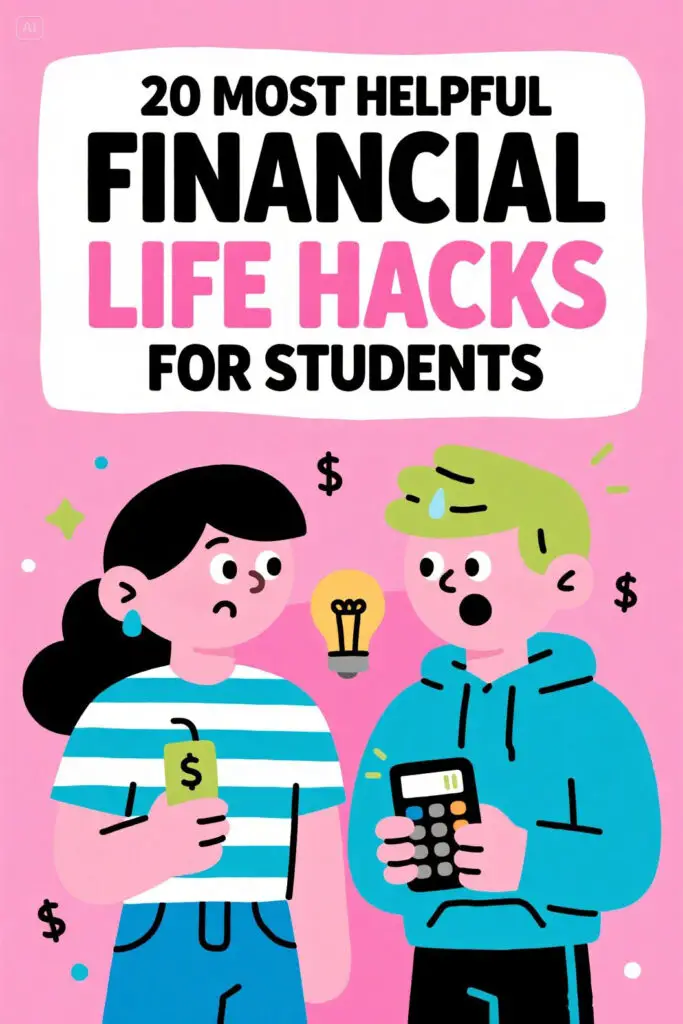
20 Most Helpful Financial Life Hacks For Students

October 13, 2025 By Ana Rose

Being a student means struggling with assignments, quizzes, projects, social life, and the constant worry of making money last until the end of the month. For many students, it’s their first time handling money on their own, which makes it easy to overspend without realizing where the money is actually going. Whether you’re relying on pocket money, a side hustle, or financial aid, learning how to stretch the budget enough for a whole month can make a huge difference. The good news is that you don’t have to be a financial expert to make money work for you, you just need to follow small and practical steps to contribute to a stable and secure financial future, preferably in your student life. This article will help you explore 20 best financial life hacks, helping you make smarter choices that can balance both your studies and your wallet. 

20 Most Helpful Financial Life Hacks For Students Graphic

1. Track Your Spending Daily

Flat lay of a phone displaying a spending tracker app, a notebook, and coins on a pastel pink background representing the habit of tracking daily expenses for better money management.

Staying aware of your spending habits can help you in ways you may not realize. Whether you use an app, a spreadsheet, or something as simple as a notebook, tracking your expenses can help you spot faulty spending patterns and take action to build healthy financial habits over time. 

You’ll be surprised how much those small purchases like snacks or coffee runs cost, and this hack can help you take action. 

2. Create a Weekly Budget, Not Just Monthly

Breaking your budget into weekly portions can make it easier for you to stay disciplined and more committed with the process. It prevents that “spent too much too soon” panic at the end of the month and with a weekly plan, you can make small adjustments before things get out of hand.

3. Use Student Discounts Everywhere

Before you buy something, always ask for student discounts before paying. Whether you’re in a cafe, a bookshop, or even a movie theatre, many places offer discounts for students, making this hack highly beneficial for students. 

It might only be a few dollars, but over time, these small wins can add up quickly to a huge sum, making this hack a considerable option. 

4. Cook at Home or in Dorm

Student cooking a budget-friendly meal in a dorm kitchen with fresh ingredients on a pastel pink background, illustrating the idea of saving money by preparing food at home.

Learning how to cook is simply one of the best money-saving skills you can adopt. Homemade food is not only lighter on your wallet, it is also healthier and more fulfilling. You can make this hack fun by inviting a bunch of friends home for a group cooking night, which can be fun, social, and most importantly budget-friendly. 

5. Share Subscriptions

Another highly effective financial hack when it comes to saving more is sharing subscriptions. Whether it’s a streaming platform, a productivity tool, or even an online study course, sharing them with friends or other people can split the cost. 

When you share these subscriptions, you get to enjoy the same benefits but without having to pay the full price individually. 

6. Buy Second-Hand Textbooks or Go Digital

Textbooks are one of the biggest expenses for students, and buying them brand new each semester can quickly drain your budget. Instead, look for second-hand copies from seniors, online marketplaces, or campus book exchanges where students sell or lend their books at affordable prices. 

You can also explore digital versions or PDFs, which are often cheaper, or at times, even free. 

7. Sell What You Don’t Use

There are always a few things lying around that you no longer need, such as an old backpack, unused stationery, clothes, or gadgets. Instead of letting them take up space, sell them online or to other students who might actually need them. 

It’s a simple way to make quick cash without extra effort, and it also helps you develop a practical mindset about the value of your belongings. 

8. Learn the Art of Saving Small

Most students believe saving money means setting aside a big portion of their income, but that’s not true. The real secret is consistency, not size. 

You can start by saving just a small amount every few days, even if it’s the leftover change from lunch or a small note you decide not to spend, and over time, these small efforts quietly grow into something meaningful, teaching you the discipline and patience that define good money management.

9. Avoid Credit Card Traps

Credit cards can be useful, but they can also be dangerous if you don’t fully understand them. Instead of using credit cards, try to use cash or debit cards, because while it may feel easy to swipe the card sometimes, it is difficult to pay the bill later on. 

If you have a card, try to use it only for emergencies or essential purposes, and make sure to pay the balance in full each month. 

10. Use Free Campus Resources

Universities often offer a wide range of facilities that students usually don’t fully take advantage of. Whether it’s the library, free gym, printing services, or even counselling services, these resources are a part of what your tuition fee covers. 

Using these services isn’t just smart, it’s your right as a student because you’re technically paying for it. 

11. Travel Smart

Transportation costs might seem minor at first, but they can quietly eat up a large portion of your monthly budget. Instead of relying on daily ride apps, explore student bus passes, bikes, or even carpooling with friends who live nearby. 

Not only is this option cheaper, it’s also a great way to socialize and build stronger connections with people who share your routine. 

12. Avoid Impulse Shopping

There’s no bigger threat to your budget than the unhealthy habit of impulse shopping. An effective way to deal with it is giving yourself some time before buying anything non-essential for at least 24 hours. 

In most cases, the urge to buy may fade away, letting you make more intentional and mindful choices when it comes to spending money. 

13. Make Extra Money Online

Relying on a single income stream in today’s economy is difficult, which is exactly why it is a considerable option to make extra money online. Whether it’s freelancing, online tutoring, or selling digital art, the options to make money online in today’s digital world are limitless. 

14. Limit Eating Out to Once a Week

Eating out can quickly turn into a costly habit, especially when done frequently with friends. While it is easier to get carried away with the thought of hanging out or enjoying your friends’ company while eating, it is also essential to remember that these dine-outs may cost you way more than you realize, eating away a large chunk of your budget in no time. 

Instead of cutting it out completely, limit it to once a week so you can still enjoy the social aspect without draining your wallet. 

15. Use Cash Instead of Card Sometimes

When you pay with cash, you become more aware of the money leaving your hands, ultimately helping you become more intentional with your spending choices. Try withdrawing a specific amount for each week and use only that cash until it’s gone. The catch of this hack is to stay within the weekly spending limits, helping you avoid overspending, impulse shopping, and becoming more disciplined when it comes to spending money. 

16. Save on Tech

Tech is essential for students but it doesn’t mean you have to buy the latest gadget or the most expensive version. Always check for student deals on laptops, tablets, and software as many companies like Microsoft and Adobe offer discounts exclusively for students. By being smart with your tech purchases, you can save big while still getting what you need for your studies.

17. Don’t Buy New Clothes for Every Event

Student life is full of events, hangouts, or parties, but this doesn’t mean you have to buy a new outfit every time an occasion comes. Instead, mix and match your existing clothes in creative ways, borrow from friends, or try thrift shopping for affordable finds.

18. Build an Emergency Fund

Life as a student can be unpredictable, maybe your laptop suddenly stops working, or you need to travel unexpectedly. Having even a small emergency fund gives you peace of mind in such situations. 

Start by setting aside a little each month into a separate account and promise yourself not to touch it unless absolutely necessary. It’s one of the most empowering financial habits you can develop at this stage in life.

19. Automate Your Savings

If you receive a monthly allowance or part-time income, set up an automatic transfer that moves a small percentage into your savings account as soon as you’re paid. When saving happens automatically, you don’t get the chance to second-guess or spend it impulsively.

Over time, you’ll have a growing cushion without feeling deprived, and that’s the beauty of automation, it helps you build financial stability effortlessly.

20. Reward Yourself for Saving

Saving money takes patience, consistency, and discipline, so it’s important to celebrate your progress along the way. Whenever you reach a financial goal, allow yourself a small treat, whether it’s a coffee outing, a favorite snack, or a new book. 

These rewards keep you motivated and make the process feel positive instead of restrictive. Financial success isn’t just about cutting back, it’s about creating a healthy relationship with money.

Conclusion

Managing money as a student is never easy, but it’s one of the most valuable skills you can learn early in life. These simple yet powerful financial hacks don’t just help you survive through college, they teach you how to build habits that will benefit you long after graduation. The key is consistency, saving a little, spending mindfully, and always thinking ahead. Remember, being financially smart isn’t about how much you earn, it’s about how wisely you manage what you already have.

Financial Literacy Activities For Teens

October 12, 2025 By Ana Rose

Teaching teens about financial literacy is one of the best gifts we can give them because money plays a central role in adult life, yet it is something most people learn after they make costly mistakes. The teenage years are the perfect time to introduce money management because this is when teens start getting allowances, earnings from side hustles, and start making their independent spending choices. Instead of giving lectures, using activities can make the process feel more practical, fun, and teens may actually learn something from the hands-on experience. This article will explore 19 financial literacy activities for teens, helping them build healthy habits and encouraging responsibility for a secure and stable financial future. 

19 Best Financial Literacy Activities For Teens Graphic

1. Create a Personal Budget

One of the simplest and most effective activities for financial literacy is helping teens create their own personal budget. This can be as basic as listing down money coming in, whether it’s from an allowance or a part-time job, and money going out, like food, outings, or savings.

By doing this regularly, they start to see patterns in their spending and learn the importance of planning ahead instead of just spending impulsively.

2. Open a Teen Bank Account

Opening a savings or checking account is a big and exciting step for teens because it brings along the taste of independence and freedom. It’s a chance to actually see how money moves in and out, whether through deposits, withdrawals, or online transfers, and with a little guidance, it also becomes clear why keeping an eye on your balance and avoiding extra fees really matters.

3. Track Spending with Apps or Journals

For an eye-opening activity about spending choices, try tracking spending with apps or a simple journal. While this activity may seem simple, it is highly effective to see unhealthy spending patterns that may be putting your entire budget off track. 

Sometimes the smallest of purchases, like snacks or those everyday coffee runs, add up quickly and eat away a huge chunk of your budget. Track your expenses by using a notebook or if you prefer a digital approach, use budgeting apps or create a spreadsheet, and stay aware of what you spend on. 

4. Learn the Difference Between Needs and Wants

Two boxes labeled “Needs” and “Wants” on a pastel pink background, each filled with items representing essentials and luxuries, visually teaching teens how to distinguish between financial priorities.

Many teens may struggle to differentiate between needs and wants which is exactly why this activity is necessary. You can make this activity engaging by giving the teens a small budget and a list of items like food, new gadgets, clothes, and asking them to categorize these items into needs and wants. 

This activity can help them realize that while wants are great to have, needs always come first when money is limited. 

5. Practice Goal Setting and Saving

Saving without any purpose can feel boring and pointless which is exactly why it is necessary to set goals or targets. Whether it’s buying a new phone, new clothes, or going for a fun trip with friends, giving your savings a purpose can help you become more motivated and consistent to achieve the target. 

This activity can show them that discipline and patience brings rewards, and it can also build confidence when you achieve something on your own.

6. Try a Part-Time Job or Side Hustle

What better way to step into the world of finances than to explore it by becoming a part of it? While you’re looking for activities to help you understand financial literacy better, consider the possibility of earning an income through side hustles or part-time jobs. 

You can earn through freelancing, babysitting, pet sitting, or run a side hustle based purely on your interests. Not only does this activity earn you an income, it also allows you to explore your skills or pursue your hobbies. You can also learn timeless skills like time management, communication, and responsibility that can serve you in the long run. 

7. Simulate Real-Life Expenses with a Paycheck Challenge

Teen working on a mock budgeting challenge using play money, envelopes, and bills on a pastel pink background, illustrating how to manage real-life expenses with limited income.

For a fun yet serious activity, teens are given a pretend paycheck and a list of expenses, like rent, groceries, and bills and they must figure out how to budget and survive for the month. Teens quickly realize how much money goes into basic living expenses and how little is left behind for fun, and it’s a great way to prepare them for adult life while being in a safe learning environment.

8. Understand Credit, Loans, and Debt Basics

Many of us hear words like “credit card” or “loan” but don’t fully get what these terms mean. A practical activity is to explain how credit works using examples, like borrowing a small amount from you and paying it back with interest. You can show them both the benefits of good credit and the dangers of debt when people spend more than they can repay. This builds awareness before they are old enough to get their own credit cards.

9. Explore Compound Interest with Simple Demos

Compound interest can sound complicated, but with simple activities, teens can easily understand it. For example, show them how money doubles faster when it earns interest on both the original amount and the accumulated interest. 

You can also use real-life calculators or online tools to demonstrate how even small savings can grow significantly over time, and once teens see the numbers, they are often motivated to start saving early.

10. Practice Smart Shopping and Price Comparisons

For a hands-on activity done during grocery trips or online shopping, consider the price comparison activity. This activity is all about encouraging logical reasoning by comparing prices, checking discounts, and coming to a conclusion about which option wins over the other.

11. Learn Couponing and Discount Hunting

Looking for discounts, coupons, or student deals may feel small, but it teaches you that saving money is about being smart, not cheap. When you find ways to spend less on the same item, you start to see how every little saving adds up and leaves you with more for things that matter.

12. Run a Mini Business or Entrepreneurial Project

Starting something simple like a bake sale, craft shop, or tutoring gig gives you a taste of real money management. You can see how much effort goes into earning, how to set prices, and why budgeting matters, and the lessons stay with you far longer than just a lecture.

13. Join Family Budget Discussions

Even though it may not seem very exciting, being a part of family budget discussions can help you become aware of how financial decisions are made in real life. You don’t have to get into those complex calculations or figures, instead watching your parents decide how much to spend on groceries, bills, or outings can give you a deeper understanding of priorities.

14. Play Financial Literacy Games and Simulations

Sometimes the best way to learn serious lessons is by turning them into fun activities, and financial literacy games are a perfect example of this. Playing board games like Monopoly or The Game of Life, or even online simulations that let you practice budgeting, investing, or running a business, gives you a chance to make choices, test strategies, and face the consequences without risking real money. 

15. Explore Investing Basics with Stock Market Simulators

Using stock market simulators helps you understand that investing isn’t luck but patience and long-term thinking. Watching how fake money grows or shrinks teaches you that smart investing is about planning rather than chasing quick wins.

16. Learn About Taxes Through Real-Life Examples

Looking at a paycheck stub or online calculator shows you that the money you earn isn’t the same as what you take home. Understanding taxes early prepares you for real life and helps you see why planning your income wisely is important.

17. Practice Giving Back with Charity or Volunteering

One of the most meaningful lessons about money is learning that it is not just for spending on yourself but also for helping others, and practicing generosity at a young age can shape how you see money for the rest of your life. This could mean setting aside a small portion of what you earn to donate to a cause you care about, or it could mean using your time to volunteer in a way that makes a difference for people in need. 

18. Build an Emergency Savings Fund Challenge

Life doesn’t always go according to plan which is exactly why it is important to keep a safety cushion in place in case of unexpected expenses. Whether it’s a broken phone or a sudden school project expense, having an emergency fund can help you deal with the situation with confidence and responsibility. 

Try to put aside little money every week, and over time these amounts can grow into something big and meaningful over time. 

19. Celebrate Milestones and Good Money Habits

Rewarding yourself when you reach a goal makes money management feel encouraging instead of stressful. Celebrations don’t need to be expensive, they can be as simple as a treat, a fun outing, or time with friends, reminding you that progress deserves recognition.

Conclusion

Learning financial literacy as a teen is not about becoming an expert overnight, but about building small habits and experiences that make money feel less confusing and more manageable. Each activity, whether it’s tracking your spending, saving for a goal, trying out a mini business, or simply learning through games, makes you more confident in your financial decisions. By starting early and making the process fun and practical, you give yourself a strong foundation that will guide you not only through your teenage years but well into adulthood.

Most Effective Financial Literacy Projects For Kids

October 11, 2025 By Ana Rose

Money is a part of everyday life, yet many children grow up without learning their way around money. While schools cover topics like maths and figures, they rarely teach kids about real-world money scenarios, and by the time they become adults, they already feel overwhelmed by the concepts of budgeting, saving , or paying off debts. This is exactly why it’s important to teach your kids about financial literacy by making money lessons practical, fun, and hands-on. Instead of telling your kids about money, a better approach would be to let them experience it on their own, allowing them to take on money projects and make money concepts real and easier to understand. This article will help you explore some of the most effective financial literacy projects for kids that not only build financial knowledge but also shape habits that can stay with them for life. 

Most Effective Financial Literacy Projects For Kids Graphic

1. Create a Savings Jar Project

A cheerful child placing coins into a transparent savings jar decorated with stickers on a pastel pink background with soft glowing highlights.

For an easy and effective way to introduce kids to money management, create a savings jar project. Give them a transparent jar or piggy bank so they can see their savings grow over time, making the process more exciting and easier to stay consistent with. 

Each time they put in a coin or a note, explain to them that these small amounts can build up into something big and meaningful over time, making it worth every sacrifice and effort. To make the saving process more meaningful, you can also consider associating the project with a mini goal like buying a new toy or a video game. 

2. Needs vs. Wants Sorting Game

For one of the most simple yet highly effective approaches to help your kids understand money management better, consider the needs vs. wants sorting game. This project is all about helping your kids understand what expense is a need and what falls under the wants category. Tell them that needs are essentials that always come first, whereas wants are those extras that are just nice to have. 

Once you let them know the difference between the two, start collecting pictures of items from magazines or get printouts of items like food, toys, school supplies, clothes, or gadgets, and ask them which items are needs and which are wants. This project can help them understand the importance of always prioritizing needs over wants, building healthy habits of spending wisely in the long run. 

3. Allowance Budgeting Challenge

Instead of giving your kids money without any direction or purpose, try turning their allowance into more of a budgeting project. Teach them to divide their money into three parts, saving, spending , and sharing. 

For instance, if you give them $10, they can put $5 in savings, $3 for spending, and $2 for sharing or giving. While this may seem simple, this project can help your kids think strategically, making the most of their money. 

4. Family Grocery Project

A parent and child smiling while comparing grocery prices and checking a shopping list on a pastel pink background with subtle glowing highlights.

For one of the most practical ways to teach your kids about budgeting, consider the family grocery project which involves taking your kid to grocery shopping with you, giving them a small amount of money, a mini shopping list, and letting them plan how to buy the items while still figuring out ways to stay within the budget. 

Ask them to compare prices, cost, and value, and help them learn about spending wisely and being more mindful with the hard-earned money. 

5. Goal-Setting Vision Board

A vision board can remind your kids of their targets and goals, making the process feel more exciting and motivating. You can help them cut out pictures or draw items they want to save for, whether it’s a new toy, a new video game, or a fun trip. 

Try placing the vision board in their room so they’re reminded of their goals and that they’re moving closer to achieving it with every passing day. This project helps kids understand the importance of staying consistent with your goals and being patient while working towards them. 

6. Mini Lemonade Stand or Bake Sale

Let your kids get hands-on experience with selling or dealing with customers by helping them set up a small business like lemonade stand or bake sale. You can guide them through the process such as helping them buy ingredients, set prices, or keep track of sales. 

Not only will your kids enjoy the excitement of making their own money, they will also learn that earning requires effort, patience, and responsibility, ultimately teaching them beneficial lessons at an early age. 

7. DIY Bank at Home

Turn your home into a “bank” where your kids can deposit their money into envelopes or boxes that act like accounts. You can set up savings, spending, and giving sections and even play the role of the “banker” to keep track of balances. 

This project can make kids more familiar with how real banks work but in a fun, simple way. Over time, your kids can understand essential concepts like deposits, withdrawals, and balance tracking without feeling overwhelmed, making this project idea a considerable option. 

8. Charity Box Project

Teaching kids about generosity is just as important as teaching them about saving. Create a charity box at home where they can drop a small portion of their allowance or gift money. Once the box has enough, let them choose a cause, like donating to an animal shelter, helping a neighbor, or giving to a school fundraiser. 

This project shows children that money isn’t just for personal use, but also a tool to help others and bring positive change in the community.

9. Board Games and Money Activities

Games are a fun and stress-free way for kids to learn about financial concepts. Games like Monopoly, The Game of Life, or even custom DIY board games can teach them about saving, investing, and making choices with money. You can also create simple activities at home, such as role-playing a store where kids buy and sell items with play money. 

These interactive games make financial lessons less formal and more engaging, helping kids understand money naturally through play.

10. Small Entrepreneur Project

Children are naturally creative and curious, and giving them the chance to run a very small business project can teach them lessons they will never forget, because it helps them see that money does not just appear from parents’ wallets, it comes from effort, skill, and time. You can guide your child in starting something simple such as selling homemade lemonade, painting cards, or baking cupcakes, and then walk them through every part of the process, from buying supplies to setting prices and finally counting what they’ve earned. 

This project not only helps kids understand profit and costs in a fun, hands-on way, but also builds their confidence and independence as they experience the joy of creating something themselves and being rewarded for their work.

11. Advertising Awareness Activity

In today’s world, children are surrounded by advertisements everywhere they look, such as on TV, social media, shops, and even games, and many times these ads are designed to make them want things they do not really need. 

A simple and effective project is to watch commercials or look at online ads together, then talk about the tricks companies use, like bright colors, catchy music, or fun characters, to convince people to buy. By having these conversations, children start noticing how advertising works, and instead of getting carried away by excitement, they slowly learn to pause, question whether they really need the product, and make choices that come from their own judgment.

12. Family Budgeting Discussion

Children often think money is endless because they don’t see all the behind-the-scenes decisions that parents make, so involving them in simple family budgeting discussions can be one of the most powerful ways to show them how money truly works in daily life. 

You don’t have to overwhelm them with numbers, but you can sit together and explain in simple terms how a portion of money is kept aside for food, another part for bills, and then a small portion for fun or savings, and you can even let them help with something small like planning a grocery list within a budget or choosing an activity that fits the family’s spending plan.

This kind of project not only makes children feel trusted and included in family matters, but it also builds a very practical understanding that money has limits, choices have to be made, and being thoughtful with spending is what allows the family to enjoy life without unnecessary stress.

Conclusion

Teaching kids financial literacy doesn’t have to be complicated or filled with big, scary words, it can be as simple as turning everyday moments into little lessons and letting them practice with small projects that feel fun and meaningful. Whether it’s dropping coins into a savings jar, running a lemonade stand, playing a board game, or joining a family budgeting talk, each experience gives them tools that will stay with them for life. The goal isn’t to raise financial experts overnight, but to slowly build habits so that as they grow older, they will carry these lessons with them.

  • « Go to Previous Page
  • Go to page 1
  • Interim pages omitted …
  • Go to page 44
  • Go to page 45
  • Go to page 46
  • Go to page 47
  • Go to page 48
  • Interim pages omitted …
  • Go to page 170
  • Go to Next Page »

The Latest Blog Posts:

  • 14 Profitable Things To Sell On eBay June 20, 2026
  • Mason Jar Crafts To Make And Sell June 19, 2026
  • 12 Best Jobs for Retired Teachers  June 18, 2026

As Featured In:

Just Start Investing Press Strip 2020 B&W

Follow Us:

  • Facebook
  • Twitter
  • Pinterest

Copyright © 2026 · Just Start Investing LLC

  • Contact Us
  • Blog
  • Privacy Policy / Disclaimers